GardenPulse Guide

GardenPulse Guide

Garden, Yard & Outdoor Living Reviews & Buying Guides

Compare garden, yard & outdoor living by use case, features, trade-offs, price, returns, and seller terms before you buy.

Buying guides

Buying guide image
Watering & Irrigation

Rainbird Drip Irrigation

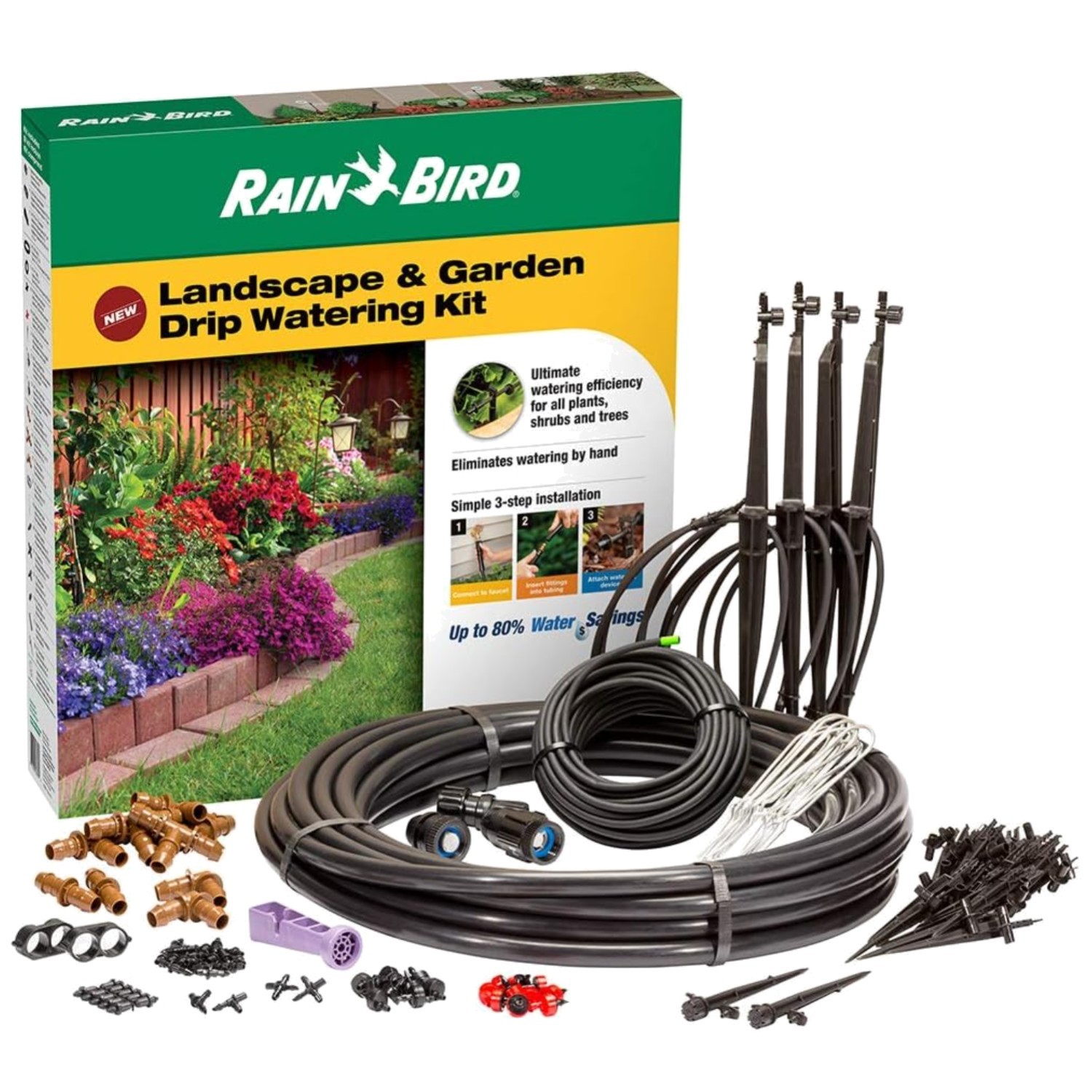
Rain Bird drip irrigation is a modular 1/4-inch and 1/2-inch tubing system built around pressure-compensating or turbulent-flow emitters, and the core trade-off is emitter uniformity versus cost: pressure-compensating (PC) emitters hold flow rate across long runs and elevation changes, while non-PC turbulent emitters rely on short, level runs. The decision rule: buy PC emitters and a pressure regulator whenever your lateral exceeds roughly 30 feet or climbs more than a few feet; use basic non-PC kits only for small, level beds fed from a single faucet.
Buying guide image
Garden Fencing & Privacy Screens

Rabbit Fence

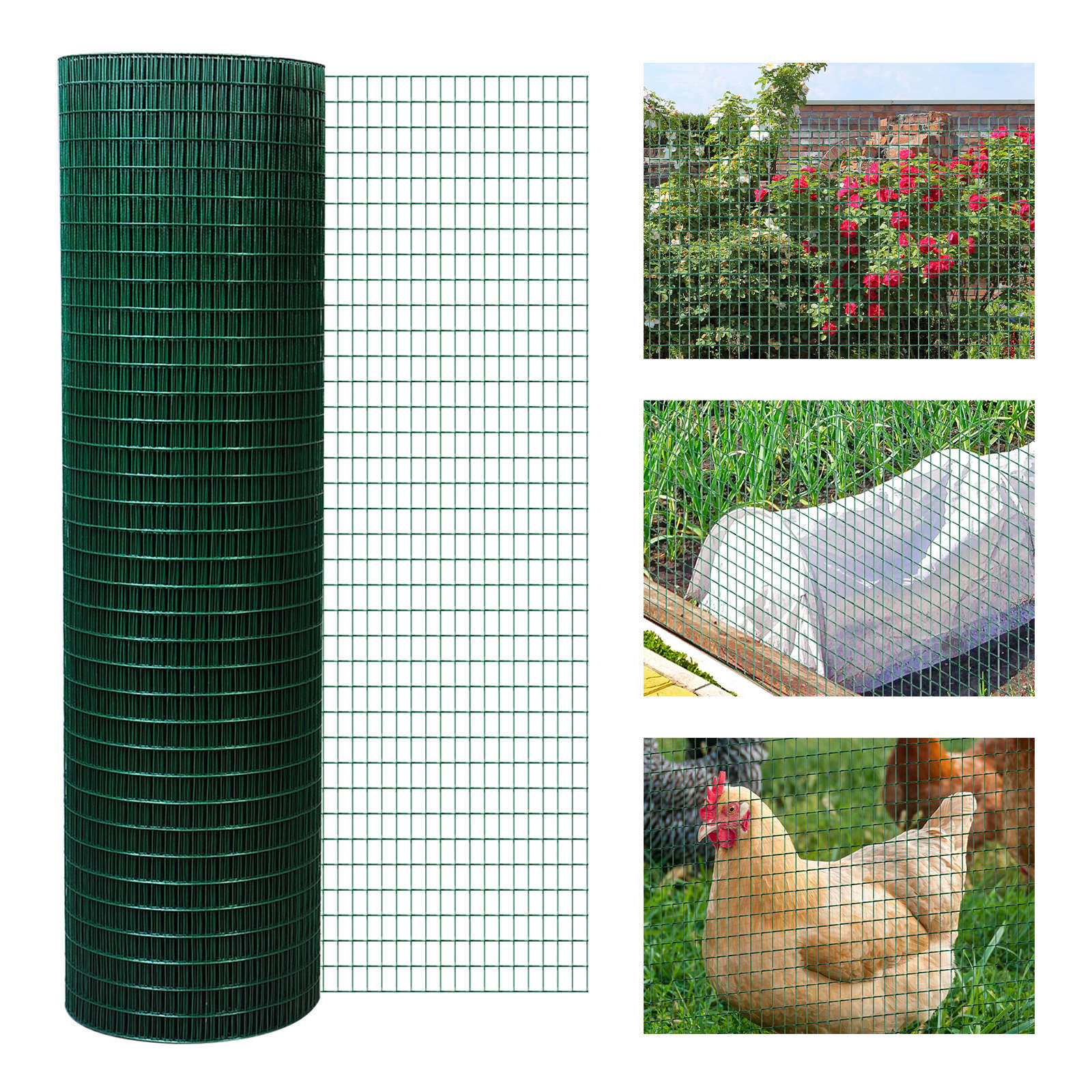
Rabbit fencing is buried wire mesh plus above-ground barriers sized to stop rabbits from digging under or chewing through. The core trade-off is mesh gauge and aperture versus cost: 19-gauge ½-inch hardware cloth resists rabbit teeth and excludes juveniles, while 23-gauge or 1–2-inch mesh is a temporary compromise. The decision rule: buy hot-dip galvanized after welding, ½-inch aperture, 19-gauge or heavier, and bury at least 6 inches with an outward L-foot.

Buying guide image
Lawn Care

Grass Seed Spreader

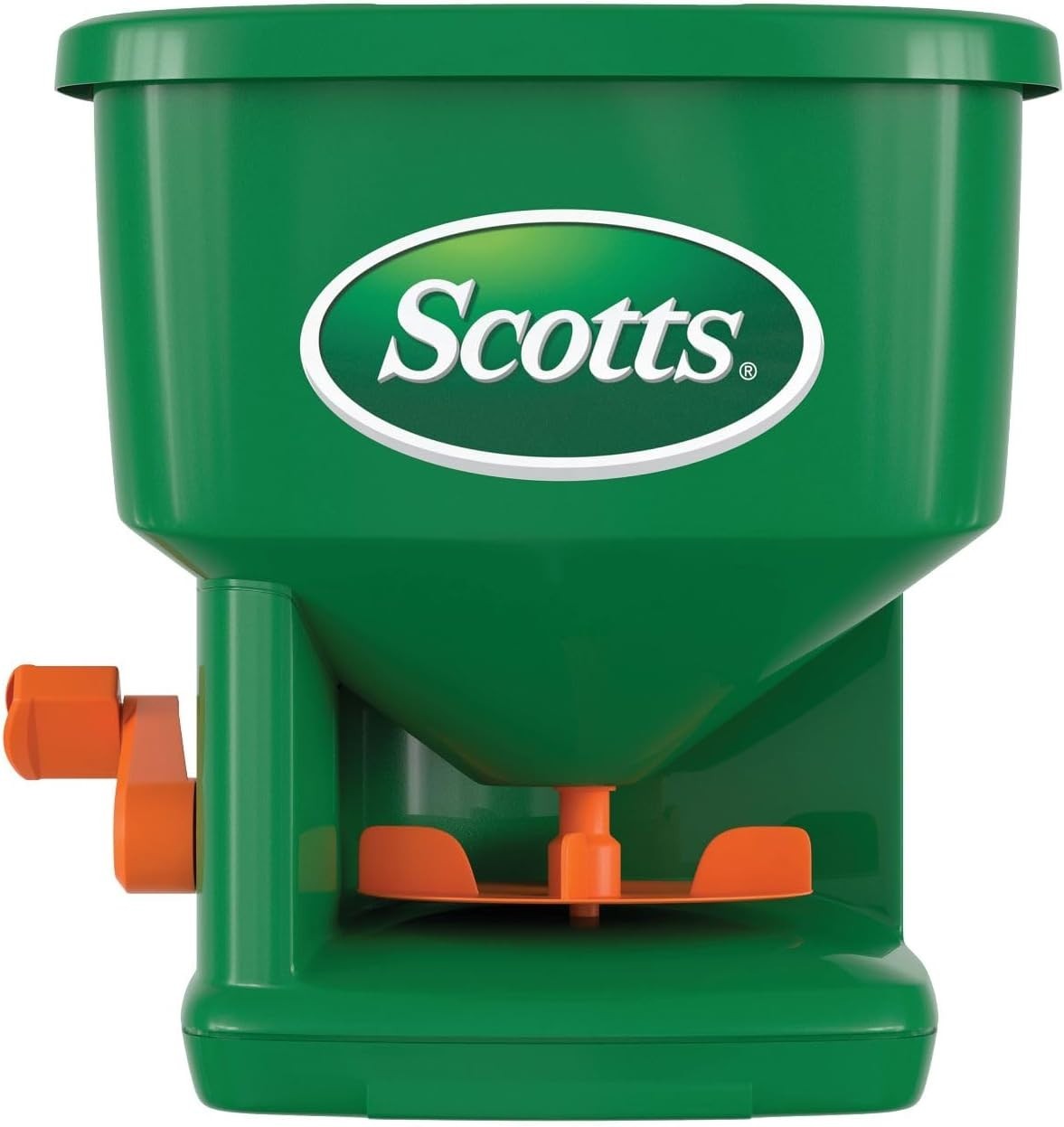
A grass seed spreader is a calibrated metering device that distributes seed, fertilizer, or ice melt evenly across a lawn; the core trade-off is between broadcast (rotary) coverage speed and drop-spreader edge accuracy. Durable options use enclosed gearboxes, rust-proof hoppers, and adjustable rate gates, while compromises rely on exposed plastic gears and non-calibrated throw patterns.

Buying guide image
Outdoor Structures, Shade & Awnings

Sunsetter Awning Fabric Replacement

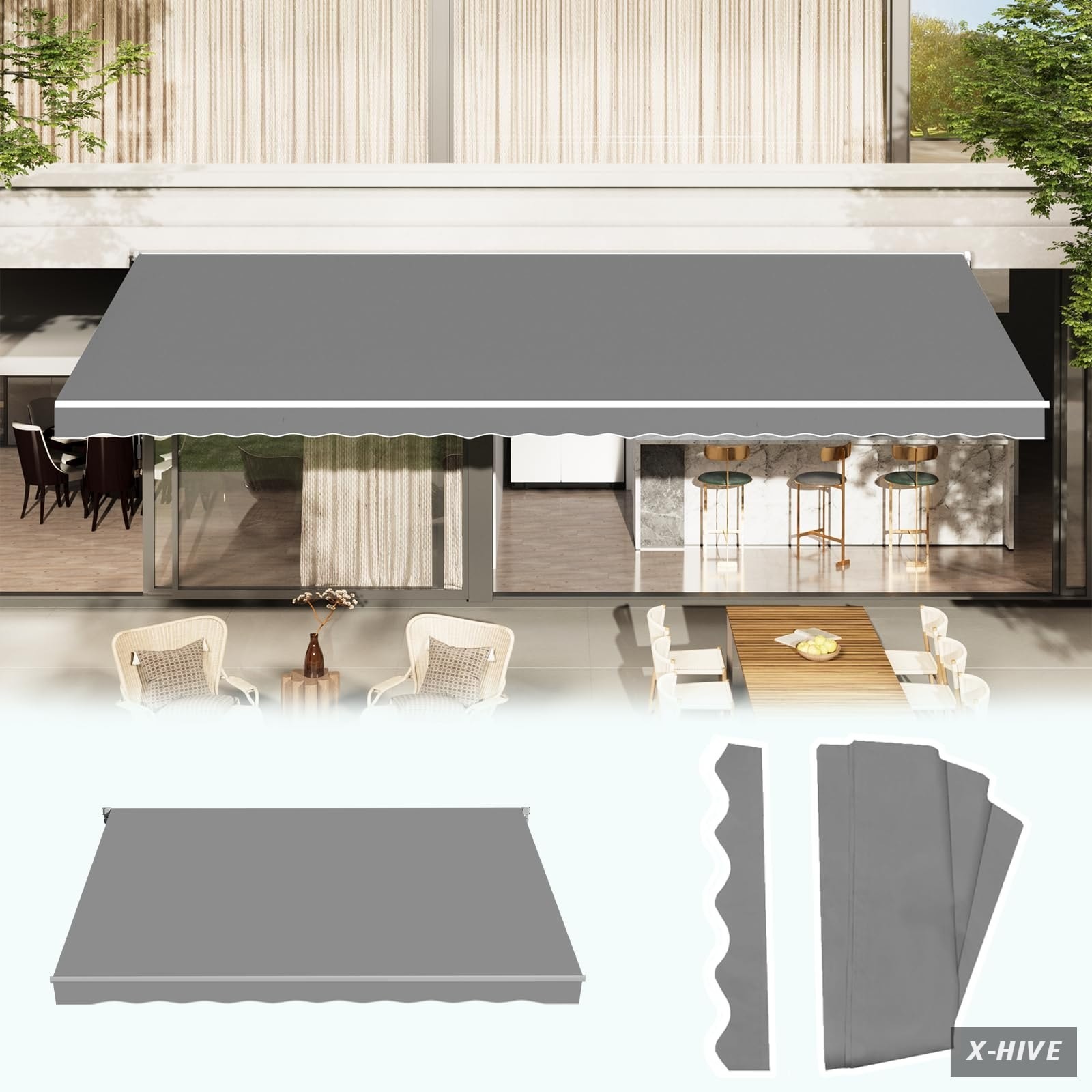
Replacing the fabric on a Sunsetter retractable awning restores shade without discarding a sound frame, but fit depends on exact model width, projection, and fabric attachment style. Buyers often order a generic 'Sunsetter-compatible' skin and find the valance, arm pockets, or roller hem won't align. Confirm your awning's series and measure the fabric, not the frame, before choosing a replacement.

Buying guide image
Raised Garden Beds & Planters

Tall Indoor Planter

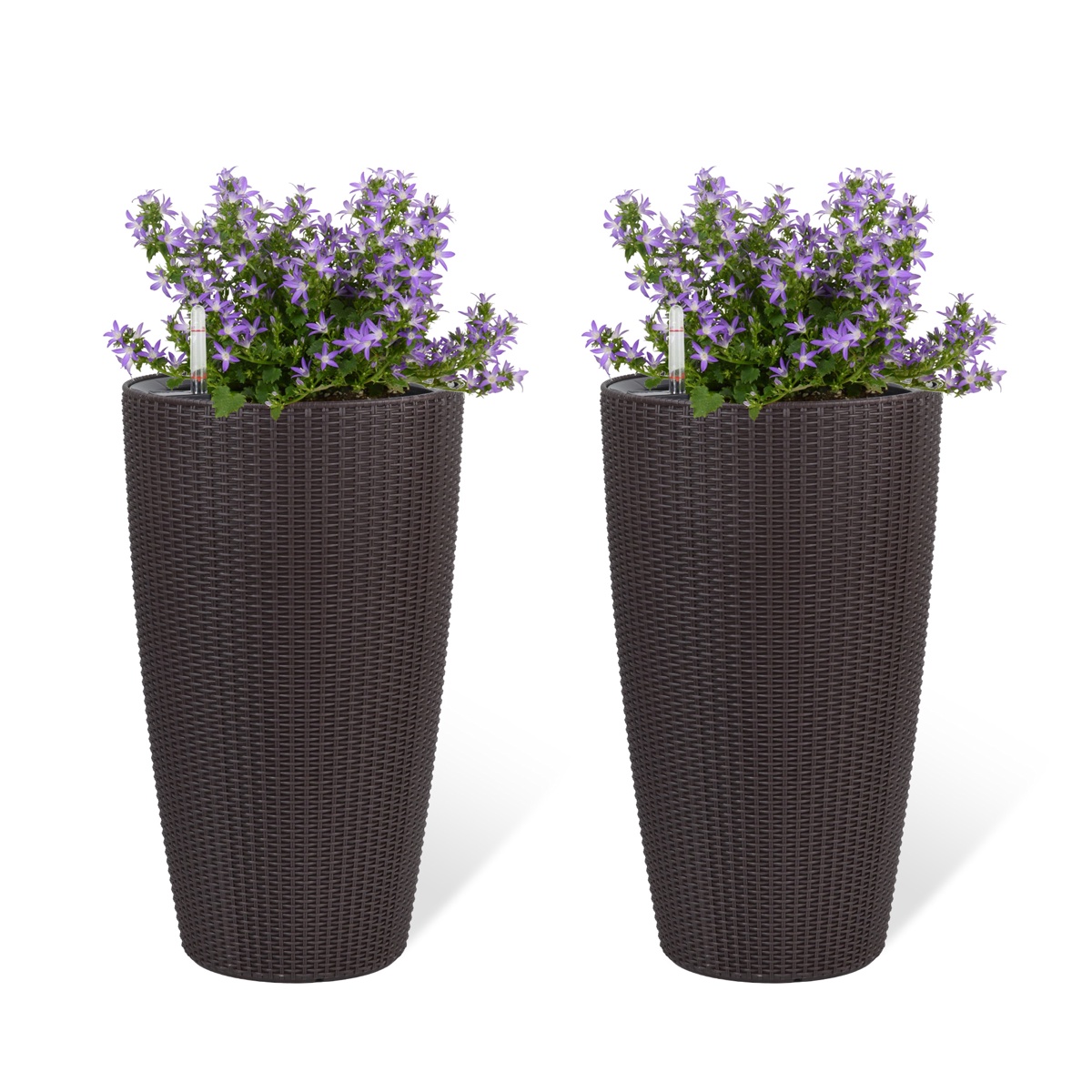
Tall indoor planters are floor-standing vessels (typically 20–28 inches high) that elevate foliage to eye level, and the decisive trade-off is between lightweight resin/faux-rattan shells with separate inner buckets and heavier ceramic, fiberstone, or wood builds with true drainage. Buy resin or plastic tiers only when you need lightweight, movable, self-watering setups; choose ceramic, fiberstone, or sealed wood when weight, stability, and breathable root zones matter more than portability.

Buying guide image
Greenhouse & Hydroponics

Spider Farmer Grow Tent

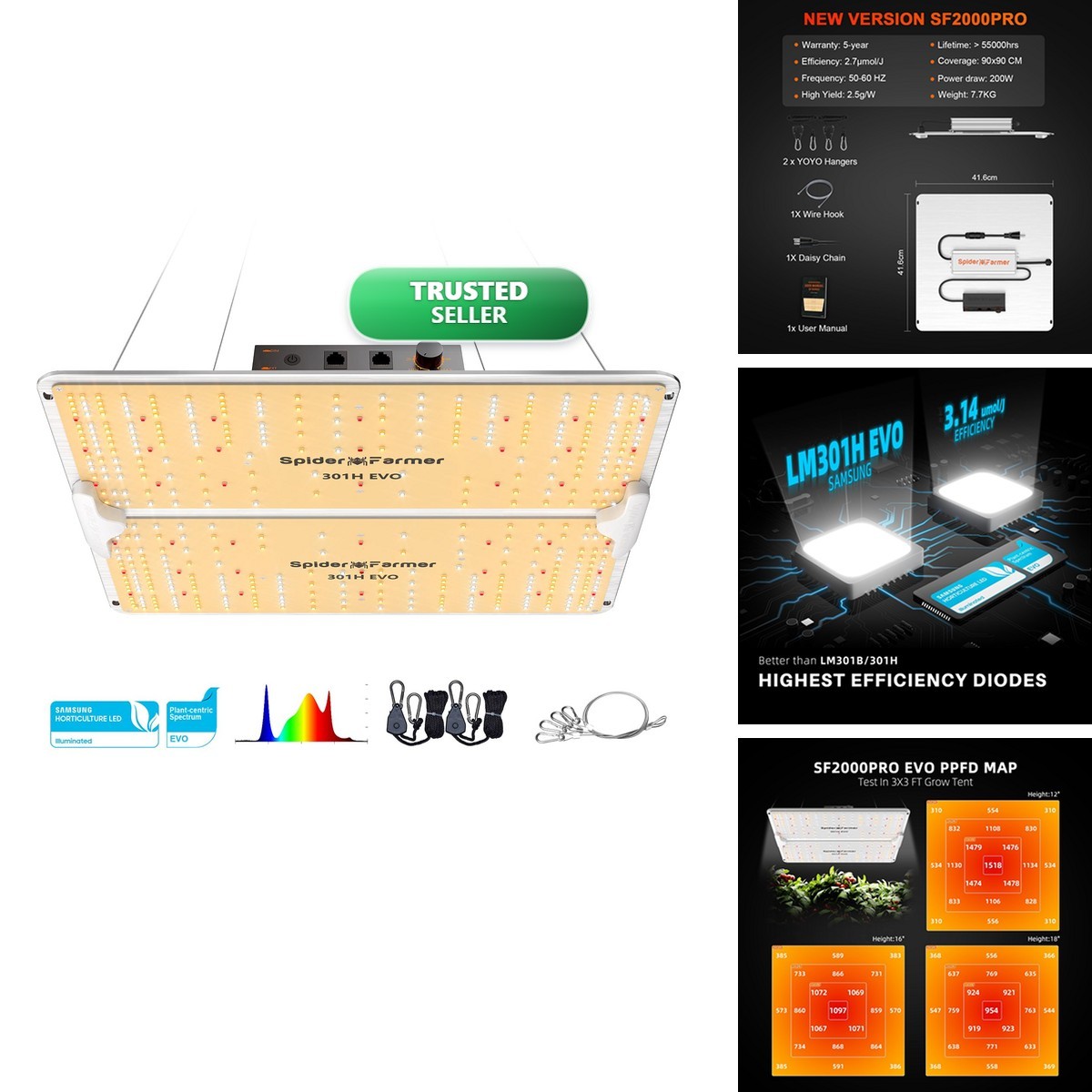
A Spider Farmer grow tent is a reflective, light-tight enclosure built for indoor horticulture, differentiated from generic tents by its 1680D Oxford cloth, reinforced corner poles, and high-reflectivity Mylar lining. The primary trade-off is fabric denier and frame gauge versus the included ventilation and light ports, so buyers must match tent dimensions to their lamp footprint and exhaust duct size. The clear decision rule: choose a model with at least 1680D fabric, a metal corner hub system, and dual duct ports; skip any tent listing that omits denier and pole diameter because those are the durability limits.

Buying guide image
Pools & Spas

Hayward Filter

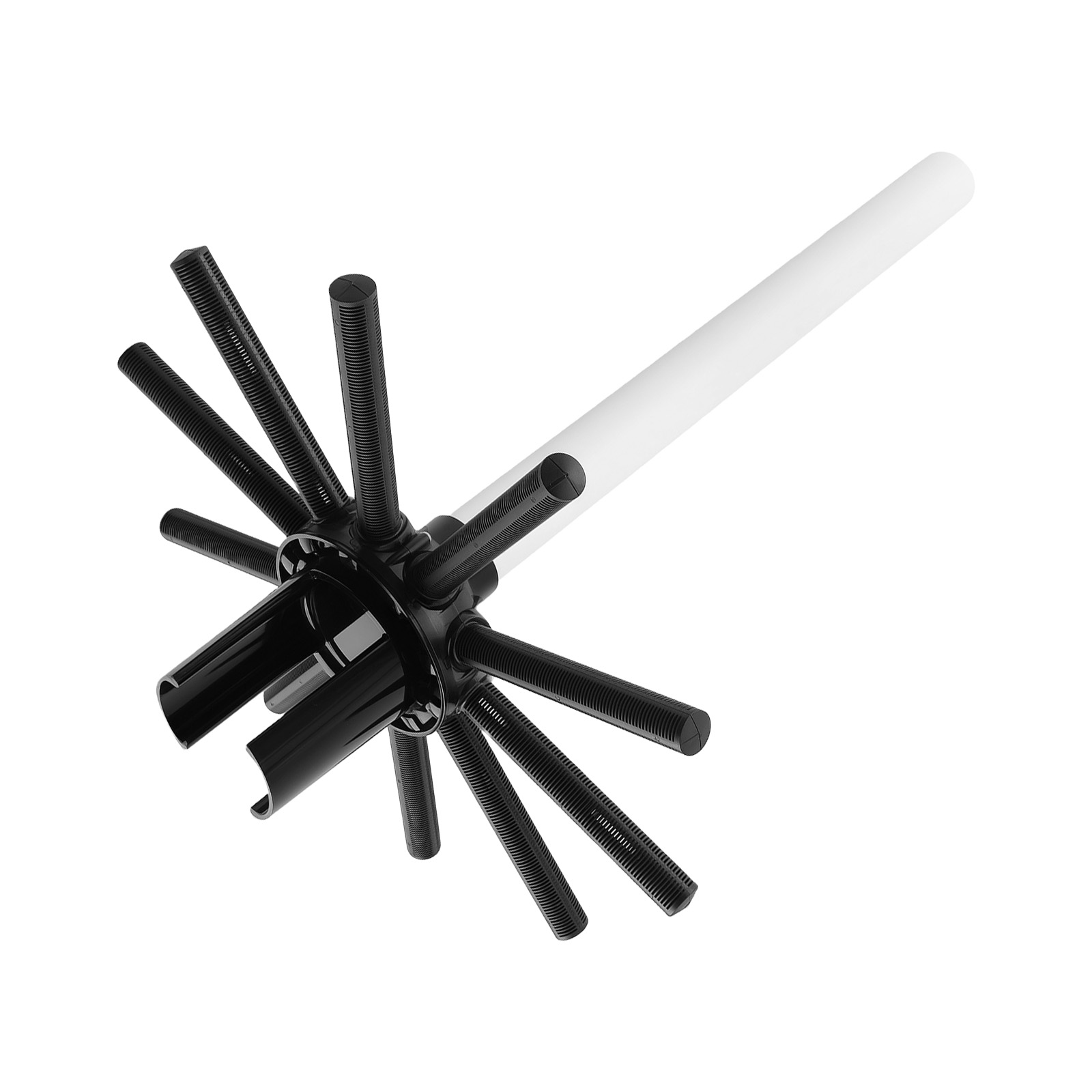
Hayward filters span cartridge, sand, and DE architectures, so the model name on your existing tank or valve—not the brand alone—determines which replacement media, laterals, or cartridges fit. Buyers often assume all Hayward sand filters share the same lateral assembly or that any cartridge with the same diameter drops in, leading to leaks, bypass, or poor clarity. Match the exact tank model, filter body diameter, and valve generation before ordering.

Buying guide image
Chicken Coops & Runs

Plastic Chicken Coop

Plastic chicken coops are molded polymer structures (typically HDPE or PP) that replace wood and wire, trading repairability for rot-proof, predator-resistant, low-maintenance housing. The primary trade-off is UV-stabilized thick-wall resin versus thin, brittle shells that crack within seasons. The decision rule: buy only coops with UV-stabilized HDPE walls at least 3 mm thick, metal-reinforced joints, and a raised, ventilated floor—skip any thin-shell or glue-only assembly.

Buying guide image
Watering & Irrigation

Drip Irrigation Timer

A drip irrigation timer is a battery- or solar-powered valve controller that automates low-flow watering through 1/4-inch tubing and emitters. The core trade-off is between cheap single-valve timers with fragile ABS bodies and gear-driven valves versus UV-stabilized, brass-threaded or dual-valve units rated for continuous outdoor pressure. Buy a timer with a replaceable battery, standard 3/4-inch hose thread, and a manual override if you want multi-season durability; skip sealed solar-only pucks for anything beyond a few balcony pots.

Buying guide image
Watering & Irrigation

Drip System Timer

A drip system timer is only as reliable as its valve, power source, and hose compatibility. Most buyers mistakenly focus on the kit length while ignoring whether the timer runs on battery, solar, or AC and whether it fits standard 1/2-inch or 1/4-inch tubing. Getting the valve type and thread standard right prevents leaks and dead plants.

Buying guide image
Residential Outdoor Power Equipment

Electric Log Splitter

Electric log splitters trade raw cycle speed for quiet, fume-free operation, making them the right choice for homeowners splitting seasoned rounds in a garage or near the house. The decisive variables are tonnage versus wood diameter, motor amperage against your circuit, and whether the wedge stroke geometry actually clears your log length. Most buyer mistakes come from overbuying tonnage for softwood or undersizing the circuit for a 15-amp motor.

Buying guide image
Beehives & Frames

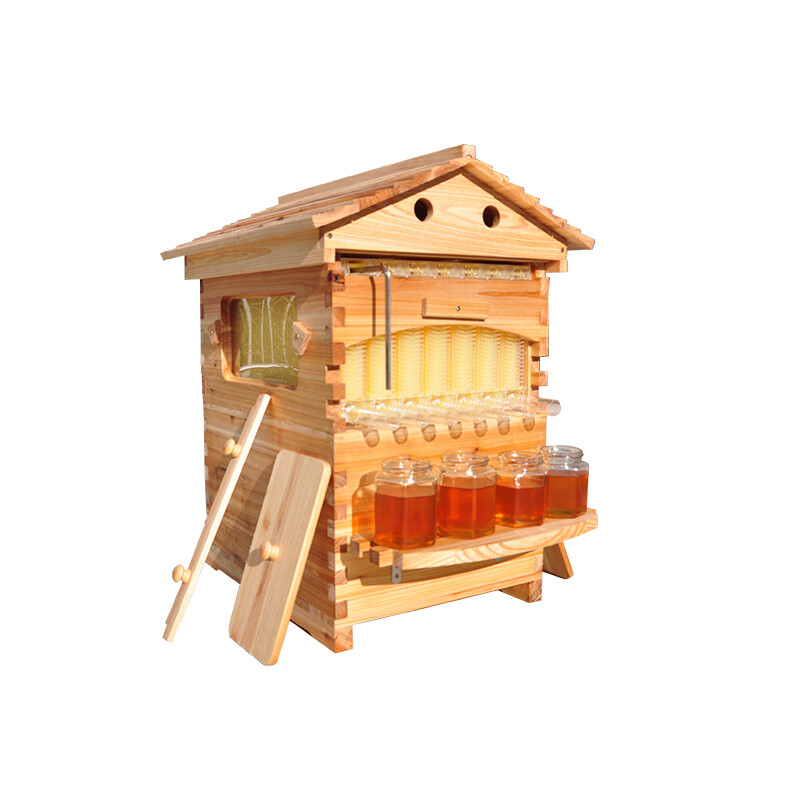
Observation Bee Hive

An observation beehive is a single-frame or two-frame glass-walled hive designed for safe indoor or classroom viewing of live bee behavior. The core trade-off is optical clarity and bee visibility versus thermal insulation and escape-proofing: thin acrylic or glass panels give the best view but overheat faster and warp, while insulated frames and tighter joinery protect the colony but reduce visibility. Choose a hive with at least 3/16-inch tempered glass or UV-stabilized acrylic, a sealed venting system, and a dedicated entrance tube that exits through a window—skip any unit with unsealed seams or non-tempered panels.

Buying guide image
Residential Outdoor Power Equipment

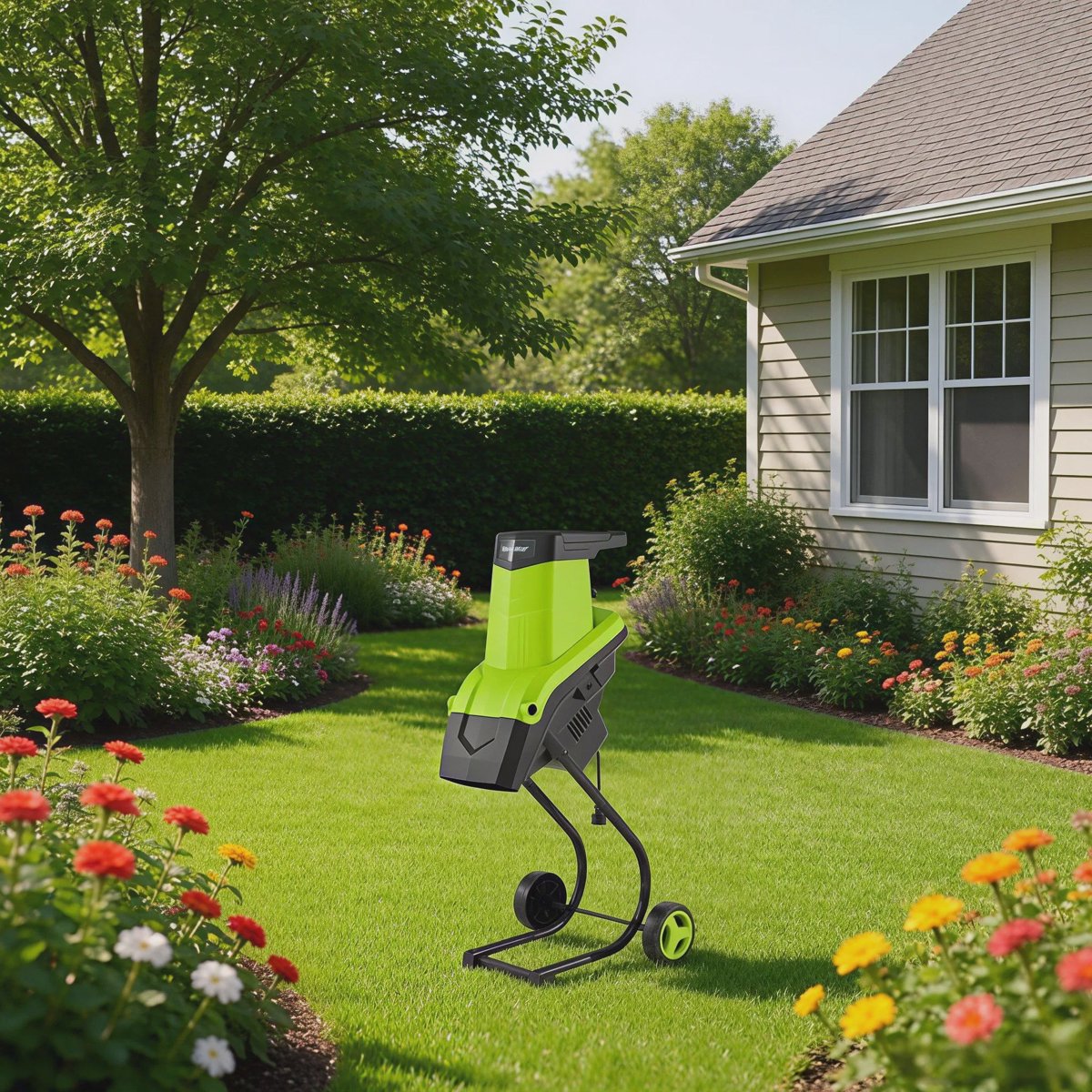
Electric Chipper Shredder

An electric chipper shredder turns brush, leaves, and small branches into mulch or compost fast—without gas fumes or pull cords. Buyers often ruin the experience by overfeeding branch diameter or choosing a 2-in-1 unit when they need a 3-in-1 vacuum-capable machine. Focus on amperage, reduction ratio, and feed type before picking a tier.

Buying guide image
Beehives & Frames

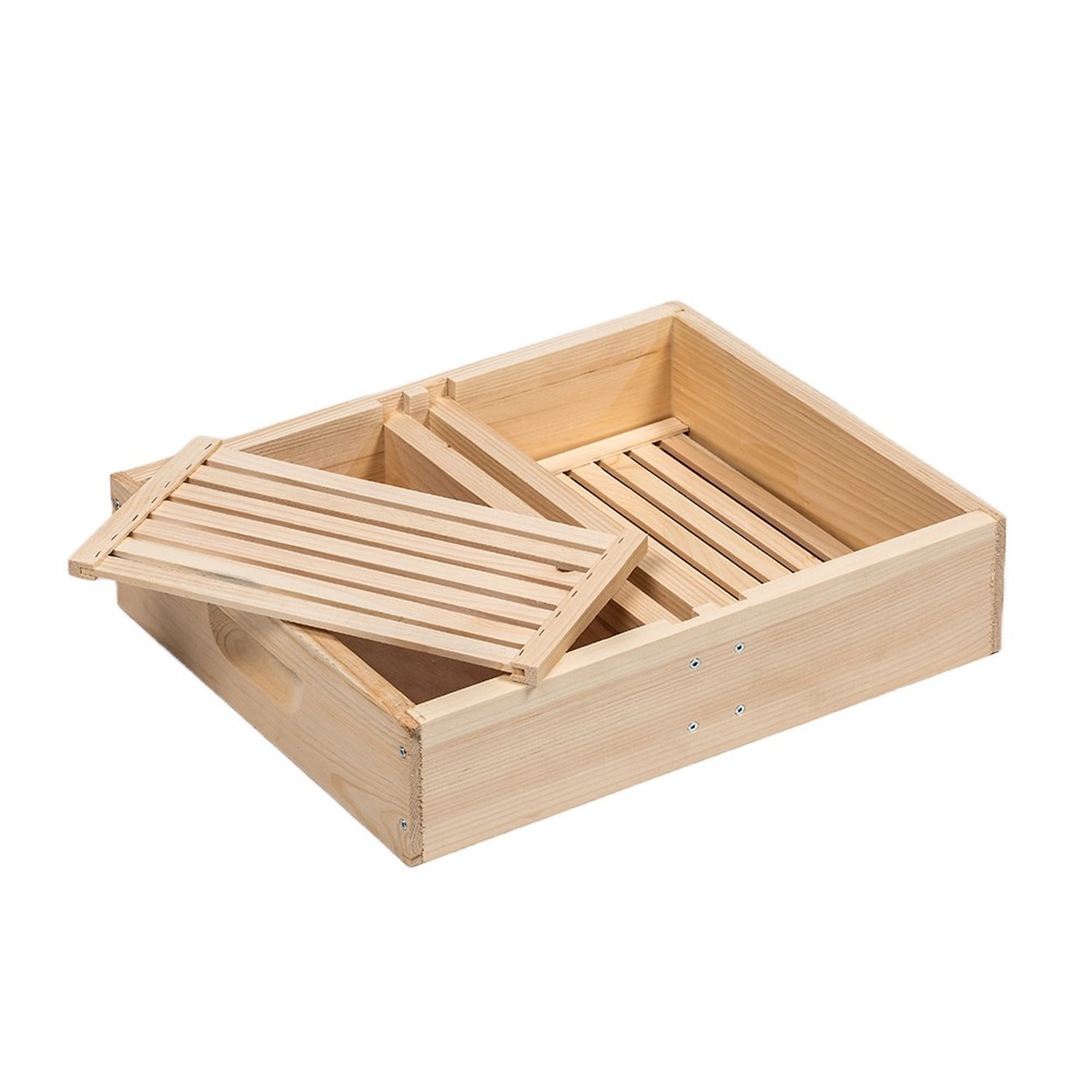
Honey Bee Box

A honey bee box is the physical hive cavity—most commonly a Langstroth modular stack of brood and honey supers—that determines colony management, honey harvest ease, and long-term weather resistance. The primary trade-off is frame compatibility and box material: standard 10-frame Langstroth pine with proper joints supports interchangeable parts and expands, while odd frame counts, thin walls, or non-standard spacing lock you into proprietary replacements. The decision rule: buy only hive bodies that state Langstroth frame capacity, use a known box depth (deep, medium, or shallow), and specify lumber thickness or food-grade plastic—skip unlabeled boxes with mixed frame counts.

Buying guide image
Bee Feeders & Mite Treatment

Hive Feeder

A hive feeder is an in-hive or top-mounted reservoir that delivers sugar syrup to bees without drowning them, and the core trade-off is capacity and access speed versus bee safety and hive-fit precision. Durable feeders use food-grade HDPE or sealed pine with CNC-cut bee ladders, while compromises rely on thin thermoformed plastic or open troughs that cause drowning. The decision rule: pick a top feeder with a screened or laddered access zone and exact 8- or 10-frame body dimensions, and skip anything without a bee-safe float or climb-out surface.

Buying guide image
Lawn Care

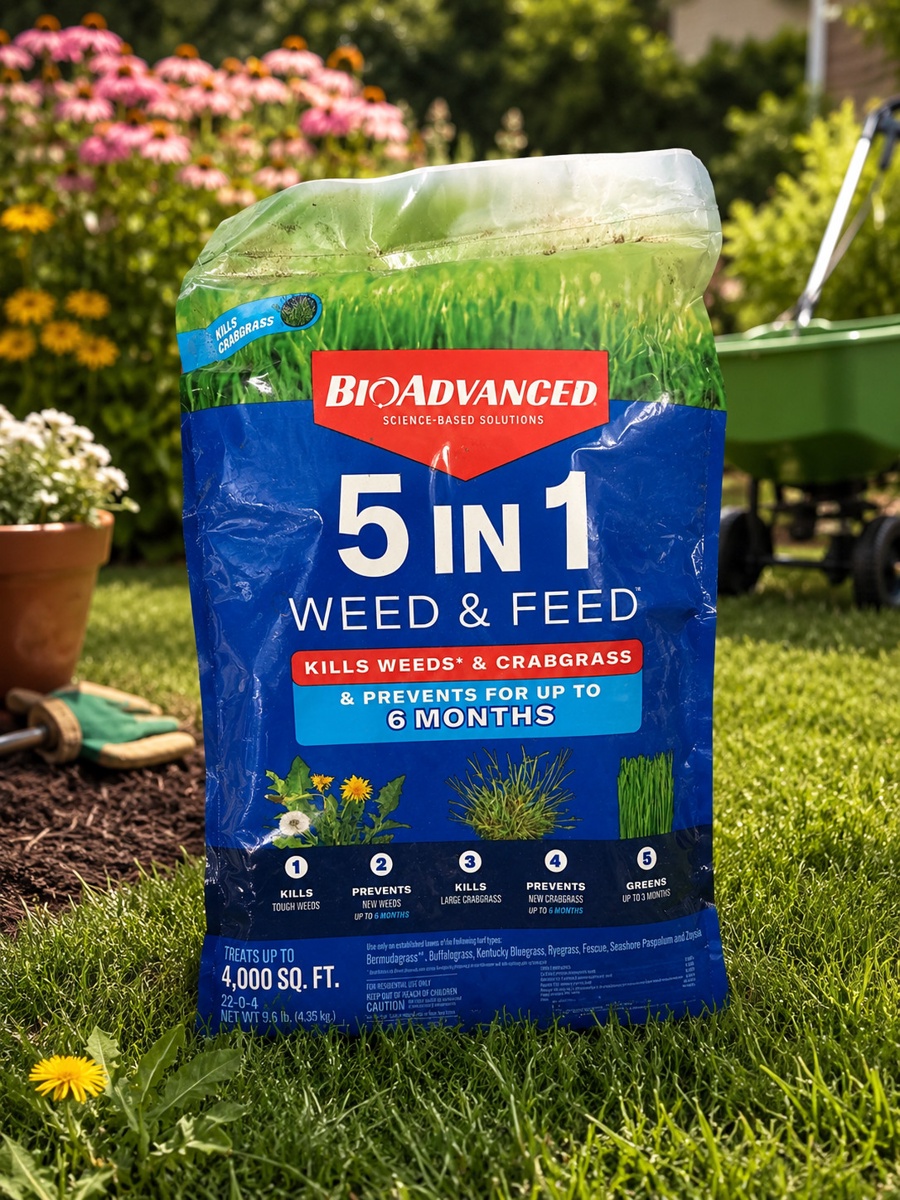
Bioadvanced Weed Killer

BioAdvanced weed killers are selective post-emergent and weed-and-feed formulations built around 2,4-D, dicamba, and MCPP or quinclorac for broadleaf and crabgrass control in established turf. The core trade-off is between fast foliar burn-down (amine salts) and lower-volatility ester or acid formulations that reduce drift damage to ornamentals. Choose a concentrate matched to your grass type and sprayer calibration over ready-to-use triggers for large lawns; skip soil-acting products when reseeding within four weeks.

Buying guide image
Outdoor Structures, Shade & Awnings

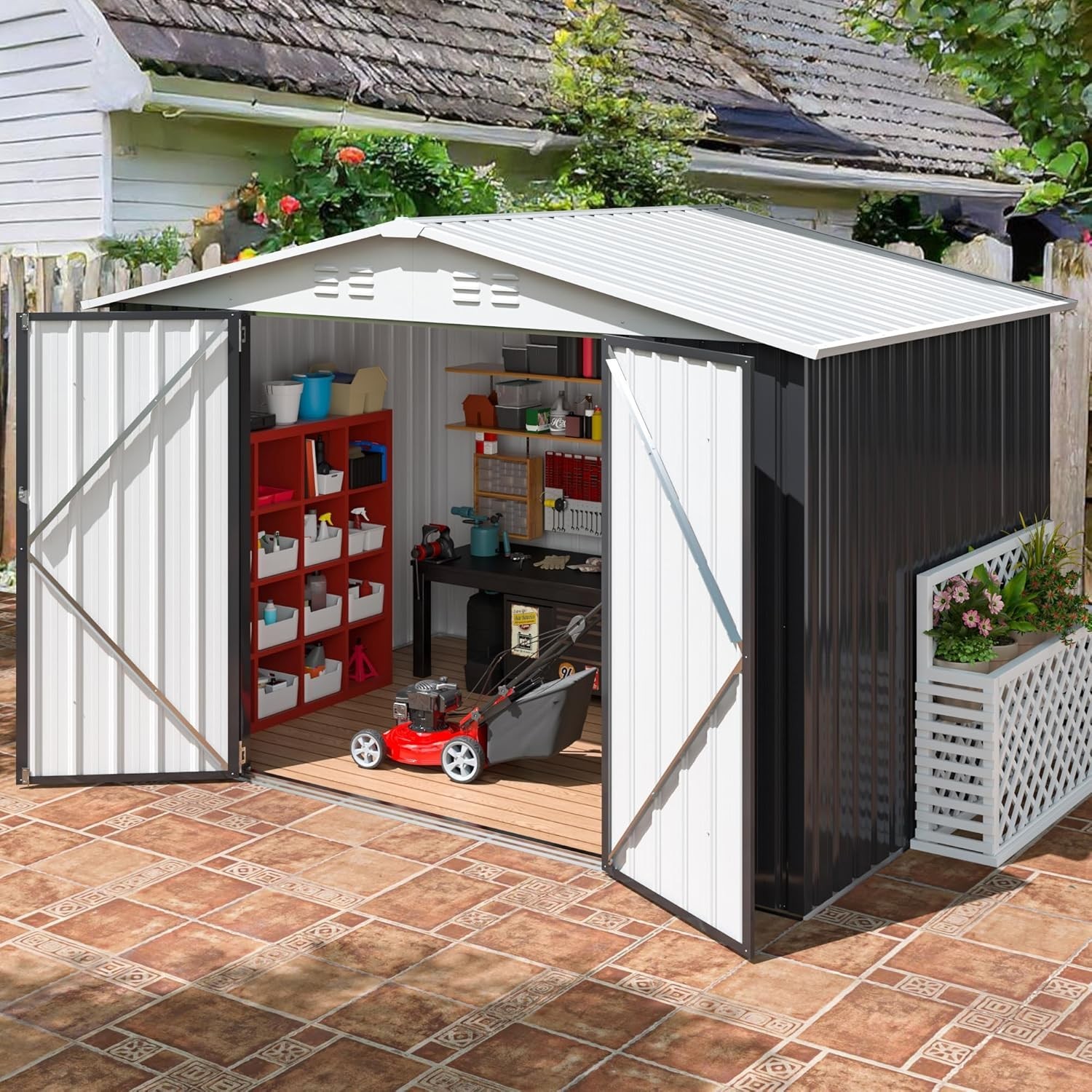
6x8 Metal Shed

A 6x8 metal shed is a compact, low-maintenance storage solution for garden tools, lawn equipment, and seasonal gear, but panel gauge, frame bracing, and anchor strategy often decide whether it lasts one winter or ten. Buyers commonly misjudge the true footprint once roof overhang and door swing are added, or skip the base and anchoring kit that the structure assumes. Focus on steel thickness, wind/snow ratings, and a level foundation before choosing a tier.

Buying guide image
Outdoor Structures, Shade & Awnings

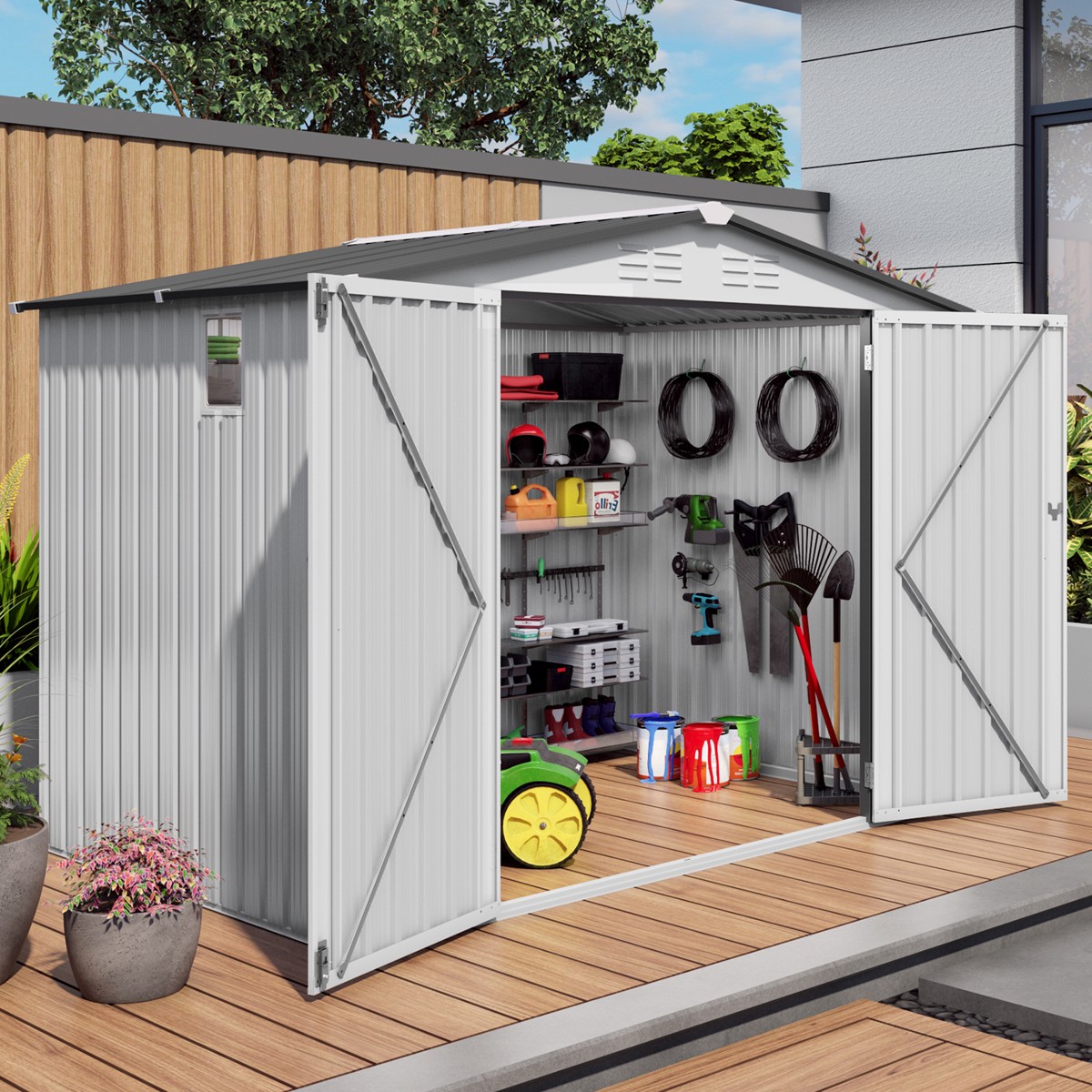
8x6 Metal Shed

An 8x6 metal shed is typically a compact, budget-friendly storage solution for garden tools, bikes, and patio gear, but buyers often underestimate the importance of floor anchoring and door clearance. Most units use thin-gauge galvanized steel and a pitched roof, so wind resistance and base preparation matter more than brand names. Decide between a lean-to, gable, or pent roof based on your yard's exposure and the height of what you'll store.

Buying guide image
Raised Garden Beds & Planters

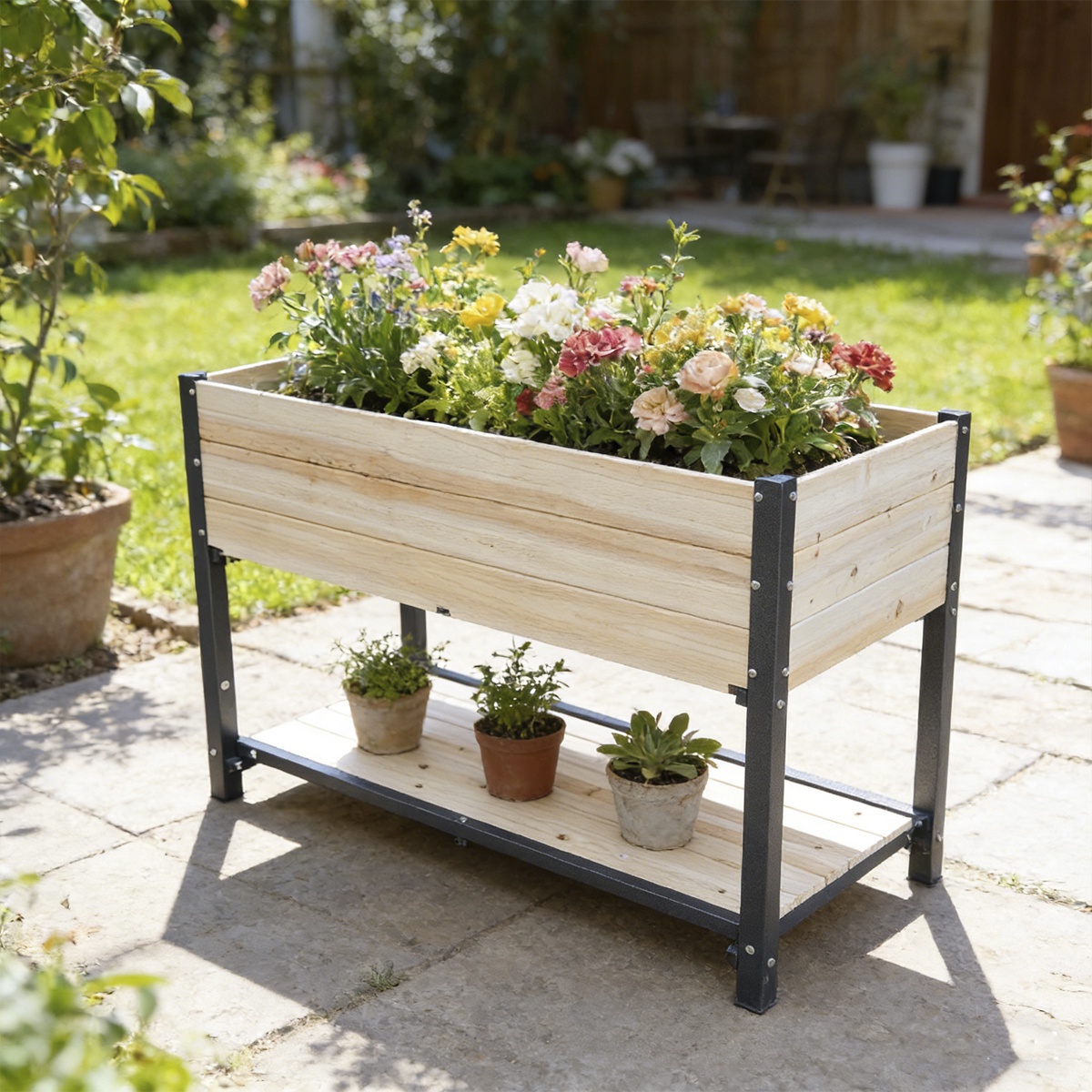
DIY Wood Planter Box

A DIY wood planter box is any raised bed or freestanding planter built from lumber and assembled on-site, where the core trade-off is wood species/grade versus rot resistance and structural bracing. Choose kiln-dried rot-resistant heartwood or naturally durable cedar/cypress with corrosion-resistant fasteners for a decade-plus lifespan; skip untreated pine and thin decorative panels for food gardening.

Buying guide image
Raised Garden Beds & Planters

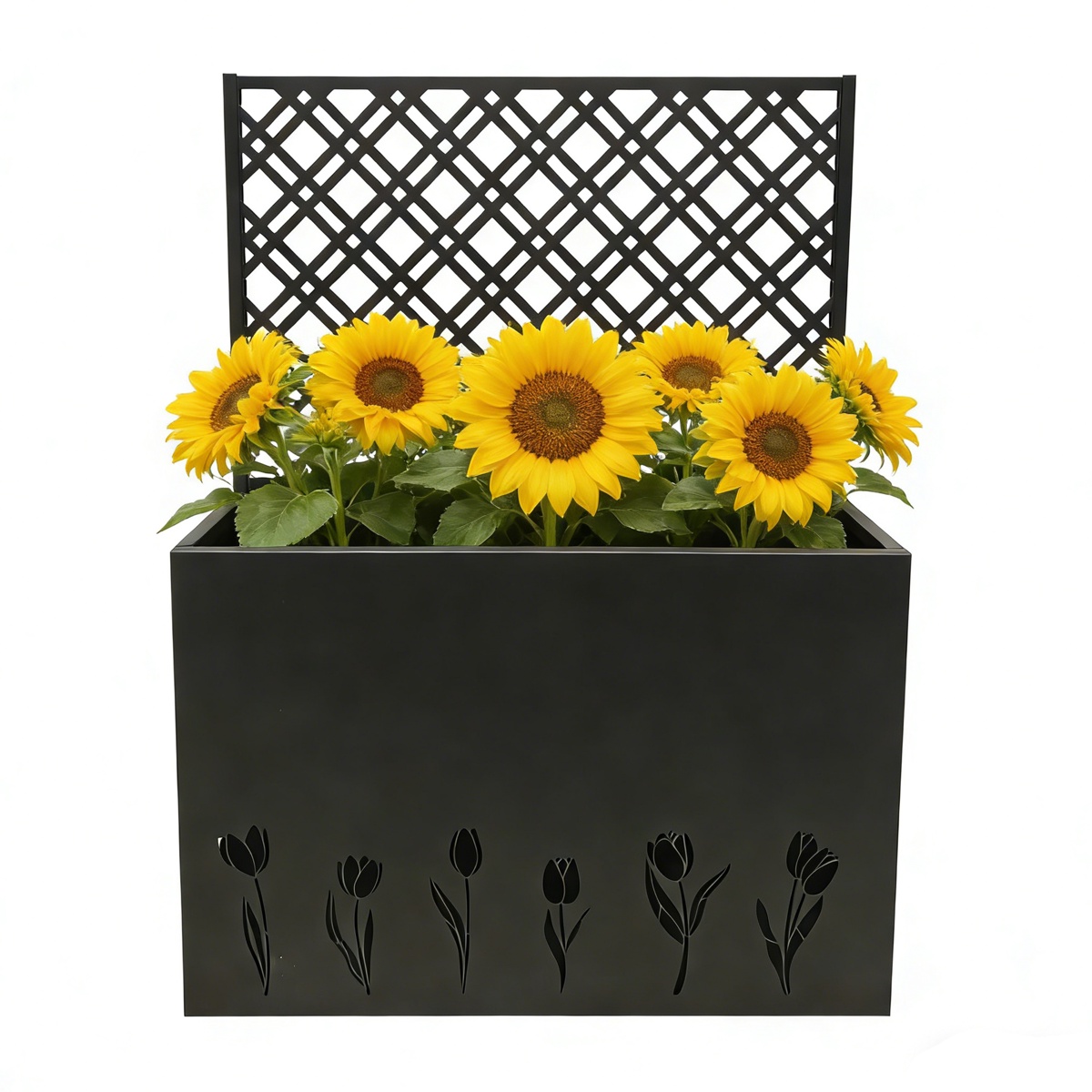
Large Black Planter

A large black planter is a freestanding or raised-bed container, typically 35 inches wide and 47 inches tall, used to define space, screen views, or grow deep-rooted plants. The key trade-off is between powder-coated metal (best for privacy screens and trellis integration) and heavy-duty plastic or composite (best for frost resistance and low maintenance); thin, uncoated metal and single-wall plastic are the durability compromises to avoid.

You may also like

Finding more guides for you…