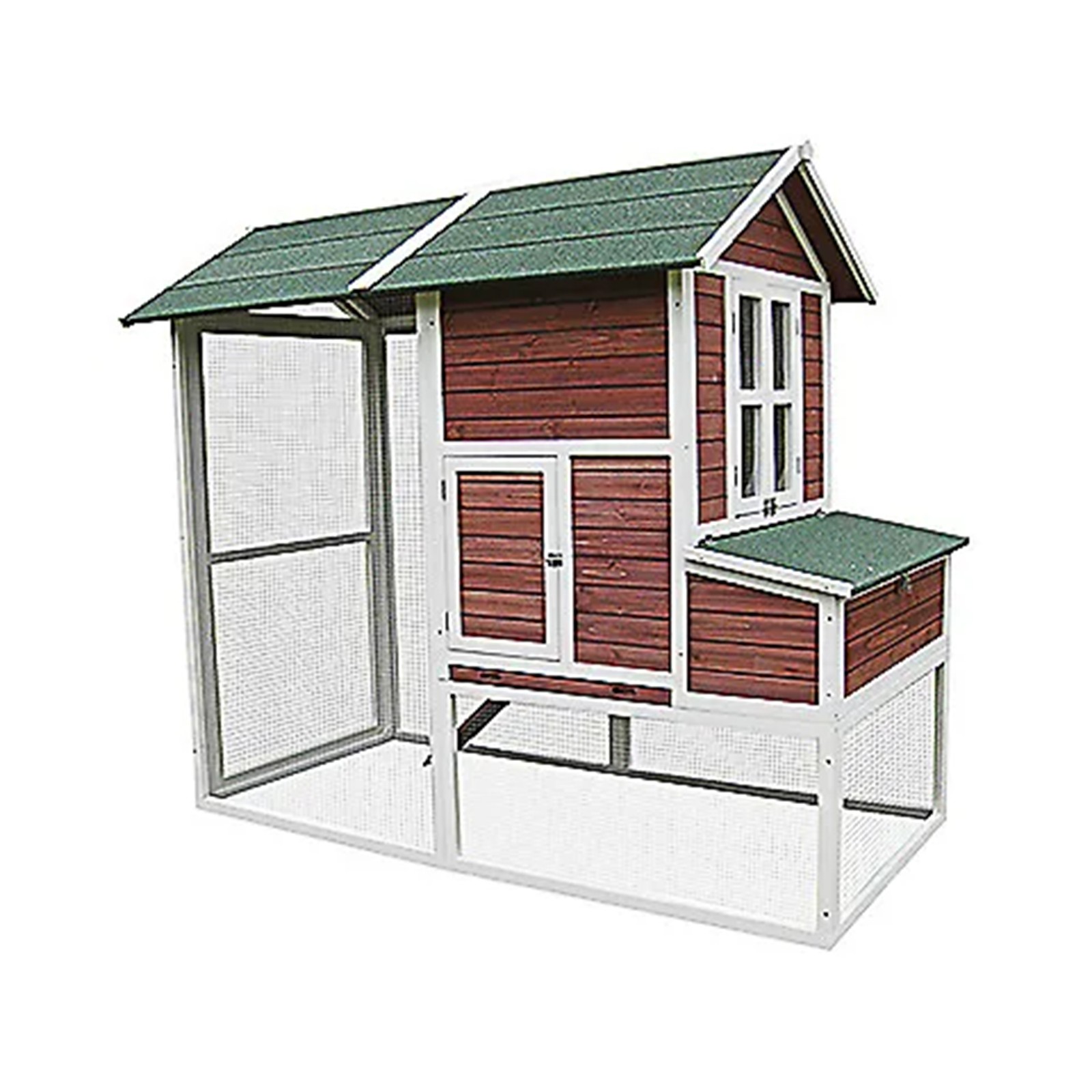

Photos from current listings. Actual item, color, and included accessories may vary.
Plastic Chicken Coop Buying Guide
Plastic chicken coops are molded polymer structures (typically HDPE or PP) that replace wood and wire, trading repairability for rot-proof, predator-resistant, low-maintenance housing. The primary trade-off is UV-stabilized thick-wall resin versus thin, brittle shells that crack within seasons. The decision rule: buy only coops with UV-stabilized HDPE walls at least 3 mm thick, metal-reinforced joints, and a raised, ventilated floor—skip any thin-shell or glue-only assembly.
Key takeaways
- HDPE vs PP: HDPE resists UV and impact better; PP is stiffer but brittle in cold, so HDPE is the durable tier for outdoor coops.
- Wall thickness of 3–5 mm with UV stabilizers (e.g., >2% carbon black) separates multi-year shells from thin 1–2 mm brittle covers.
- Ventilation area should be at least 10% of floor area, placed high above roosts to avoid drafts on birds.
At a glance
- Category
- Chicken Coops & Runs
- Last updated
- Nov 28, 2026
Current offers
Highlights
- HDPE vs PP: HDPE resists UV and impact better; PP is stiffer but brittle in cold, so HDPE is the durable tier for outdoor coops.
- Wall thickness of 3–5 mm with UV stabilizers (e.g., >2% carbon black) separates multi-year shells from thin 1–2 mm brittle covers.
- Ventilation area should be at least 10% of floor area, placed high above roosts to avoid drafts on birds.
- Roll-out nesting boxes use angled plastic trays so eggs roll to a collection door—reduce breakage and broody hens vs flat wooden boxes.
Best use cases
- Best fit: 2–6 backyard hens in a mild climate—pick a raised HDPE coop with integrated run and roll-out nest tray; skip thin-shell dome coops.
- Best fit: rainy or humid regions—choose molded plastic with sloped roof and sealed seams; skip wood-plastic composite that wicks moisture at joints.
- Wrong fit: heavy predator pressure (fox, raccoon)—plastic alone is insufficient; pair with a welded-wire skirt and locking metal latches, not snap clips.
- Wrong fit: cold-winter climates below -15°C—avoid brittle PP shells; choose thick HDPE with insulated roost area or add external insulation.
Buying tips
- Size math: allow 0.3–0.4 m² (3–4 sq ft) coop floor per standard hen plus 0.9–1.1 m² (10–12 sq ft) run per bird; a 3-compartment nest box serves 6–9 hens.
- Demand UV-stabilized HDPE with molded (not glued) panel joints; snap-together seams without metal fasteners loosen and leak within a season.
- Check door and vent latches are metal, not plastic snap tabs—raccoons open plastic clips; predator-proof latches are a hard requirement.
- For roll-out nest boxes, confirm the egg tray angle is 10–15° and the collection door has a lip; steeper angles crack eggs, shallower ones stall them.
Specs
| Shell Material | UV-stabilized HDPE vs PP |
|---|---|
| Wall Thickness | 3–5 mm molded panels |
| Nest Box Type | Roll-out angled tray vs flat |
| Ventilation Ratio | ≥10% of floor area, high-mounted |
Related searches
What to check before buying
- Measure the coop footprint against your flock: floor area ≥ 0.3 m² per hen and nest boxes at 1 per 4–5 hens.
- Confirm ground is level and firm; raised plastic coops need a flat base or pavers to prevent settling and frame stress.
- Verify climate rating: HDPE for UV/humid, PP only in mild shaded sites; below -15°C plan insulation or choose a thick-wall model.
- Check included hardware: metal latches, anchored run skirt, and a lockable egg-collection door; missing parts are not optional add-ons.
FAQ
Data sources: eBay / Amazon listings and product attribute feeds. Updated Nov 28, 2026.
Some links on this page are affiliate links. If you buy after clicking one, we may earn a commission at no extra cost to you. This does not change which products appear here or their order. Affiliate disclosure.