GardenPulse Guide

GardenPulse Guide

Garden, Yard & Outdoor Living Reviews & Buying Guides

Compare garden, yard & outdoor living by use case, features, trade-offs, price, returns, and seller terms before you buy.

Buying guides

Buying guide image
Beehives & Frames

Bee Hive Stand

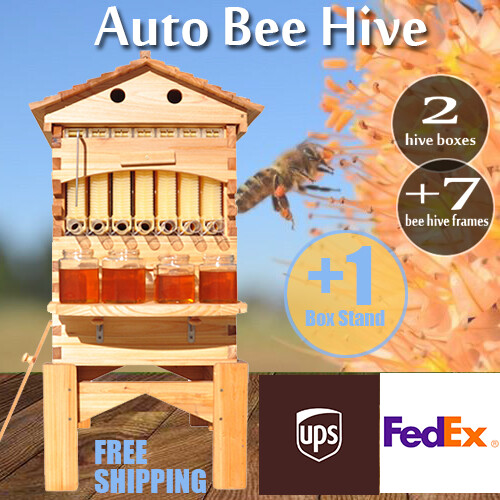
A bee hive stand is a load-bearing platform that lifts the hive off the ground to control moisture, pests, and ergonomic access. The primary trade-off is between untreated softwoods that rot in 2-3 seasons and rot-resistant or galvanized construction that holds up for a decade. The decision rule: buy a stand rated for the full loaded weight of your hive configuration (deep + supers + honey) with at least 12 inches of ground clearance and a frame that resists racking under lateral loads.
Buying guide image
Outdoor Structures, Shade & Awnings

Galvanized Steel Shed

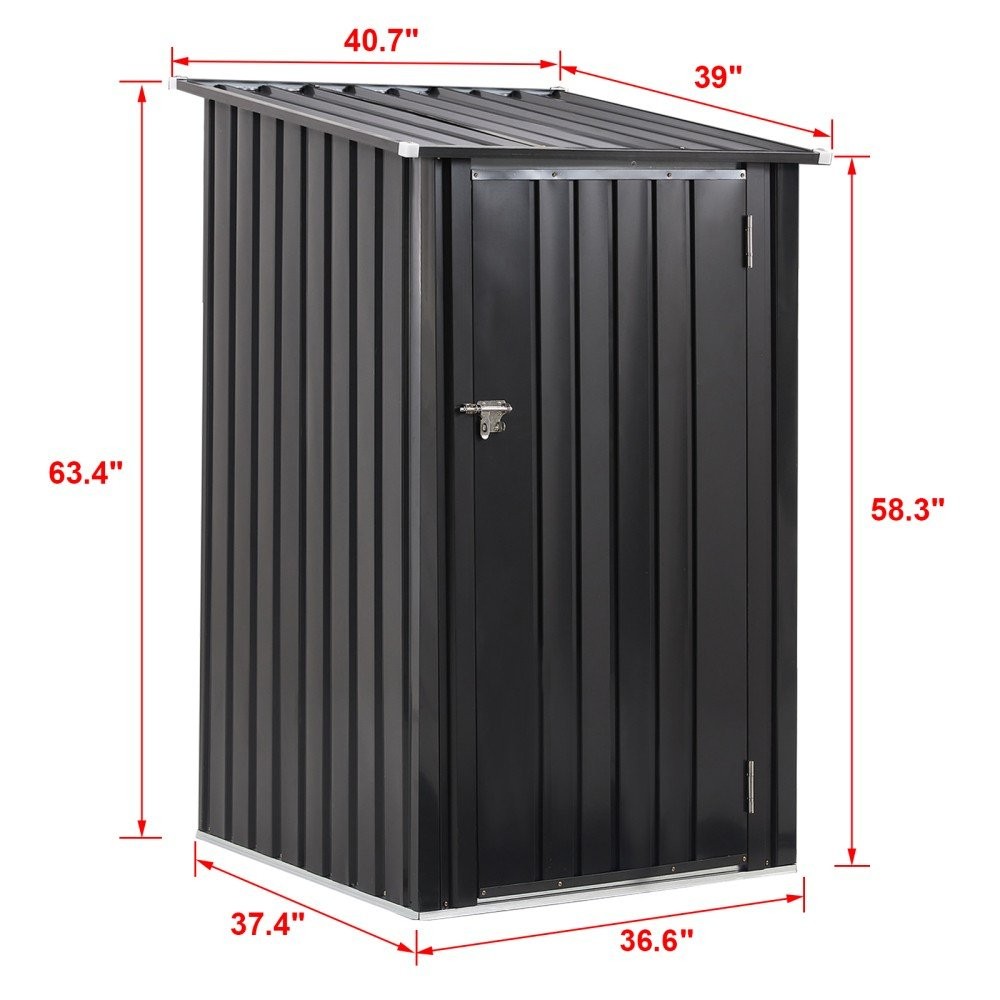
Galvanized steel sheds split into two distinct build types: light-duty fabric-covered frames that use galvanized tube as the skeleton, and rigid all-steel panel sheds where galvanized sheet forms the walls. Buyers most often err by treating a portable tent-style shelter as a permanent building, or by underestimating wind uplift and anchoring on an unweighted frame. Sizing should be driven by the footprint of what you store plus clearance for doors and roof slope, not by the nominal label.

Buying guide image
Outdoor Structures, Shade & Awnings

Outdoor Patio Table With Umbrella

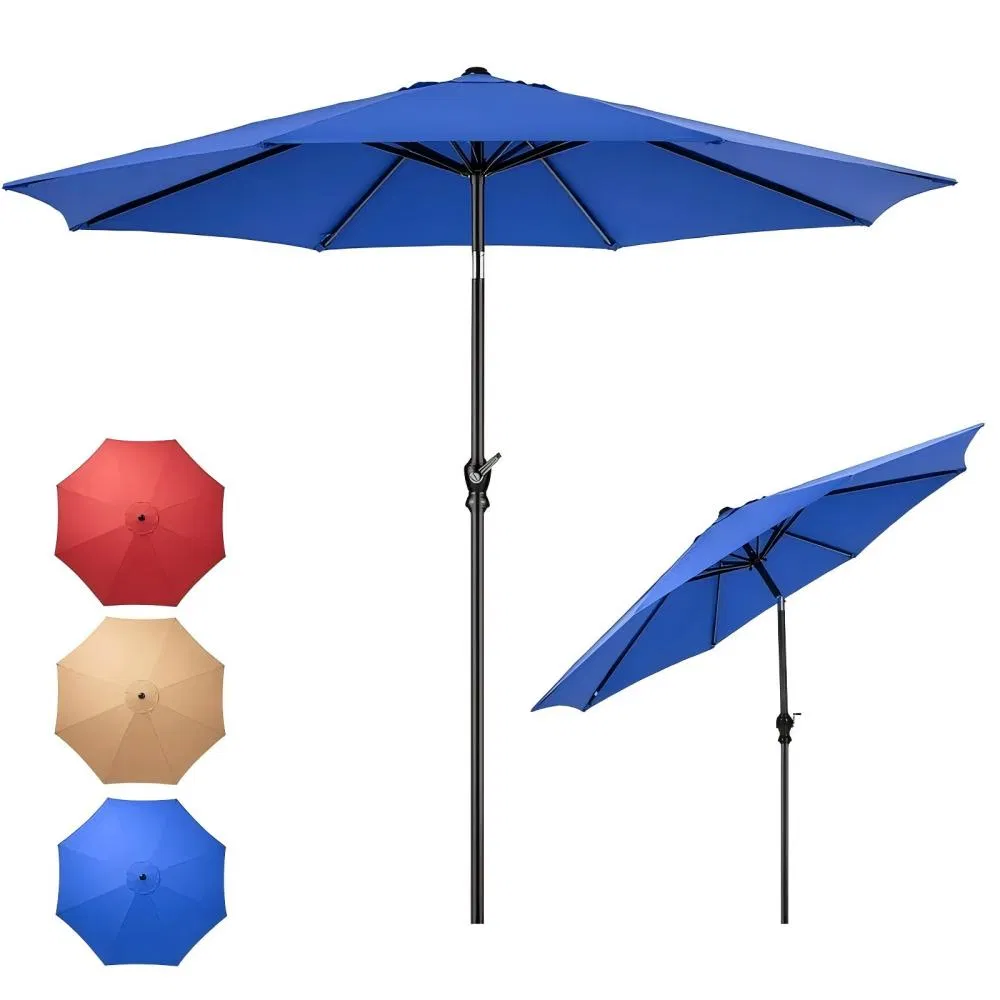
An outdoor patio table with umbrella is a matched furniture-and-shade system, not two separate purchases. The decisive trade-off is tabletop material (powder-coated steel or aluminum vs. HDPE resin vs. glass-over-frame) and umbrella architecture (crank/tilt mechanism, rib count, venting, and whether a base with real ballast is included). Buy the table only if its umbrella hole or clamp system matches your umbrella pole diameter and base weight; otherwise you are buying a tipping hazard.

Buying guide image
Raised Garden Beds & Planters

Large Indoor Planter

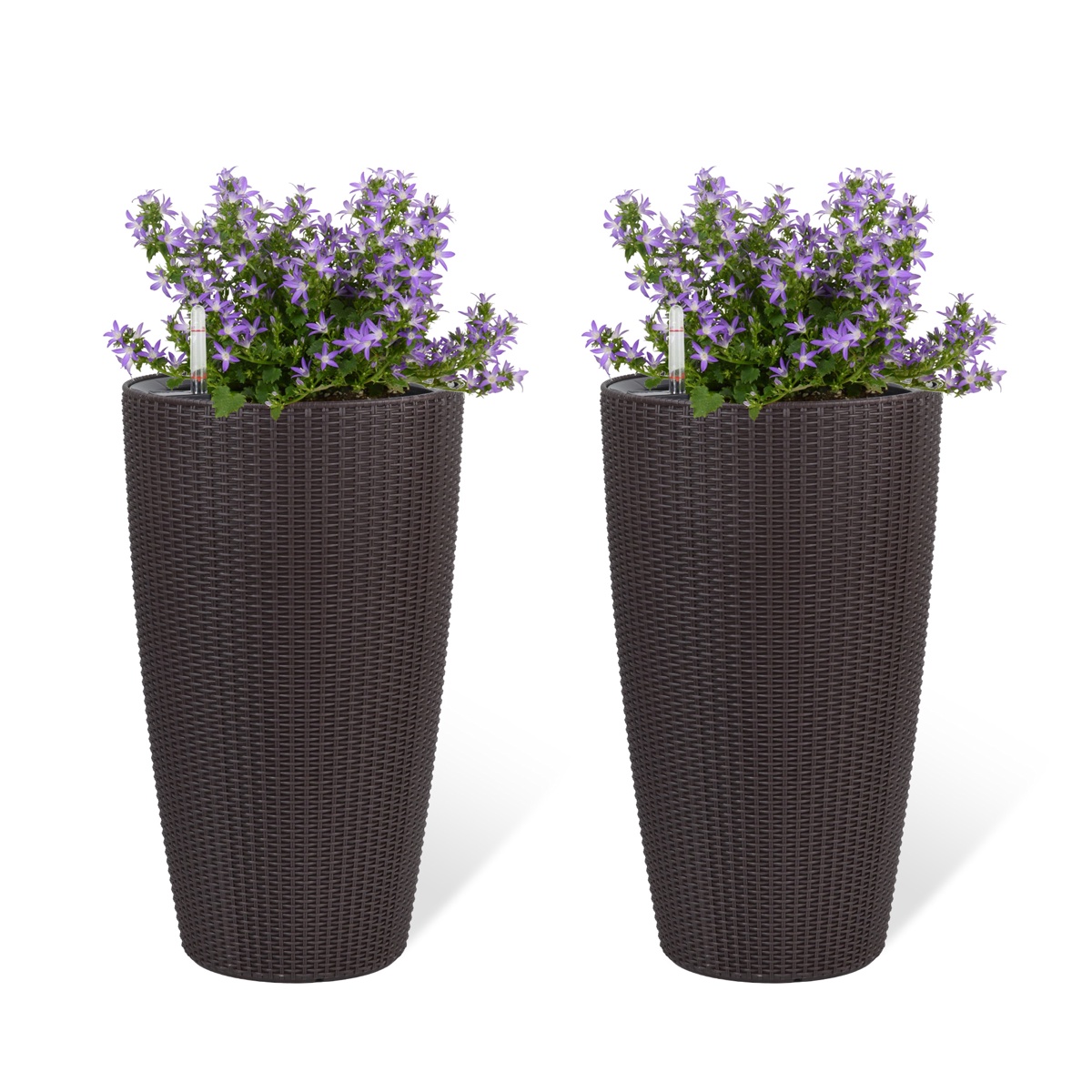
Large indoor planters are floor-standing or hanging vessels sized for mature foliage, where the real trade-off is drainage and soil volume versus mess control and weight. Self-watering reservoirs and integrated inner buckets solve both, but only if wicking and overflow design are sound. Choose a reservoir planter with a visible level indicator and removable inner pot for anything over 10 inches; skip sealed decorative pots for moisture-sensitive species.

Buying guide image
Raised Garden Beds & Planters

Planter With Stand

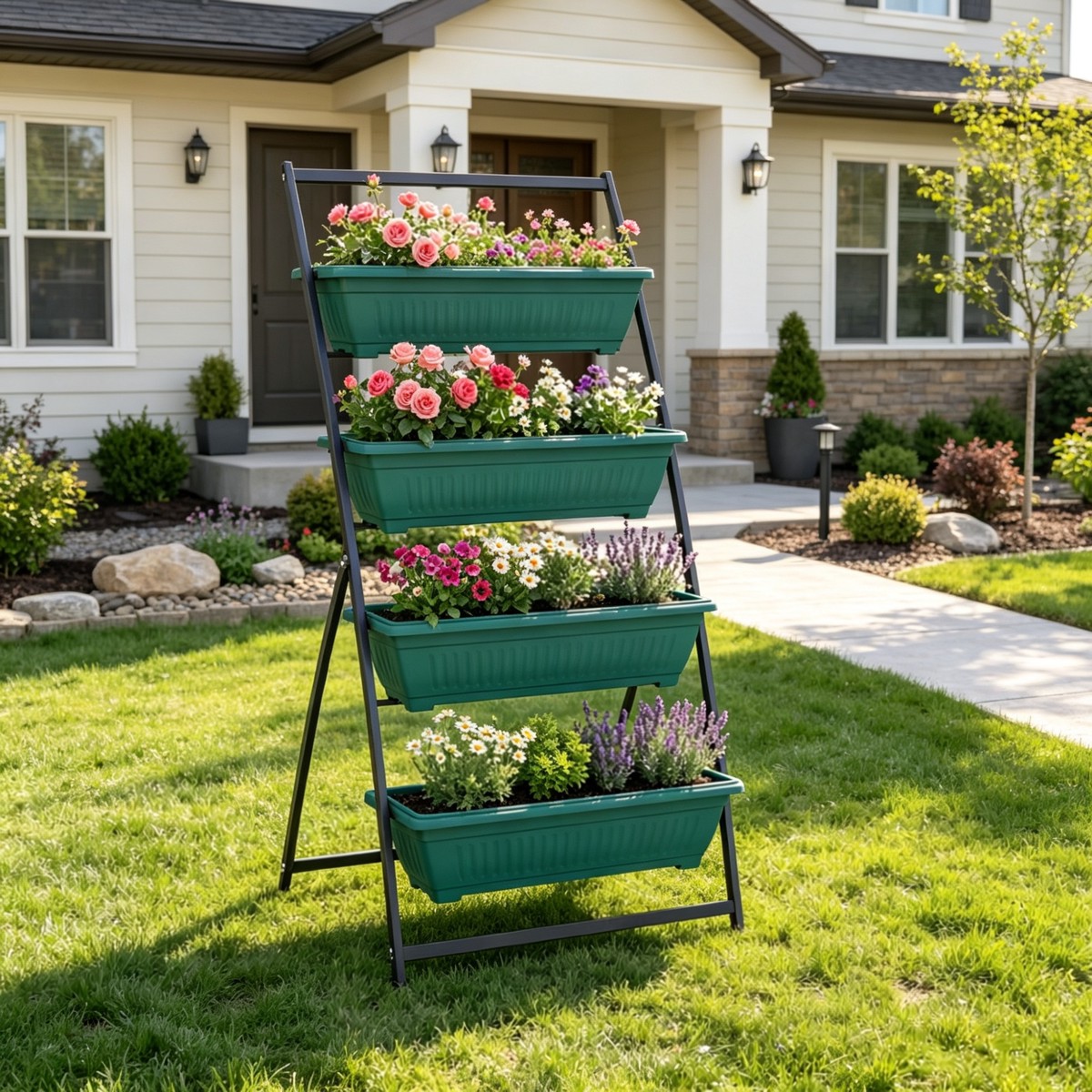
A planter with stand is a freestanding growing system that elevates the soil bed or container to working height, improving ergonomics, drainage, and pest/animal resistance. The core trade-off is between structural rigidity (wood/metal frame vs. fabric grow bags) and long-term weather durability, with cheap fabric-on-wire stands collapsing under saturated soil weight. Buy wood or powder-coated metal for multi-season outdoor use; choose fabric only for lightweight seasonal herbs on a patio.

Buying guide image
Residential Outdoor Power Equipment

Root Grinder

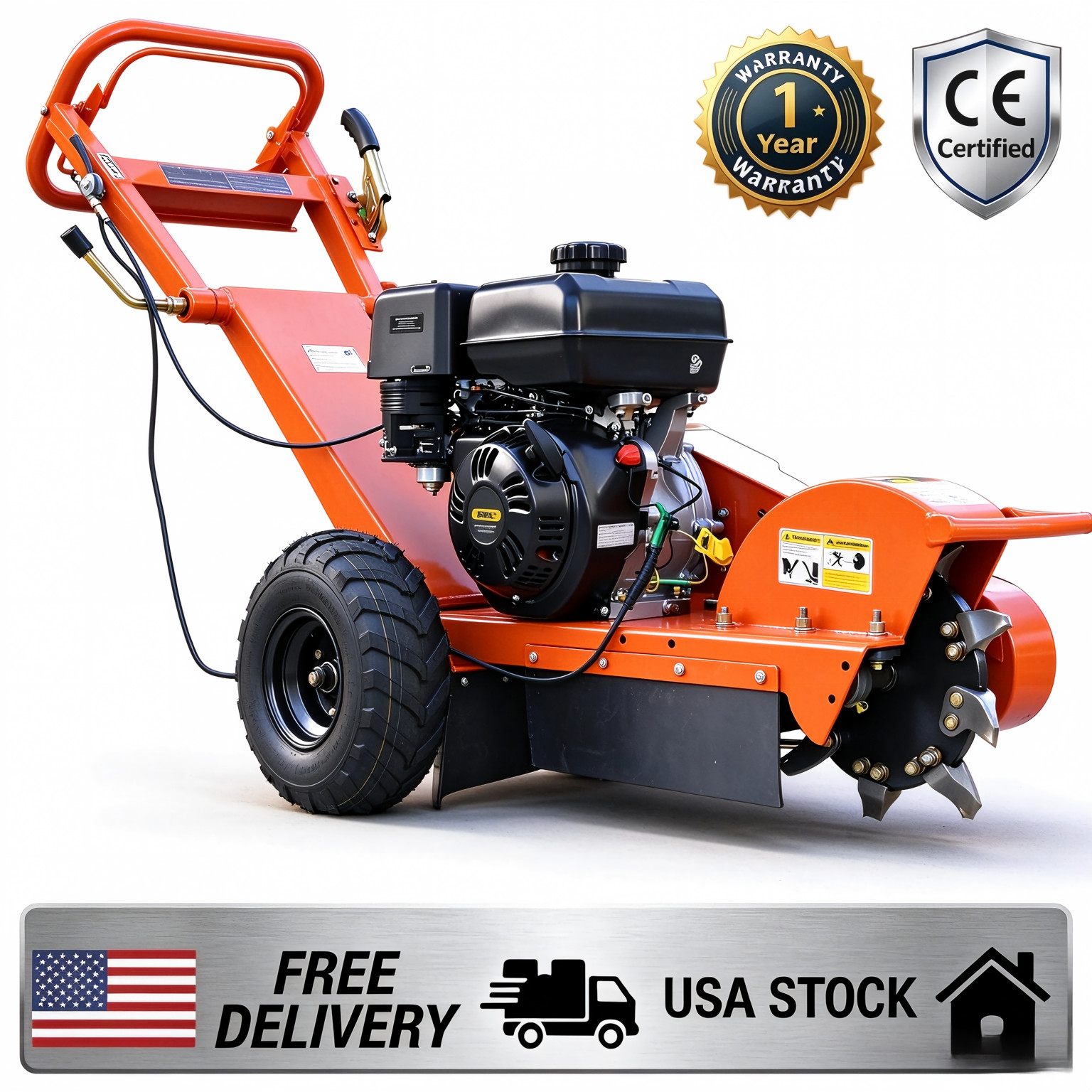
A root grinder is a heavy-duty stump and surface-root reduction tool that turns below-grade woody material into chips or dust, distinct from a stump grinder's deep plunge cut. The core trade-off is cutting mechanism versus power source: carbide-toothed wheel grinders need engine torque and weight, while hand-fed flywheel or drum chippers demand consistent feed and safety discipline. Buy a dedicated carbide stump/root cutter for repeated large-root removal; skip a converted chipper or underpowered electric unit for anything beyond surface roots.

Buying guide image
Lawn Care

Heavy Duty Brush Cutter

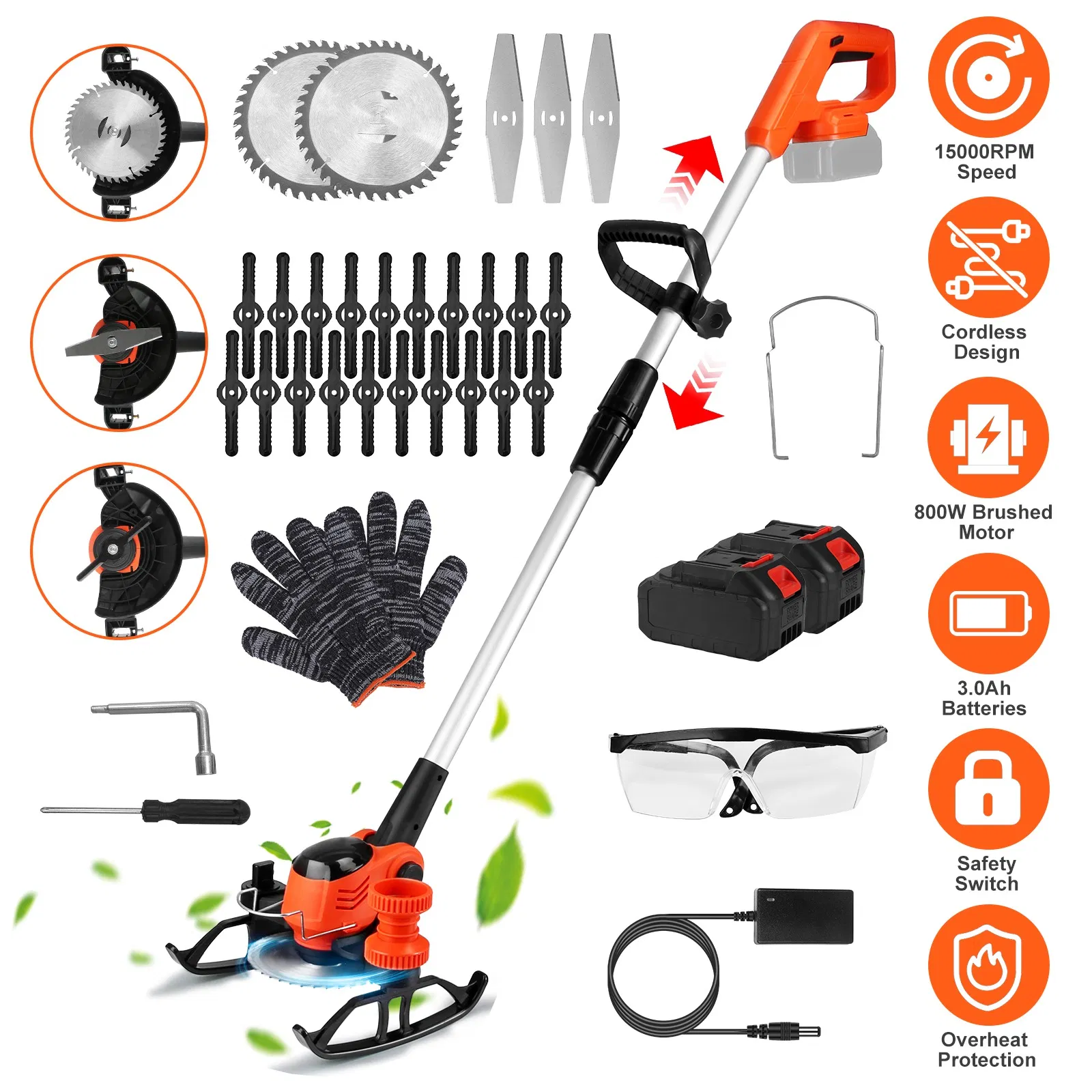
A heavy-duty brush cutter is a gas- or battery-powered clearing tool built for saplings, dense weeds, and thick brush that a standard string trimmer cannot handle. The core trade-off is engine displacement and drive-shaft architecture versus weight and vibration: professional straight-shaft units with solid steel drives and clutch systems cut faster and last longer, while curved-shaft and sub-30cc models are light-duty compromises. The decision rule is simple: if you are clearing woody stems over 1 inch or working more than an acre, buy a straight-shaft gas unit with a 40cc+ engine and a blade-compatible gearbox; for light residential edging and grass only, a curved-shaft string trimmer is the correct and cheaper tool.

Buying guide image
Chicken Fencing & Egg Handling

Electric Chicken Fence

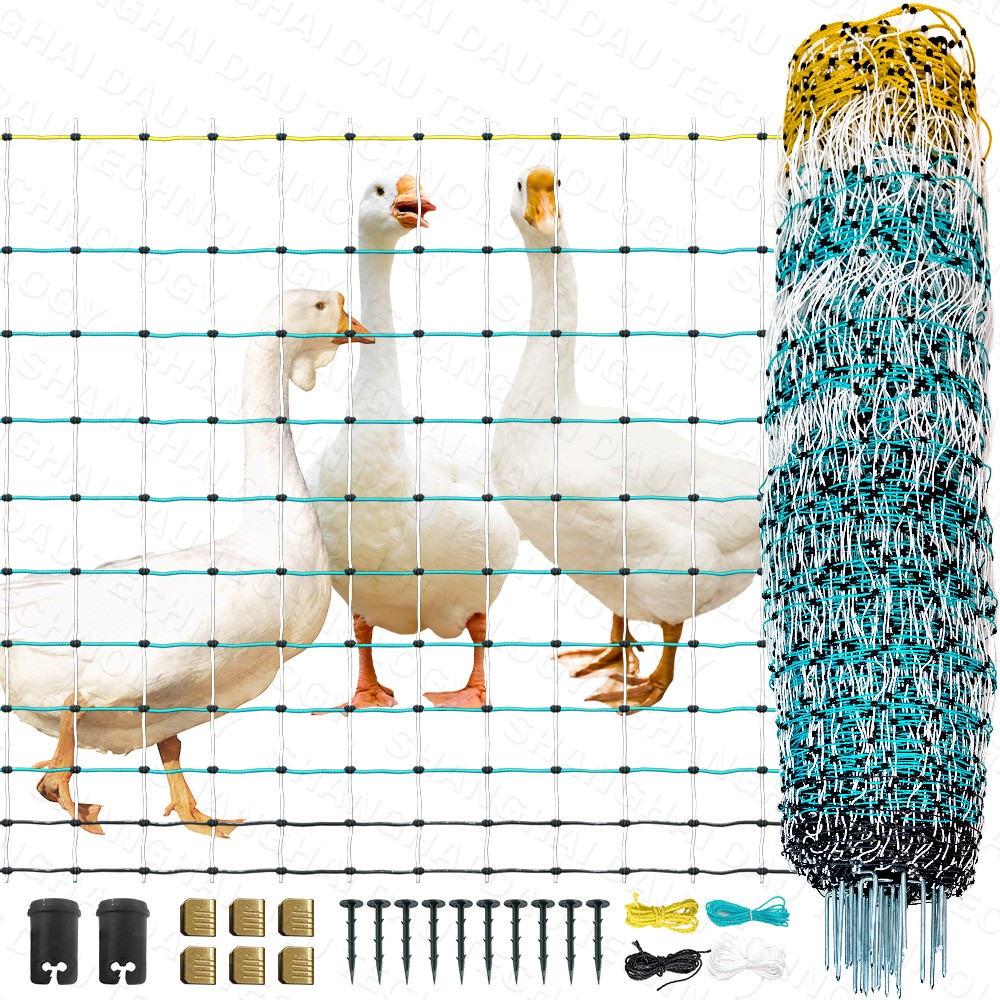
Electric chicken fencing is a pulsating, low-impedance containment system that pairs a energizer with conductive netting or polywire to deter ground predators and keep flocks in. The core trade-off is energizer joule output versus net mesh density and height: underpowered units on long runs lose voltage, while flimsy 1-joule kits fail on dry soil or heavy weed load. The decision rule: match energizer stored joules to total fence length, choose netting with at least 9 horizontal strands and 48-inch height for daytime ranging, and step up to double-spike or 2-joule energizers for runs beyond 164 feet or dry/sandy ground.

Buying guide image
Outdoor Structures, Shade & Awnings

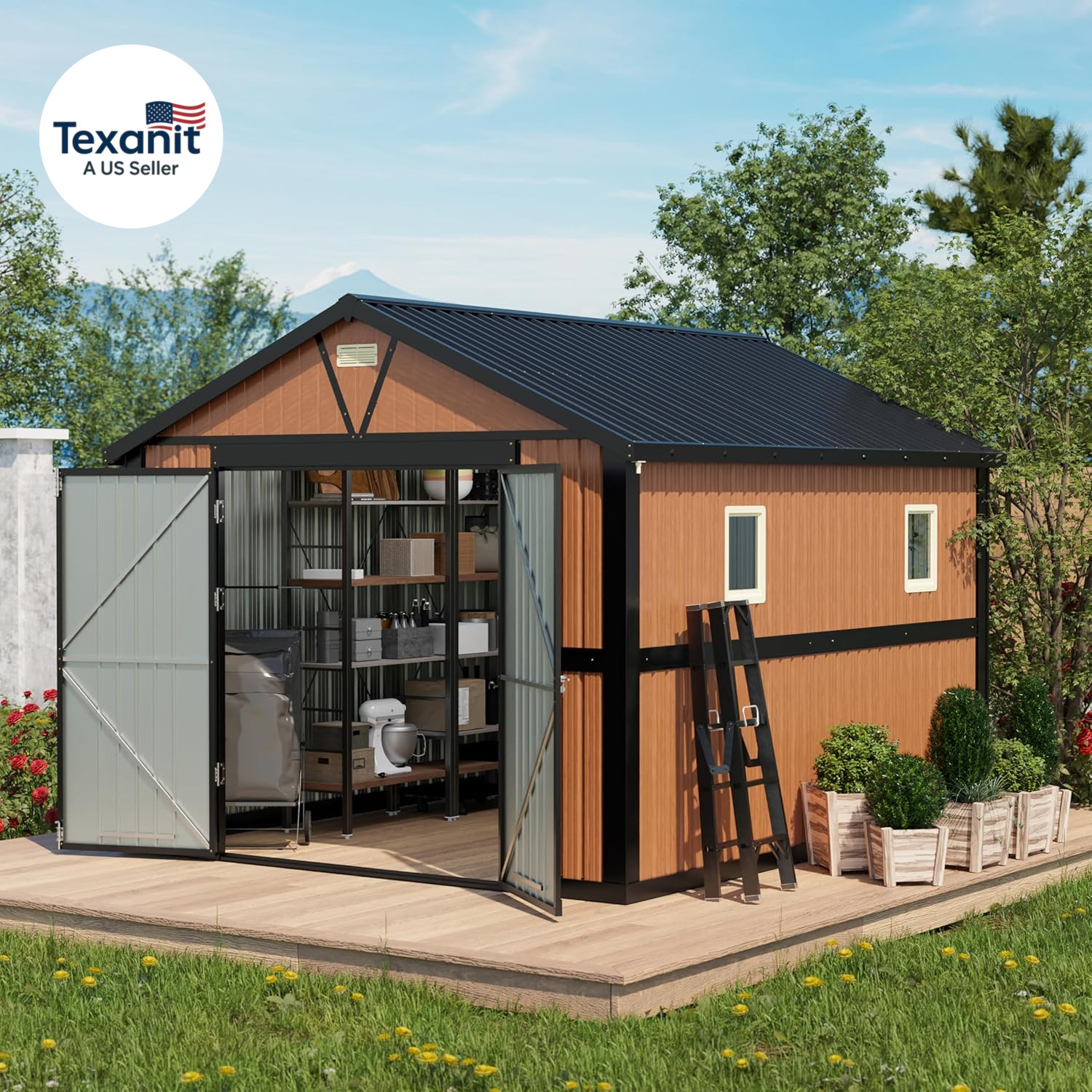
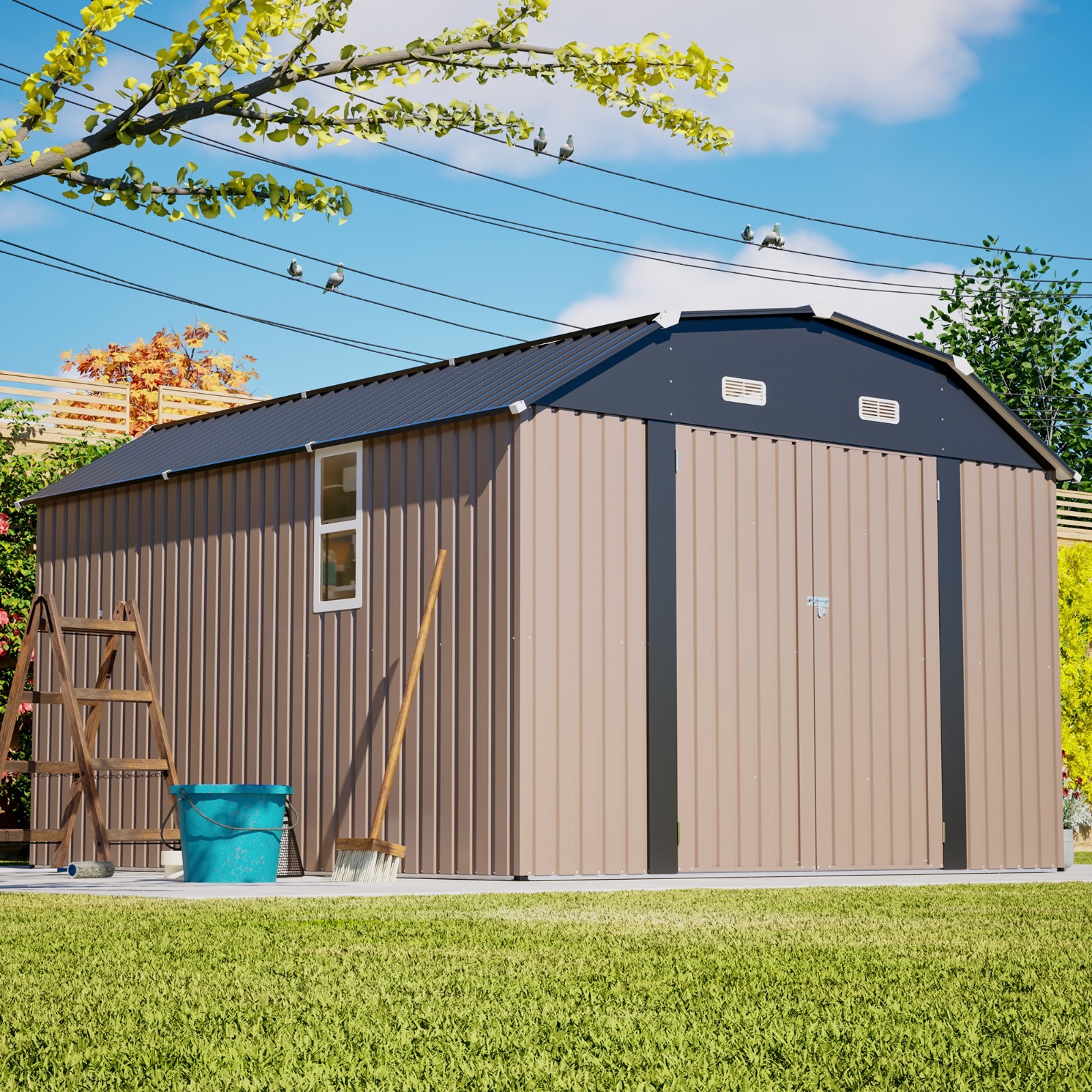
8x10 Metal Shed

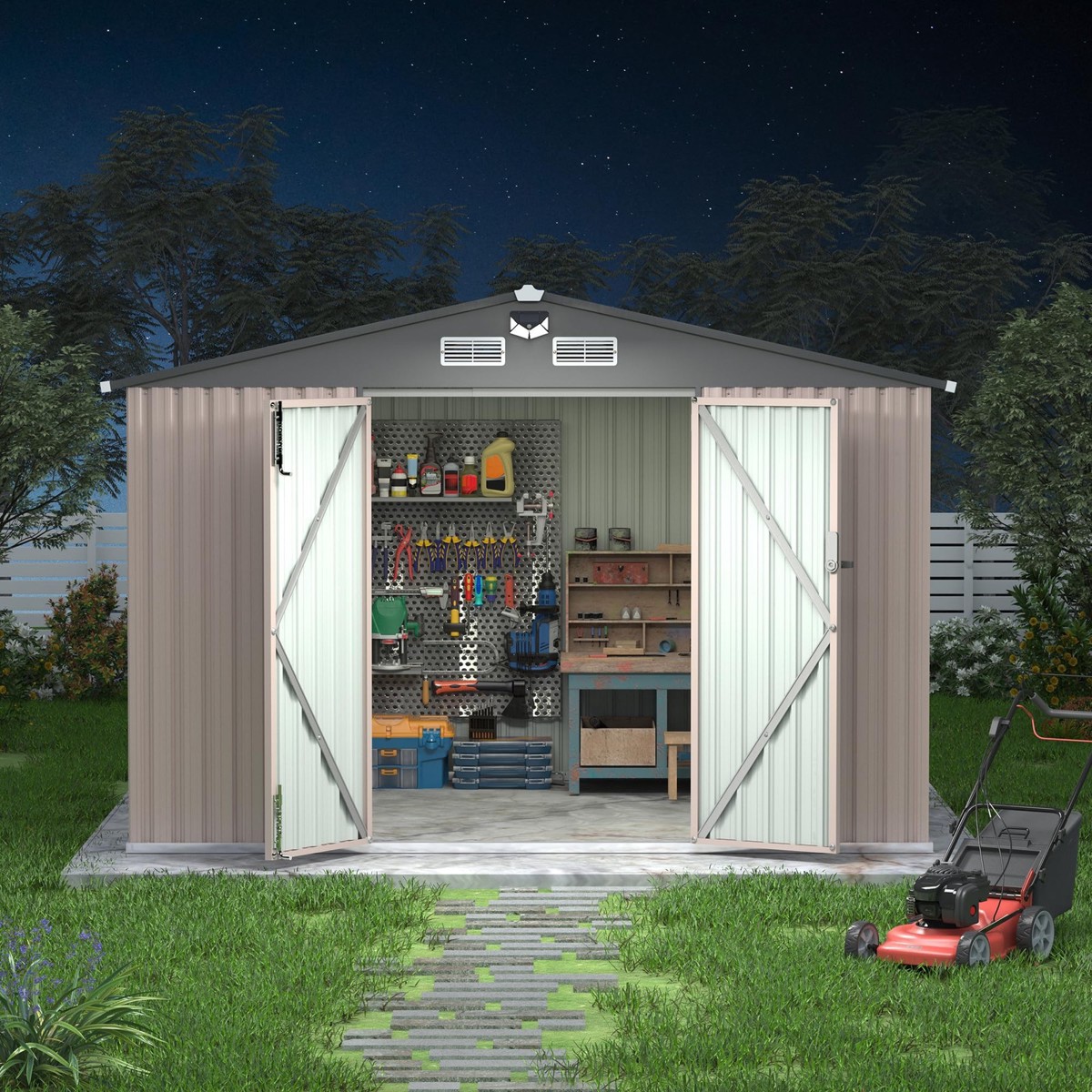
An 8x10 metal shed is a freestanding outdoor storage structure with an 80 sq ft footprint, typically built from galvanized or painted steel panels over a formed-metal frame. The decisive trade-off is panel gauge and frame bracing versus cost: thinner 30-gauge steel with minimal base rails dents, buckles, and leaks, while 24-26 gauge walls on a reinforced galvanized frame hold up to wind and snow. The clear rule is to buy a shed rated for your local wind and snow loads with a full floor kit or anchored base—skip any unit that relies on flimsy overlapping panels with no structural base rails.

Buying guide image
Pools & Spas

Above Ground Hot Tub

Above-ground hot tubs are self-contained, portable spas that sit on a deck, patio, or reinforced ground without excavation. The core trade-off is between inflatable/PVC models (cheap, light, short-lived) and rigid acrylic or rotomolded shells (insulated, durable, heavier). The decision rule: buy inflatable only for seasonal or rental use; choose a rigid shell with full foam insulation and a standard 120V/240V convertible heater for permanent year-round ownership.

Buying guide image
Pools & Spas

Sand Filter And Pump

A sand filter and pump combo is a pressure-driven mechanical filtration system that pushes pool water through a bed of graded silica sand to trap debris down to roughly 20-40 microns. The core trade-off is pump motor architecture versus filter tank size: a high-flow pump paired with an undersized tank forces sand channeling and short cycles, while an oversized tank with an underpowered pump never achieves proper backwash flow. The decision rule is to match the pump's published flow rate to the filter's design flow window and the pool's turnover math, then buy a tank large enough to hold a full season of debris before backwashing.

Buying guide image
Pools & Spas

Sand Filter Pump

A sand filter pump is the integrated pump-and-sand-vessel system that drives pool circulation and captures debris down to roughly 20-40 microns via a bed of graded silica sand. The primary trade-off is tank size and pump power versus system head loss: an oversized pump on a small tank forces sand channeling and weak filtration, while an undersized pump cannot hit turnover. The decision rule is to match tank diameter and sand charge to your pool volume (targeting a 8-12 hour turnover) and choose a pump whose flow at your total dynamic head sits inside the filter's rated flow window.

Buying guide image
Watering & Irrigation

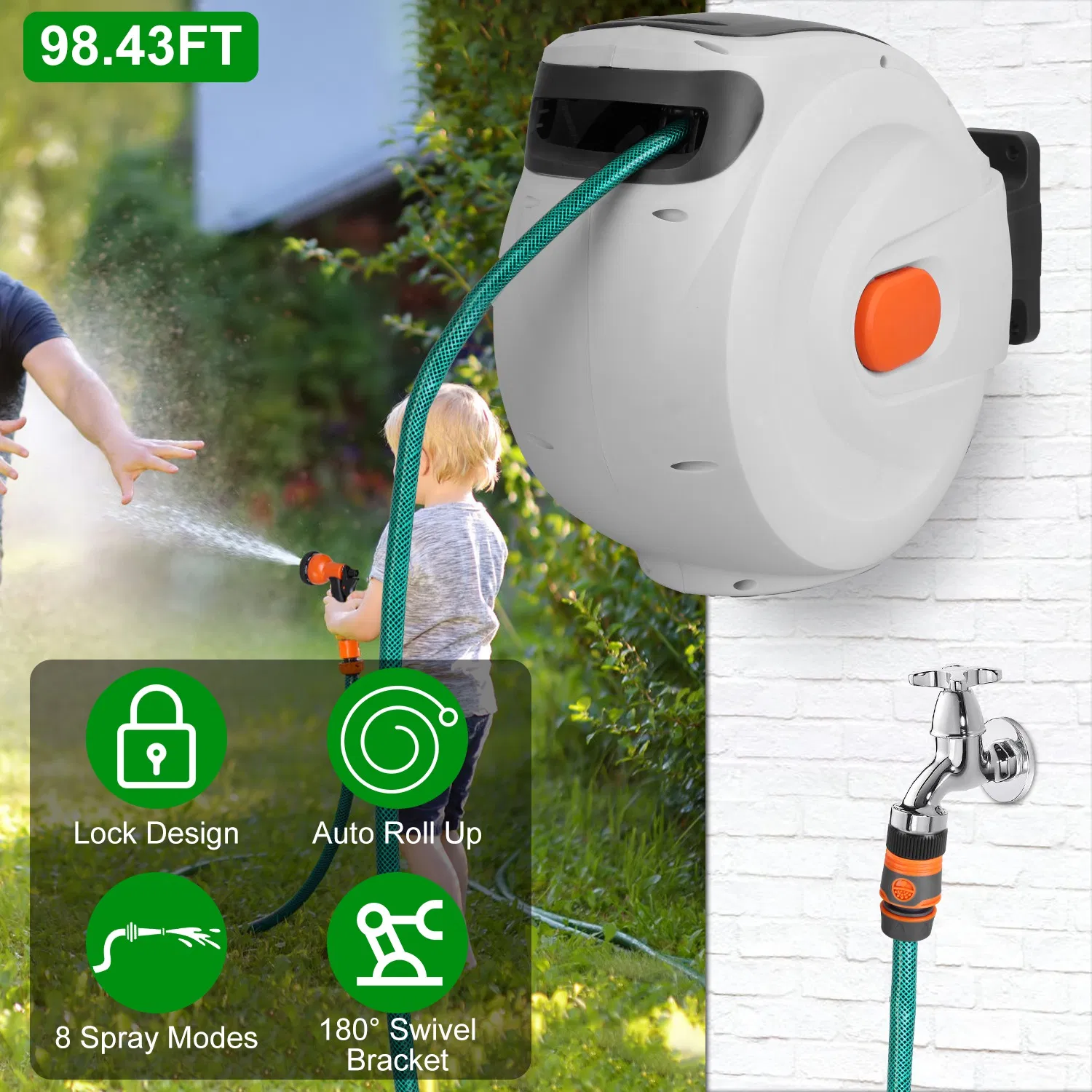
Automatic Water Hose Reel

An automatic water hose reel combines a spring-driven retraction mechanism with a wall-mounted swivel bracket to store and deploy garden hose without manual cranking. The core trade-off is between retraction spring durability and hose quality: budget units use thin PVC hose and light-gauge springs that kink or fail within a season, while durable models use reinforced hybrid hose and tempered steel springs rated for thousands of cycles. The decision rule is simple: buy a reel with a metal (not plastic) swivel bracket, a hybrid or rubber hose rated for at least 150 PSI, and a locking mechanism at any length, or skip automatic reels entirely and use a manual cart.

Buying guide image
Patio Furniture

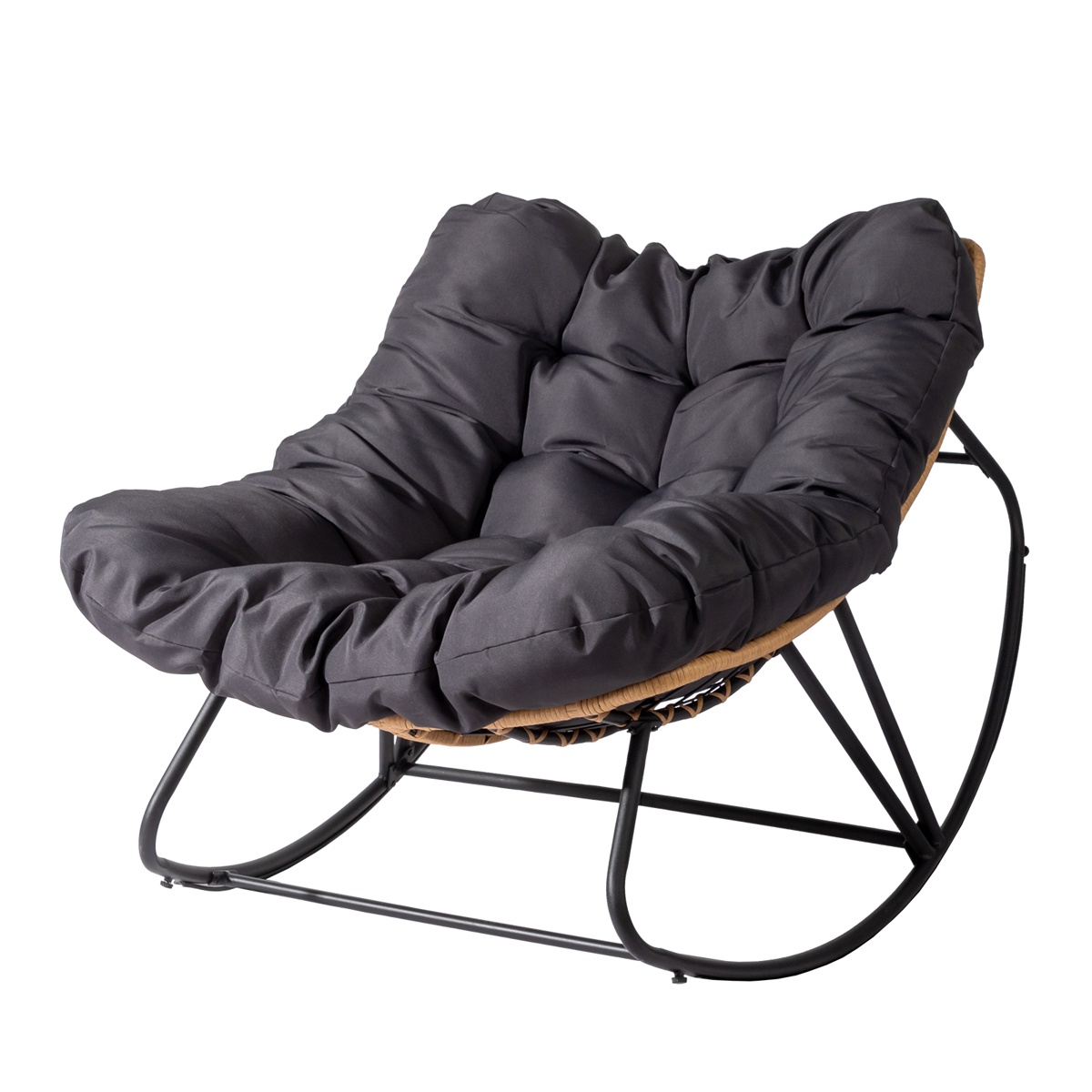
Comfy Outdoor Chair

A comfy outdoor chair is seating engineered for prolonged lounging—its comfort and longevity hinge on the frame material, cushion foam density, and weather-rated fabric rather than styling alone. The core trade-off is between plush, deep-cushioned designs that demand cover and maintenance versus lighter, quick-dry frames that sacrifice some sink-in softness. The clear decision rule: prioritize a powder-coated aluminum or HDPE frame with solution-dyed acrylic cushions and high-density foam if the chair lives outside year-round; accept steel or polyester only for covered porches or seasonal use.

Buying guide image
Watering & Irrigation

Soaker Hose

A soaker hose is a porous or perforated tubing system that weeps water directly onto soil, delivering slow, deep irrigation without runoff or leaf wetting. The primary trade-off is material construction: recycled rubber crumb hoses are cheap but degrade and clog unevenly, while vinyl or PVC hoses with engineered laser-drilled or porous walls last multiple seasons with uniform output. The decision rule is simple: buy a hose rated for burying or mulching with a consistent pressure regulator, and reject thin-wall recycled rubber unless you plan to replace it yearly in a raised bed.

Buying guide image
Outdoor Structures, Shade & Awnings

10x12 Shed

A 10x12 shed is a serious storage building that demands proper site prep and a realistic look at local snow and wind loads—not just a footprint. Most first-time buyers underestimate the foundation and anchoring requirements, then discover that the same nominal size can mean a flimsy tarp carport or a code-compliant gable building. Decide your storage volume and climate exposure first, then choose the wall material and roof pitch that match them.

Buying guide image
Outdoor Structures, Shade & Awnings

10 X 12 Shed

A 10x12 shed is the largest common backyard storage footprint that still fits most residential permit-exempt envelopes, but the difference between a flimsy kit and a decades-long structure comes down to frame gauge, panel type, and floor construction. Shoppers typically choose among metal panel, resin, and wood/OSB kits — each with distinct assembly, anchoring, and snow/wind-load realities.

Buying guide image
Chicken Fencing & Egg Handling

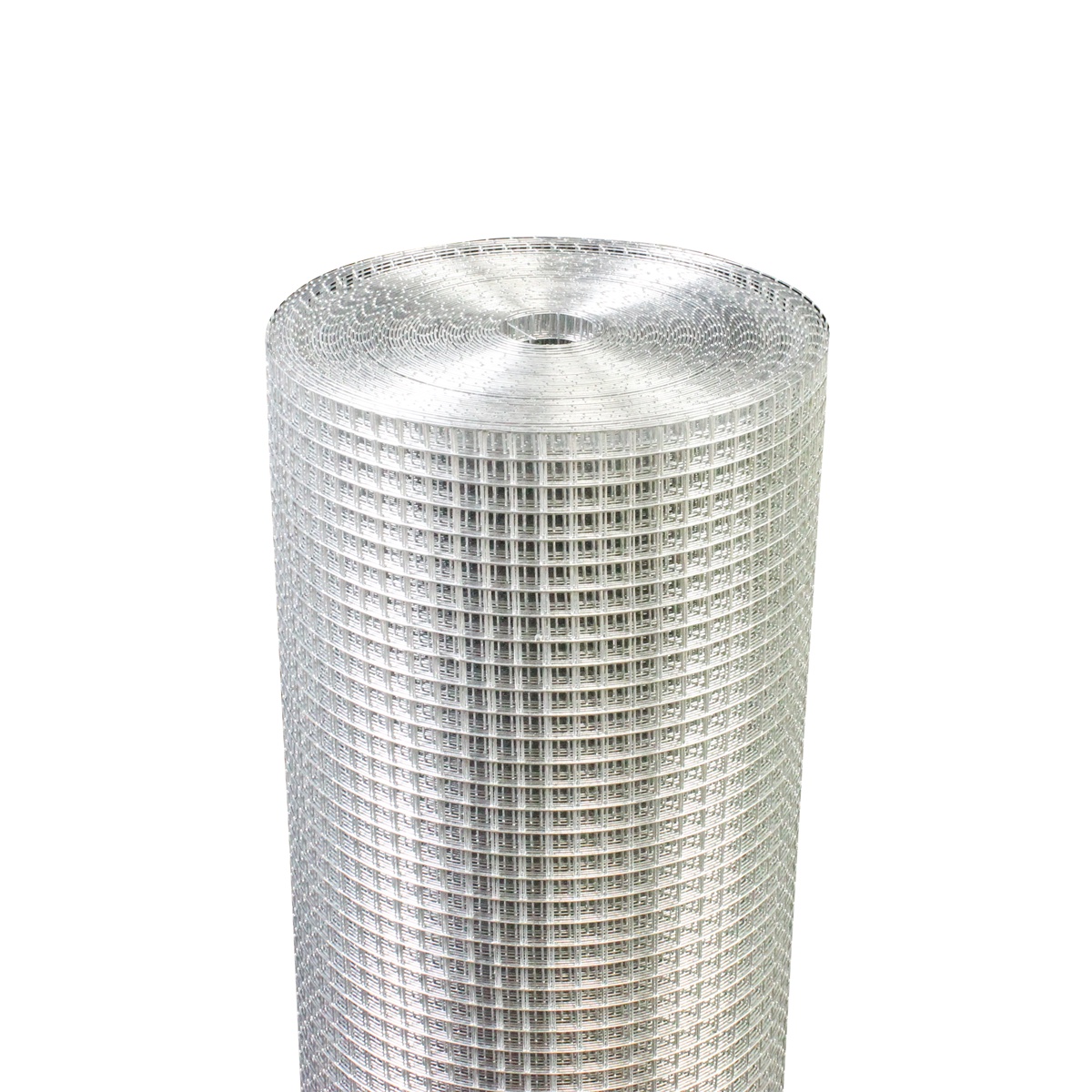
Chicken Wire Garden Fence

Chicken wire garden fence is the welded-wire mesh barrier used to enclose coops, runs, and garden beds, and its durability hinges on wire gauge, mesh opening, and galvanization method rather than roll length. The core trade-off is predator resistance vs. cost and weight: thinner 23–27 gauge hexagonal netting stops chickens but not raccoons, while 16–19 gauge welded hardware cloth with hot-dip galvanizing resists both claws and corrosion. The decision rule: if the fence touches soil, predators, or coastal weather, buy hot-dip galvanized-after-welding welded cloth at 19 gauge or thicker with a mesh opening of 1/2 inch or smaller.

Buying guide image
Outdoor Structures, Shade & Awnings

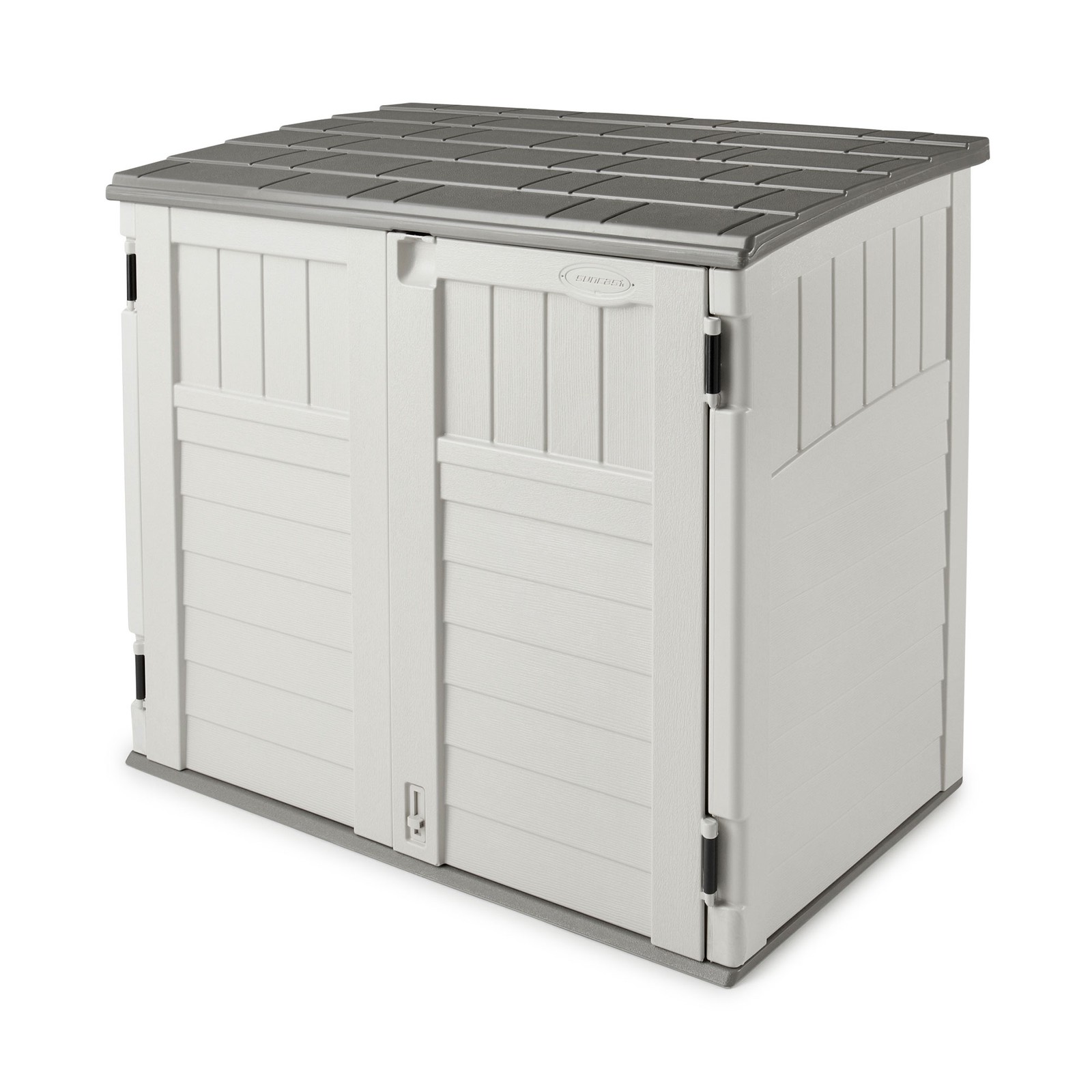
Suncast Resin Shed

Suncast resin sheds solve the need for quick-assembly, low-maintenance outdoor storage without the rot, rust, or painting that wood and metal demand. Buyers often misjudge the real interior depth lost to double-wall panel ribs and misread horizontal vs. vertical footprints, leading to fit problems with ladders and mowers. Focus on panel thickness, floor inclusion, and door swing clearance before choosing a model.

Buying guide image
Greenhouse & Hydroponics

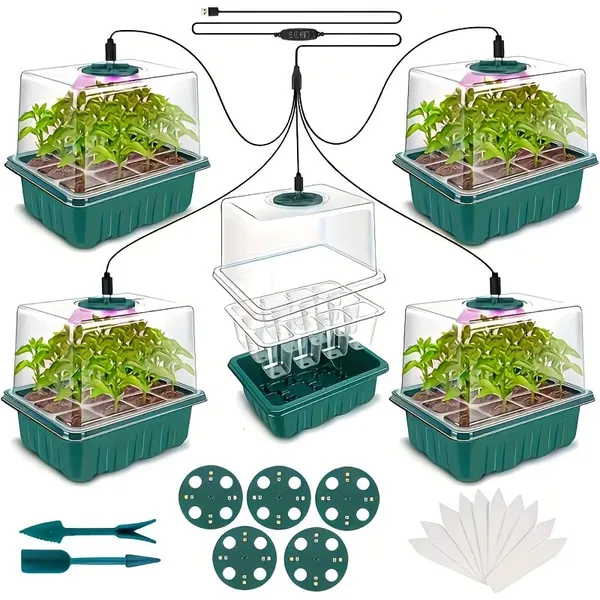
Seed Starting Grow Light

A seed starting grow light is a low-wattage LED fixture or integrated tray-and-dome kit that delivers the spectrum and photoperiod seedlings need to germinate and root without stretching. The core trade-off is between cheap unbranded LED strips with inflated watt claims and fixtures using known full-spectrum diodes, honest PPF output, and integrated timers. Buy only when the fixture specifies real diode type and wattage draw, includes a timer or dimming, and matches your tray footprint; skip kits that hide LED specs behind decorative domes.

You may also like

Finding more guides for you…