GardenPulse Guide

GardenPulse Guide

Garden, Yard & Outdoor Living Reviews & Buying Guides

Compare garden, yard & outdoor living by use case, features, trade-offs, price, returns, and seller terms before you buy.

Buying guides

Buying guide image
Residential Outdoor Power Equipment

Gas Powered Wood Chipper

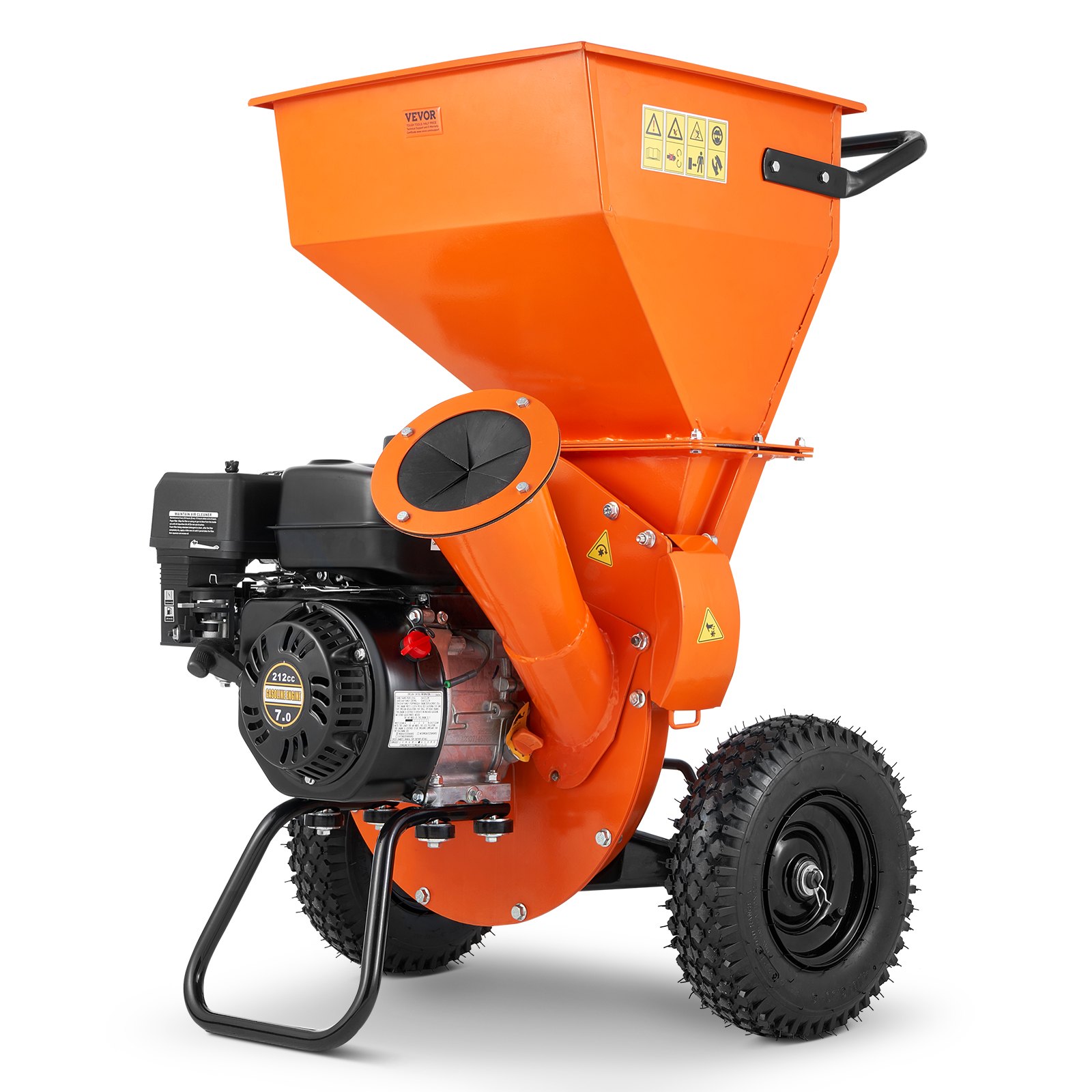
Gas-powered wood chippers turn brush, storm debris, and pruned limbs into mulch, but engine size, chute design, and discharge method determine whether a model clears a yard or jams on every branch. Buyers commonly mismatch engine displacement to the diameter of their typical cuttings and overlook how feed geometry and blade type affect throughput more than raw horsepower. Focus on the cutting system and realistic limb size before comparing engine labels.
Buying guide image
Residential Outdoor Power Equipment

Rubber Tire

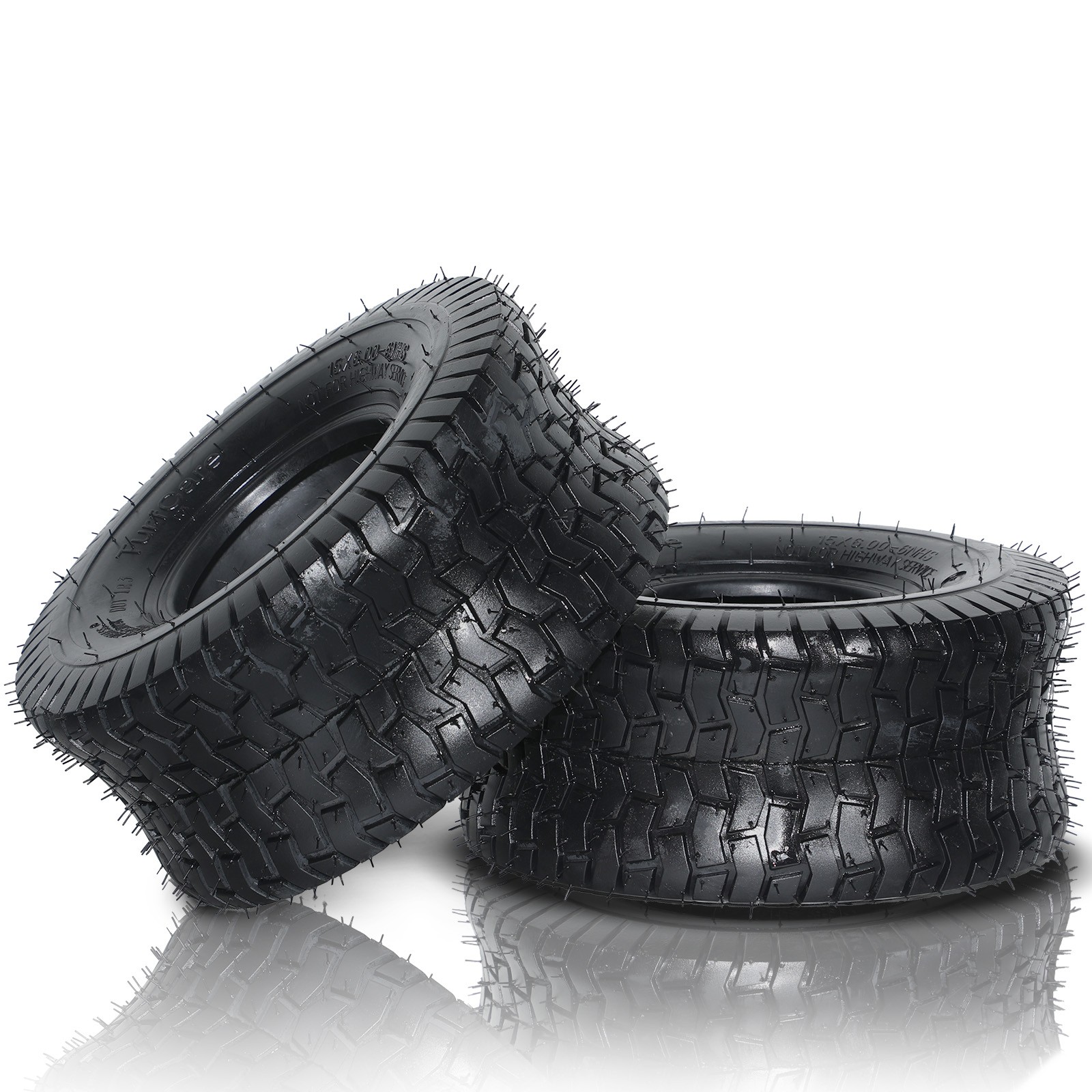
Rubber tires for residential outdoor power equipment are defined by the tire's ply rating, tread pattern, and exact size code, which together determine load capacity, traction, and fit on mowers, tractors, and utility carts. The primary trade-off is between soft turf-friendly treads that resist lawn damage and aggressive lug patterns that grip loose soil but tear grass. The decision rule: match the sidewall size code exactly, choose 2-ply for light residential use, and upgrade to 4-ply or a lug tread only when carrying heavy loads or working steep, loose ground.

Buying guide image
Patio Furniture

Outdoor Patio Set With Fire Pit

An outdoor patio set with fire pit bundles seating, a table, and a heat source into one purchase, so the real trade-off is frame material and fire-pit fuel type versus cushion fabric durability. Durable sets use powder-coated aluminum or steel frames, solution-dyed acrylic cushions, and a propane or natural-gas fire table; budget sets use polyester cushions and thinner steel. The decision rule: buy by frame gauge and burner BTU output, not by piece count.

Buying guide image
Watering & Irrigation

Shallow Well Pump

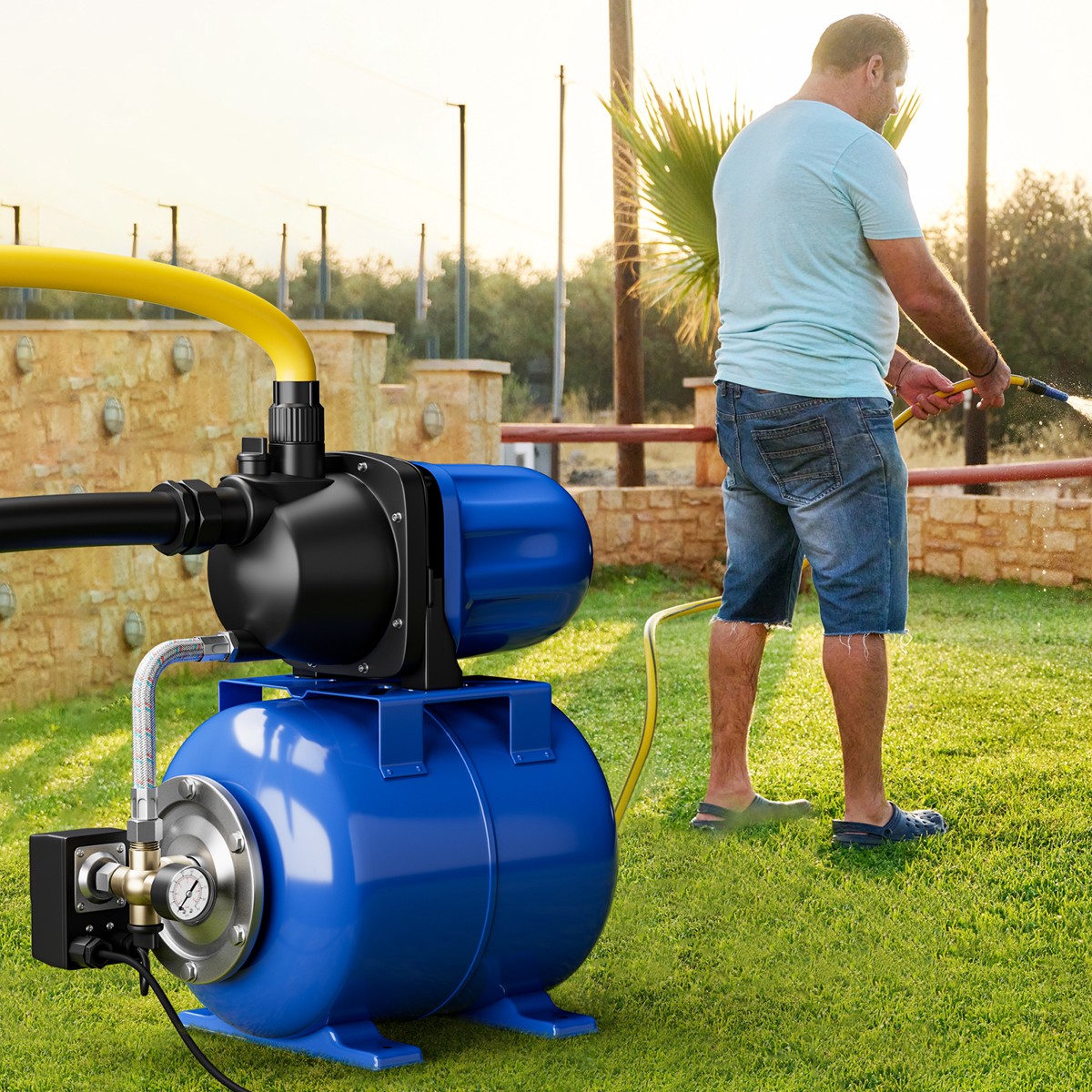
Shallow well pumps pull water from depths of roughly 25 ft or less, so the first decision is whether your water table and suction line fit that limit—not the pump's horsepower badge. Buyers most often oversize horsepower while ignoring inlet sizing, voltage wiring, and whether a jet pump or booster pump actually matches their pressure and flow needs.

Buying guide image
Residential Outdoor Power Equipment

Electric Wood Chipper

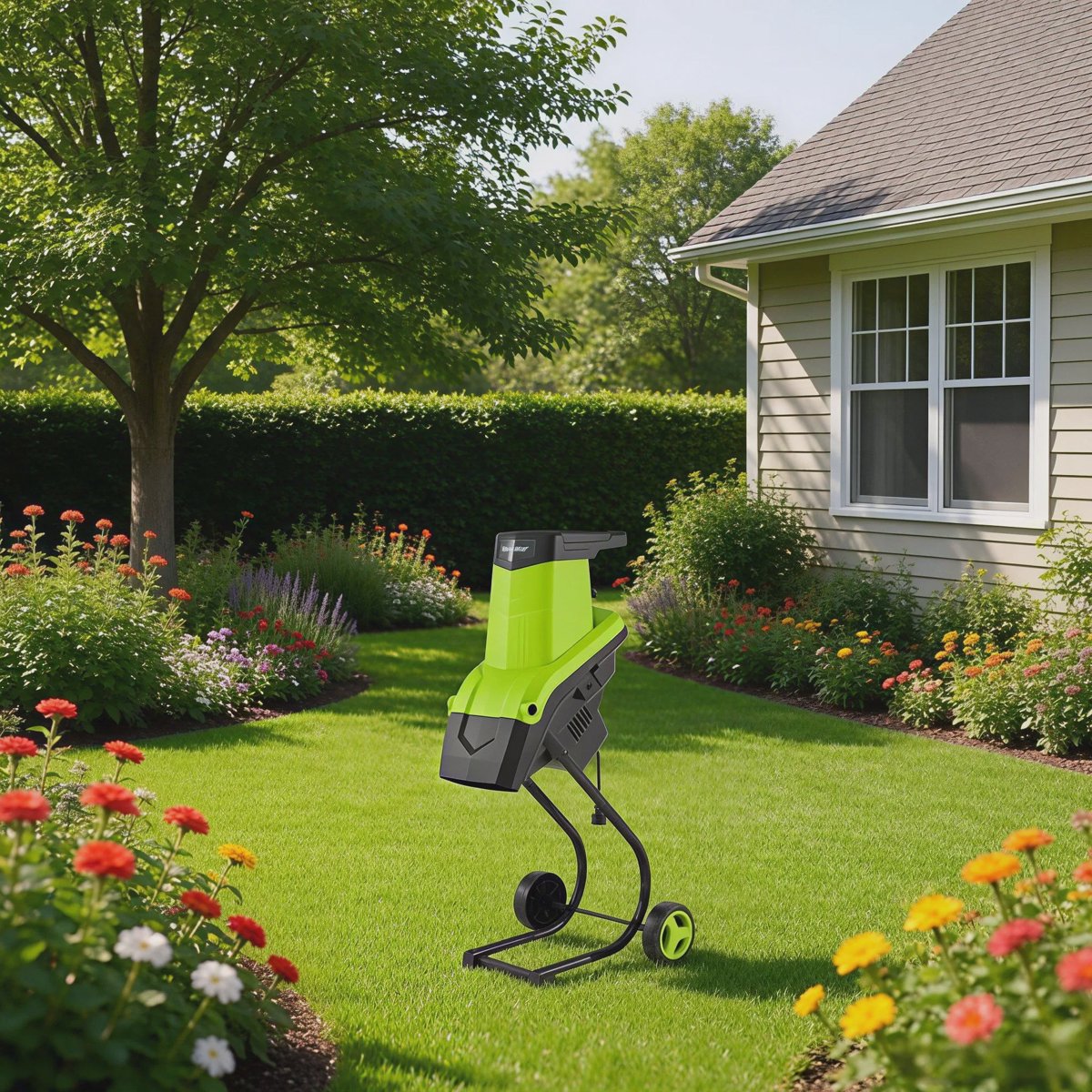
Electric wood chippers cut yard waste into mulch without gas fumes, but most buyers misjudge the 15-amp ceiling: these machines top out around 1.5–1.8 inches on green wood and far less on dry hardwood. Size the feed opening and branch diameter to your actual debris before choosing between a 2-in-1 chipper-shredder or a dedicated chipper.

Buying guide image
Outdoor Storage

Keter Outdoor Storage Box

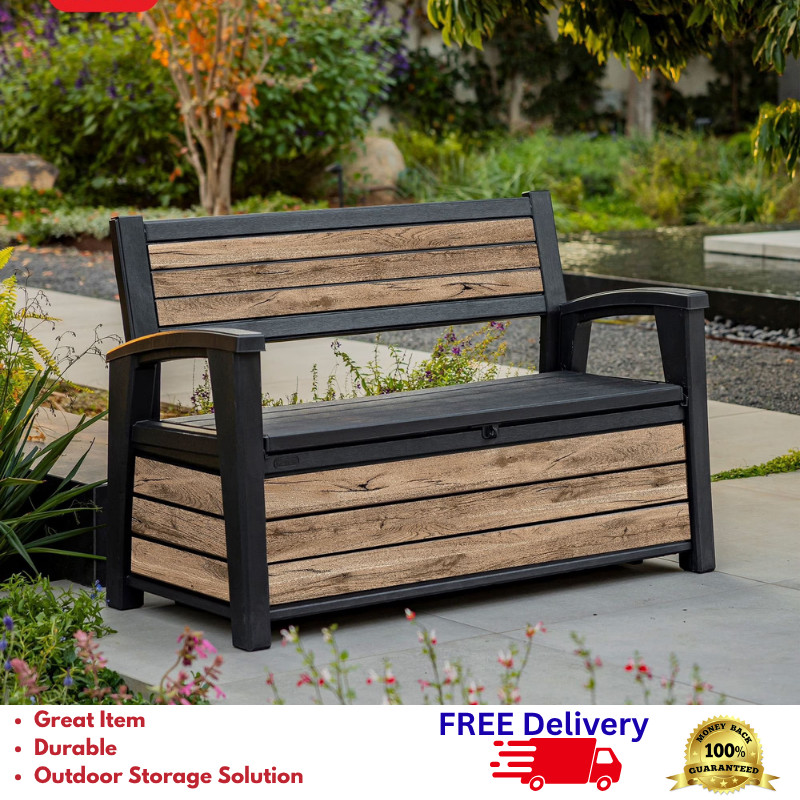
Keter outdoor storage boxes are resin (polypropylene) deck boxes and benches built for weatherproof patio storage, and the core trade-off is resin density/wall thickness versus UV stabilization and lid load rating. Buy a double-wall or reinforced-rib Keter with a rated seat load if the box doubles as seating; skip thin single-wall tubs that flex, fade, or pool water.

Buying guide image
Lawn Care

Cordless Grass Trimmer

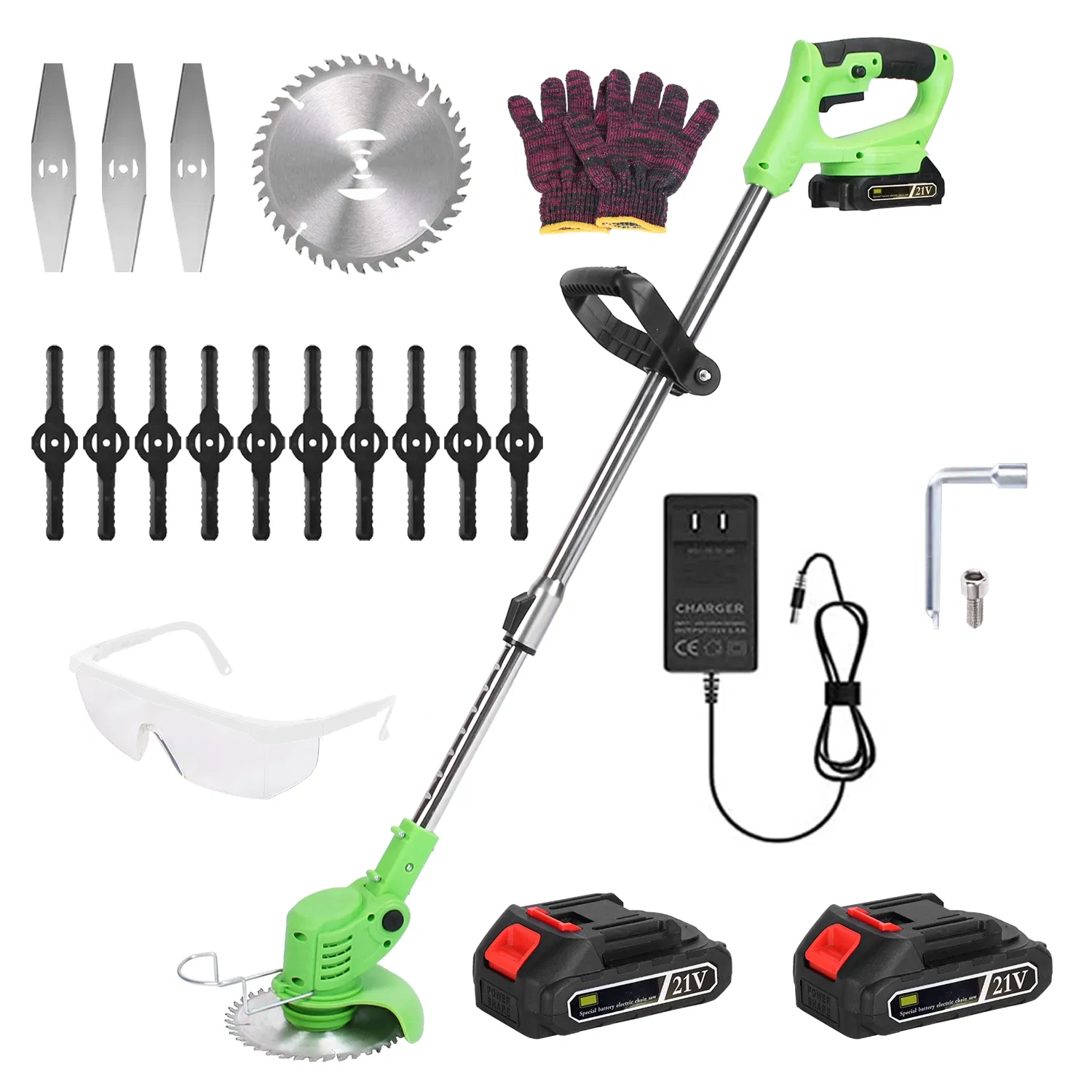
Cordless grass trimmers replace gas and corded string trimmers with battery-powered convenience, but the segment splits sharply between brushless string trimmers and low-cost brushed motor heads with saw-blade or plastic-blade accessories. The primary trade-off is motor type and voltage versus weight and run time: brushless 18–40V systems deliver sustained torque and 30+ minute runtime, while 21V brushed kits trade durability for light-duty edging. The decision rule: buy a brushless string trimmer with a standard battery platform for routine lawn care, and skip generic 21V blade kits unless you only need occasional weed clearing on rough terrain.

Buying guide image
Lawn Care

Cordless Trimmer

Cordless trimmers replace gas and corded models with battery-powered convenience, but the core trade-off is voltage and cutting architecture: low-voltage brushed string trimmers suit light edge work, while 18-40V brushless models with brush-cutter blades handle thick weeds and larger yards. The decision rule: buy a brushless motor rated at least 18V with a standard battery platform for anything beyond manicured lawn edges; treat generic single-voltage kits with proprietary packs as disposable light-duty tools.

Buying guide image
Outdoor Structures, Shade & Awnings

10x12 Metal Shed

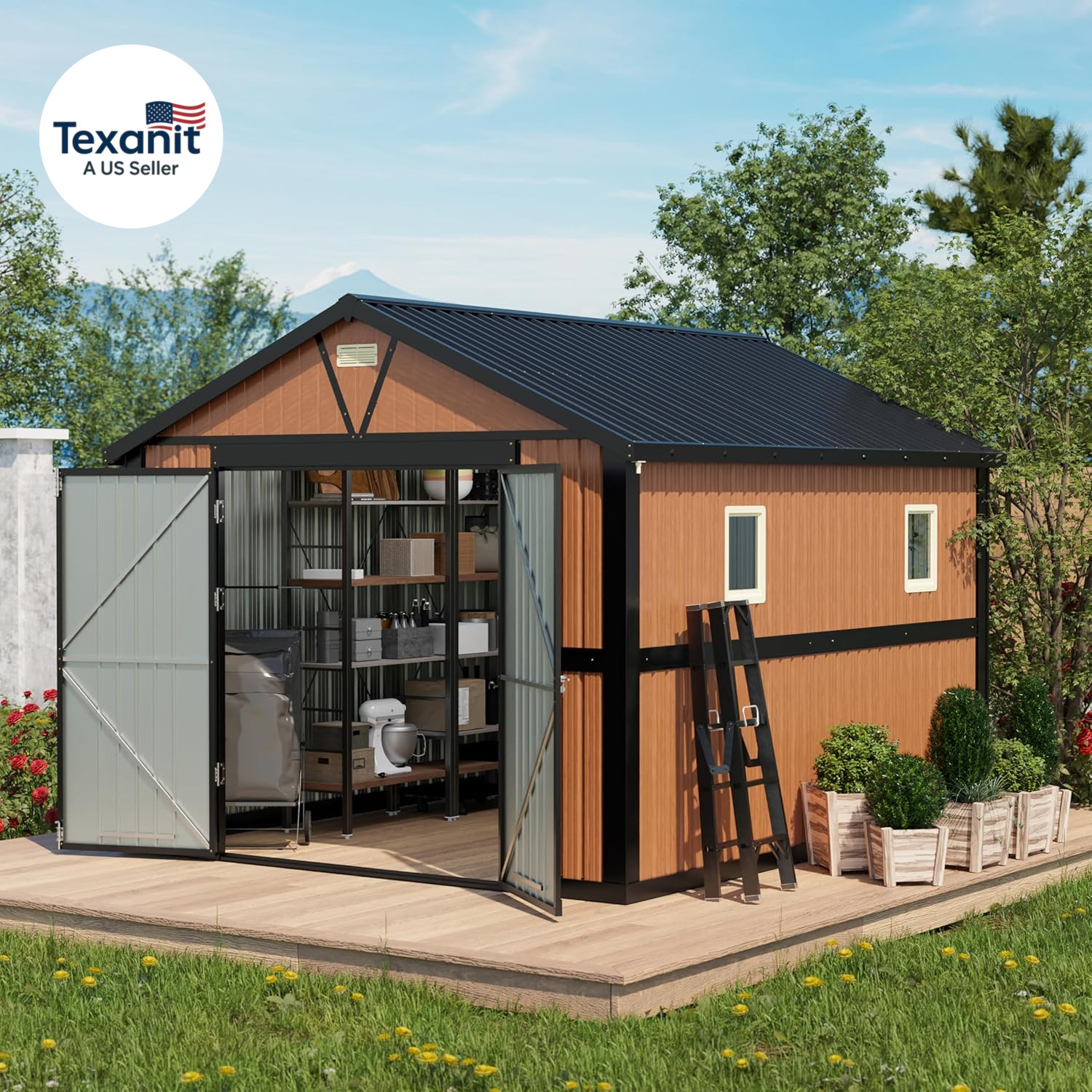
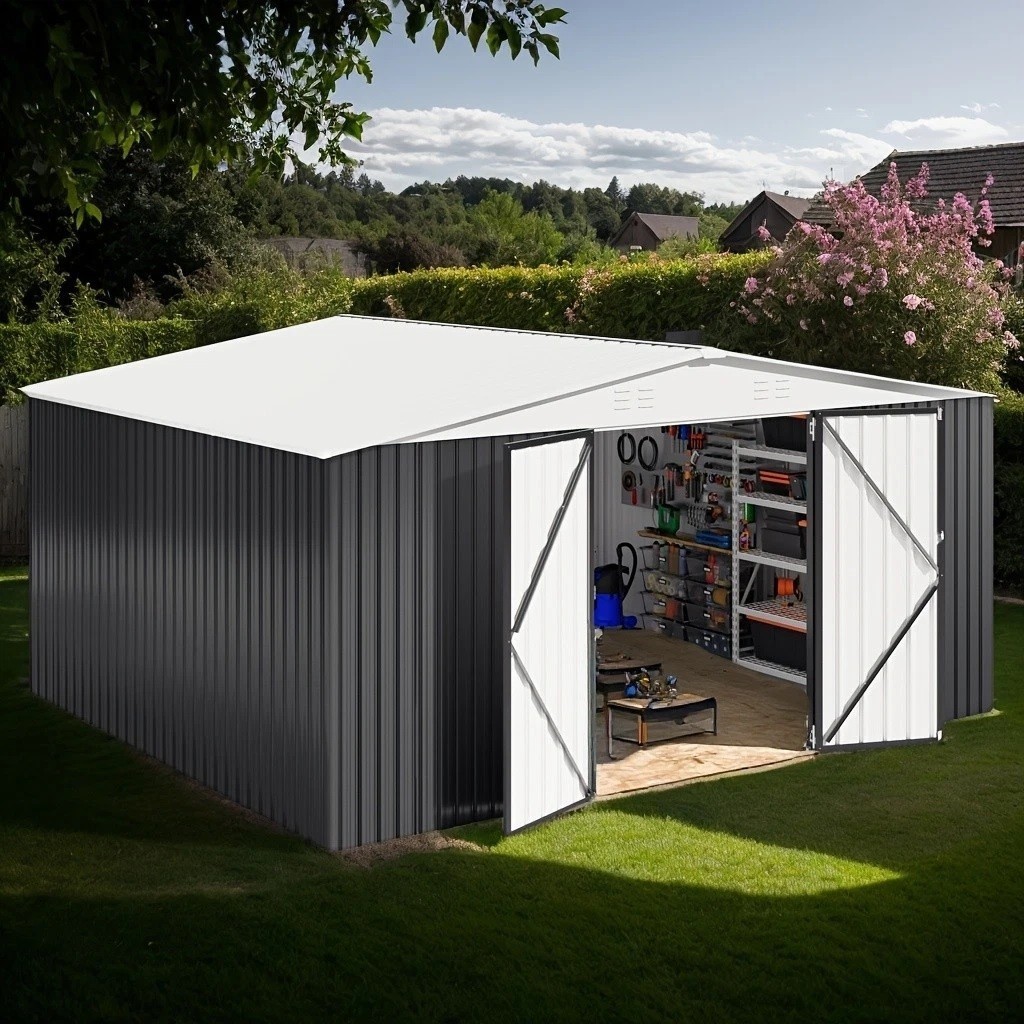
A 10x12 metal shed is a serious footprint decision: 120 square feet of floor space sits at the size where a cheap kit and a durable building diverge sharply in panel gauge, frame bracing, and door hardware. Buyers often underestimate the foundation and anchoring requirements, then discover that wind uplift—not storage volume—is the limiting factor. Get the panel grade, base prep, and door clearance right and a metal shed outlasts most resin or wood alternatives.

Buying guide image
Outdoor Structures, Shade & Awnings

Aluminium Garden Shed

An aluminium garden shed is a lightweight, rust-proof outdoor storage structure built from aluminium or aluminium-alloy panels over a frame, typically supplied as a flat-pack DIY kit. The primary trade-off is panel gauge and frame rigidity versus cost: thinner 0.3–0.5 mm aluminium walls dent and flex easily, while 0.8–1.0 mm panels on reinforced box-section frames deliver decades of service. The decision rule is simple—buy only sheds that specify alloy grade (e.g., 3003/5052), panel thickness in millimetres, and a screw-fixed or bolted frame; skip any listing that omits these three figures.

Buying guide image
Outdoor Structures, Shade & Awnings

Waterproof Outdoor Shade

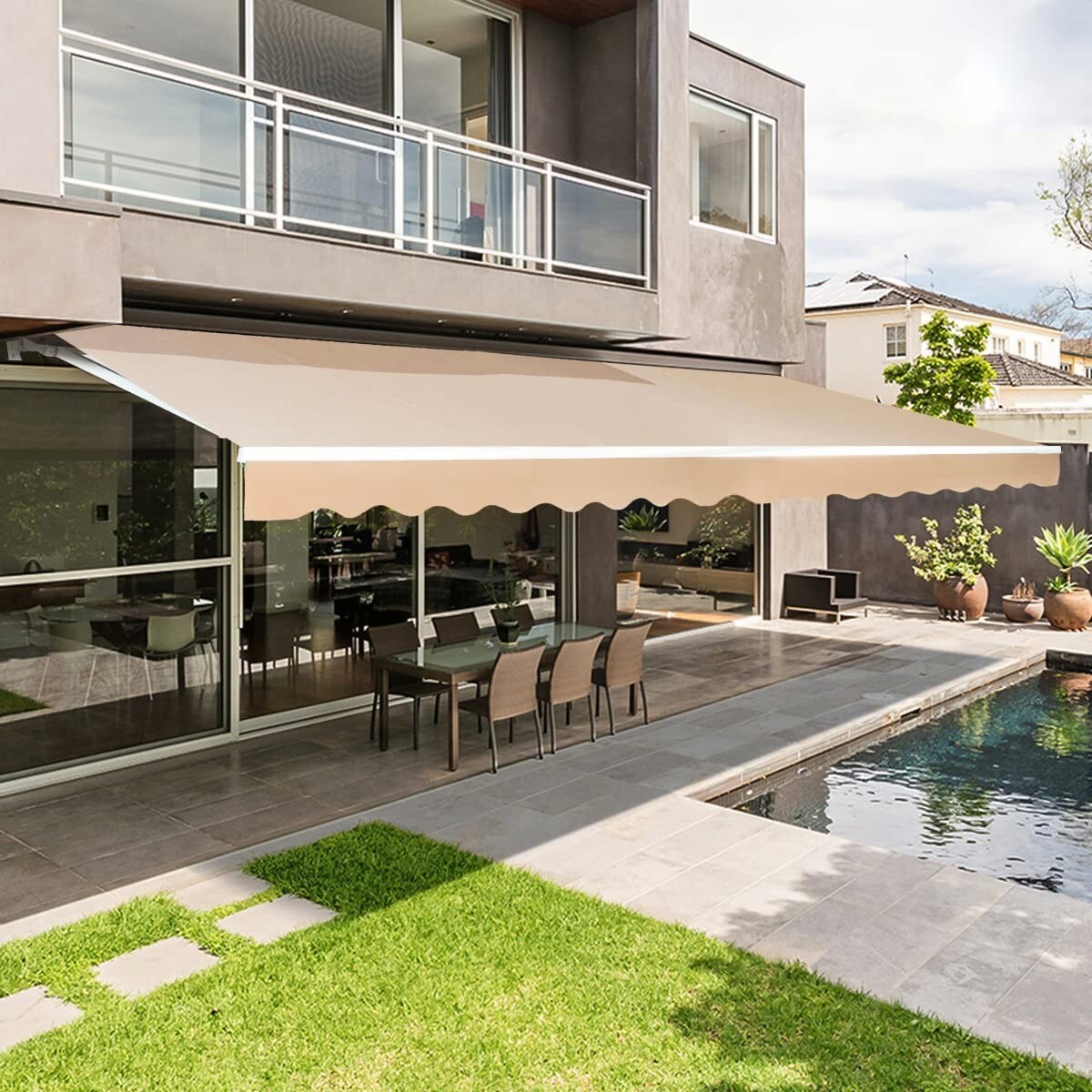
A waterproof outdoor shade is a retractable or fixed fabric canopy engineered to block rain and UV, where the primary trade-off is fabric waterproof rating versus structural wind resistance. Durable options use solution-dyed acrylic or PVC-coated polyester with a 1500mm+ hydrostatic head and a reinforced frame, while compromises rely on thin 180T polyester with taped seams that fail within two seasons. The decision rule: buy for your measured wind zone and mounting surface first, then select the highest waterproof rating that fits the frame's retraction mechanism.

Buying guide image
Raised Garden Beds & Planters

Large Outdoor Pot

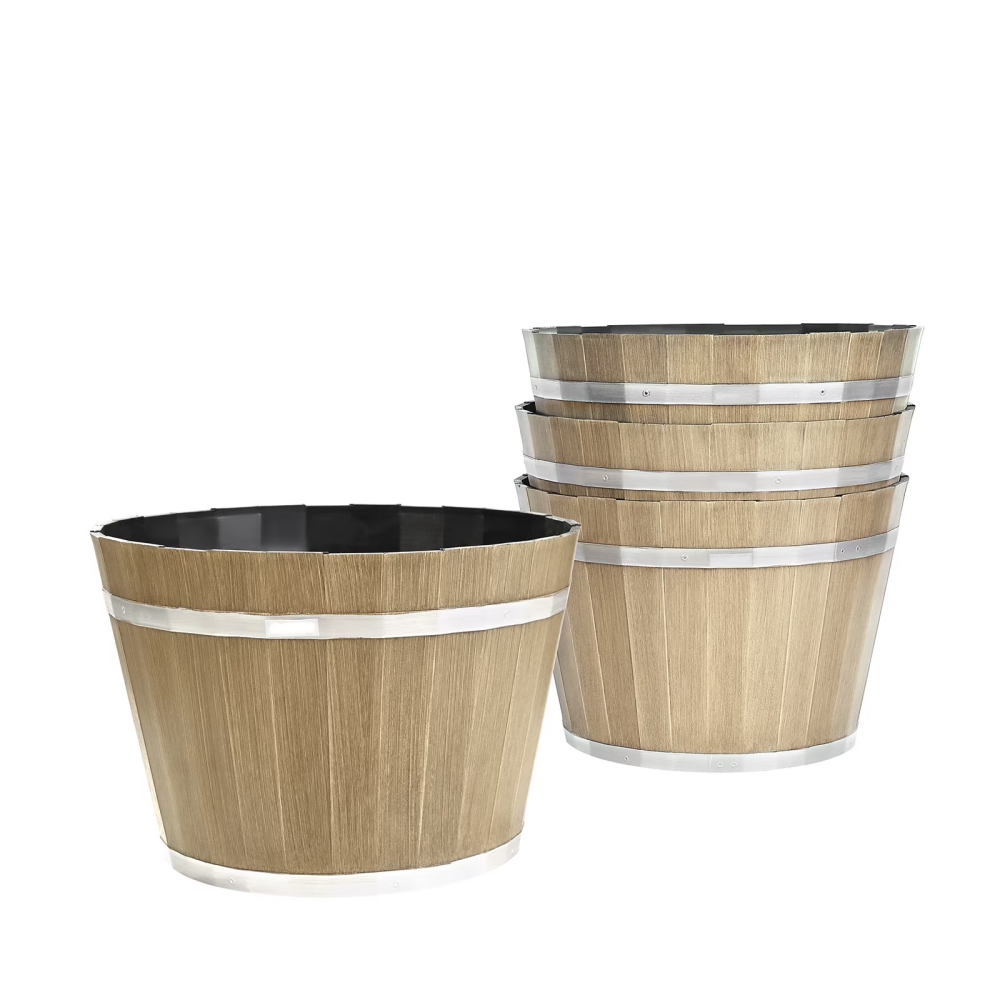
Large outdoor pots are freestanding planters typically 20–30 inches tall, used as focal points on patios, porches, and garden beds. The primary trade-off is material and drainage: UV-stabilized resin or glazed ceramic with pre-drilled drainage and a water-level monitor lasts years, while thin recycled plastic or sealed decorative pots crack or drown roots. Buy rotomolded HDPE or thick glazed ceramic with drainage holes and a removable inner bucket; skip unlined thin plastic or pots without drainage.

Buying guide image
Raised Garden Beds & Planters

Succulent Pot

Succulent pots are shallow, free-draining containers sized to a plant's compact root system, where the critical trade-off is drainage and breathability versus water retention and weight. Choose unglazed ceramic or fabric for airflow, glazed ceramic or plastic for moisture control, and always match pot diameter to the rosette plus 1–2 inches.

Buying guide image
Pools & Spas

Plastic Swimming Pool

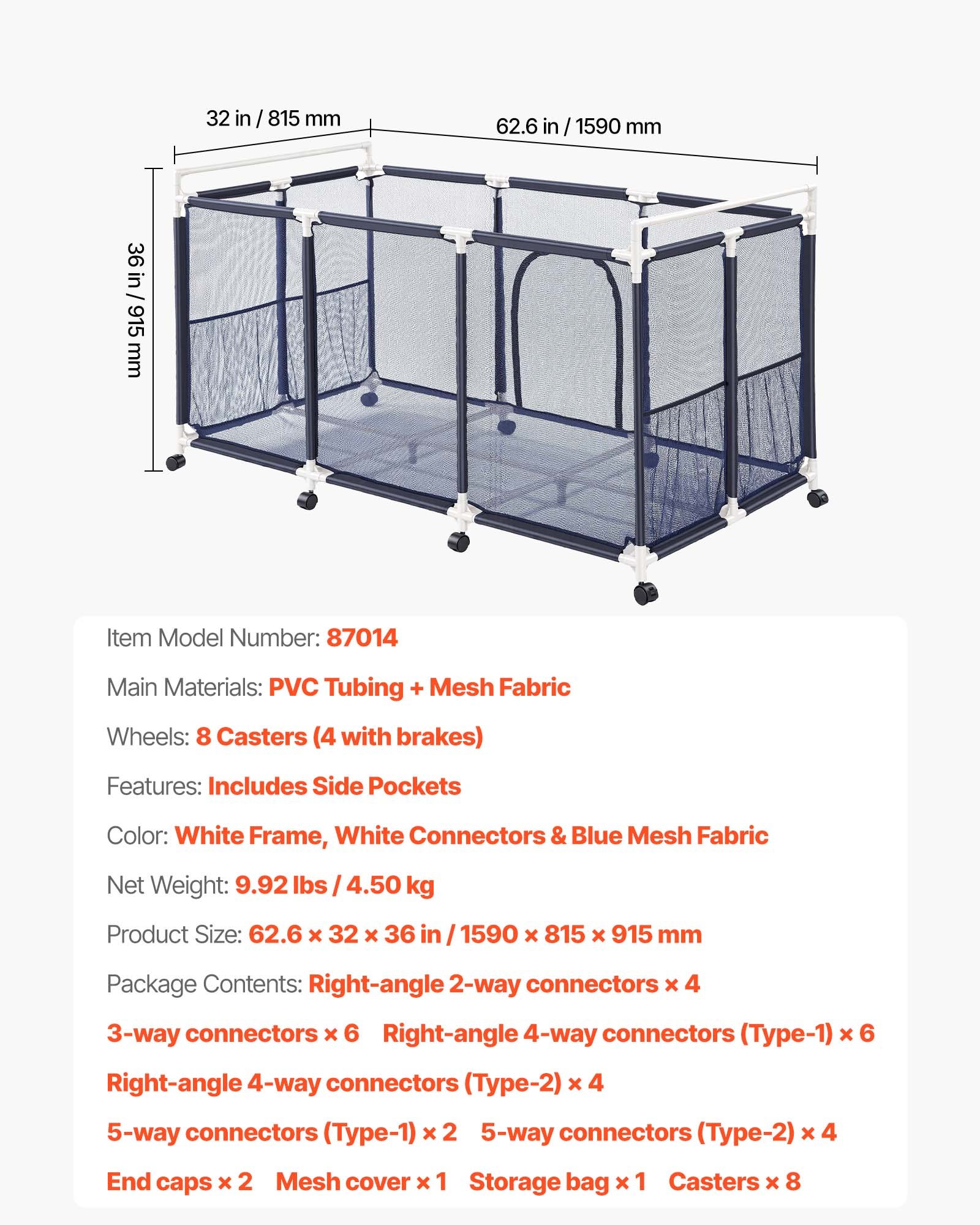
A plastic swimming pool is a rigid or inflatable above-ground vessel made from molded resin, PVC, or polyethylene—distinct from steel-walled or concrete pools. The primary trade-off is resin-wall rigidity and UV-stabilized thickness versus inflatable PVC convenience and lower cost. The decision rule: choose rigid resin or high-denier PVC with reinforced seams for multi-season durability; accept thin inflatable vinyl only for short-term or toddler use.

Buying guide image
Chicken Coops & Runs

Home Chicken Coop

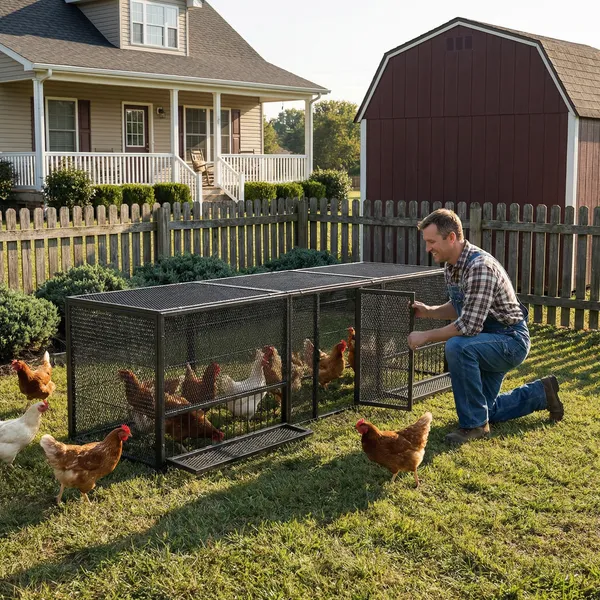
A home chicken coop is a predator-resistant, ventilated animal enclosure whose durability hinges on wire gauge versus mesh size, framing material and joinery, and roof/floor weather sealing. The core trade-off is upfront build quality against constant patch-and-repair labor. The decision rule: buy a coop whose wire is at least 14-gauge welded mesh with 1/2-inch openings, a solid rot-resistant frame, and a raised, sealed floor; skip anything with chicken-wire (hexagonal netting), stapled seams, or untreated softwood.

Buying guide image
Bee Smokers & Hive Tools

Bee Hive Tool

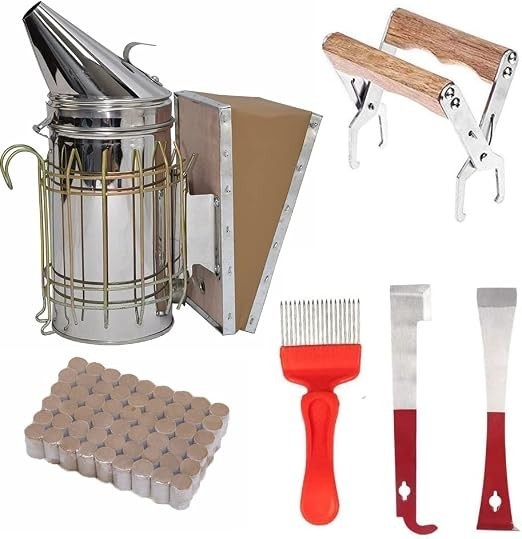
A bee hive tool is the primary lever-style pry bar beekeepers use to separate hive boxes, lift frames, and scrape propolis; the critical trade-off is steel grade and forging quality versus a soft, bend-prone stamping. Durable options use hardened stainless or high-carbon spring steel with a full tang and rolled edge, while compromises are thin, painted, or cast metals that deform under real hive pressure.

Buying guide image
Bee Smokers & Hive Tools

Hive Tool

A hive tool is the beekeeper's primary prying and scraping instrument—used to break propolis seals, separate hive boxes, and lever frames—and the core trade-off is steel grade versus handle ergonomics: cheap carbon steel bends and rusts, while properly hardened stainless or spring steel holds an edge and resists corrosion. Buy a hardened stainless or spring-steel tool with a full-tang or forged shank; skip thin stamped mystery-metal imports that flex under frame weight.

Buying guide image
Outdoor Structures, Shade & Awnings

Yard Shed

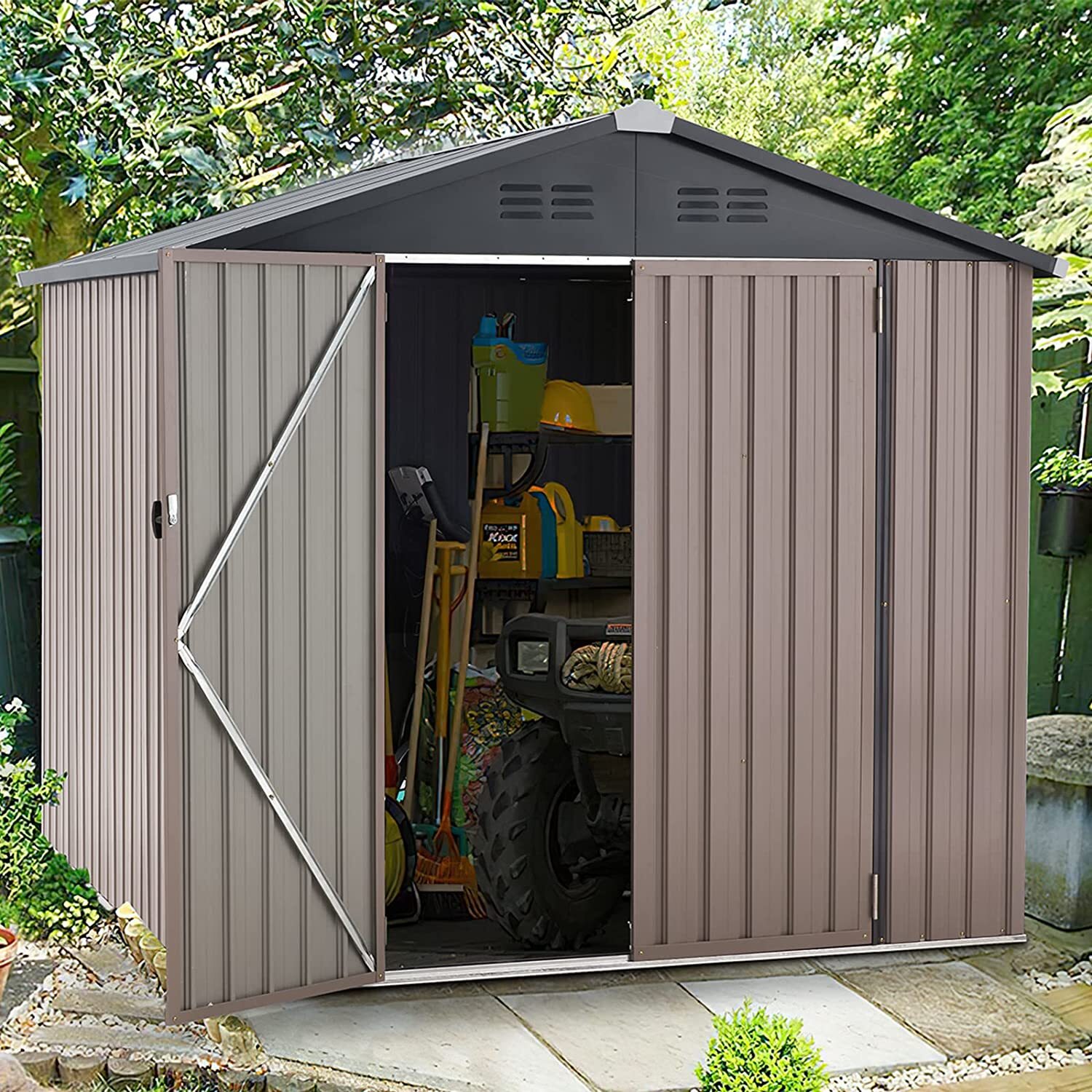
Yard sheds succeed or fail on two numbers: the footprint your local code allows and the material's tolerance for your climate. Metal and resin dominate the sub-permit segment because they ship flat and assemble without concrete, but their wind ratings, floor inclusion, and anchor requirements differ sharply. Pick the panel material and size class first, then confirm your base and door swing clearances before ordering.

Buying guide image
Garden Tools

Plant Stake

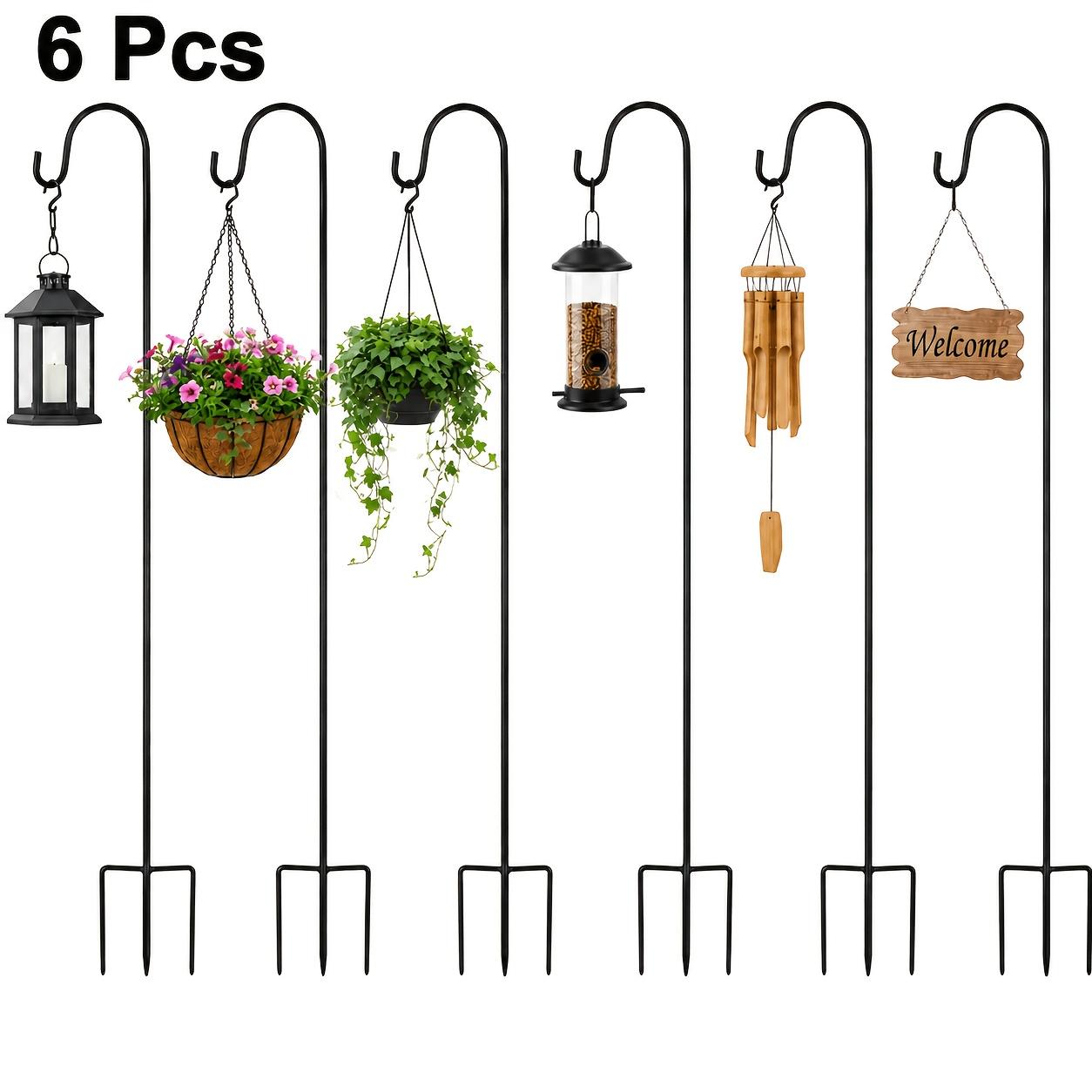
Plant stakes are rigid supports that hold stems, vines, and heavy top-heavy plants upright, and the primary trade-off is between thin decorative wire that bends under load and thicker galvanized or powder-coated steel that resists rust and wind torque. The decision rule is simple: match stake diameter and coating to the plant's mature weight and the site's weather exposure, and skip any stake under 6 mm thick for outdoor or fruit-bearing use.

Buying guide image
Pools & Spas

Square Inflatable Hot Tub

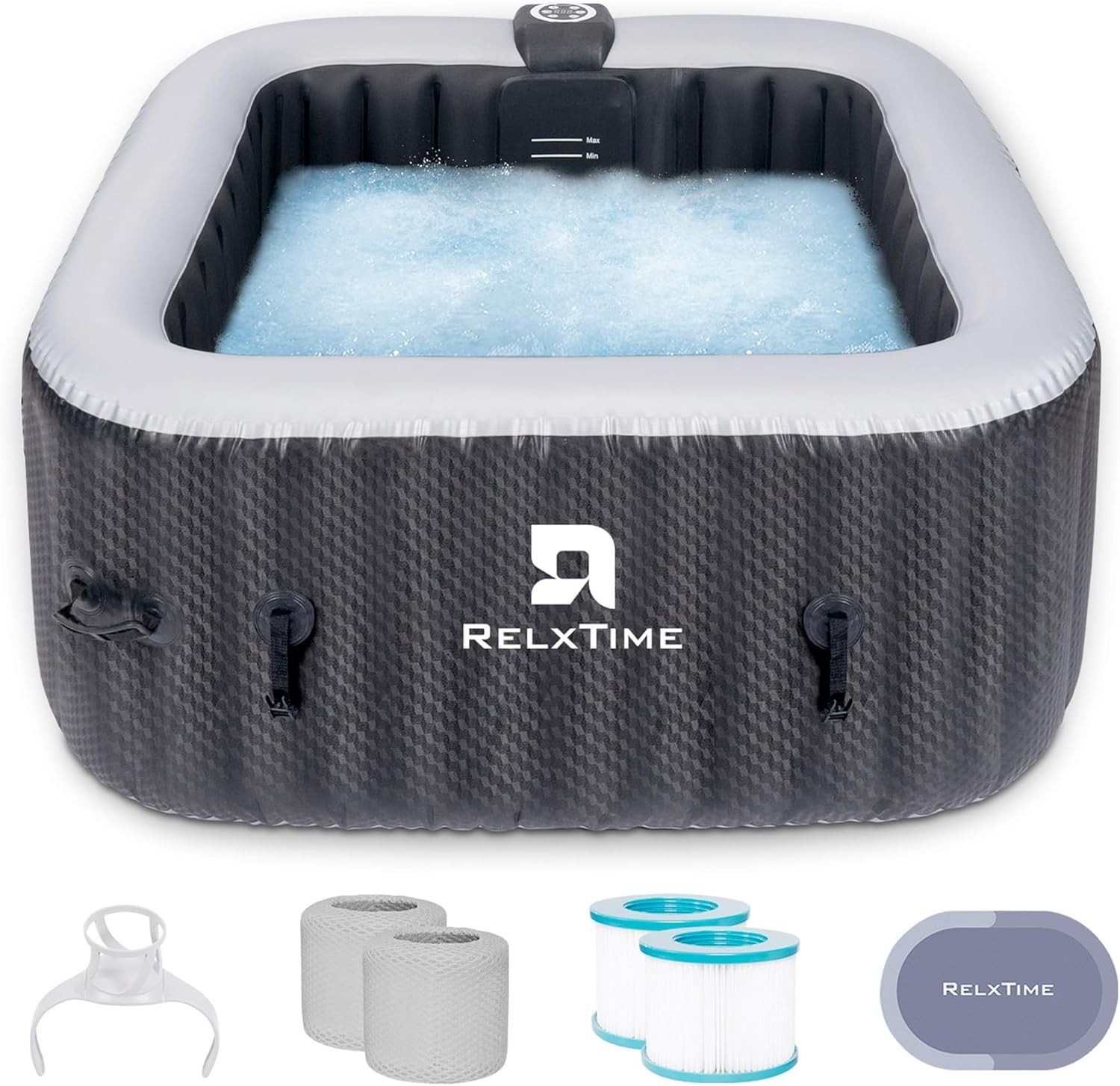
A square inflatable hot tub is a portable, plug-in spa with a square footprint, typically built from laminated PVC or TPU walls and a rigid foam or inflatable floor. The primary trade-off is wall rigidity and insulation versus portability and cost: square models gain stability and corner seating but lose heat faster than rigid acrylic spas unless they use dense foam or a reinforced cover. The clear decision rule is to buy only if the tub lists a concrete wall thickness (PVC gauge) and an insulated lockable cover; skip any listing that omits these, as it will be a short-lived compromise.

You may also like

Finding more guides for you…