GardenPulse Guide

GardenPulse Guide

Garden, Yard & Outdoor Living Reviews & Buying Guides

Compare garden, yard & outdoor living by use case, features, trade-offs, price, returns, and seller terms before you buy.

Buying guides

Buying guide image
Greenhouse & Hydroponics

Hydroponic Grow Tower

A hydroponic grow tower is a vertical, recirculating system that stacks planting sites around a central column and pumps nutrient solution to the top for gravity-fed delivery. The decisive trade-off is between site count and root-zone volume versus pump head and light coverage: taller columns multiply sites but starve lower tiers of pressure and photons. Choose towers with pressure-compensated or high-head pumps, light-blocking food-grade column walls, and a reservoir sized at least 1 gallon per 5 planting sites; treat open drip rings and thin translucent plastic as short-lived compromises.
Buying guide image
Greenhouse & Hydroponics

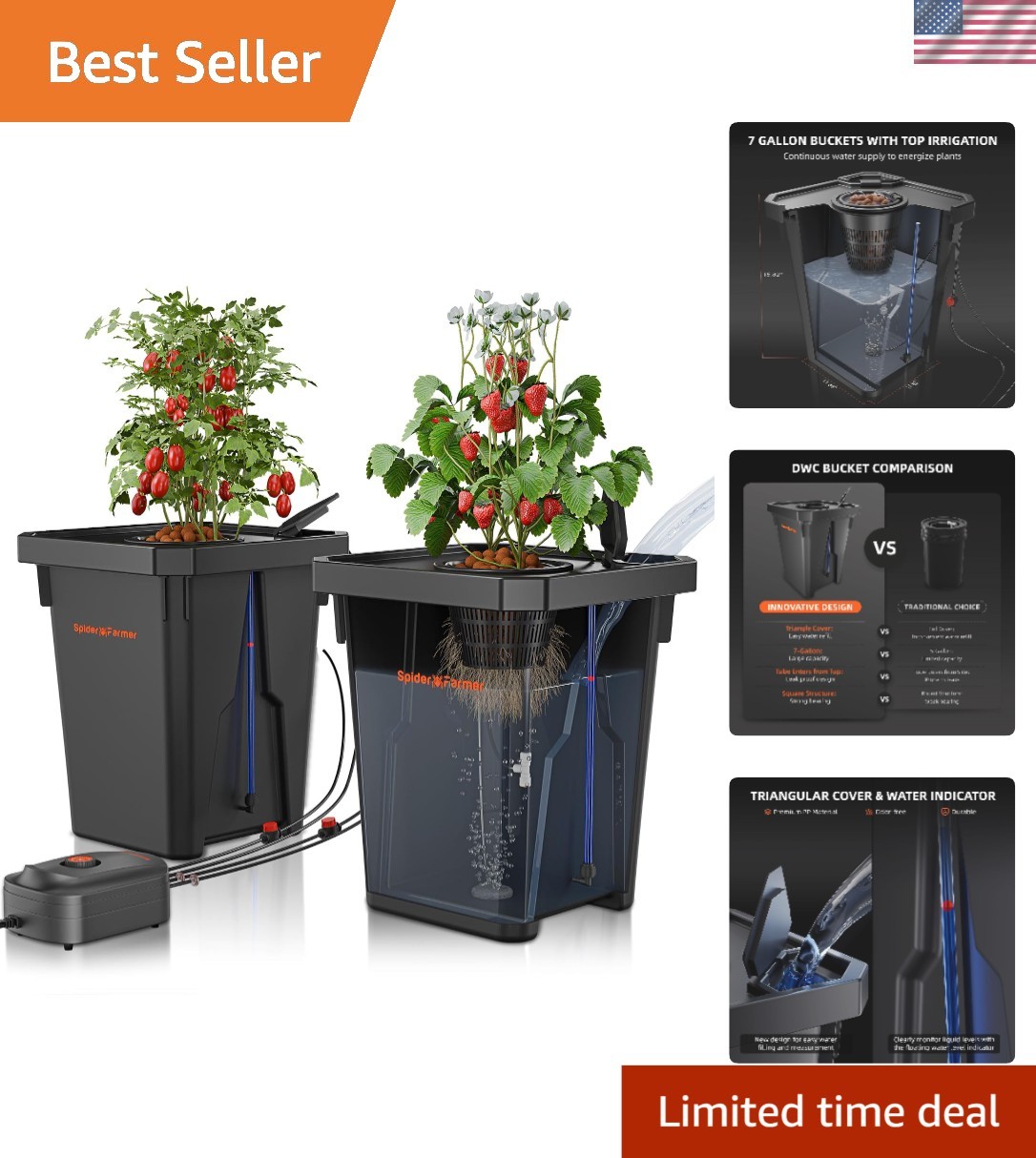
Hydroponic Indoor Garden

A hydroponic indoor garden is a soil-free growing system that circulates nutrient solution through net pots, pumps, and timers so herbs, greens, and fruiting plants grow year-round. The primary trade-off is between compact countertop units with integrated LED and larger PVC pipe or bucket systems that require external lighting and more footprint. The decision rule: buy a fully enclosed, light-integrated unit for plug-and-play herb production; buy a pipe or bucket system only if you can supply 200–400 µmol/m²/s of external grow light and 10–20 L of reservoir volume per 10 planting sites.

Buying guide image
Greenhouse & Hydroponics

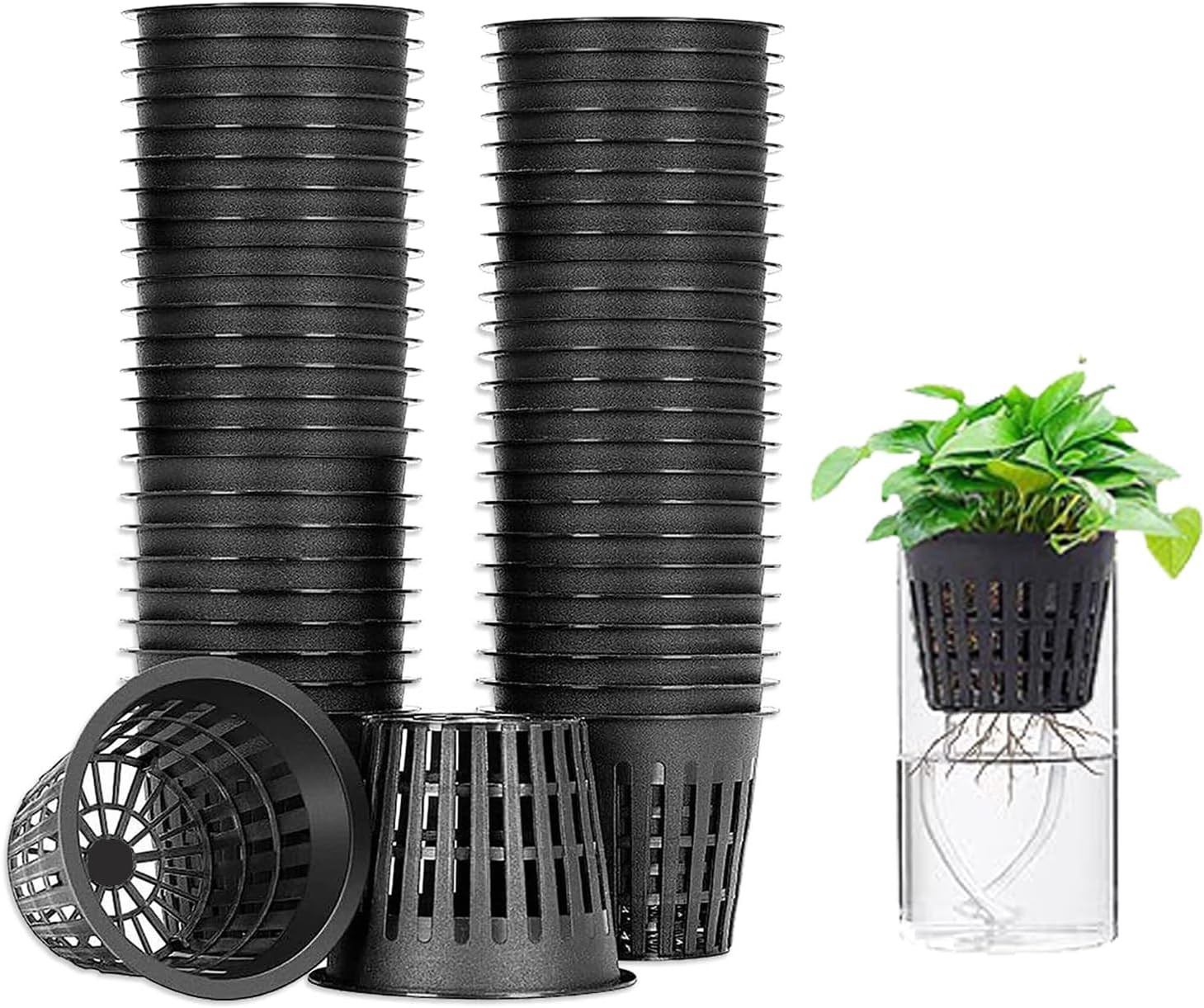
Net Pot

Net pots are the mesh baskets that hold plant roots in hydroponic and aeroponic systems, and the core trade-off is rim stiffness and mesh geometry versus cost per unit. Cheap economy cups flex and crack under root pressure, while heavy-duty cups hold their shape through repeated cleaning and reuse. The decision rule: buy heavy-duty UV-stabilized polypropylene or HDPE with a reinforced rim for multi-season cloning and fruiting crops, and reserve thin economy cups for short-cycle seedling propagation where the pot is discarded after one run.

Buying guide image
Greenhouse & Hydroponics

Starting Seed Indoor With Grow Light

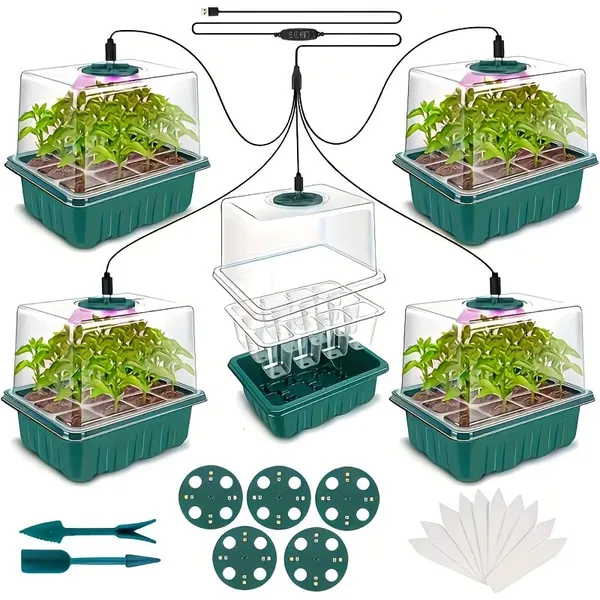
Indoor seed-starting with grow lights is a controlled-environment system combining a propagation tray or mini-greenhouse with a full-spectrum LED fixture to germinate and raise seedlings before transplant. The primary trade-off is coverage versus intensity: low-wattage strip or dome-integrated LEDs suit germination and early cotyledon stages, while higher-wattage panel or tiered fixtures are required to sustain stocky growth without stretching. The decision rule is simple: match fixture wattage and PPF to canopy area and seedling stage, and choose rigid, UV-stabilized trays with humidity domes over thin disposable cells for multi-season durability.

Buying guide image
Residential Outdoor Power Equipment

Gas Wood Chipper

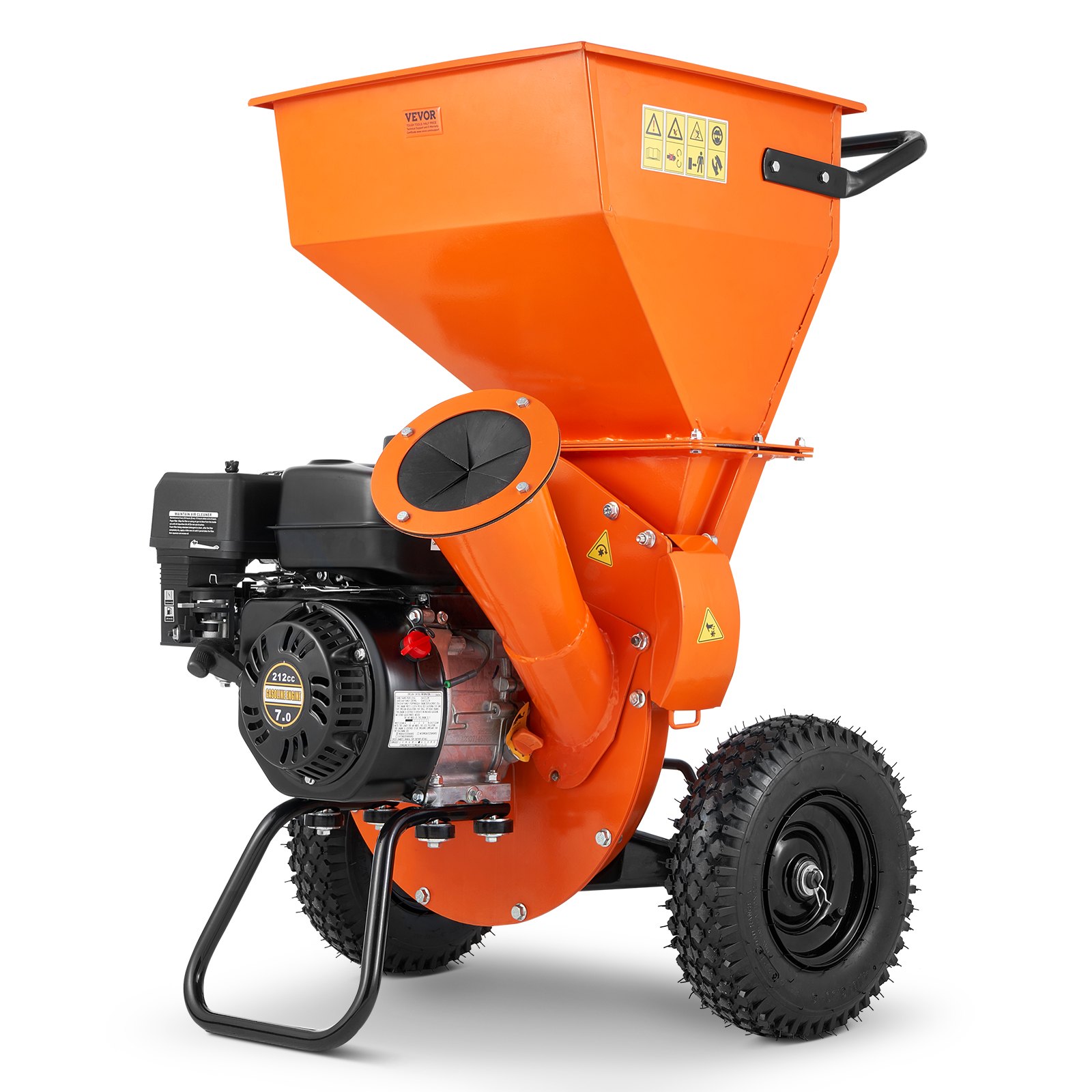
Gas wood chippers turn brush piles into mulch, but buyers often misjudge engine size versus real chipping capacity and end up with a machine that stalls on hardwood. The practical split is between compact 2-3 inch homeowner units and larger 4-inch+ towable machines, with engine displacement and flywheel mass determining what actually gets chewed through. Choose based on the diameter and type of material you clear most, not the headline horsepower.

Buying guide image
Residential Outdoor Power Equipment

Power Washer Surface Cleaner

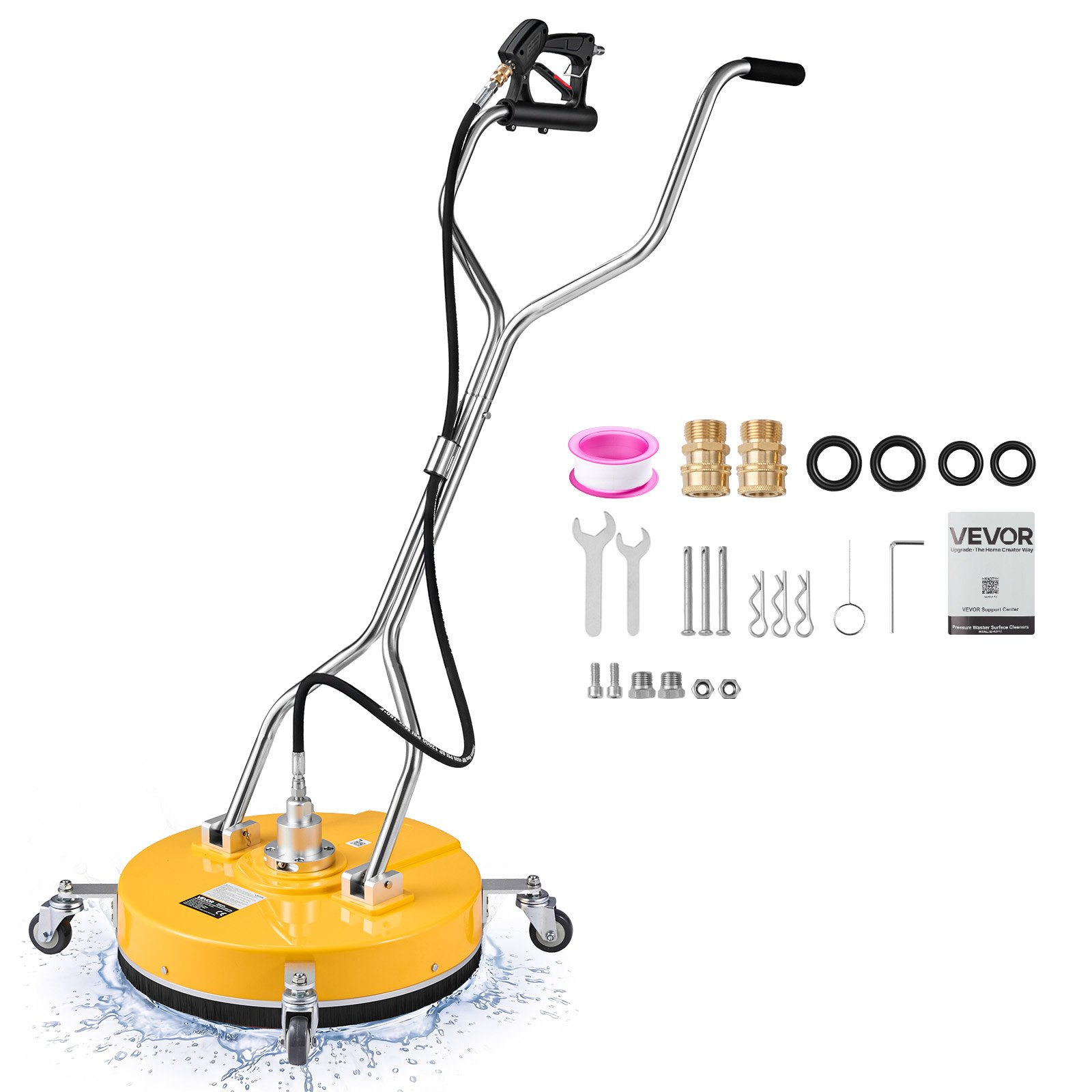
A power washer surface cleaner is a rotary attachment that replaces the wand's narrow spray with a spinning bar under a shroud, cleaning flat concrete, decks, and driveways faster and more evenly without zebra striping. The core trade-off is build material and bearing quality versus low-cost ABS shells: entry units crack or seize under sustained pressure, while steel or heavy-duty composite housings with serviceable bearings last for seasons. The decision rule is simple: match the cleaner's maximum PSI and flow rating to your machine and choose a steel or reinforced housing with a standard 3/8-inch quick connector if you clean more than a few times a year.

Buying guide image
Residential Outdoor Power Equipment

Pressure Washer Surface Cleaner

A pressure washer surface cleaner is a spinning attachment that replaces the wand's pinpoint spray with a high-speed rotating bar under a shroud, cleaning flat concrete, pavers, and decking faster and more evenly. The core trade-off is housing durability and bearing quality versus low-cost ABS shells and nylon bushings, which fail under sustained pressure and grit. Buy a steel or heavy-duty poly housing with a serviceable swivel rated above your washer's actual PSI and GPM output; skip any unit whose fittings or bearings are not replaceable.

Buying guide image
Watering & Irrigation

Rain Bird Drip Irrigation

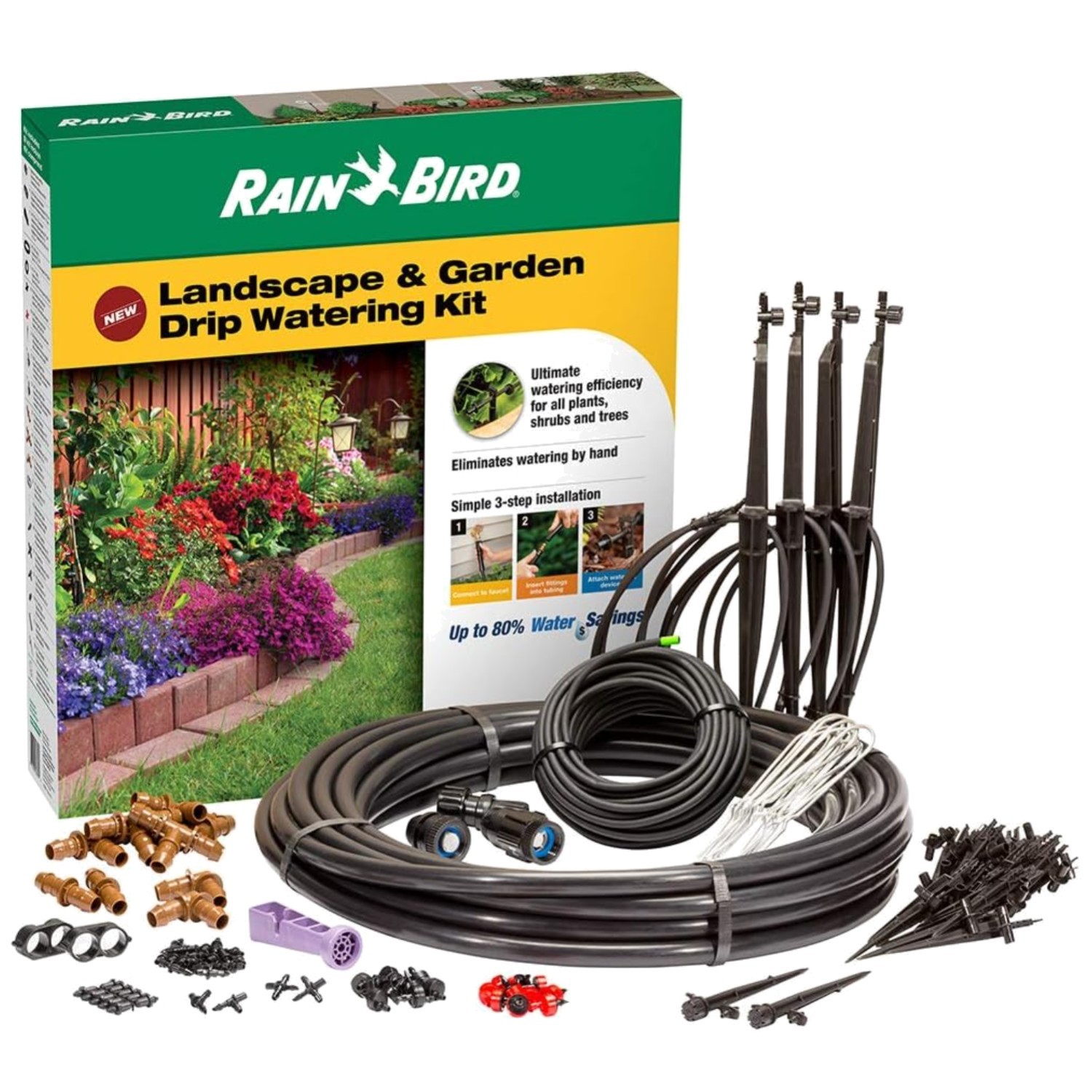
Rain Bird drip irrigation is a modular low-flow watering system built around 1/2-inch polyethylene distribution tubing, 1/4-inch micro-tubing, and pressure-compensating or turbulent-flow emitters. The core trade-off is between pre-assembled kits with fixed emitter spacing and custom layouts using bulk tubing and individual emitters, which determine whether you can match precise plant water needs or accept uniform coverage. Choose a kit only when your bed dimensions and plant count match its included head count; otherwise buy bulk tubing and emitters to avoid choked flow and dry spots.

Buying guide image
Outdoor Lighting & Decor

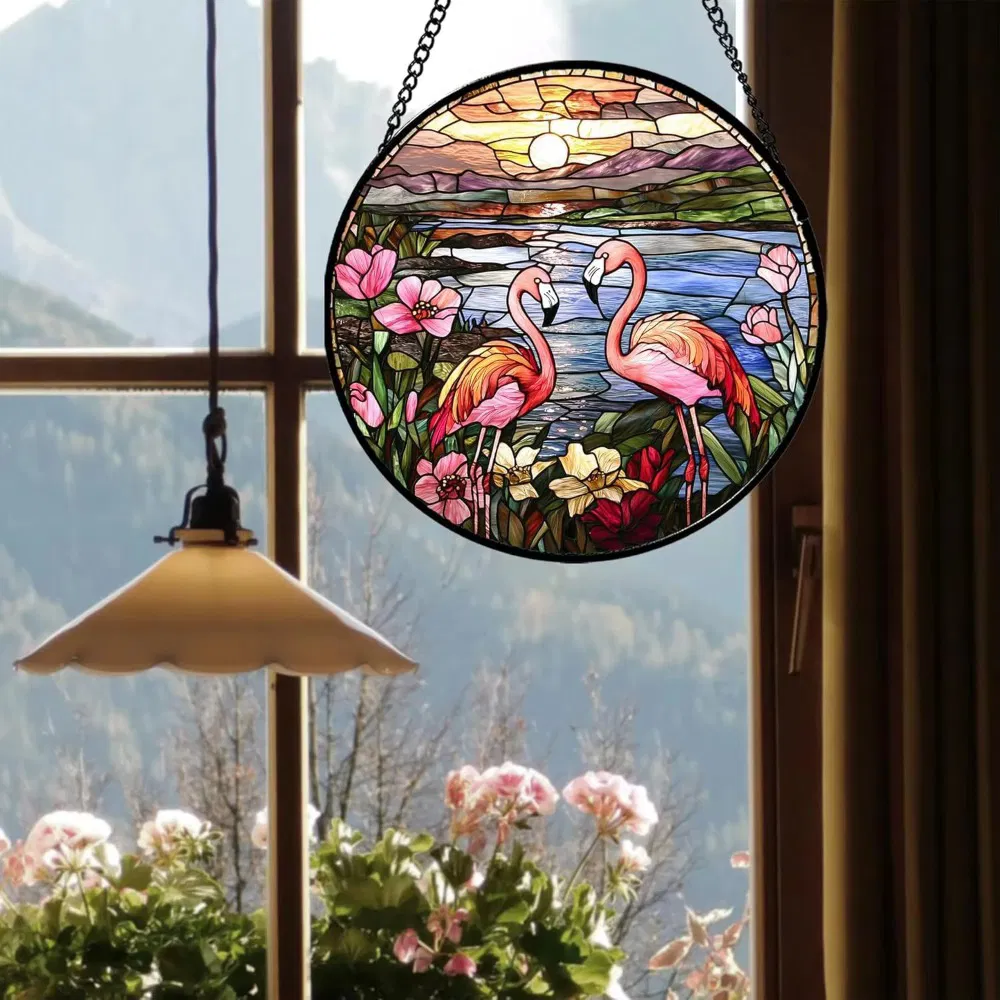
Outdoor Pendant Light

Outdoor pendant lights are hardwired or plug-in fixtures hung above porches, pergolas, and patios, where the core trade-off is weather-sealed construction versus decorative open-frame styling. The decisive split is UL/ETL wet-location rating and marine-grade finish: rated fixtures survive rain and coastal salt, while unrated decorative pendants corrode and trip breakers within a season.

Buying guide image
Residential Outdoor Power Equipment

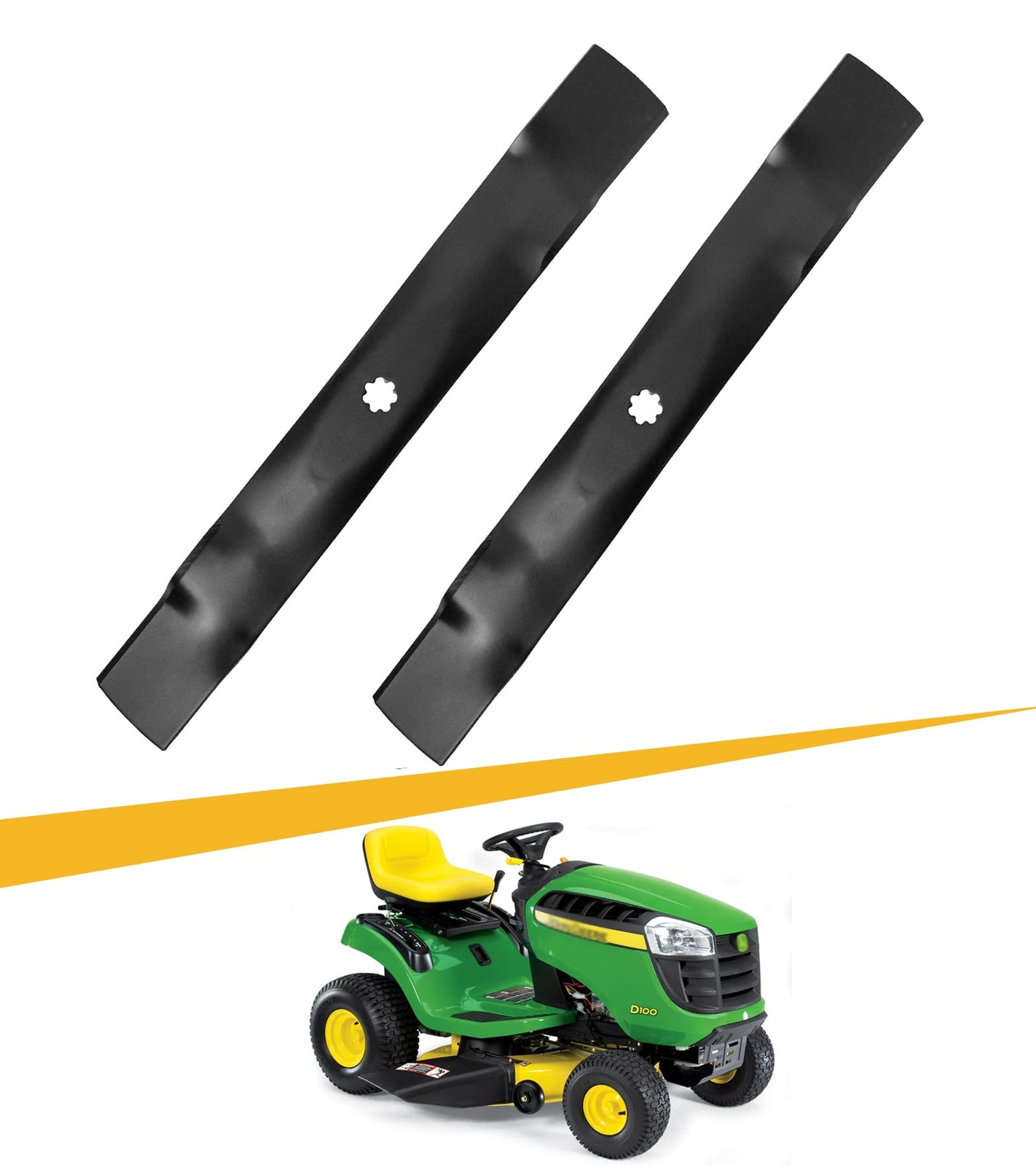
John Deere Blade

Replacement John Deere blades are not one-size-fits-all: deck width, spindle type, and blade style (standard, mulching, high-lift) must match your tractor's deck and cutting goals. Most buying mistakes come from ordering a blade for the wrong deck series or mixing blade types across a set, which causes uneven cut quality and premature spindle wear.

Buying guide image
Pools & Spas

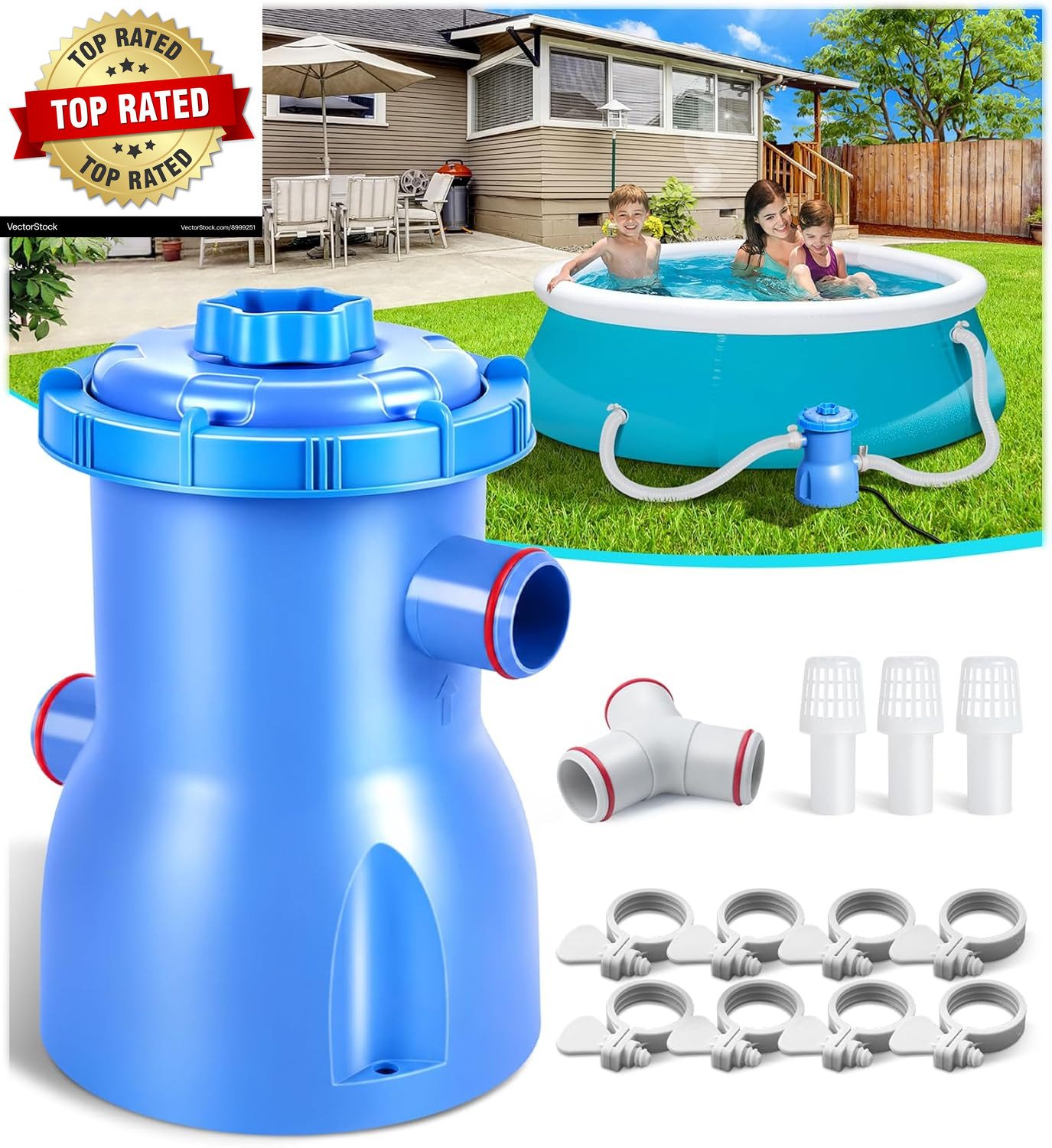
Pool Filter

A pool filter is the circulation system's particle-removal stage, and the segment splits into three architectures: sand, cartridge, and diatomaceous earth (DE), each with a distinct micron rating and maintenance burden. The primary trade-off is filtration fineness versus backwash water use and media replacement cost: sand is cheap and forgiving but leaves fine silt, while cartridge and DE capture sub-10-micron debris at the price of more frequent cleaning. The decision rule is simple: match filter type and media surface area to your pool volume and debris load, size the pump to the filter's design flow rate, and treat undersized cartridges or single-speed pumps as compromises that raise labor and energy costs.

Buying guide image
Outdoor Storage

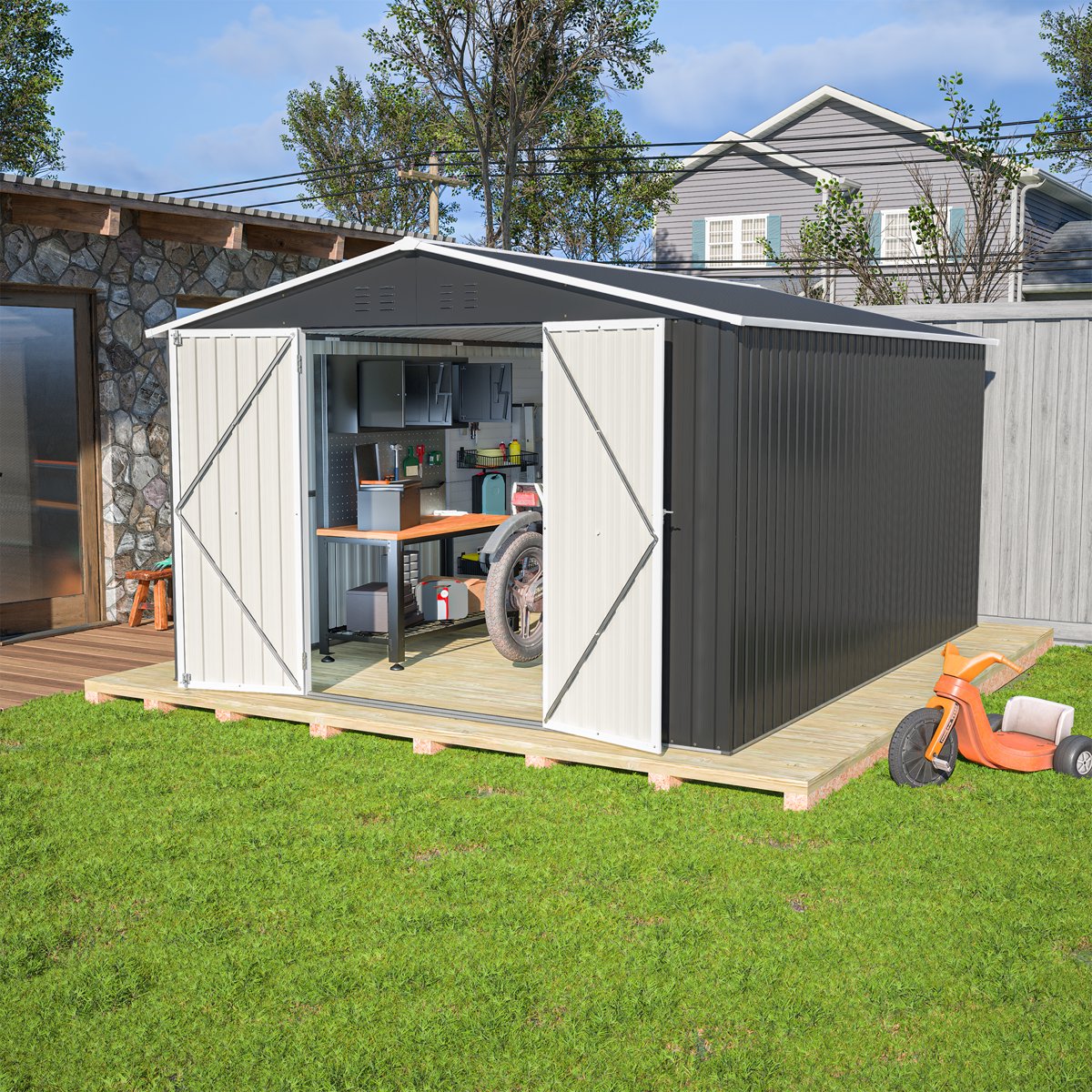
Storage Shed 10x12

A 10x12 storage shed is a large-format outdoor structure that adds roughly 120 square feet of floor area for garden equipment, bikes, and lawn tools. The main decision is between a galvanized steel panel shed (light, low-maintenance, wind-sensitive) and a wood or resin shed (heavier, quieter, more forgiving of imperfect ground). Choose based on your local wind/snow loads and whether the site is a level concrete pad or a gravel/soil base.

Buying guide image
Chicken Fencing & Egg Handling

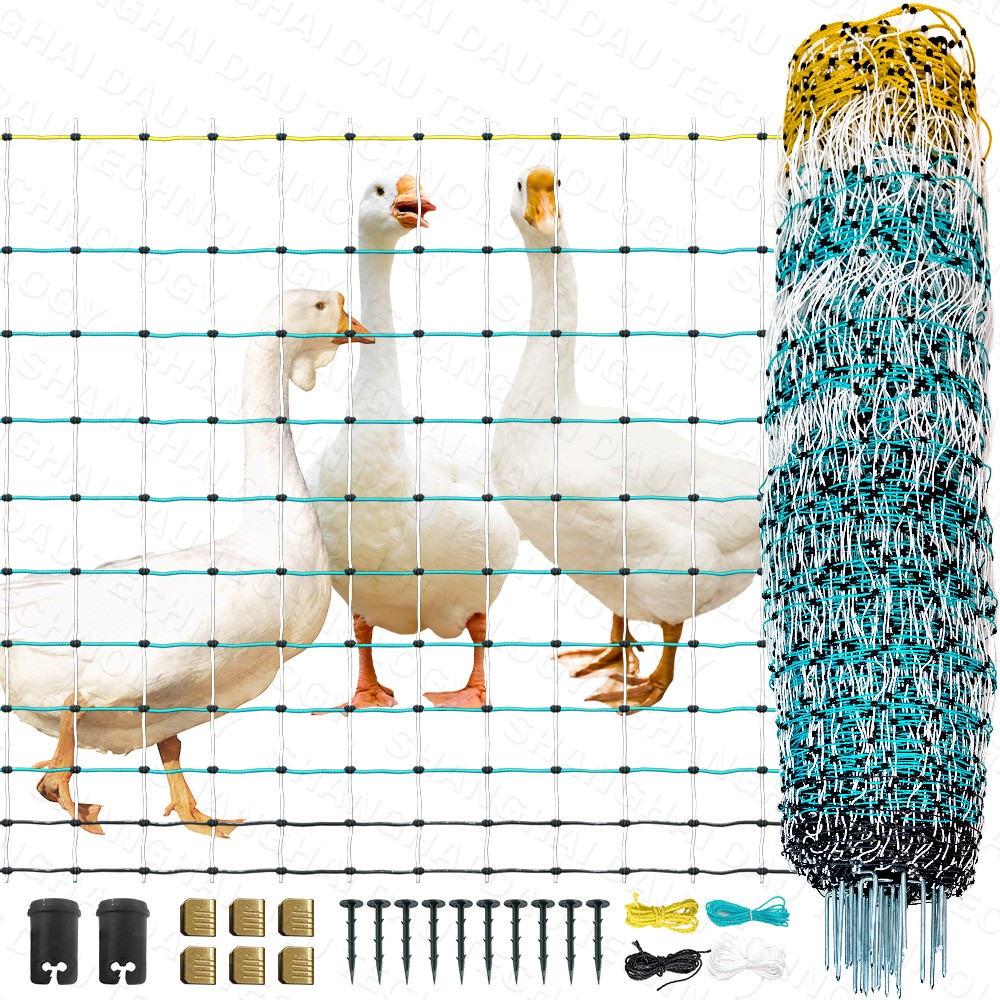
Chicken Netting

Chicken netting splits into two distinct material systems: rigid welded-wire hardware cloth for predator-proof coop walls and floors, and flexible hexagonal poultry netting for light containment and garden use. The defining trade-off is mesh aperture versus wire gauge: smaller openings and thicker wire stop rats, snakes, and raccoons, while thin hex netting only stops chickens. Buy welded hardware cloth at 1/2-inch mesh and 19-gauge or heavier for permanent coops, and reserve hex netting for temporary runs where predation pressure is low.

Buying guide image
Outdoor Lighting & Decor

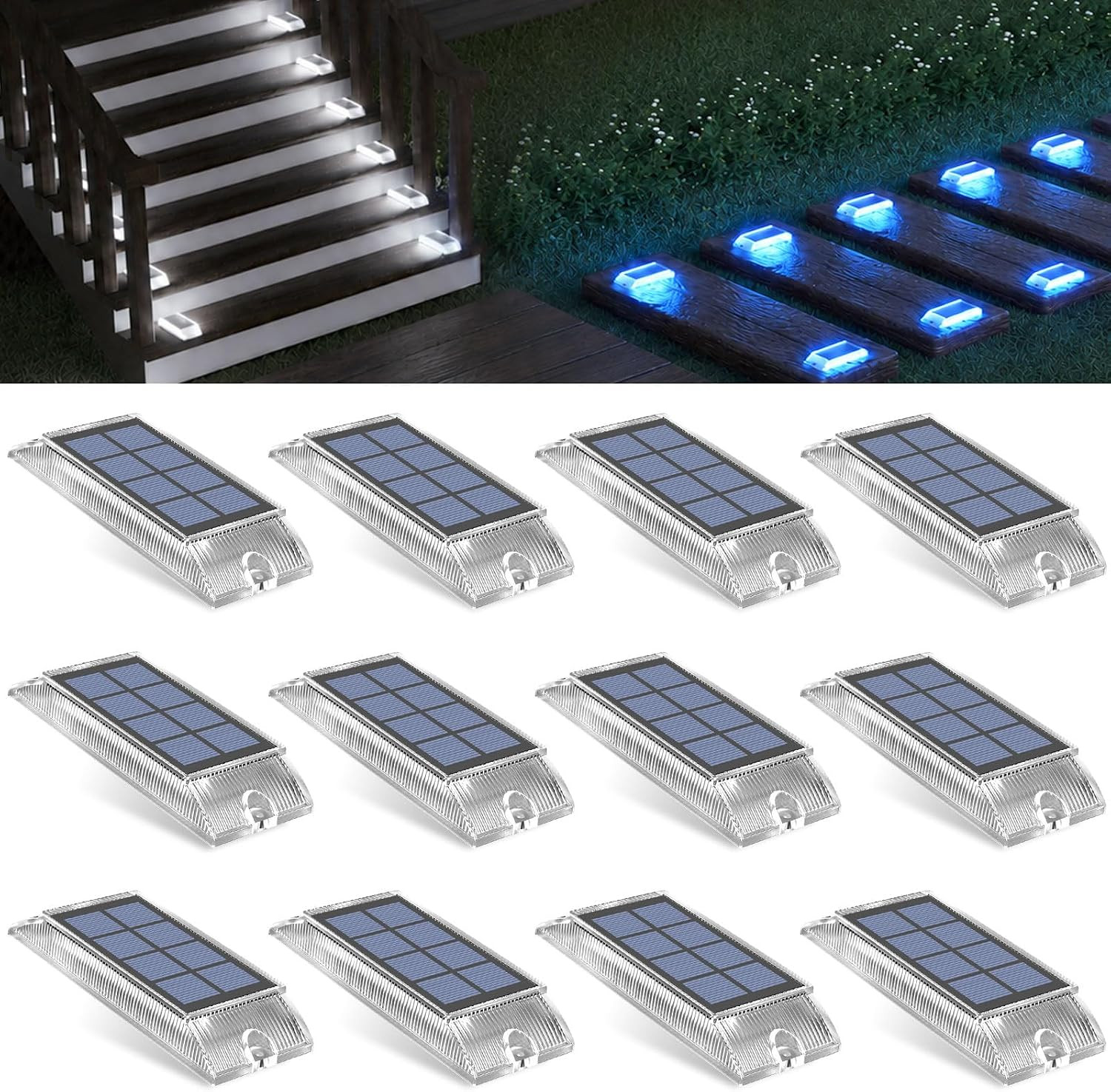
Outdoor Walkway Light

Outdoor walkway lights are low-level fixtures—path stakes, bollards, step lights, and decorative string/pole units—that mark routes and add accent lighting after dark. The core trade-off is between integrated solar (zero wiring, but at the mercy of panel efficiency, battery chemistry, and winter sun) and low-voltage wired (reliable output, but requires a transformer and cable runs). The decision rule: choose solar only for unobstructed, sun-facing placements with removable/replaceable LiFePO4 or NiMH cells; choose wired for shaded paths or year-round consistent brightness.

Buying guide image
Lawn Care

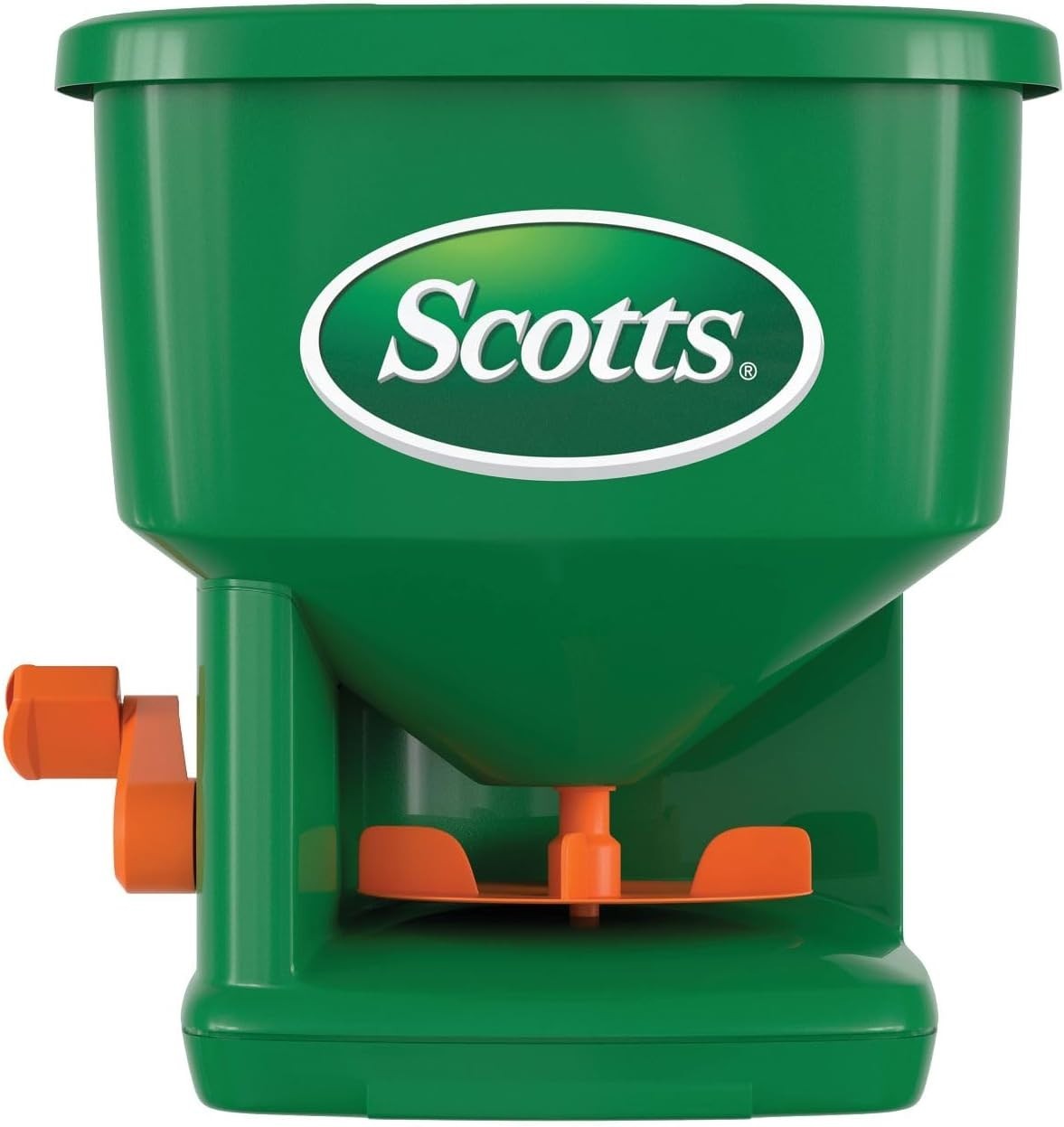
Hand Spreader Lawn

A hand spreader is a manual broadcast spreader for applying grass seed, granular fertilizer, and ice melt on small-to-mid lawns where a push spreader is overkill. The core trade-off is between a rotary whirl design for even, wide coverage and a drop or shaker design for precise edge control. Buy a rotary hand spreader with an adjustable gate and a enclosed gearbox for general lawn care; skip open-gear or fixed-rate shakers unless you only spot-treat edges.

Buying guide image
Lawn Care

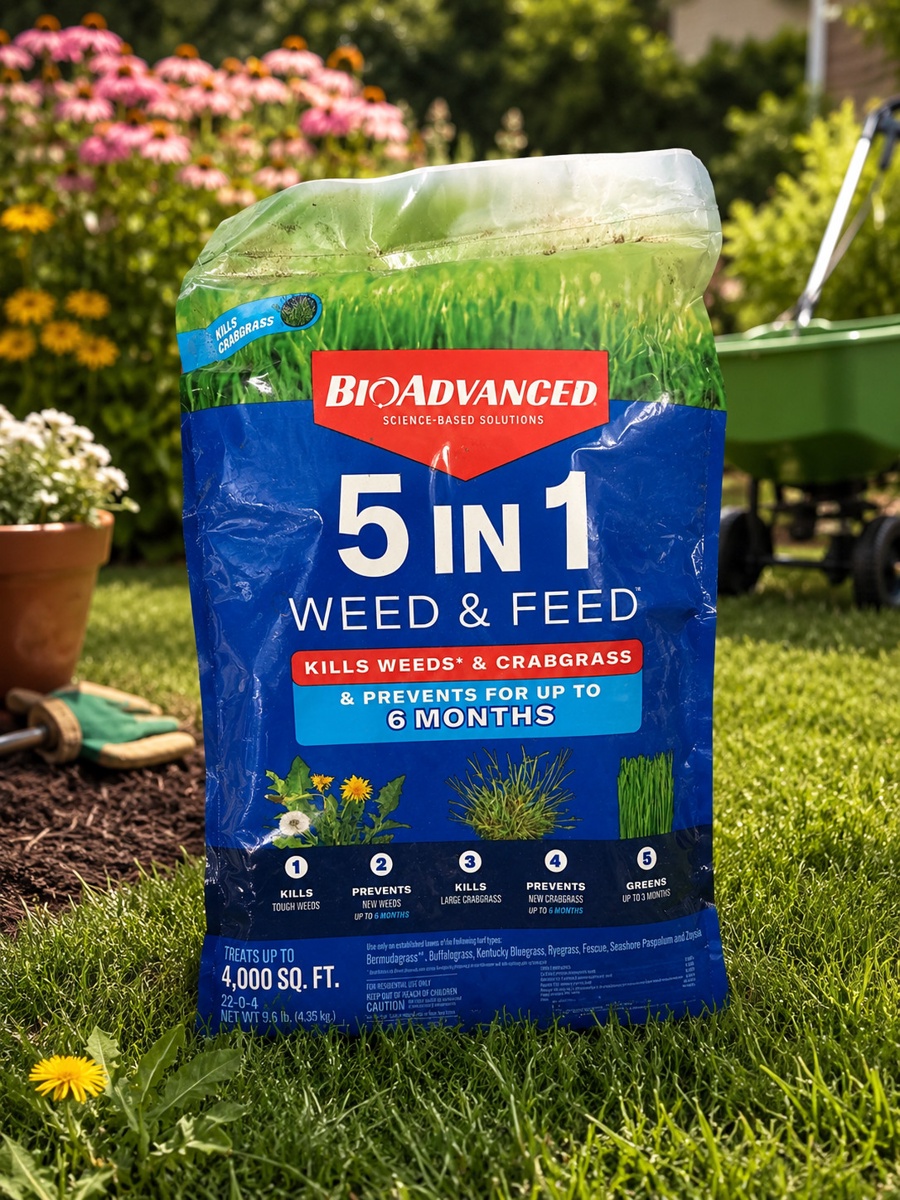
Weed And Crabgrass Killer

Weed and crabgrass killers for lawns split into two chemical strategies: selective post-emergent herbicides that kill existing weeds without harming grass, and pre-emergent barriers that stop crabgrass before it sprouts. The critical trade-off is speed versus prevention—post-emergents act in days but miss seeds, while pre-emergents last weeks but require precise timing. Choose a post-emergent with the right active ingredient for your weed type (2,4-D for broadleaf, quinclorac for crabgrass) or a pre-emergent (prodiamine, dithiopyr) applied before soil hits 55°F.

Buying guide image
Lawn Care

Zoysia Grass

Zoysia grass is a warm-season, creeping turfgrass sold as seed, plugs, or sod, prized for dense growth, drought tolerance, and low mowing needs. The core trade-off is establishment speed versus winter hardiness: fine-bladed hybrids offer superior texture but go dormant early and spread slowly, while seeded varieties are cheaper and faster to sow but coarser and less uniform. The decision rule is simple: buy seeded varieties only if you accept a 2-3 season thicken-up and have full sun in zones 6-9; choose vegetated plugs or sod for faster coverage, finer texture, and better cold tolerance in transition zones.

Buying guide image
Outdoor Structures, Shade & Awnings

Keter Outdoor Storage

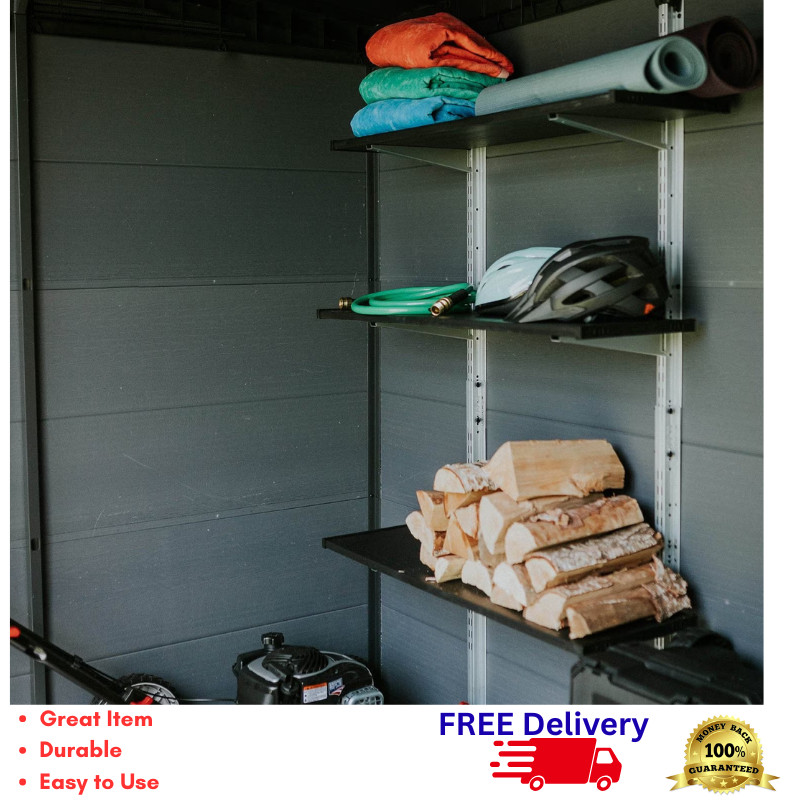
Keter outdoor storage covers a range of resin-based sheds, deck boxes, and wall organizers built from weather-resistant polypropylene. The core trade-off is resin thickness and UV stabilization versus price: thicker double-wall panels resist warping and fading, while single-wall budget lines dent and chalk within a few seasons. Choose a double-wall, UV-stabilized model with a reinforced floor for anything stored year-round outdoors; single-wall kits are only for covered patios and light hand-tool storage.

Buying guide image
Outdoor Structures, Shade & Awnings

Outdoor Umbrella With Lights

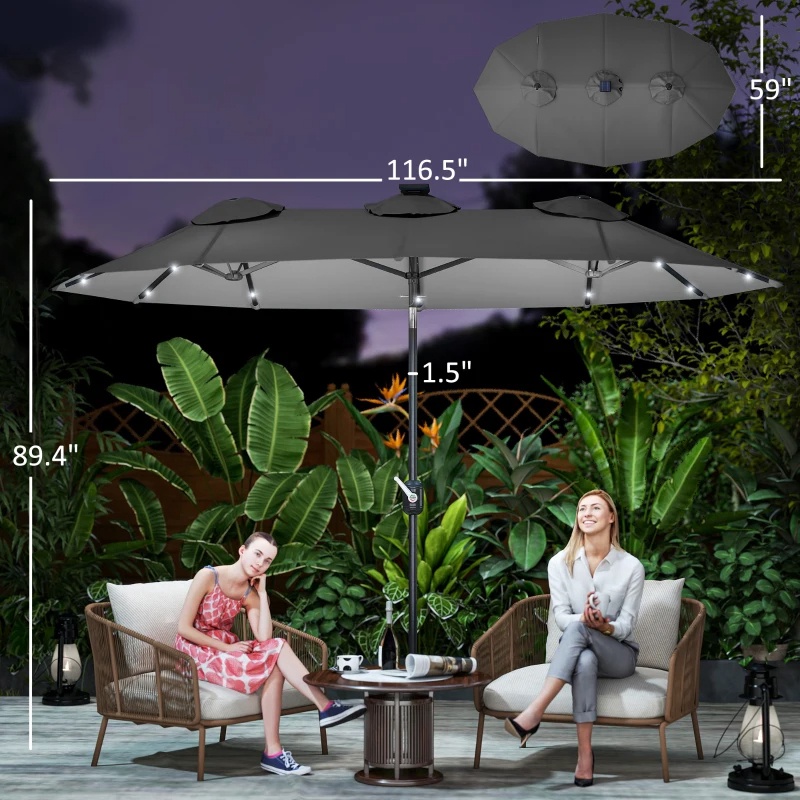
An outdoor umbrella with light integrates a shade canopy with built-in LED lighting, typically solar-powered, to extend patio usability into the evening. The primary trade-off is between illumination convenience and canopy durability: solar LED strips add wiring and battery components that must survive weather and tension. Durable options use powder-coated aluminum frames, at least 8 ribs, and replaceable battery packs; compromises rely on thin steel frames, fewer than 6 ribs, and sealed non-replaceable solar cells.

Buying guide image
Outdoor Structures, Shade & Awnings

Rectangular Outdoor Umbrella

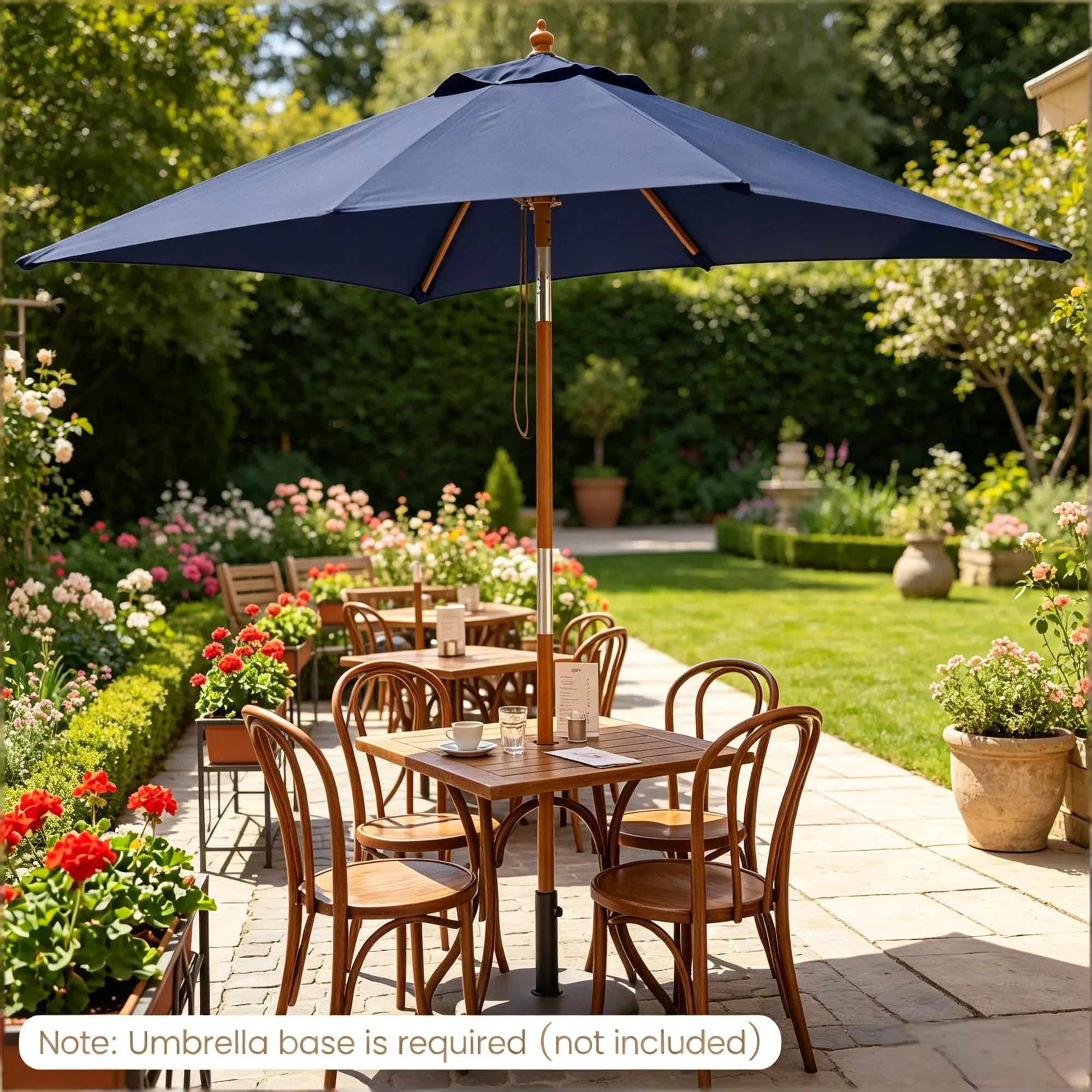
A rectangular outdoor umbrella is a cantilever, market, or center-pole shade structure sized to cover oblong tables and seating zones, where the key trade-off is canopy fabric grade and frame rigidity versus portability and base footprint. Durable options use solution-dyed or acrylic canvas rated 200+ GSM with a powder-coated aluminum or steel rib frame and a weighted base; compromises rely on thin polyester, plastic hubs, and undersized bases that tilt or fade within a season.

You may also like

Finding more guides for you…