GardenPulse Guide

GardenPulse Guide

Garden, Yard & Outdoor Living Reviews & Buying Guides

Compare garden, yard & outdoor living by use case, features, trade-offs, price, returns, and seller terms before you buy.

Buying guides

Buying guide image
Raised Garden Beds & Planters

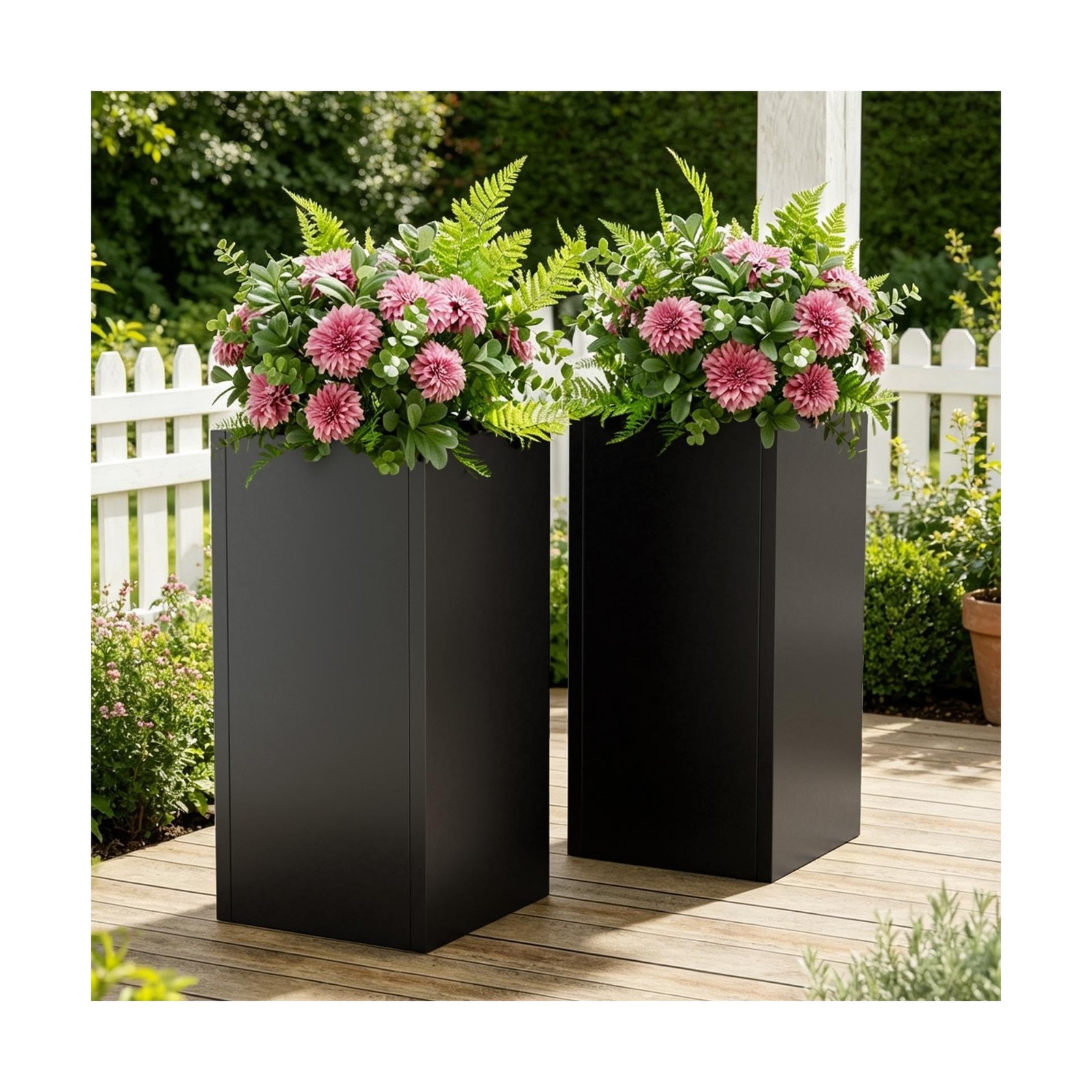
Square Outdoor Planter

Square outdoor planters are rigid, geometric containers that anchor patios, entryways, and deck corners with a modern silhouette. The core trade-off is material and wall thickness versus UV/weather resistance: thin PP rattan and stamped steel dent, fade, and rust within a season unless the polymer is UV-stabilized or the metal is galvanized and powder-coated. The decision rule is simple: match planter wall gauge and drainage engineering to your climate and plant root volume, not to the decorative finish.
Buying guide image
Raised Garden Beds & Planters

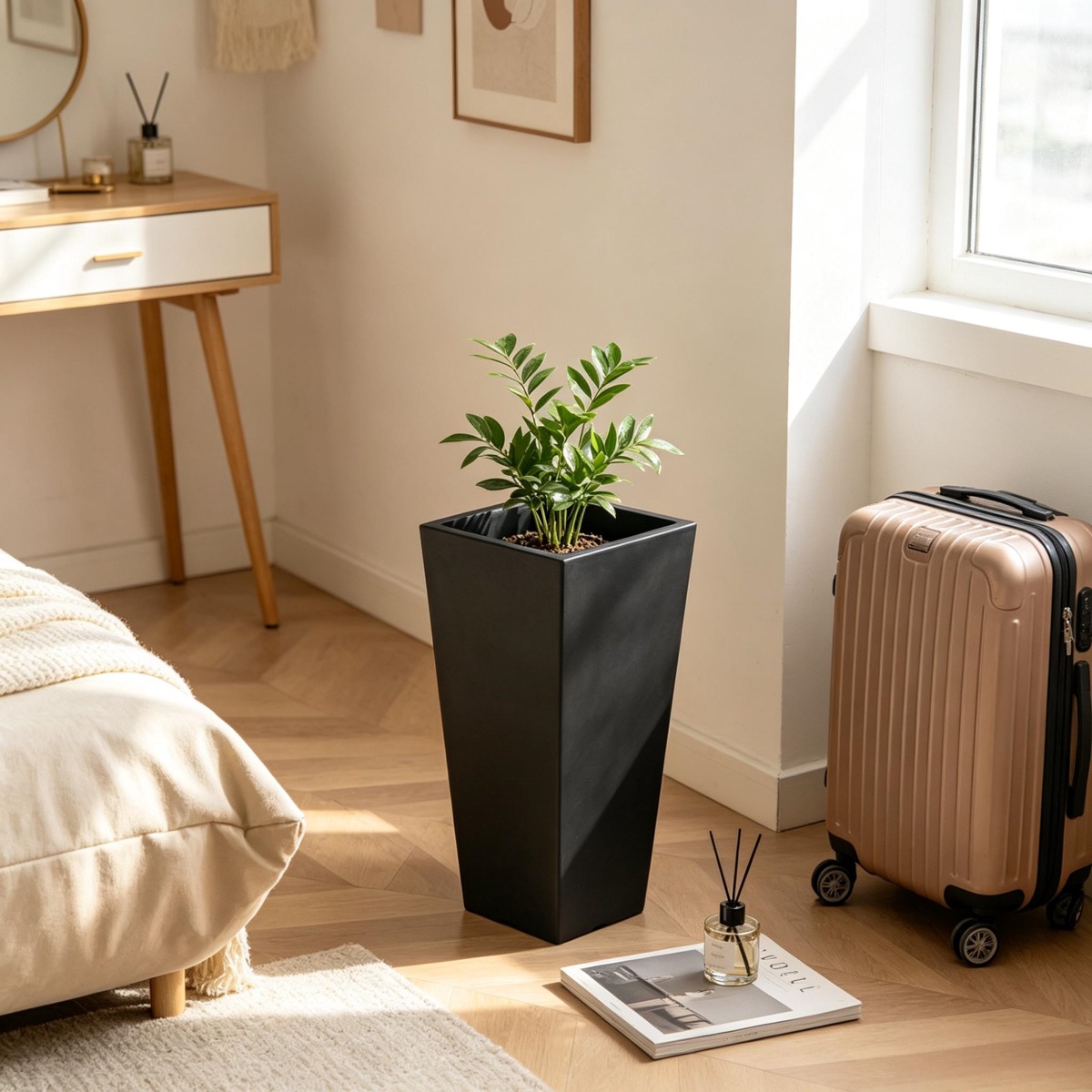
Square Planter Outdoor

Square outdoor planters are rigid, space-efficient containers defined by their wall material and drainage engineering, not by decorative finish. The core trade-off is between lightweight UV-stabilized resin/PP rattan (cheap, movable, short-lived in direct sun) and powder-coated galvanized steel (heavy, rust-resistant, decades-durable). Buy metal if the planter stays put outdoors year-round; buy resin only for sheltered patios or seasonal relocation.

Buying guide image
Greenhouse & Hydroponics

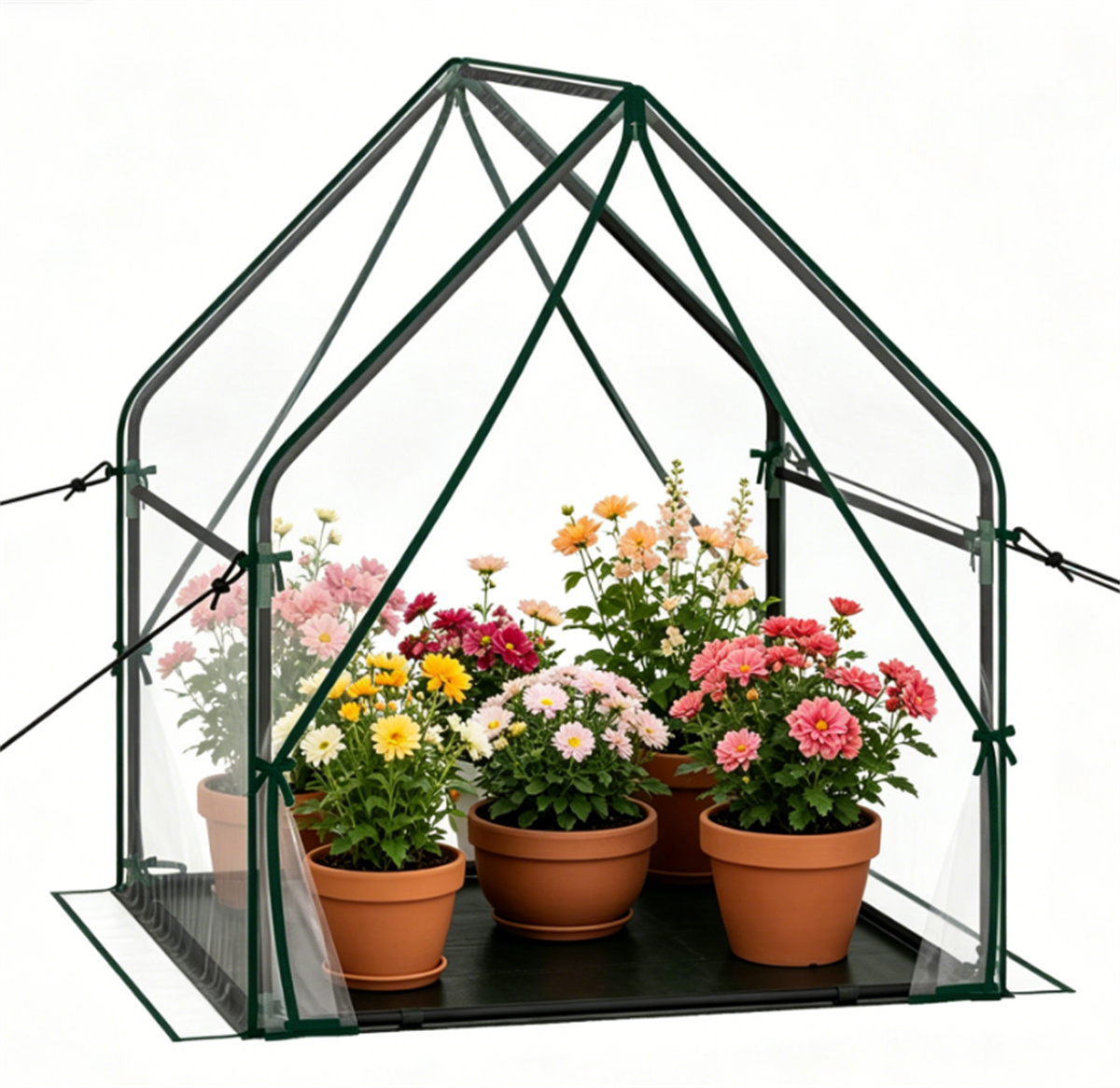
Small Outdoor Greenhouse

A small outdoor greenhouse is a freestanding or lean-to structure under roughly 8x10 ft that extends the growing season by trapping heat and shielding plants from frost, wind, and pests. The core trade-off is frame rigidity and covering durability versus cost: PVC or powder-coated steel tubes with 4-6 mil polyethylene film are seasonal compromises, while galvanized steel or aluminum frames with twin-wall polycarbonate panels are the durable tier that survives multi-season wind and snow loads. The decision rule: buy polycarbonate-paneled or double-layer film units rated for your snow and wind zone; skip single-skin film kits only if you need year-round or high-wind performance.

Buying guide image
Residential Outdoor Power Equipment

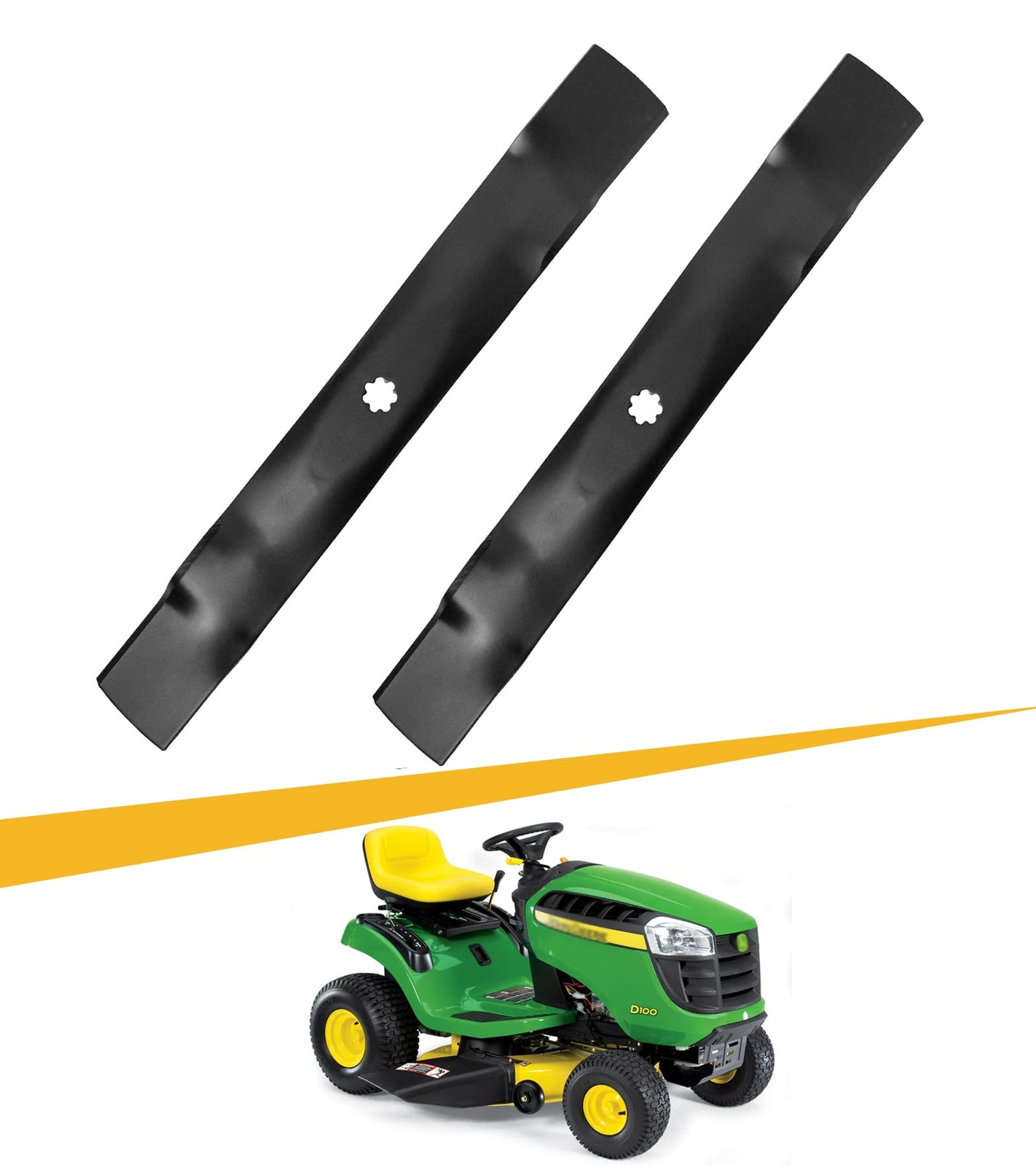
John Deere Lawn Mower Blade

John Deere mower blades are not universal: fit depends on deck size, spindle type, and blade style, and the wrong blade can cause poor cut quality or unsafe vibration. Buyers should identify their deck width and blade mounting pattern before choosing between 2-in-1, 3-in-1 mulching, or high-lift bagging blades.

Buying guide image
Watering & Irrigation

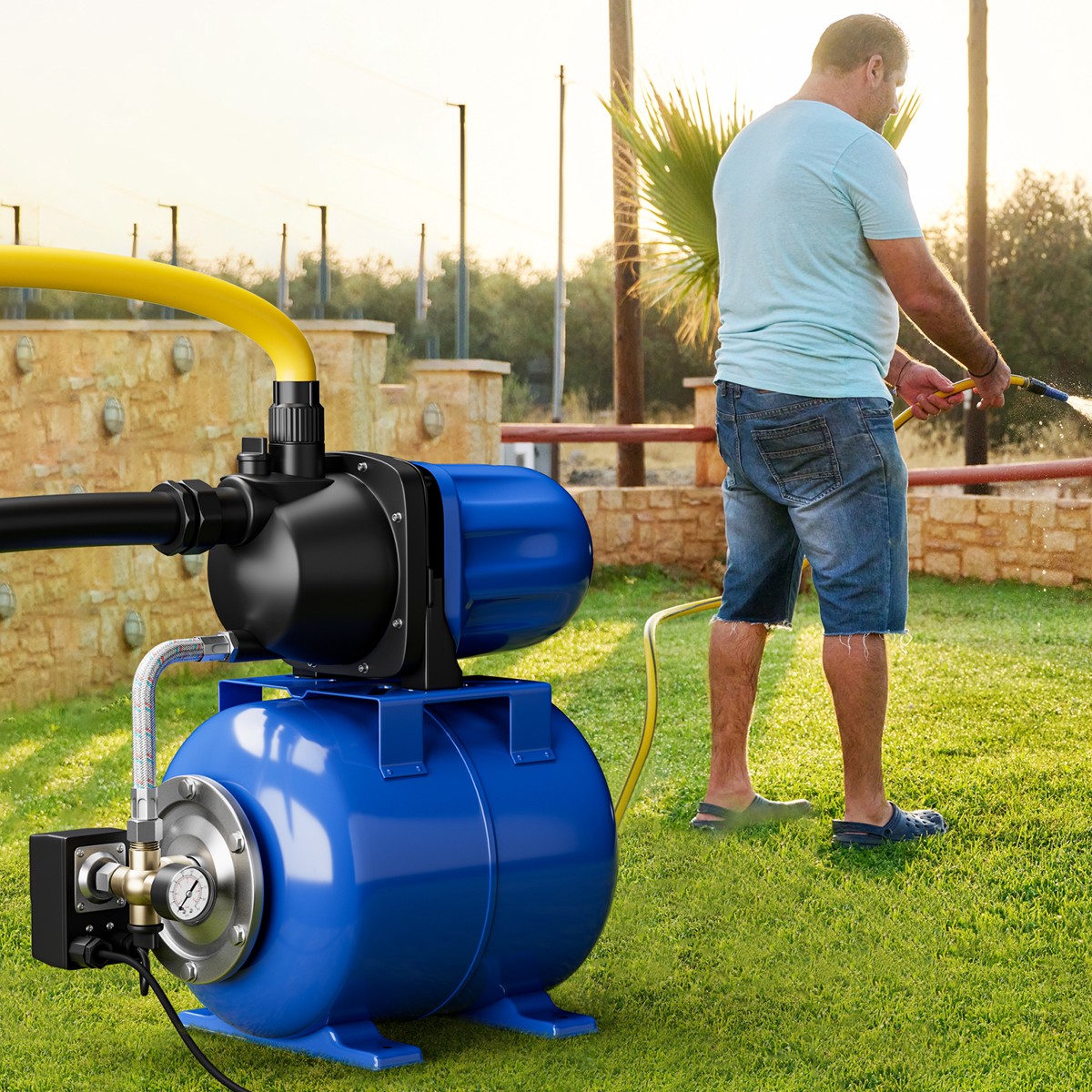
Shallow Well Water Pump

Shallow well pumps pull water from depths up to about 25 feet, so the first decision is whether you need a jet pump with a built-in ejector or a convertible model for deeper wells. Most buyers misjudge the inlet plumbing and pressure tank requirement, which matters more than horsepower for steady household or irrigation flow. Focus on suction lift, NPT port sizes, and voltage compatibility before comparing motor tiers.

Buying guide image
Watering & Irrigation

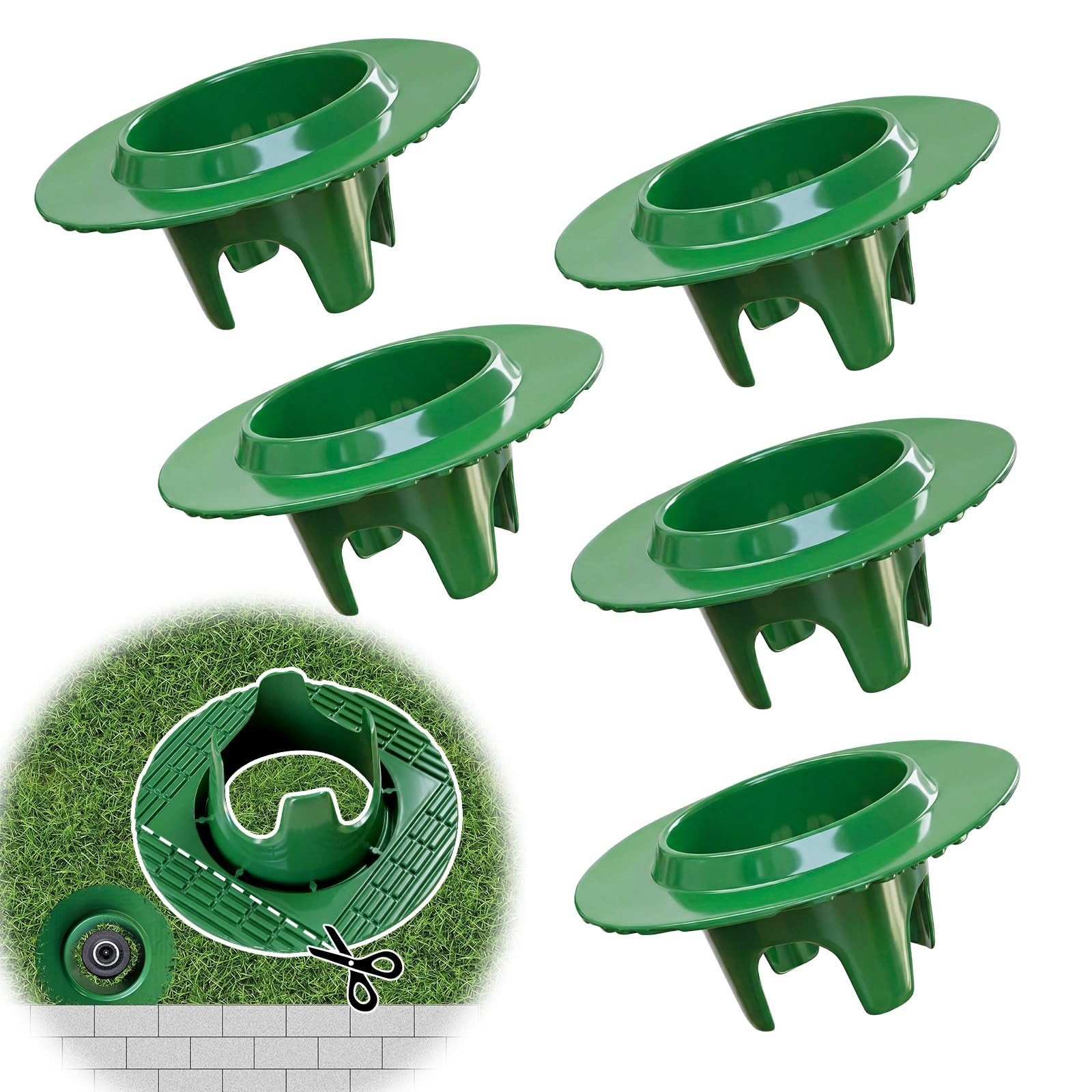
Sprinkler Head

Sprinkler heads split into two clear tiers: cheap plastic rotary or fixed heads that crack within a season, and metal-bodied impact or brass-head units built for years of UV and pressure cycling. The core trade-off is spray uniformity versus durability — plastic oscillating heads cover rectangular lawns evenly but degrade fast, while impact heads throw farther, resist clogging, and survive frost if drained. Buy metal (zinc alloy or brass) with standard 3/4-inch NH threads for anything beyond a single mild season.

Buying guide image
Chicken Feeders & Waterers

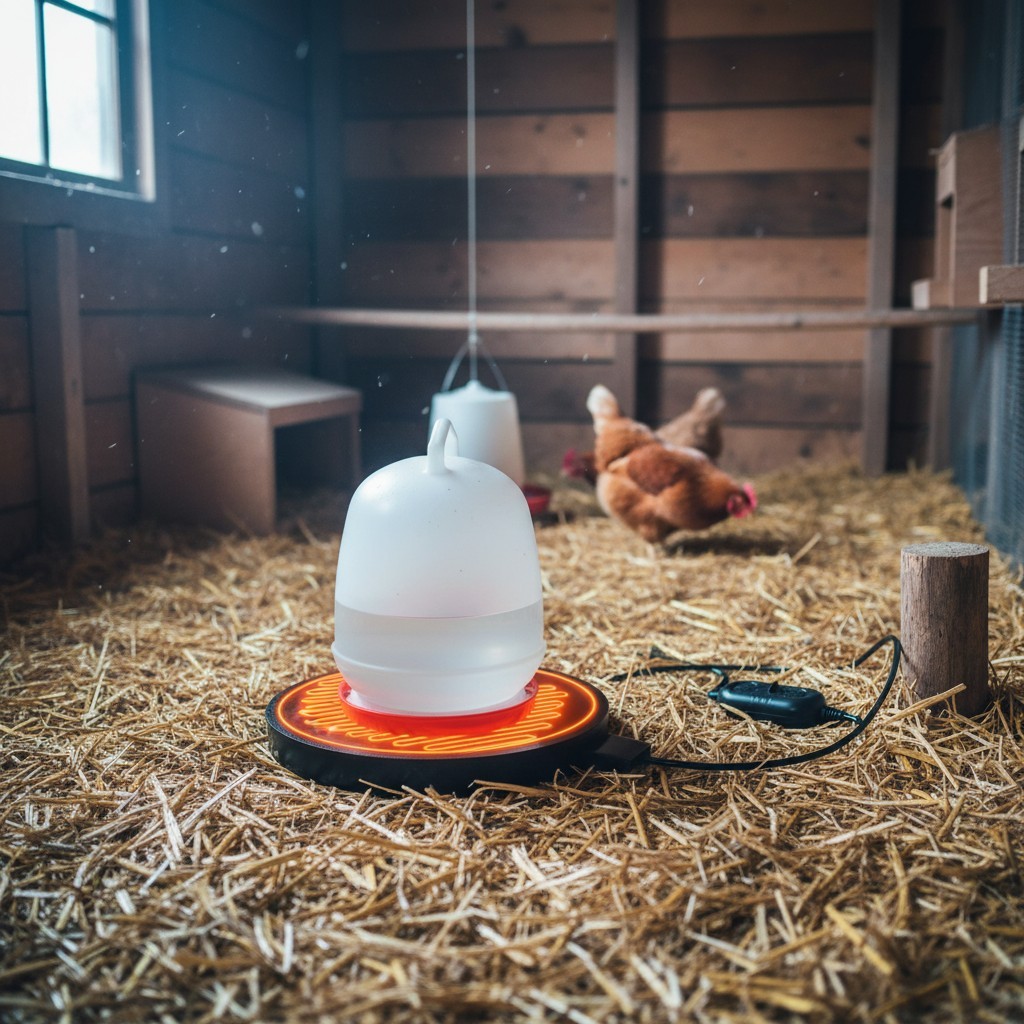
Heated Chicken Waterer

A heated chicken waterer is a winter water-supply system that keeps drinking water liquid and accessible below freezing, using either a submerged heater element, a heated base, or an integrated heated bowl. The core trade-off is between heater wattage/thermostat control and safe, chew-resistant construction that survives coop conditions. Choose a thermostatically controlled unit rated for your lowest expected temperature; skip unregulated constant-on heaters and thin plastic bowls that crack or overheat.

Buying guide image
Outdoor Structures, Shade & Awnings

Gazebo 10x12

A 10x12 gazebo is a serious footprint—big enough for a dining set or outdoor sofa group, but unforgiving if you guess the wrong roof material or anchor system. Shoppers often fixate on the canopy color while missing that frame gauge, roof style, and wind rating determine whether the structure survives its second season.

Buying guide image
Watering & Irrigation

Smart Hose Timer

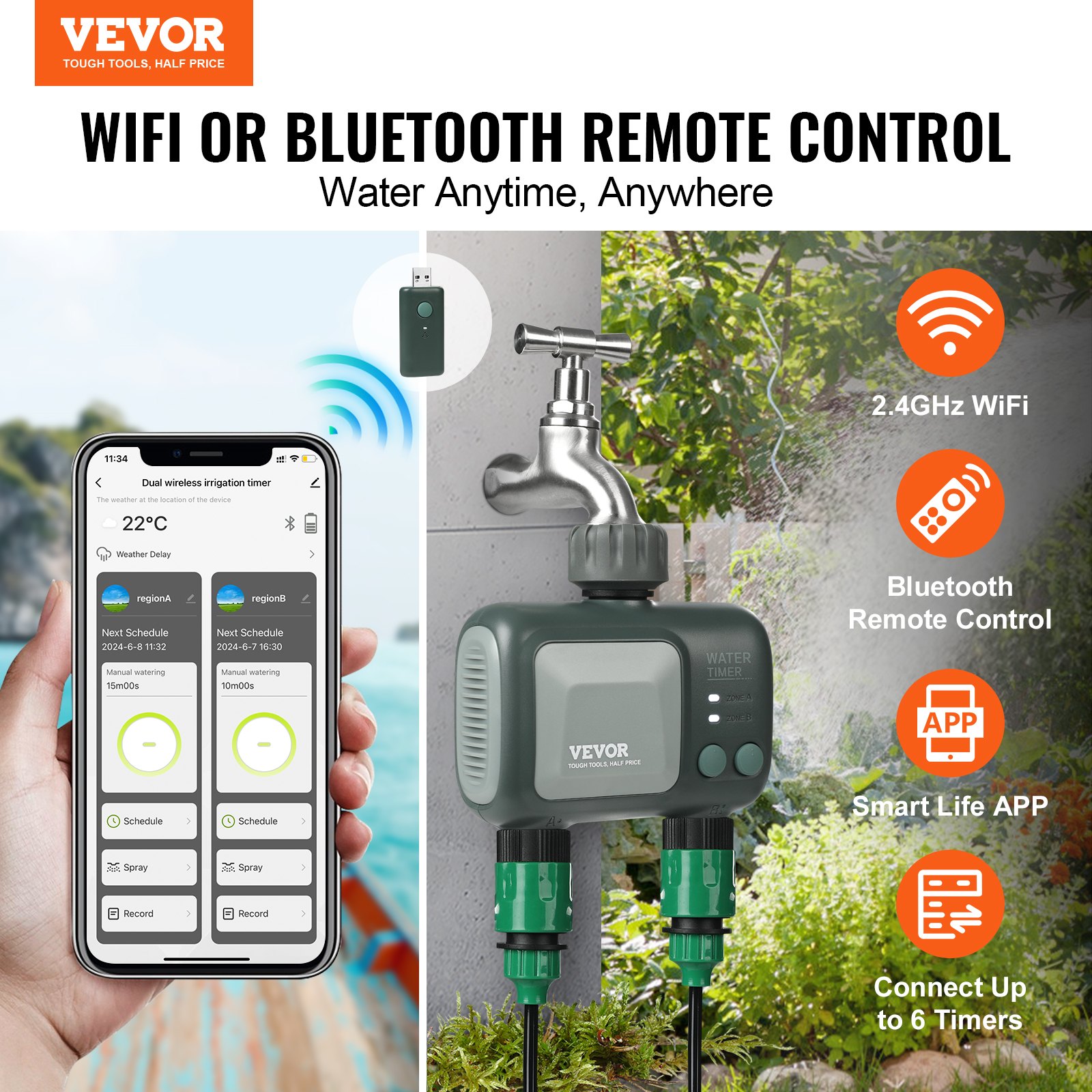
A smart hose timer is a battery-powered valve controller that automates drip lines, soaker hoses, and sprinklers via app schedules, weather skips, and flow monitoring. The core trade-off is valve construction and wireless protocol versus app ecosystem lock-in: brass or reinforced nylon valves with Zigbee, Wi-Fi, or Bluetooth determine durability and range. Buy a timer with a manual override, a standard 3/4-inch GHT connection, and a weatherproof IP54+ rating; skip any unit with an unserviceable solenoid or proprietary non-replaceable battery.

Buying guide image
Outdoor Storage

10x10 Storage Shed

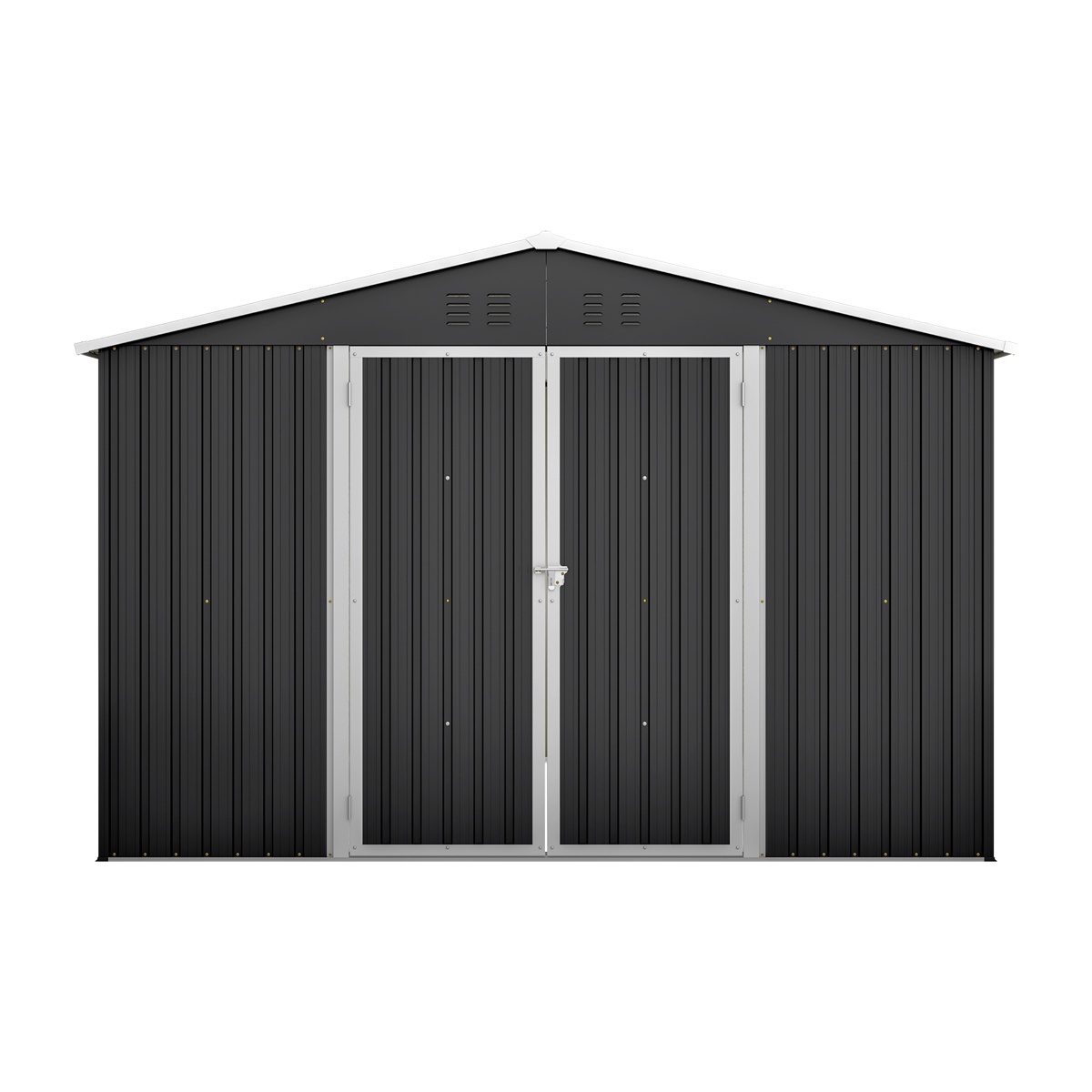
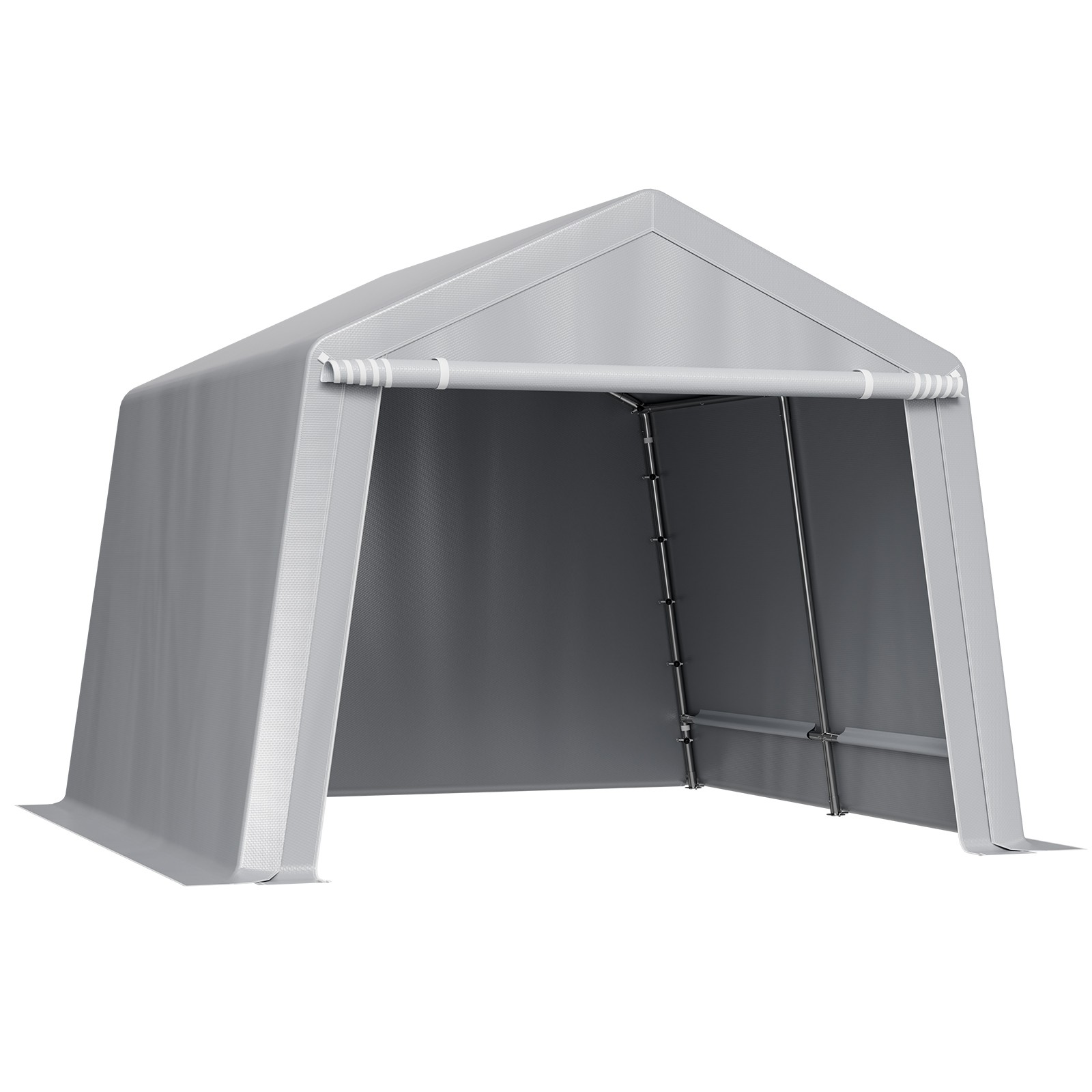
A 10x10 storage shed is a 100 sq ft outdoor structure valued for its balance of walk-in floor space and a footprint that fits most suburban side yards and patios. The primary trade-off is between thin-gauge steel panels with light frames (cheap, dent-prone, moisture-trapping) and heavier galvanized steel or resin construction with reinforced trusses and anchored bases. The decision rule: buy only if the shed specifies steel gauge (or resin wall thickness), a frame that accepts ground anchors, and a lockable door with a full-perimeter seal; skip any listing that omits wall thickness and anchoring.

Buying guide image
Lawn Care

Brush Cutter

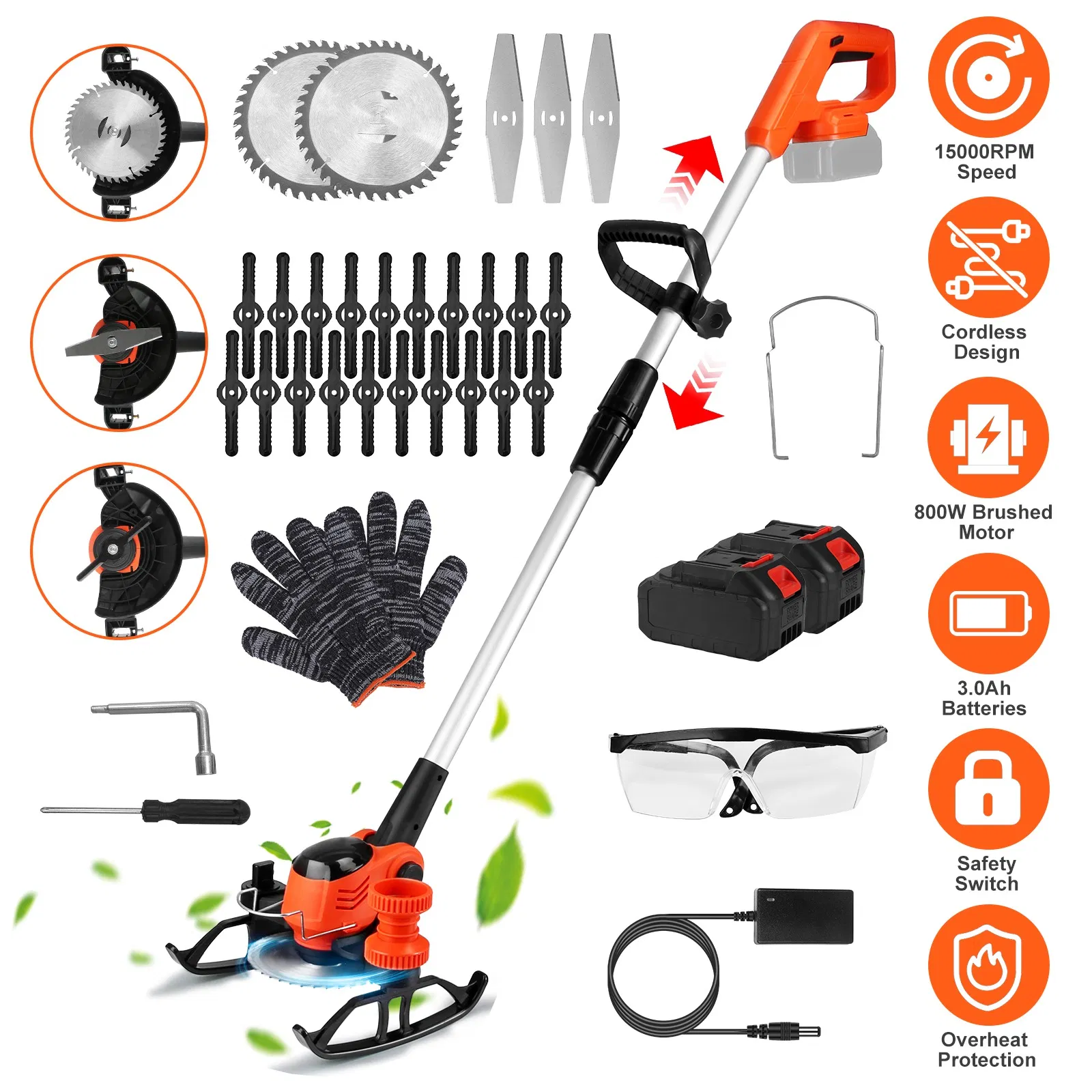
A brush cutter is a heavy-duty vegetation tool that clears saplings, brambles, and thick grass where a standard string trimmer stalls, and the core trade-off is engine or motor torque versus weight and vibration. Choose a petrol unit with a harness and metal blade for sustained dense cutting, or a cordless/battery unit for light-to-medium growth and low-noise suburban use; skip lightweight 800W-class cordless heads for anything woody over finger thickness.

Buying guide image
Lawn Care

Sand Spreader Lawn

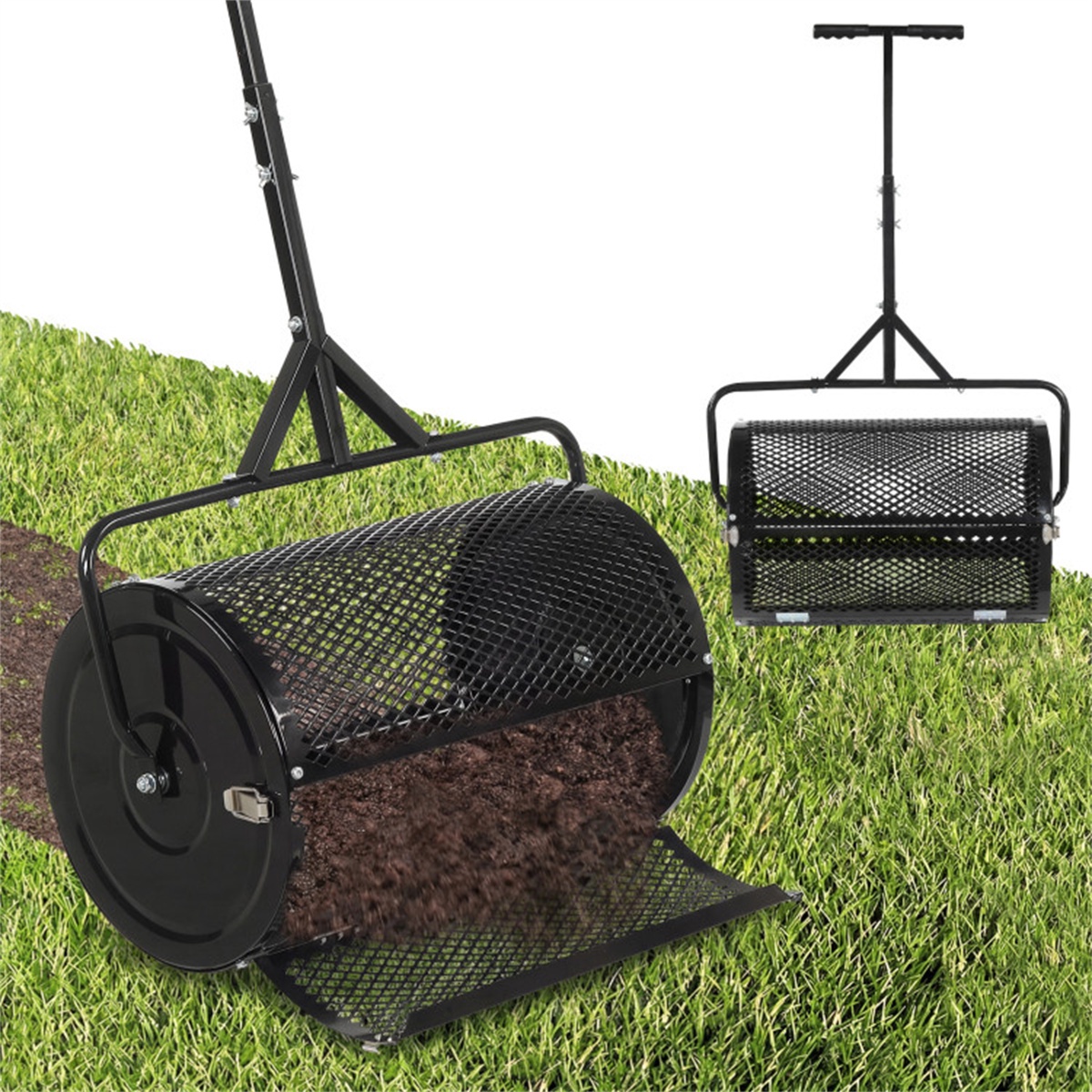
A lawn sand spreader is a drop spreader or broadcast spreader built to handle dense, abrasive media like mason sand, paver sand, and sand/soil blends for leveling, topdressing, and traction. The core trade-off is hopper and gate durability versus spread pattern: drop spreaders give precise, stripe-free placement for leveling but demand exact overlap, while broadcast spreaders cover fast but throw sand unevenly and stress gears. Choose a drop spreader with a metal gate and sealed gearbox for leveling work; reserve broadcast units for large-area, low-precision topdressing.

Buying guide image
Outdoor Structures, Shade & Awnings

10x10 Shed

A 10x10 shed is a compact outdoor structure—typically a storage shelter or canopy—that maximizes floor area while fitting tight side yards and patios. Shoppers often trip up on foundation preparation and local permit rules, not just the shed itself. Getting the frame material and anchor strategy right from the start prevents wind damage and premature wear.

Buying guide image
Outdoor Structures, Shade & Awnings

Heavy Duty Umbrella Stand

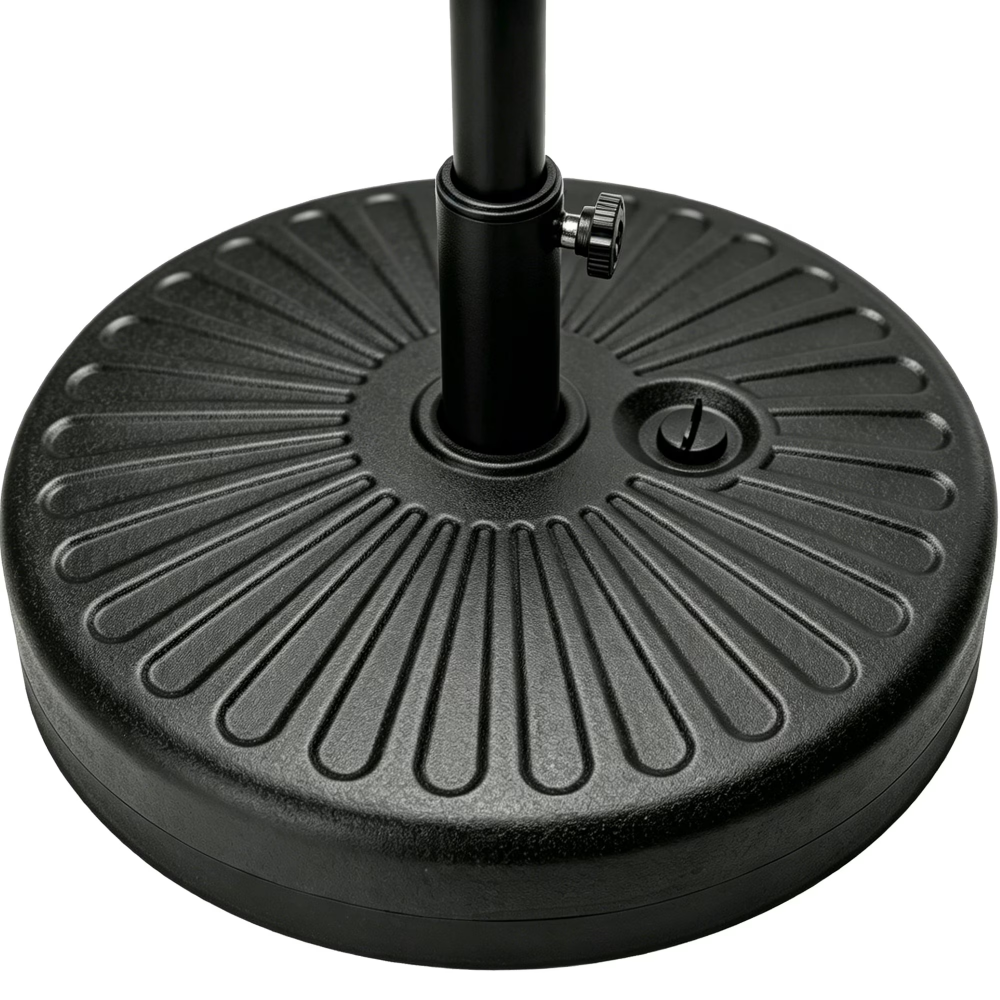
A heavy-duty umbrella stand is a weighted base engineered to keep a patio or offset umbrella upright under wind load, with stability determined by total ballasted mass, the base-to-pole interface, and the fill material. The core trade-off is between sand/water-fillable HDPE bases (movable, high mass per volume) and solid cast-concrete or steel-plate bases (permanent, dense, low-profile). Choose a fillable HDPE base with locking casters for seasonal repositioning of a 6–10 ft umbrella; choose cast concrete or steel for a permanent offset cantilever in an exposed, windy site.

Buying guide image
Outdoor Structures, Shade & Awnings

Patio Awning Cover

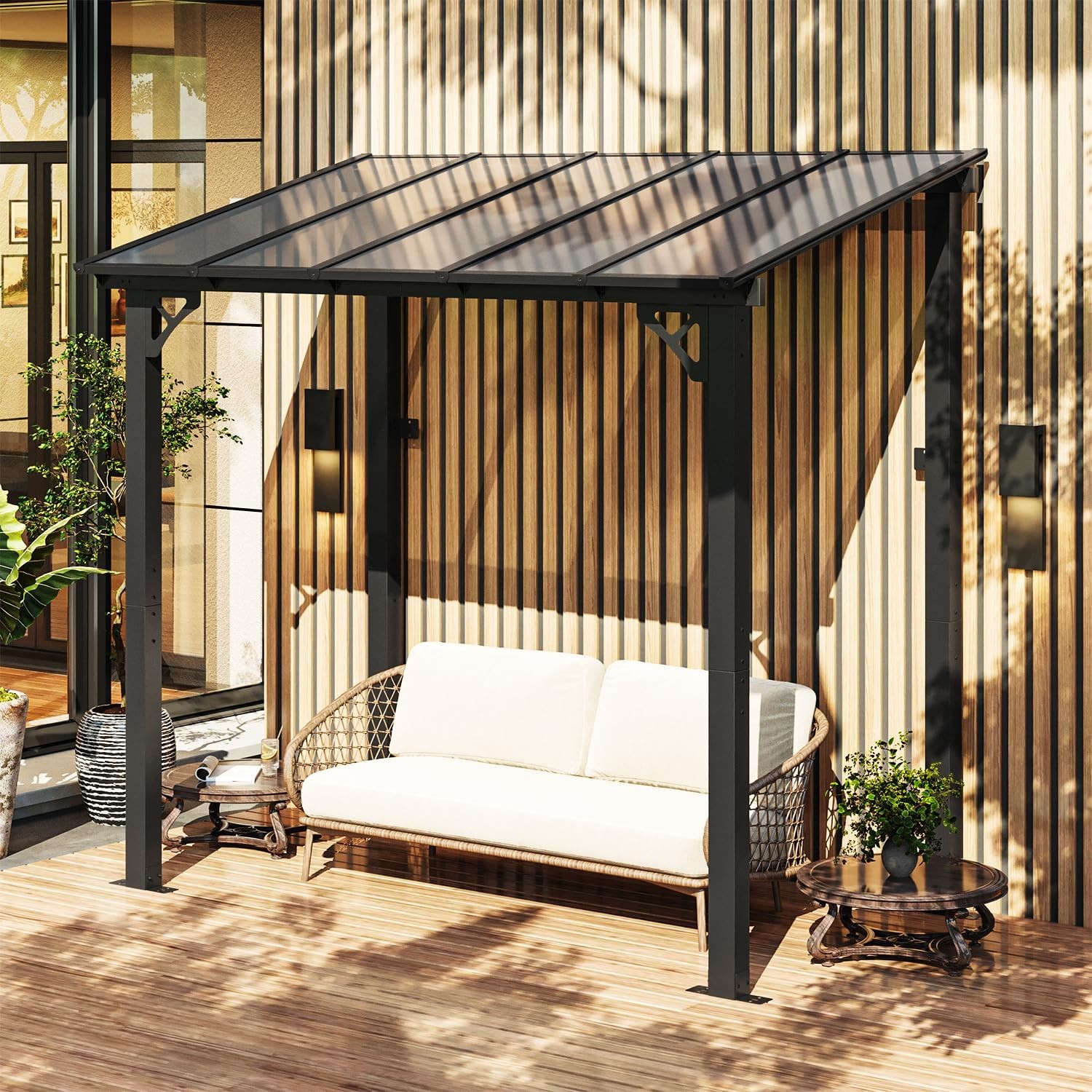
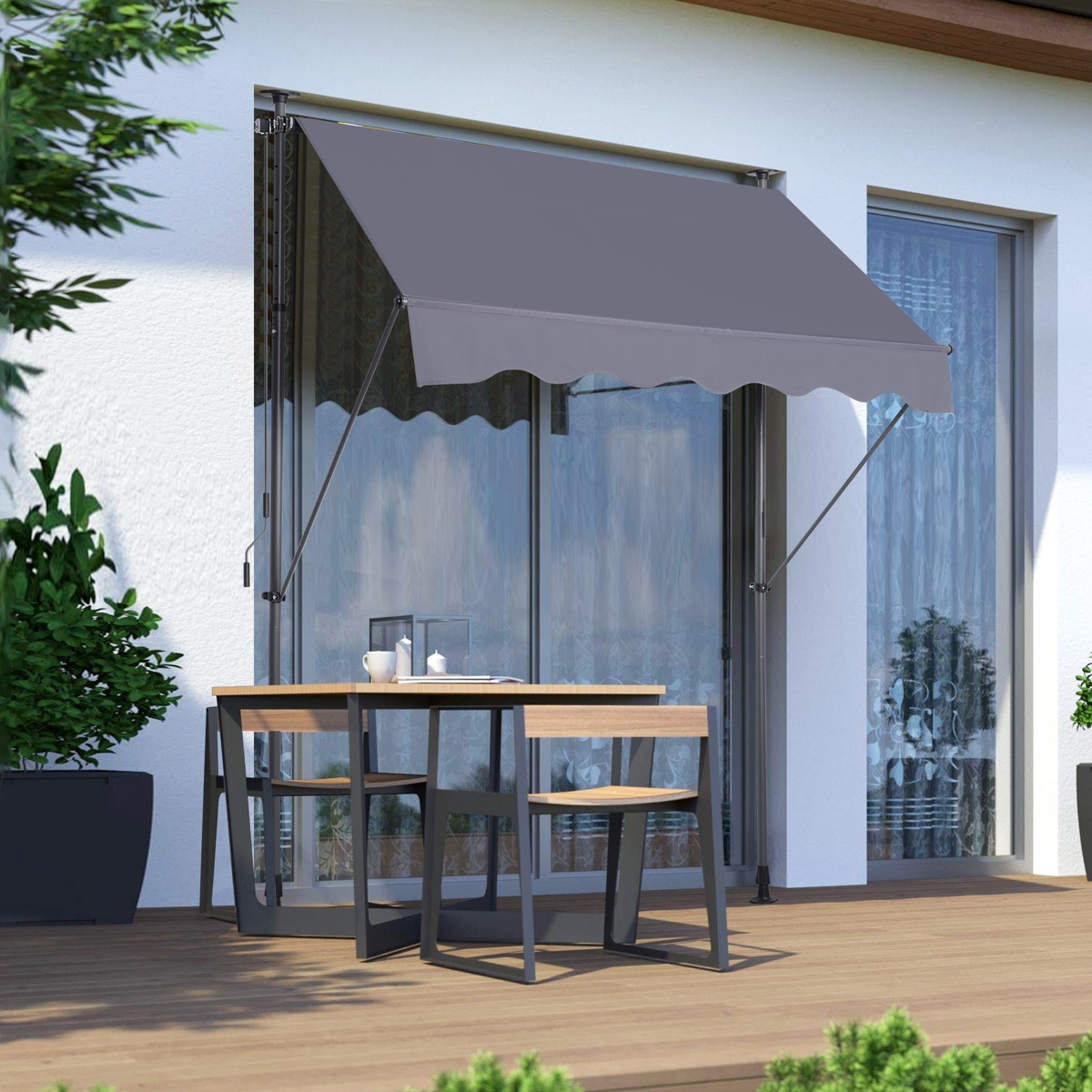
Patio awning covers split into two families: retractable frame-mounted fabric awnings and fixed shade-cloth or polycarbonate panels. Buy the wrong family and you either fight wind flutter on a fixed screen or pay for a crank mechanism you can't mount. Match mounting surface, projection depth, and fabric grade before choosing a size.

Buying guide image
Greenhouse & Hydroponics

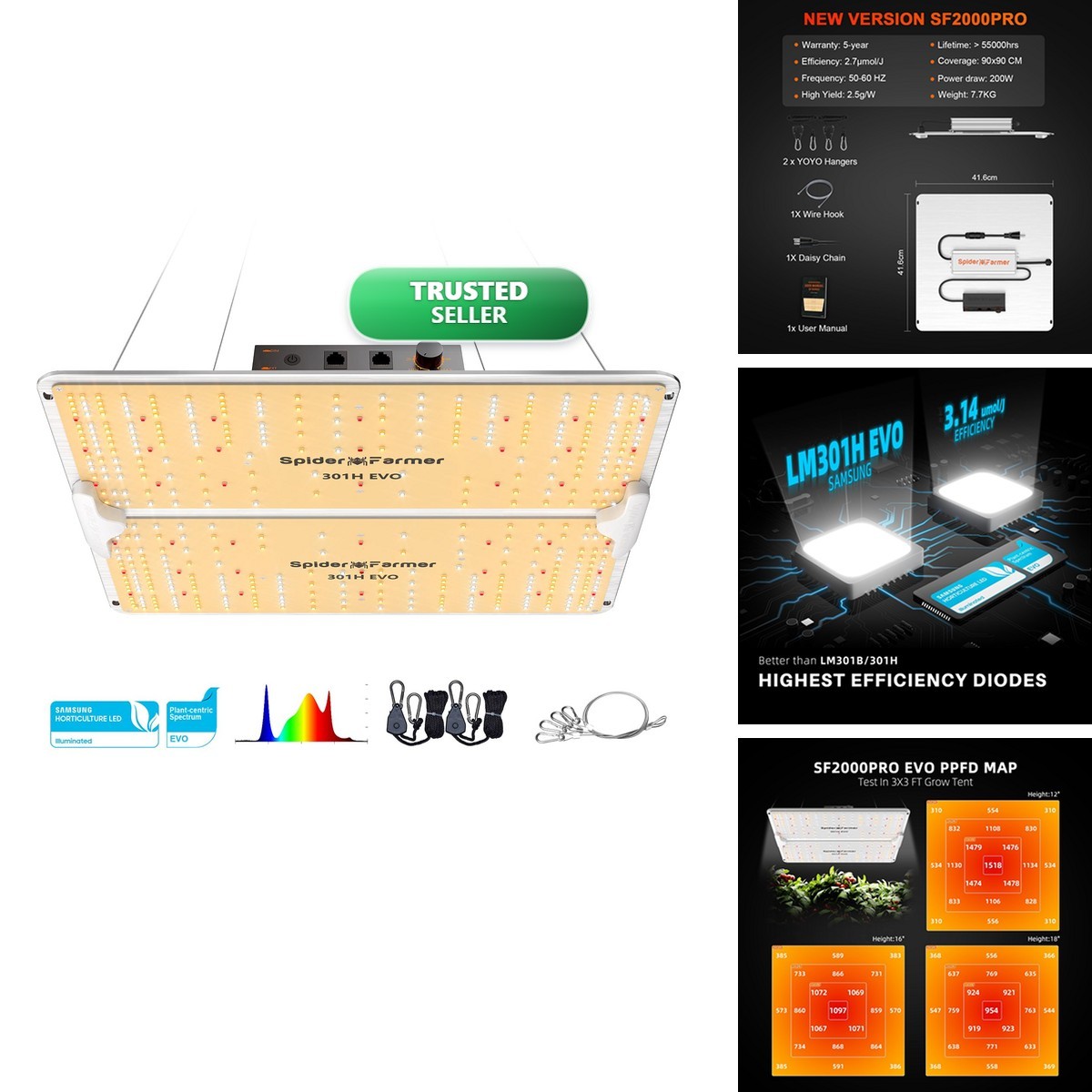
3x3 Grow Tent

A 3x3 grow tent is a 36-inch square enclosed growing chamber, typically 6 feet tall, paired with a matching LED or HID light to create a controlled microclimate for hydroponic or soil cultivation. The primary trade-off is between thin 200D-400D tent fabric with plastic corners and reinforced 600D-1680D canvas with metal corner blocks and a full-size observation window. The clear decision rule: buy a tent with at least 600D Oxford fabric, a metal frame with 16mm or thicker poles, and a light rated for true 3x3 coverage—skip any 3x3 tent that uses plastic connectors or lists only a 2x4 footprint for its bundled lamp.

Buying guide image
Pools & Spas

Airjet Tub

An airjet tub uses a blower to push warm air through floor-mounted jets, creating a gentle, effervescent massage rather than the targeted pressure of water jets. Buyers often mistake airjets for whirlpool jets—they have different plumbing, cleaning needs, and installation requirements. Focus on jet count, blower power, and material compatibility to avoid a tub that feels underpowered or grows mold in unused air lines.

Buying guide image
Pools & Spas

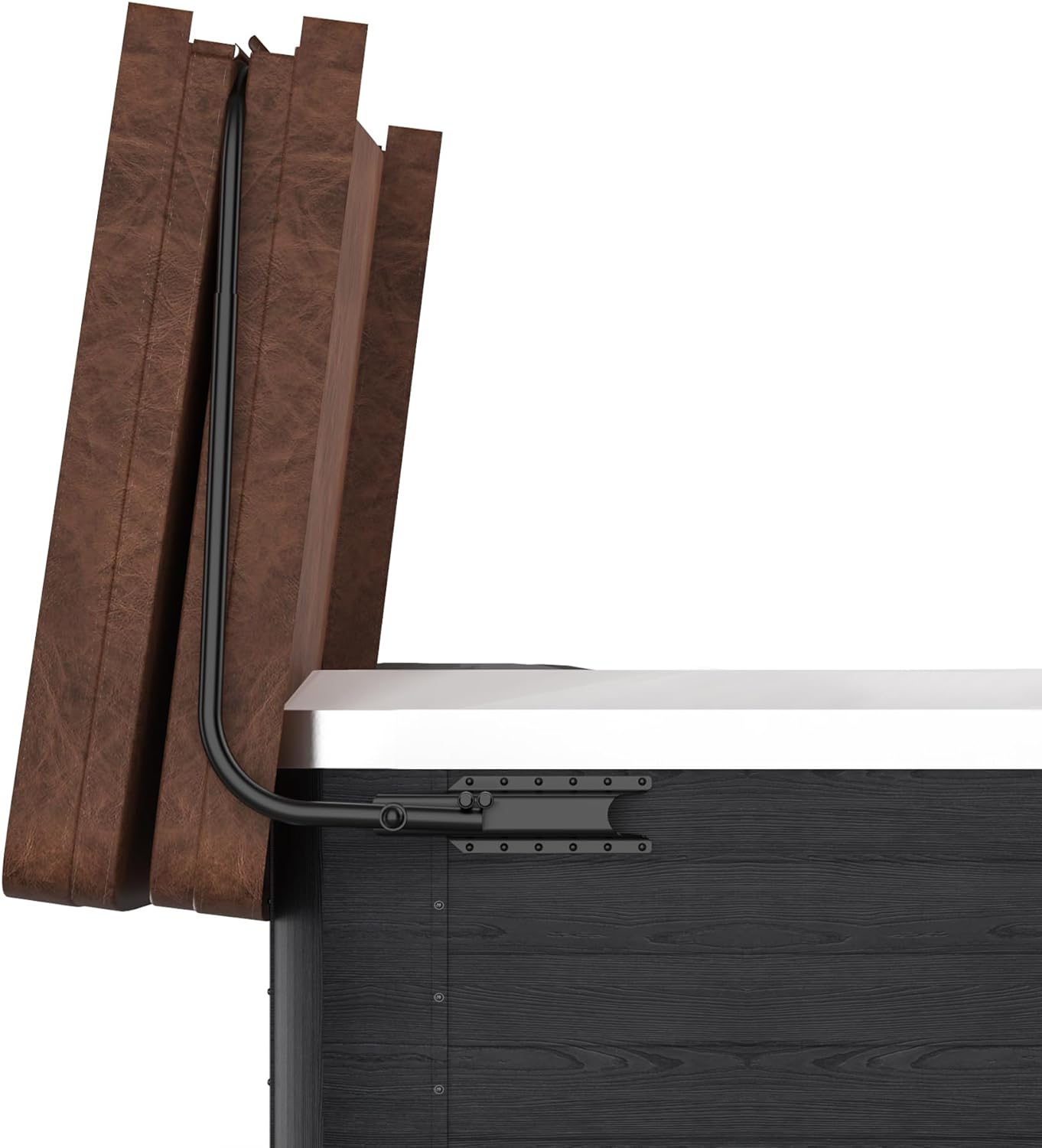
Hot Tub Lid

A hot tub lid is the single most important accessory for keeping your spa hot, clean, and safe—yet most buyers replace one only after it waterlogs or cracks. Fit comes down to exact spa shell dimensions and cover taper, not nominal round or square labels, so measure the acrylic lip and skirt clearance before choosing a replacement.

Buying guide image
Pools & Spas

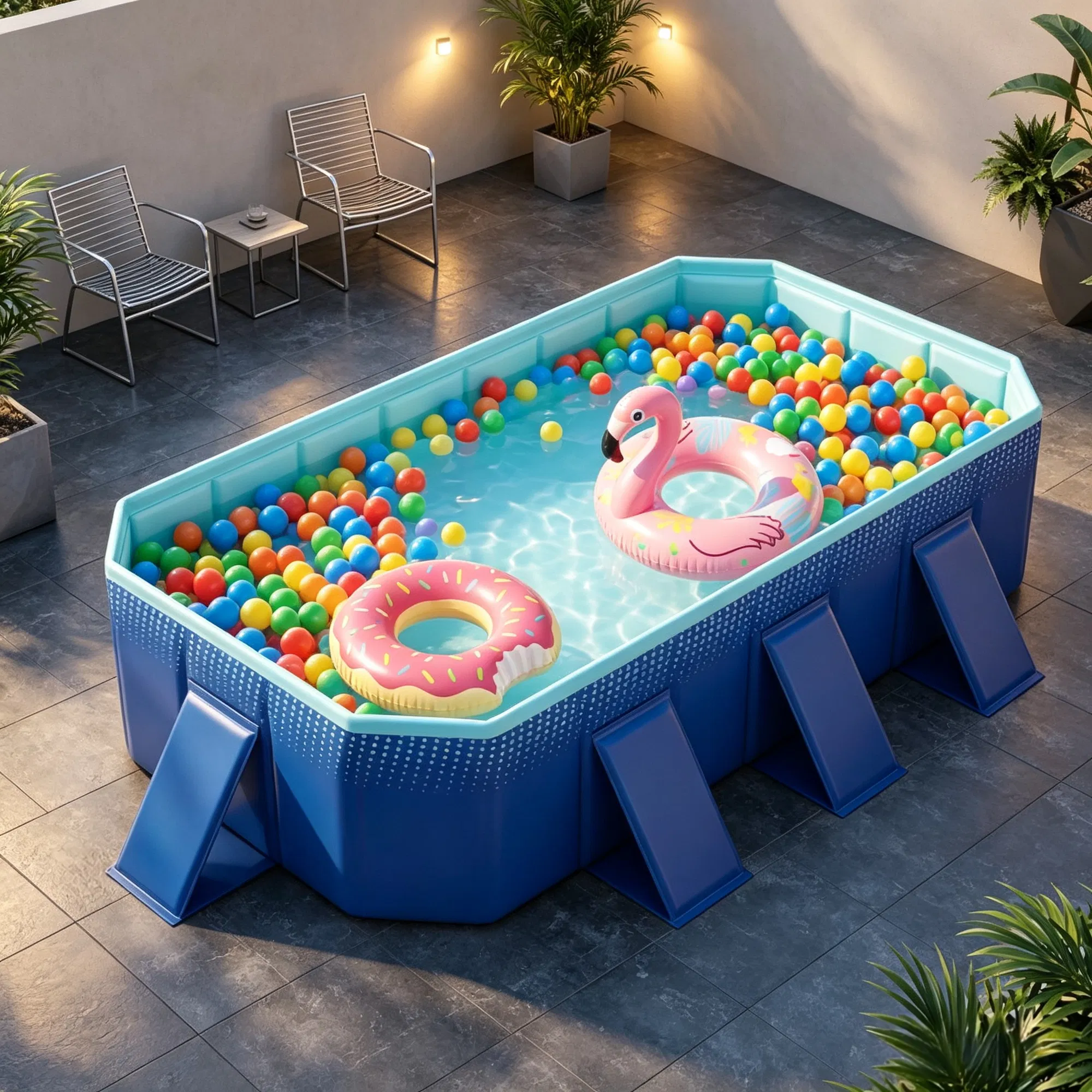
Round Pool

Round pools are above-ground or semi-inground structures built around a circular steel, resin, or aluminum frame, and the primary trade-off is wall-height and liner attachment versus frame material durability. The decisive rule: buy a pool whose wall height, liner type (overlap vs UniBead), and frame gauge are matched to your site and intended season length, not the lowest-priced kit.

Buying guide image
Pools & Spas

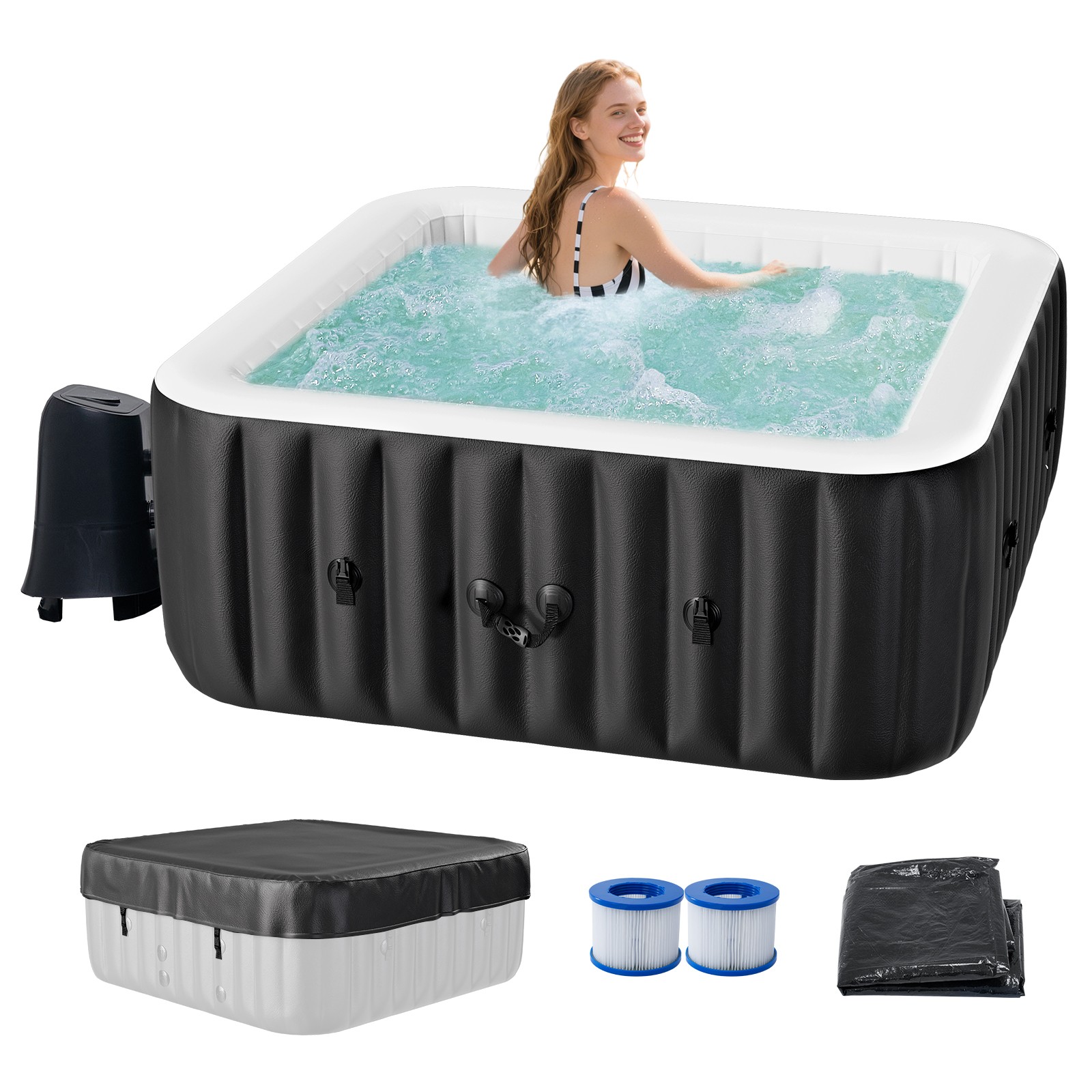
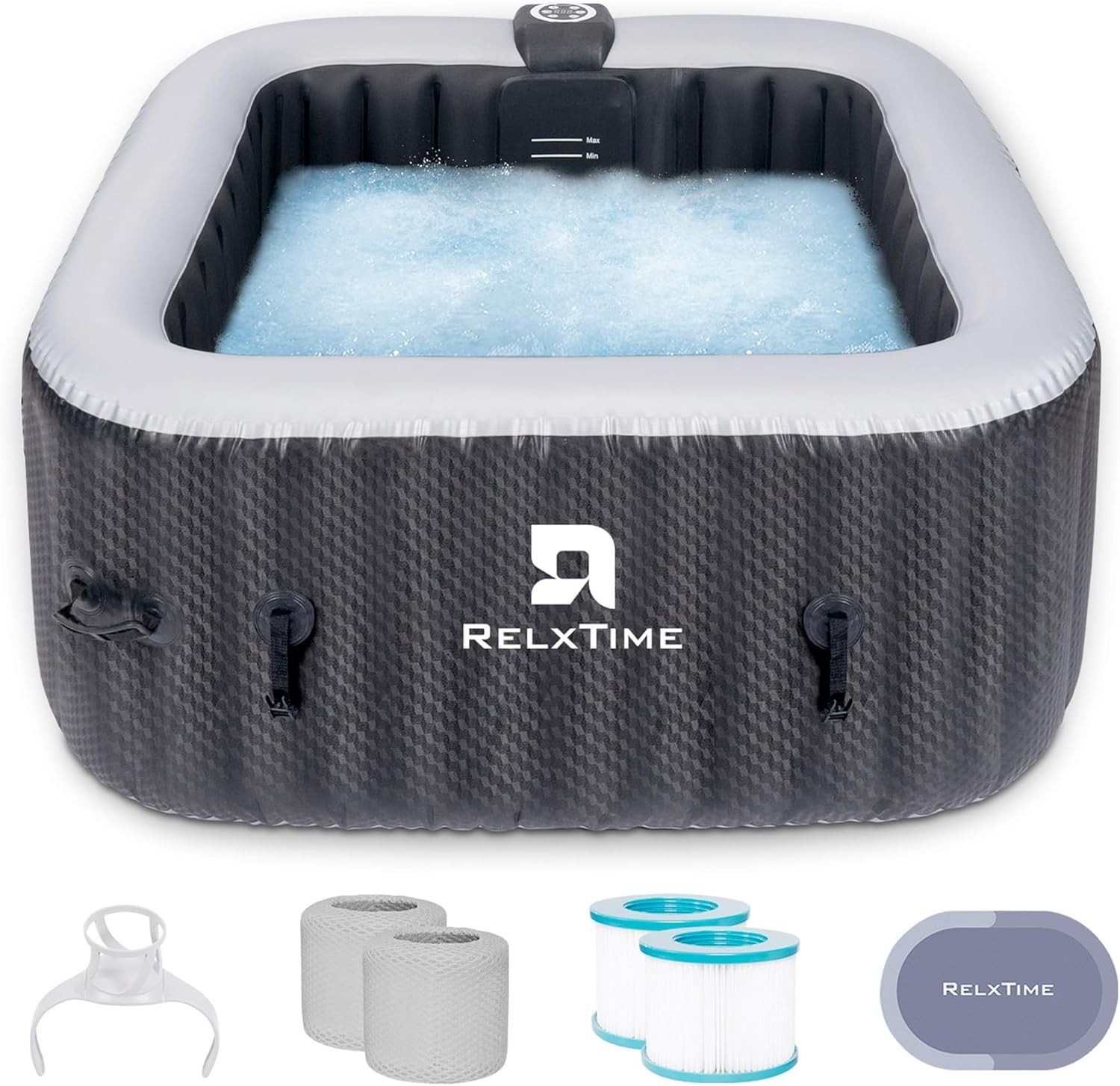
Square Blow Up Hot Tub

Square blow-up hot tubs solve a real space problem: their flat sides tuck neatly into corners and against walls, unlike round inflatables that waste clearance. The critical decisions are wall construction (drop-stitch vs single-layer PVC), heater wattage, and whether the jet count matches the tub's real water volume. Buying the wrong tier here means slow heating, sagging walls, or a tub that won't fit the patio you measured.

You may also like

Finding more guides for you…