GardenPulse Guide

GardenPulse Guide

Garden, Yard & Outdoor Living Reviews & Buying Guides

Compare garden, yard & outdoor living by use case, features, trade-offs, price, returns, and seller terms before you buy.

Buying guides

Buying guide image
Lawn Care

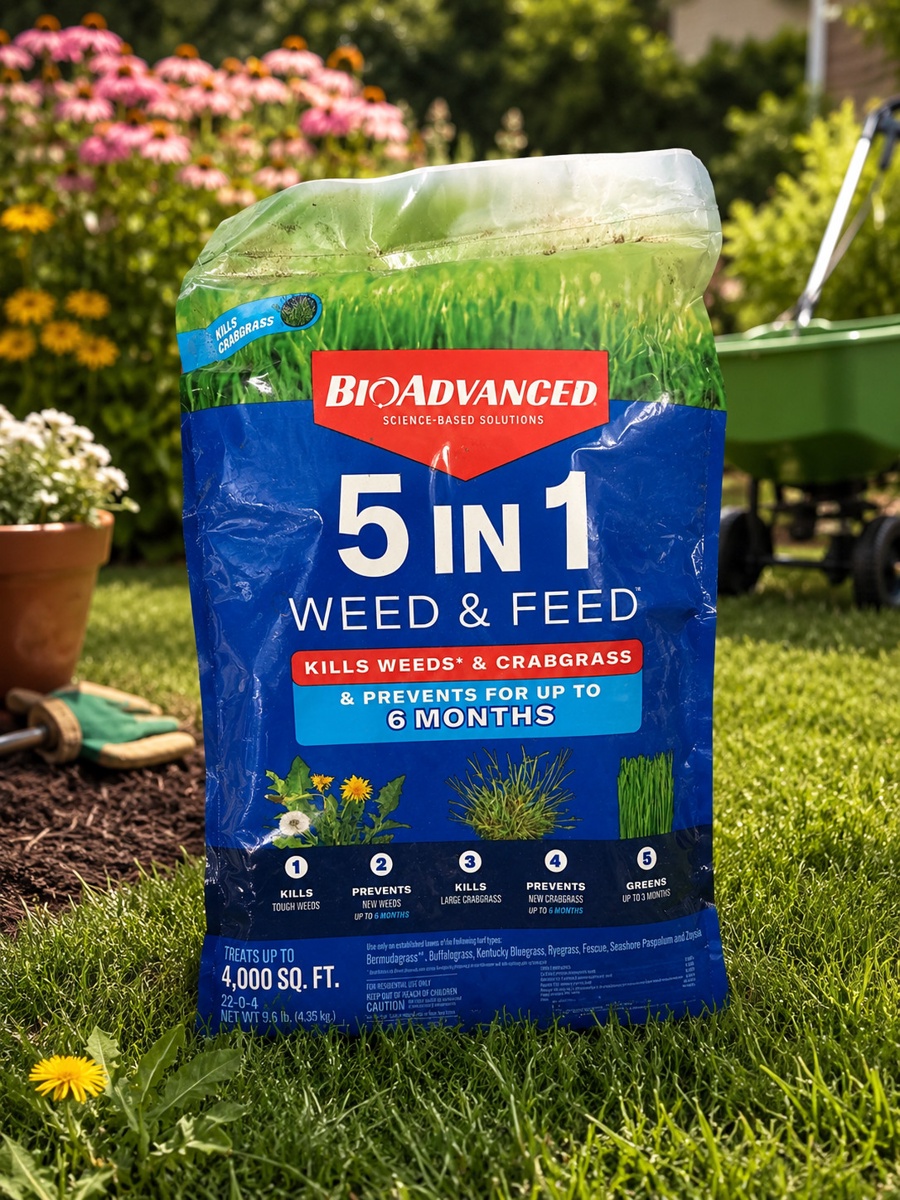
Lawn Weed And Feed

Lawn weed and feed is a single-application granular or liquid product combining a broadleaf herbicide with nitrogen-heavy fertilizer, letting you fertilize and kill weeds in one pass. The core trade-off is selectivity and timing: effective formulas use 2,4-D or dicamba for broadleaf control while requiring precise soil-moisture and temperature windows to avoid turf injury. The decision rule is simple—choose a granular weed and feed with a stated coverage rate and active ingredient list if you can water it in immediately; choose separate weed killer and fertilizer if your lawn is newly seeded, stressed, or you need spot control.
Buying guide image
Residential Outdoor Power Equipment

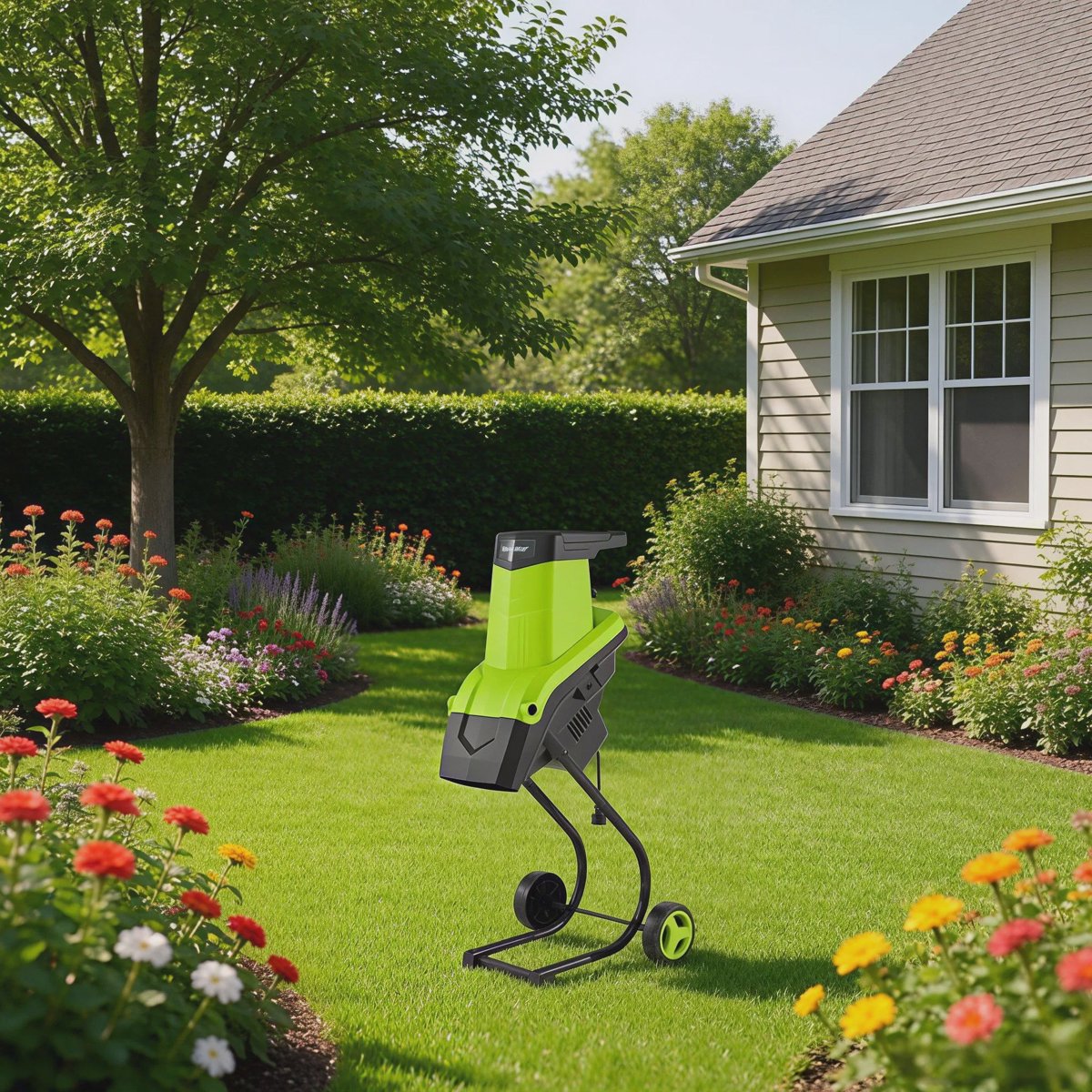
Electric Wood Shredder

An electric wood shredder is a corded or battery-powered machine that reduces branches, twigs, and yard debris into mulch or compost using a rotating blade or flail system. The core trade-off is throughput versus portability: corded 15-amp units deliver sustained torque for thick branches but tether you to an outlet, while battery models trade raw power for freedom. Buy corded if you process more than a few bushels per session within 100 feet of power; buy battery only for light, mobile cleanup of twigs and leaves.

Buying guide image
Residential Outdoor Power Equipment

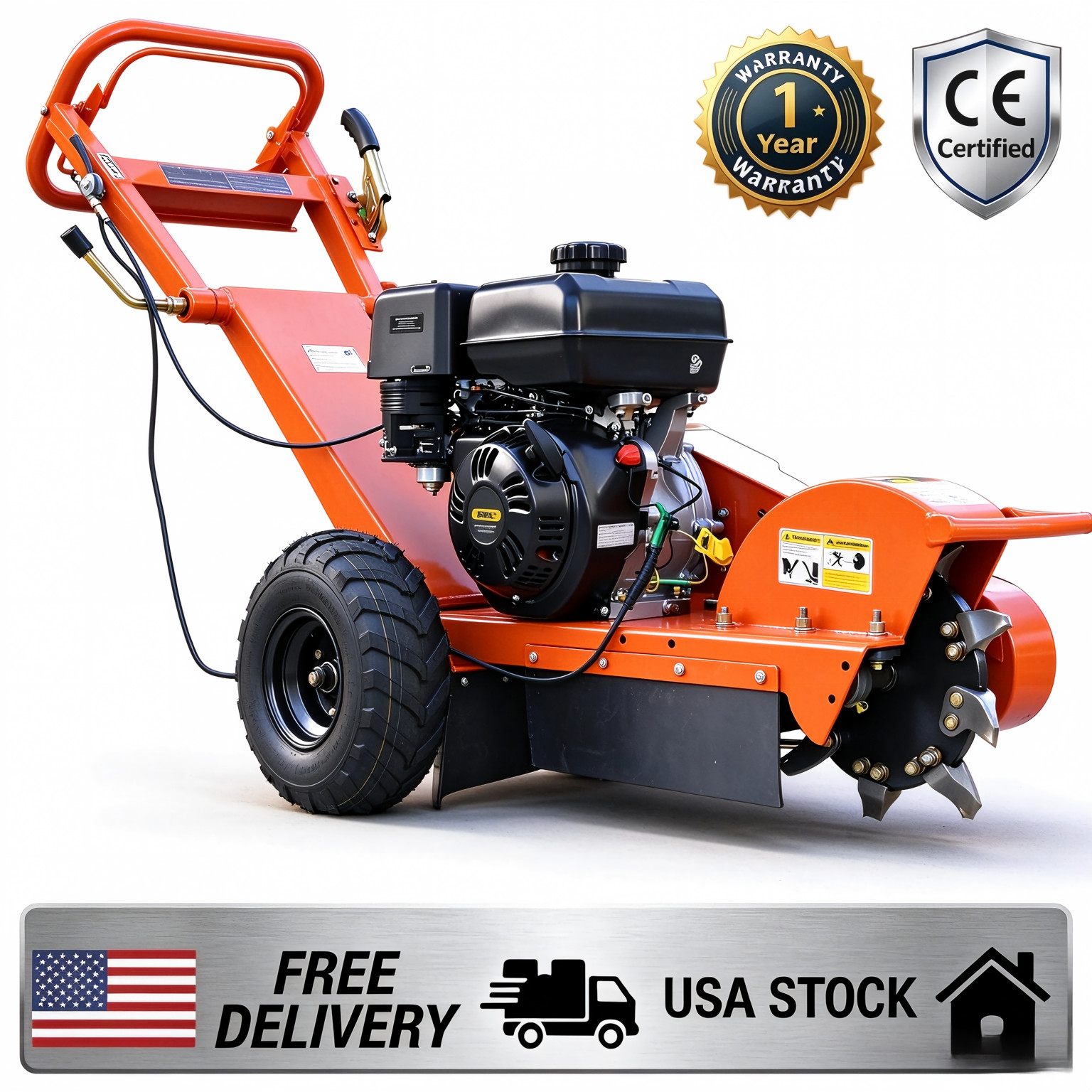
Tree Stump Grinder

A tree stump grinder is a dedicated outdoor power tool that reduces a stump below grade using a rotating carbide-tooth cutting wheel, and the primary trade-off is between engine/head torque and machine weight versus maneuverability and access. Durable options use a forged or billet steel cutting wheel with replaceable carbide teeth, while compromises rely on stamped wheels, soft or non-replaceable teeth, and undersized engines that stall in hardwood. The decision rule: match cutting-wheel drive type and engine displacement to stump diameter and wood hardness, then pick the chassis (walk-behind, tracked, or tow-behind) that fits your access path.

Buying guide image
Pools & Spas

Pool Sand Filter Pump

A pool sand filter pump combines a pressure vessel filled with graded silica sand and a self-priming pump to trap debris down to 20-40 microns. The core trade-off is pump horsepower versus filter tank diameter and sand bed depth: undersized tanks channel water too fast, while oversized pumps overwhelm the laterals. Choose a system rated for your pool's turnover volume with a tank at least 16 inches in diameter for small above-ground pools and 24 inches or more for in-ground installations.

Buying guide image
Lawn Care

Battery Weed Trimmer

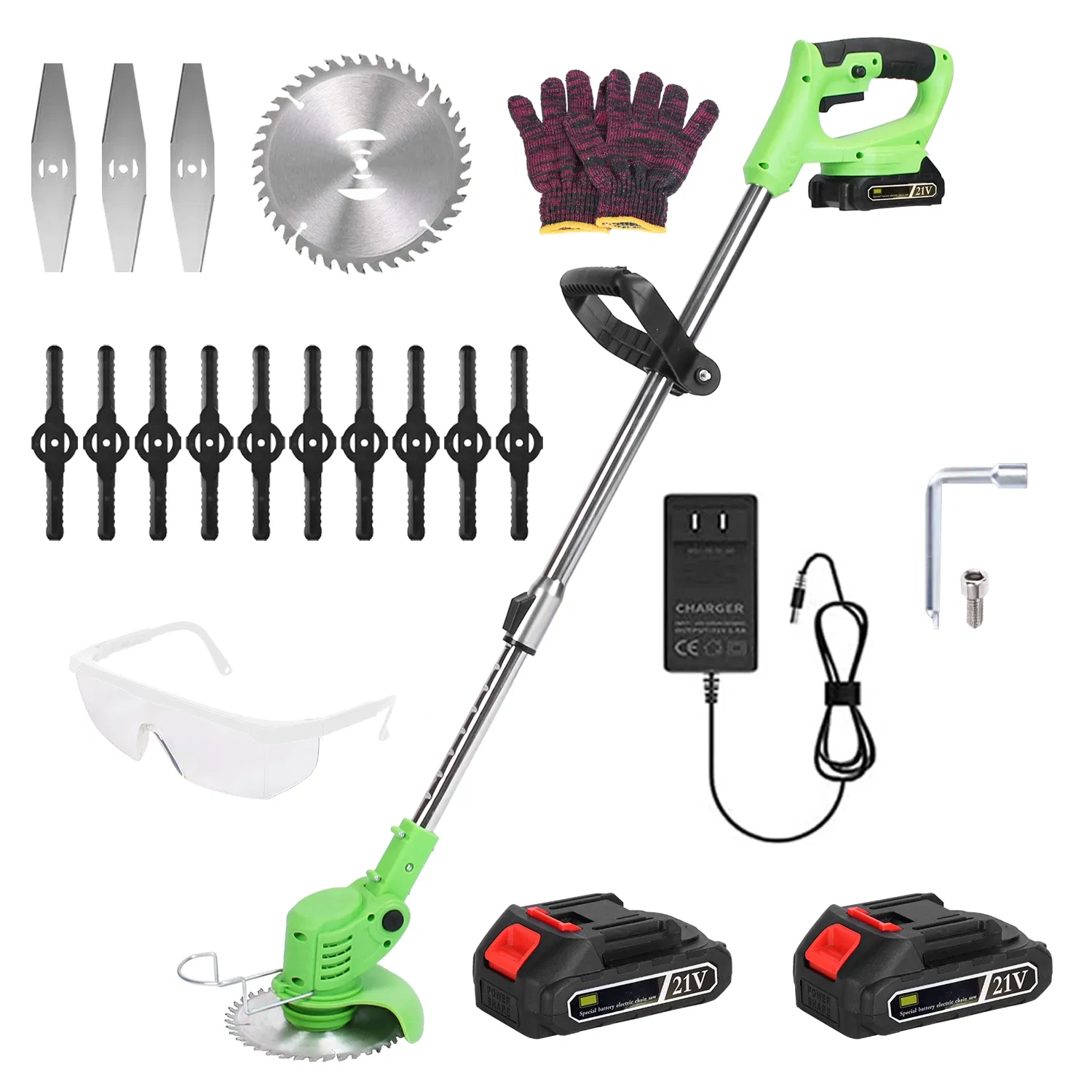
Battery weed trimmers replace gas and corded string trimmers for routine edging, fence-line cleanup, and light brush work. The key trade-off is voltage and cutting-head architecture: 18–24V string trimmers suit lawn maintenance, while 40V+ brushless models with metal blades handle heavier weeds and saplings. Buy for a defined voltage platform and a replaceable cutting head; skip no-name kits that bundle fixed blades and non-standard batteries.

Buying guide image
Lawn Care

Cordless Weed Trimmer

A cordless weed trimmer replaces gas and corded string trimmers with battery-powered cutting, trading runtime and raw torque for zero emissions, instant start, and no extension cords. The core decision is battery platform voltage and cutting head architecture: 18–20V string trimmers suit routine edging and light grass, while 40V+ or brushless 60V units handle thick weeds, fence lines, and multi-yard sessions. Buy within a reputable battery ecosystem with a brushless motor and standard bump-feed or blade-capable head; skip no-name 21V kits with generic plastic blades and unrated cells.

Buying guide image
Patio Furniture

Wrought Iron Outdoor Furniture

Wrought iron outdoor furniture is solid, hand-forged or cast iron with a high ferrous content, prized for heirloom durability and wind resistance but vulnerable to rust if finish quality is poor. The core trade-off is authentic heavy-gauge iron versus lighter tubular steel or aluminum built to mimic the look. The decision rule: choose true wrought iron only if you accept periodic re-finishing and can move the weight; otherwise pick powder-coated cast aluminum for the same silhouette with a fraction of the maintenance.

Buying guide image
Greenhouse & Hydroponics

Indoor Hydroponic Garden

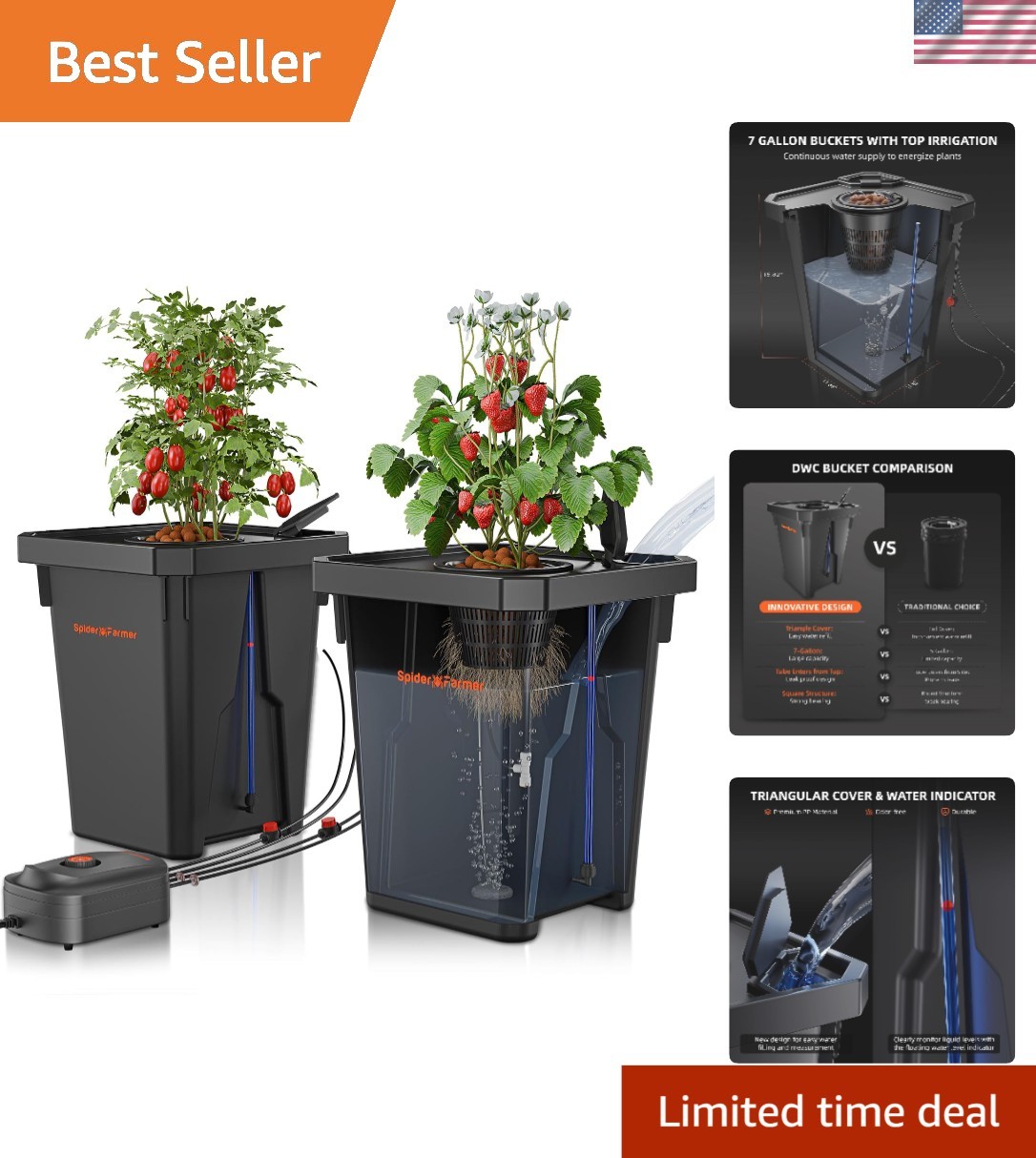
Indoor hydroponic gardens range from compact countertop pod systems to multi-tier PVC pipe racks and bucket-based deep-water-culture kits. The core trade-off is site count and footprint versus light delivery and reservoir stability: passive or low-wattage systems limit fruiting crops, while high-site racks demand dedicated lighting and pH/EC management. Choose a sealed, light-blocking reservoir with a timed pump and per-tier lighting for herbs and greens; skip open-tank or unlit multi-tier racks for fruiting vegetables.

Buying guide image
Chicken Coops & Runs

Predator Proof Chicken Coop

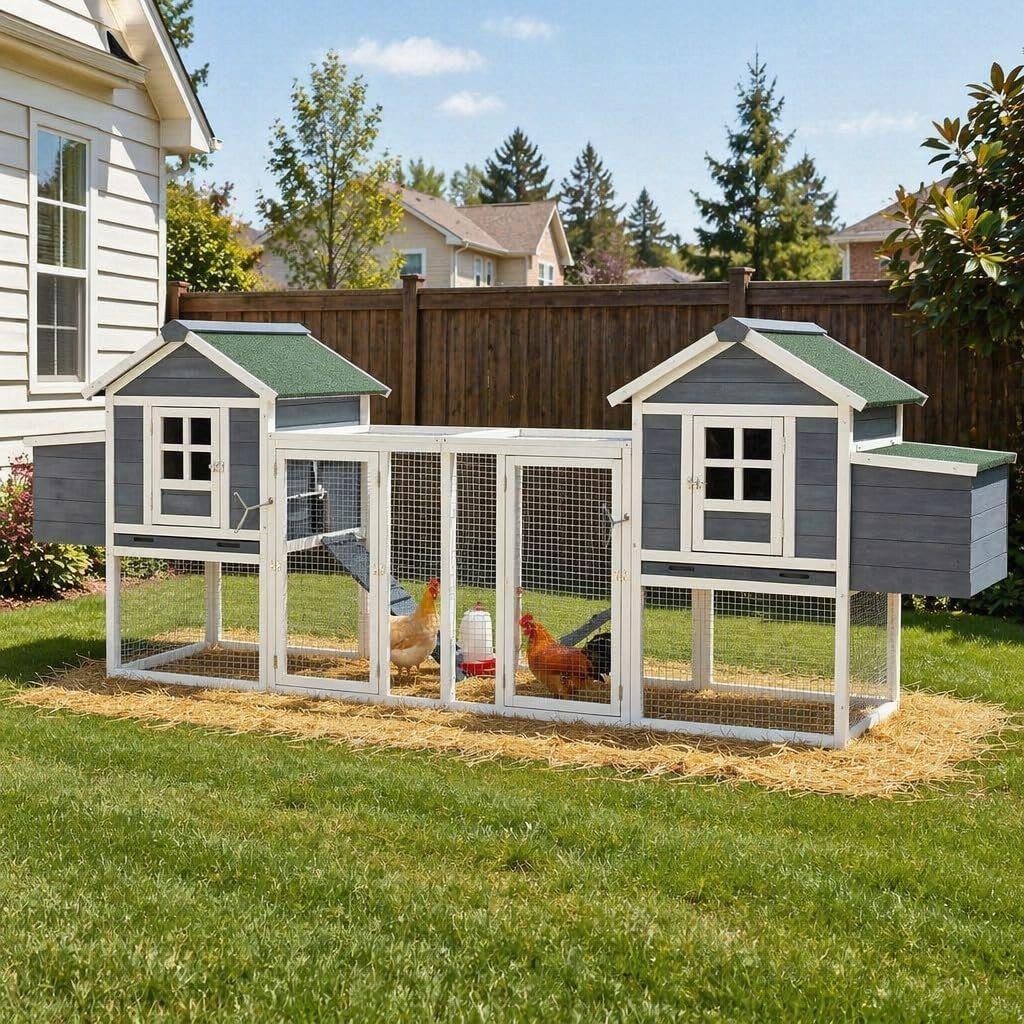
A predator-proof chicken coop is defined by hardware cloth and locking latches, not by wire gauge alone. The core trade-off is welded ½-inch mesh with a secure roof versus flimsy hexagonal netting that raccoons and diggers defeat. Buy the welded-mesh, dig-skirted, lock-latched tier; skip anything relying on chicken wire or friction-fit panels.

Buying guide image
Chicken Coops & Runs

Big Chicken Coop

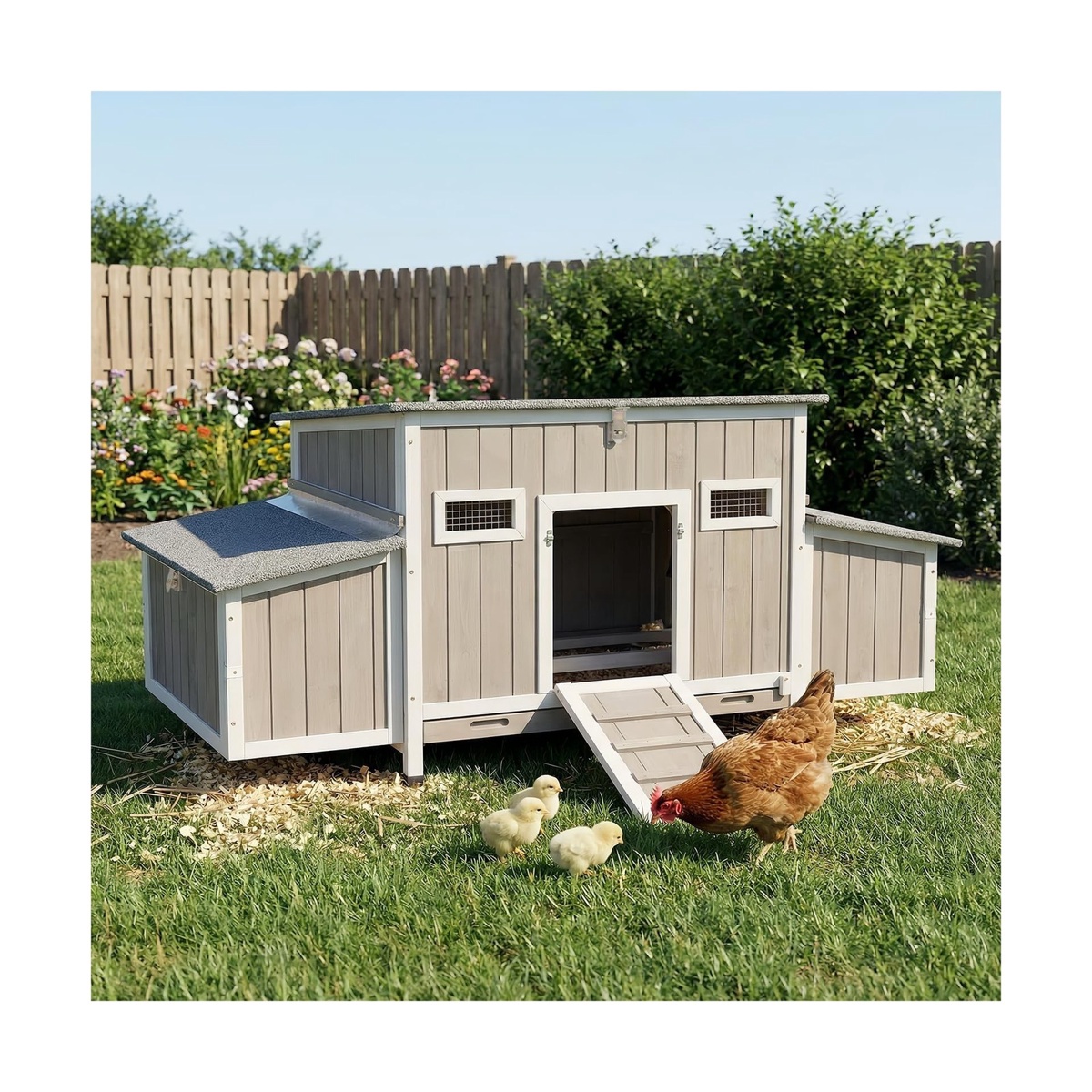
A big chicken coop is a permanent or semi-permanent structure sized for 8+ hens, where the primary trade-off is predator-proof construction versus easy cleaning and ventilation. The decision rule: buy a walk-in coop with a solid framed roof, 1/2-inch hardware cloth, and at least 4 sq ft of floor space per bird; skip any unit relying on chicken wire, untreated thin plywood, or a sub-4-foot ceiling that forces you to crawl.

Buying guide image
Lawn Care

Weed Control

Weed control for lawns spans two distinct architectures: selective post-emergent herbicides that kill broadleaf and grassy weeds without harming established turf, and physical barrier fabrics that block weed emergence in non-turf zones like beds and driveways. The core trade-off is chemical selectivity versus physical exclusion: herbicides demand correct turf-species matching and temperature timing, while barrier fabrics demand correct weight (GSM/oz) and permeability to avoid suffocating soil. The clear rule: match herbicide actives to your grass type and weed species, or match fabric weight to traffic and sun exposure—never substitute one for the other.

Buying guide image
Lawn Care

Crabgrass Killer

Crabgrass killers are selective post-emergent herbicides (or combination weed-and-feed products) that eliminate existing crabgrass without killing desirable turfgrass. The primary trade-off is between pure post-emergent speed/selectivity (fast knockdown, no feeding) and weed-and-feed convenience (slower, risk of over-fertilizing). The decision rule: buy a dedicated post-emergent with quinclorac or fenoxaprop for active infestations; use weed-and-feed only for prevention plus light feeding on established lawns.

Buying guide image
Pools & Spas

Solar Pool Heater

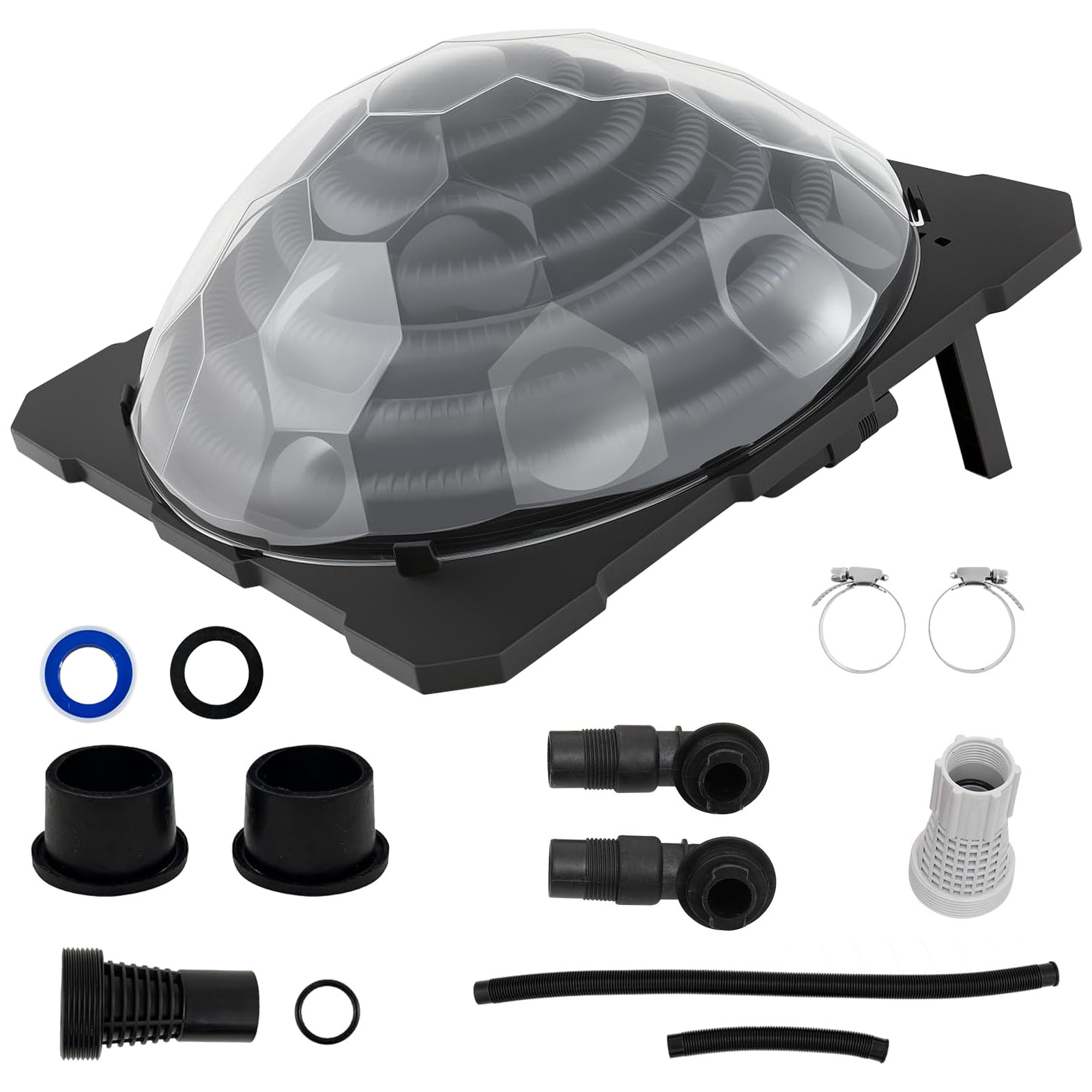
Solar pool heaters cut operating costs by using free sun energy, but sizing and flow compatibility decide whether your pool actually warms up. Above-ground pools favor compact mat or dome collectors, while inground systems need roof- or rack-mounted panels plumbed to the return line. Buyers commonly err by undersizing collector area or ignoring the pump's flow rate and existing filtration layout.

Buying guide image
Watering & Irrigation

Orbit Irrigation Timer

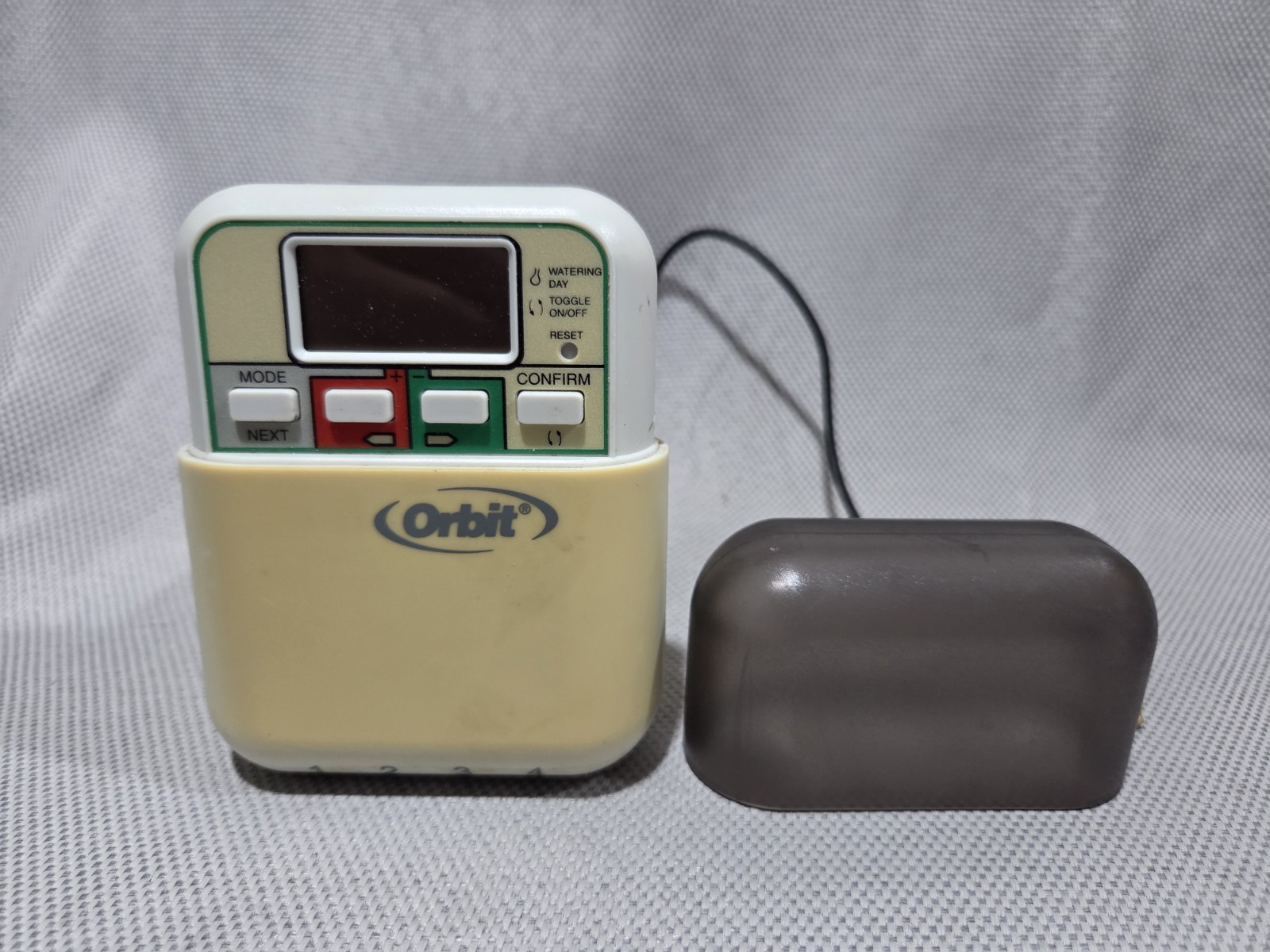
Orbit irrigation timers are hose-faucet and inline valve controllers that automate watering schedules using battery-powered digital or mechanical clockworks. The core trade-off is valve architecture and sealing quality: a solenoid-driven digital timer with a reinforced diaphragm lasts seasons, while cheap single-diaphragm mechanical units seize or leak within a year. The decision rule is simple: buy a digital timer with a replaceable solenoid or a mechanical timer with a brass-threaded inlet if you want multi-season durability; skip any unit with a permanently molded valve body.

Buying guide image
Watering & Irrigation

Yard Sprinkler

A yard sprinkler is a hose-fed or timer-driven device that distributes water across a lawn or garden, and the core trade-off is coverage reach versus durability: plastic oscillating or stationary heads suit small, flat lawns, while brass or metal impact heads and tripod bases survive years of pressure cycling. Buy metal-bodied impact or tripod sprinklers for full-yard coverage and long service life, and choose plastic stationary or 360-degree heads only for gentle, small-area watering.

Buying guide image
Chicken Brooders & Heat

Chicken Brooding Box

A chicken brooding box is the controlled micro-environment where chicks live from day-old to roughly 6 weeks, and its primary trade-off is between precise, draft-free heat control and easy cleaning/ventilation. Durable brooders use adjustable radiant heat, secure latching, and moisture-resistant floors; compromises rely on fixed-wattage bulbs, thin wire mesh, and open tops that leak heat and drafts.

Buying guide image
Lawn Care

Crab Grass Control

Crabgrass control products are either pre-emergent herbicides that stop seeds from germinating or post-emergent killers that attack existing plants, and the critical trade-off is timing versus selectivity. Pre-emergents must be applied before soil temperatures hit 55°F for 4–5 days, while post-emergents risk turf damage if misidentified. The clear decision rule: choose a pre-emergent with a labeled turf-safe active for your grass type if crabgrass hasn't sprouted, or a selective post-emergent containing quinclorac only after correct identification.

Buying guide image
Pools & Spas

Above Ground Pool Filter

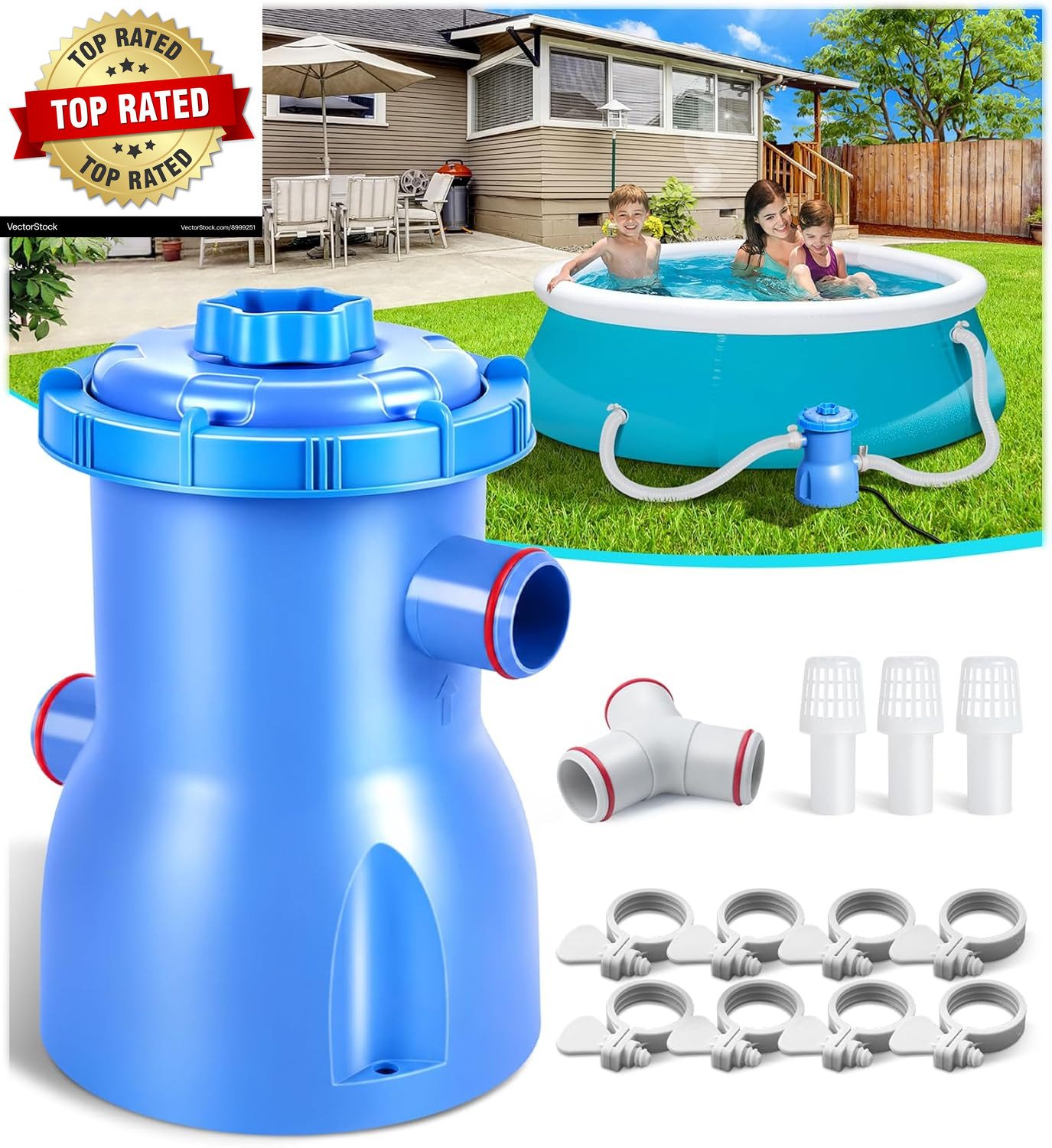
An above-ground pool filter system combines a pump and a media vessel (cartridge, sand, or DE) sized to your pool's volume and plumbing. The core trade-off is flow rate and head pressure versus energy use and noise: single-speed pumps are cheap but loud and inefficient, while dual- and variable-speed units cost more upfront but cut runtime costs and allow filtration cycling. The decision rule: match filter flow to pool gallons at a 8-hour turnover minimum, and choose variable-speed if your electricity rate is high or the pump sits near living space.

Buying guide image
Pools & Spas

Inground Pool Heater

Inground pool heaters are split between gas-fired units (natural gas or propane) that deliver fast, on-demand heat and electric heat pumps that move existing heat for high efficiency in milder climates. The core trade-off is upfront cost and electrical service versus operating cost and recovery speed: gas heats any air temperature quickly but burns fuel; heat pumps cost more to install and need 200-240V power yet run at roughly one-third the energy cost. Choose gas for rapid recovery and cold-climate shoulder seasons, heat pumps for efficient steady heating in mild regions, and solar for free daytime heat where a roof or rack space exists.

Buying guide image
Outdoor Storage

Portable Storage Building

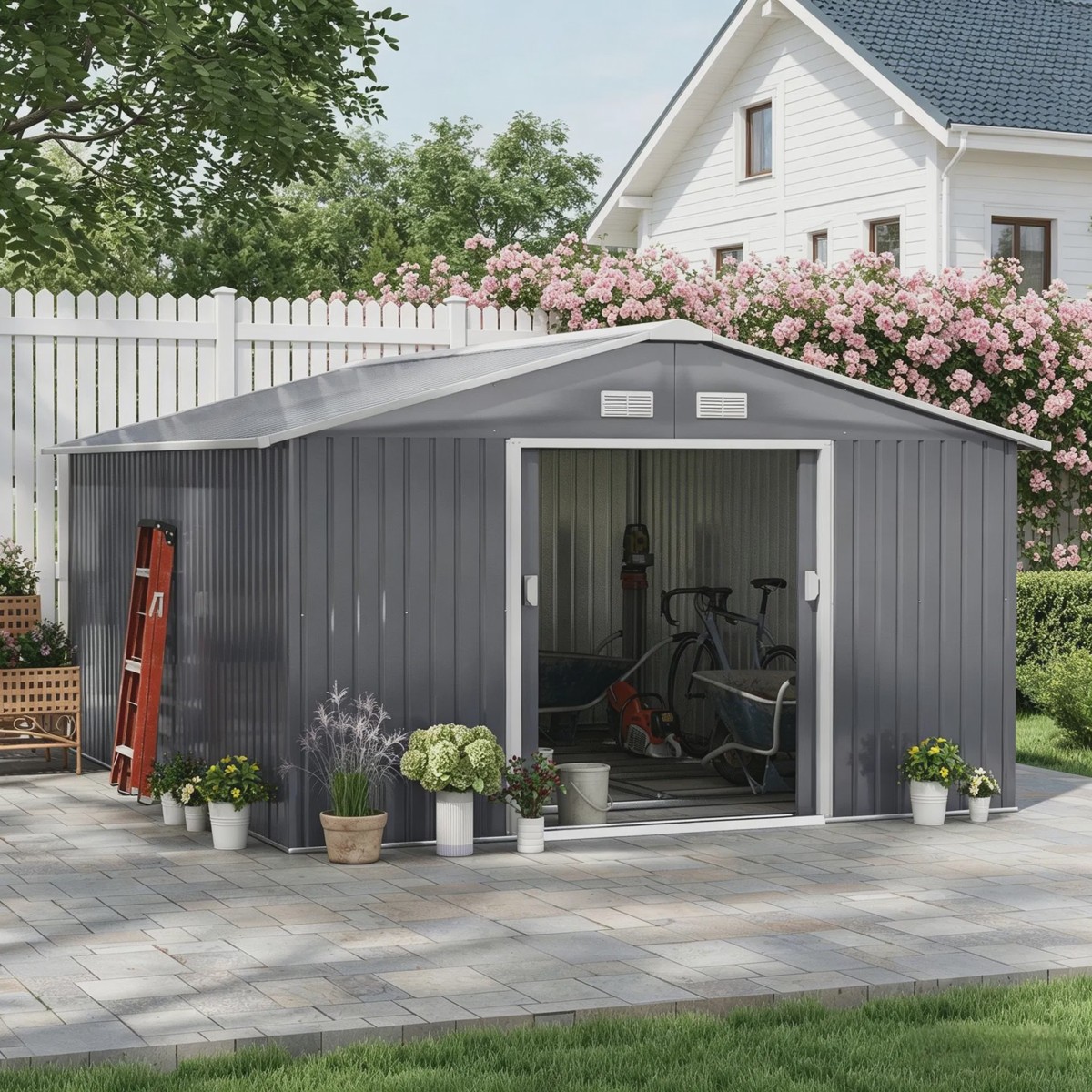
Portable storage buildings are relocatable, non-permanent structures—fabric carports, resin sheds, and steel container-style units—used to protect equipment, vehicles, and overflow goods where a permanent foundation is impractical. The core trade-off is between fabric-light portability and rigid all-weather durability, with anchoring and snow/wind ratings separating capable units from disposable ones. Buy a steel or resin unit with a published wind/snow load rating if the building stays up year-round; choose fabric only for seasonal or fully removable shelter.

You may also like

Finding more guides for you…