GardenPulse Guide

GardenPulse Guide

Garden, Yard & Outdoor Living Reviews & Buying Guides

Compare garden, yard & outdoor living by use case, features, trade-offs, price, returns, and seller terms before you buy.

Buying guides

Buying guide image
Residential Outdoor Power Equipment

Handheld Gas Blower

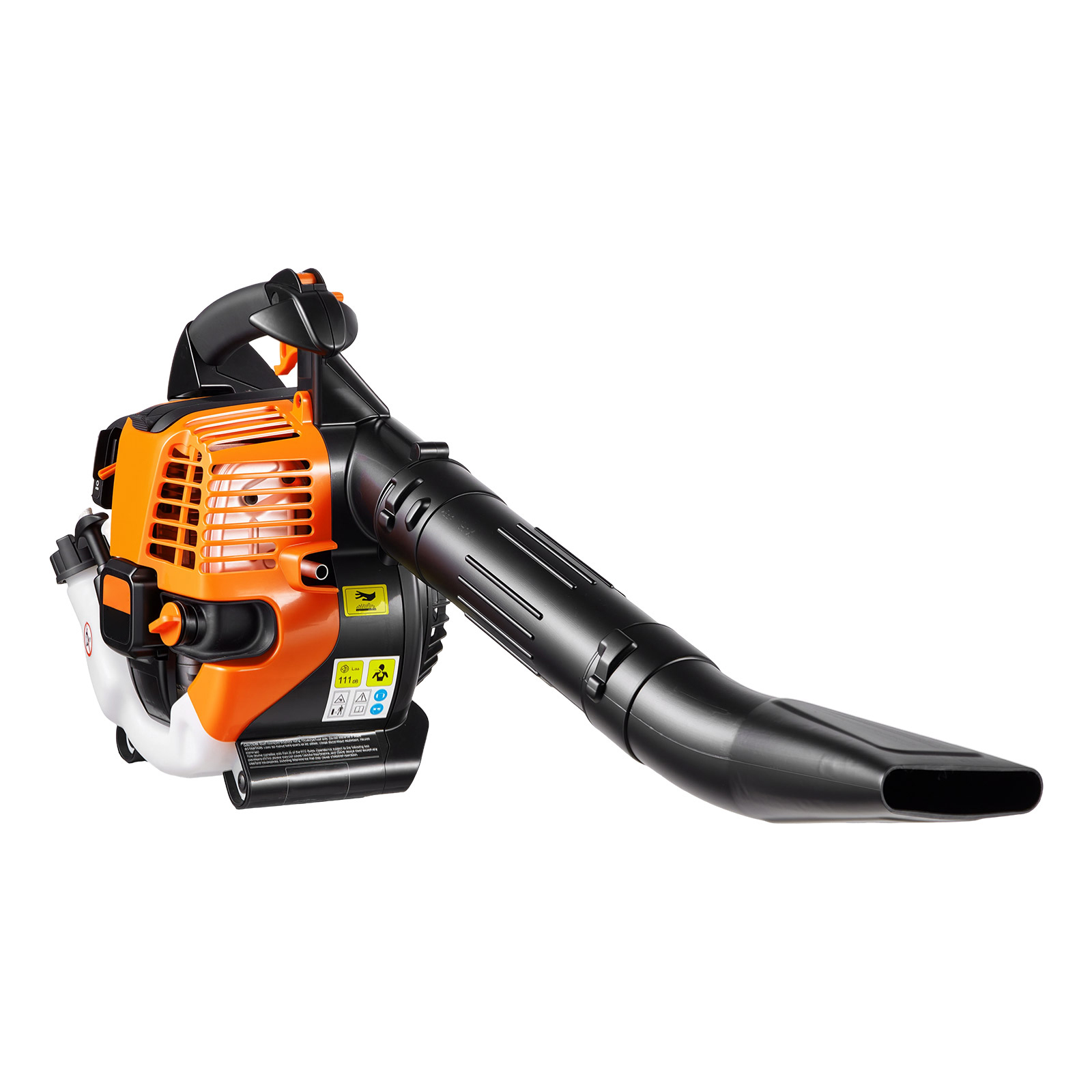
Handheld gas blowers are portable, engine-driven tools for clearing leaves and debris where cordless runtime or corded reach falls short. The core trade-off is two-stroke vs four-stroke architecture: two-strokes deliver the best power-to-weight ratio but require pre-mixed fuel, while four-strokes run on straight gasoline with cleaner emissions at a weight penalty. Buy a four-stroke for low-maintenance homeowner use and a two-stroke when maximum air speed per pound matters.
Buying guide image
Residential Outdoor Power Equipment

Shredder

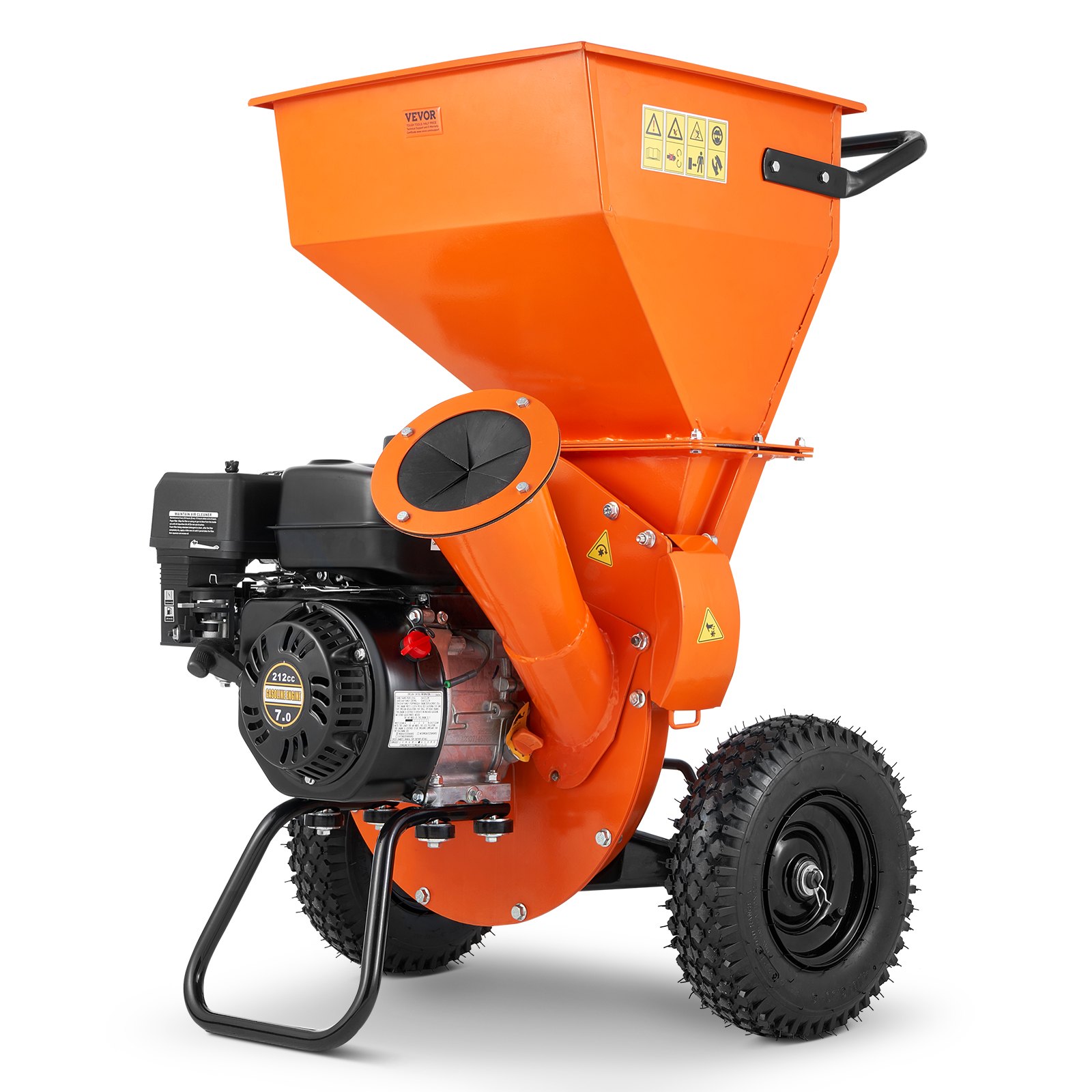
Shredders split into two clear architectures: 15-amp electric units for branches up to ~1.75 inches and gas-powered 212cc units for 3-inch material, so the right choice hinges on your thickest regular branch and distance from an outlet. Most buyer mistakes are buying gas when a corded electric covers the yard, or expecting a chipper to process soft wet garden waste without a separate shredding chute.

Buying guide image
Watering & Irrigation

Hose Holder With Lid

A hose holder with lid is a storage enclosure that shields a coiled garden hose from UV, weather, and pests while keeping the yard tidy. The core trade-off is between rigid metal construction with a lift-off or hinged lid for maximum durability and molded plastic units that are lighter and cheaper but degrade under sustained sun exposure. Buy metal if the holder faces full sun year-round or holds a long, heavy hose; choose plastic only for shaded, light-duty seasonal use.

Buying guide image
Watering & Irrigation

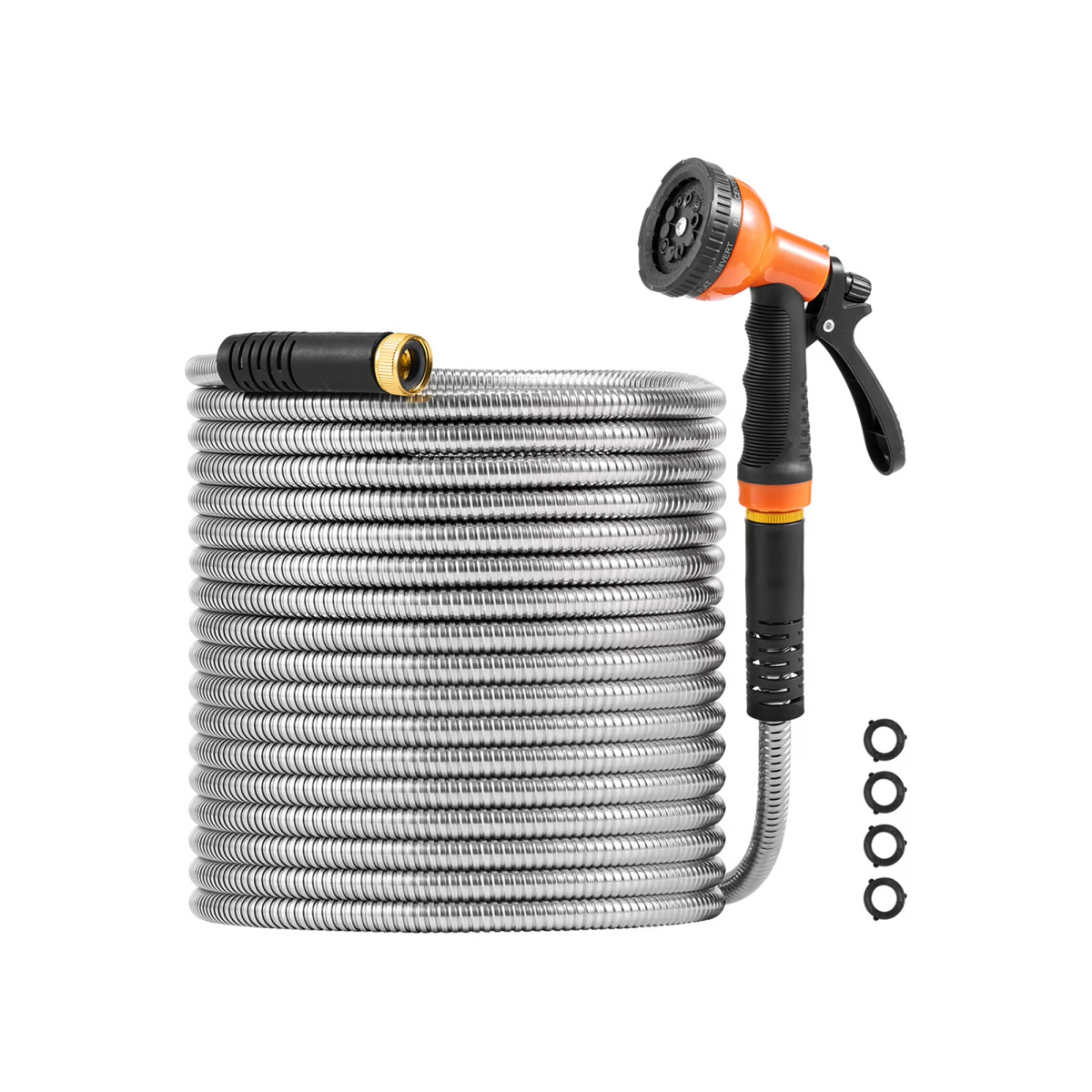
Stainless Steel Garden Hose

A stainless steel garden hose is a flexible water line built from a corrugated stainless steel outer sheath over an inner PVC or hybrid polymer tube, sold as a kink-resistant, puncture-resistant alternative to rubber and vinyl hoses. The core trade-off is sheath gauge and fitting quality versus flexibility: thin 304-alloy sheaths and crimped aluminum fittings kink at the coupling and leak within a season, while heavier 304 stainless over a reinforced inner tube with machined brass fittings survives years of drag-and-pressure cycling. The decision rule: buy a hose whose sheath is 304 stainless, whose couplings are brass (not aluminum), and whose length and diameter match your actual run and flow demand.

Buying guide image
Garden Fencing & Privacy Screens

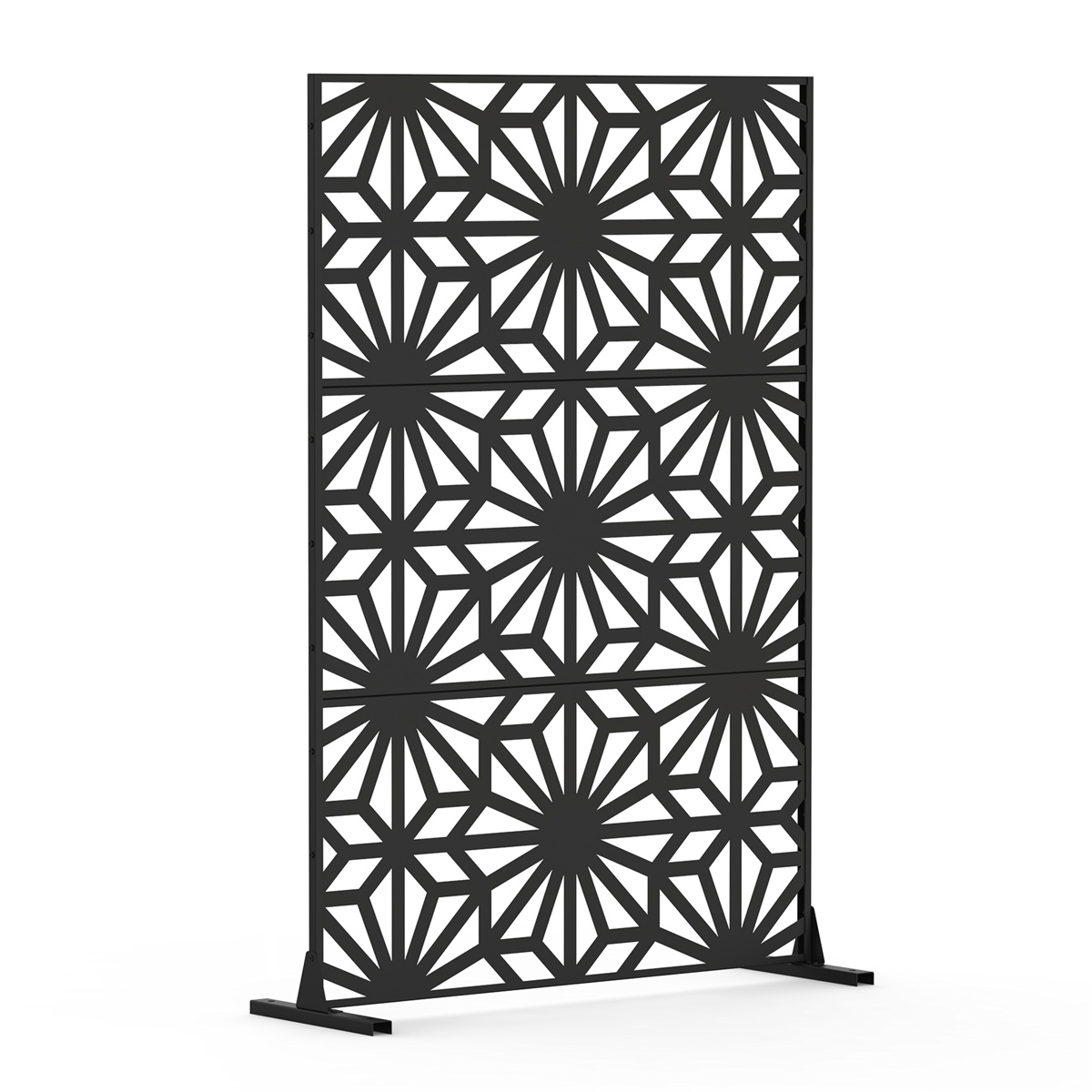
Decorative Outdoor Screen

Decorative outdoor screens are freestanding or mountable panels that add privacy, wind blocking, and visual interest to patios, balconies, and garden rooms without permanent construction. The core trade-off is between lightweight laser-cut metal panels (easy to move, strong design statement, limited wind resistance) and heavier slatted or framed metal screens (sturdier, better privacy, need anchoring). Choose a freestanding screen with a weighted base or ground stakes if you want seasonal flexibility; choose a rigid framed or slatted panel if the screen will stay in one place and face wind.

Buying guide image
Garden Fencing & Privacy Screens

Decorative Privacy Panel Outdoor

Decorative privacy panels are freestanding or surface-mounted screens that block sightlines while adding a design feature to patios, balconies, and garden edges. The core trade-off is between thin, powder-coated steel mesh that rusts at cut edges and heavier gauge steel or aluminum with welded frames and proper coating for outdoor exposure. Buyers should choose a panel rated for outdoor use with a stable weighted base or anchoring kit; indoor-only room dividers and lightweight plastic panels are compromises for permanent exterior placement.

Buying guide image
Outdoor Structures, Shade & Awnings

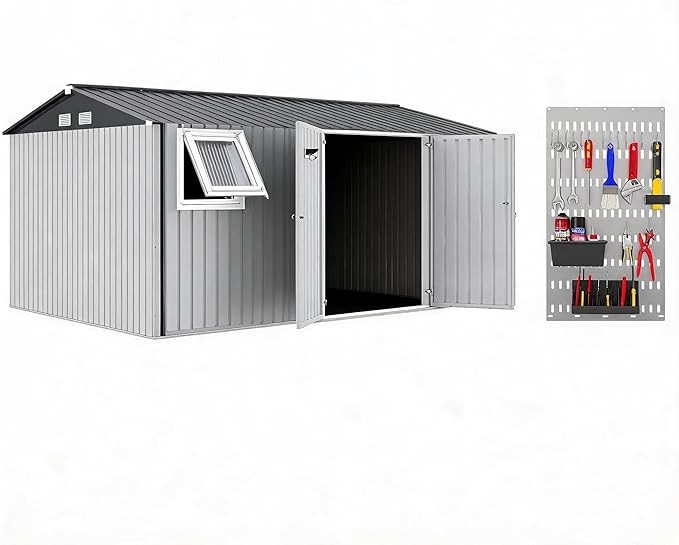
Garvee Storage Shed

Garvee storage sheds are metal outdoor utility structures sold in popular footprints like 10x12 ft, primarily valued for weather resistance and security. The key trade-off is thin-gauge corrugated steel and light framing versus heavier-gauge panels and reinforced anchors; buyers should choose based on wind/snow load and floor preparation. The decisive rule: if panel gauge is under 0.3 mm and no anchor kit or snow-load rating is stated, treat it as a fair-weather shed, not a permanent structure.

Buying guide image
Garden Tools

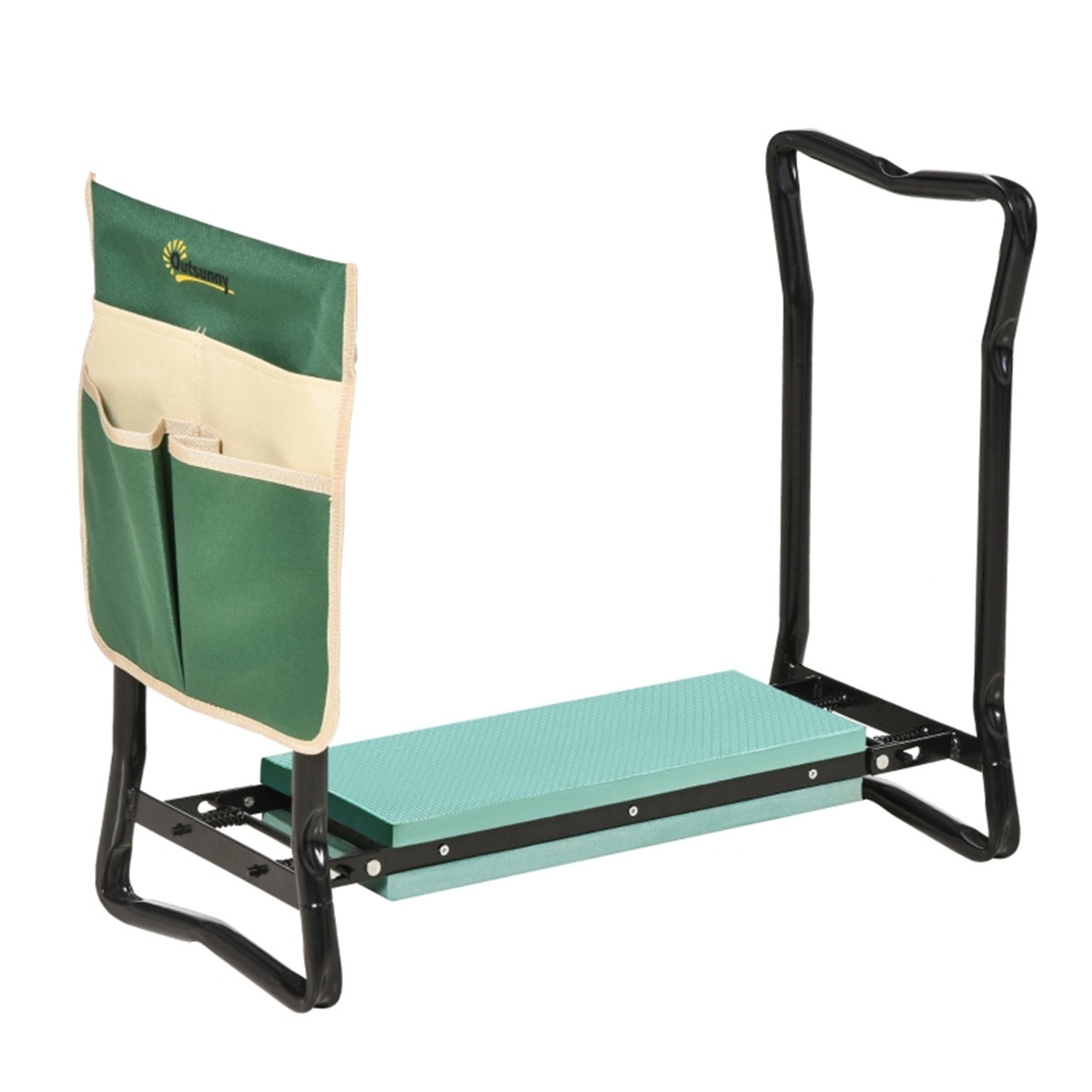
Heavy Duty Garden Kneeler

A heavy-duty garden kneeler is a folding bench that flips between a padded kneeling platform and a raised seat, engineered to carry adult body weight on soft or uneven ground. The decisive trade-off is frame gauge and hinge architecture versus pad density: thin tubular steel and foam pads collapse or bottom out within a season, while welded/reinforced steel frames with EVA or high-density foam survive years of daily use. Buy by rated load, tube wall thickness, and hinge reinforcement—not by the word 'heavy duty' on the label.

Buying guide image
Chicken Feeders & Waterers

Hanging Chicken Feeder With Lid

A hanging chicken feeder with lid is a suspended, lid-covered feed dispenser designed to keep feed dry and free of rodents while reducing waste from scratching and spillage. The primary trade-off is between lightweight plastic and heavier galvanized steel, and between open trough designs and port-style no-waste designs; lid fit and hanging hardware are the weak points that separate durable units from compromises. Buy galvanized steel with a tight-sealing lid and a proven port or gravity-feed mechanism; skip thin plastic bins with friction-fit lids that warp and leak.

Buying guide image
Chicken Fencing & Egg Handling

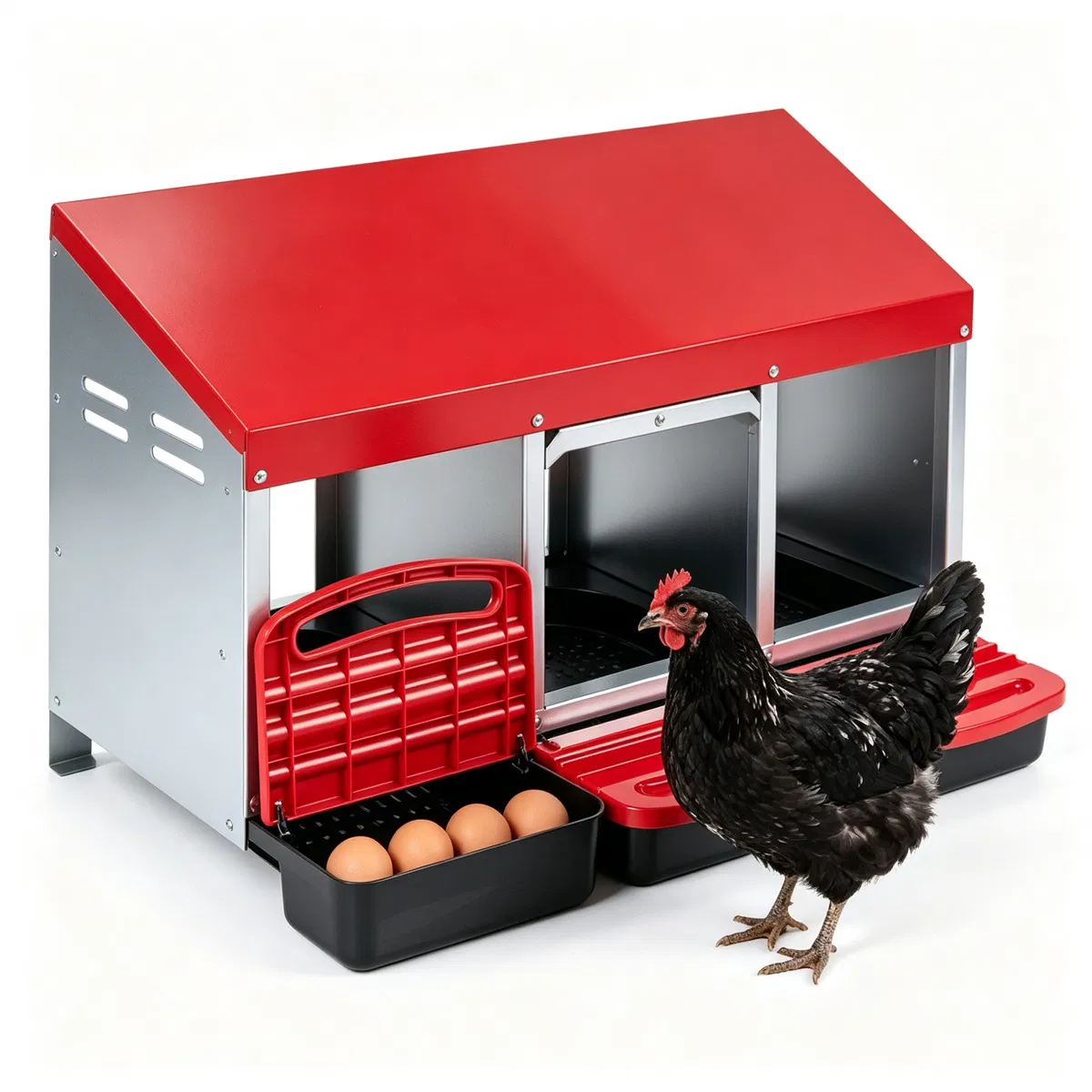
Chicken Nest

A chicken nest is the laying station inside a coop—either a roll-away box or a simple open nest—where hens deposit eggs and where design determines egg cleanliness, breakage rate, and hen acceptance. The core trade-off is egg-handling convenience versus material durability: roll-away galvanized steel solves dirty and broken eggs but adds cost and footprint, while open wooden or plastic nests are cheaper but demand more bedding and cleaning. Buy a roll-away steel box if you collect daily and want clean eggs; buy an open nest if you have a small flock and check boxes frequently.

Buying guide image
Chicken Feeders & Waterers

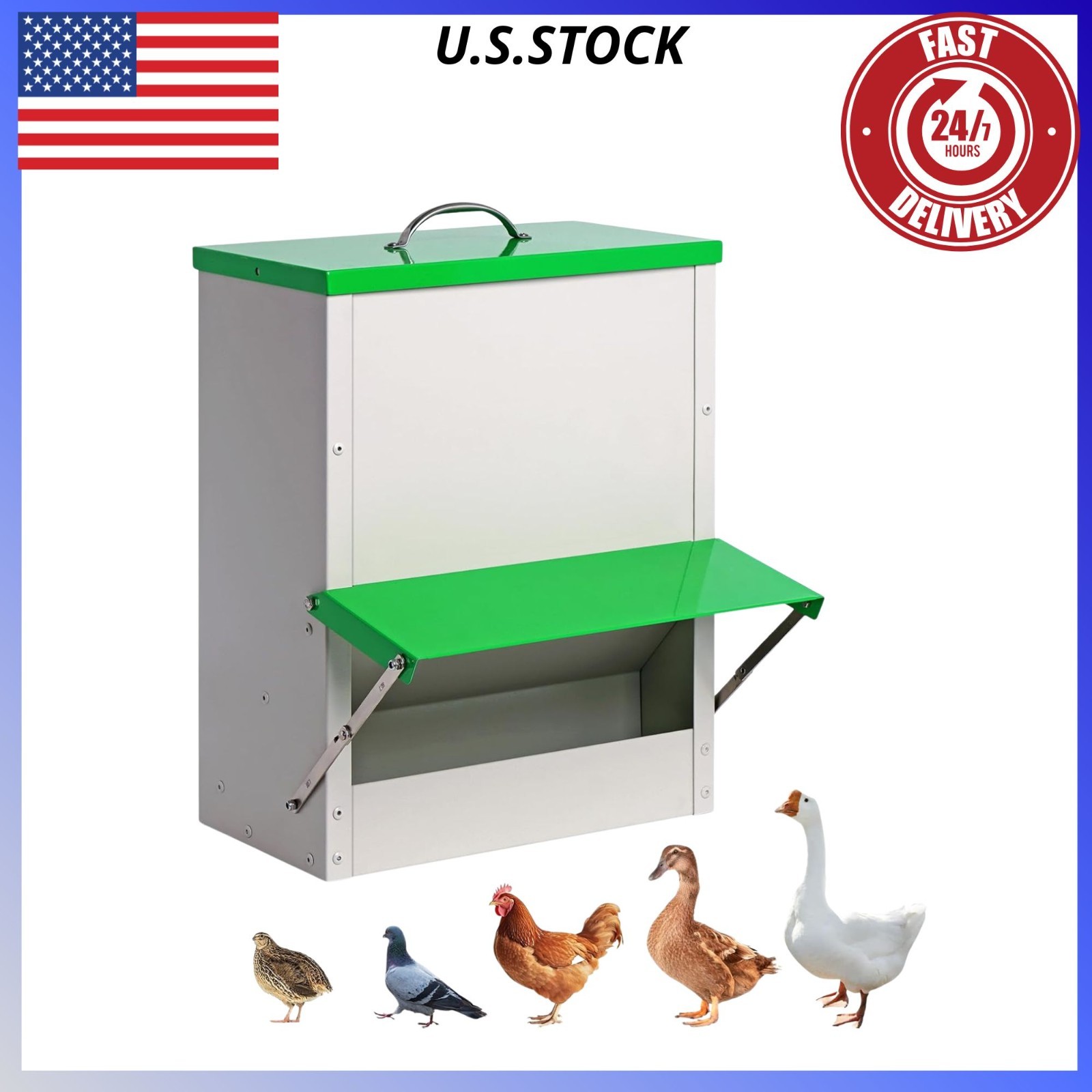
Hanging Chicken Feeder

Hanging chicken feeders suspend feed off the ground to prevent contamination, moisture wicking, and pest access, with capacity and port design being the primary trade-offs. The clear decision rule: choose a sealed, metal or UV-stabilized plastic unit sized to your flock's daily consumption, and skip open-trough or thin-gauge designs that waste feed and fail within a season.

Buying guide image
Lawn Care

Weed Killer

Weed killer spans two distinct product classes: post-emergent chemical sprays that kill existing weeds and physical barrier fabrics that prevent them from emerging. The core trade-off is speed versus permanence—liquid herbicides act in days but require repeated application, while woven geotextiles block growth for years but demand precise installation and surface prep. Choose chemical sprays for active infestations in turf or beds; choose barrier fabric only for permanent hardscape, driveway, or under-gravel applications where no planting will occur.

Buying guide image
Outdoor Structures, Shade & Awnings

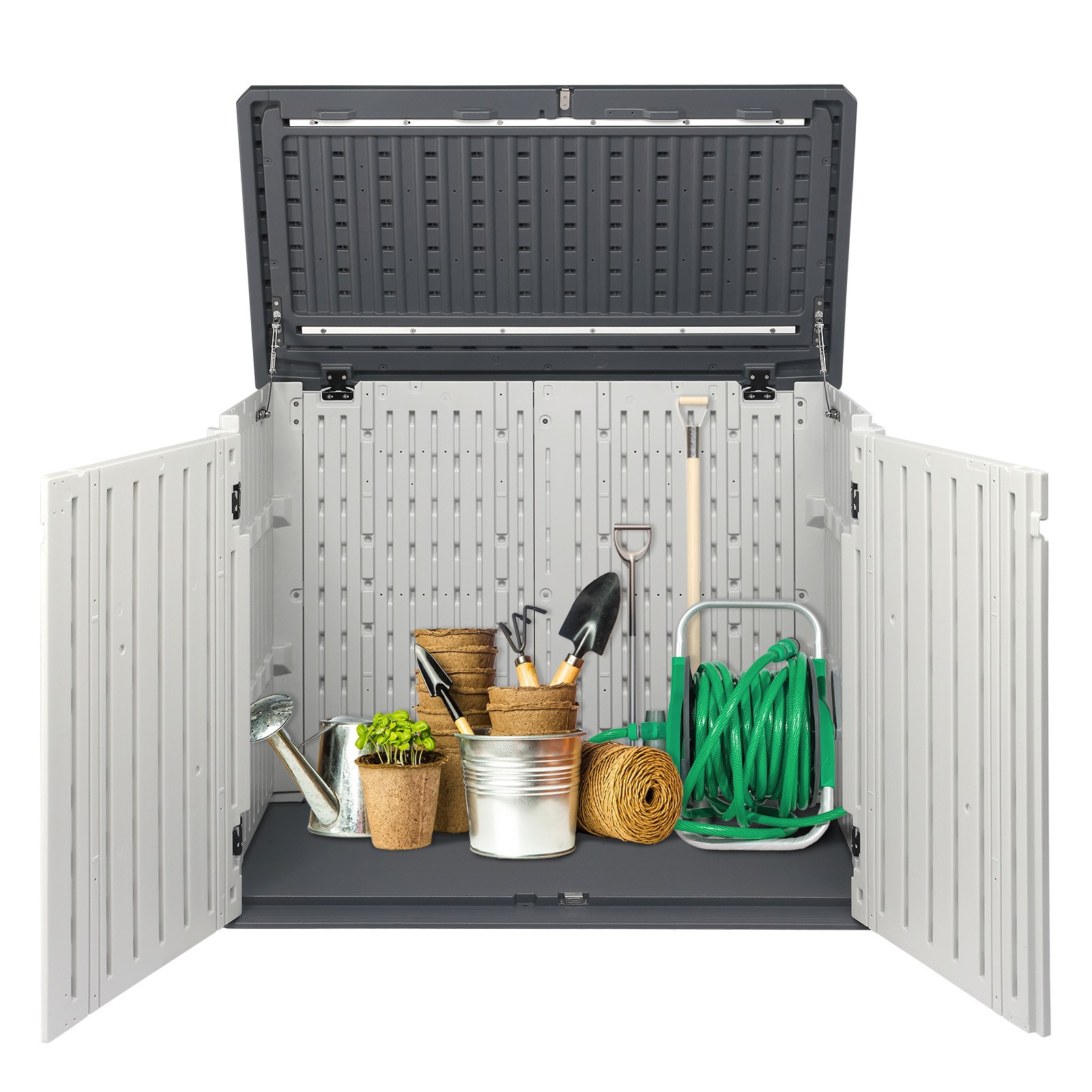
Shed Home

A shed home is a storage structure—resin, metal, or wood—that protects tools, garden equipment, and seasonal gear from weather and theft. The core trade-off is resin's rust-proof low maintenance versus metal's strength-to-cost and wood's rigidity and finishability. Buy resin for damp climates and zero upkeep, metal for budget wind resistance, and wood only if you will paint and maintain it.

Buying guide image
Chicken Brooders & Heat

Chicken Coop Heater

A chicken coop heater is a winter-life-support appliance that must raise ambient temperature without fire risk in a dusty, unheated outbuilding. The core trade-off is radiant spot heat (lamps, plates) versus convection area heat (panel/fan heaters), and the decision rule is simple: buy only heaters with a listed wattage, a thermostat or thermal cutoff, and a metal or sealed-element housing rated for outbuildings; skip bare-bulb kits and unlisted wattage imports.

Buying guide image
Pools & Spas

Above Ground Pool Warmer

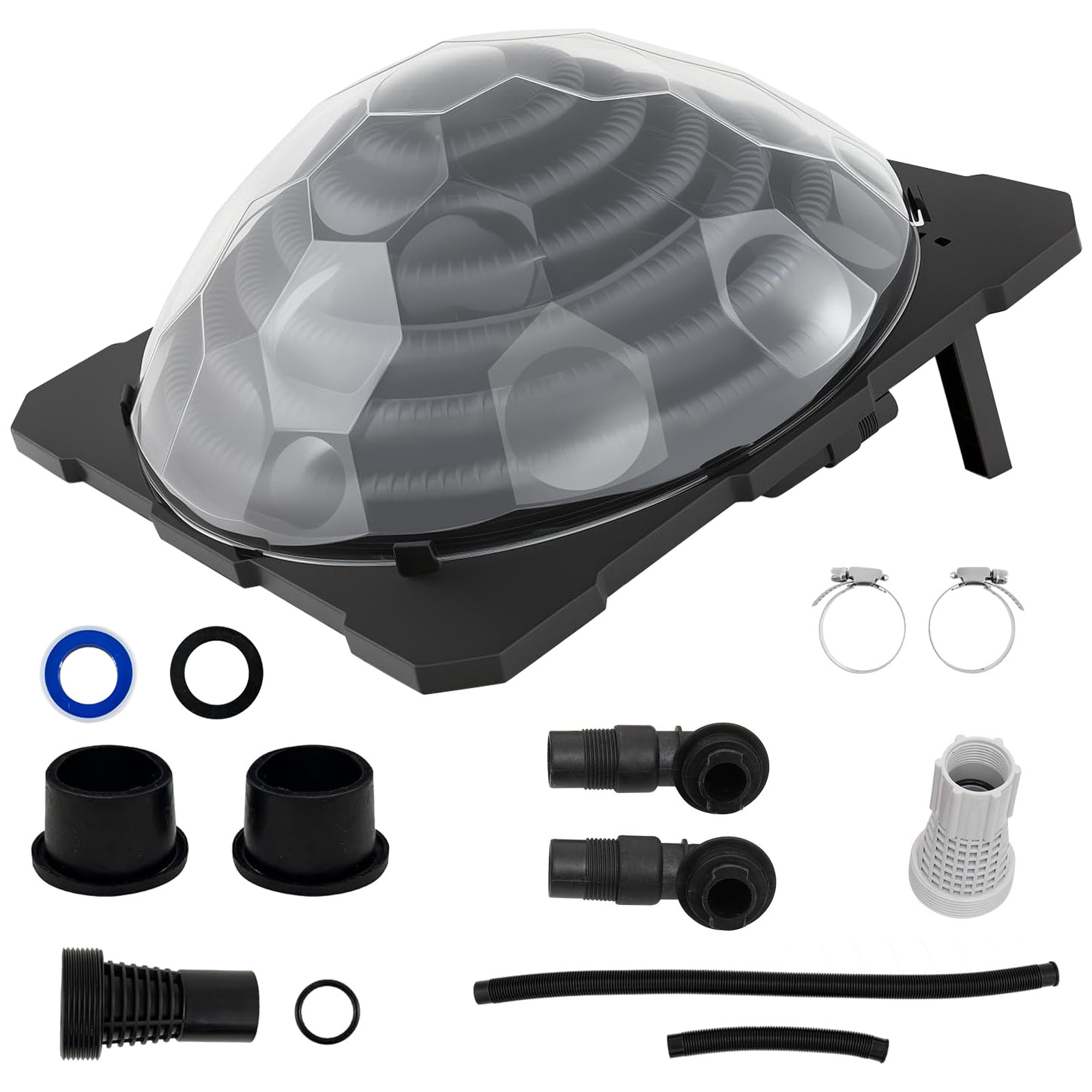
Above-ground pool warmers are solar heating systems that circulate pool water through collector panels to raise temperature without grid energy. The core trade-off is collector surface area versus available sunlight and pump compatibility: undersized panels cannot overcome overnight heat loss. Choose by matching collector area to pool volume and ensuring the circulator pump meets the panel's minimum flow.

Buying guide image
Lawn Care

Garden Soil

Garden soil is a engineered growing medium whose performance hinges on texture (mineral vs. organic ratio), structure (aggregate stability), and nutrient charge. The core trade-off is aeration/drainage versus water and nutrient retention: sandy loams dry fast, clay loams hold water but compact, and compost-heavy blends feed heavily but shrink. The decision rule is to buy by intended depth and drainage class—raised beds need a topsoil-compost blend that holds structure at 10–12 inches, while in-ground plots need native-soil amendment rather than a full replacement.

Buying guide image
Residential Outdoor Power Equipment

Riding Lawn Mower

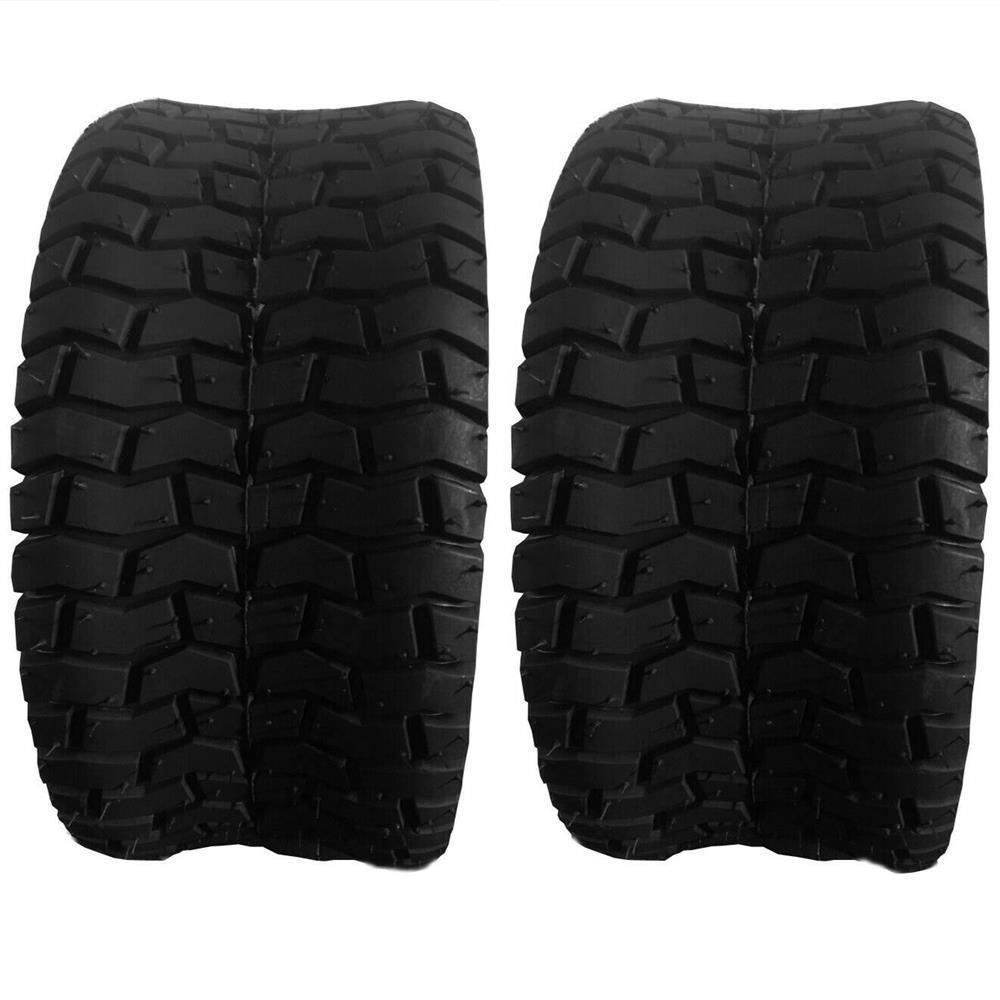
A riding lawn mower is a self-propelled tractor-style machine for mowing large residential lawns, defined by its deck size, transmission type, and engine architecture. The core trade-off is between hydrostatic vs. gear drive, stamped vs. fabricated decks, and lawn-tractor vs. zero-turn geometry. The decision rule: buy a hydrostatic transmission, at least a 42-inch fabricated or 12-gauge stamped deck, and a model with a serviceable transaxle—skip entry-level gear-drive big-box units if your lawn exceeds one acre or has obstacles.

Buying guide image
Lawn Care

Lawn Weed Control

Lawn weed control products fall into three distinct architectures: selective post-emergent herbicides that kill broadleaf weeds without harming grass, granular weed-and-feed hybrids that combine fertilizer with pre- or post-emergent chemistry, and physical barriers like woven landscape fabric that block weeds mechanically. The core trade-off is selectivity versus speed: synthetic selective herbicides (2,4-D, dicamba, quinclorac) act in days but require precise dosing and temperature windows, while barrier fabrics are chemical-free but only work where grass isn't meant to grow. The decision rule: match the product architecture to whether you are treating weeds inside an existing lawn (selective herbicide or weed-and-feed) or preventing weeds in bare beds and borders (woven fabric at 4 oz+).

Buying guide image
Lawn Care

Weed Treatment

Weed treatment spans two distinct product classes: herbicide programs that kill existing weeds and prevent new ones, and physical barriers that block weed emergence under mulch, gravel, or beds. The core trade-off is selectivity versus brute force—herbicides demand correct active-ingredient and timing choices, while barrier fabrics trade permeability and UV life against thickness and weight. Buy herbicide by weed type and turf species, and buy barrier fabric by woven weight (2.4-5.8 oz) and expected sunlight exposure.

Buying guide image
Lawn Care

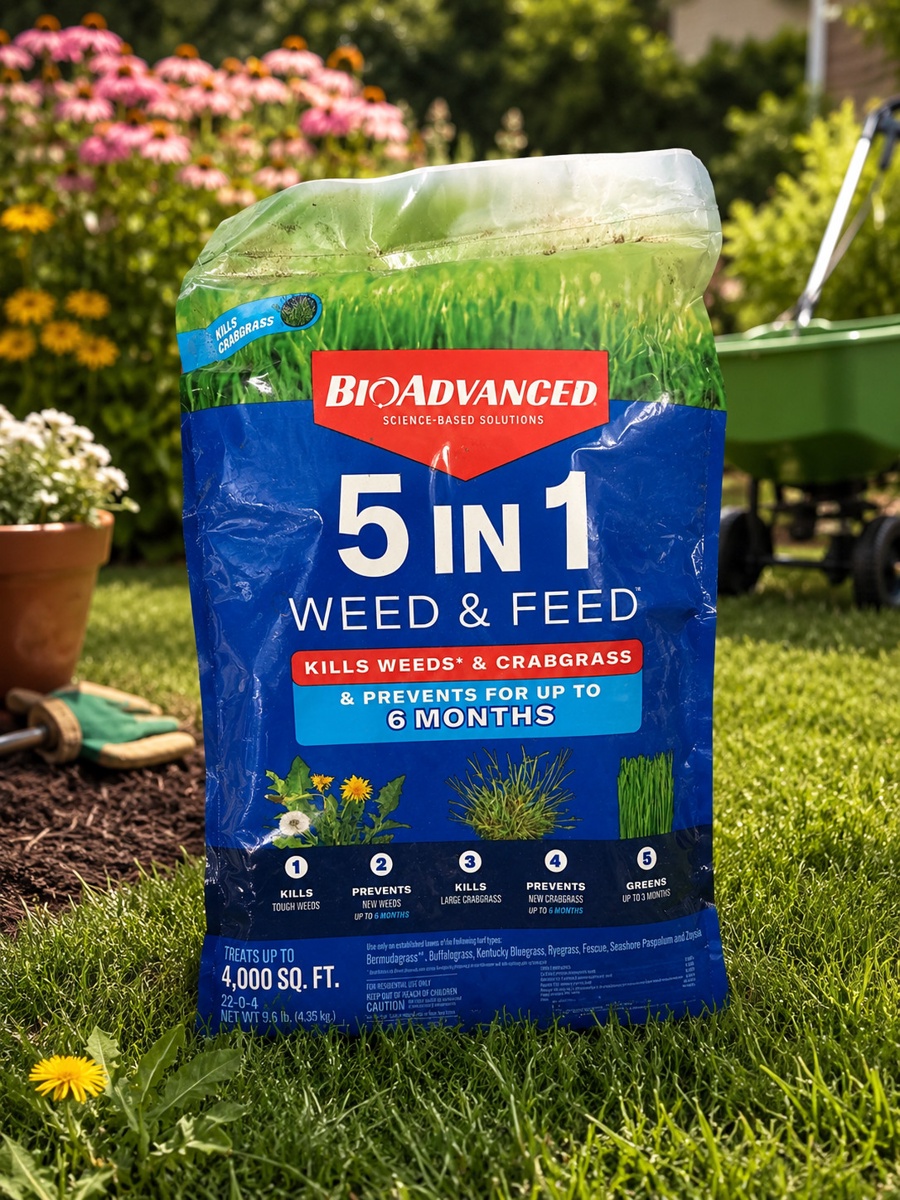
Weed And Feed

Weed and feed products combine a selective post-emergent herbicide with a granular nitrogen fertilizer, and the critical trade-off is turfgrass safety: the herbicide must match your grass type (cool-season vs. warm-season) while the nitrogen release rate must match your climate and season. The decision rule is simple—buy a formulation whose label explicitly lists your grass species and whose nitrogen is at least 30% slow-release; anything else risks yellowing, burning, or ineffective weed kill.

You may also like

Finding more guides for you…