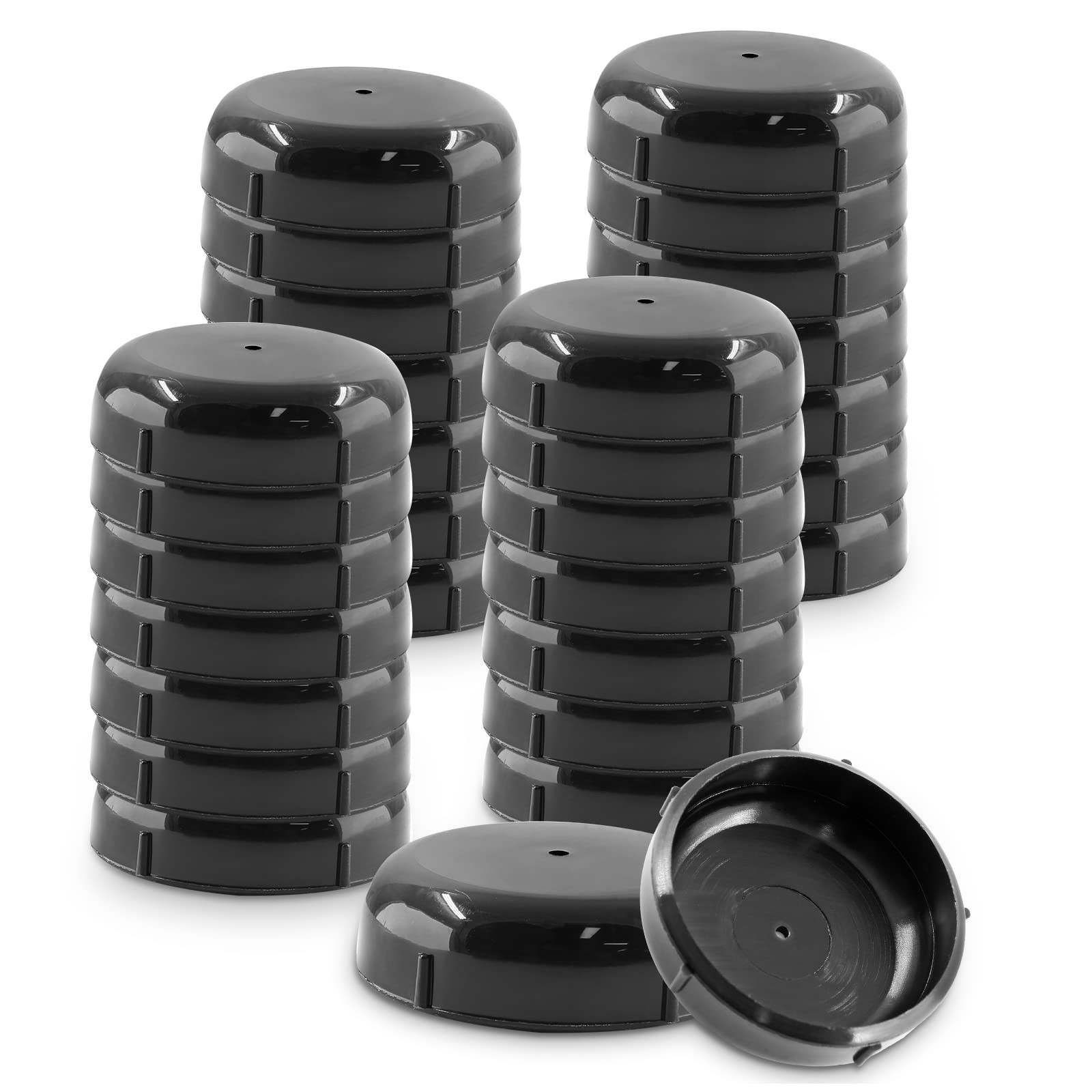

Photos from current listings. Actual item, color, and included accessories may vary.
Wrought Iron Outdoor Furniture Buying Guide
Wrought iron outdoor furniture is solid, hand-forged or cast iron with a high ferrous content, prized for heirloom durability and wind resistance but vulnerable to rust if finish quality is poor. The core trade-off is authentic heavy-gauge iron versus lighter tubular steel or aluminum built to mimic the look. The decision rule: choose true wrought iron only if you accept periodic re-finishing and can move the weight; otherwise pick powder-coated cast aluminum for the same silhouette with a fraction of the maintenance.
Key takeaways
- True wrought iron is low-carbon iron with a fibrous slag inclusion; modern 'wrought iron' style furniture is usually cast iron or welded steel tube, which behaves differently under stress and rust.
- Finish system determines lifespan more than iron thickness: a multi-stage zinc-rich primer plus polyester powder coat resists chipping; single-coat paint fails at weld seams within a season or two.
- Welded joints are the first failure point; fully welded, ground-smooth seams outlast bolted or spot-welded assemblies that loosen and trap water.
At a glance
- Category
- Patio Furniture
- Last updated
- Nov 28, 2026
Current offers
Highlights
- True wrought iron is low-carbon iron with a fibrous slag inclusion; modern 'wrought iron' style furniture is usually cast iron or welded steel tube, which behaves differently under stress and rust.
- Finish system determines lifespan more than iron thickness: a multi-stage zinc-rich primer plus polyester powder coat resists chipping; single-coat paint fails at weld seams within a season or two.
- Welded joints are the first failure point; fully welded, ground-smooth seams outlast bolted or spot-welded assemblies that loosen and trap water.
- Weight per piece is the honest specification: solid cast iron and heavy-gauge wrought iron chairs typically exceed 25 lb each, while lookalike tubular steel or aluminum often sits under 15 lb.
Best use cases
- Best fit: exposed, windy patios and coastal-adjacent yards where mass matters — choose fully welded, powder-coated cast iron or heavy wrought iron with stainless hardware and skip lightweight tubular lookalikes that tip in gusts.
- Best fit: covered porches and pergola-shaded decks where direct rain is limited — a zinc-primed powder-coated iron set lasts decades with minimal touch-up; skip bare or oil-rubbed finishes in these spots if you want zero maintenance.
- Wrong fit: buyers who need to move furniture weekly or store it seasonally — iron sets are heavy and awkward; pick cast aluminum instead and reserve wrought iron for a fixed layout.
- Wrong fit: poolside splash zones and sprinkler overspray — chlorinated or mineral-rich water accelerates rust at scratched welds; choose aluminum or resin wicker unless you commit to inspecting and touching up the iron finish each season.
Buying tips
- Check the finish schedule: a zinc-rich primer plus polyester powder coat over a phosphate pre-treatment is the durable standard; oil-rubbed or single-layer paint on iron is a re-finishing project, not a finish.
- Inspect joint construction before buying: fully welded and ground seams beat bolted or riveted connections; exposed bolt heads and open tube ends are water traps that start rust from the inside.
- Match hardware to the frame: stainless steel or hot-dip galvanized fasteners and floor glides prevent galvanic corrosion where iron meets concrete or other metals.
- Size the set to your space with real clearance math: allow 30–36 inches of walking clearance around a dining table and 18 inches of pull-out room per chair; iron frames are rigid, so tight layouts cannot be cheated by flexing.
Specs
| Frame Material | Wrought iron vs cast iron vs steel tube |
|---|---|
| Finish System | Zinc primer + powder coat vs paint |
| Joint Type | Fully welded vs bolted/riveted |
| Weight Class | Heavy (>25 lb/chair) vs light (<15 lb) |
Related searches
What to check before buying
- Measure your patio or deck footprint and door/gate widths — iron dining chairs and benches often exceed 24 inches in one dimension and are heavy enough that a tight gate turn becomes a permanent placement decision.
- Confirm the surface the furniture will sit on: concrete and stone are fine, but iron feet on wood decks need wide glides or cups to spread point loads and prevent rot rings.
- Check your climate's freeze-thaw and salt exposure: coastal or road-salt zones demand stainless hardware and intact powder coat; any bare weld or scratch must be touched up before winter.
- Plan for companion parts: replacement feet caps, glides, and touch-up paint in the matching finish should be sourced at purchase, because iron sets outlive generic aftermarket accessories.
FAQ
Data sources: eBay / Amazon listings and product attribute feeds. Updated Nov 28, 2026.
Some links on this page are affiliate links. If you buy after clicking one, we may earn a commission at no extra cost to you. This does not change which products appear here or their order. Affiliate disclosure.