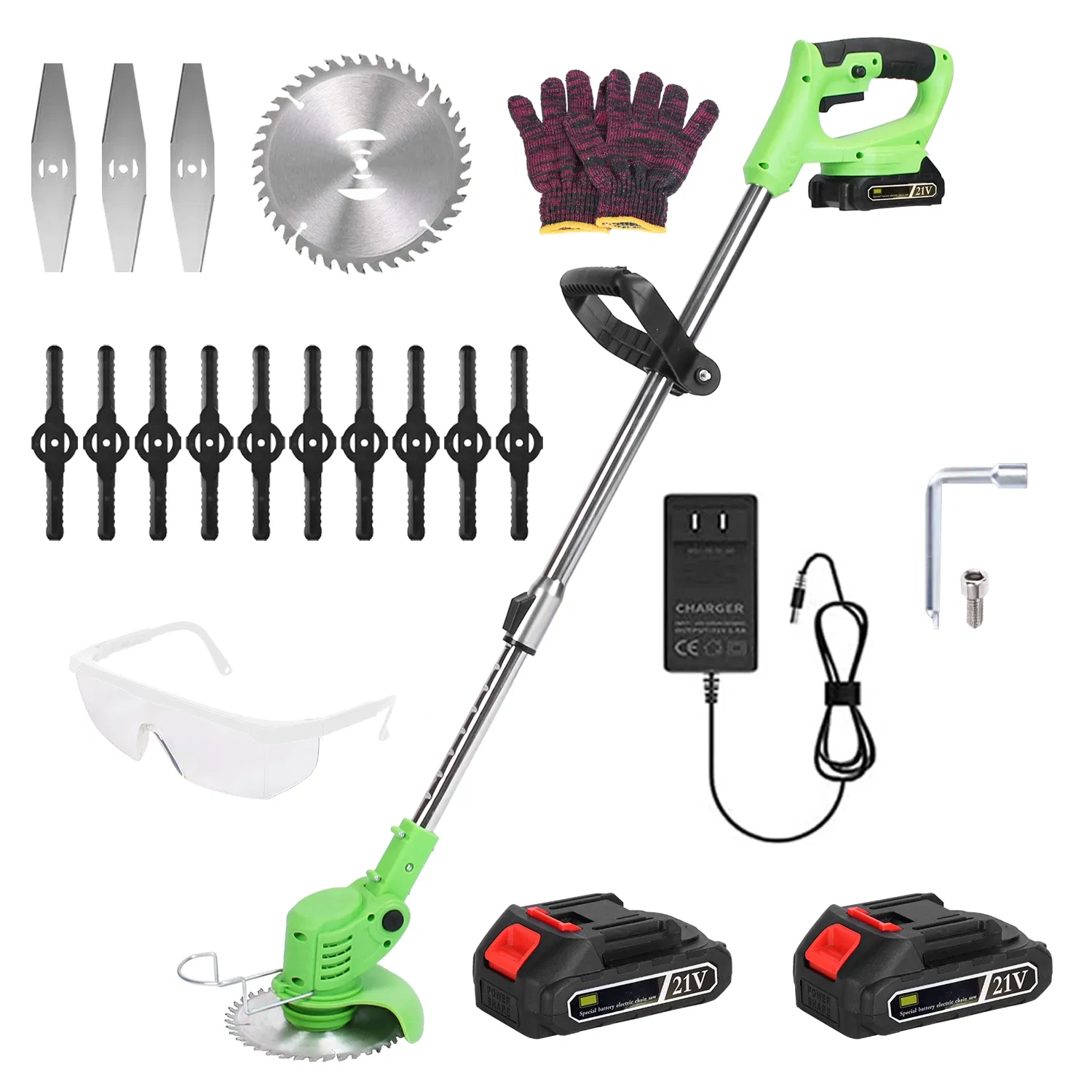

Photos from current listings. Actual item, color, and included accessories may vary.
Battery Weed Trimmer Buying Guide
Battery weed trimmers replace gas and corded string trimmers for routine edging, fence-line cleanup, and light brush work. The key trade-off is voltage and cutting-head architecture: 18–24V string trimmers suit lawn maintenance, while 40V+ brushless models with metal blades handle heavier weeds and saplings. Buy for a defined voltage platform and a replaceable cutting head; skip no-name kits that bundle fixed blades and non-standard batteries.
Key takeaways
- Voltage tiers define capability: 18–20V for light trimming, 24–40V for mixed lawn and weeds, 56–80V for sustained brush clearing.
- Brushless motors deliver roughly 30–50% longer runtime and cooler operation than brushed motors at the same voltage.
- Cutting-head type matters more than wattage claims: bump-feed string heads for grass, fixed metal blades only for woody stems.
At a glance
- Category
- Lawn Care
- Last updated
- Nov 28, 2026
Current offers
Highlights
- Voltage tiers define capability: 18–20V for light trimming, 24–40V for mixed lawn and weeds, 56–80V for sustained brush clearing.
- Brushless motors deliver roughly 30–50% longer runtime and cooler operation than brushed motors at the same voltage.
- Cutting-head type matters more than wattage claims: bump-feed string heads for grass, fixed metal blades only for woody stems.
- Battery platform compatibility (same brand across tools) determines long-term cost and replacement availability.
Best use cases
- Pick an 18–20V string trimmer if you maintain a quarter-acre or smaller lawn with grass and light weeds; skip high-voltage brush cutters for this.
- Choose a 40V brushless model with a bump-feed head if you edge fences, sidewalks, and mixed grass/weed borders on half an acre or more.
- Select a 56–80V or 40V heavy-duty unit with a metal brush blade only for saplings, brambles, and overgrown lots; a string trimmer is the wrong tool there.
- Avoid 21V no-name kits with fixed saw blades and unbranded batteries for regular lawn care; parts and batteries are not replaceable across seasons.
Buying tips
- Match voltage to task: 18–20V for grass trimming, 40V for mixed weeds, 56V+ for brush; higher voltage cuts faster but adds weight.
- Demand a standard cutting head: bump-feed or automatic string feed with 0.065–0.095 in line; fixed blade-only heads limit you to woody cutting.
- Buy into an established battery platform with at least 2.0 Ah packs; 4.0 Ah+ packs roughly double runtime on the same trimmer.
- Check shaft type: straight shafts suit taller users and edging; curved shafts are lighter but shorter and less comfortable for long sessions.
Specs
| Voltage Class | 18-20V / 40V / 56-80V |
|---|---|
| Motor Type | Brushed vs Brushless |
| Cutting Head | Bump-feed string / Metal blade |
| Battery Platform | Brand-specific, 2.0-4.0 Ah packs |
Related searches
What to check before buying
- Measure your lawn and weed density: under 1/4 acre with grass suits 18–20V; heavier weeds or larger areas push you to 40V+.
- Confirm your outlet voltage and plug type (120V North America vs 230V EU/UK) before buying any charger-included kit.
- Verify the trimmer's cutting swath (10–15 in typical) fits between fences, beds, and obstacles on your property.
- Check that the battery platform has replacement packs and chargers sold separately in your region for long-term use.
FAQ
Data sources: eBay / Amazon listings and product attribute feeds. Updated Nov 28, 2026.
Some links on this page are affiliate links. If you buy after clicking one, we may earn a commission at no extra cost to you. This does not change which products appear here or their order. Affiliate disclosure.