GardenPulse Guide

GardenPulse Guide

Garden, Yard & Outdoor Living Reviews & Buying Guides

Compare garden, yard & outdoor living by use case, features, trade-offs, price, returns, and seller terms before you buy.

Buying guides

Buying guide image
Pools & Spas

Hayward Sand Filter

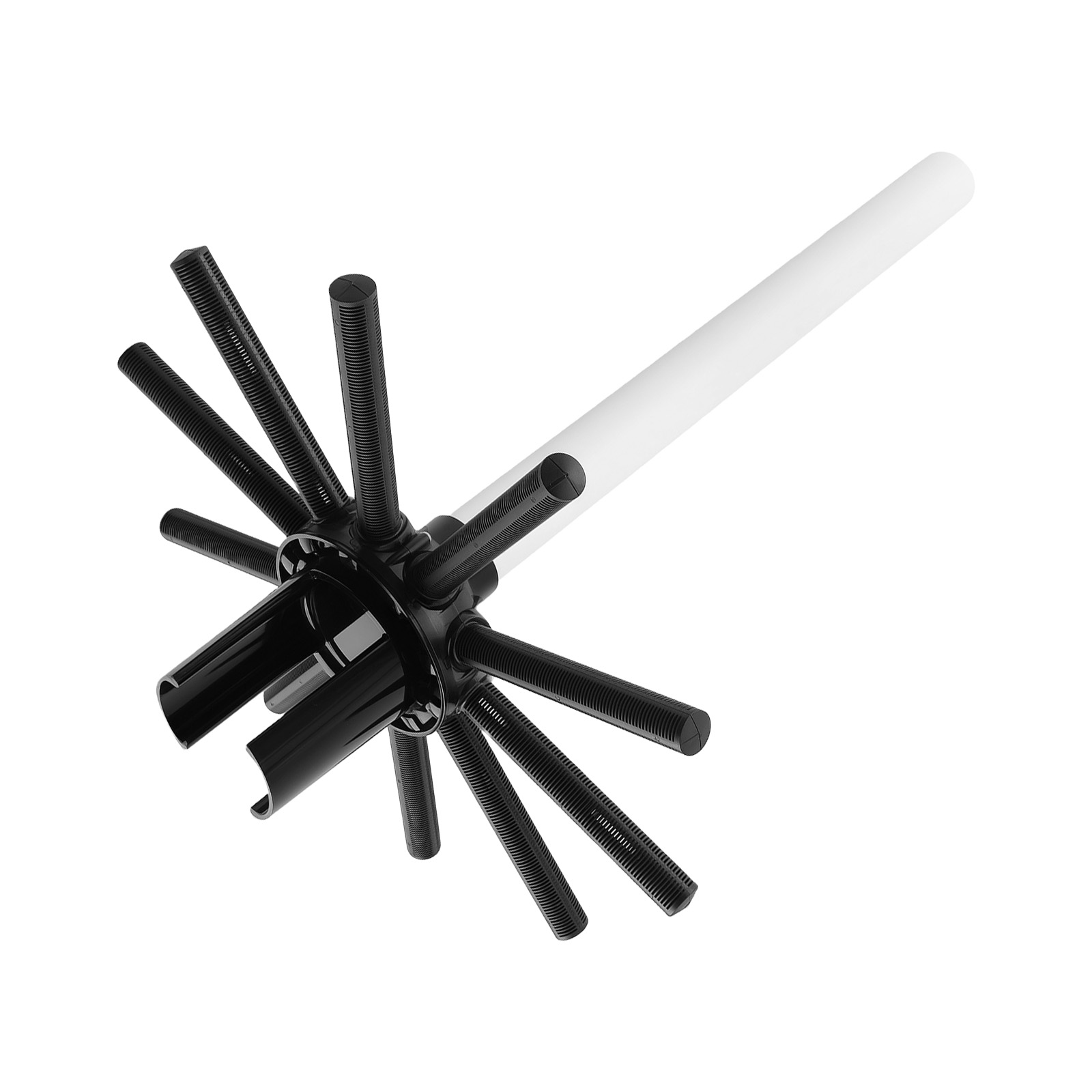
Hayward sand filters are tank-and-valve assemblies that use graded silica sand to trap debris, with durability and flow performance set mainly by tank material, lateral design, and valve generation. The core trade-off is molded polyethylene versus blow-molded or fiberglass-reinforced tanks and old-style versus Pro-Series valves; the decision rule is to match tank diameter and valve generation to your pump flow rate and never substitute proprietary laterals with generic parts.
Buying guide image
Residential Outdoor Power Equipment

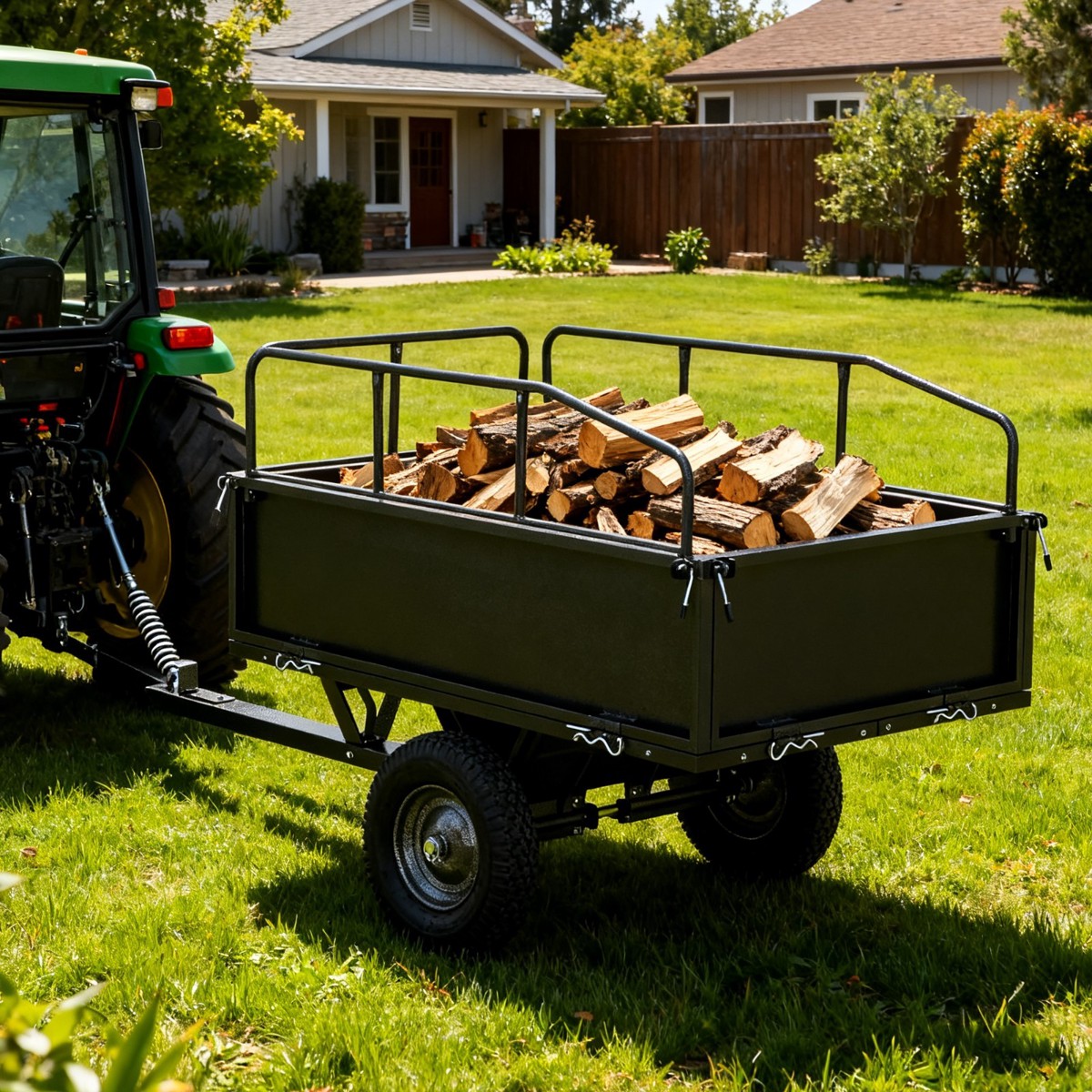
Log Splitter

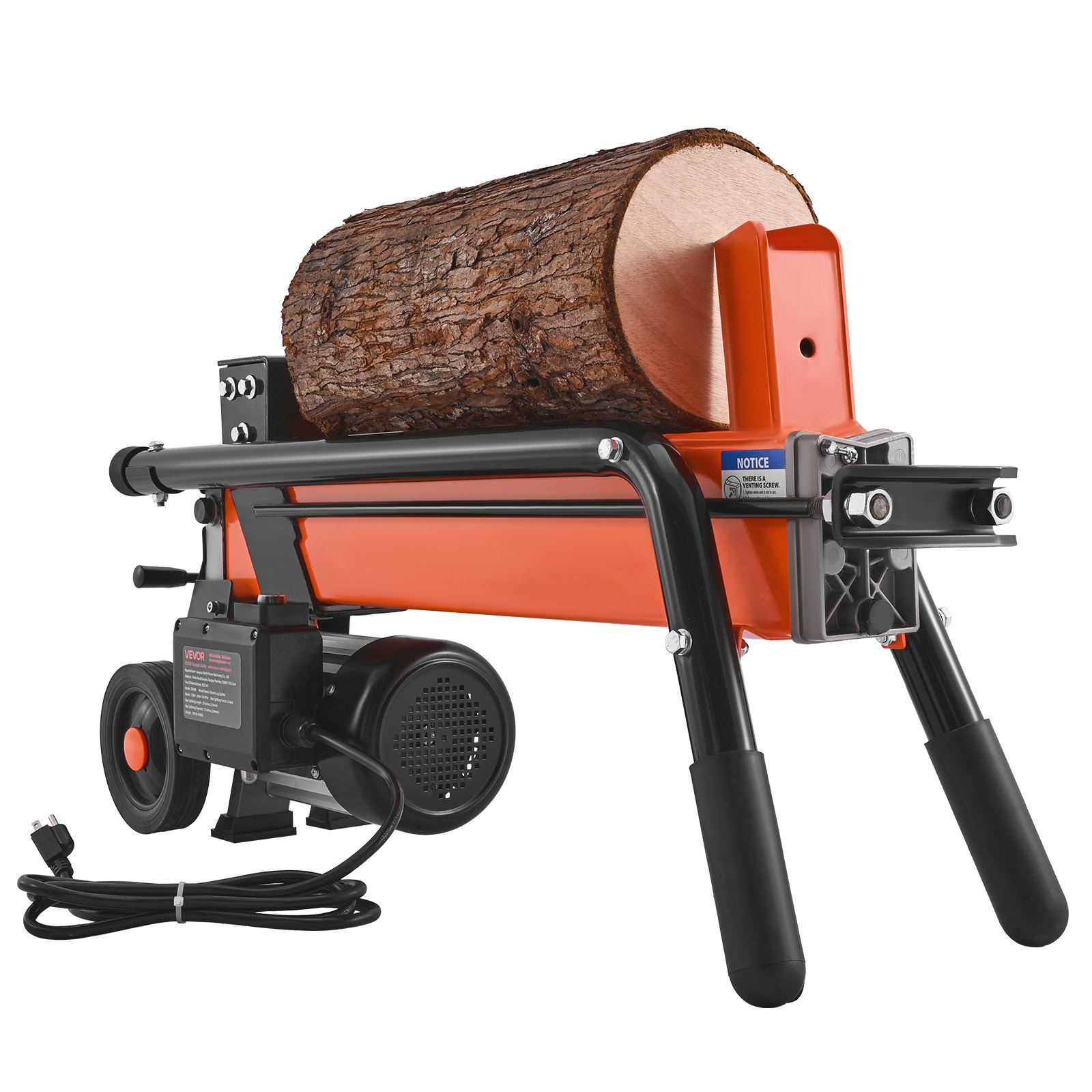
Log splitters convert hydraulic or electric force into linear splitting power, and the core trade-off is cycle speed versus tonnage versus power source. Gas units deliver 20-35+ tons for large hardwood rounds, while electric models cap near 10-15 tons for softwood and small-diameter logs. Buy by tonnage tier matched to wood diameter and hardness, not by brand claims: 20+ tons for knotty oak, 10-15 tons for pine and birch under 16 inches.

Buying guide image
Outdoor Lighting & Decor

Outdoor LED Flood Light

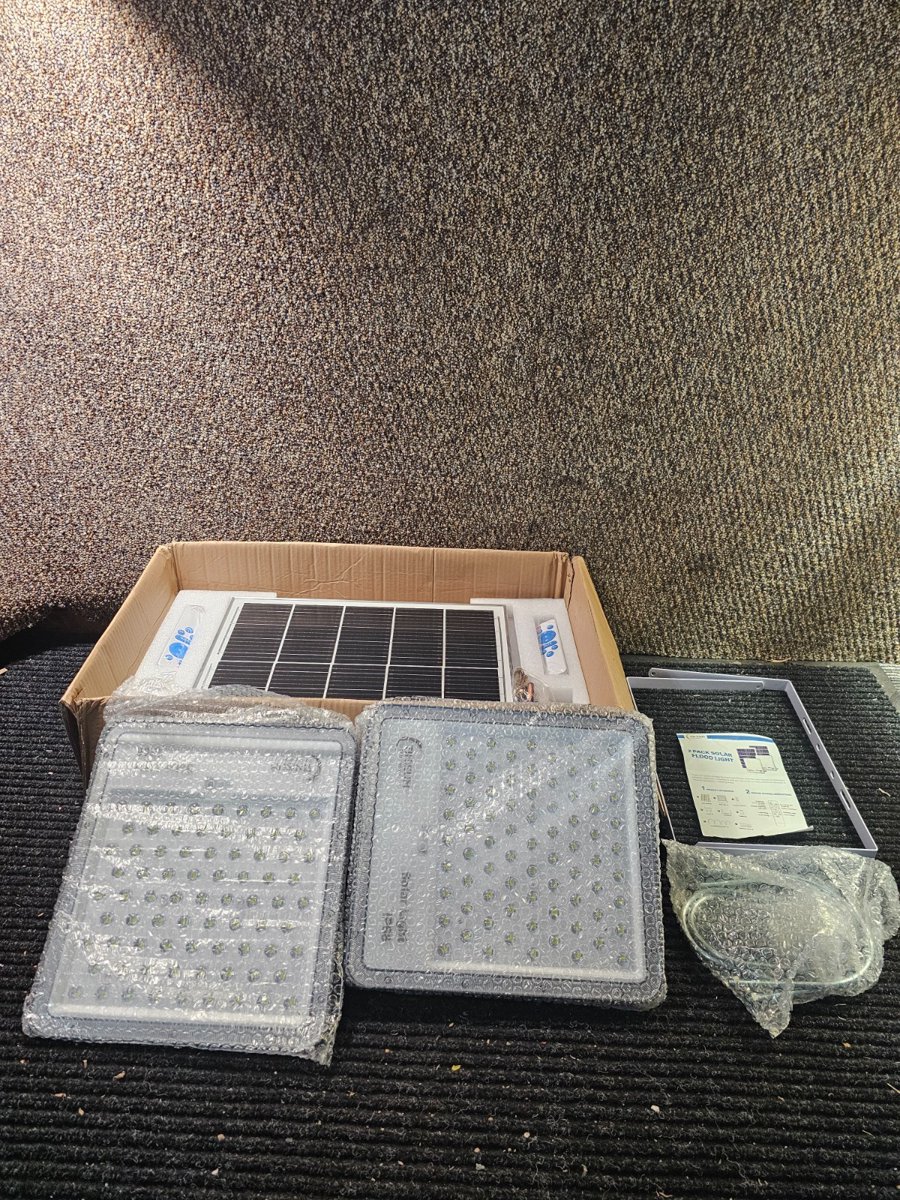
Outdoor LED flood lights are high-output, weather-sealed fixtures used for security, yard illumination, and architectural accenting. The core trade-off is lumen output and beam control versus thermal mass and housing grade: cheap units overdrive LEDs in thin plastic or stamped aluminum shells, while durable fixtures use die-cast aluminum heat sinks and constant-current drivers. The decision rule is simple: buy by IP rating, die-cast housing mass, and driver architecture (integrated vs. remote), not by advertised wattage alone.

Buying guide image
Pools & Spas

In Ground Hot Tub

An in-ground hot tub is a permanently installed spa built into a deck, patio, or excavated pit, using either a cast-acrylic shell or a tiled gunite/concrete basin. The core trade-off is shell construction and insulation versus equipment and plumbing access: acrylic shells with full foam insulation hold heat efficiently and arrive pre-plumbed, while gunite/tile builds offer unlimited shape and durability but require engineered drainage, expansion joints, and on-site equipment rooms. The decision rule: buy a pre-plumbed acrylic shell with a rigid, insulated cabinet when you want predictable install and low heat loss; build gunite only when you have a structural engineer, a dedicated equipment pad, and a plan for tile maintenance.

Buying guide image
Chicken Coops & Runs

Secure Chicken Coop

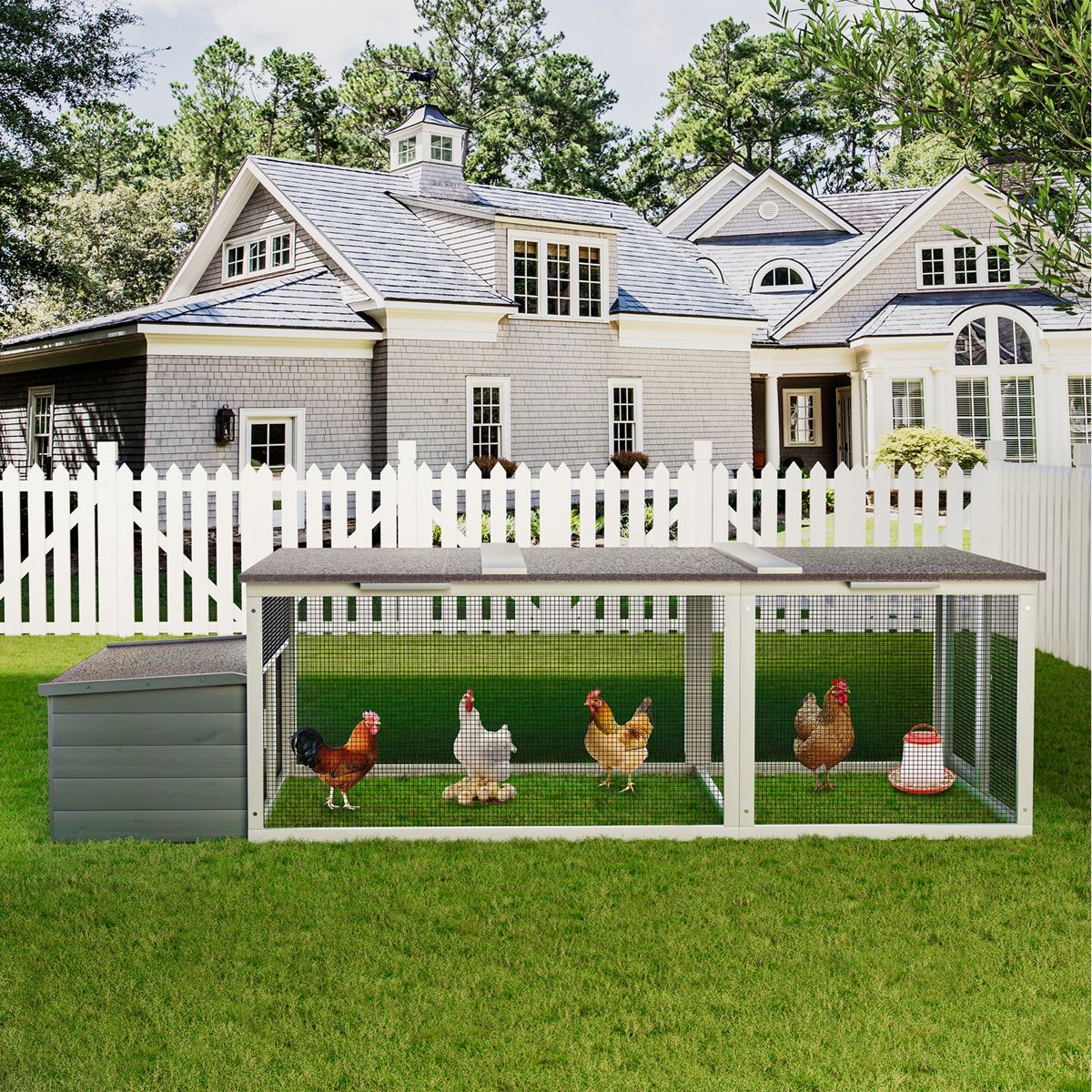
A secure chicken coop is a predator-resistant, weather-tight enclosure that combines a sheltered henhouse with a ventilated run. The core trade-off is between thin wire-and-staple construction and reinforced framing with buried or hardware-cloth barriers that stop digging and climbing predators. Choose a coop whose mesh gauge, latch type, and floor-to-ground seal match your local predator pressure — anything else is a compromise.

Buying guide image
Watering & Irrigation

Pump And Irrigation

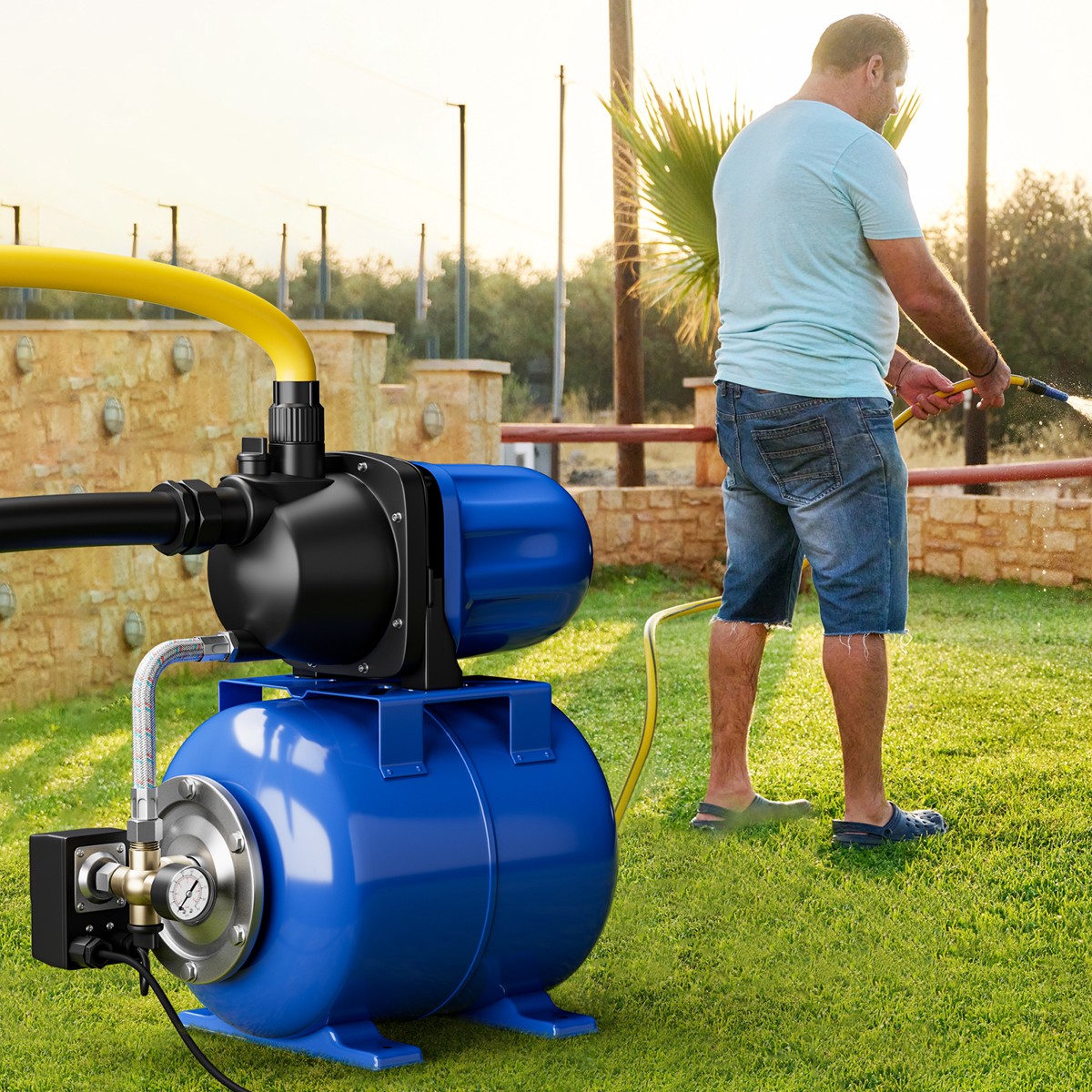
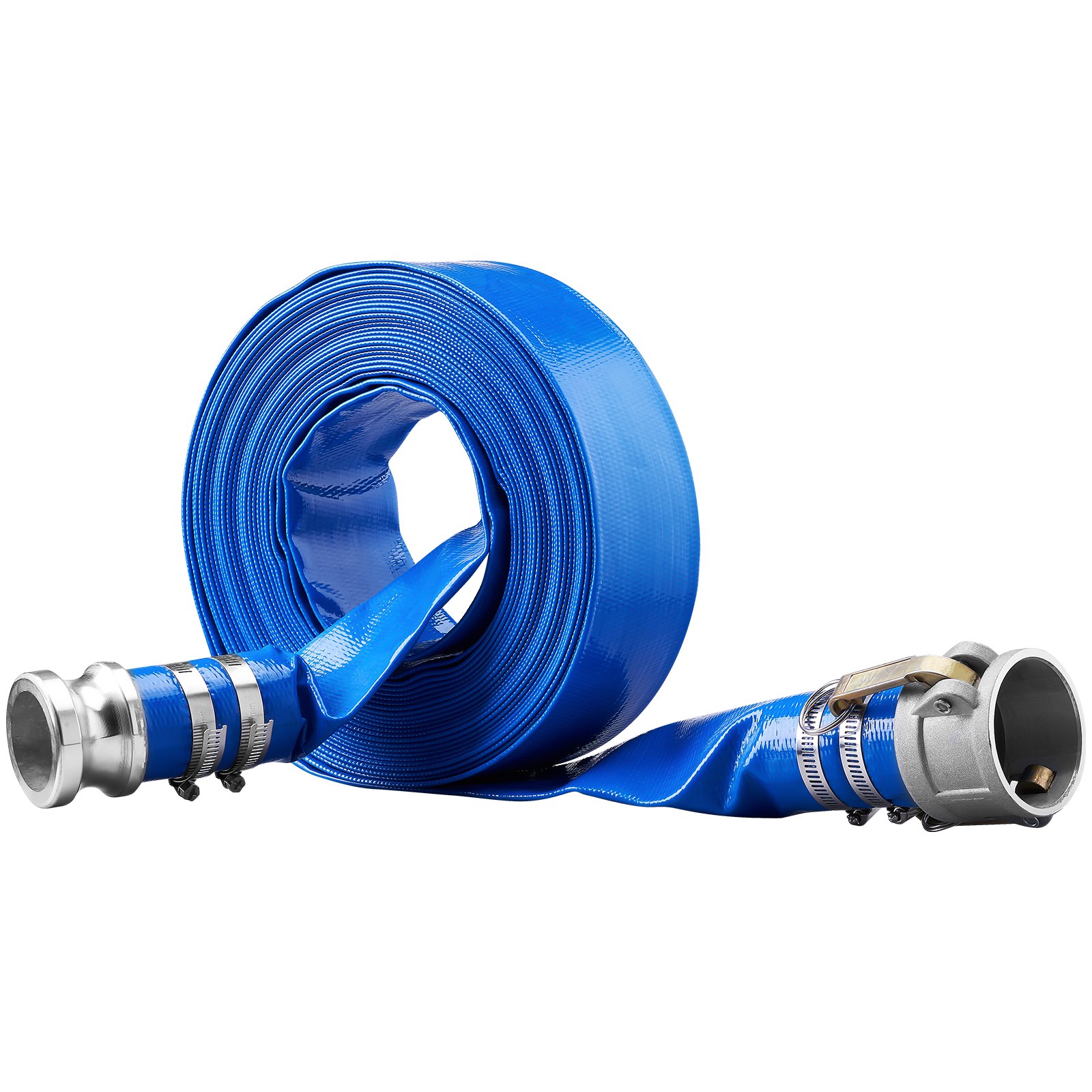
Pump-and-irrigation systems pair a water mover (jet, booster, or submersible pump) with distribution hardware (drip lines, sprinklers, or soakers) to automate watering from wells, tanks, or municipal lines. The core trade-off is head pressure versus flow rate: shallow-well jets deliver high pressure for sprinklers but lose prime above 25 ft, while submersible and booster pumps favor consistent volume from tanks or Rain barrels. Buy the pump to match your water source depth and required outlet pressure; skip any unit whose inlet/outlet NPT size and voltage don't match your plumbing and circuit.

Buying guide image
Patio Furniture

Outdoor Furniture With Umbrella

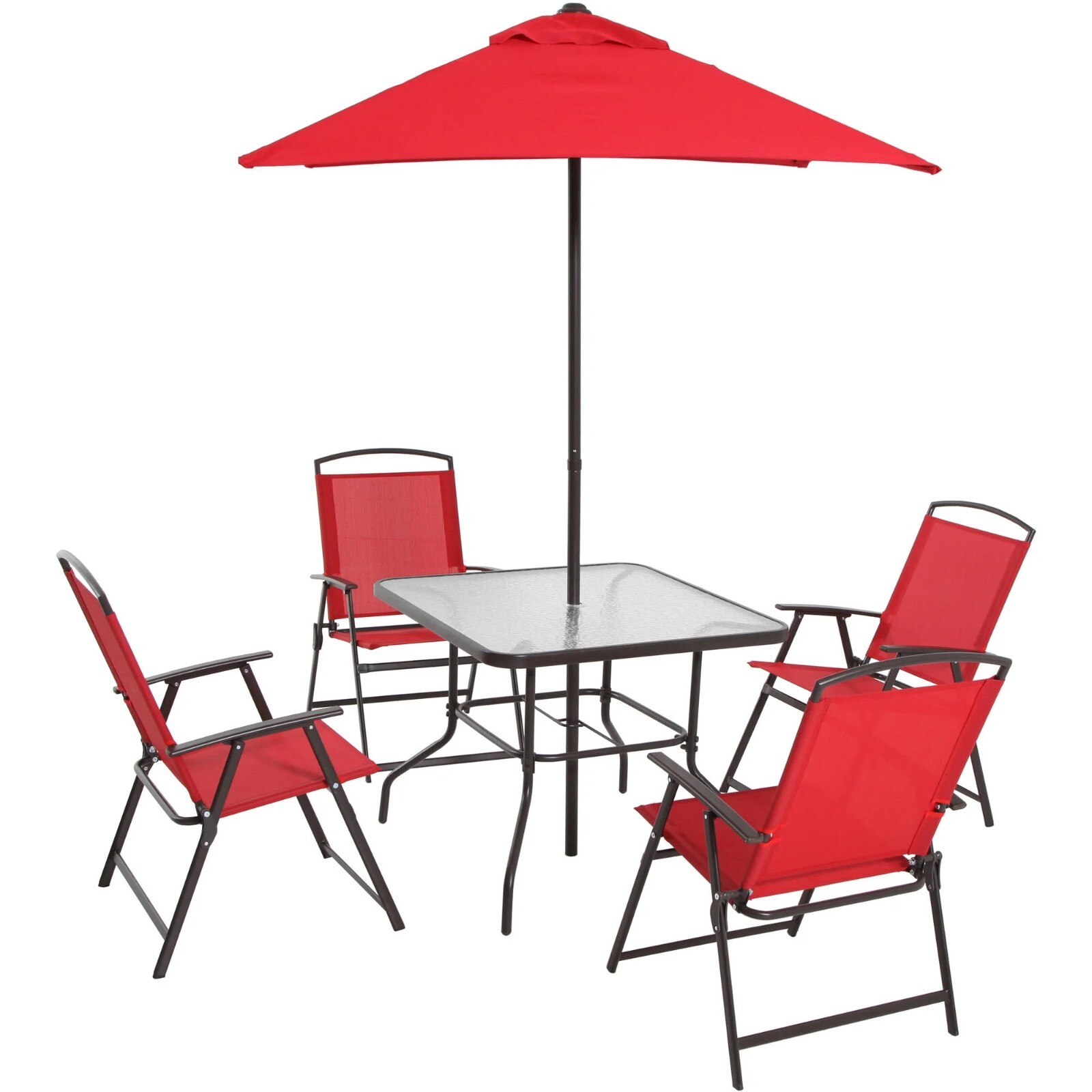
Outdoor furniture with an umbrella hole is a dining or lounge set built around a table with a central grommet (commonly 1.5–2 in) that accepts a freestanding or through-table umbrella pole. The core trade-off is frame material and umbrella interface: steel/aluminum tables with a fixed 1.5-in hole and slatted tops shed rain and handle wind, while acacia/eucalyptus wood sets look warmer but demand oiling and a weighted base. Buy metal or aluminum with a 1.5-in hole plus a weighted base for exposed patios; choose acacia only for covered or sheltered spaces where you will maintain the finish.

Buying guide image
Residential Outdoor Power Equipment

John Deere Mower Blade

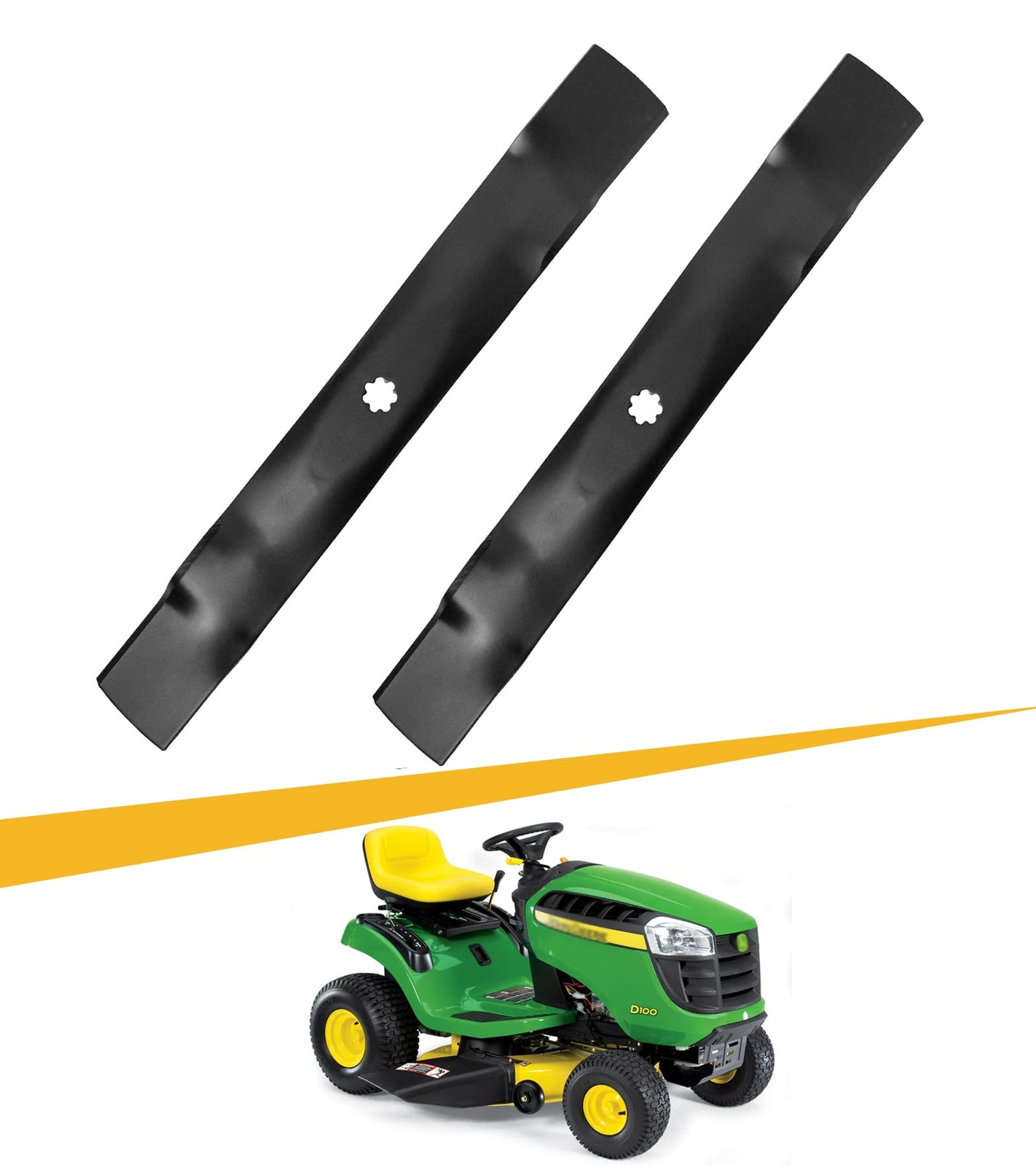
John Deere mower blades are not one-size-fits-all: the deck width, spindle type, and blade style (high-lift, mulching, or gator) must match your tractor's exact model and serial break. Buying the wrong length or center-hole pattern leads to poor cut quality, vibration, or deck damage — so confirm your deck size and blade mounting style before choosing a replacement set.

Buying guide image
Pools & Spas

Sand Pump

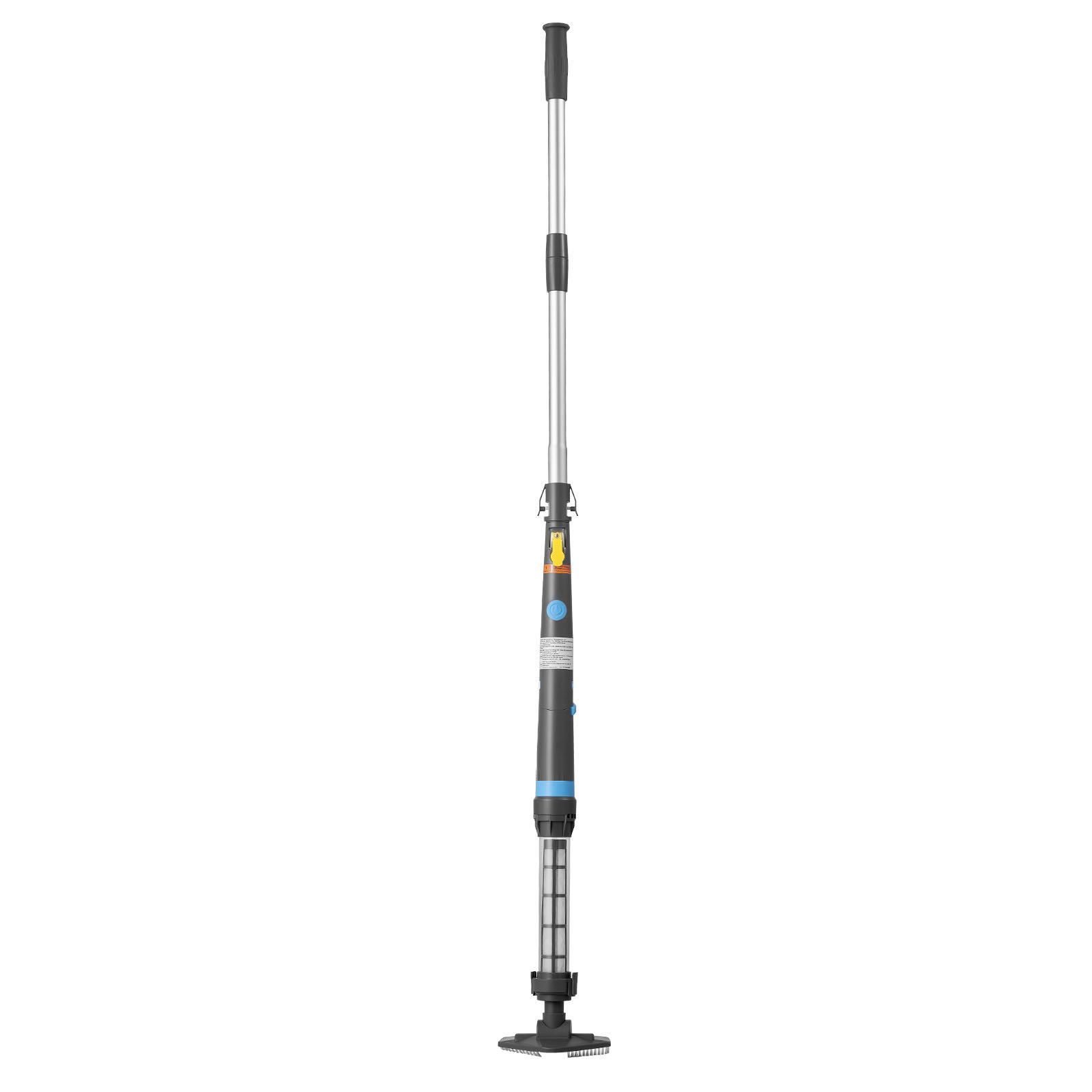
A sand pump for a pool is typically the sand filter system's pump—or a standalone pump paired with a sand filter—that circulates water through silica sand to trap debris. The core trade-off is pump motor type and head pressure versus filter tank and valve quality: a strong pump on a weak tank or undersized valve wastes energy and backwashes poorly. The decision rule: match flow rate to your pool volume and filter's design flow, and insist on a multi-port valve with a pressure gauge and a pump basket that seals properly.

Buying guide image
Residential Outdoor Power Equipment

Wood Splitter

A wood splitter is a hydraulic or electric machine that converts round logs into burn-ready firewood, and the core trade-off is force versus portability: gas models deliver high tonnage and cycle speed for high-volume work, while electric and manual units prioritize low maintenance and indoor/quiet operation. Buyers should match tonnage to log diameter and hardwood density, then confirm cycle time, wedge type, and power source against their actual annual cordage and site access.

Buying guide image
Chicken Fencing & Egg Handling

Hatching Chicken Egg

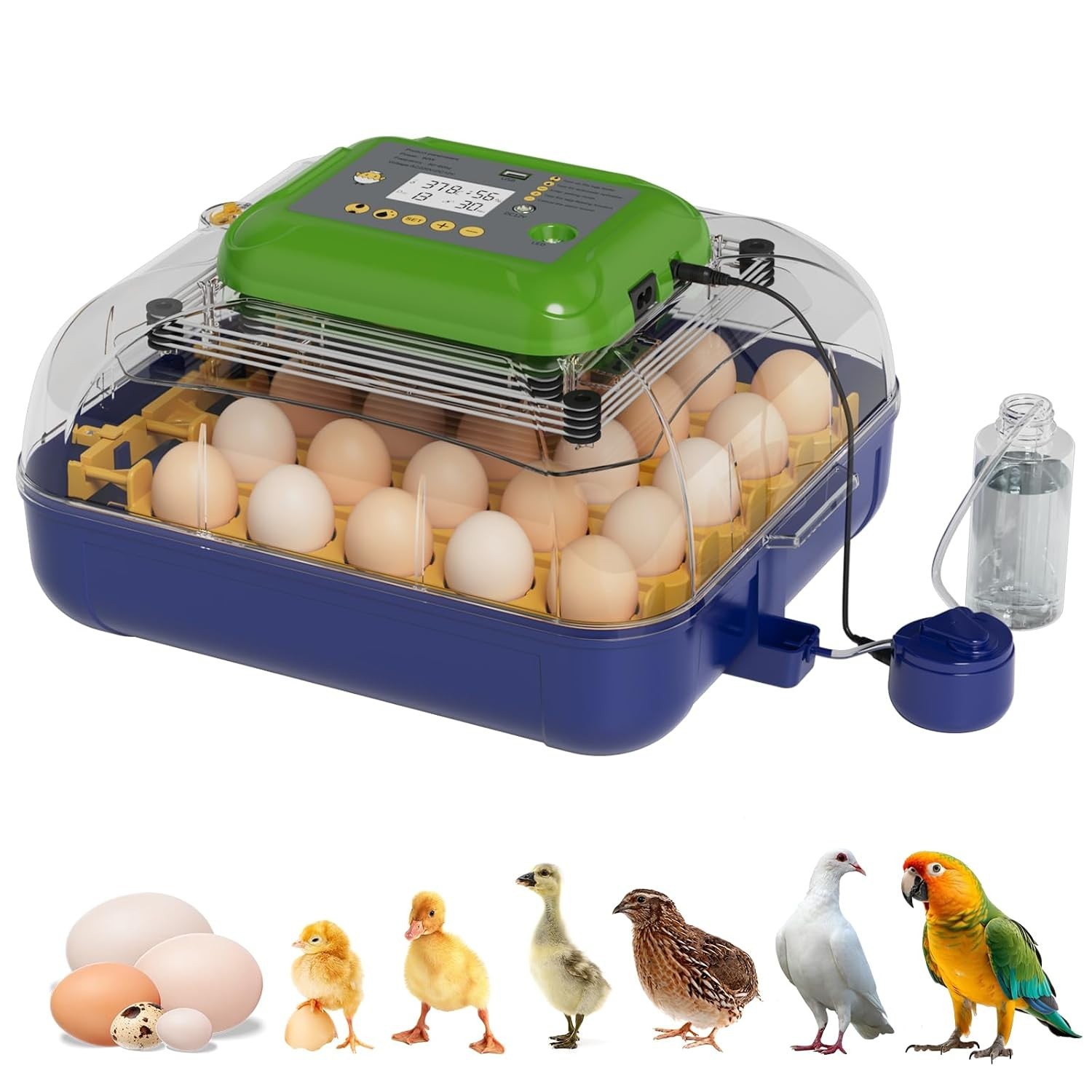
Hatching chicken eggs requires a calibrated incubator that holds 99.5-100°F and 45-55% humidity during incubation, then 65-75% for lockdown, with automatic turning or manual 4-6x daily rotation. The core trade-off is forced-air thermal stability and true humidity control versus cheap still-air units that swing in temperature. Buy a forced-air cabinet with a separate humidity tray and independent thermometer/hygrometer; skip any incubator without a fan or with only a single preset thermostat.

Buying guide image
Lawn Care

Replacement Mower Blade

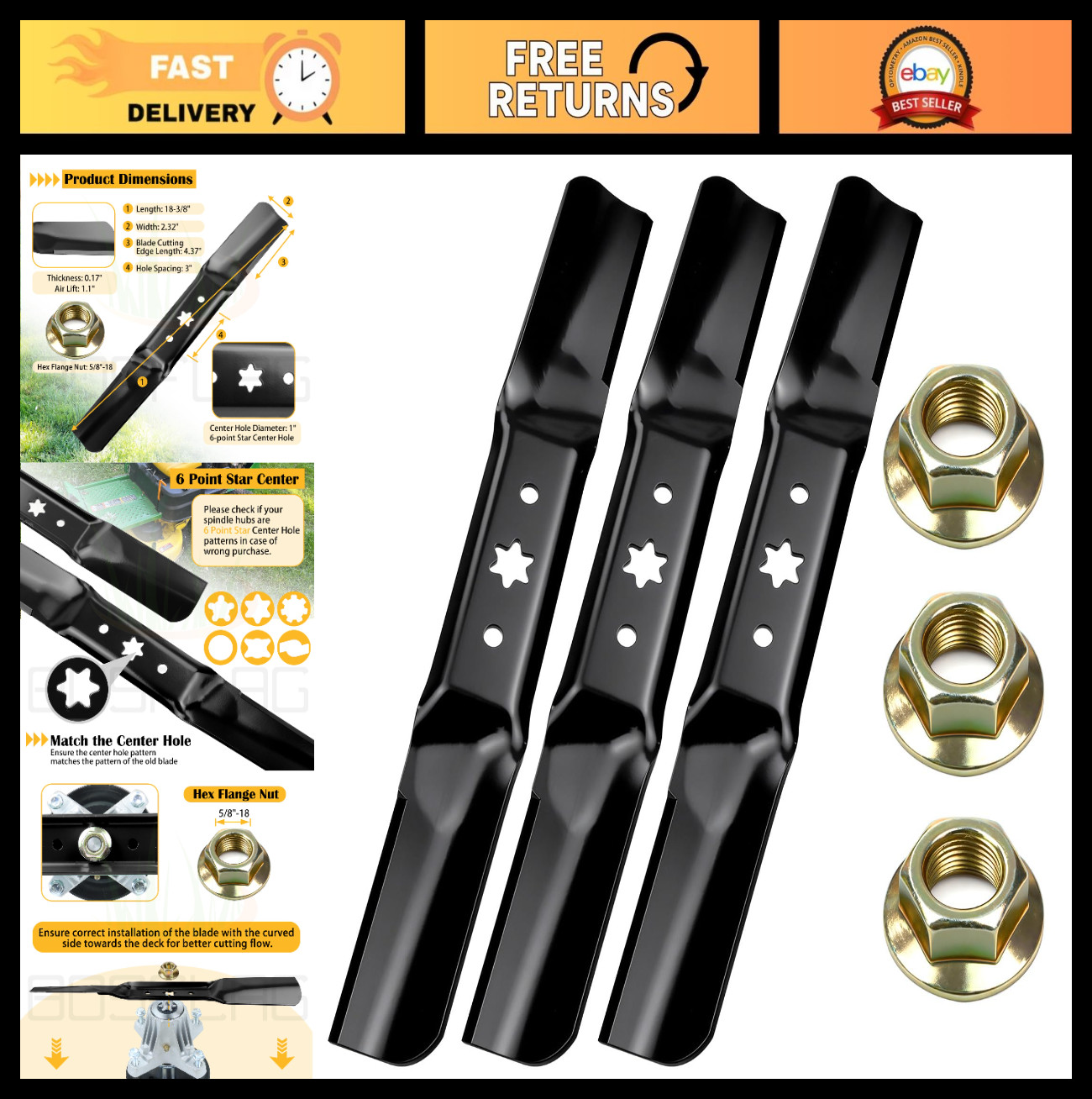
Replacement mower blades are the wear item that directly determines cut quality, engine load, and deck life. The core trade-off is between generic stamped-steel blades and heat-treated, balanced, OEM-spec or premium aftermarket blades that hold an edge without warping. The decision rule: match blade length, center-hole diameter, and offset or star pattern exactly to your deck spindle, then choose a hardened, balanced blade rated for your mower type rather than the cheapest stamping that fits.

Buying guide image
Outdoor Structures, Shade & Awnings

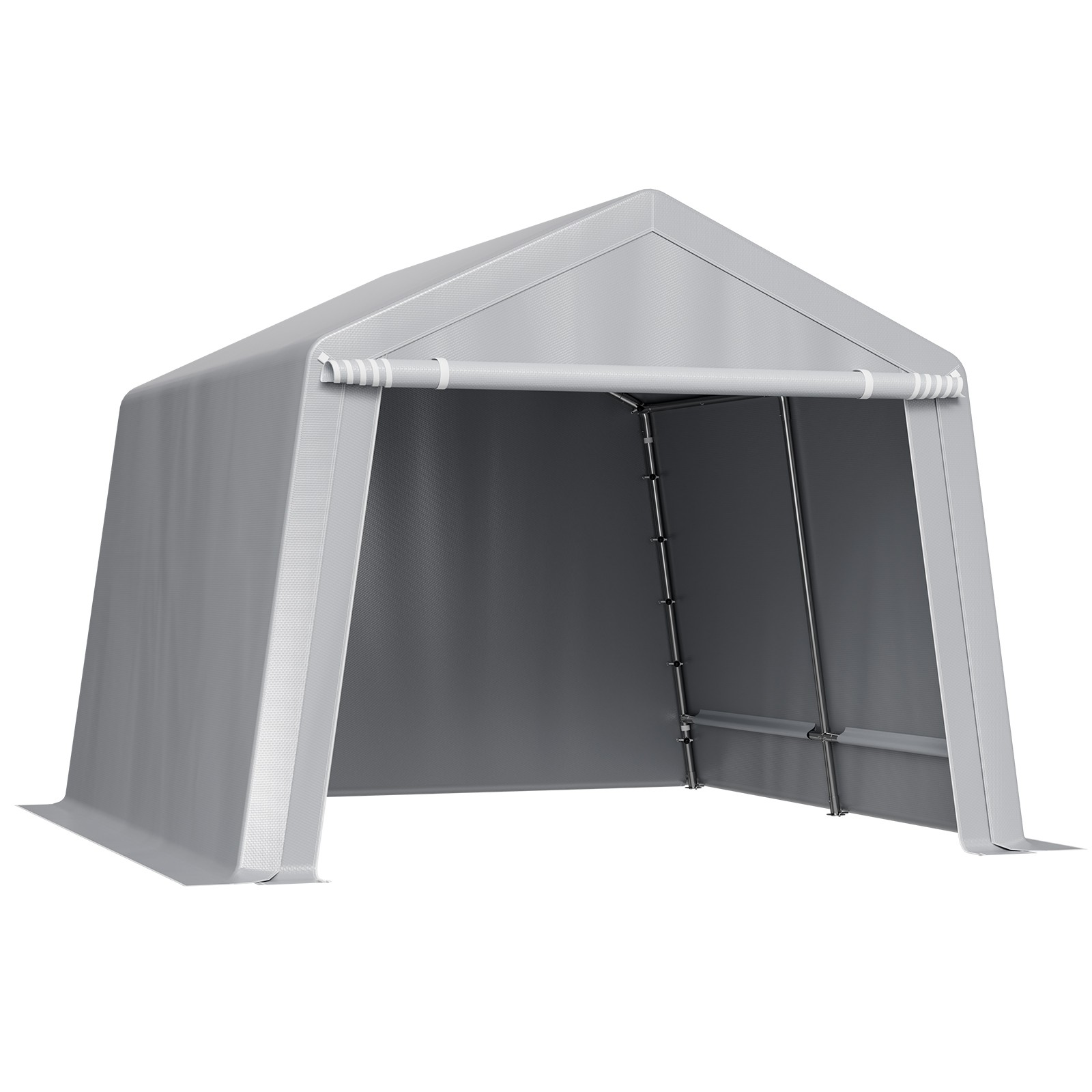
Carport And Shed

Carports and sheds are freestanding outdoor shelters that protect vehicles, equipment, or goods from weather, and the core trade-off is between a light-duty portable canopy (thin tarp, pop-up frame) and a permanent structure (galvanized steel frame, anchored footings). The decision rule: buy a canopy only for seasonal, light-duty coverage; buy a steel or engineered structure when wind/snow loads, year-round use, or security matter.

Buying guide image
Outdoor Structures, Shade & Awnings

Carport Shed

A carport shed is a freestanding or semi-enclosed canopy structure that protects vehicles, trailers, or outdoor equipment from sun, rain, and light snow without full walls. The core trade-off is frame steel gauge and canopy fabric grade versus price: light 0.8–1.2 mm tube frames with 160–200 GSM PE tarps are seasonal covers, while 1.5–2.0 mm galvanized steel frames with 240+ GSM ripstop PE or PVC-coated fabric are multi-year structures. The decision rule is simple: buy based on your local snow/wind load and anchoring surface, not the advertised footprint alone—undersized frames and thin tarps fail at the first storm or UV season.

Buying guide image
Raised Garden Beds & Planters

Small Plant Pot

Small plant pots (roughly 2–6 inches / 5–15 cm) are compact containers for succulents, herbs, seedlings, and desk plants, where the main trade-off is drainage and material porosity versus decorative sealed glazing. The decisive rule: buy pots with a true drainage hole and a matching saucer, and skip sealed decorative vessels unless you use a nested plastic nursery pot as a liner.

Buying guide image
Raised Garden Beds & Planters

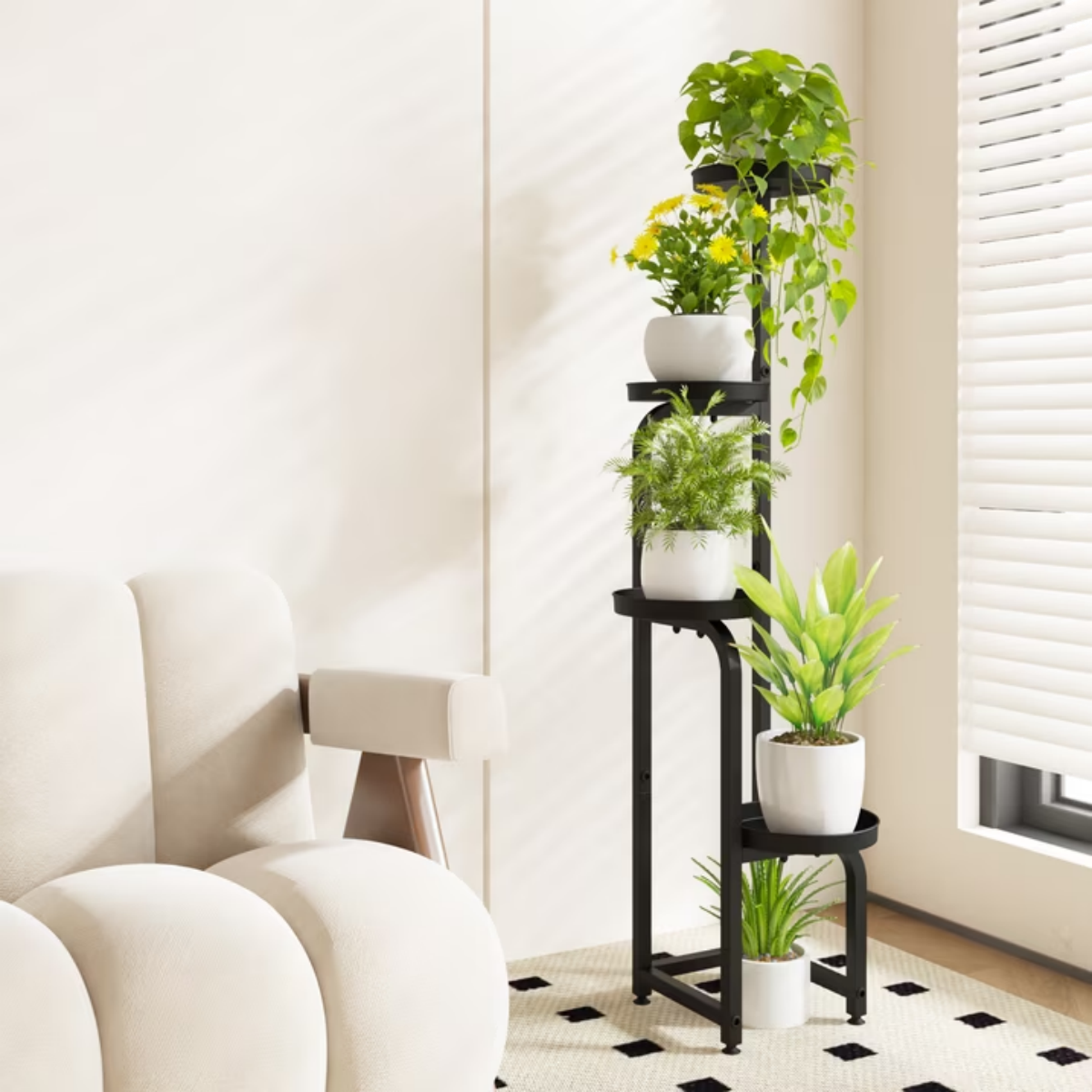
Tall Plant Stand

Tall plant stands are freestanding vertical shelving units or pedestals that lift pots off the floor to improve light exposure, save footprint, and display plants at eye level. The decisive trade-off is load capacity versus stability: thin-gauge tubular metal with small foot pads wobbles and dents under heavy ceramic pots, while heavier-gauge steel with cross-bracing and wide base feet holds multiple filled planters safely. Choose a braced, wide-footprint steel frame rated for wet pot weights; skip lightweight decorative wire stands if you grow in ceramic or self-watering containers.

Buying guide image
Garden Tools

Lawn Tractor

A lawn tractor is a ride-on machine with a horizontal-shaft engine driving a mid-mount or rear-discharge deck via belts, sized for lawns from roughly half an acre to several acres. The core trade-off is deck gauge and transmission type: stamped thin-gauge decks with lawn-only hydrostatic or manual gearboxes are disposable, while fabricated 10-gauge decks and shaft-drive or garden-duty transmissions are rebuildable. Buy a fabricated-deck tractor with a serviceable hydrostatic or shaft drive if you mow more than an acre or tow; skip lawn-only stamped decks for anything beyond flat residential turf.

Buying guide image
Residential Outdoor Power Equipment

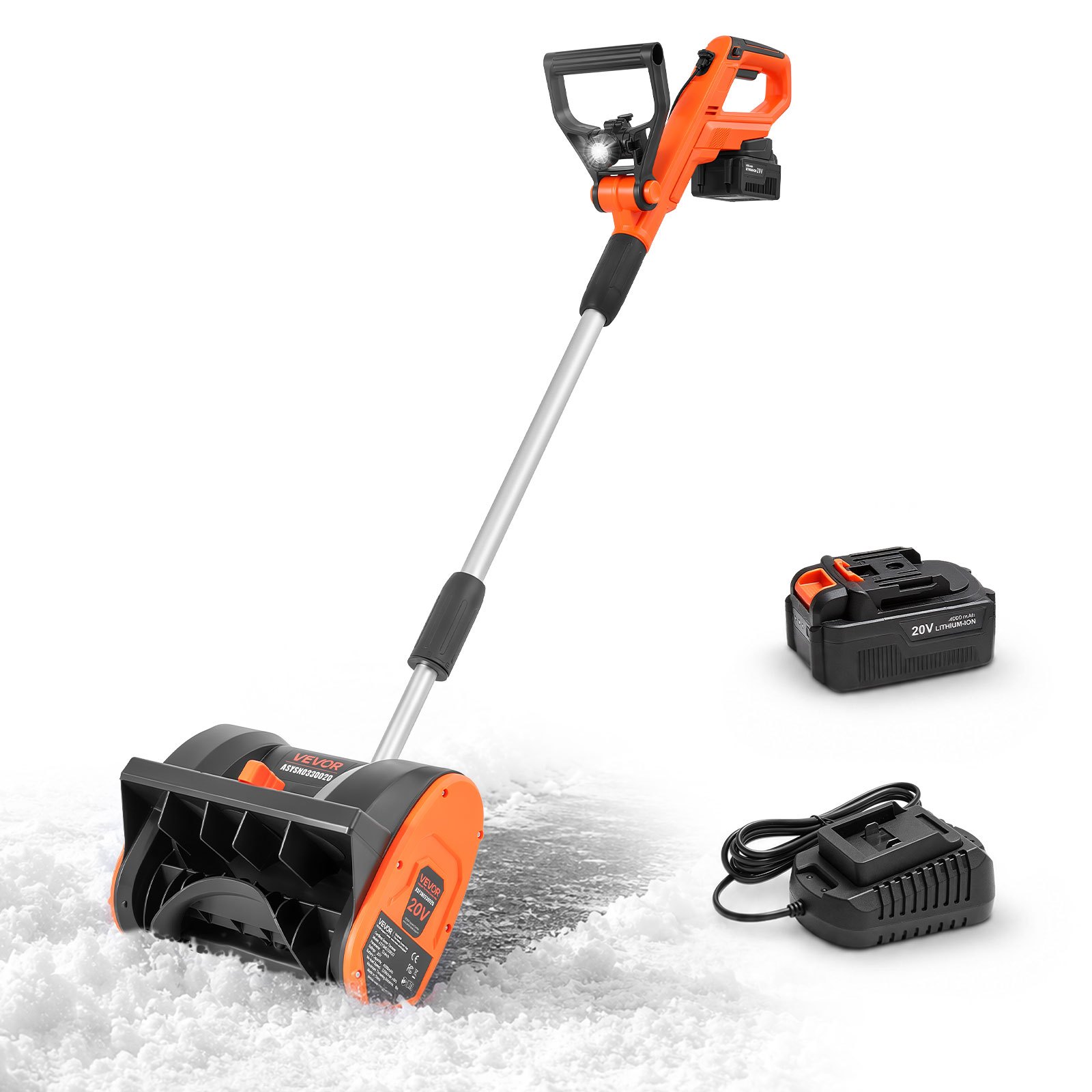
Cordless Electric Snow Shovel

A cordless electric snow shovel is a battery-powered, push-behind clearing tool that throws snow via a rotating auger and directional chute, eliminating gas and cord hazards. The core trade-off is battery platform voltage and capacity versus clearing width and throw distance: higher-voltage (40V/60V) systems move heavier snow faster, while 20V/24V single-battery units suit light, frequent passes. Choose a two-battery or high-voltage tier for driveways over 2-car lengths or wet snow; choose a compact single-battery tier only for decks, walkways, and powder under 6 inches.

Buying guide image
Bee Feeders & Mite Treatment

Bee Feeder

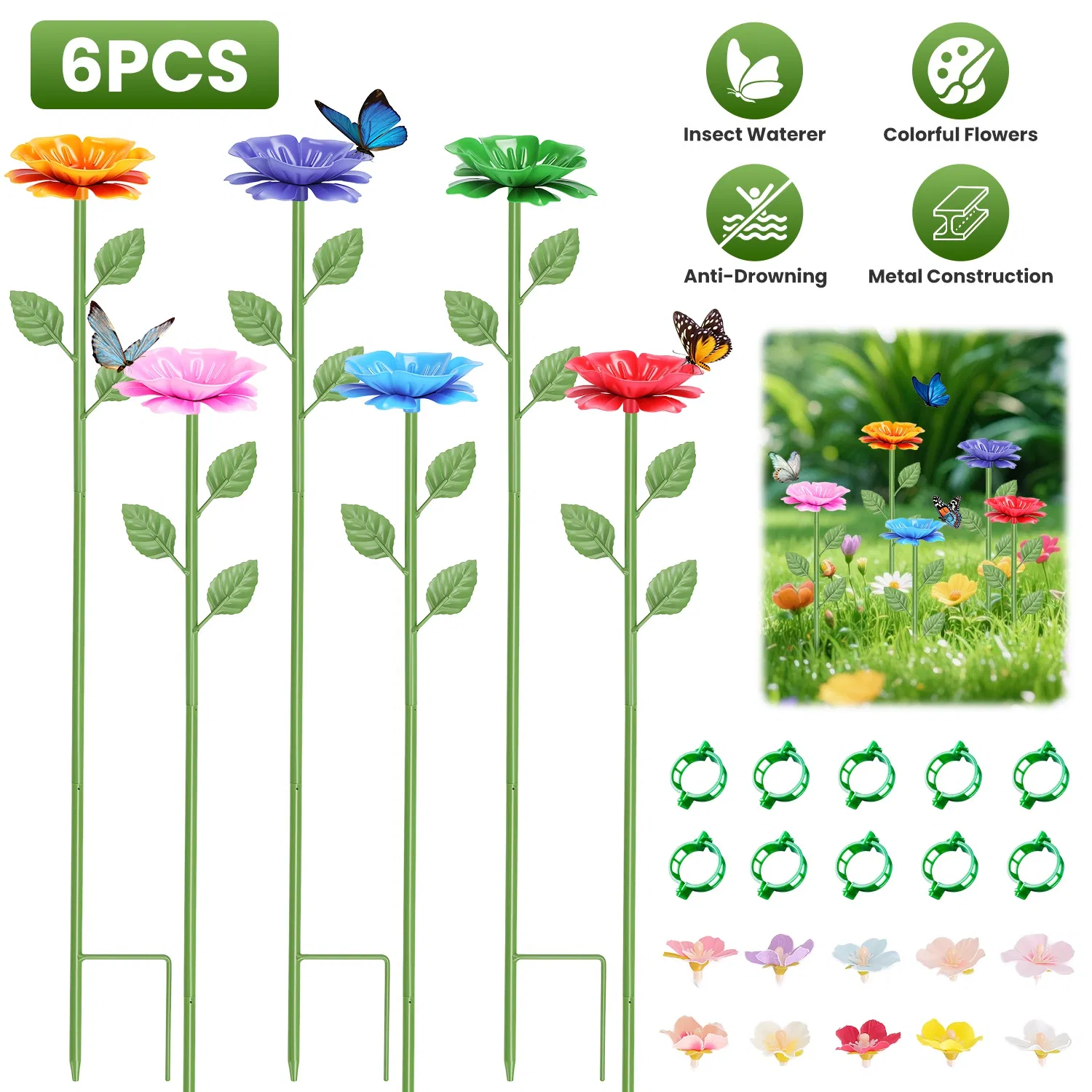
Bee feeders are supplemental nectar/syrup delivery systems—from in-hive frame feeders and top feeders to entrance and open-yard stations—used to sustain colonies during dearth or to support new package installs. The core trade-off is capacity and bee-access safety versus hive-space intrusion and drowning risk; entry-level open trays with exposed liquid are decorative pollinator stations, not colony-grade feeders. Buy a sealed, bee-safe feeder sized to the colony's daily draw if you need to build comb or carry a hive through a nectar gap; skip open water-station trays for actual feeding.

Buying guide image
Greenhouse & Hydroponics

Coconut Coir

Coconut coir is a renewable, pH-neutral growing medium milled from coconut husk fiber, sold as compressed bricks, loose bales, and buffered coco peat. The primary trade-off is between raw, unbuffered coir (cheap but sodium- and potassium-heavy) and pre-buffered, washed, low-EC coir that costs more but is immediately safe for sensitive seedlings and hydroponic dosing. The decision rule: choose buffered, rinsed coir with a stated low EC for hydroponics and seedlings, and accept raw unbuffered brick coir only for compost blending or salt-tolerant established plants.

You may also like

Finding more guides for you…