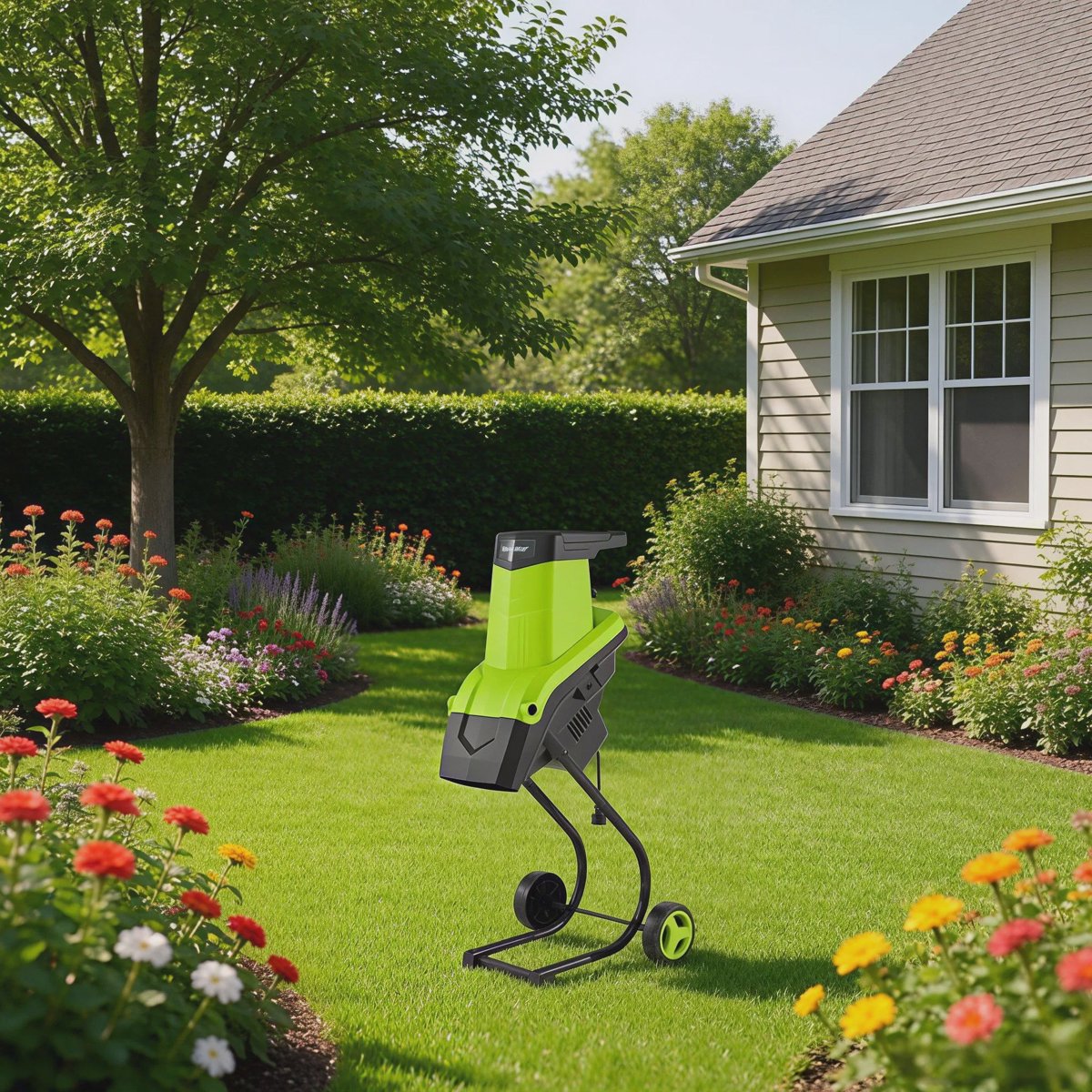

Photos from current listings. Actual item, color, and included accessories may vary.
Electric Wood Shredder Buying Guide
An electric wood shredder is a corded or battery-powered machine that reduces branches, twigs, and yard debris into mulch or compost using a rotating blade or flail system. The core trade-off is throughput versus portability: corded 15-amp units deliver sustained torque for thick branches but tether you to an outlet, while battery models trade raw power for freedom. Buy corded if you process more than a few bushels per session within 100 feet of power; buy battery only for light, mobile cleanup of twigs and leaves.
Key takeaways
- Cutting mechanism splits into two tiers: high-speed flywheel blades (clean cuts, jam-prone on green wood) versus reduction gears or flails (pulverize leaves and soft debris, slower on hardwood).
- Amperage drives real capacity: 15-amp corded motors sustain roughly 1.5–1.8 inch hardwood branches, while 12–13 amp units bog down above 1.25 inches and are best for vines and soft prunings.
- Battery shredders typically run 36V–80V platforms and deliver 20–40 minutes per charge; they suit twigs under 1 inch and leaf mulching, not continuous branch processing.
At a glance
- Category
- Residential Outdoor Power Equipment
- Last updated
- Nov 28, 2026
Current offers
Highlights
- Cutting mechanism splits into two tiers: high-speed flywheel blades (clean cuts, jam-prone on green wood) versus reduction gears or flails (pulverize leaves and soft debris, slower on hardwood).
- Amperage drives real capacity: 15-amp corded motors sustain roughly 1.5–1.8 inch hardwood branches, while 12–13 amp units bog down above 1.25 inches and are best for vines and soft prunings.
- Battery shredders typically run 36V–80V platforms and deliver 20–40 minutes per charge; they suit twigs under 1 inch and leaf mulching, not continuous branch processing.
- Feed systems matter: a straight chute handles branches fast but clogs on leafy material, while a dual-chute or funnel design lets you switch between limbs and loose yard waste without swapping parts.
Best use cases
- Best fit for corded 15-amp: suburban yards with 100-foot outlet access and seasonal branch cleanup up to 1.8 inches — pick a dual-chute model with a 2-bushel collection bag.
- Best fit for battery: small lots, community gardens, or remote plots where twig and leaf volume is under 1 inch and portability beats raw power — choose a model on a battery platform you already own.
- Wrong fit: gas-style expectations — electric shredders cannot process wet, fibrous palm fronds or continuous 2-inch hardwood; rent a gas chipper for storm debris or large limb drops.
- Wrong fit: all-day landscaping crews — corded units overheat on continuous 30-minute runs; commercial work needs a tow-behind gas chipper, not a residential electric shredder.
Buying tips
- Match amp rating to branch size: 15 amps for 1.5–1.8 inch hardwood, 12–13 amps for 1–1.25 inch soft prunings, and 8–10 amps only for leaves and vines.
- Check the reduction ratio if you plan to compost: a 10:1 or higher ratio produces finer mulch that breaks down faster, while 5:1 units leave coarse chips suited to path cover.
- Confirm the feed chute shape: a wide funnel handles leafy debris, a narrow branch chute prevents kickback on limbs — dual-chute designs cover both without tools.
- For battery models, stay on a 36V+ platform with at least a 4.0Ah pack; smaller packs cut runtime below 20 minutes and stress cells under load.
Specs
| Power Source | Corded 120V vs battery 36V–80V |
|---|---|
| Max Branch Capacity | 1.25–1.8 in hardwood (amp-dependent) |
| Cutting Mechanism | Flywheel blade vs reduction gear/flail |
| Reduction Ratio | 5:1 coarse chips to 10:1+ fine mulch |
Related searches
What to check before buying
- Measure your outlet distance: corded shredders need a 12–14 gauge extension cord within 100 feet; beyond that, voltage drop robs motor torque.
- Audit your debris mix: if more than half is leafy or wet, prioritize a flail or reduction-gear model over a blade flywheel to avoid clogging.
- Check your branch diameter honestly: measure the thickest routine pruning — buying a 1.8-inch-rated unit for 2.5-inch limbs guarantees jams and motor strain.
- Confirm disposal plan: a 2-bushel bag or bin fills in minutes; have a compost pile, garden bed, or yard waste bin ready before shredding.
FAQ
Data sources: eBay / Amazon listings and product attribute feeds. Updated Nov 28, 2026.
Some links on this page are affiliate links. If you buy after clicking one, we may earn a commission at no extra cost to you. This does not change which products appear here or their order. Affiliate disclosure.