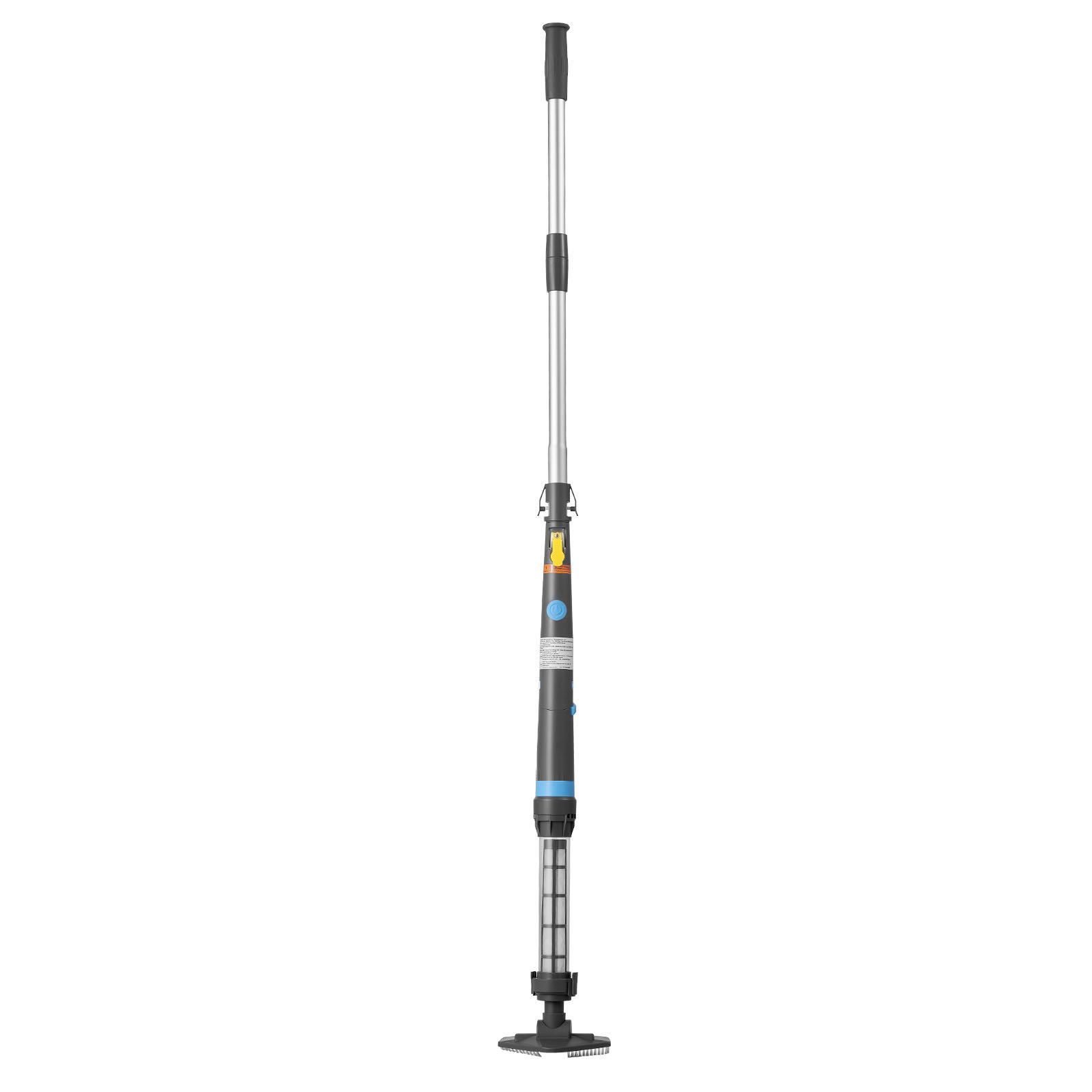

Photos from current listings. Actual item, color, and included accessories may vary.
In Ground Hot Tub Buying Guide
An in-ground hot tub is a permanently installed spa built into a deck, patio, or excavated pit, using either a cast-acrylic shell or a tiled gunite/concrete basin. The core trade-off is shell construction and insulation versus equipment and plumbing access: acrylic shells with full foam insulation hold heat efficiently and arrive pre-plumbed, while gunite/tile builds offer unlimited shape and durability but require engineered drainage, expansion joints, and on-site equipment rooms. The decision rule: buy a pre-plumbed acrylic shell with a rigid, insulated cabinet when you want predictable install and low heat loss; build gunite only when you have a structural engineer, a dedicated equipment pad, and a plan for tile maintenance.
Key takeaways
- Acrylic shell tubs use cross-linked PMMA that resists fading and chemical staining; gunite basins rely on waterline tile and plaster that need re-grouting and re-sealing every few years.
- Full-foam insulated acrylic shells cut standby heat loss dramatically versus hollow-cabinet tubs, which is critical for in-ground installs where the cabinet is buried or decked over.
- In-ground equipment must be rated for the actual head loss: pumps are sized by flow at a given total dynamic head, and buried plumbing adds elbows and distance that raise head well above above-ground setups.
At a glance
- Category
- Pools & Spas
- Last updated
- Nov 28, 2026
Current offers
Highlights
- Acrylic shell tubs use cross-linked PMMA that resists fading and chemical staining; gunite basins rely on waterline tile and plaster that need re-grouting and re-sealing every few years.
- Full-foam insulated acrylic shells cut standby heat loss dramatically versus hollow-cabinet tubs, which is critical for in-ground installs where the cabinet is buried or decked over.
- In-ground equipment must be rated for the actual head loss: pumps are sized by flow at a given total dynamic head, and buried plumbing adds elbows and distance that raise head well above above-ground setups.
- A hardwired 240V circuit with a GFCI breaker is required for any heater above roughly 1.5 kW; 120V plug-in heaters cap out near 1.5 kW and cannot maintain temperature in a large in-ground tub.
Best use cases
- Best fit: a pre-plumbed acrylic shell set into a timber or composite deck with a removable access hatch for the equipment bay—choose this for predictable install and easy pump service.
- Best fit: a gunite/tile basin poured during new patio construction—choose this only when the project includes a structural engineer, a dedicated drained equipment vault, and a tile maintenance budget.
- Wrong fit: dropping an above-ground inflatable or rotomolded tub into a hole and backfilling it—shells are not designed for soil pressure and will void warranties and crack; use a proper in-ground shell instead.
- Wrong fit: a plug-in 120V heater for a large in-ground tub in a cold climate—it cannot recover heat fast enough; specify a 240V hardwired heater with a dedicated GFCI circuit.
Buying tips
- Size the shell to your bather count: allow roughly 2 feet of linear seating per person and at least 6.5 feet of interior length for a full lounge; undersized shells force awkward footwells and poor jet coverage.
- Match pump flow to plumbing: 1.5-inch lines handle about 40-50 GPM comfortably, 2-inch lines about 80-100 GPM; oversizing a pump on small lines causes cavitation and noise without adding jet pressure.
- Specify insulation grade: full-foam shells with a sealed cabinet outperform hollow-cabinet tubs in standby heat loss, which matters most for in-ground installs where the cabinet is buried and cannot shed heat.
- For gunite builds, require a waterline tile with a frost-resistant rating and a plaster or aggregate finish suited to your water chemistry; standard plaster re-surfaces roughly every 7-10 years.
Specs
| Shell Construction | Acrylic PMMA vs Gunite/Tile |
|---|---|
| Insulation | Full foam vs hollow cabinet |
| Electrical Supply | 240V hardwired GFCI vs 120V plug-in |
| Plumbing Size | 1.5 in (~40-50 GPM) vs 2 in (~80-100 GPM) |
Related searches
What to check before buying
- Confirm the excavated pit dimensions include the shell plus a 6-12 inch gravel and drainage layer, and that the deck framing leaves a removable access panel at least 24 inches wide over the equipment.
- Verify the electrical plan: a dedicated 240V circuit with a GFCI breaker within sight of the equipment, sized to the heater and pump nameplate amperage, plus a bonded grounding grid per local code.
- Check the shell's structural rating for burial depth—acrylic shells need a leveled, compacted base and cannot be backfilled against the cabinet without the manufacturer's specified support.
- Confirm local frost depth and drainage: in-ground tubs in cold climates need the plumbing below the frost line or a drained, insulated equipment vault to prevent freeze damage.
FAQ
Data sources: eBay / Amazon listings and product attribute feeds. Updated Nov 28, 2026.
Some links on this page are affiliate links. If you buy after clicking one, we may earn a commission at no extra cost to you. This does not change which products appear here or their order. Affiliate disclosure.