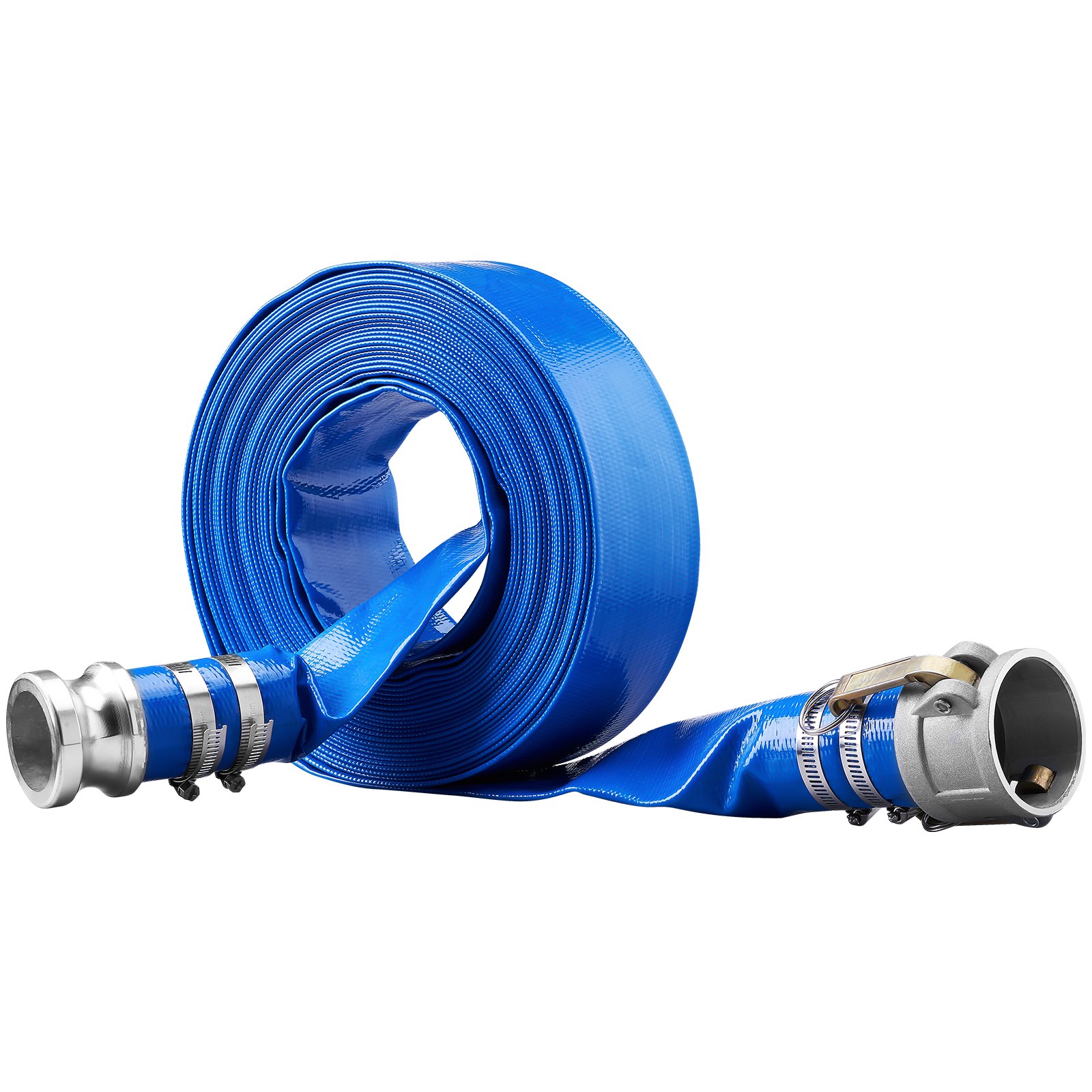

Photos from current listings. Actual item, color, and included accessories may vary.
Sand Pump Buying Guide
A sand pump for a pool is typically the sand filter system's pump—or a standalone pump paired with a sand filter—that circulates water through silica sand to trap debris. The core trade-off is pump motor type and head pressure versus filter tank and valve quality: a strong pump on a weak tank or undersized valve wastes energy and backwashes poorly. The decision rule: match flow rate to your pool volume and filter's design flow, and insist on a multi-port valve with a pressure gauge and a pump basket that seals properly.
Key takeaways
- Above-ground systems use self-priming pumps with 1–1.5 HP motors and 1.5-inch plumbing; in-ground pumps step up to 1.5–2.5 HP with 2-inch plumbing for higher head pressure.
- Single-speed motors run at one flow rate and are cheapest; two-speed and variable-speed pumps cut energy use substantially at low speed and extend filter runs.
- Sand filters are rated by design flow (GPM) and sand charge (lbs); a 200-lb sand filter typically handles about 40–50 GPM, while a 300-lb unit handles roughly 60–70 GPM.
At a glance
- Category
- Pools & Spas
- Last updated
- Nov 28, 2026
Current offers
Highlights
- Above-ground systems use self-priming pumps with 1–1.5 HP motors and 1.5-inch plumbing; in-ground pumps step up to 1.5–2.5 HP with 2-inch plumbing for higher head pressure.
- Single-speed motors run at one flow rate and are cheapest; two-speed and variable-speed pumps cut energy use substantially at low speed and extend filter runs.
- Sand filters are rated by design flow (GPM) and sand charge (lbs); a 200-lb sand filter typically handles about 40–50 GPM, while a 300-lb unit handles roughly 60–70 GPM.
- A 6-position multi-port valve (filter, backwash, rinse, waste, recirculate, closed) with a pressure gauge is the minimum control standard; 4-position valves omit rinse or waste functions.
Best use cases
- Best fit: above-ground pools up to about 15,000 gallons with a 1–1.5 HP self-priming pump and 1.5-inch hoses; skip 2-inch in-ground pumps that will overpower small filters.
- Best fit: in-ground pools with a 1.5–2 HP pump paired to a 300-lb sand filter and 2-inch plumbing; skip 1 HP pumps if your filter is rated above 50 GPM.
- Best fit: energy-conscious owners choosing a two-speed or variable-speed pump for long, low-speed filtration; skip single-speed only if electricity cost or noise matters.
- Wrong fit: using a sand pump as a standalone debris vacuum without a filter tank or strainer basket—sand pumps push water, they do not capture leaves on their own.
Buying tips
- Size the pump to the filter's design flow: a 200-lb sand filter tops out near 45 GPM, so a 2 HP pump will exceed it and channel sand unless flow is throttled.
- Use the 8-hour turnover rule: gallons ÷ 8 = required GPM; a 12,000-gallon pool needs about 25 GPM, easily met by a 1 HP pump with a 200-lb filter.
- Match plumbing diameter to pump ports: 1.5-inch for above-ground and up to 1.5 HP; 2-inch for in-ground and pumps above 1.5 HP to avoid friction head loss.
- Choose a pump with a large, easy-clean strainer basket and a clear lid; a small basket clogs quickly and starves the pump, reducing suction and motor life.
Specs
| Motor Type | Single / Two-speed / Variable-speed |
|---|---|
| Pump Sizing | 1-1.5 HP above-ground; 1.5-2.5 HP in-ground |
| Plumbing Port Size | 1.5 in above-ground; 2 in in-ground |
| Valve Type | 4- or 6-position multi-port with gauge |
Related searches
What to check before buying
- Measure pool volume (average length × width × depth × 7.5 for rectangular gallons) and confirm the pump/filter GPM covers an 8-hour turnover.
- Check the filter tank's sand charge and design flow rating; the pump's GPM at operating head must not exceed it.
- Confirm electrical supply: above-ground pumps typically use 115V with a standard plug; in-ground pumps may be 230V and require a dedicated circuit.
- Verify plumbing compatibility—hose adapters for above-ground or PVC unions for in-ground—and that the multi-port valve matches the tank's port spacing.
FAQ
Data sources: eBay / Amazon listings and product attribute feeds. Updated Nov 28, 2026.
Some links on this page are affiliate links. If you buy after clicking one, we may earn a commission at no extra cost to you. This does not change which products appear here or their order. Affiliate disclosure.