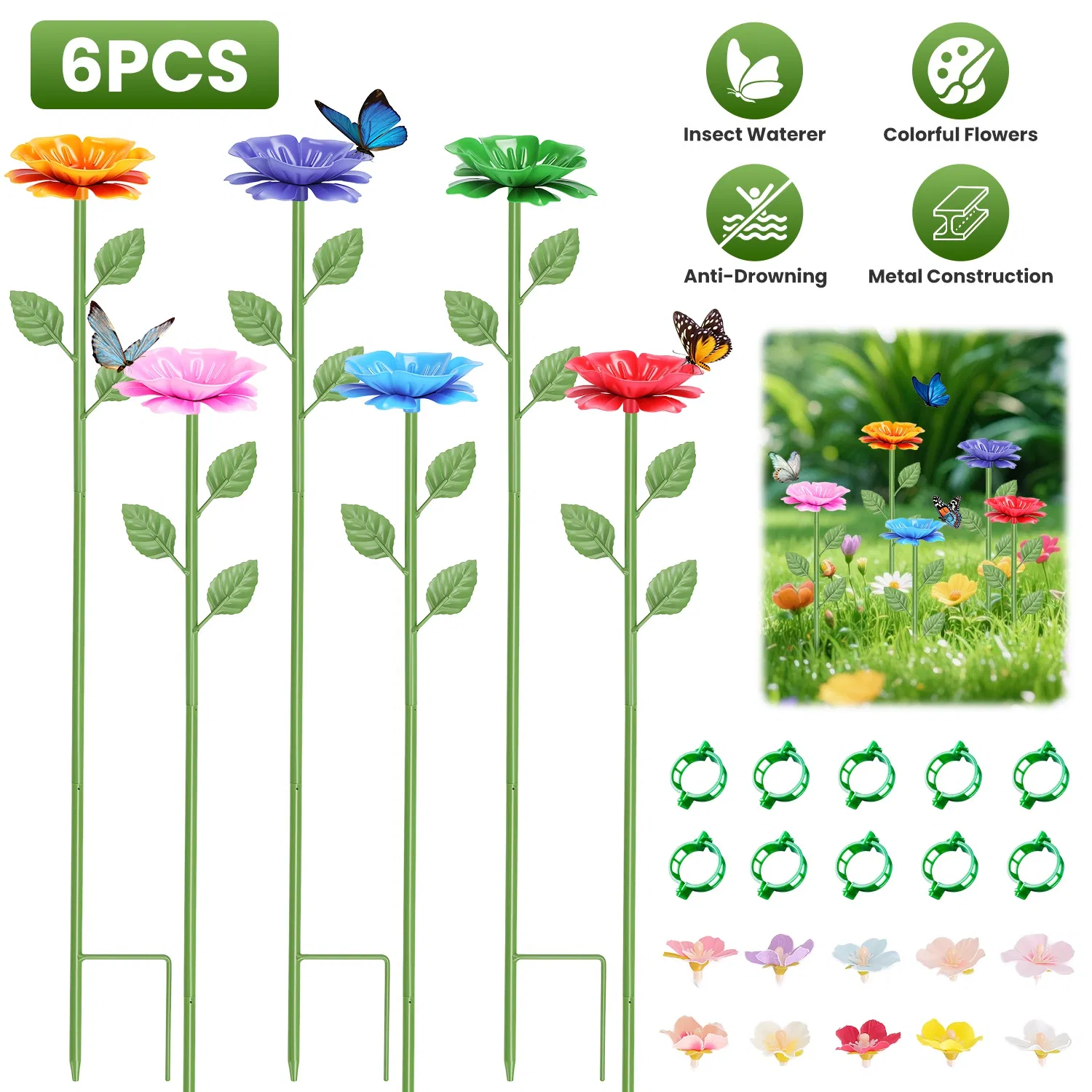

Photos from current listings. Actual item, color, and included accessories may vary.
Bee Feeder Buying Guide
Bee feeders are supplemental nectar/syrup delivery systems—from in-hive frame feeders and top feeders to entrance and open-yard stations—used to sustain colonies during dearth or to support new package installs. The core trade-off is capacity and bee-access safety versus hive-space intrusion and drowning risk; entry-level open trays with exposed liquid are decorative pollinator stations, not colony-grade feeders. Buy a sealed, bee-safe feeder sized to the colony's daily draw if you need to build comb or carry a hive through a nectar gap; skip open water-station trays for actual feeding.
Key takeaways
- Feeders split into four architectures: in-hive frame feeders (replace a frame, 1–2 gal), top feeders (hive-top box, 1–4 gal), entrance feeders (jar inverted at the door, 1 qt–1 gal), and open-yard stations (tray with floats or artificial flowers).
- Drowning prevention is a construction feature: molded ladders, textured ramps, floating rafts, or mesh screens let bees climb out; smooth open trays cause mass drowning and should be treated as water stations only.
- Capacity math: a strong colony can consume 1–2 qt of 1:1 syrup per day during comb-building; a 1-gal feeder needs refilling every 1–2 days in spring, while a 4-gal top feeder buys roughly a week.
At a glance
- Category
- Bee Feeders & Mite Treatment
- Last updated
- Nov 23, 2026
Current offers
Highlights
- Feeders split into four architectures: in-hive frame feeders (replace a frame, 1–2 gal), top feeders (hive-top box, 1–4 gal), entrance feeders (jar inverted at the door, 1 qt–1 gal), and open-yard stations (tray with floats or artificial flowers).
- Drowning prevention is a construction feature: molded ladders, textured ramps, floating rafts, or mesh screens let bees climb out; smooth open trays cause mass drowning and should be treated as water stations only.
- Capacity math: a strong colony can consume 1–2 qt of 1:1 syrup per day during comb-building; a 1-gal feeder needs refilling every 1–2 days in spring, while a 4-gal top feeder buys roughly a week.
- Material grade matters: food-grade HDPE or polypropylene resists UV and syrup acids; thin commodity plastic warps and cracks within a season, and untreated metal entrance feeders corrode at the syrup line.
Best use cases
- Spring package or nuc install building comb: choose an in-hive frame feeder (1–2 gal) for warmth and fast uptake, or a top feeder if you want to refill without opening the brood box.
- Winter/death-of-nectar-gap feeding in a full hive: pick a hive-top or inner-cover feeder that holds 2–4 gal and keeps syrup above the cluster; skip entrance jars that chill and leak.
- Weak hive or robbing pressure: use an entrance feeder with a reduced entrance or an internal feeder only—open-yard trays trigger robbing and attract wasps.
- Pollinator garden watering/butterfly station: the 6-pack metal stake stations with artificial flowers fit this use, but they are not colony feeders and should not be counted as syrup capacity for a honey bee hive.
Buying tips
- Match capacity to colony strength: 1-gal frame feeder for a 5-frame nuc, 2–4 gal top feeder for a double-deep colony; refilling every 1–2 days is the practical ceiling for weak hives.
- Prefer feeders with molded bee ladders or a float plus a screened access cone; exposed syrup surface without climb-out structure is a drowning design regardless of price.
- For entrance feeders, confirm the jar mouth thread matches standard Mason/Mayo jar sizes (70 mm or 63 mm) so replacement jars seat without leaks.
- Choose UV-stabilized food-grade plastic over thin styrene or untreated sheet metal; syrup is acidic and thin walls warp, crack, and leak within one season.
Specs
| Feeder Type | Frame / Top / Entrance / Open-yard |
|---|---|
| Capacity Tier | 1 qt–1 gal / 2–4 gal |
| Anti-Drown Design | Ladders / Float / Mesh screen |
| Material Grade | Food-grade HDPE vs thin styrene |
Related searches
What to check before buying
- Measure your hive body: frame feeders need the deep or medium box interior width (roughly 18¼ in) and displace 1–2 frames; top feeders need a hive-top footprint that clears the inner cover and roof.
- Confirm bee space at the feeder interface: any gap wider than ⅜ in invites burr comb and robbing; feeders should seat flush with frames or the inner cover.
- Check climate and placement: syrup ferments above roughly 80°F and freezes below 32°F, so top feeders need shade in summer and insulation or removal in hard freeze.
- For open-yard pollinator stations, verify stake height and base weight against wind and lawn-mower clearance; these are water/mineral stations, not syrup feeders, and should be placed away from hive entrances.
FAQ
Data sources: eBay / Amazon listings and product attribute feeds. Updated Nov 23, 2026.
Some links on this page are affiliate links. If you buy after clicking one, we may earn a commission at no extra cost to you. This does not change which products appear here or their order. Affiliate disclosure.