GardenPulse Guide

GardenPulse Guide

Garden, Yard & Outdoor Living Reviews & Buying Guides

Compare garden, yard & outdoor living by use case, features, trade-offs, price, returns, and seller terms before you buy.

Buying guides

Buying guide image
Chicken Coops & Runs

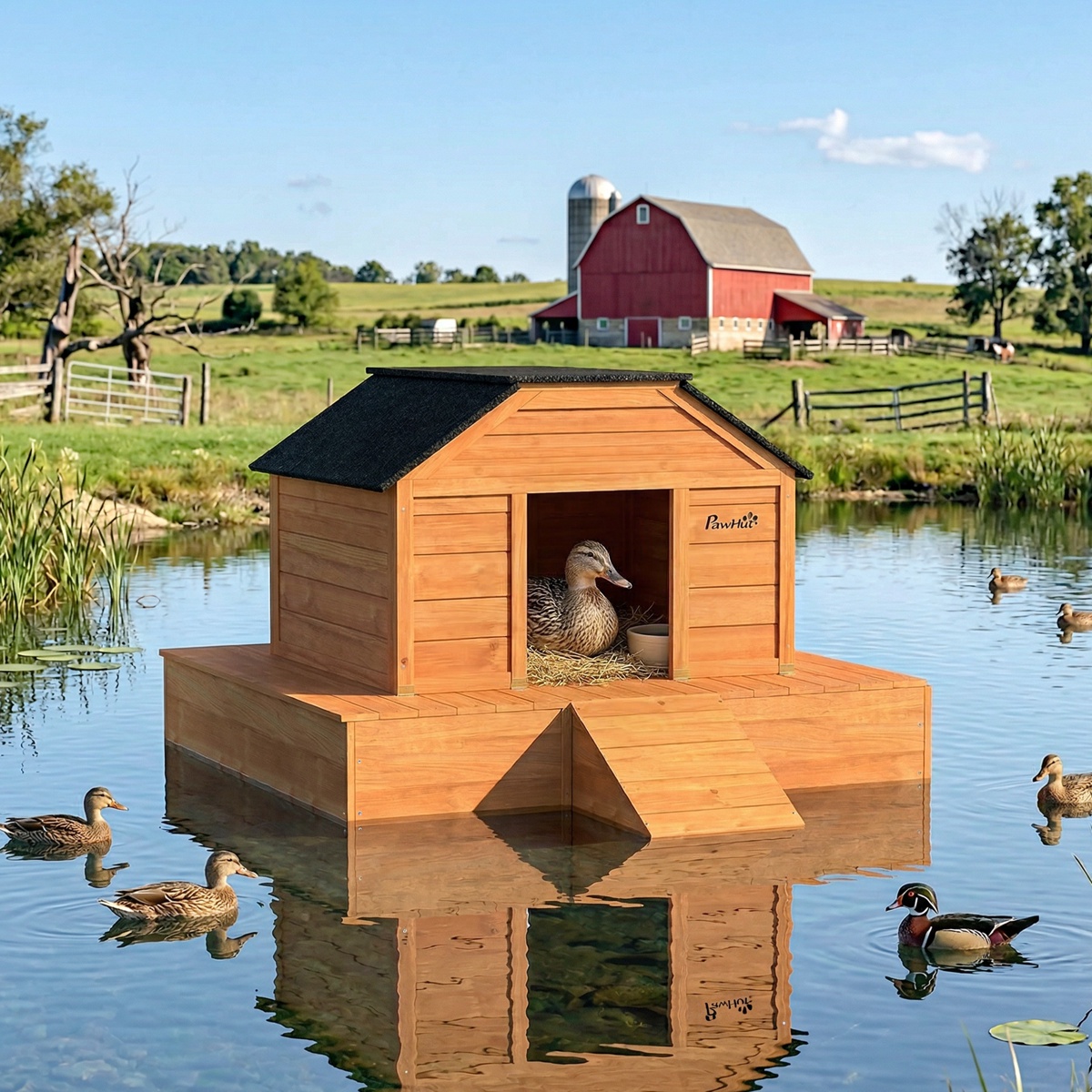
Small Duck Coop

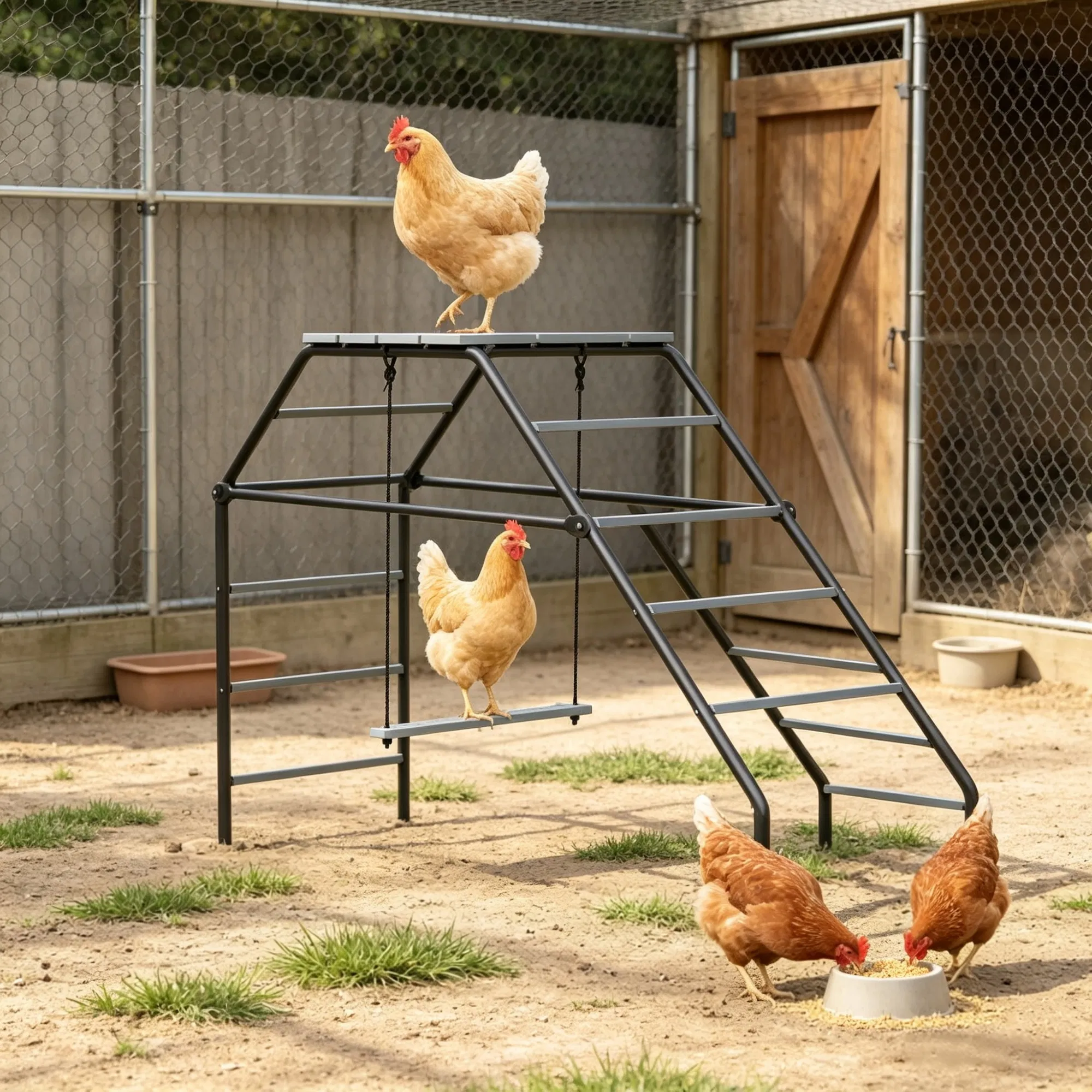
A small duck coop is a dedicated night shelter and nesting structure sized for 2–6 ducks, distinguished from chicken coops by wider floor area, ground-level nesting, and ventilation placed above head height to manage high moisture. The core trade-off is predator-grade construction and real ventilation versus thin, prefab 'duck-ready' boxes that rust or suffocate birds. Buy any coop whose footprint meets 4 sq ft per duck of interior floor, uses 14-gauge or thicker welded wire, and has a full roof plus high-and-low vents—skip anything with chicken-style elevated nest boxes or 1-inch mesh.

Buying guide image
Outdoor Lighting & Decor

Spring Yard Decor

Spring yard decor spans metal garden stakes, sculptural ornaments, and solar wind chimes designed to add color and motion to lawns, pathways, and patios. The primary trade-off is weather resistance versus visual impact: powder-coated steel and IP-rated solar components survive seasons, while thin stamped metal and unsealed electronics fade or fail within months. Choose powder-coated metal with welded joints and IPX4+ solar for multi-season use; skip bare or painted-only metal and unrated electronics.

Buying guide image
Lawn Care

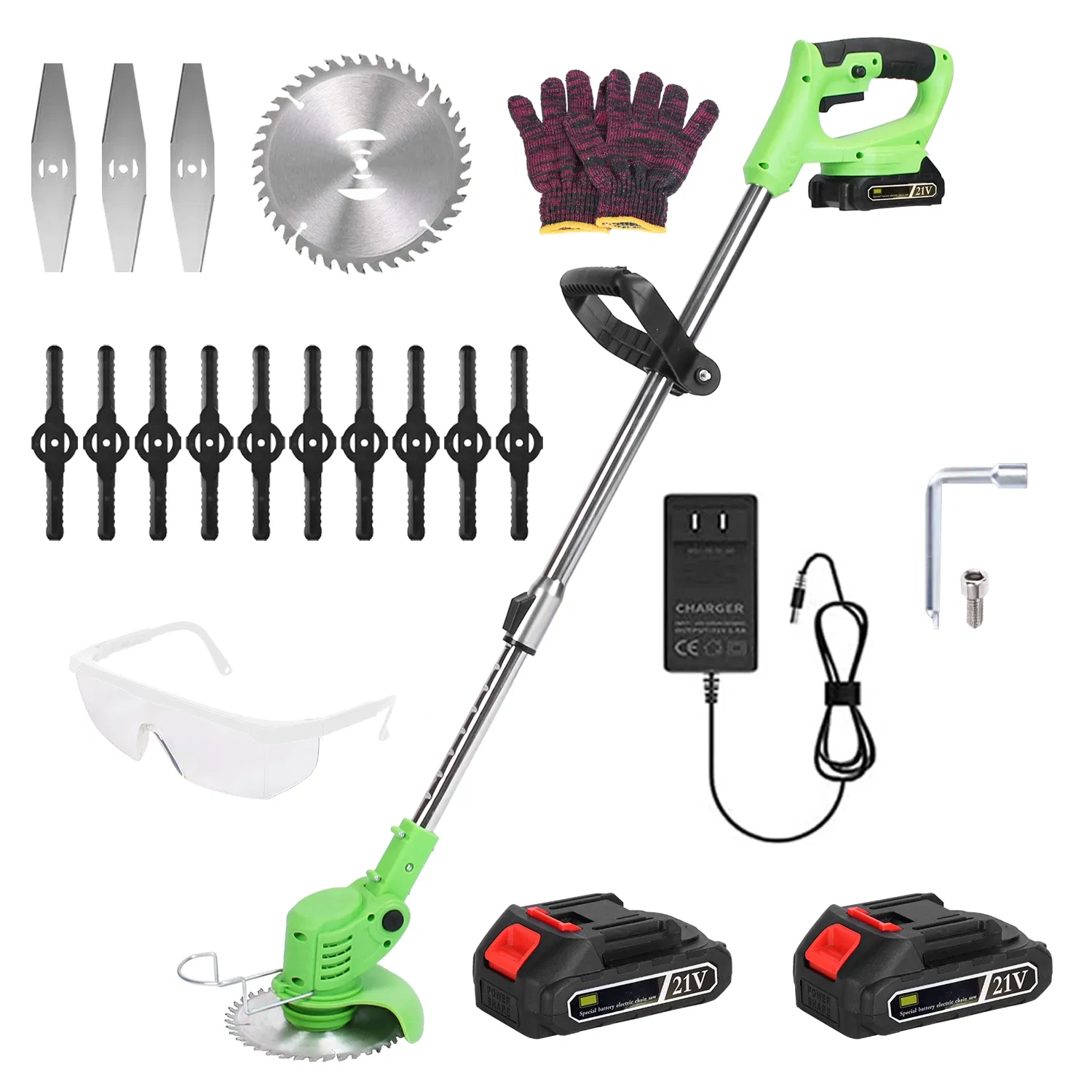
Battery Grass Trimmer

Battery grass trimmers replace gas and corded string trimmers for light-to-medium lawn maintenance, with the primary trade-off being voltage/platform ecosystem versus cutting swath and runtime. Durable options use brushless motors, at least 18V lithium-ion packs, and a 12-15 inch swath; compromises use brushed motors, sub-12-inch swaths, and proprietary low-capacity cells.

Buying guide image
Lawn Care

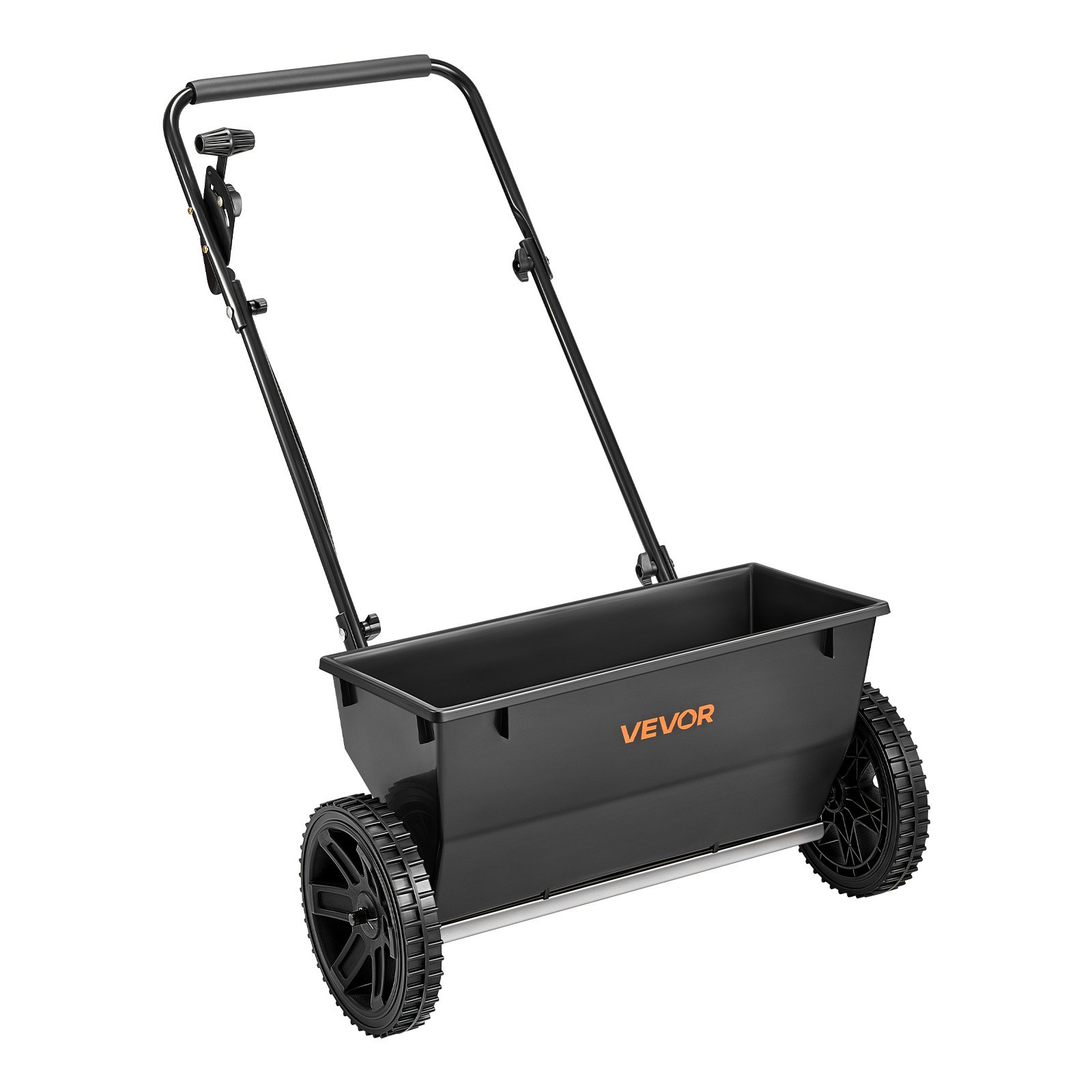
Drop Spreader

A drop spreader is a walk-behind lawn tool that meters granular products through a bottom gate, delivering a precise, straight-edged band directly beneath the hopper instead of a broadcast fan. The core trade-off is precision versus coverage speed: drop spreaders eliminate drift onto beds and walkways but require more passes than broadcast spreaders. Choose a drop spreader when edge accuracy and calibrated application matter; skip it if you are fertilizing large open turf quickly and accept overlap variability.

Buying guide image
Lawn Care

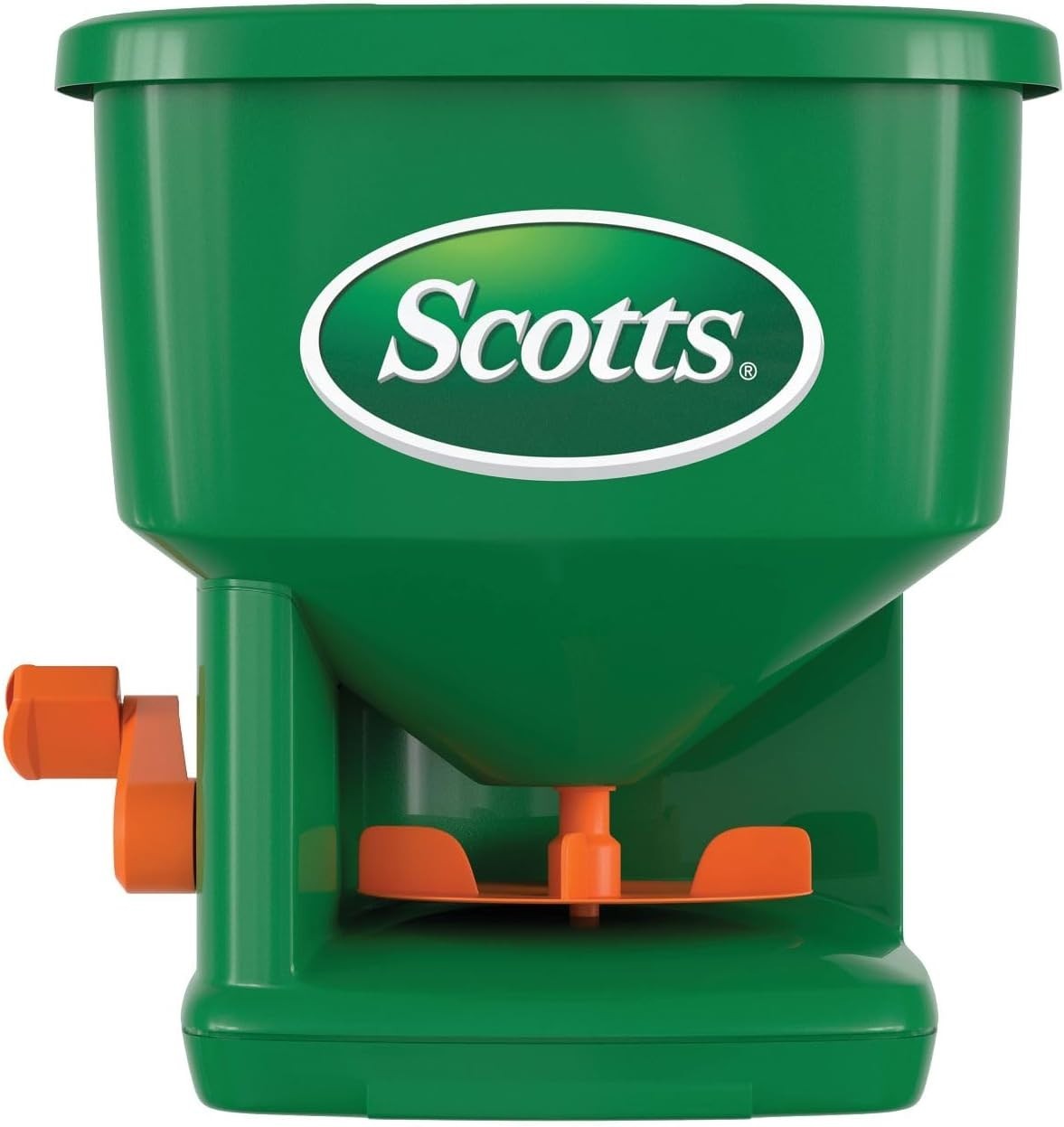
Hand Seed Spreader

A hand seed spreader is a manual broadcast spreader for small lawns, patch repairs, and tight beds where a push spreader is overkill. The core trade-off is between a rotary crank (even coverage, faster) and a drop/shake design (simple, cheaper, narrower); durable units use sealed gearboxes, UV-stable hoppers, and adjustable rate gates, while compromises rely on exposed friction drives and brittle plastic collars.

Buying guide image
Greenhouse & Hydroponics

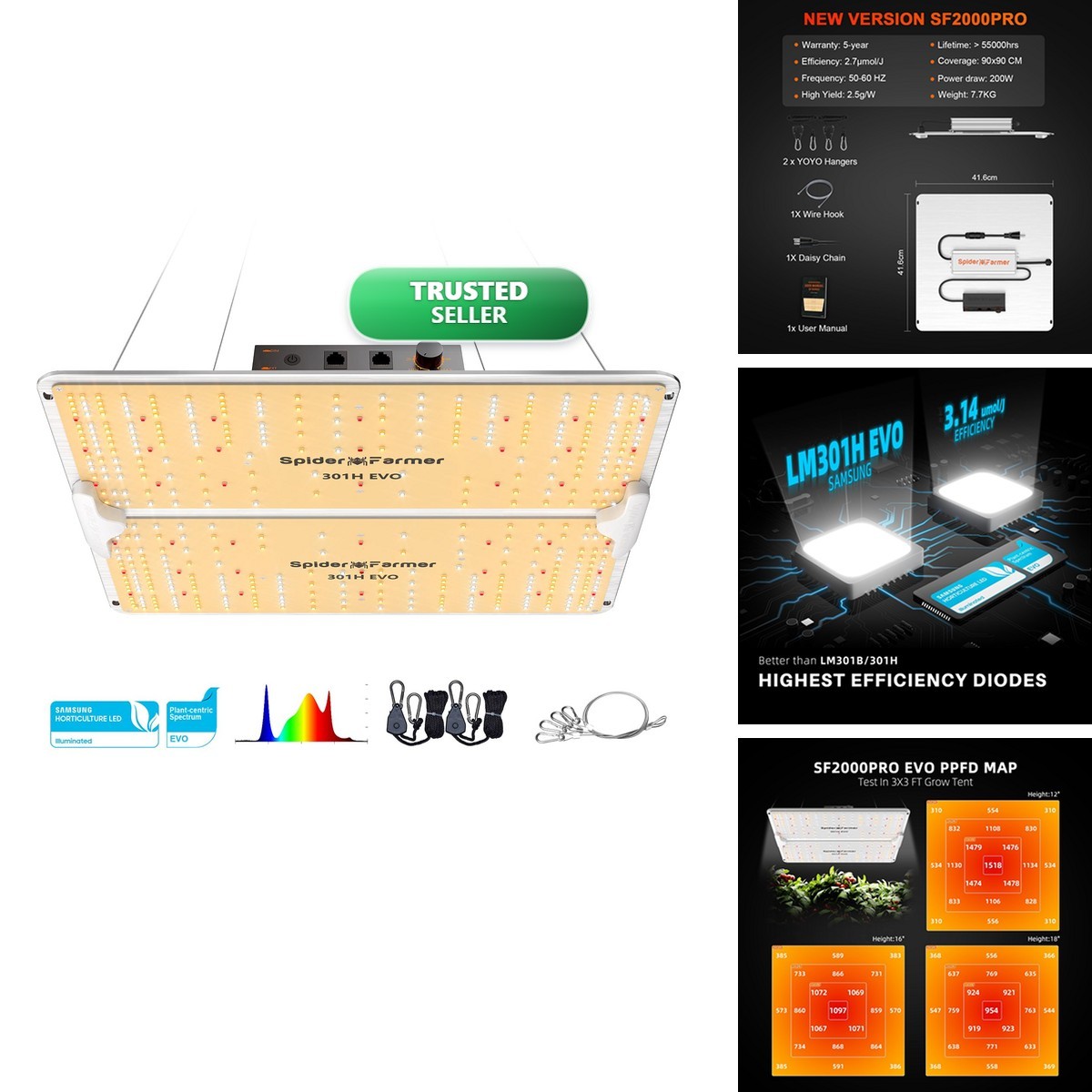
3x3 Grow Tent Kit

A 3x3 grow tent kit is a matched set of a 36x36x72-inch reflective enclosure, full-spectrum LED, ventilation fan/filter, and light-hanger hardware for indoor cultivation. The core trade-off is upfront component quality versus kit convenience: bargain bundles often skimp on inline fan static pressure, tent zipper durability, and true wattage. The decision rule is to verify that each included component independently meets your climate and yield targets—if any single item is a no-name downgrade, buy the tent and light separately.

Buying guide image
Chicken Coops & Runs

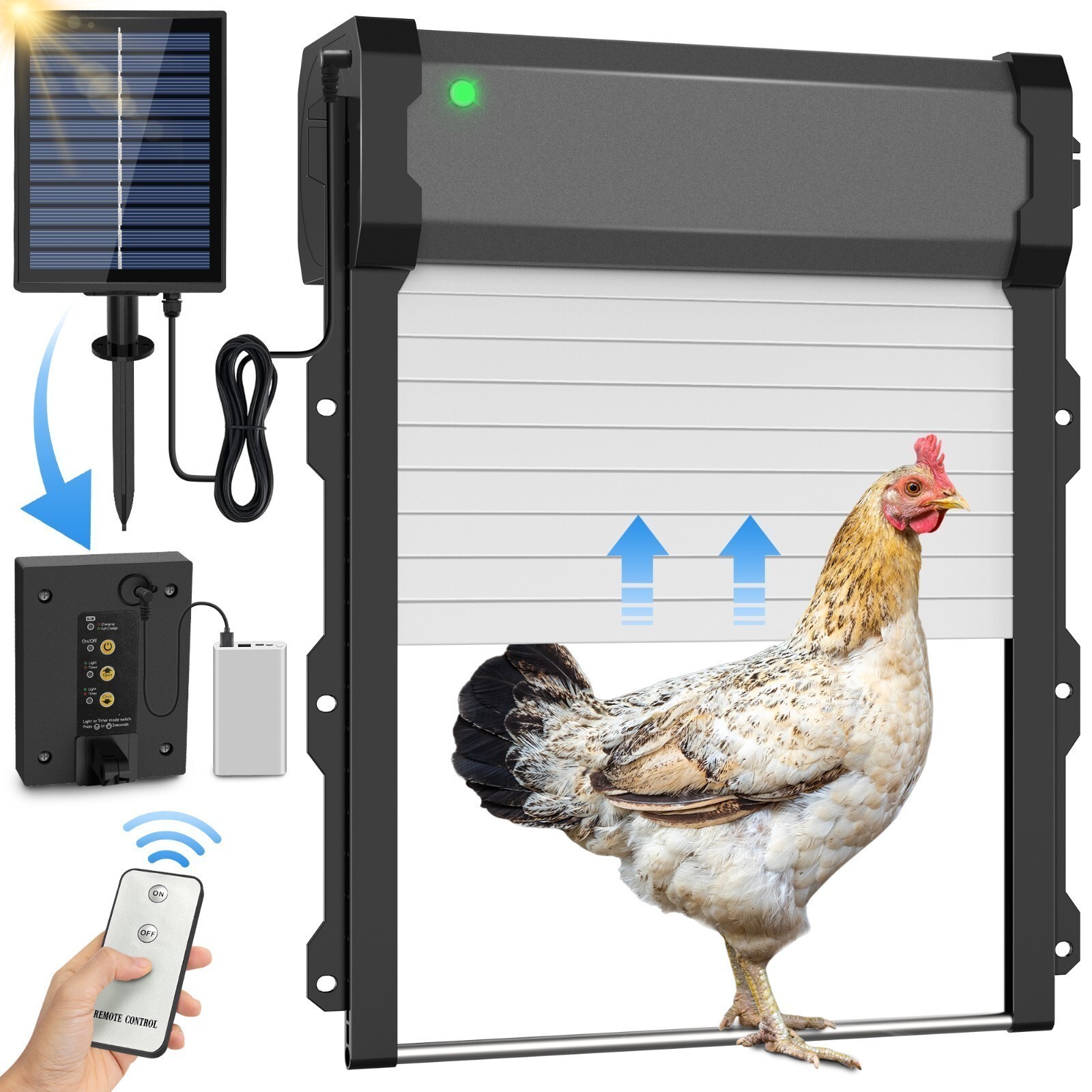
Auto Chicken Coop

Automatic chicken coop doors remove the daily chore of opening and closing the pop hole, but reliability hinges on the opener mechanism, power source, and fit to your existing coop. Buyers often overlook door weight, track alignment, and predator resistance, leading to jams or failed closes. Focus on motor type, power redundancy, and mounting compatibility rather than cosmetic features.

Buying guide image
Chicken Coops & Runs

Brooder Chicken Coop

A brooder chicken coop is a small, controlled-environment enclosure for chicks from hatch until they are fully feathered and ready for the main coop. The core trade-off is between precise heat and draft control for young birds versus durable, easy-clean construction that survives daily bedding changes. Choose a brooder with adjustable overhead heat, secure wire mesh, and a solid floor; skip any unit that relies on fixed heat or open-bottom designs.

Buying guide image
Chicken Feeders & Waterers

Smart Chicken Feeder

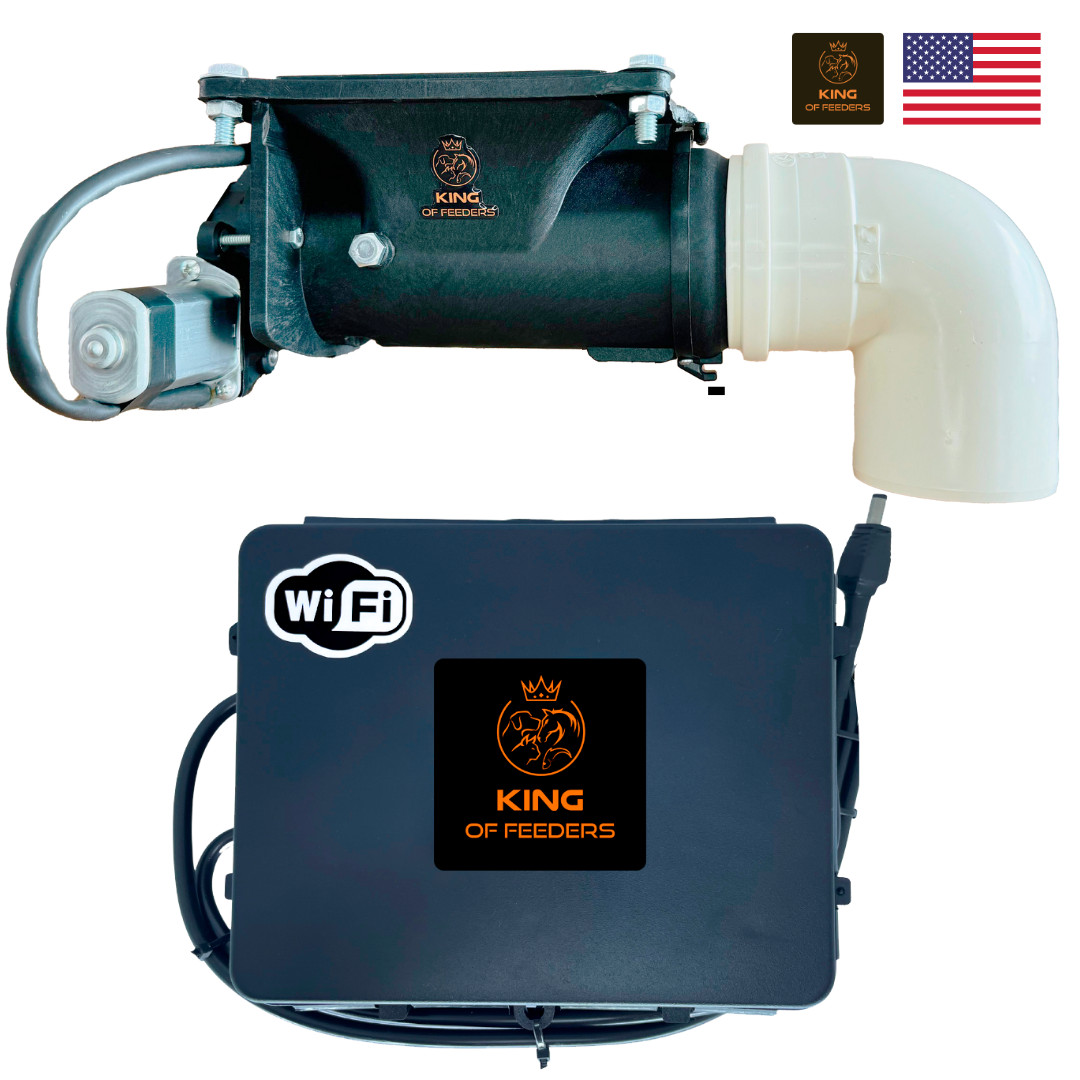
Smart chicken feeders add app-controlled or sensor-triggered portioning to a coop, trading simple gravity bins for automated schedules and predator-resistant doors. The key trade-off is between moisture-proof mechanical simplicity and electronic convenience: cheap sensor flaps fail in humid coops, while robust units use sealed augers, capacitive sensors, and low-voltage DC motors. Buy a smart feeder only if you need timed portions or remote monitoring; otherwise a treadle or gravity feeder is more durable for the same capacity.

Buying guide image
Residential Outdoor Power Equipment

Gas Chipper Shredder

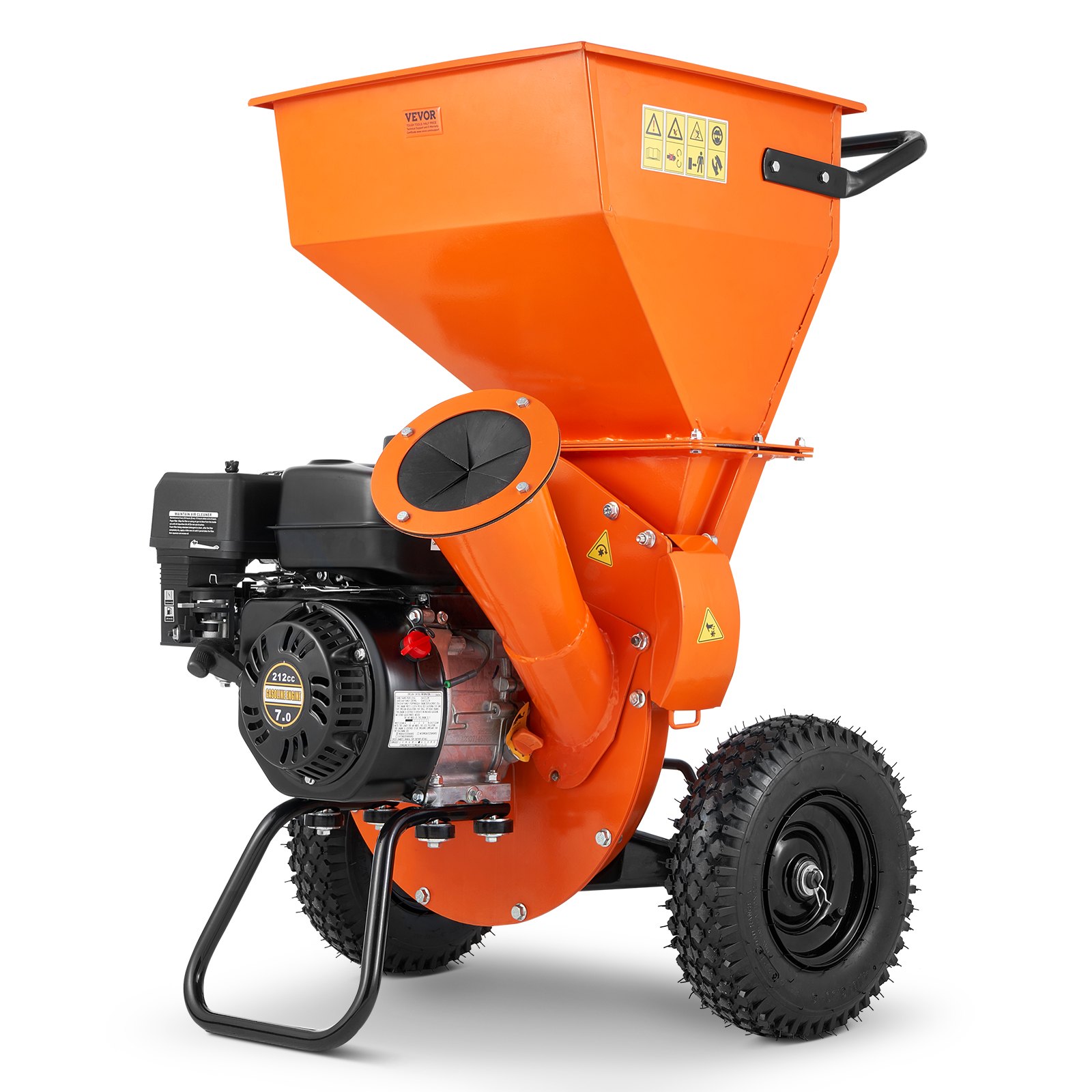
Gas chipper shredders earn their place when you have a steady supply of branches and yard debris that would otherwise go to the curb or a burn pile. The real decision comes down to chipping capacity, feed system, and engine displacement—not the marketing horsepower number. Most buyers either oversize for occasional twig cleanup or undersize for regular 3-inch limb duty.

Buying guide image
Residential Outdoor Power Equipment

Mulching Blade

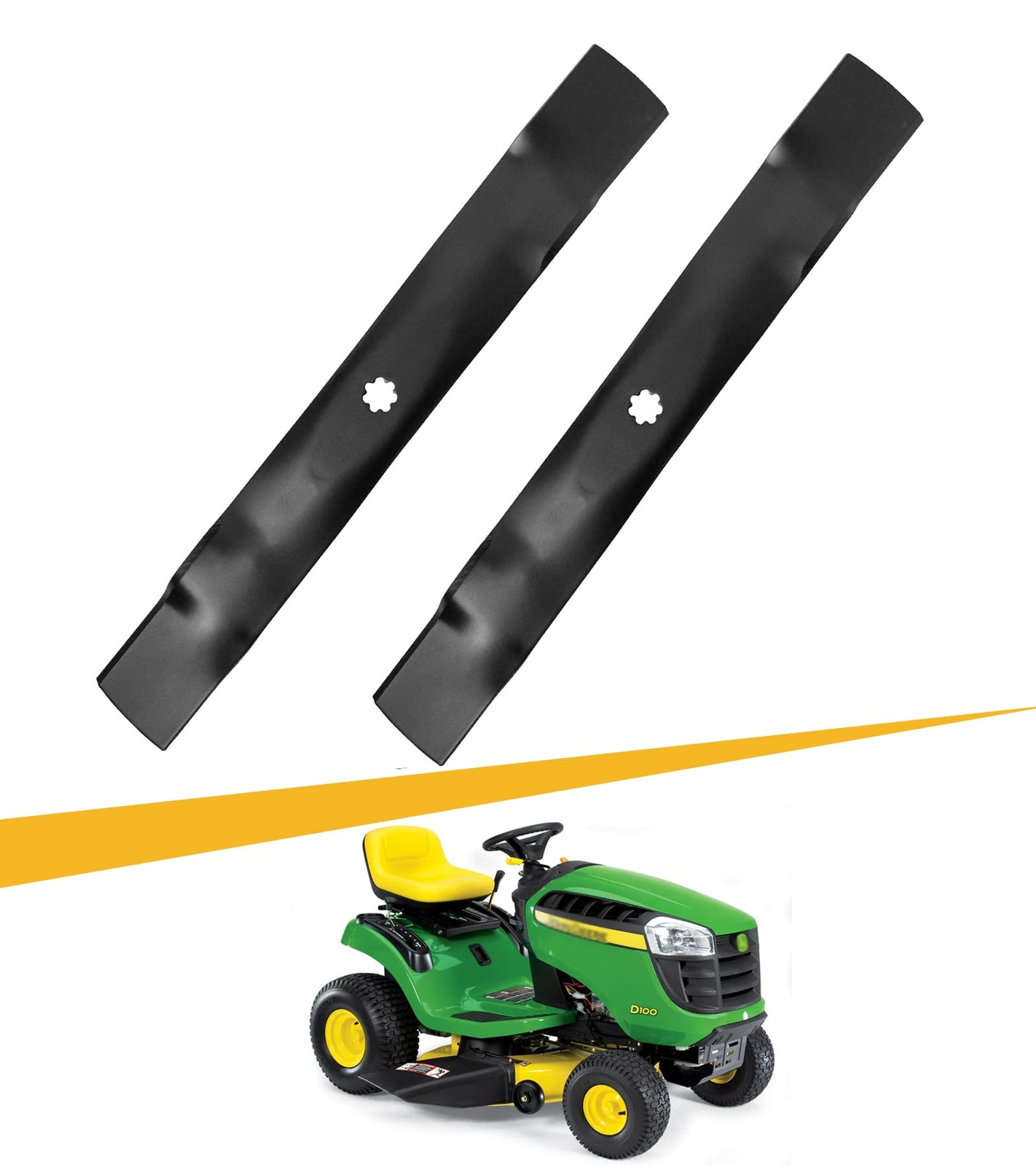
A mulching blade is not a universal upgrade: deck geometry, spindle configuration, and blade length must match your mower exactly or you get poor lift, uneven cut, or vibration. Buyers often focus on cutting width while ignoring center-hole diameter, blade offset (straight vs. stepped), and whether their deck is a dedicated mulching model or a side-discharge unit that needs a mulch kit.

Buying guide image
Residential Outdoor Power Equipment

Replacement Blade

A replacement blade is the single highest-leverage wear part on a walk-behind or riding mower, and getting the right one hinges on blade length, center-hole pattern, and lift style rather than brand name alone. Buyers often grab a blade that physically mounts but has the wrong offset or airfoil, causing uneven cut, excessive vibration, or premature spindle wear. Measure your existing blade and deck first—Troy-Bilt and other residential decks use several distinct blade families that are not interchangeable.

Buying guide image
Watering & Irrigation

Heavy Duty Wall Mount Hose Holder

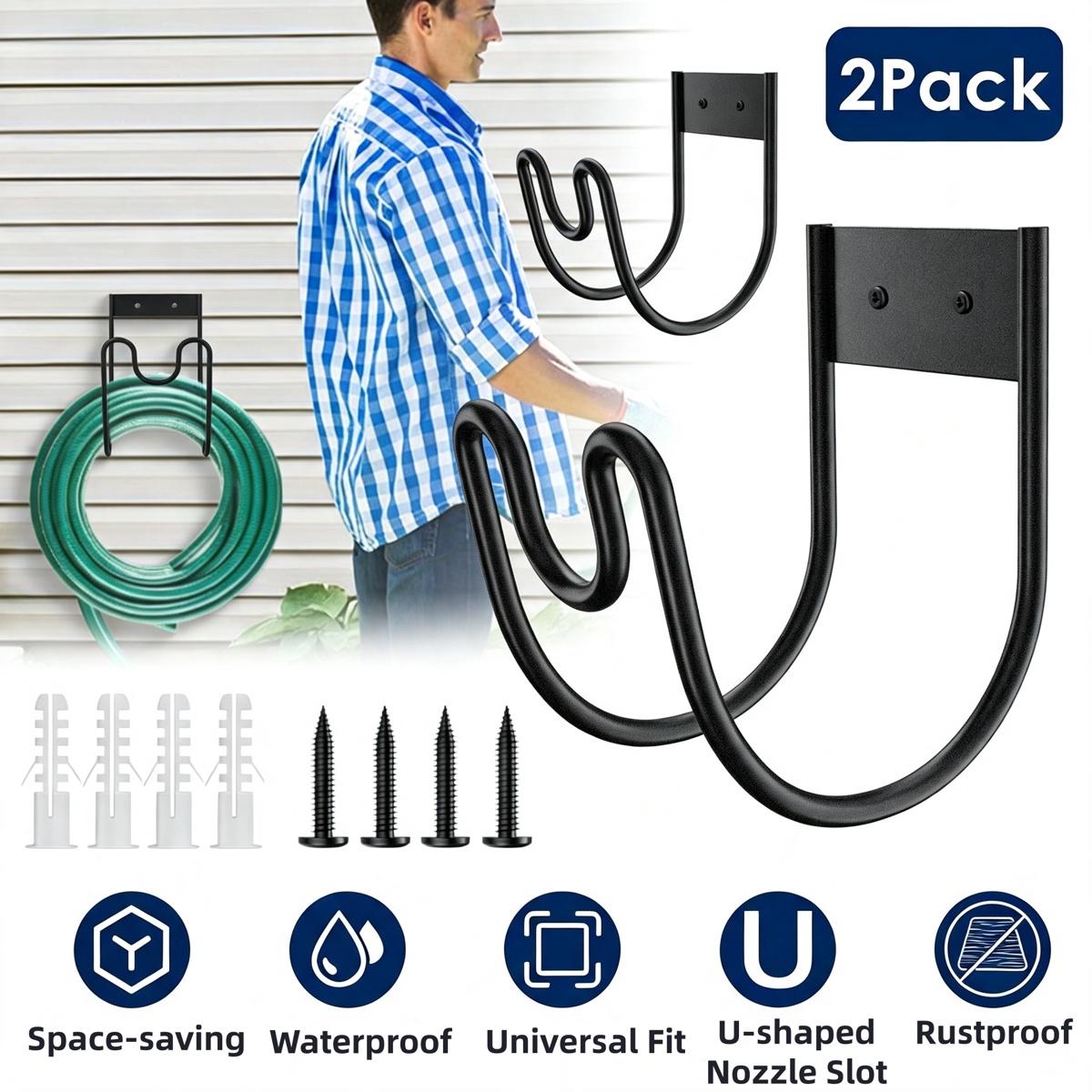
A heavy-duty wall-mount hose holder is a permanently mounted reel or hanger sized to carry a fully charged garden hose without sagging, cracking, or pulling out of siding. The primary trade-off is load capacity versus mounting substrate: steel gauge and reel bearing quality determine hose weight support, while bracket design and fastener grade determine whether the unit stays on brick, stud, or vinyl. Buyers should choose powder-coated steel with a continuous backplate and lag-bolt mounting for full hoses; plastic or single-screw hangers are only for empty or lightweight hose storage.

Buying guide image
Chicken Brooders & Heat

Chick Heat Lamp

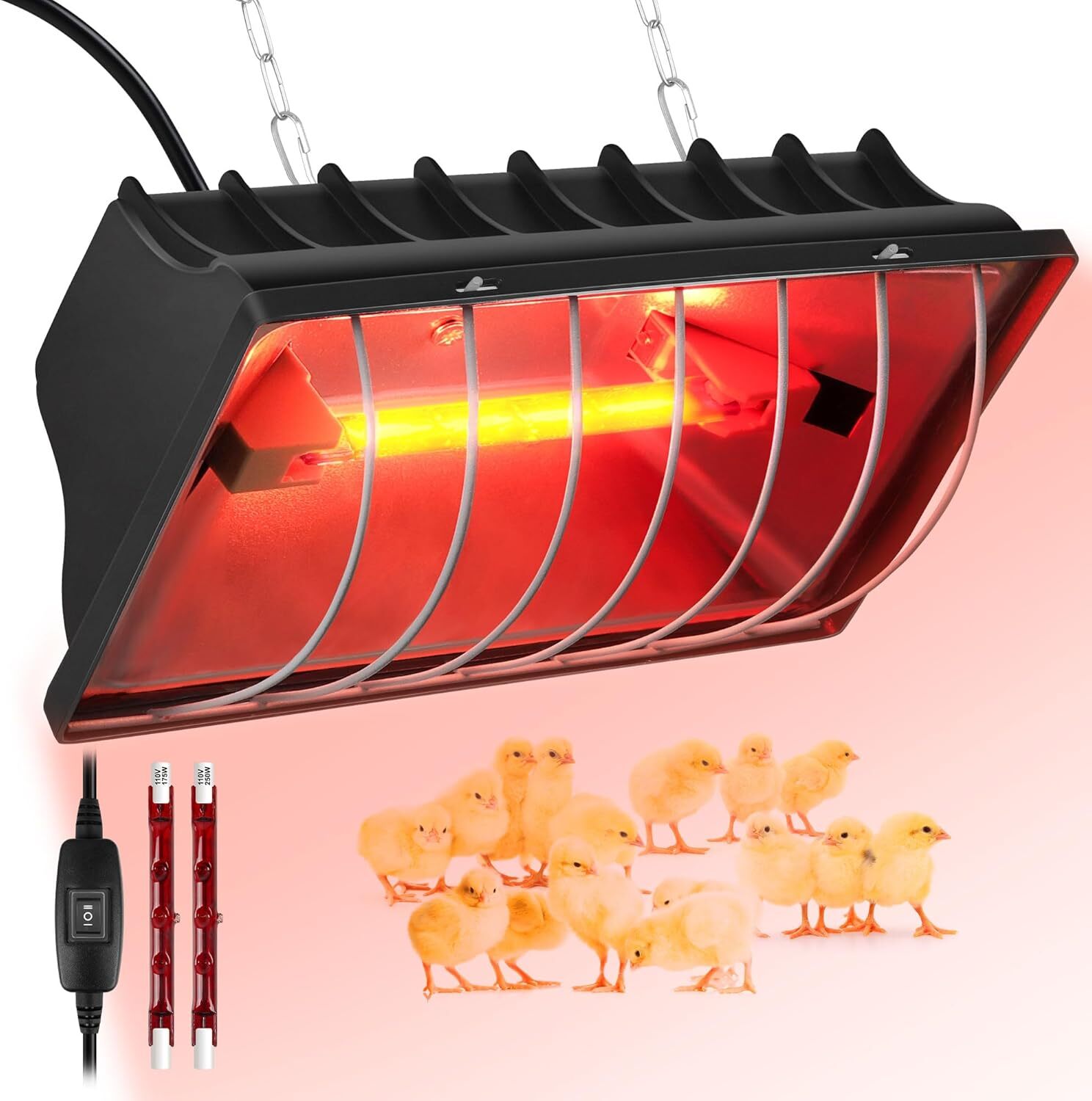
A chick heat lamp is a radiant brooder fixture that supplies focused warmth for young poultry without heating the entire coop. The core trade-off is between a high-wattage incandescent bulb that delivers intense spot heat but risks fire and burns, versus a ceramic heat emitter or low-wattage radiant panel that provides safer, more even warmth at higher upfront cost. Choose a ceramic emitter or panel with a ceramic socket and thermostat control for durable, fire-resistant brooding; skip bare 250W incandescent bulbs in unguarded plastic fixtures.

Buying guide image
Beekeeping Suits & Protection

Oz Armour Ventilated Bee Suit

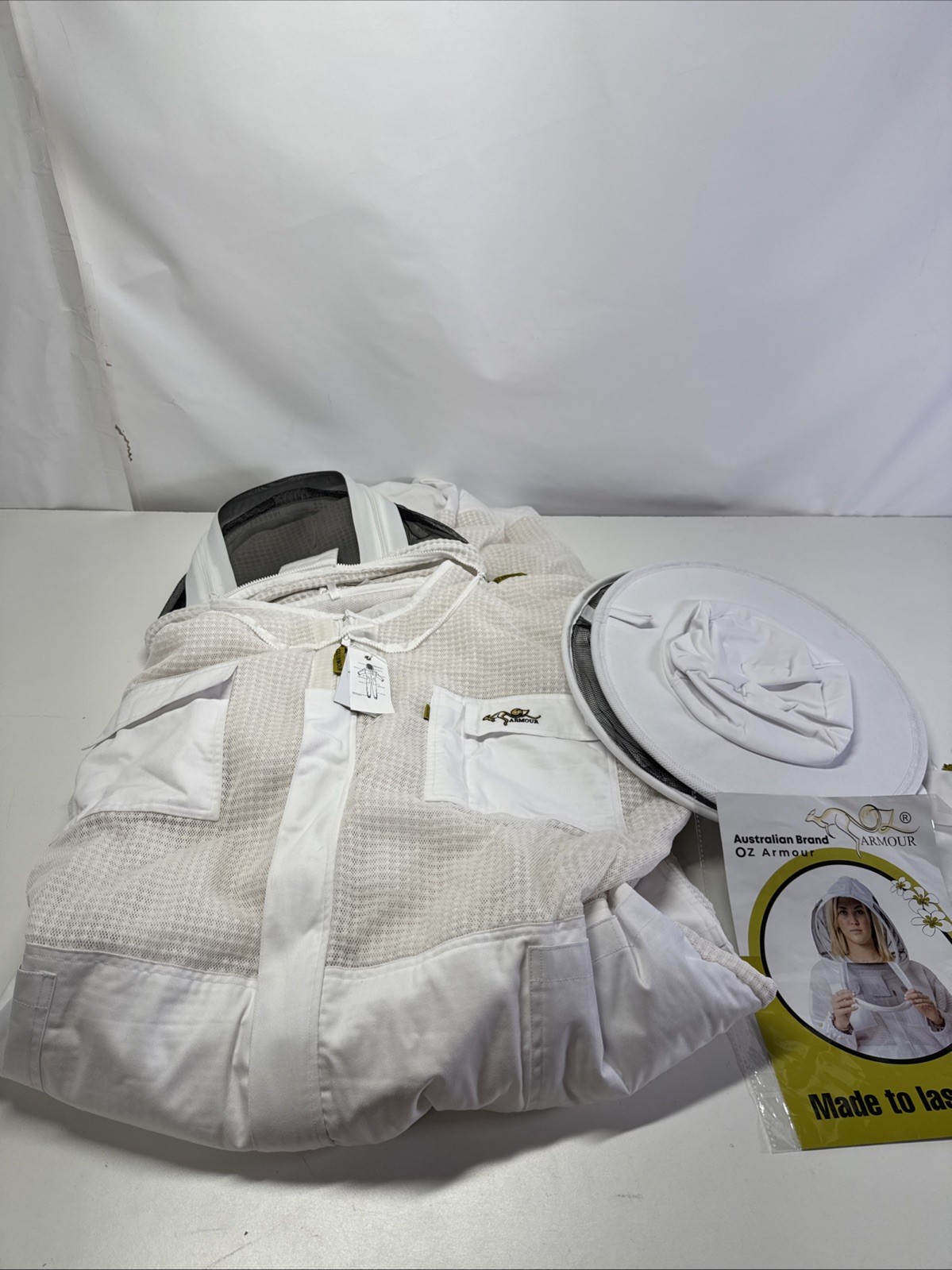
A ventilated bee suit is only as good as its mesh-to-fabric ratio and sting-blocking layering, and the Oz Armour 3-layer design targets hot-weather apiary work where breathability and full-body coverage must coexist. Buyers often misjudge layer count versus actual airflow, or pick a size that binds at the shoulders and knees when kneeling at the hive. Focus on layer construction, vent placement, and true-to-fit sizing rather than marketing labels.

Buying guide image
Beehives & Frames

Indoor Beehive

An indoor beehive is an observation hive designed to bring a functioning colony inside a home, classroom, or exhibition space, typically through a glass-walled box that holds standard Langstroth medium frames. The core trade-off is between full-size colony capacity (more frames, deeper boxes, heavier loaded weight) and observation-friendly compactness (fewer frames, thinner walls, easier viewing). The clear rule: buy a hive built to hold standard interchangeable medium frames with a sealed, escape-proof entry system and plan for a dedicated vent-to-outside duct — anything without a direct external entrance/exit port is a display box, not a working indoor hive.

Buying guide image
Beehives & Frames

Painted Bee Box

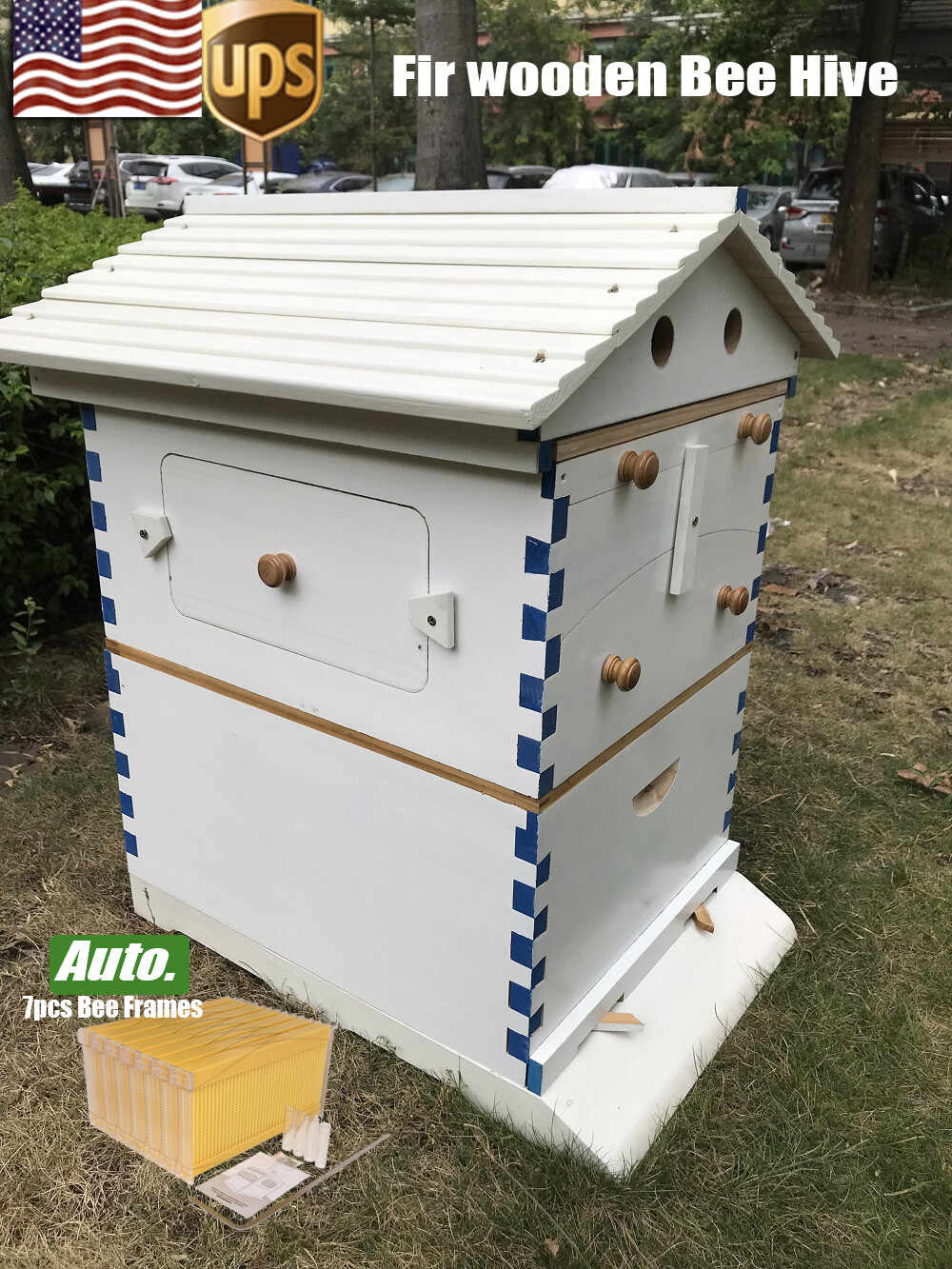
A painted bee box is a pre-finished hive body—typically a Langstroth deep or medium super—coated to resist moisture and UV, saving you the labor and drying time of painting raw wood. The core trade-off is coating durability versus wood species and frame compatibility: factory paint over pine or fir can conceal soft timber and thin walls, while a quality box uses thick, kiln-dried lumber with exterior-grade paint and precise frame rests. The decision rule: buy a painted box only if the paint is exterior-grade and the box matches your existing Langstroth frame count and depth; skip decorative or thin-walled painted boxes that will peel within a season or bind frames.

Buying guide image
Chicken Fencing & Egg Handling

Chicken Egg Nesting Box

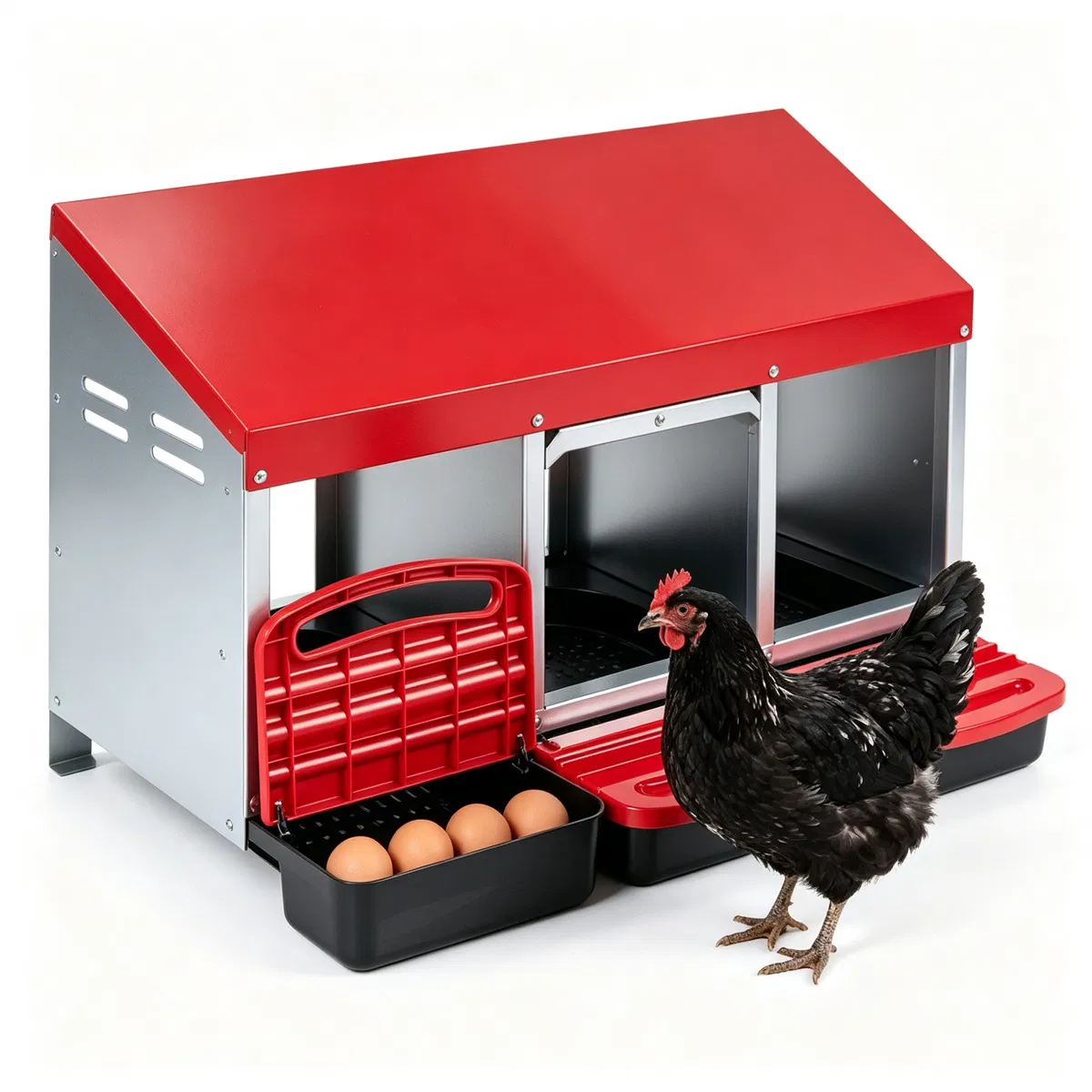
A chicken egg nesting box is a dedicated, dry, private laying station that protects eggs from breakage, dirt, and predators while making collection efficient. The core trade-off is between open-front wooden or plastic boxes that are cheap but expose eggs to moisture and hens' feet, versus roll-away galvanized or HDPE designs that auto-separate eggs but demand correct slope and bedding discipline. The decision rule: buy a roll-away metal or food-grade plastic unit with a sloped floor and ventilation for flocks over 6 hens; choose simple open wood or plastic nest boxes only for small backyard flocks with daily collection.

Buying guide image
Lawn Care

Heavy Duty Brush Trimmer

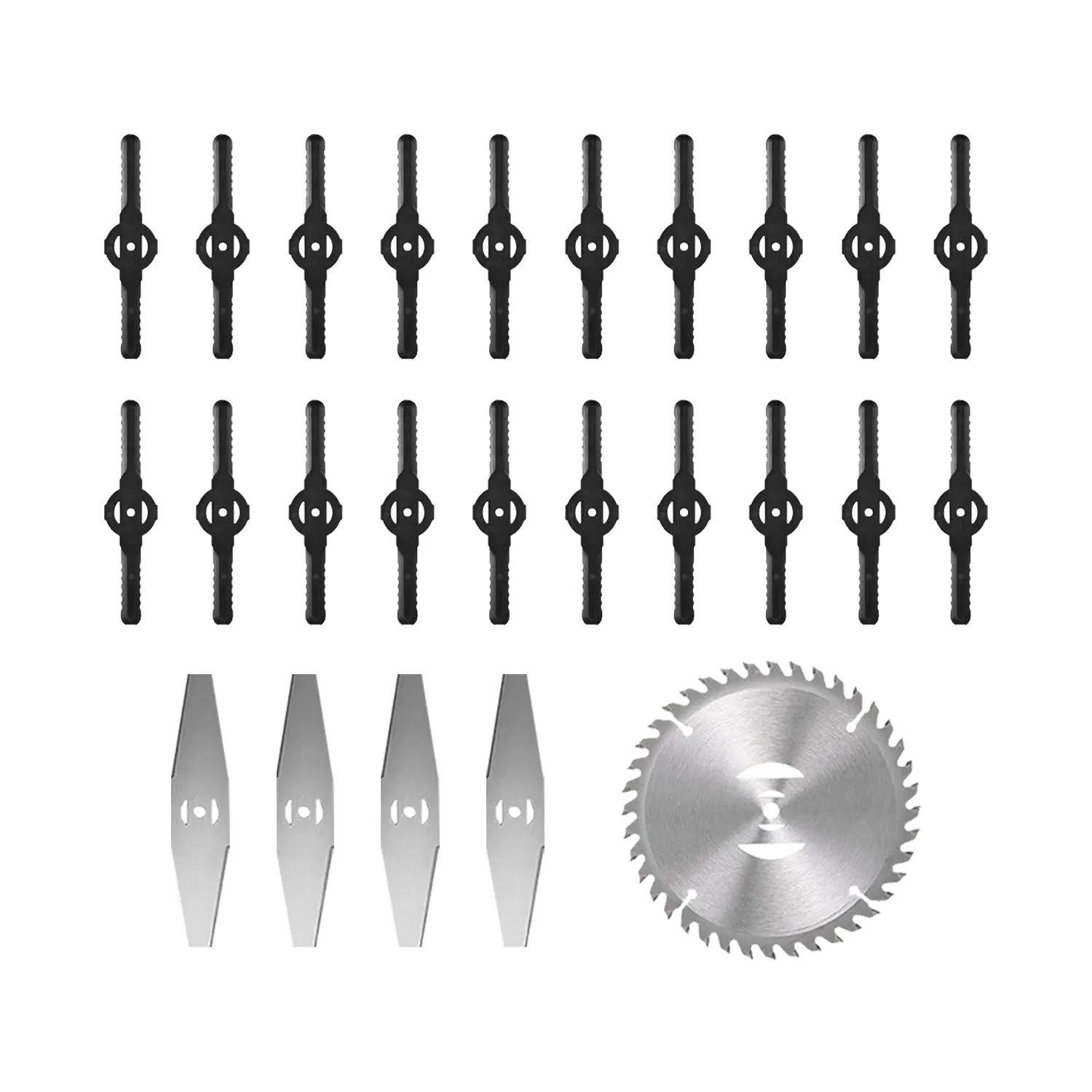
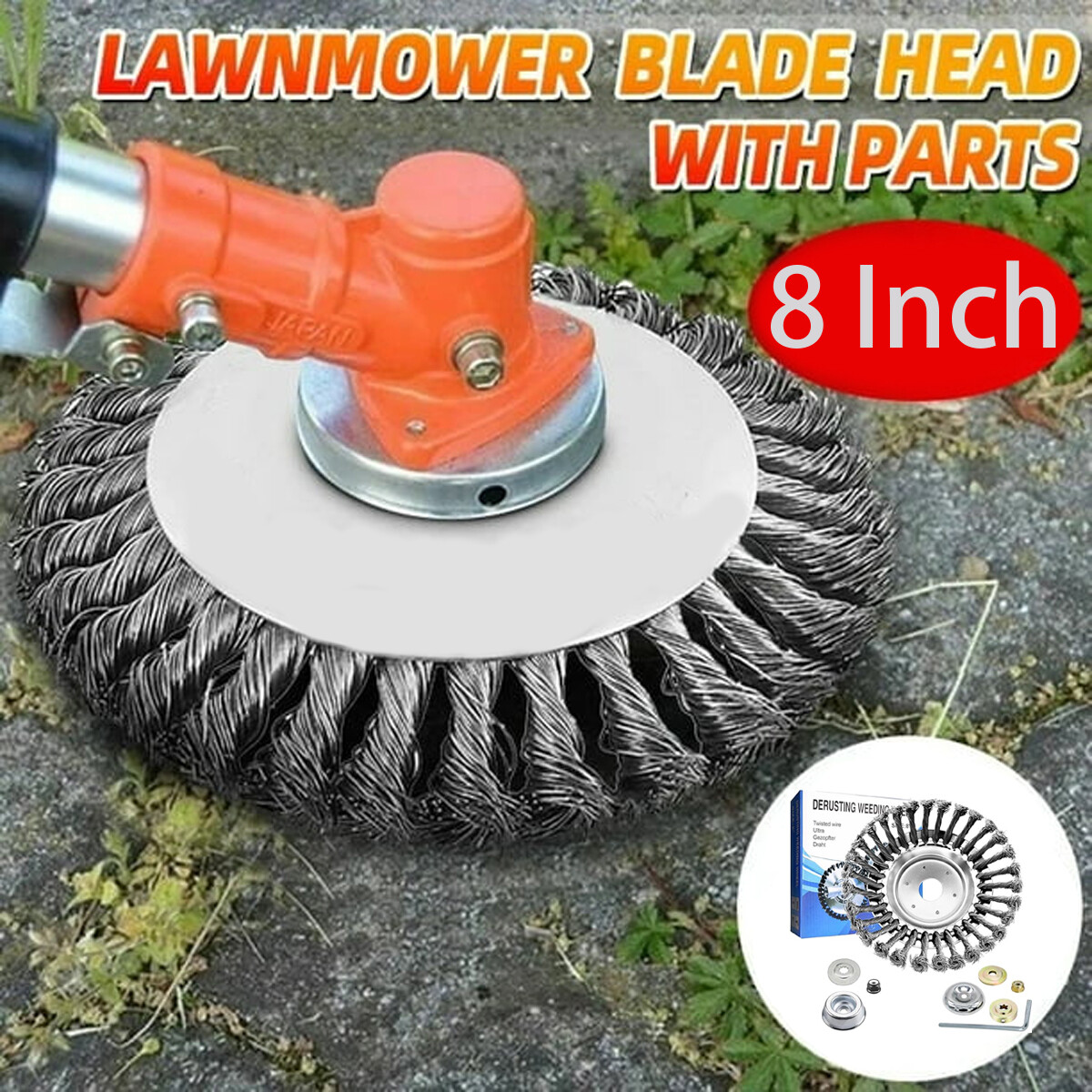
A heavy-duty brush trimmer is a gas or high-torque cordless tool built to cut saplings, dense weeds, and woody brush—not just lawn grass. The core trade-off is engine/head architecture versus weight and cost: professional straight-shaft gas units deliver sustained torque, while 60V+ cordless models trade runtime for lower maintenance. The decision rule is simple: pick a straight-shaft, solid-steel-drive unit with a 2.4mm+ line capacity or metal blade mount if you cut woody stems over 1 inch; skip curved-shaft or string-only trimmers for brush.

Buying guide image
Outdoor Structures, Shade & Awnings

Home Shed

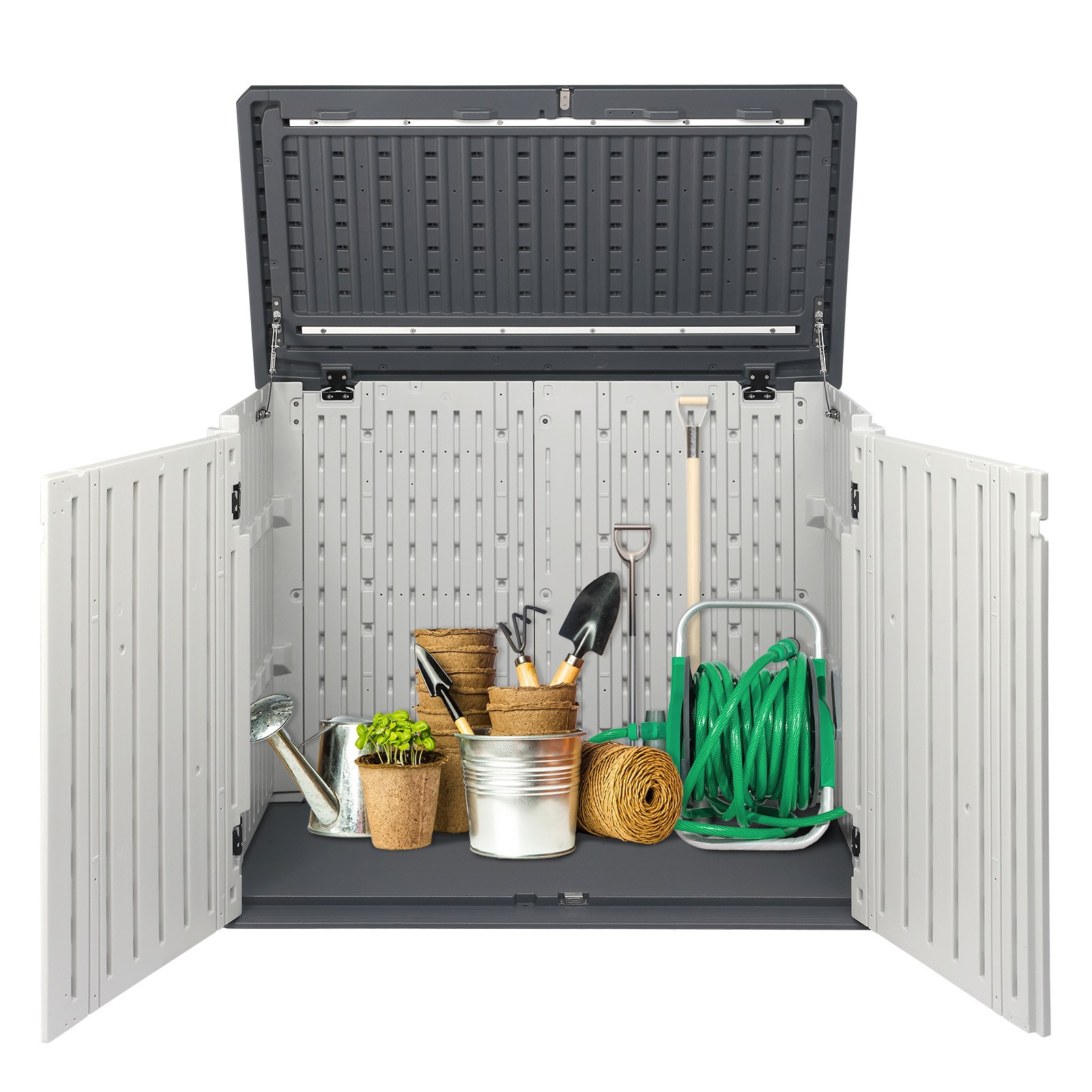
A home shed solves storage overflow, but the wrong shell material or base prep turns it into a mildew trap or a wind-damaged eyesore. Focus on resin thickness, wall height, and anchor strategy rather than nominal footprint, since those three factors decide whether tools and bikes stay dry for a decade or a season. Most buyers misjudge floor framing and door swing clearance before ordering, then discover the pad or gate access won't accept the assembled unit.

You may also like

Finding more guides for you…