GardenPulse Guide

GardenPulse Guide

Garden, Yard & Outdoor Living Reviews & Buying Guides

Compare garden, yard & outdoor living by use case, features, trade-offs, price, returns, and seller terms before you buy.

Buying guides

Buying guide image
Outdoor Structures, Shade & Awnings

Keter Shed

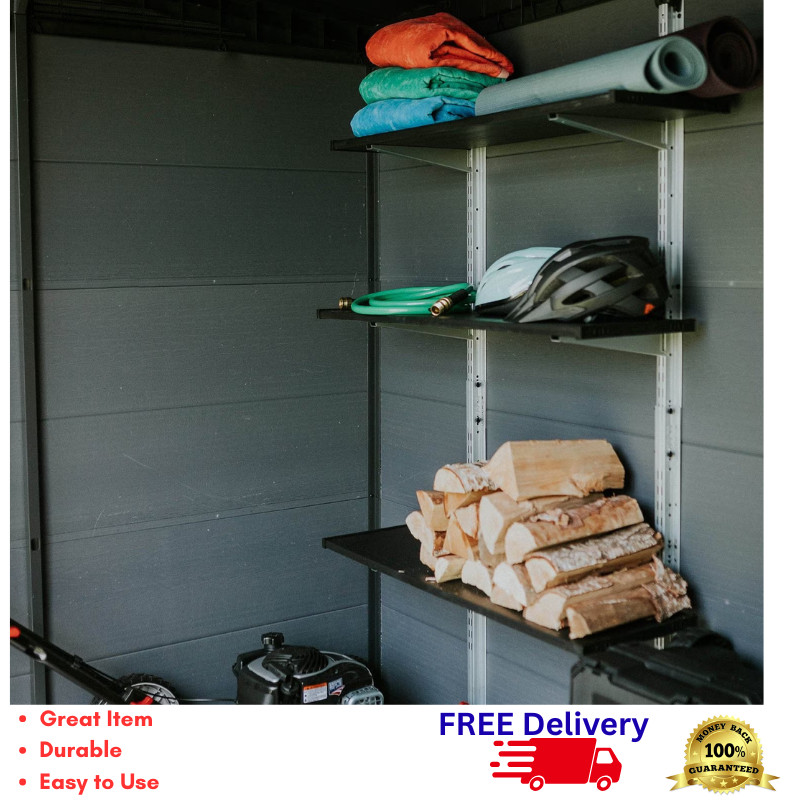
Keter sheds are rotationally molded resin storage buildings sold across a wide span of footprints, wall heights, and door formats—from compact vertical tool lockers to full walk-in gable units. Buyers mostly get burned not by brand tier but by picking a footprint that ignores local permitting, a door swing that fouls a fence line, or a base that settles. Anchor the decision on floor area, wall height, and wind/snow rating before comparing appearance.
Buying guide image
Outdoor Structures, Shade & Awnings

Metal Equipment Shed

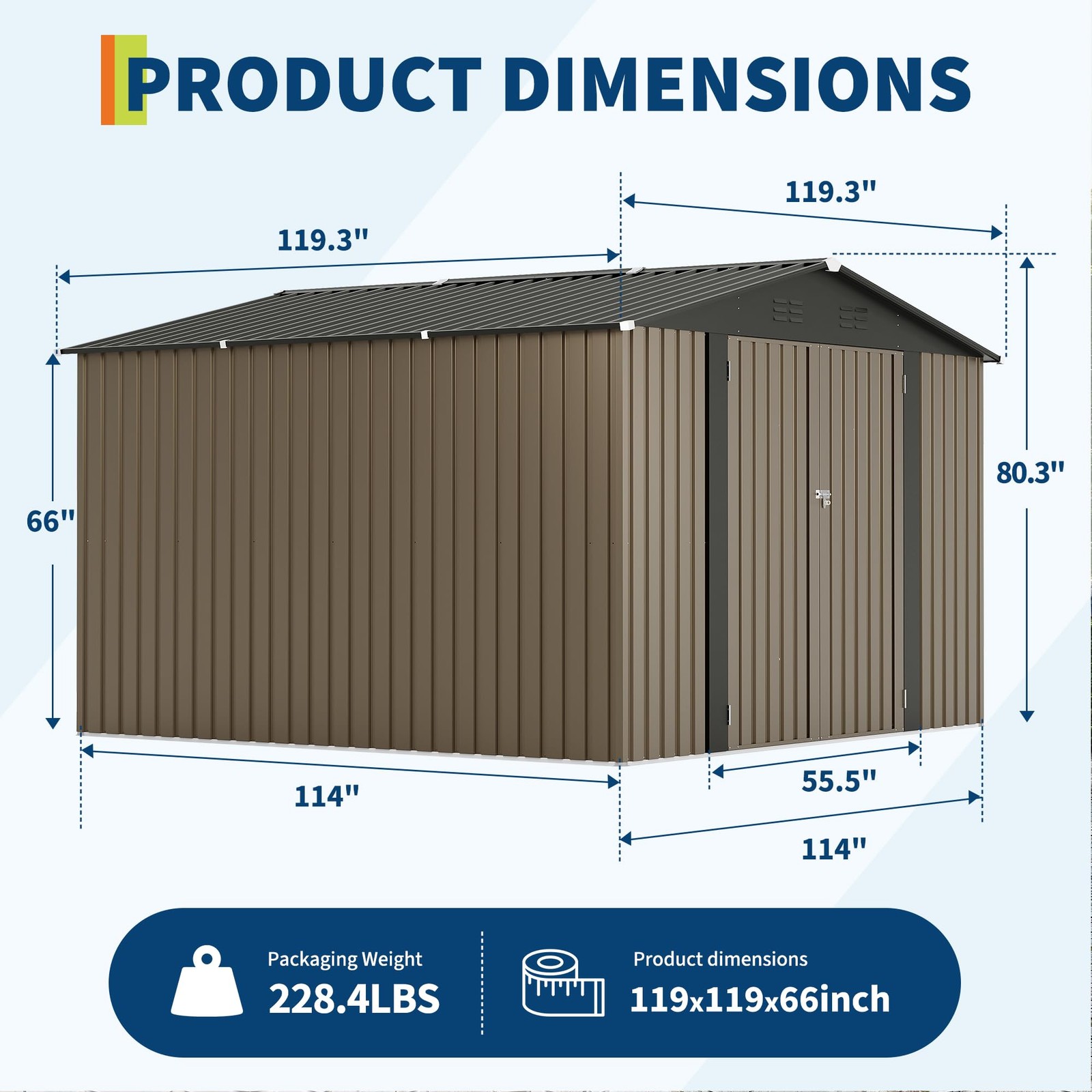
A metal equipment shed protects tools, mowers, and lawn gear from weather and theft, but most buyers underestimate wind rating, floor system, and door swing clearance. Fit the shed to your largest stored item plus maneuvering room, and choose a structural grade that matches your snow and wind loads rather than the cheapest panel gauge.

Buying guide image
Pools & Spas

Hot Tub Chlorine

Chlorine keeps hot tub water sanitary, but hot tubs run hotter, smaller, and more heavily loaded than pools—so the right sanitizer type and dosing discipline matter more than the brand. Buyers often overshoot free chlorine or pick pool-grade products that raise pH and cyanuric acid too fast in a 200–400 gallon shell. Start with your tub volume, shell material, and whether you want daily granular dosing or a longer-interval bromine/floater routine.

Buying guide image
Pools & Spas

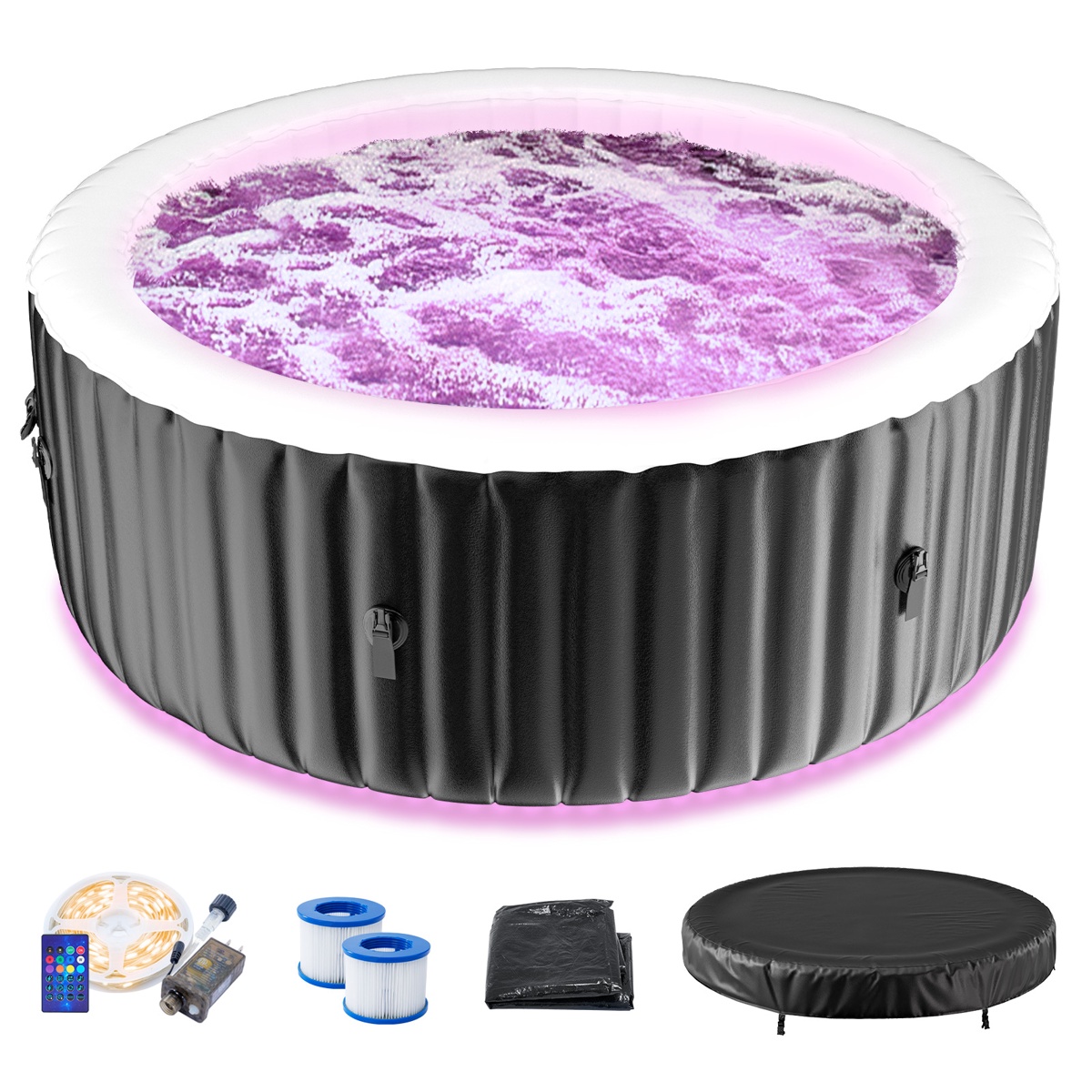
Inflatable Hot Tub With LED Light

Shoppers hunting for an inflatable hot tub with LED light are usually trying to combine backyard relaxation with evening ambiance, but many models treat lighting as a gimmick rather than a usable feature. The real decision hinges on how the LEDs are powered, how the tub is inflated and heated, and whether the included pump and filter can keep up with regular use. Most first-time buyers overlook that a 4-person inflatable tub needs a dedicated 120V outlet and a flat, load-bearing surface before any lighting matters.

Buying guide image
Pools & Spas

LED Inflatable Hot Tub

Shoppers chasing a lit-up soak often overlook that 'LED inflatable hot tub' can mean anything from a few decorative bubbles to a full-color perimeter ring—and the lighting tier changes both ambiance and wiring complexity. Fit matters more than wattage: a 4-person round tub needs roughly 6-7 ft of flat, load-bearing deck or patio and a dedicated 120V GFCI outlet within cord reach. The common mistake is buying on light count alone while ignoring heater wattage, insulation, and whether the LED ring is integrated or a separate battery puck.

Buying guide image
Chicken Coops & Runs

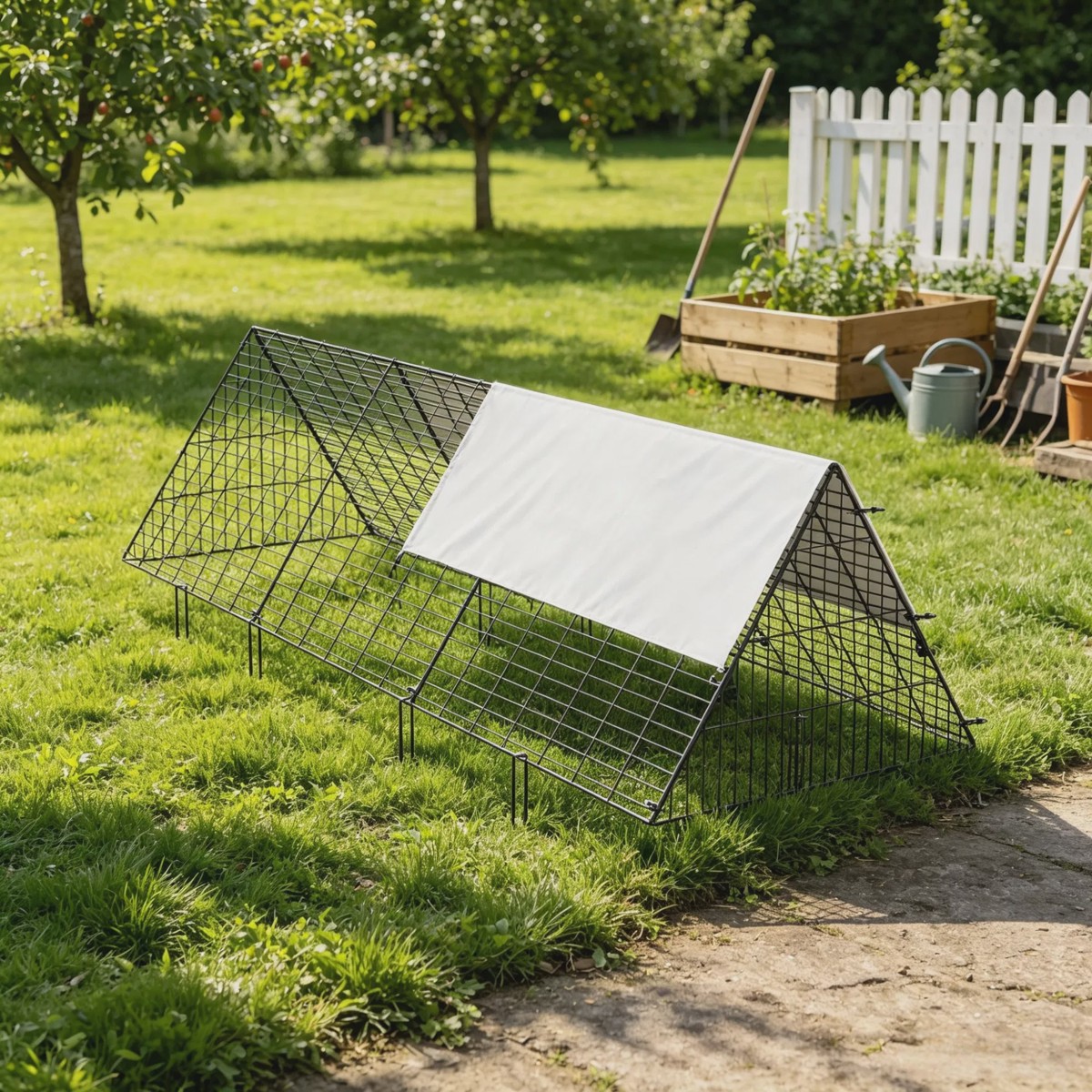
Chicken Tunnel Coop Run

A chicken tunnel run is a flexible, enclosed corridor connecting a stationary coop to a distant grazing area, letting flocks range safely without full free-ranging. The key trade-off is between predator-proof rigidity (welded wire, structural framing) and portability (lightweight modular panels), so buyers must choose based on whether the tunnel stays put or moves with the flock. Durable options use galvanized welded mesh and rigid frames, while compromises rely on thin hex mesh and zip-tie assembly.

Buying guide image
Garden Tools

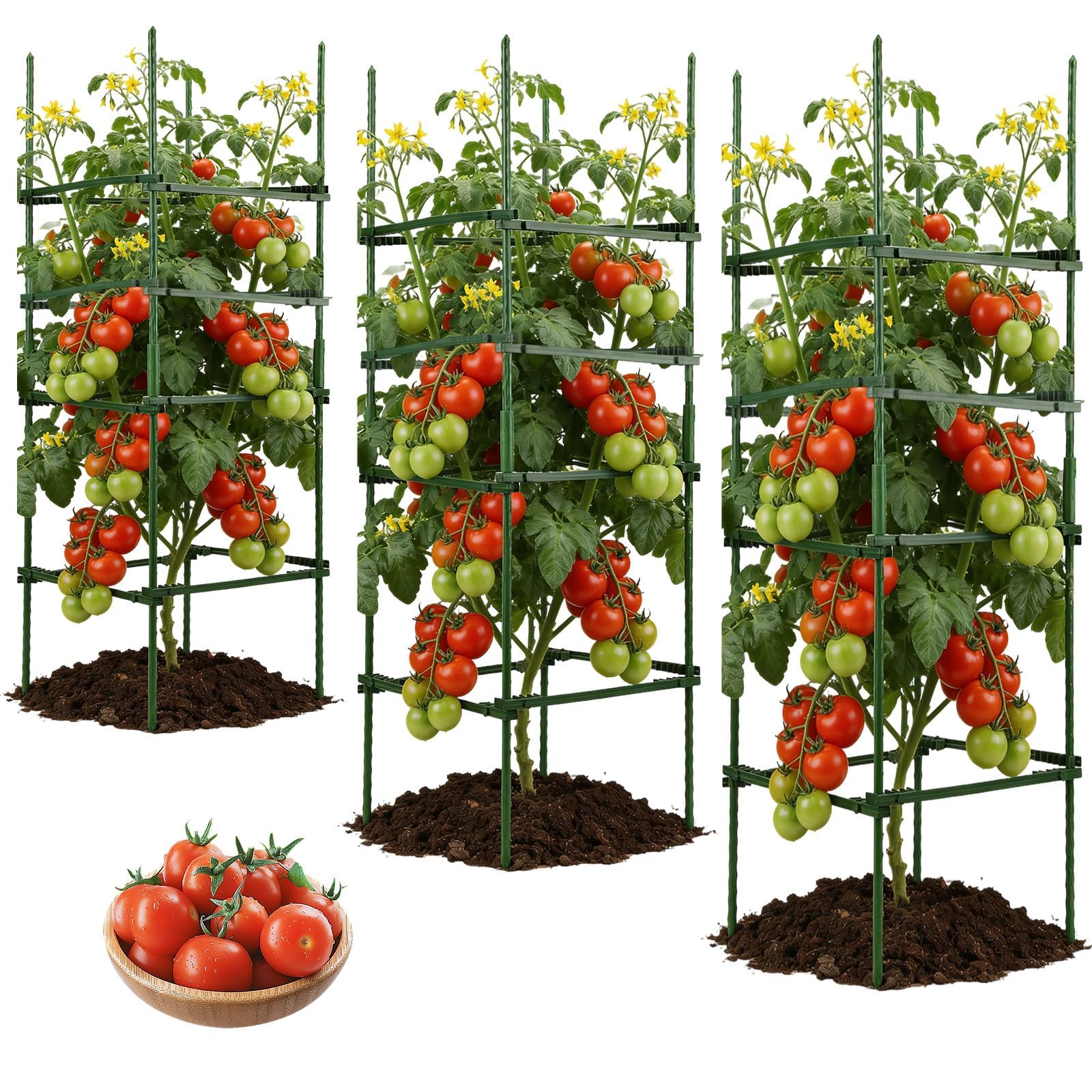
Tomato Stake

Tomato stakes are vertical supports that keep indeterminate vines, heavy fruit clusters, and sprawling branches off the ground to prevent rot and breakage. The core trade-off is between thin single-stem stakes that need tying and rigid multi-arm cages that self-support but take more storage space. Choose a stake rated for your mature plant height and fruit load, and skip any stake under 4 ft for indeterminate varieties.

Buying guide image
Residential Outdoor Power Equipment

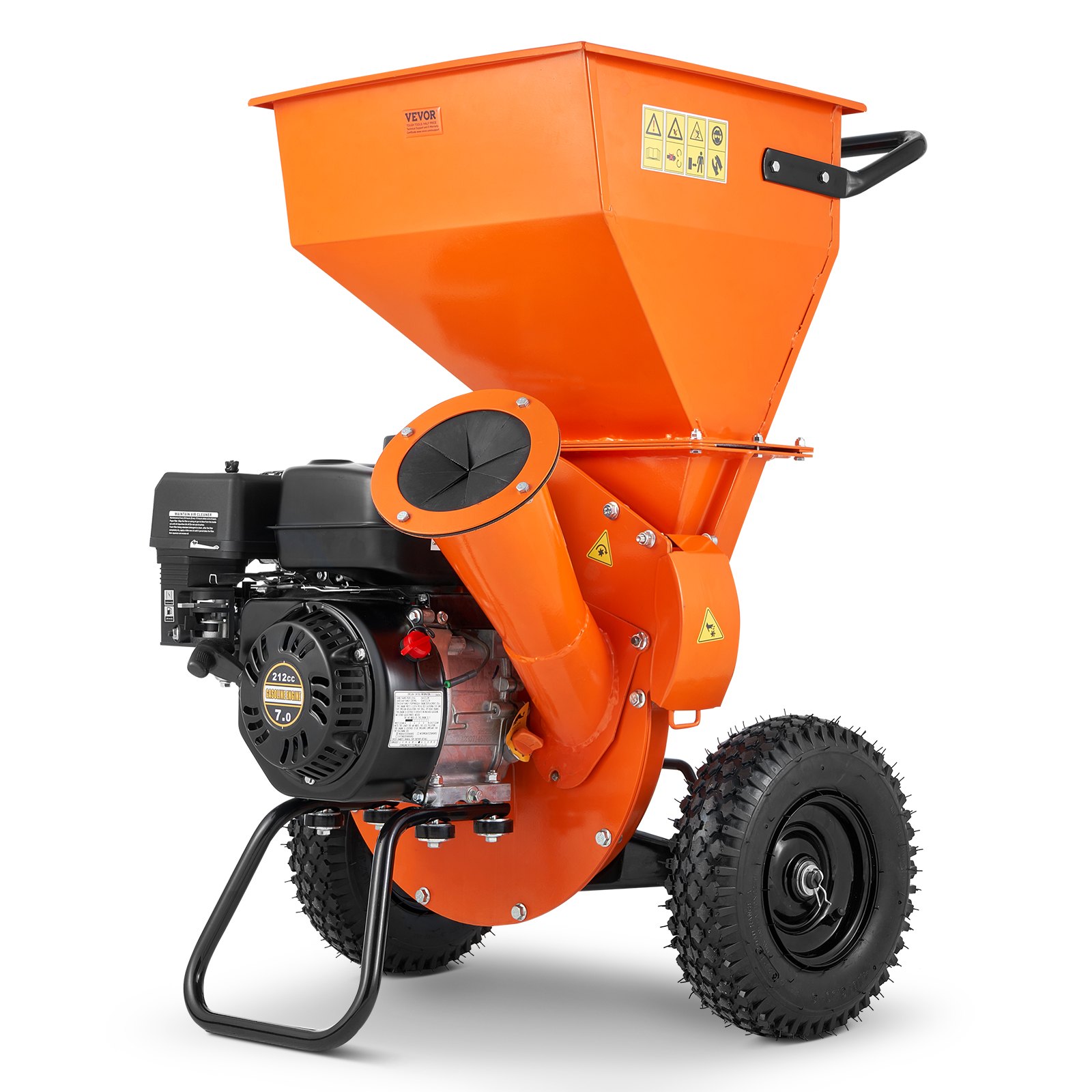
Gas Chipper

Gas chippers earn their keep when you need to reduce brush, branches, and yard debris without being tethered to an outlet. The real decision is matching engine displacement and chipping capacity to the diameter of material you actually generate, not the biggest number on the box. Most buyers overshoot on engine size and undershoot on feed-system design, which is what actually controls throughput and clogging.

Buying guide image
Residential Outdoor Power Equipment

Gas Powered Chipper

A gas chipper earns its place only if its cutting architecture matches the wood you actually generate: 3-inch class units handle brush and limbs, while 4-inch+ units demand more engine torque and tow-rated frames. Shoppers routinely buy by engine horsepower alone, then discover the feed opening, blade type, and discharge path dictate real throughput. Get the feed capacity, rotor or drum design, and tire/tow setup right before considering brand.

Buying guide image
Residential Outdoor Power Equipment

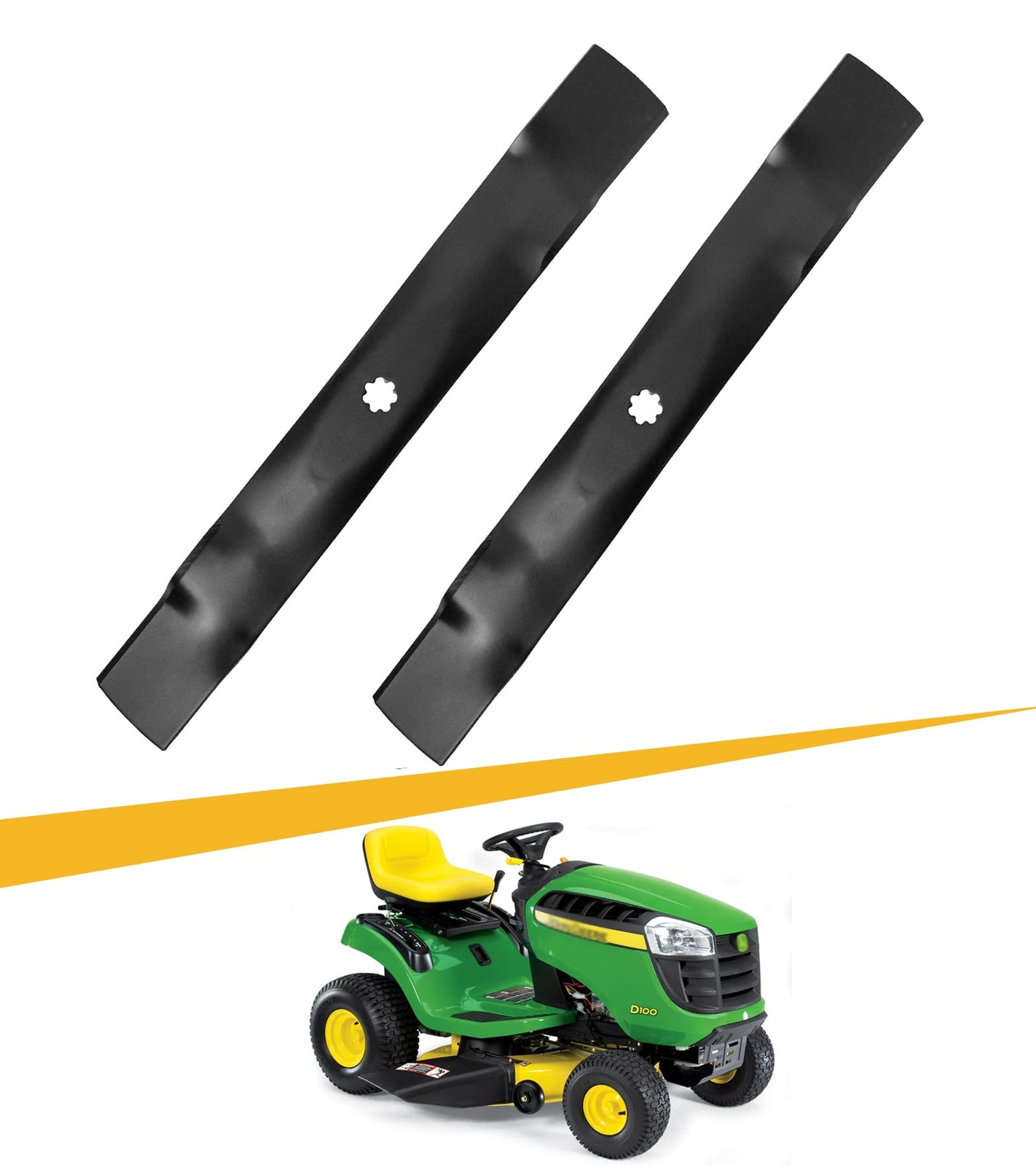
John Deere 48 Mulching Blade

A 48-inch John Deere deck is a serious mowing platform, and the mulching blade you choose determines whether clippings disappear into the turf or clump on top. Fitment is deck-specific — blade length, center-hole diameter, and offset must match your exact deck series, not just the 48-inch width. Buyers who skip that compatibility step end up with vibration, poor cut quality, or blades that won't seat.

Buying guide image
Residential Outdoor Power Equipment

Yard Chipper

A yard chipper converts brush, prunings, and storm debris into mulch, but the wrong machine wastes money on a unit that clogs or lacks the power for your typical branch size. Buyers most often misjudge the real maximum cutting diameter, the difference between electric and gas architectures, and the chip-to-mulch ratio they actually need.

Buying guide image
Residential Outdoor Power Equipment

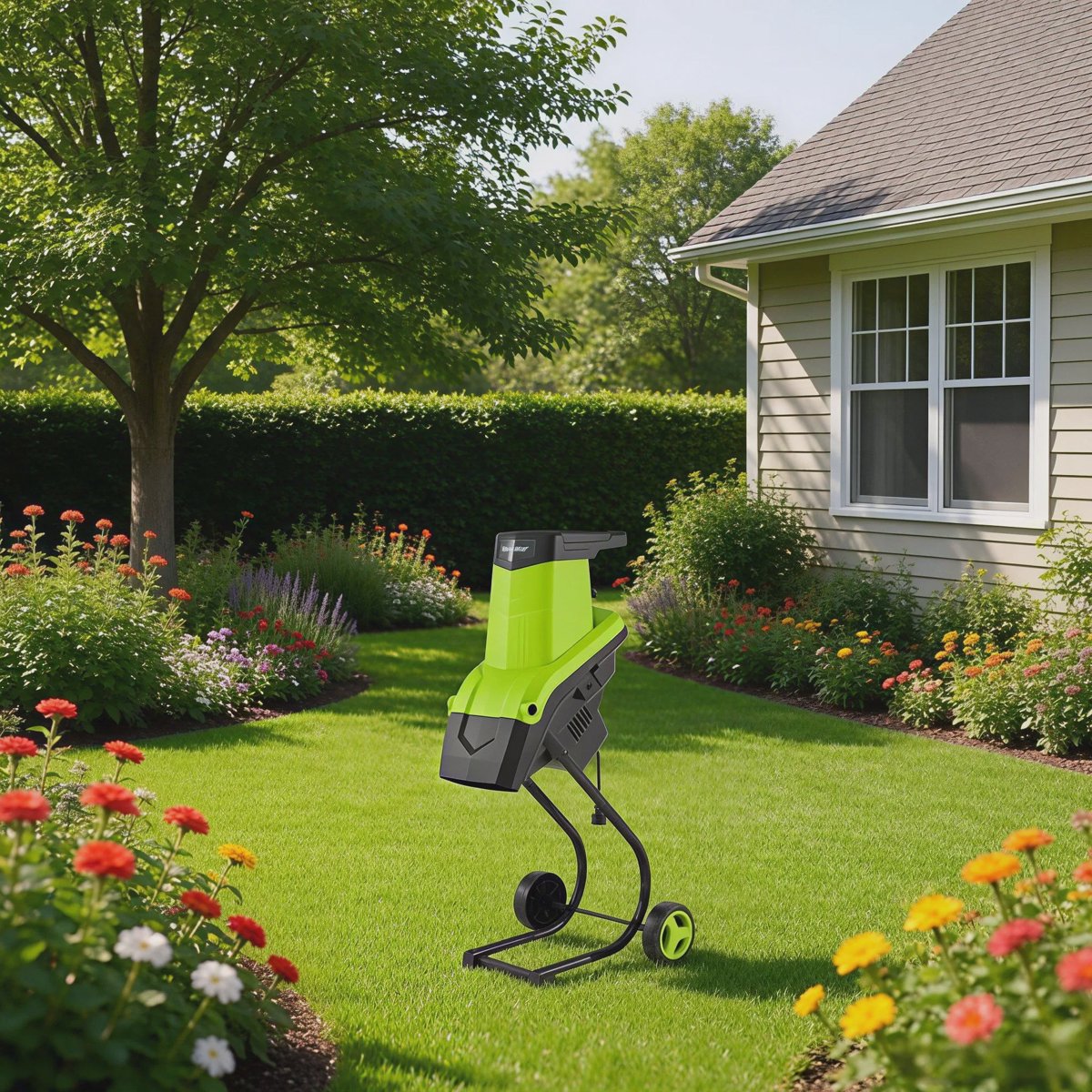
Yard Shredder

A yard shredder turns branches, leaves, and garden debris into mulch or compost feedstock, but buyers often mismatch machine type and power source to the actual material they generate. Electric shredders suit light residential cleanup, while gas or PTO-driven units handle thicker limbs and larger volumes. Getting the feed opening, reduction ratio, and discharge system right matters more than horsepower claims alone.

Buying guide image
Patio Furniture

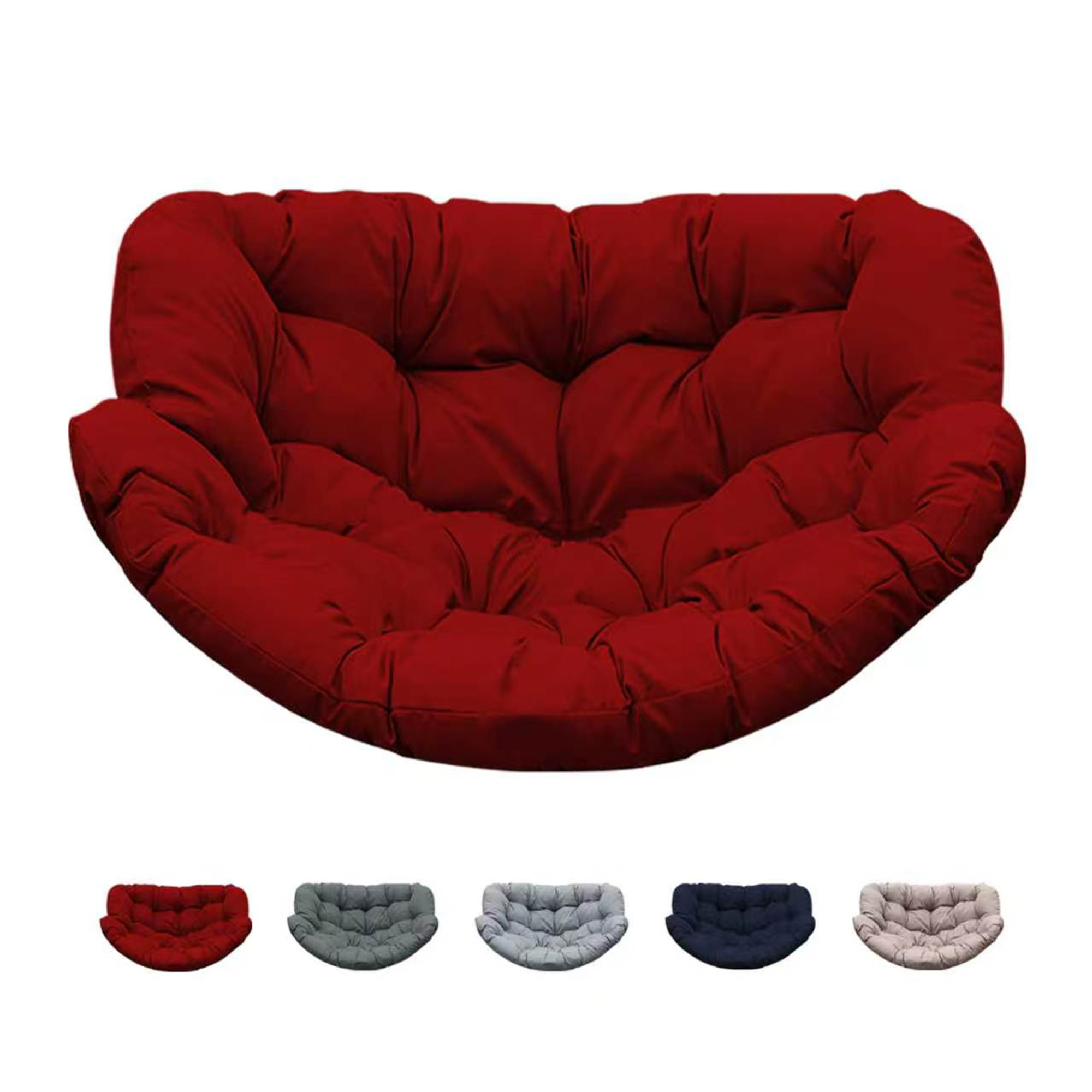
Egg Chair Cushion Replacement

Replacing an egg chair cushion revives a worn seat without buying a new frame, but fit depends on shell dimensions and cushion attachment style rather than generic 'one-size' sizing. Most replacement cushions are sold by shape (round, oval, teardrop) and by tie or strap mounting, so measure the interior shell before choosing a tier. The wrong thickness or fill grade can make the chair hard to enter or prone to waterlogging on covered patios.

Buying guide image
Greenhouse & Hydroponics

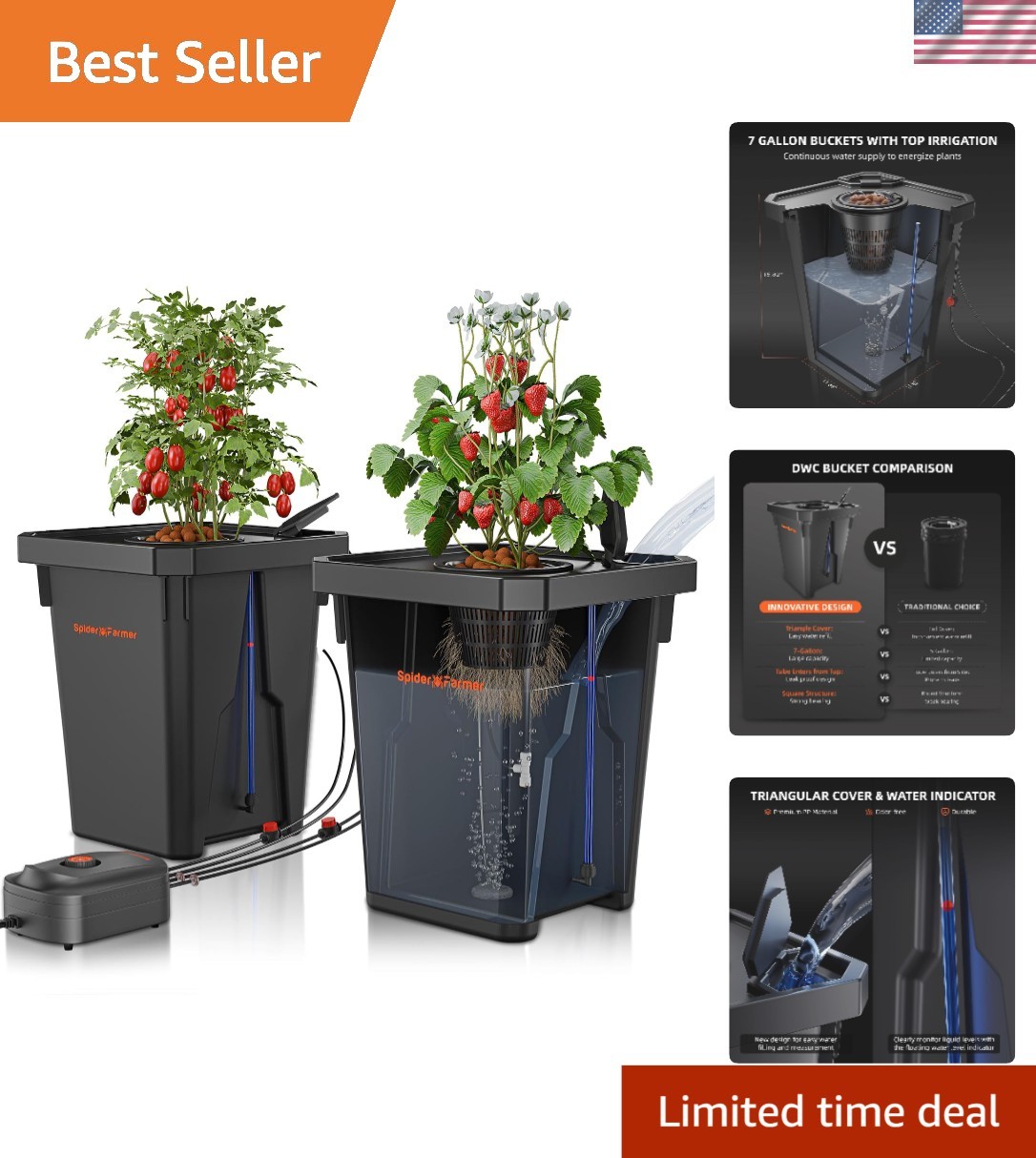
Indoor Hydroponic Vegetable Garden

Indoor hydroponic vegetable gardens range from multi-tier PVC pipe NFT systems to compact bucket kits, and the core trade-off is site density versus light reach and root-zone volume. Durable, productive setups use opaque or light-blocking food-grade pipe, a timer-driven pump sized to the tier count, and grow lights with enough PPF to cover the canopy. Choose a tiered pipe system only if you can light every level; choose a bucket or compact kit when you need a few large plants under one lamp.

Buying guide image
Greenhouse & Hydroponics

Polycarbonate Panel

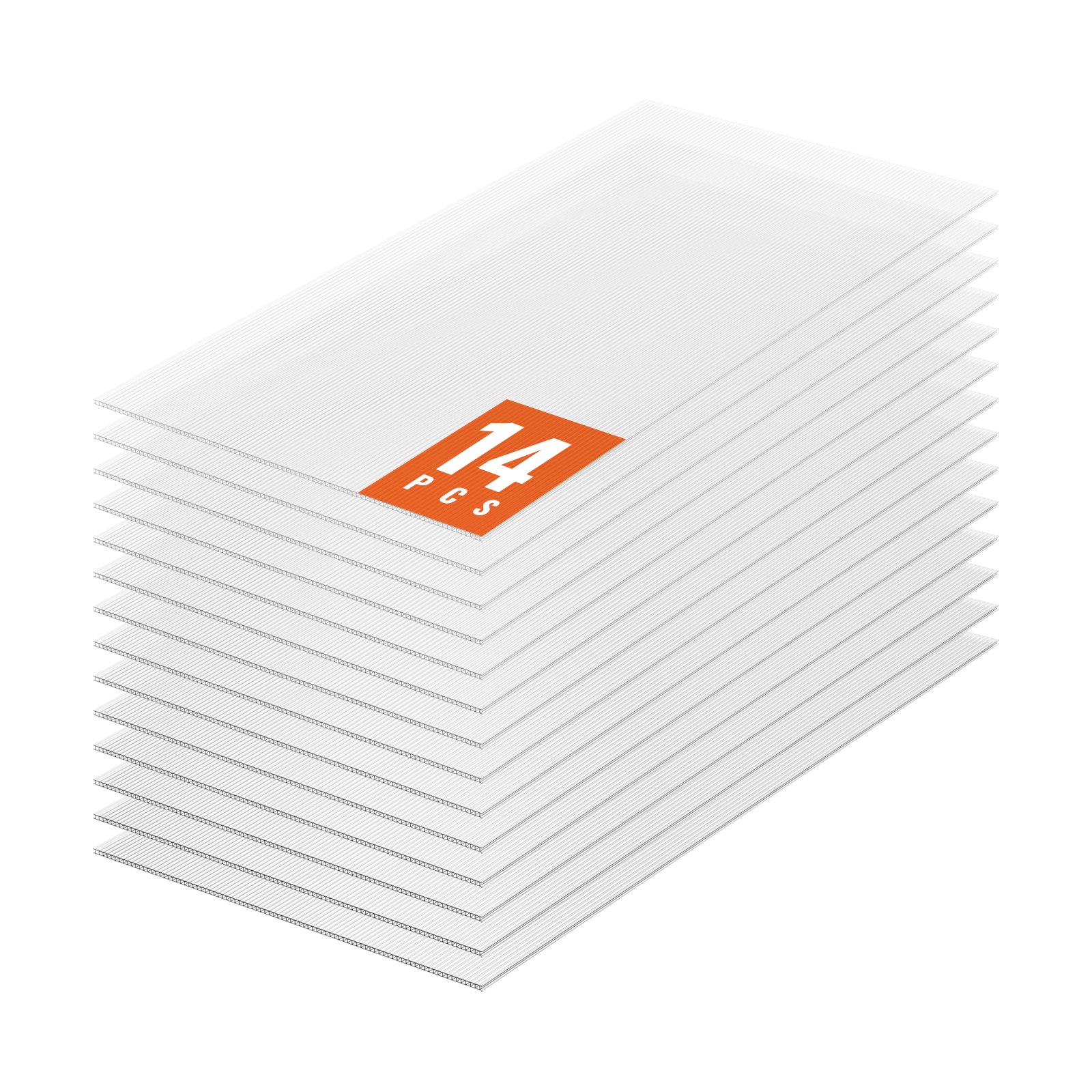
Polycarbonate panels are the transparent or translucent glazing used in greenhouses, valued for impact resistance and UV protection over glass or acrylic. The key trade-off is between twin-wall (insulating, lighter, cheaper) and solid (clear, heavy, scratch-prone) constructions, with thickness and UV coating determining lifespan. Buy twin-wall for most hobby greenhouses; choose solid only when maximum light transmission and rigidity justify the higher weight and cost.

Buying guide image
Outdoor Lighting & Decor

Large Outdoor Solar Hanging Lantern

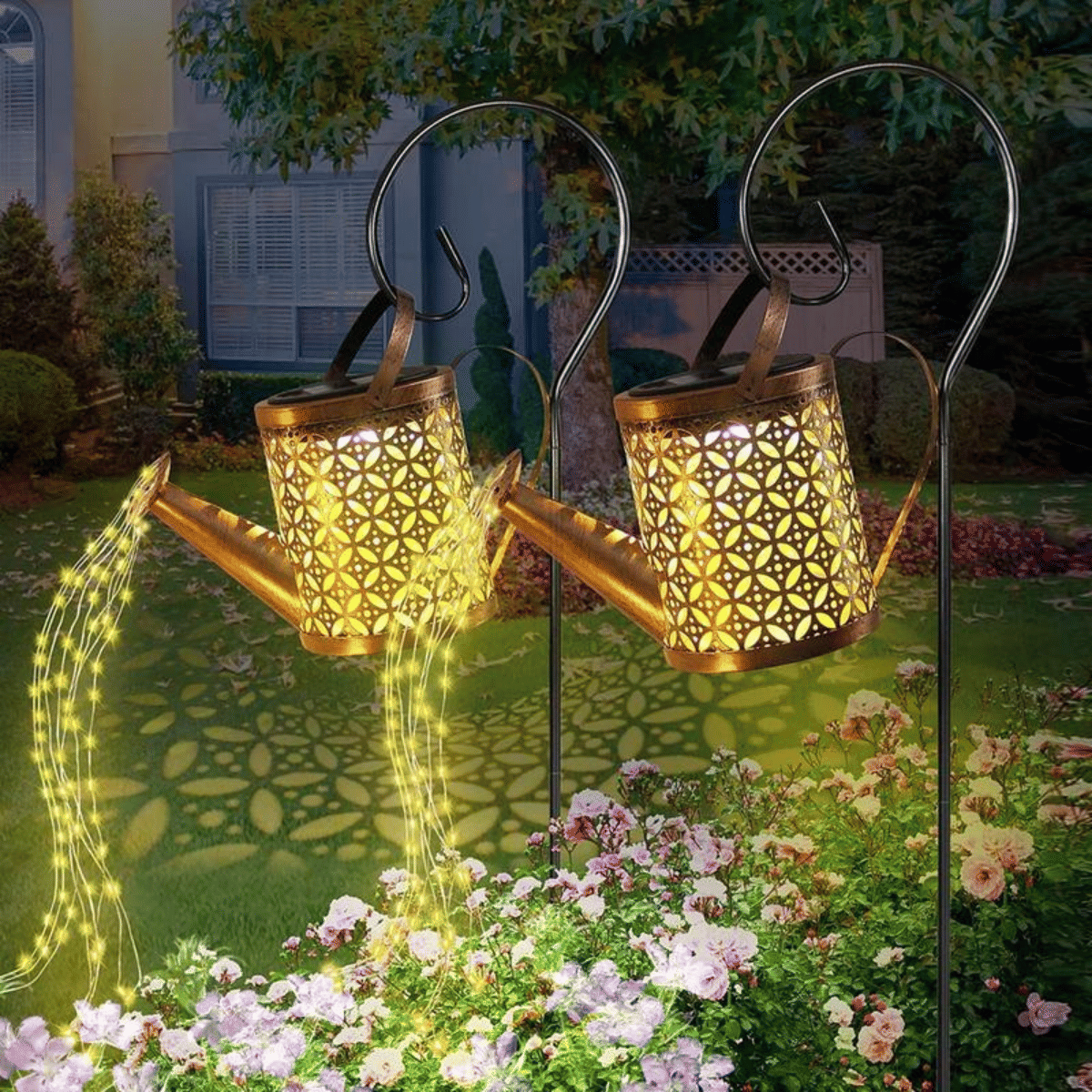
A large outdoor solar hanging lantern is a decorative, weatherproof light fixture that charges via an integrated solar panel and hangs from a shepherd's hook, pergola, or branch. The core trade-off is between metal construction (durable, rust-prone if uncoated) and plastic (UV-degradable but lightweight and cheap). Choose a powder-coated or stainless-steel metal body with an IP65 rating and a replaceable AA NiMH battery for multi-season durability; skip uncoated steel or sealed disposable batteries.

Buying guide image
Pools & Spas

Heavy Duty Backwash Hose

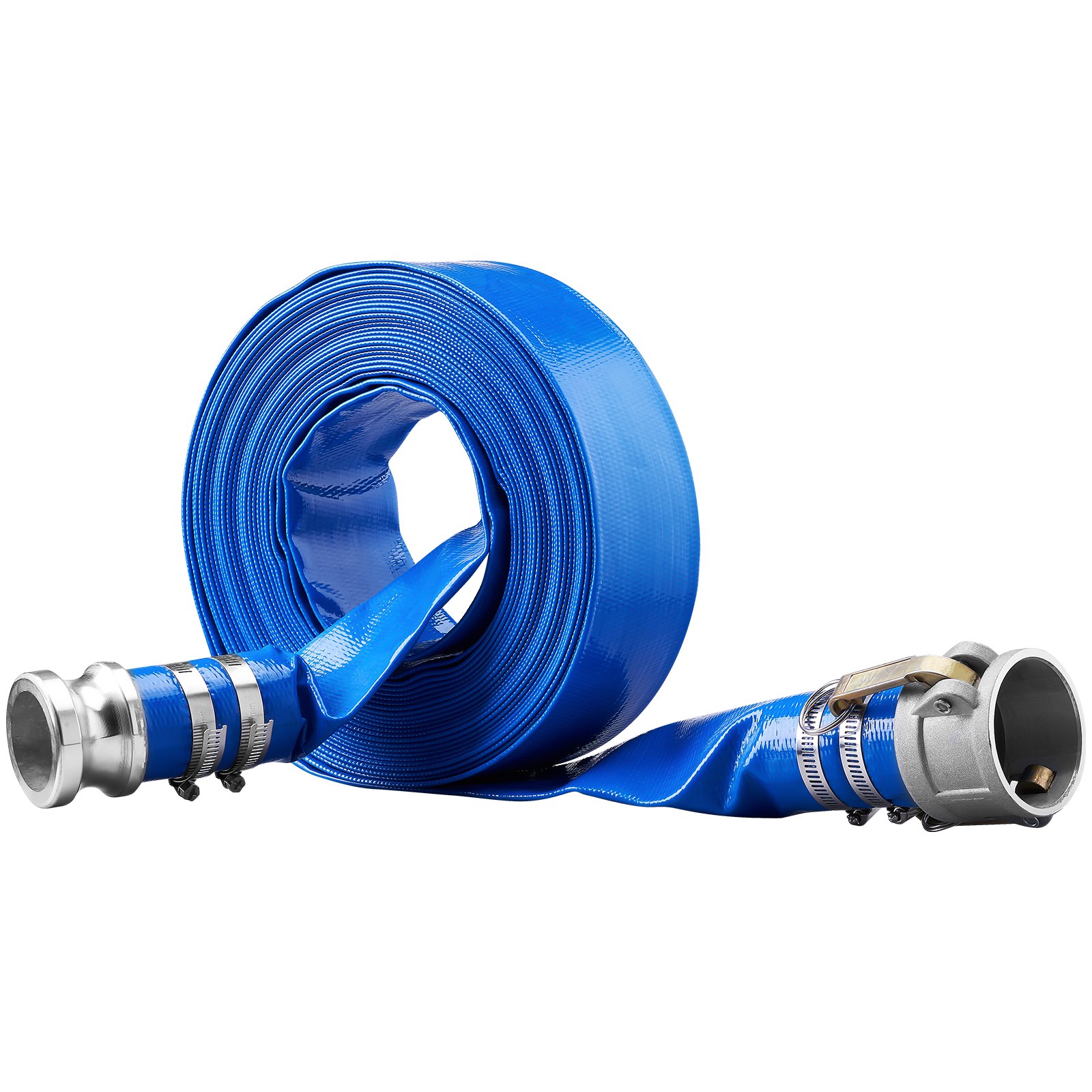
A heavy duty backwash hose is a large-diameter lay-flat discharge line that carries sand-filter waste water away from pools and spas without kinking or bursting under pump pressure. The decisive trade-off is PVC compound grade and wall thickness versus crush resistance: thin economy hoses balloon and split, while reinforced heavy-duty PVC holds shape and resists UV and abrasion. Buy a reinforced PVC hose rated for at least 30 psi with matching camlock or barbed fittings; skip single-layer boxed hose for any permanent or high-flow installation.

Buying guide image
Bee Feeders & Mite Treatment

10 Frame Feeder

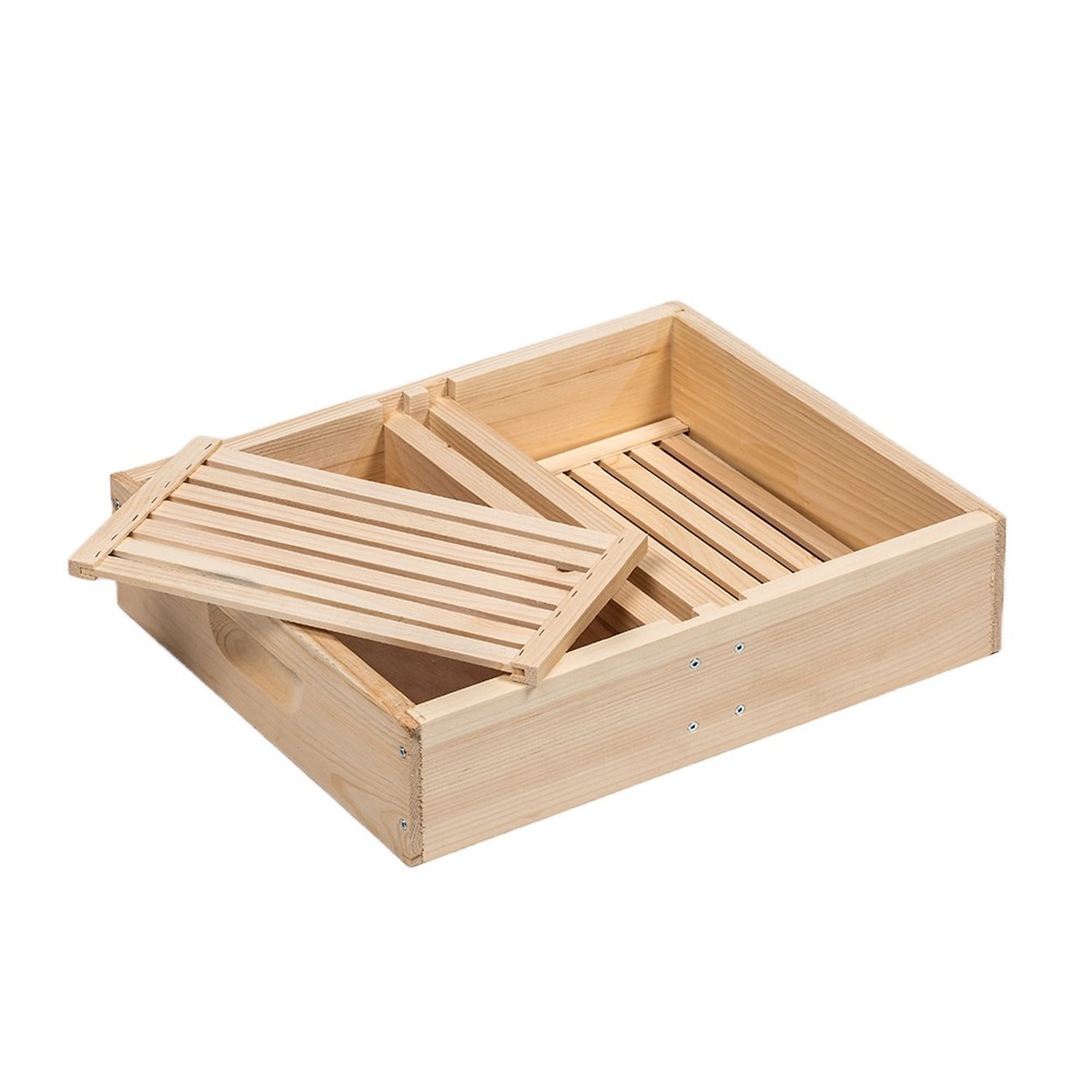
A 10-frame feeder is a hive-top or in-hive accessory sized to fit a standard 10-frame Langstroth box, used to deliver sugar syrup without opening the brood nest. The primary trade-off is capacity and access versus bee drowning risk and hive-body compatibility; durable units use sealed wood joints, fine mesh or float rafts, and precise 10-frame outer dimensions (19-7/8" × 16-1/4"). Pick a feeder with a screened or rafted landing surface and a lid that seals, and skip open-trough or undersized units that leak, drown bees, or leave gaps.

Buying guide image
Greenhouse & Hydroponics

2x4 Grow Light

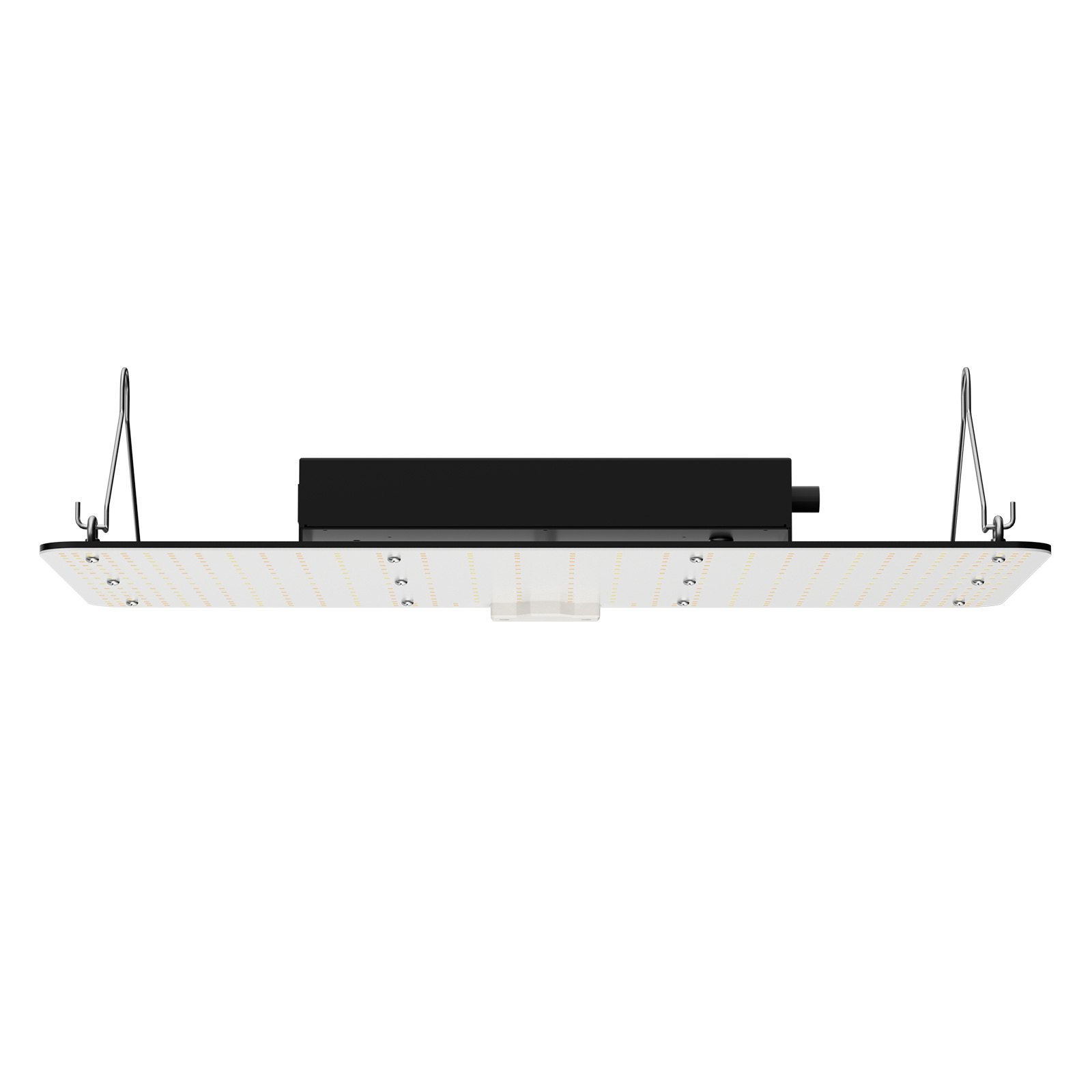
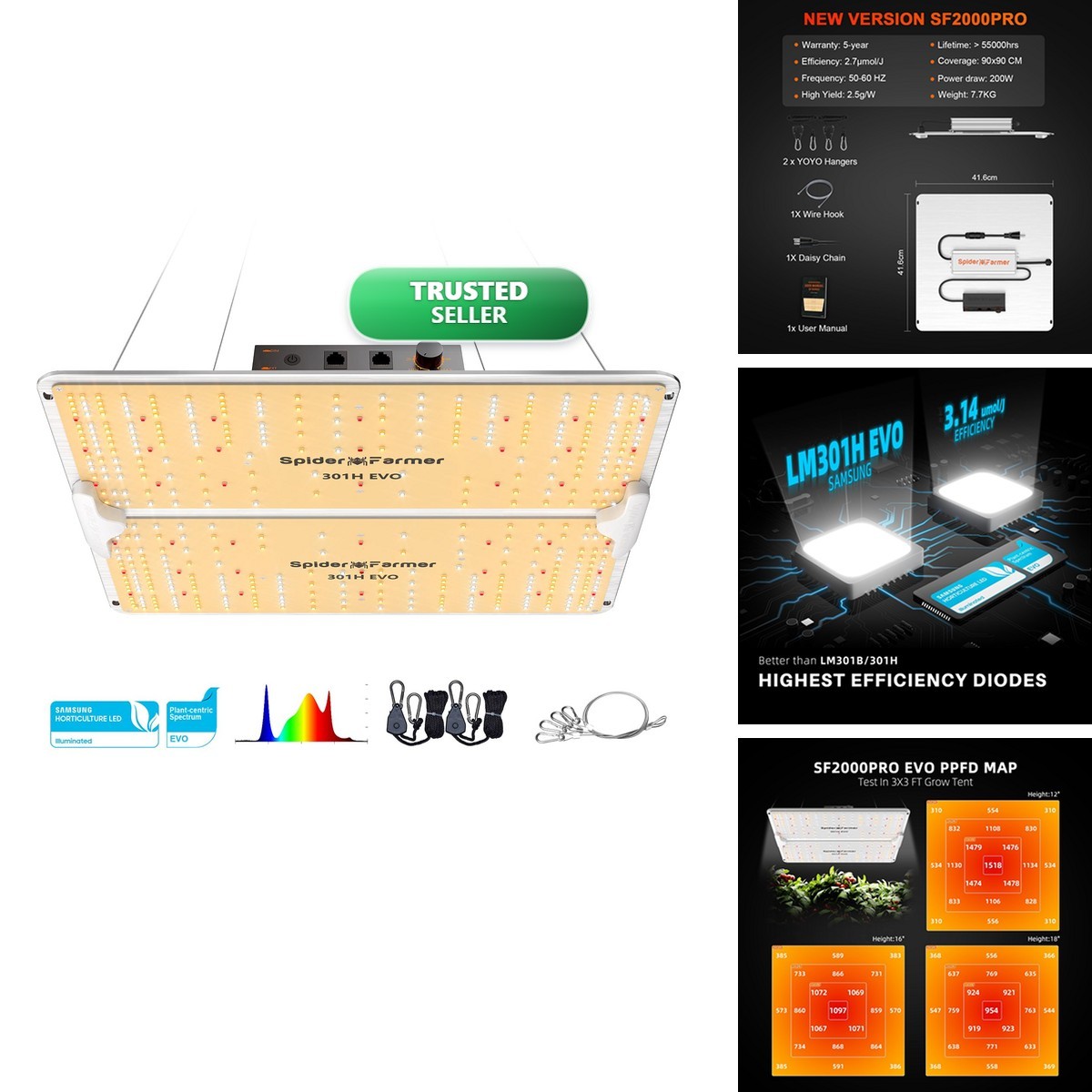
A 2x4 grow light is a bar or panel fixture engineered to deliver uniform PPFD across a 2 ft × 4 ft (8 sq ft) canopy, typically using LED diode arrays with a dimmable driver. The core trade-off is diode quality and driver efficiency versus upfront cost: Samsung LM281B+ diodes with a quality driver outperform generic epistar chips on umol/J and longevity, while cheap high-wattage fixtures waste power as heat. The decision rule is simple: match true wall wattage to canopy size (30–40 W/sq ft for high-yield flowering), demand a dimmable driver and daisy-chain support, and skip any fixture without stated diode bins or PPFD maps.

Buying guide image
Greenhouse & Hydroponics

LED Grow Tent Kit

An LED grow tent kit bundles a reflective enclosure, full-spectrum LED fixture, ventilation, and often a timer or fabric pot set into a single indoor cultivation system. The core trade-off is fixture efficiency and driver quality versus tent thickness and airflow capacity: high-efficacy LEDs with quality drivers and thick, light-tight fabric deliver reliable yields, while thin tents and unbranded drivers cause heat buildup and light leaks. The decision rule is simple: buy kits that specify LED chip brand and efficacy (µmol/J), tent fabric denier and zipper grade, and inline fan CFM sized to tent volume, and skip any kit that omits these three data points.

You may also like

Finding more guides for you…