GardenPulse Guide

GardenPulse Guide

Garden, Yard & Outdoor Living Reviews & Buying Guides

Compare garden, yard & outdoor living by use case, features, trade-offs, price, returns, and seller terms before you buy.

Buying guides

Buying guide image
Watering & Irrigation

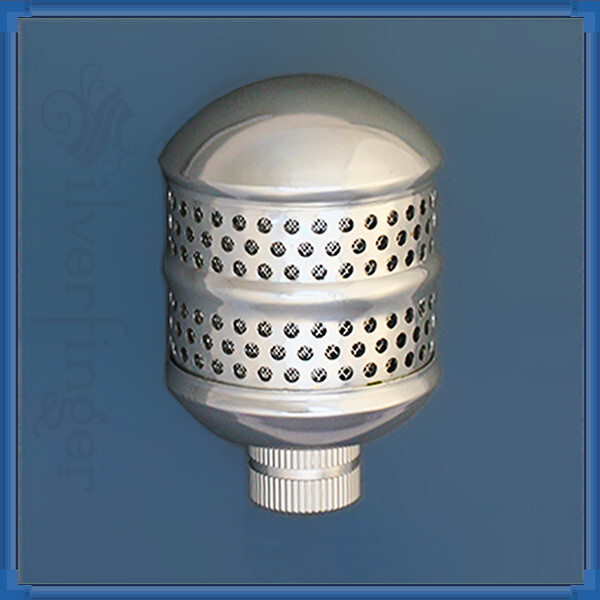
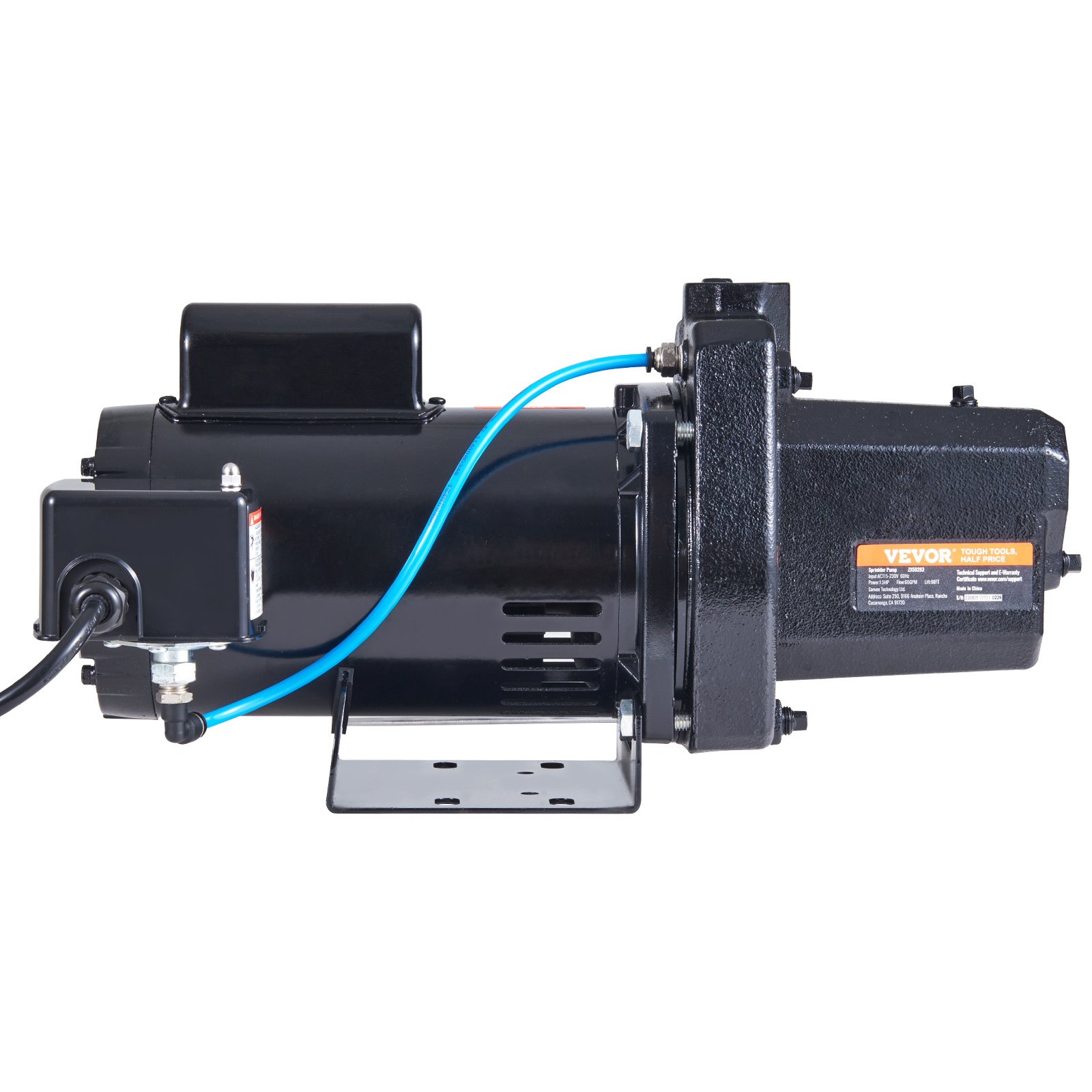
Sprinkler Pump

A sprinkler pump only pays off when its GPM, pressure head, and suction type actually match your water source and zone count. Most buyers oversize horsepower while ignoring shallow-well vs. convertible jet architecture, then fight cycling, poor coverage, or burned motors. Sizing starts with your worst-case lift height, total sprinkler flow demand, and whether the source is a lake, cistern, or driven well point.
Buying guide image
Residential Outdoor Power Equipment

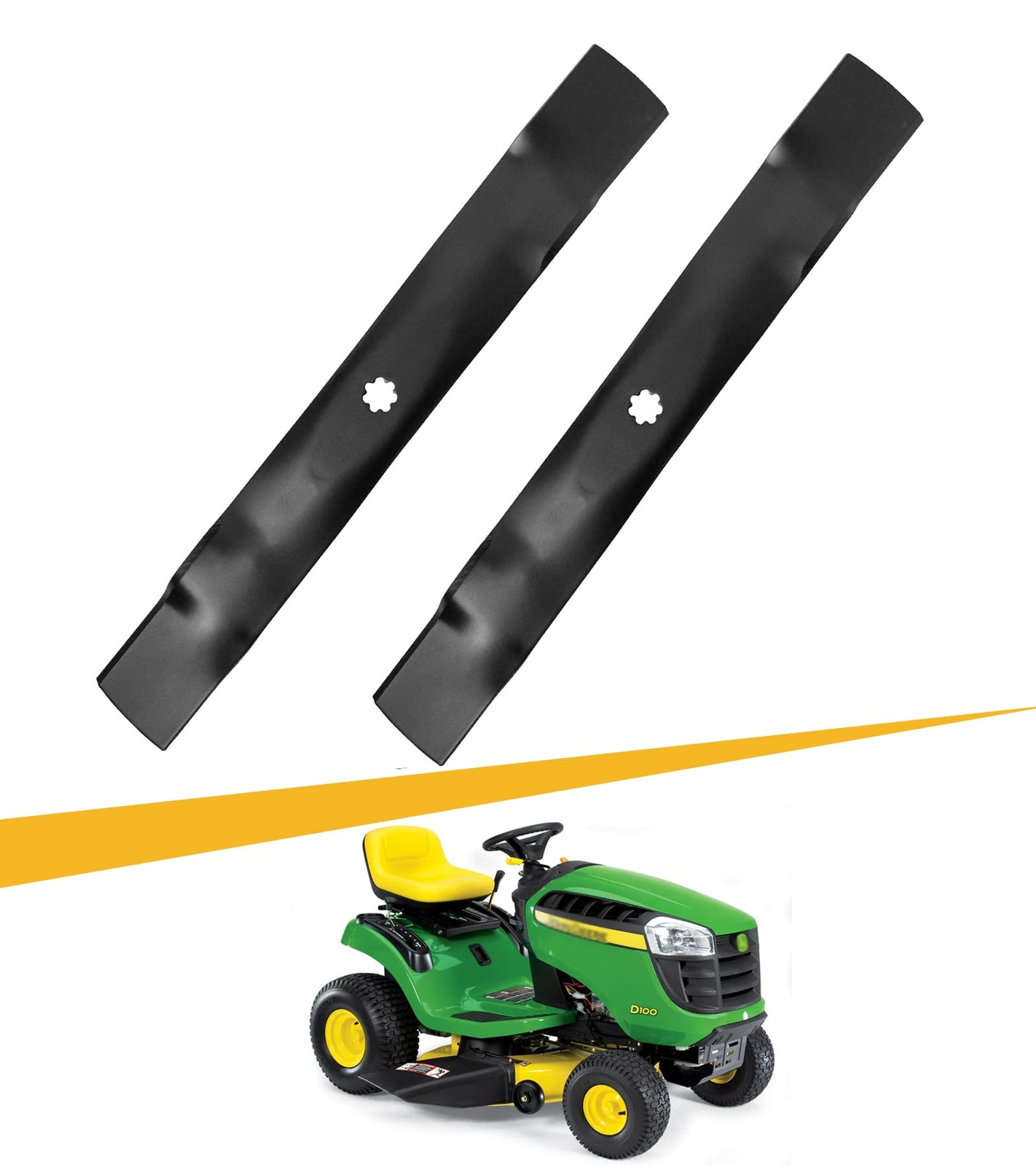
John Deere 42 Mulching Blade

Replacing mulching blades on a John Deere 42-inch deck is a compatibility-first purchase: blade length, center-hole diameter, and deck generation must match exactly or you risk spindle damage and poor cut quality. Most buyers searching this term own a 100- or 200-series lawn tractor with a 42-inch deck, and the common mistake is ordering a generic '42-inch' blade without verifying the star or round center hole and offset. Get the fitment and blade style right, and you'll restore fine-clipping dispersion without buying a whole new deck.

Buying guide image
Residential Outdoor Power Equipment

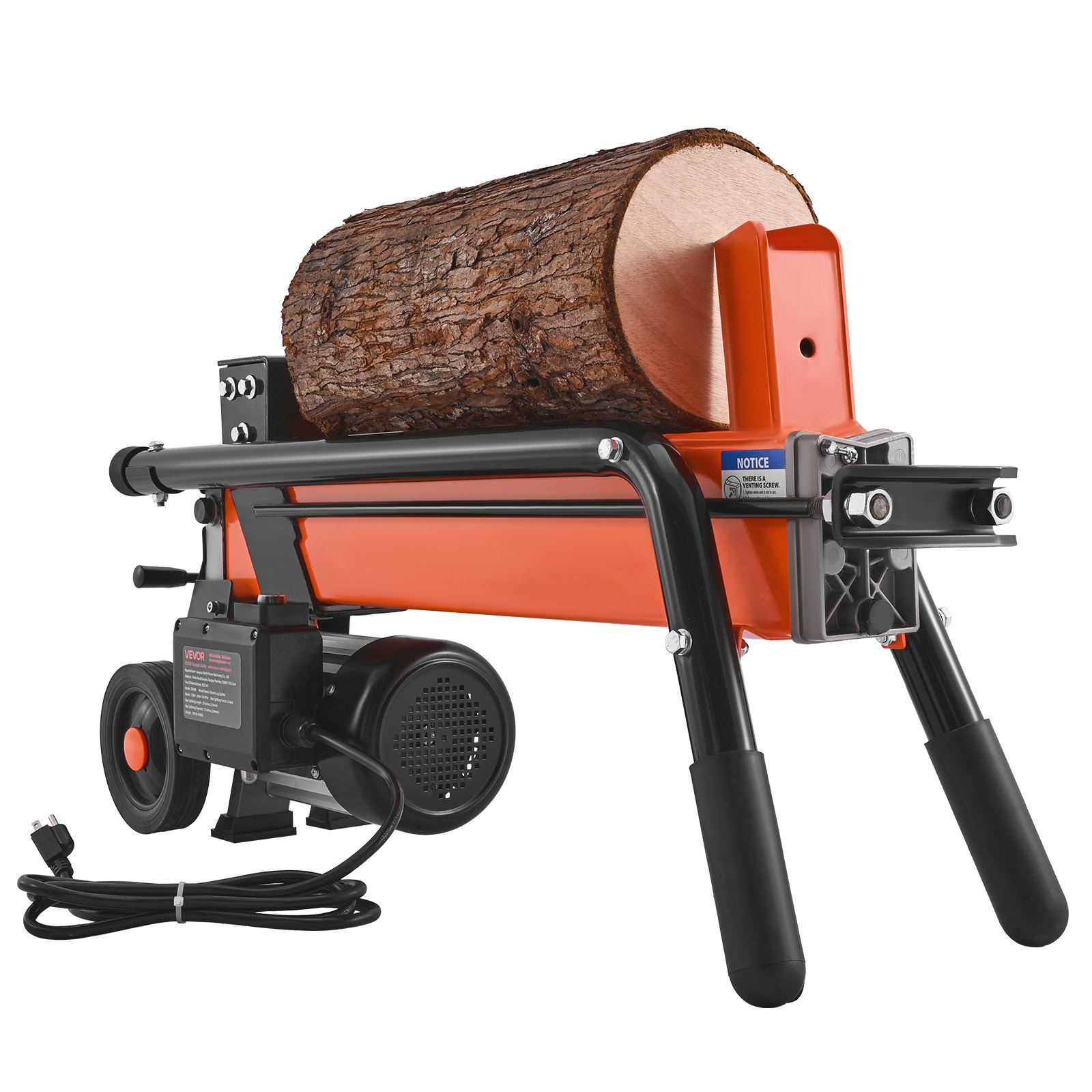
Log Splitter With Lift

A log splitter with a lift removes the back-breaking work of heaving heavy rounds onto the beam, but the lift mechanism itself determines whether the machine saves your back or just adds another failure point. Buyers should focus on lift type (hydraulic table vs. winch vs. manual pivot), tonnage class, and cycle time rather than cosmetic features. The most common mistake is buying a lift that cannot handle the diameter and weight of the wood you actually split.

Buying guide image
Garden Fencing & Privacy Screens

Portable Electric Horse Fence

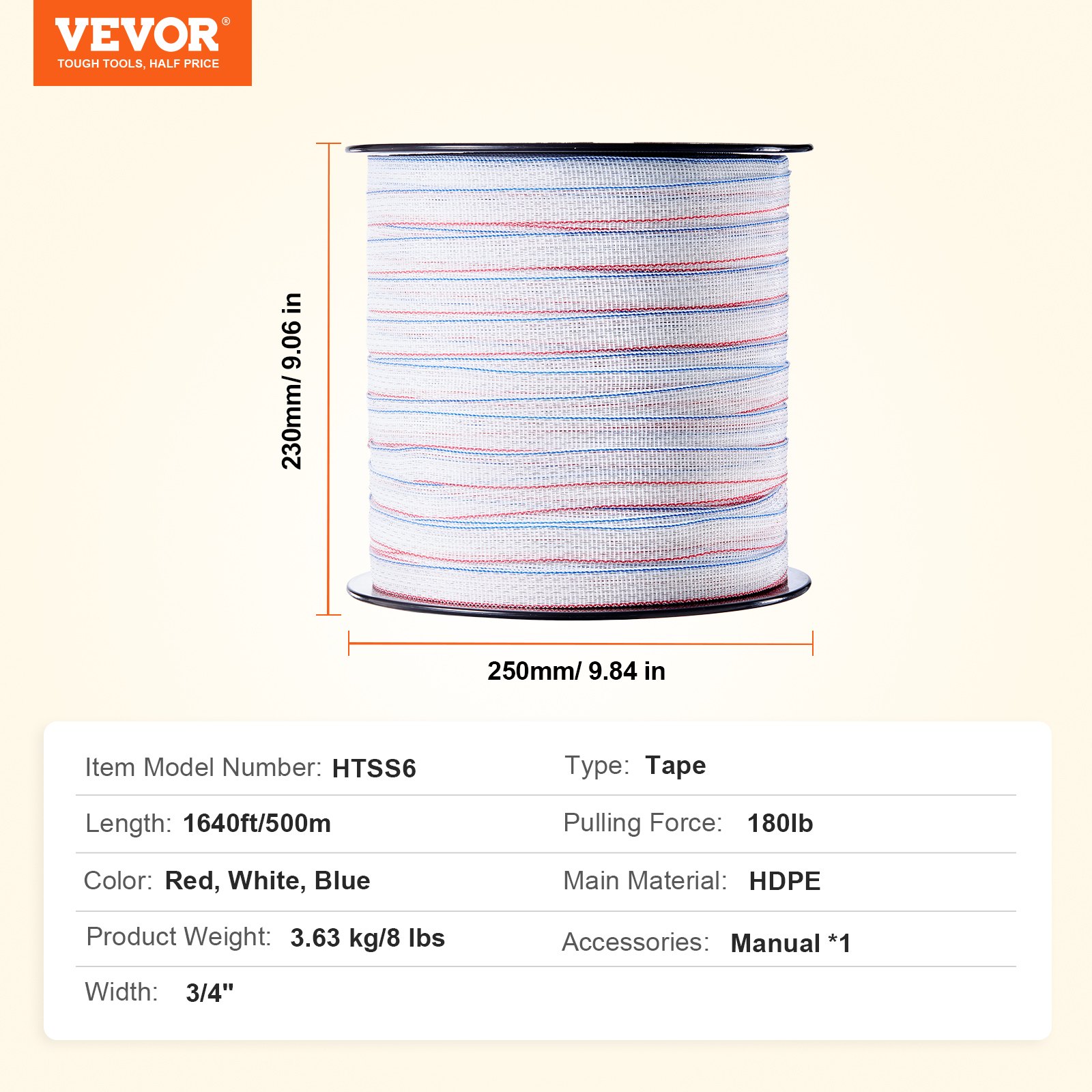
A portable electric horse fence is a temporary, reconfigurable containment system—usually polywire, polytape, or polyrope paired with step-in posts and a pulsed energizer—that relies on a psychological barrier rather than physical strength. The core trade-off is conductivity and UV durability versus weight and portability: thin 1/8-inch polywire with few stainless strands is light and cheap but has high resistance over long runs, while thicker ropes with more strands carry voltage farther but cost more and sag. The decision rule: match strand count and conductor metal to your run length, and never buy a fence kit without an energizer rated for the total fence length and a ground rod system.

Buying guide image
Outdoor Storage

Outdoor Tool Cabinet

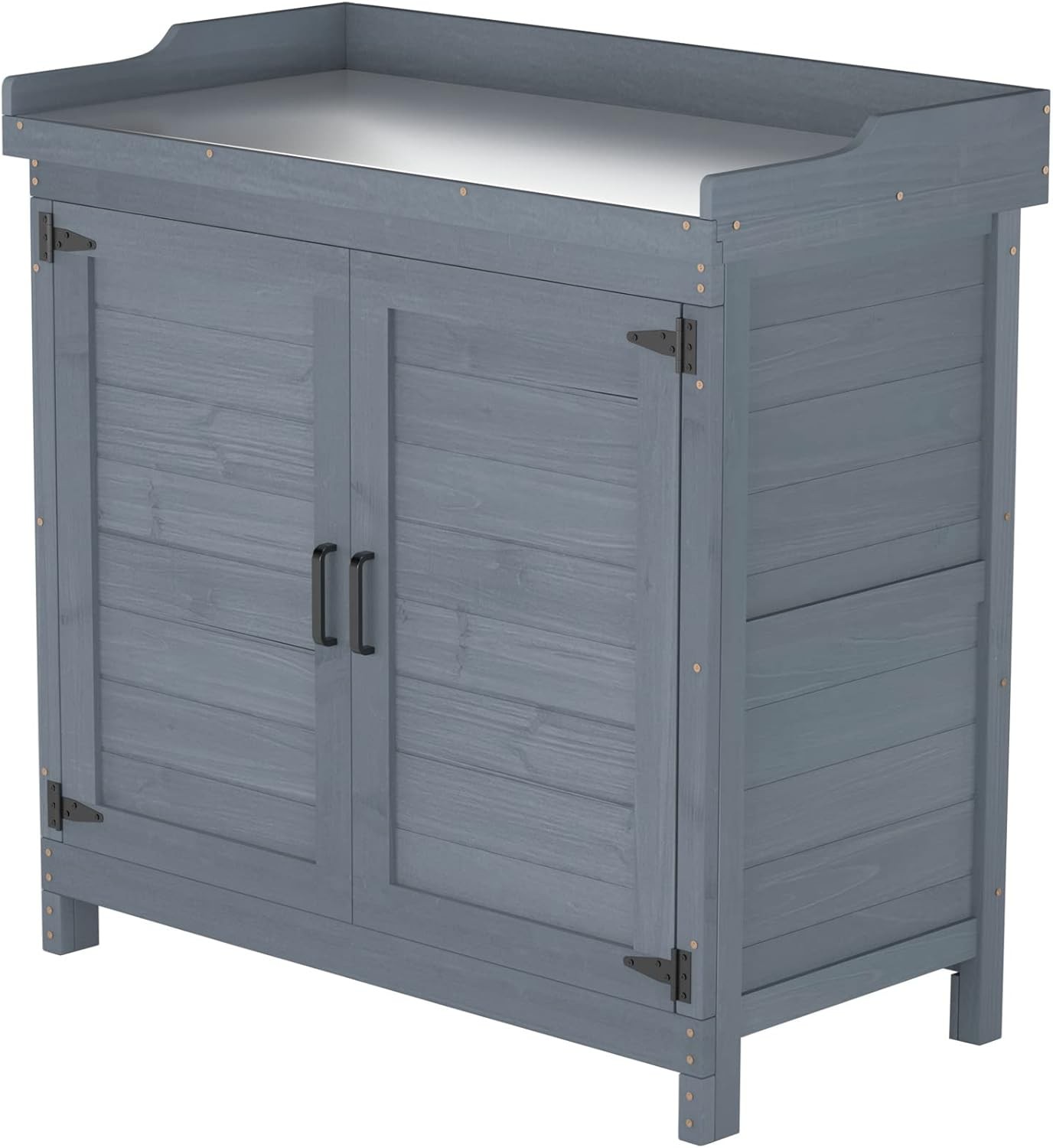
An outdoor tool cabinet is a weatherproof, lockable storage enclosure built to keep garden tools, pool chemicals, and patio gear dry and secure year-round. The defining trade-off is material and door architecture: resin/PE rattan and galvanized steel resist rot and rust but differ in UV stability and dent resistance, while wood offers aesthetics but demands sealing maintenance. The decision rule is simple: pick a cabinet rated for full weather exposure with a locking door and raised base; skip any unit with untreated particleboard, unsealed seams, or a flat lid that pools water.

Buying guide image
Chicken Fencing & Egg Handling

Egg Box

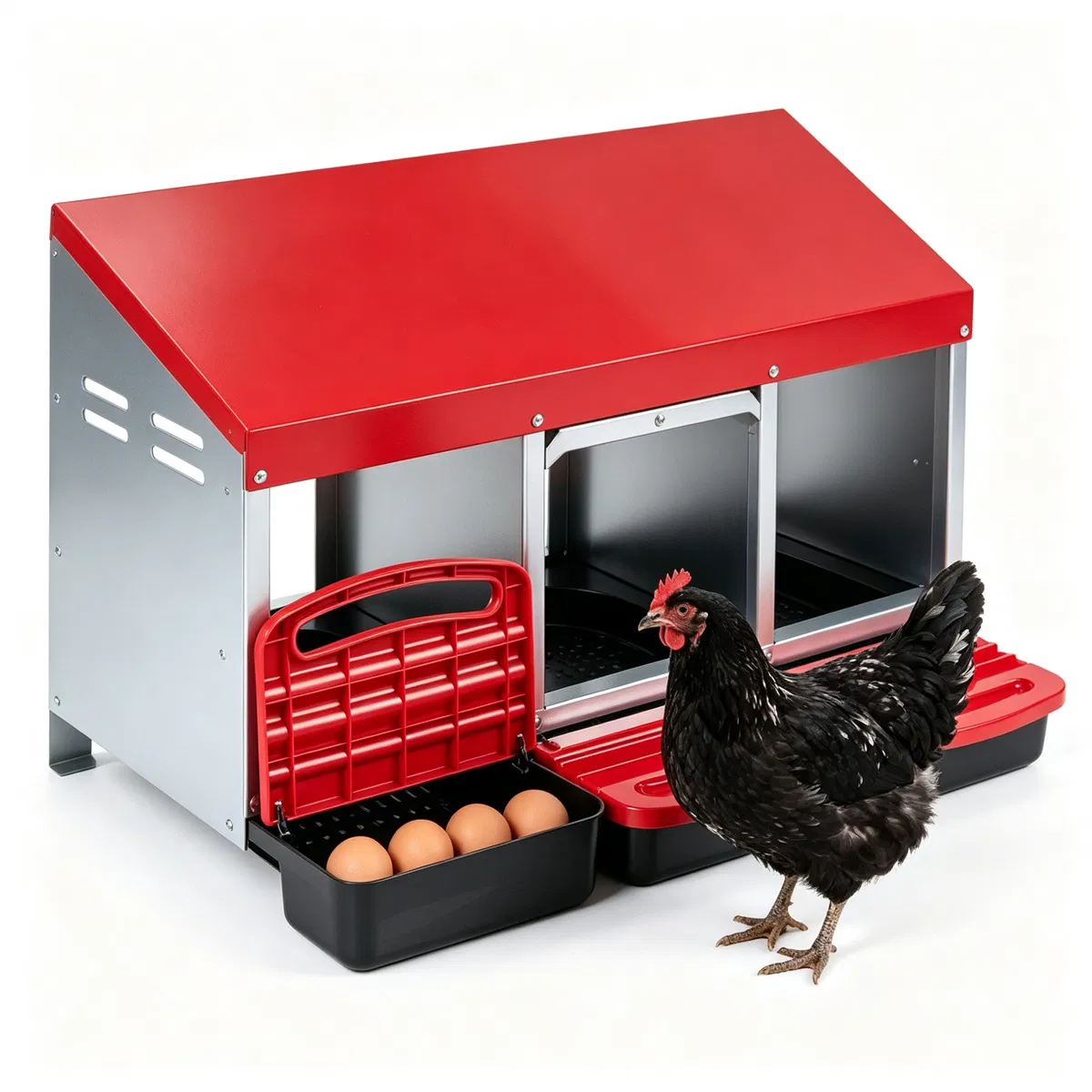
An egg box is the nesting and collection module inside a chicken coop—either a roll-away design that lets eggs tumble into a protected tray or a simple open nest compartment. The core trade-off is egg cleanliness and breakage versus predator access and hen stress: roll-away boxes with a sloped floor and exterior collection door win on hygiene, while open boxes are cheaper but demand more bedding and daily handling. The decision rule: pick a roll-away box with a sloped floor, ventilation, and a secure collection lid if you want clean, unbroken eggs; accept an open box only for small flocks with daily attendance.

Buying guide image
Outdoor Lighting & Decor

Large Outdoor Hanging Lantern

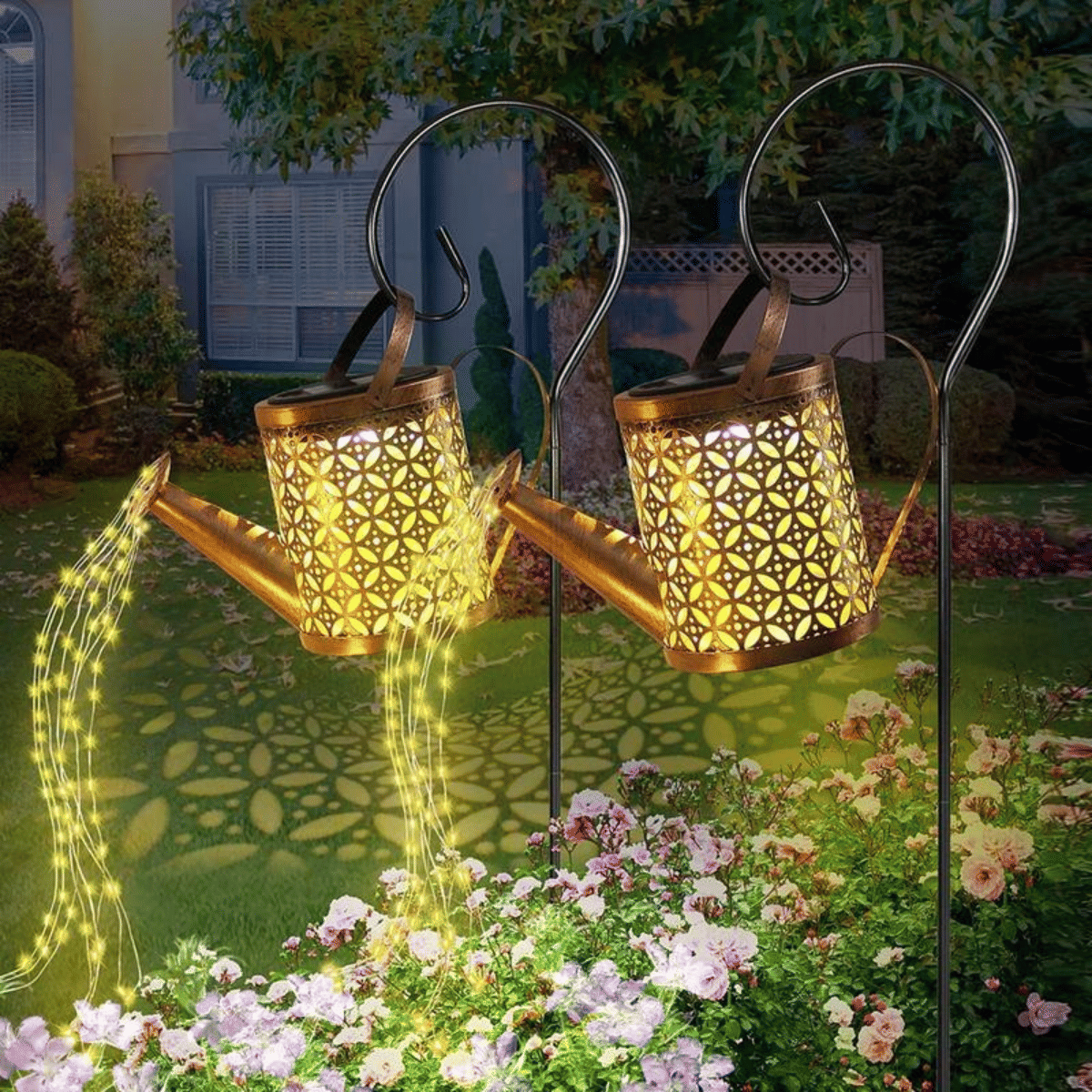
Large outdoor hanging lanterns are decorative and functional fixtures sized roughly 12–24 inches tall that mount from a bracket, hook, or tree limb. The decisive trade-off is housing construction and weather-sealing: die-cast aluminum or powder-coated steel with tempered glass survives years of UV and freeze-thaw cycling, while thin stamped metal and acrylic lenses fade, crack, or corrode within a season or two. Buy metal-housed fixtures with replaceable bulbs and real gaskets; skip plastic-lensed solar novelty shapes if you need lasting light.

Buying guide image
Outdoor Structures, Shade & Awnings

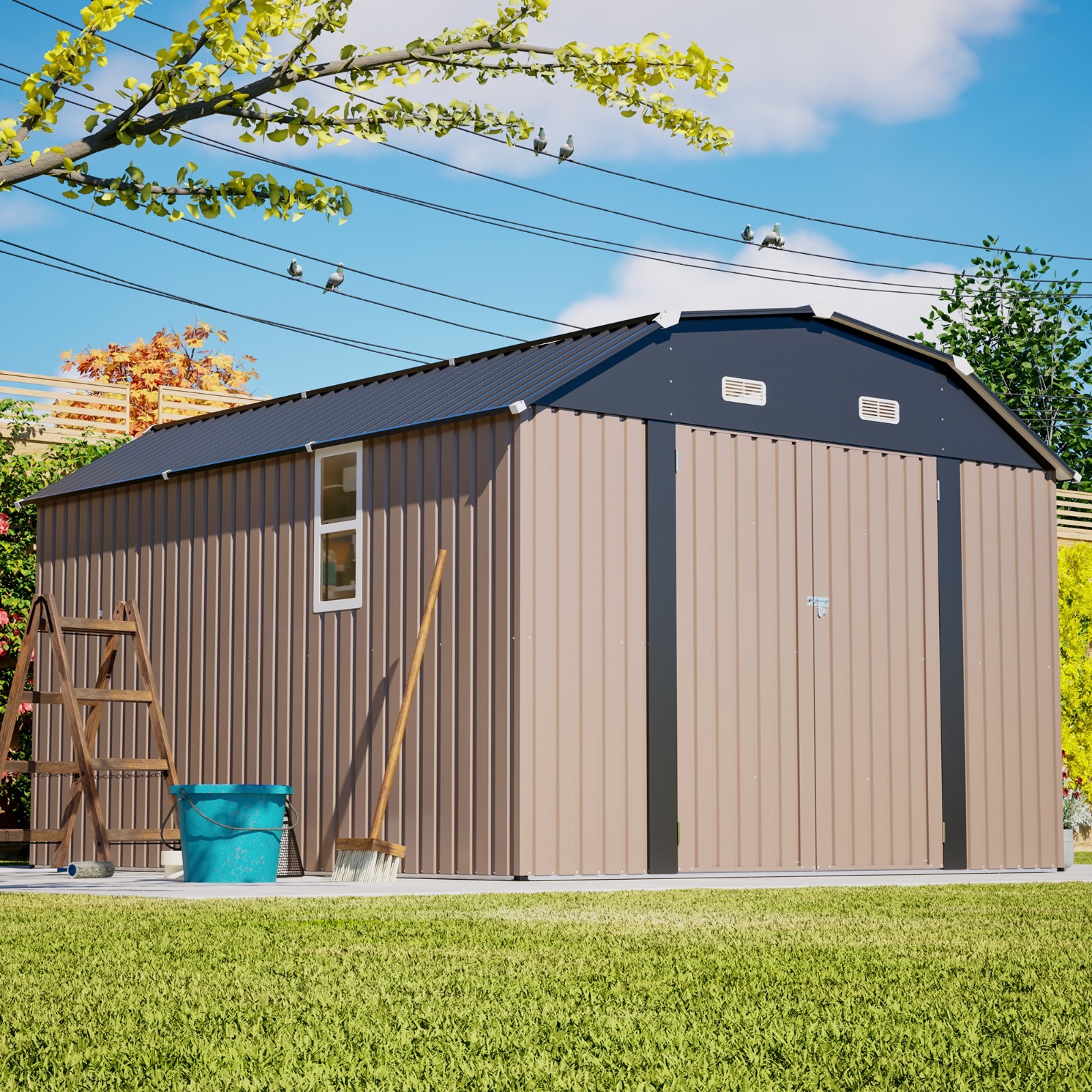
10 X 10 Metal Shed With Floor

A 10x10 metal shed with an integrated floor solves the two biggest failures of budget storage: rust-through at the base and a dirt or gravel foundation that never drains. Buyers typically need a true 100 sq ft footprint for mowers, bikes, and patio furniture, so panel gauge, floor framing, and anchoring method matter far more than cosmetic trim. The most common mistake is assuming a kit includes a floor when most metal sheds are sold as panel-only shells.

Buying guide image
Outdoor Structures, Shade & Awnings

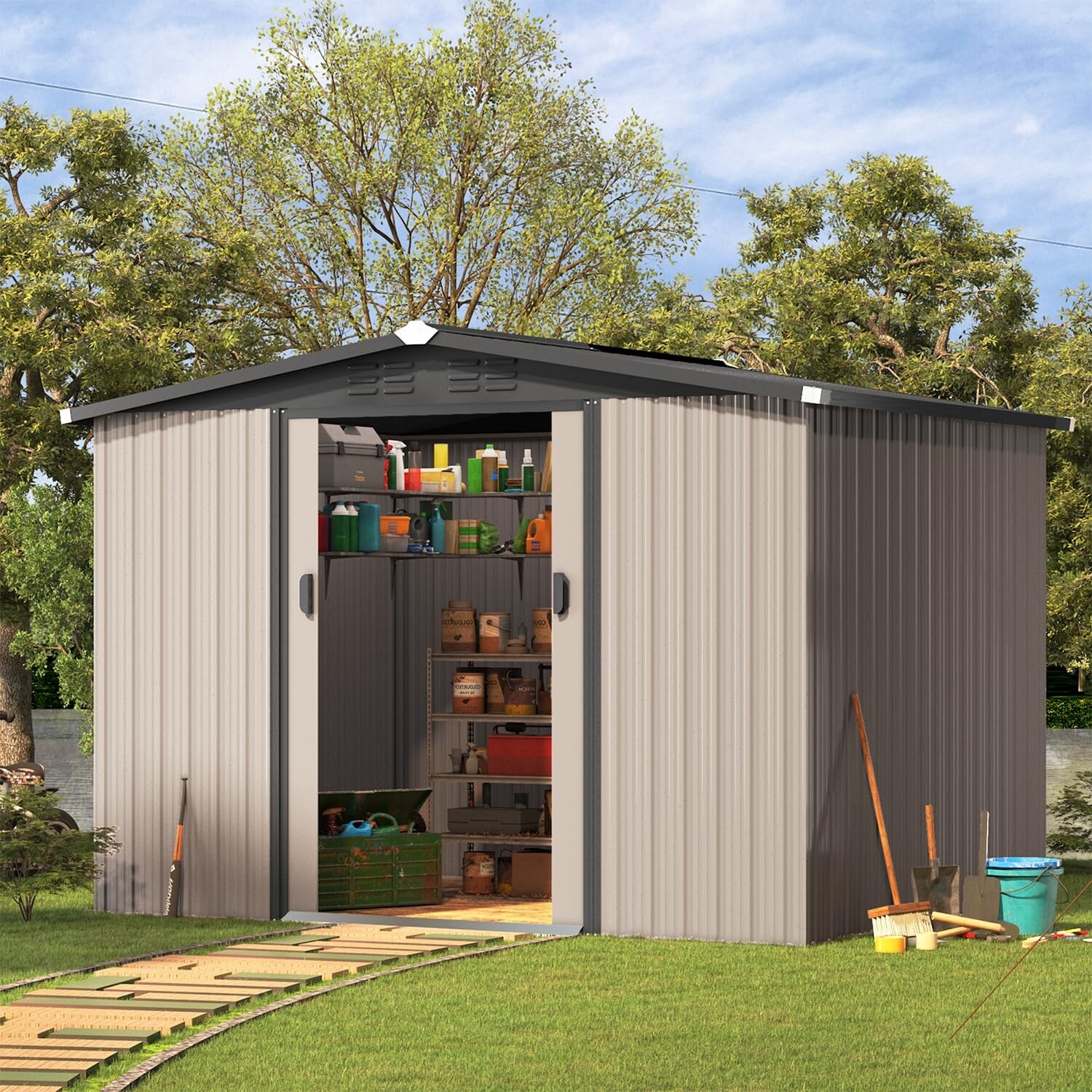
Galvanized Metal Shed

A galvanized metal shed earns its keep when you need weatherproof, low-maintenance storage that won't rot, warp, or need repainting like wood. Buyers often misjudge two things: the actual panel gauge and the base preparation required—both decide whether the shed stays rigid through wind and frost. Focus on steel thickness, coating class, and door hardware rather than nominal footprint alone.

Buying guide image
Outdoor Structures, Shade & Awnings

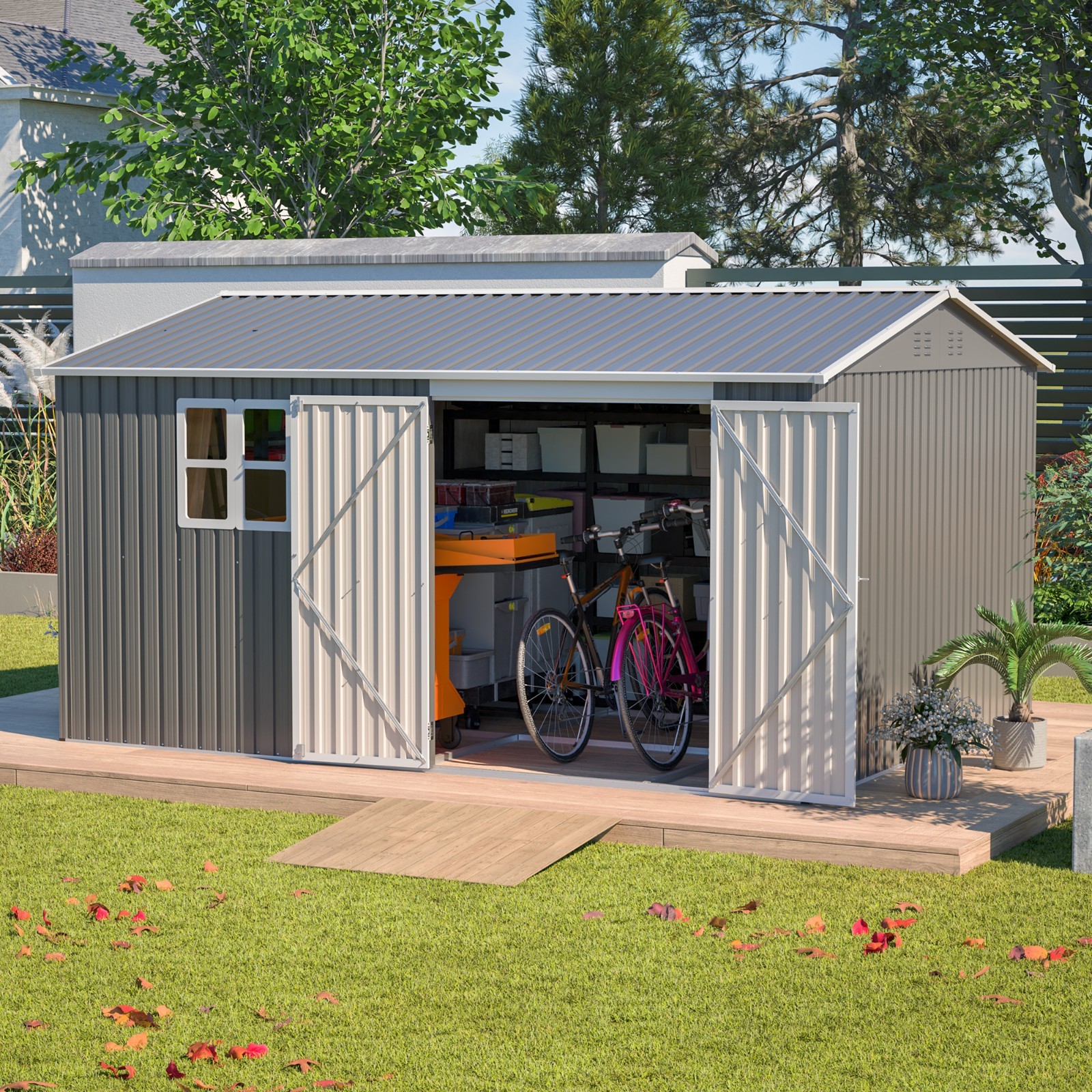
Shed 10 X 12

A 10x12 shed is the largest common backyard size that still fits most residential permit-exempt limits, so buyers must prioritize foundation type and wall height before choosing siding. Most mistakes come from ignoring the door rough opening and floor frame compatibility with the chosen base.

Buying guide image
Outdoor Structures, Shade & Awnings

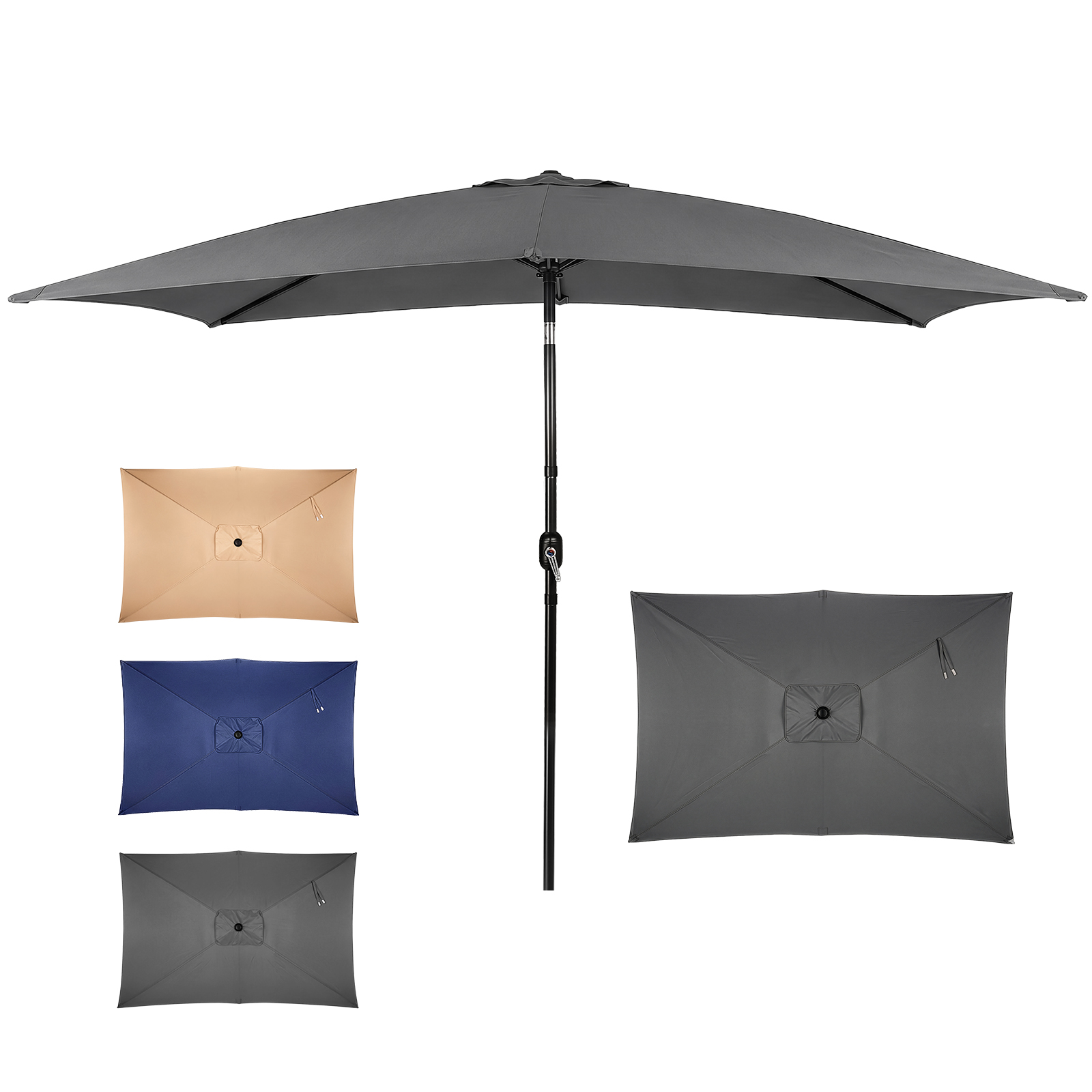
Square Outdoor Umbrella

A square outdoor umbrella is a canopy with a square or near-square footprint, used to shade patios, decks, and dining sets where rectangular coverage matters. The primary trade-off is canopy fabric grade and frame rigidity versus portability and price: polyester canopies fade and tear in 1-2 seasons, while solution-dyed acrylic and aluminum or fiberglass ribs hold color and shape for years. The clear decision rule: buy solution-dyed acrylic or high-GSM spun-poly with at least 6 ribs and a crank/tilt mechanism for permanent seasonal use; skip thin 160-180 GSM polyester with 4-5 ribs if the umbrella stays outside year-round.

Buying guide image
Greenhouse & Hydroponics

Decorative Grow Light

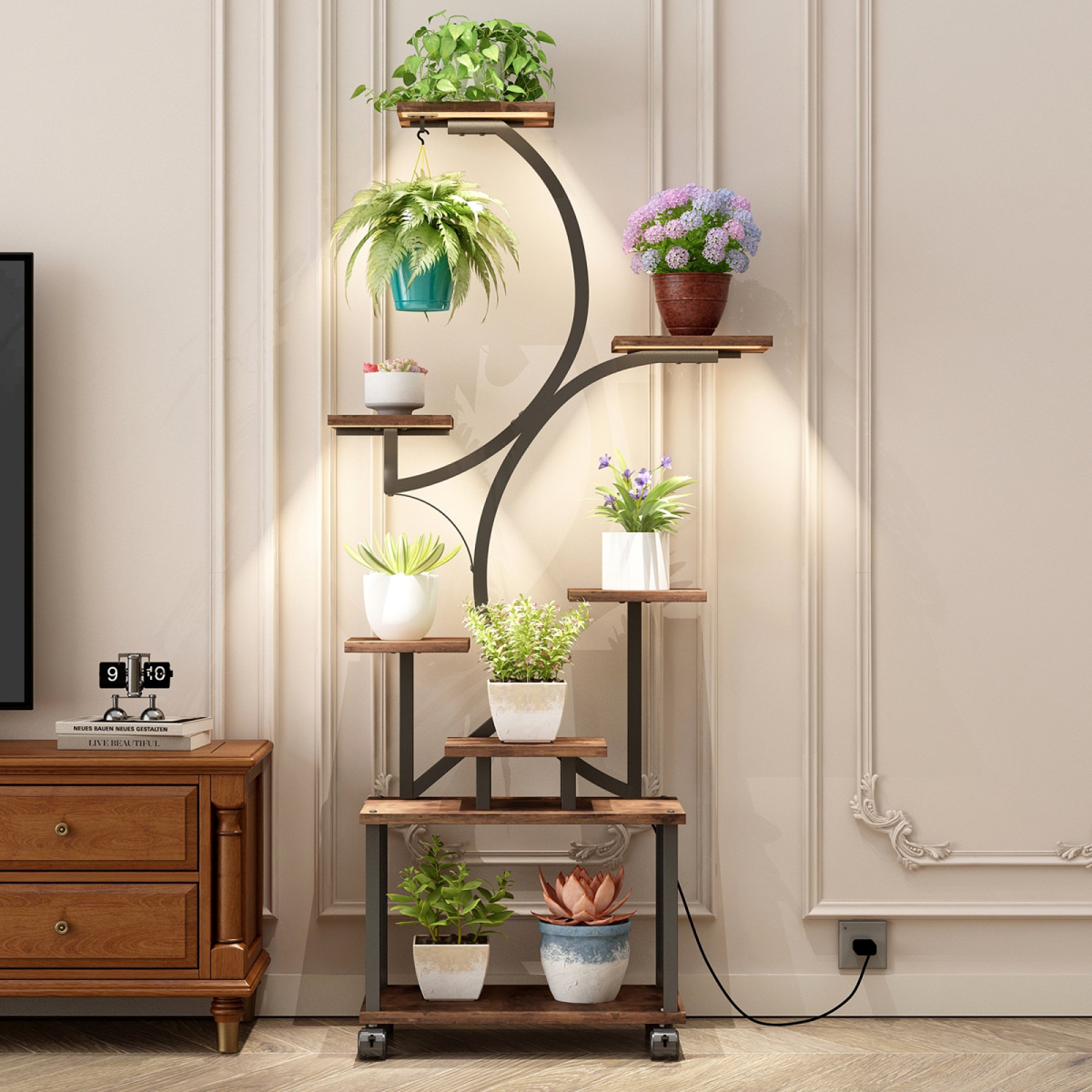
Decorative grow lights are plant lights designed to look like standard home décor—pendant, clip-on, or integrated into furniture—while delivering supplemental PAR for houseplants. The core trade-off is aesthetic wattage: genuinely useful decorative lights use full-spectrum LED diodes with a measurable PAR output at a stated distance, while look-alike units use low-output diodes or colored filters that cannot sustain photosynthesis. The decision rule: buy only fixtures that publish PPFD (µmol/m²/s) at a specific hanging height and true wall wattage; skip any lamp that lists only lumens, 'equivalent watts,' or color temperature without PAR data.

Buying guide image
Greenhouse & Hydroponics

Mini Grow Tent

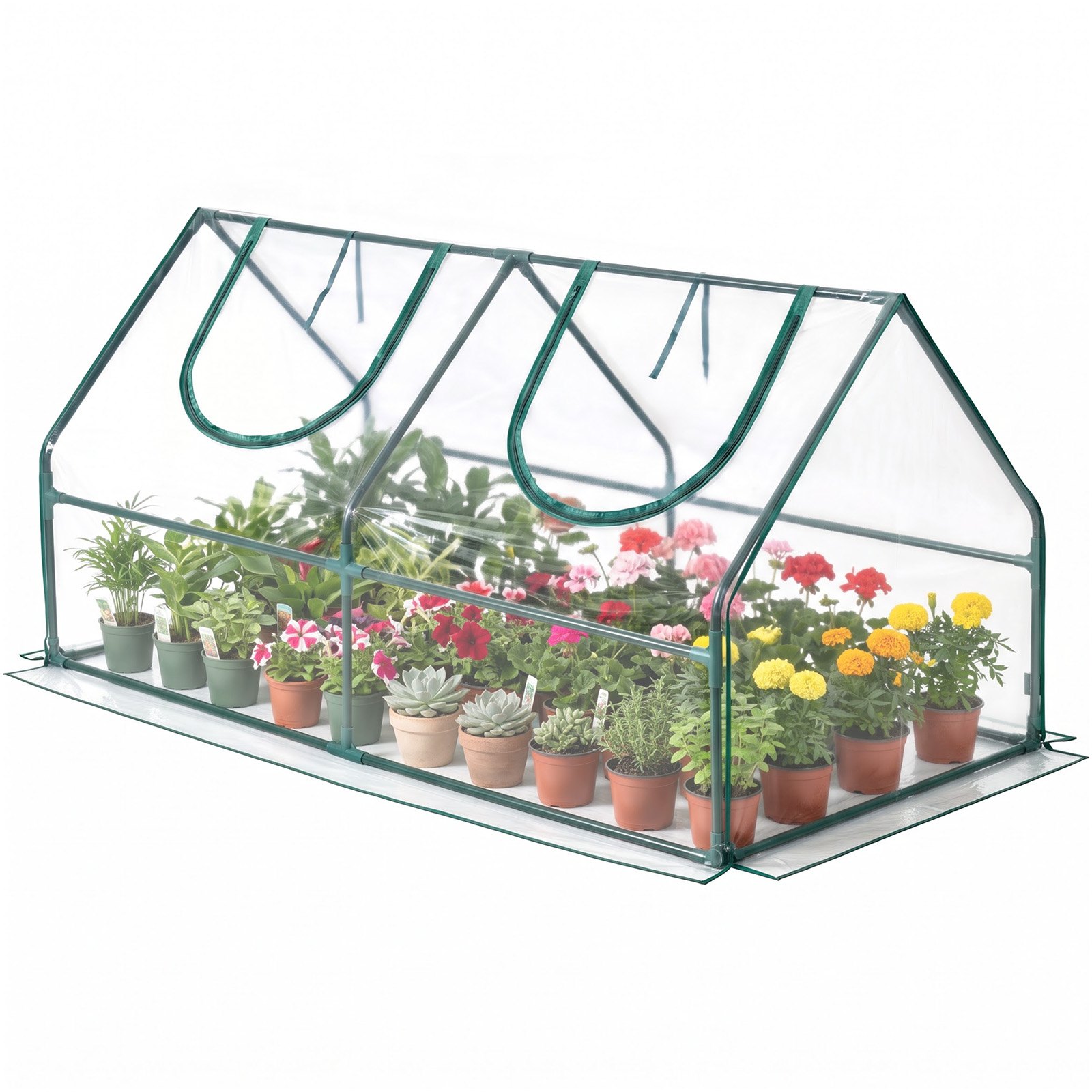
A mini grow tent is a compact, enclosed cultivation space—typically 2–4 ft tall and under 4 ft wide—engineered to control light, humidity, and temperature for seedlings, cuttings, herbs, and small fruiting plants. The core trade-off is between thin, single-layer Oxford or PVC covers with basic zippered access and heavier, reflective, multi-layer shells with proper ventilation ports, sturdy poles, and light-proof seams. The decision rule: choose a tent with at least 210D Oxford or 4-layer reflective Mylar, a metal frame (not fiberglass or plastic), and dedicated duct ports—skip any tent that relies on passive vents alone or uses sub-150D fabric, which tears and leaks light within a season.

Buying guide image
Greenhouse & Hydroponics

Seed Starter Kit With Grow Light

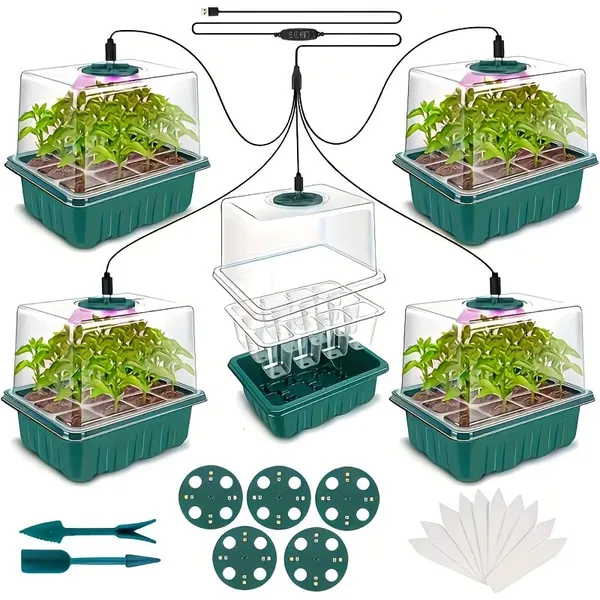
A seed starter kit with grow light combines a humidity-domed propagation tray with an integrated LED bar, giving seedlings the warmth, moisture, and spectrum they need before transplant. The core trade-off is LED quality and timer adjustability versus tray build and cell count: cheap kits use low-output blurple diodes and flimsy PET trays, while durable kits use full-spectrum white LEDs, adjustable brightness, and thicker BPA-free plastic. Buy a kit with at least 4 brightness levels, a 4/8/12-hour timer, and 12-cell trays if you start more than two dozen seeds per season; skip fixed-output single-timer kits for anything beyond window-herb starting.

Buying guide image
Pools & Spas

Pool Lounger Float

A pool lounger float is a personal flotation chair or raft designed for relaxed reclining in pools, lakes, and calm water. The primary trade-off is between vinyl air-bladder comfort and foam/rigid-core durability, with the best choice hinging on whether you need compact portability or puncture-proof longevity. Choose reinforced multi-chamber vinyl or closed-cell foam for multi-season use; treat single-chamber PVC as a short-life seasonal compromise.

Buying guide image
Chicken Coops & Runs

Large Duck Coop

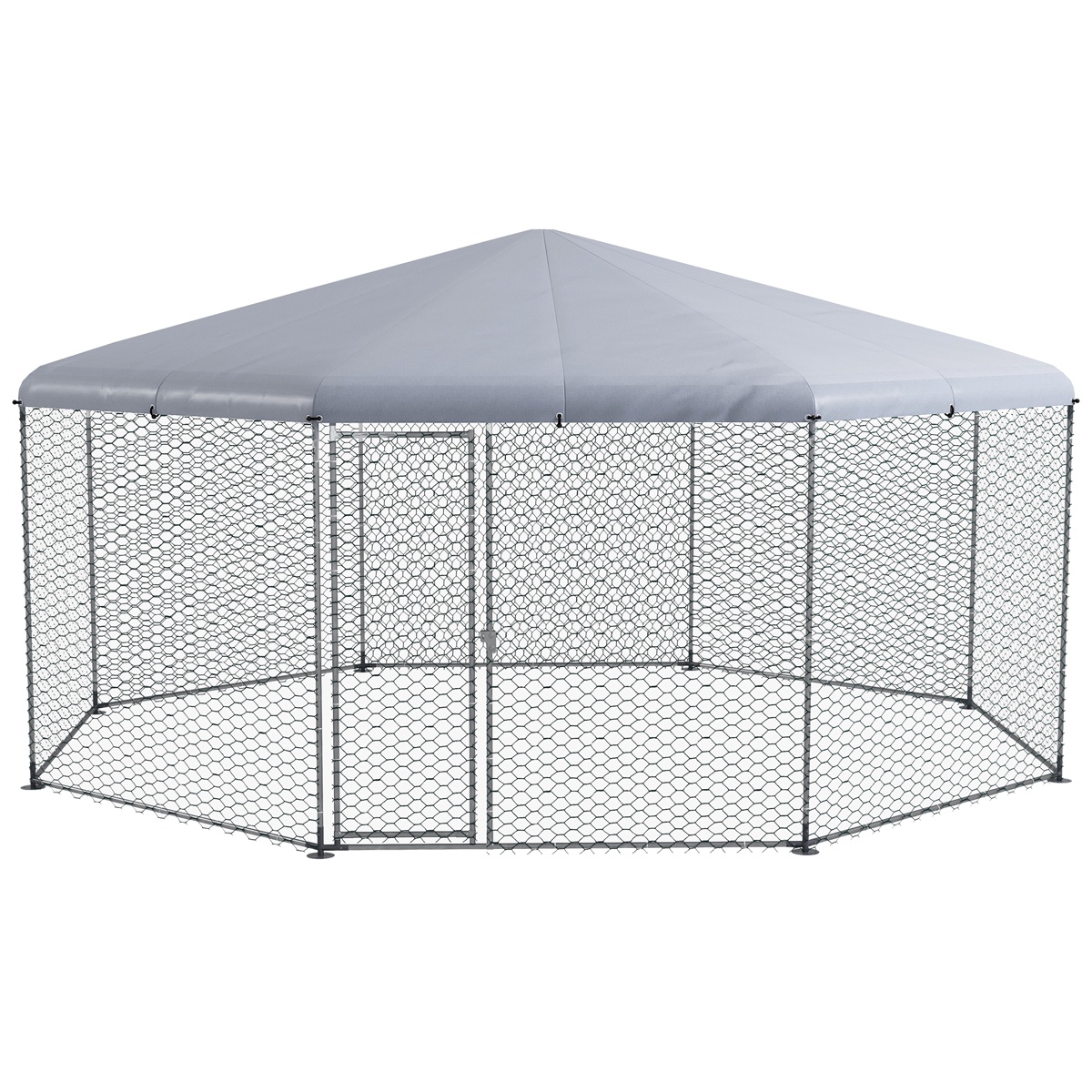
Large duck coops are walk-in metal run-and-house structures sized for 4-10 ducks, where the primary trade-off is thin-wall galvanized tube framing with a tarp cover versus heavier-gauge welded panels with a rigid roof. The decision rule: buy a walk-in height of 6.5 ft or more, a tube wall of 1.0 mm or thicker, and a footprint that gives each duck at least 10 sq ft of run, or the frame will rack and the birds will soil the enclosure faster than you can manage.

Buying guide image
Chicken Coops & Runs

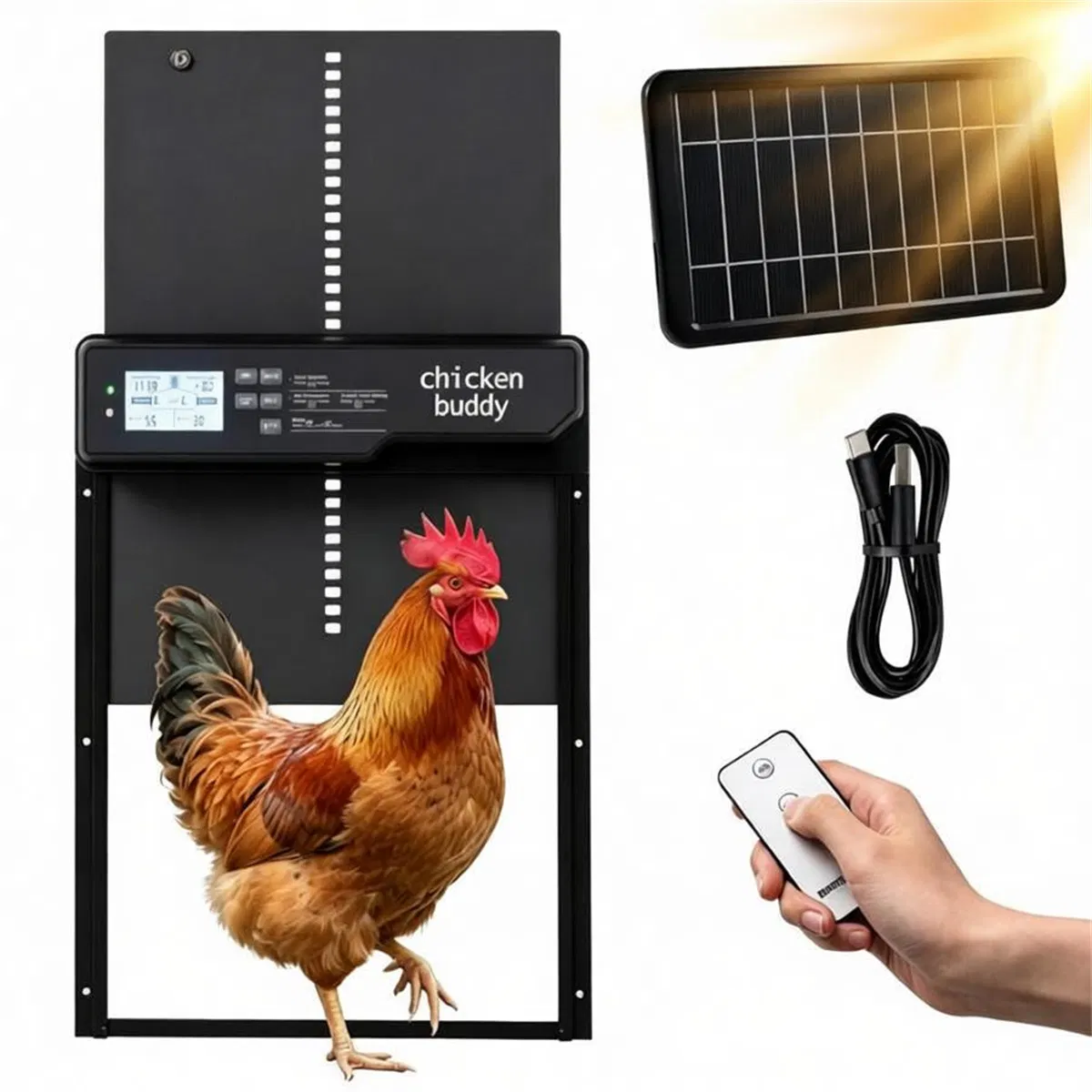
Manual Chicken Coop Door

Manual chicken coop doors are the simplest, most reliable way to secure a flock—but the wrong slide track, latch, or material grade will jam, rust, or fail within a season. Buyers often overlook run clearance, door weight, and predator-rated fasteners until after installation. Focus on track geometry, aluminum or HDPE construction, and a latch that stays put in wind.

Buying guide image
Chicken Feeders & Waterers

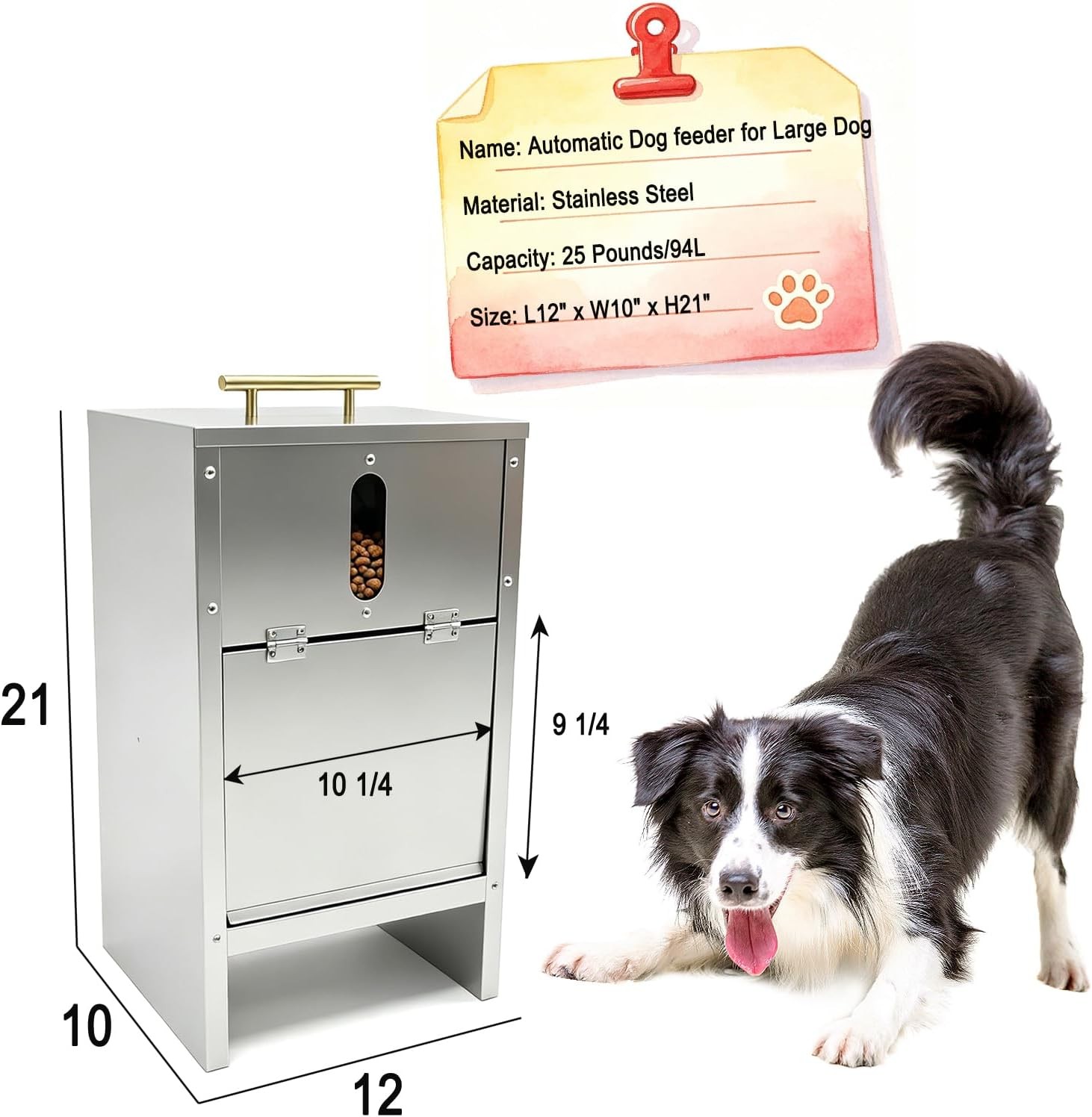
Chicken Duck Feeder

Chicken duck feeders are gravity or port-based feed dispensers designed to serve mixed flocks while resisting waste, moisture, and pest intrusion. The core trade-off is between cheap thin plastic (cracks, UV-degrades, tips) and thicker food-grade plastic or stainless steel with locking lids and adjustable legs. Choose a feeder with sealed lid, adjustable height, and metal or ≥2mm HDPE construction; skip open-trough or flimsy snap-fit plastic units.

Buying guide image
Watering & Irrigation

1 4 Soaker Hose

A 1/4-inch soaker hose is a low-flow drip irrigation line for garden beds, containers, and narrow rows, not a substitute for a standard 5/8-inch garden hose. Shoppers often buy 1/4-inch line expecting full-yard coverage, then find it starves long runs of pressure and needs a pressure reducer plus a filter to avoid clogging. Determine your run length, water source pressure, and whether you need a porous weeping hose or a precision drip emitter line before choosing a tier.

Buying guide image
Watering & Irrigation

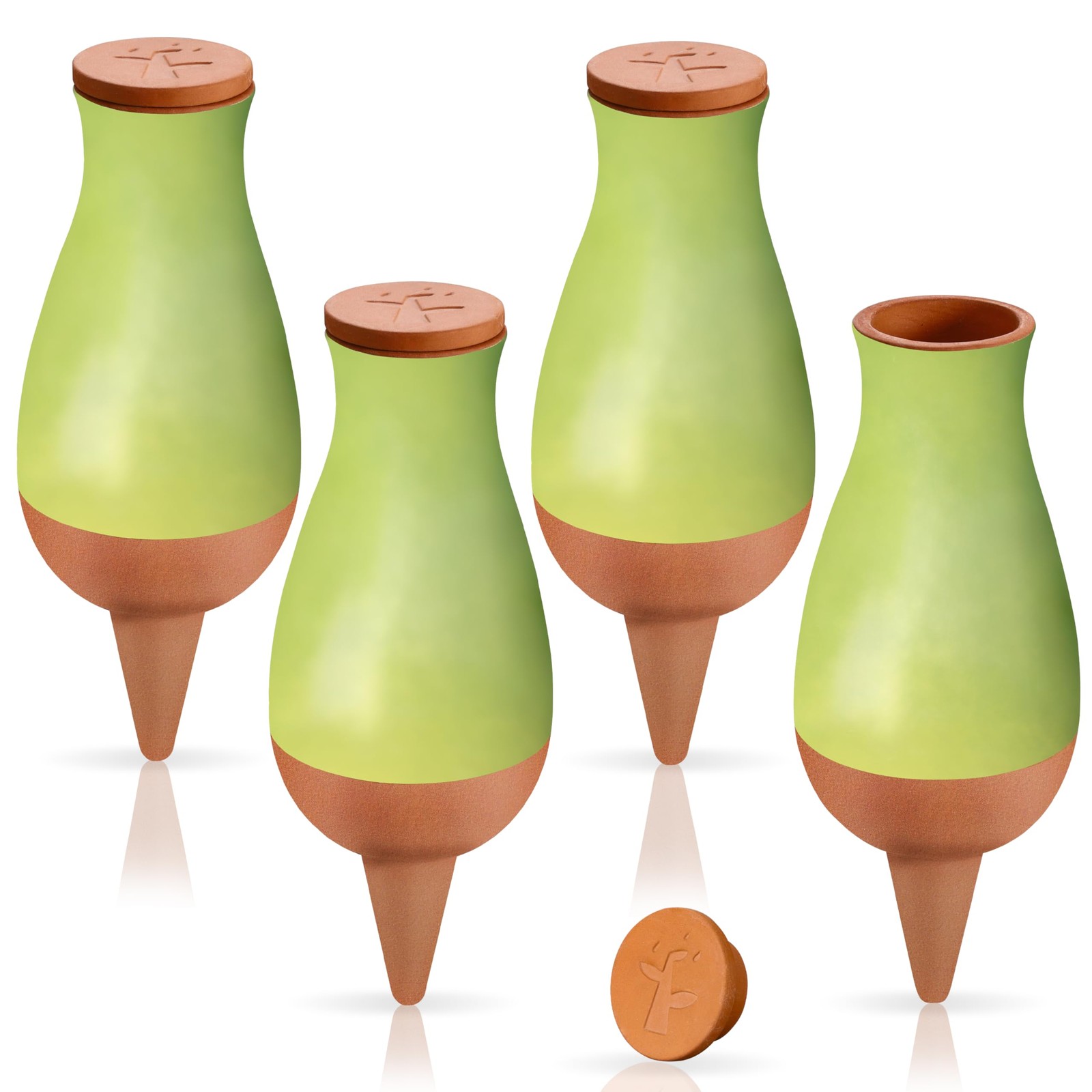
Drip Stake

Drip stakes are the final delivery point in any drip system, and the wrong emitter style or spike length will either drown a root zone or leave it dry. Focus on flow rate, connection standard, and stake length for your container depth rather than decorative materials like ceramic. For indoor self-watering globes, capacity and wick or ceramic porosity are the only meaningful specs.

You may also like

Finding more guides for you…