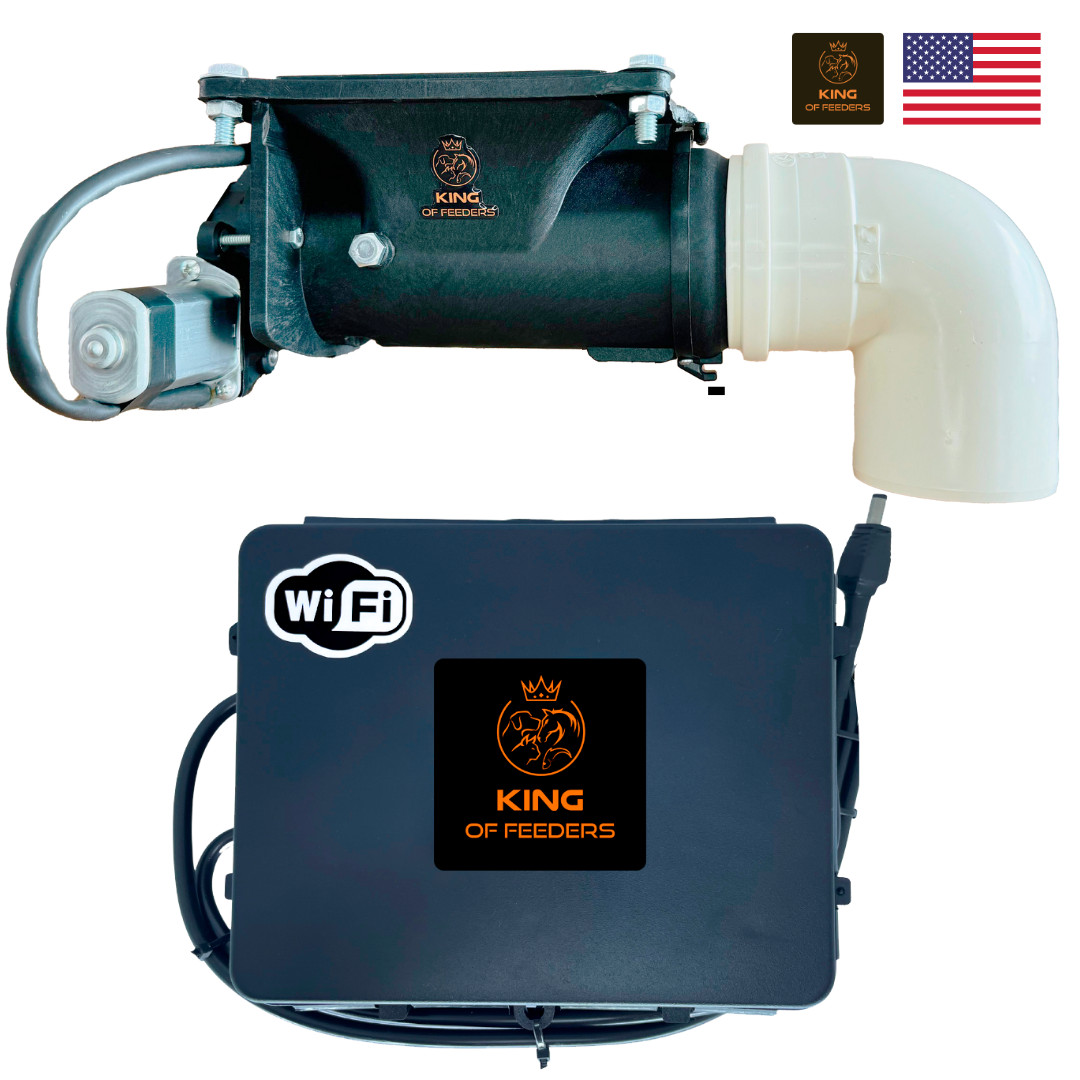

Photos from current listings. Actual item, color, and included accessories may vary.
Smart Chicken Feeder Buying Guide
Smart chicken feeders add app-controlled or sensor-triggered portioning to a coop, trading simple gravity bins for automated schedules and predator-resistant doors. The key trade-off is between moisture-proof mechanical simplicity and electronic convenience: cheap sensor flaps fail in humid coops, while robust units use sealed augers, capacitive sensors, and low-voltage DC motors. Buy a smart feeder only if you need timed portions or remote monitoring; otherwise a treadle or gravity feeder is more durable for the same capacity.
Key takeaways
- Feed delivery architecture splits into auger/screw conveyors (consistent pellet dosing, jam-prone with mash) versus gravity gate/flap releases (simple, moisture-sensitive, poor portion accuracy).
- Predator resistance depends on door actuation: motorized guillotine shutters with limit switches beat servo flaps, which raccoons and rats can pry open when unpowered.
- Power topology matters: AC-adapter units need a dry indoor outlet or sealed outdoor GFCI run; battery/solar units typically use 6V-12V DC and last weeks per charge depending on motor duty cycle.
At a glance
- Category
- Chicken Feeders & Waterers
- Last updated
- Nov 28, 2026
Current offers
Highlights
- Feed delivery architecture splits into auger/screw conveyors (consistent pellet dosing, jam-prone with mash) versus gravity gate/flap releases (simple, moisture-sensitive, poor portion accuracy).
- Predator resistance depends on door actuation: motorized guillotine shutters with limit switches beat servo flaps, which raccoons and rats can pry open when unpowered.
- Power topology matters: AC-adapter units need a dry indoor outlet or sealed outdoor GFCI run; battery/solar units typically use 6V-12V DC and last weeks per charge depending on motor duty cycle.
- Hopper sealing grade (IP44 minimum, IP65 preferred) and UV-stabilized HDPE or galvanized steel determine whether feed clumps and molds in humid or rainy climates.
Best use cases
- Best fit: backyard keepers with 4-12 hens on a fixed schedule who want app-set portion times and predator-closing doors — choose an auger unit with IP65 hopper and battery/solar power.
- Wrong fit: free-range flocks where birds forage most of the day — skip smart feeders; a treadle feeder prevents wild-bird theft with zero electronics.
- Best fit: remote or weekend properties needing feed logs and low-feed alerts — pick a Wi-Fi/app model with local schedule fallback so birds still eat if the router drops.
- Wrong fit: coops without reliable power or winter sun — skip AC-only and small-solar units; choose a larger battery bank or stay with mechanical gravity feeders.
Buying tips
- Size the hopper to flock intake: hens eat roughly 0.25 lb (110-120 g) daily, so a 20 lb hopper feeds 10 hens about 8 days — match capacity to your refill interval.
- Require IP65 or sealed gasketed lids in rainy or humid climates; IP44 is indoor/covered-run only and will wick moisture into pellets.
- Choose 6V-12V DC motorized auger units with metal augers for pellet feed; plastic augers strip under jam loads and gravity gates dose unevenly with crumble.
- Confirm the app supports offline schedules stored on-device; cloud-only feeders stop dispensing when Wi-Fi or the vendor service drops.
Specs
| Feed Mechanism | Auger vs gravity gate vs treadle |
|---|---|
| Hopper Seal Rating | IP44 covered / IP65 outdoor |
| Power Source | AC adapter / 6-12V DC battery / solar |
| Capacity & Flock Size | 10-30 lb hopper / 4-15 hens |
Related searches
What to check before buying
- Measure coop doorway and mounting space: most smart feeders are 12-18 in wide and need a flat, level base or hang point clear of roosts.
- Verify power reach: AC models need a covered GFCI outlet within cord length; battery/solar models need panel exposure of 4+ hours sun or a charged spare.
- Check feed type compatibility: auger units handle 3-5 mm pellets best; crumble and mash bridge in hoppers and require gravity or treadle designs.
- Confirm predator environment: if raccoons or rats are present, require a motorized closing door with a mechanical latch, not a servo flap.
FAQ
Data sources: eBay / Amazon listings and product attribute feeds. Updated Nov 28, 2026.
Some links on this page are affiliate links. If you buy after clicking one, we may earn a commission at no extra cost to you. This does not change which products appear here or their order. Affiliate disclosure.