GardenPulse Guide

GardenPulse Guide

Garden, Yard & Outdoor Living Reviews & Buying Guides

Compare garden, yard & outdoor living by use case, features, trade-offs, price, returns, and seller terms before you buy.

Buying guides

Buying guide image
Residential Outdoor Power Equipment

Electric Chipper

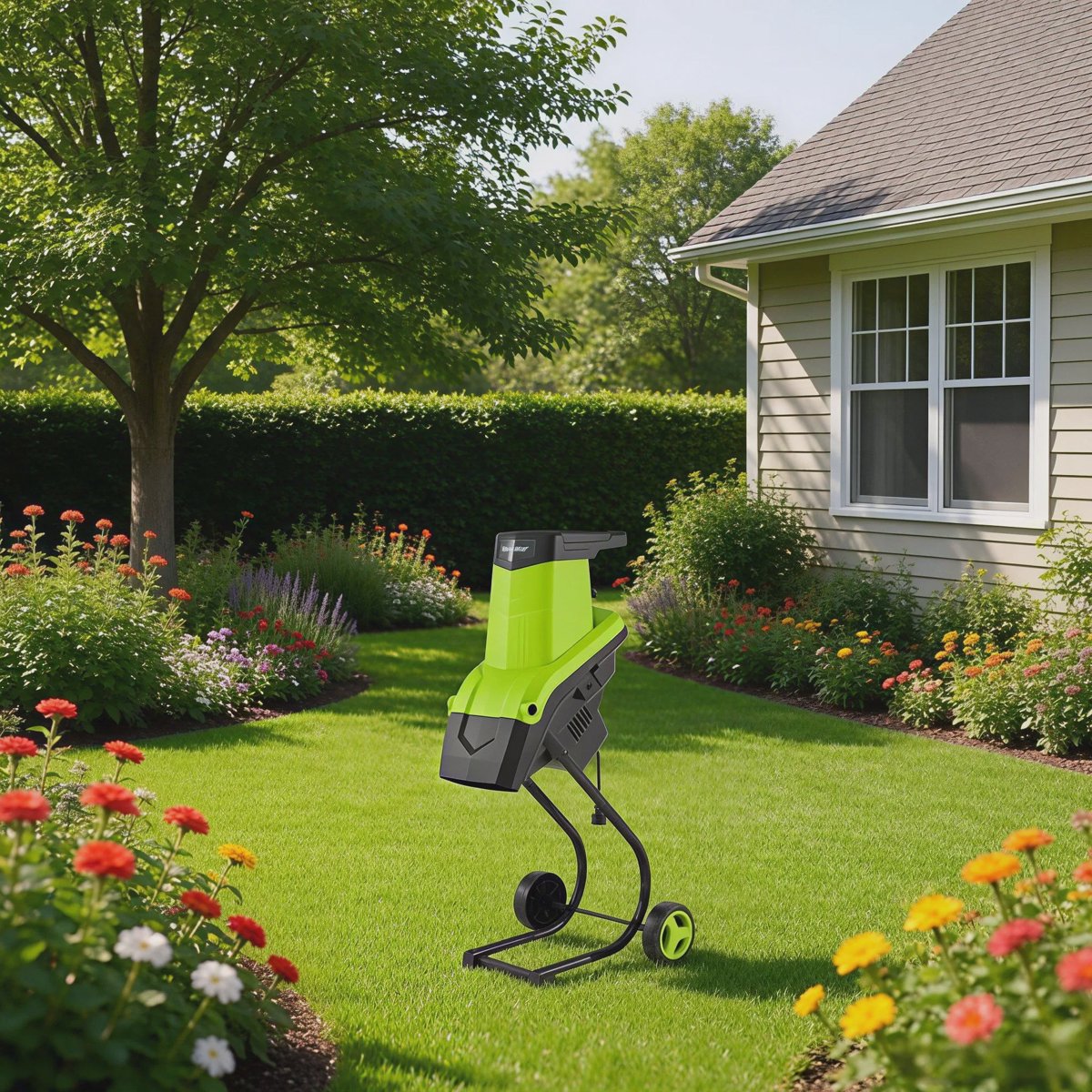
Electric chippers are judged first by amperage and cutting capacity, not by headline horsepower claims. Most residential yard waste fits through a 1.5–1.8 inch throat, so sizing the feed opening above what your branches actually measure prevents constant jam-clearing. Corded 15-amp models deliver reliable torque for their price class, but require a 12-gauge extension cord and a 15-amp circuit to avoid nuisance trips.
Buying guide image
Watering & Irrigation

Flexible Hose

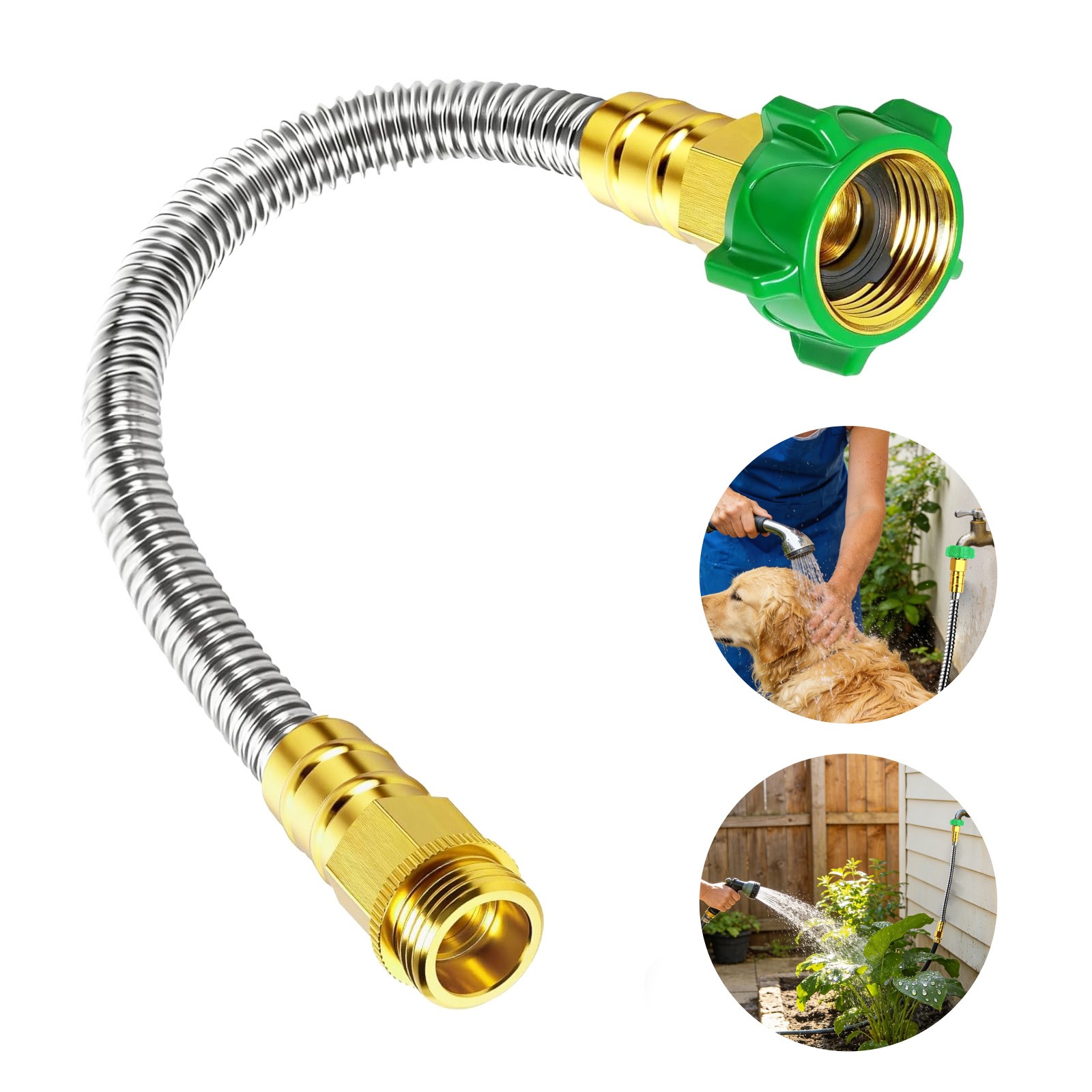
Flexible garden hoses span four architectures: expandable fabric, coiled EVA/PU, reinforced rubber/PVC, and stainless-steel interlocked. The core trade-off is kink resistance and burst safety versus weight and packability, so match the hose type to run length, water pressure, and sun exposure rather than chasing a single 'best' model.

Buying guide image
Watering & Irrigation

Garden Irrigation Hose

A garden irrigation hose is the backbone of any watering setup, and the wrong pick leaks, kinks, or fails within a season. Focus on diameter, coupler standard, and wall construction first—these determine flow rate, durability, and whether your sprinkler or drip kit actually works. Buyers often overlook thread standards (NH vs NPT) or freeze protection, leading to mismatched fittings and burst lines.

Buying guide image
Patio Furniture

Front Porch Bench

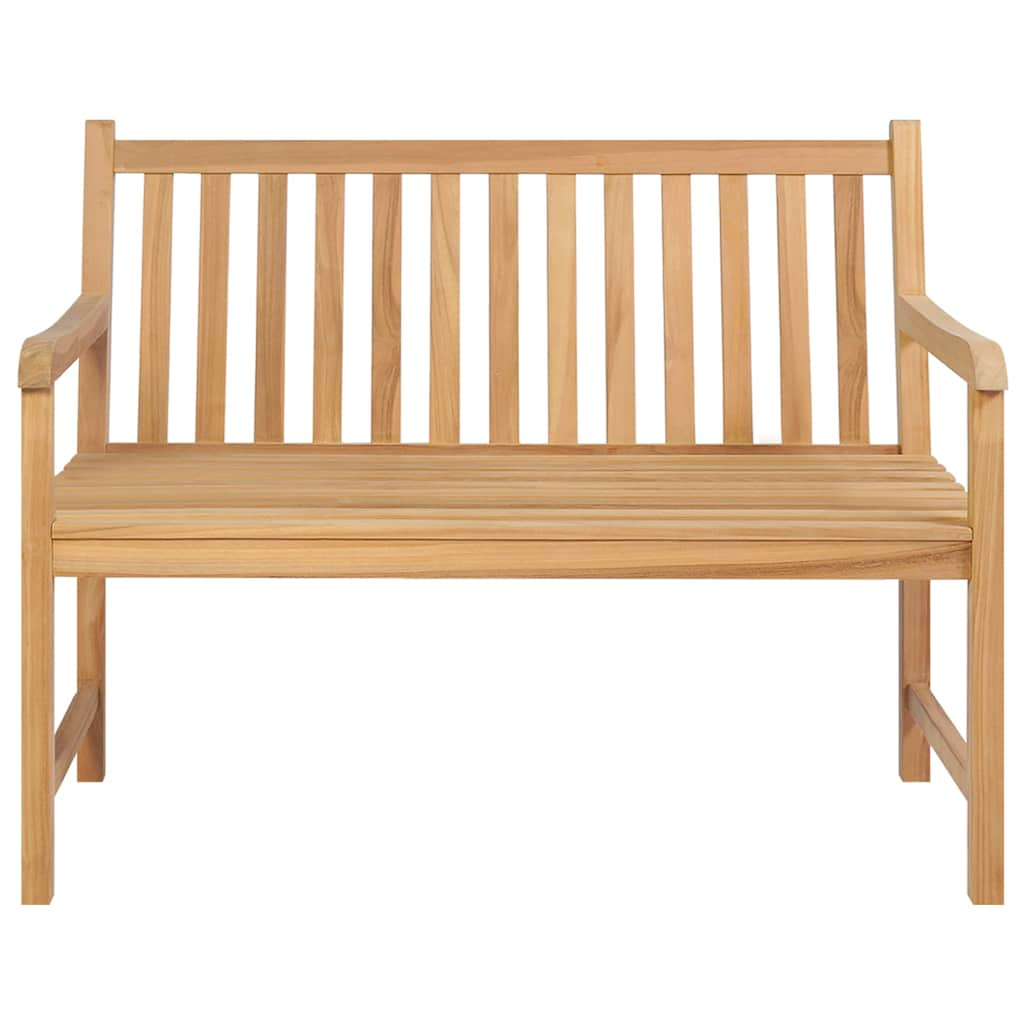
A front porch bench must survive weather, fit your entryway depth, and suit how you actually sit—most buyers get the material and mounting wrong. Treat the porch as a semi-exposed environment: rain, sun, and humidity dictate whether wood, metal, or composite belongs there. Decide between a freestanding bench and a hanging swing before anything else, because the hardware, clearance, and anchor requirements are completely different.

Buying guide image
Chicken Brooders & Heat

Chicken Heater

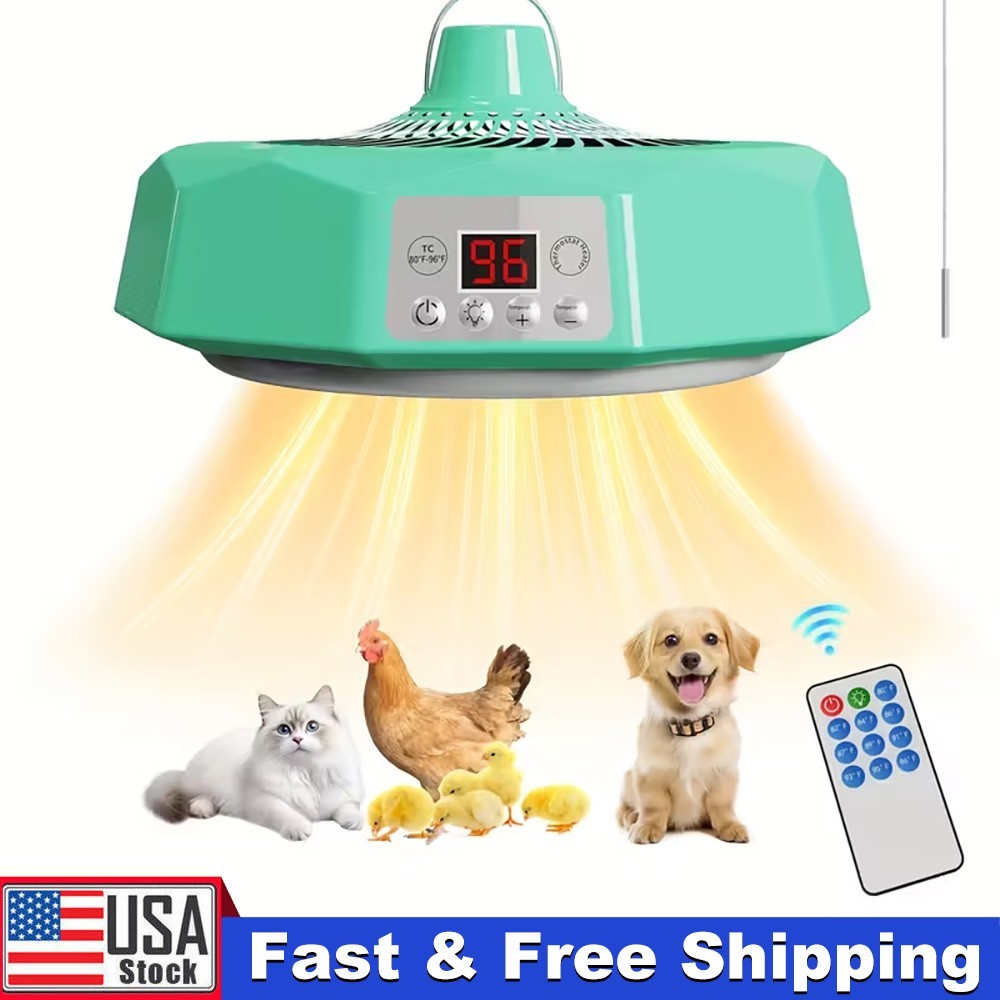
Chicken heaters split into two architectures: radiant heat lamps (high-wattage bulbs that warm objects directly) and brooder plates (low-wattage contact panels chicks huddle beneath). The core trade-off is fire risk and energy draw versus precise, draft-free warmth; choose a plate with an adjustable height and a thermostat for indoor brooding, and a ceramic-emitter lamp on a chain only for open, supervised coops.

Buying guide image
Patio Furniture

Polywood Furniture

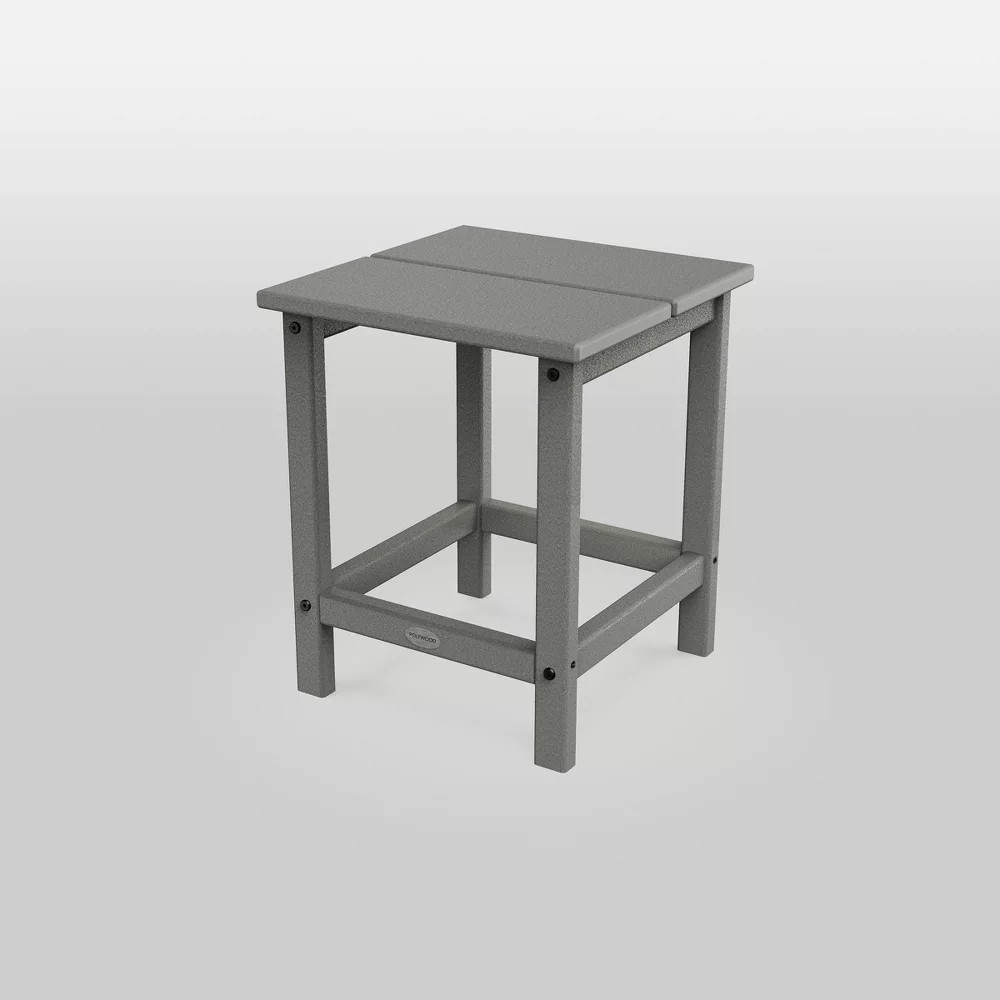
Polywood furniture uses high-density polyethylene (HDPE) lumber that resists rot, insects, and fading without painting—unlike wood or metal sets that demand annual upkeep. Buyers must choose between genuine Polywood-brand HDPE and generic polystyrene or recycled-plastic lookalikes, because material grade and UV stabilization determine whether the set survives a decade of sun or turns chalky in two seasons. Sizing, hardware grade, and assembly design matter as much as the plastic itself, since a poorly engineered frame or stainless hardware can undermine an otherwise durable piece.

Buying guide image
Bee Feeders & Mite Treatment

Bee Feeder Bucket

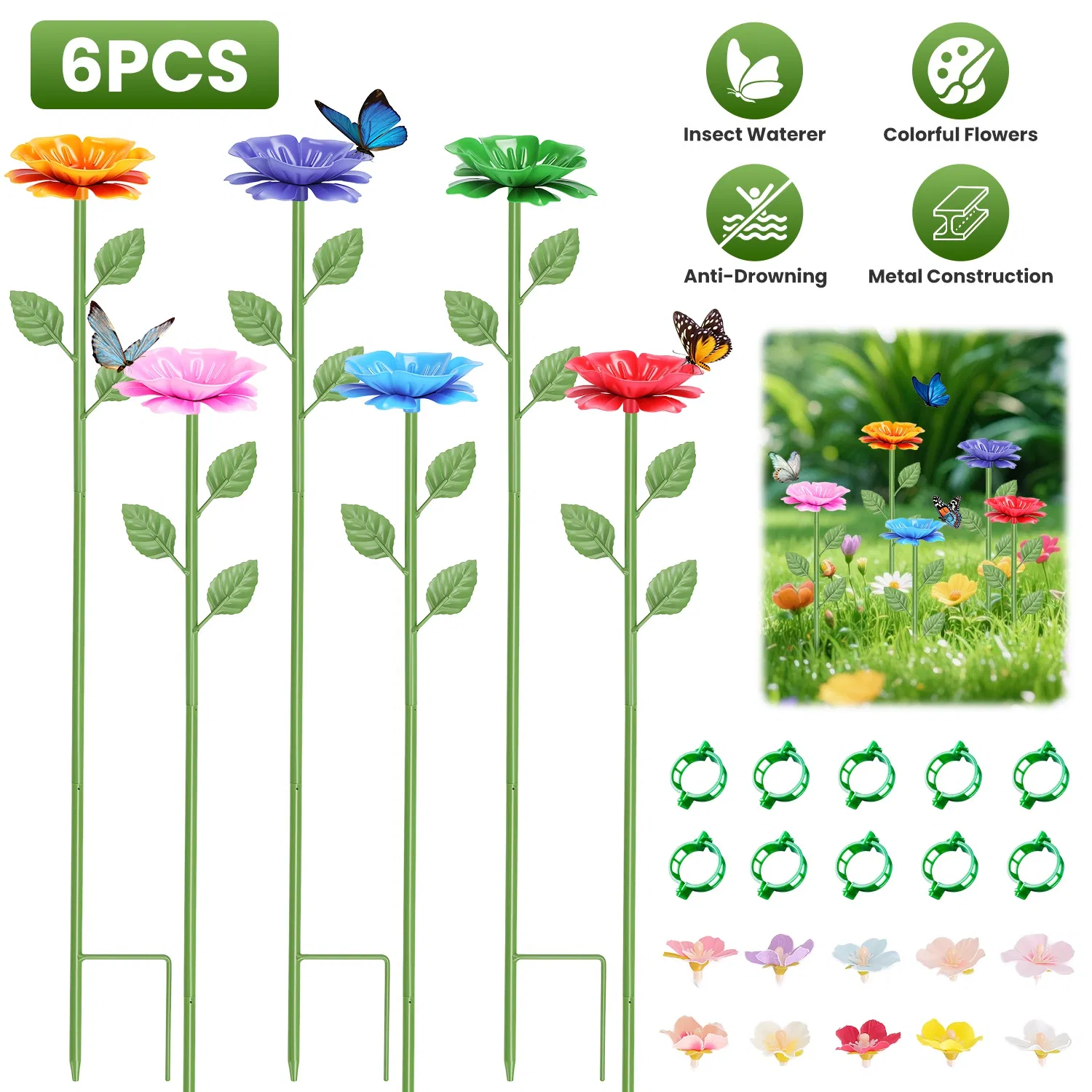
A bee feeder bucket is an inverted-container gravity feeder (typically 1–5 gallon) that supplies sugar syrup to honeybee colonies through a perforated lid or screened cap. The primary trade-off is lid seal quality and feed-access geometry versus bucket wall thickness: a leaking or poorly vented lid drowns bees and sours syrup, while thin HDPE cracks at the rim under freeze-thaw and UV. The decision rule: buy a food-grade HDPE bucket with a gasketed, bee-tight lid and a screened or perforated access plate sized to the colony's consumption rate; skip any bucket whose lid relies on friction alone or whose feed holes exceed roughly 3 mm.

Buying guide image
Bee Feeders & Mite Treatment

Bee Feeder Pail

A bee feeder pail is a bulk syrup delivery vessel—typically 1–5 gallons—that mounts inside or atop a hive to feed colonies during dearth, package installation, or fall buildup. The core trade-off is lid architecture and material thickness: a gasketed, UV-stabilized food-grade pail with a secure inner-lid feed port prevents flooding and drowning, while thin, unsealed pails leak syrup, drown bees, and invite robbing. The decision rule: any pail that cannot be inverted without dripping or lacks a bee-exclusion feed screen is a compromise—buy only food-grade HDPE with a positive-seal lid and screened feed access.

Buying guide image
Residential Outdoor Power Equipment

Gas Powered Chipper Shredder

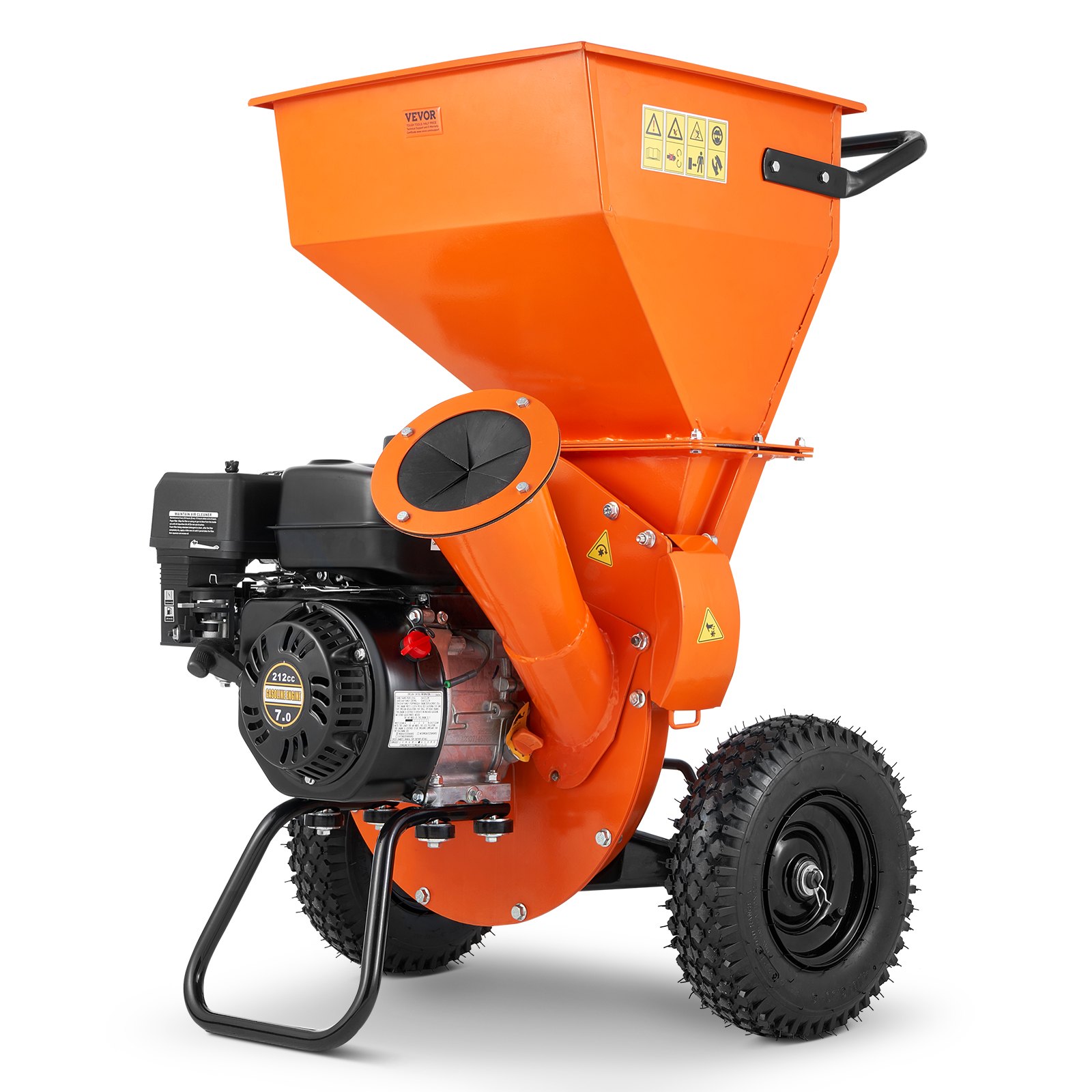
A gas-powered chipper shredder earns its keep only when engine displacement, chipping capacity, and feed-system design match the wood you actually process. Most buyers overestimate what a 3-inch-class machine will swallow and underestimate how much branch prep and discharge management affect real throughput. Focus on engine architecture, rotor versus flywheel design, and feed opening geometry rather than sticker horsepower.

Buying guide image
Greenhouse & Hydroponics

Spider Farmer Grow Tent Kit

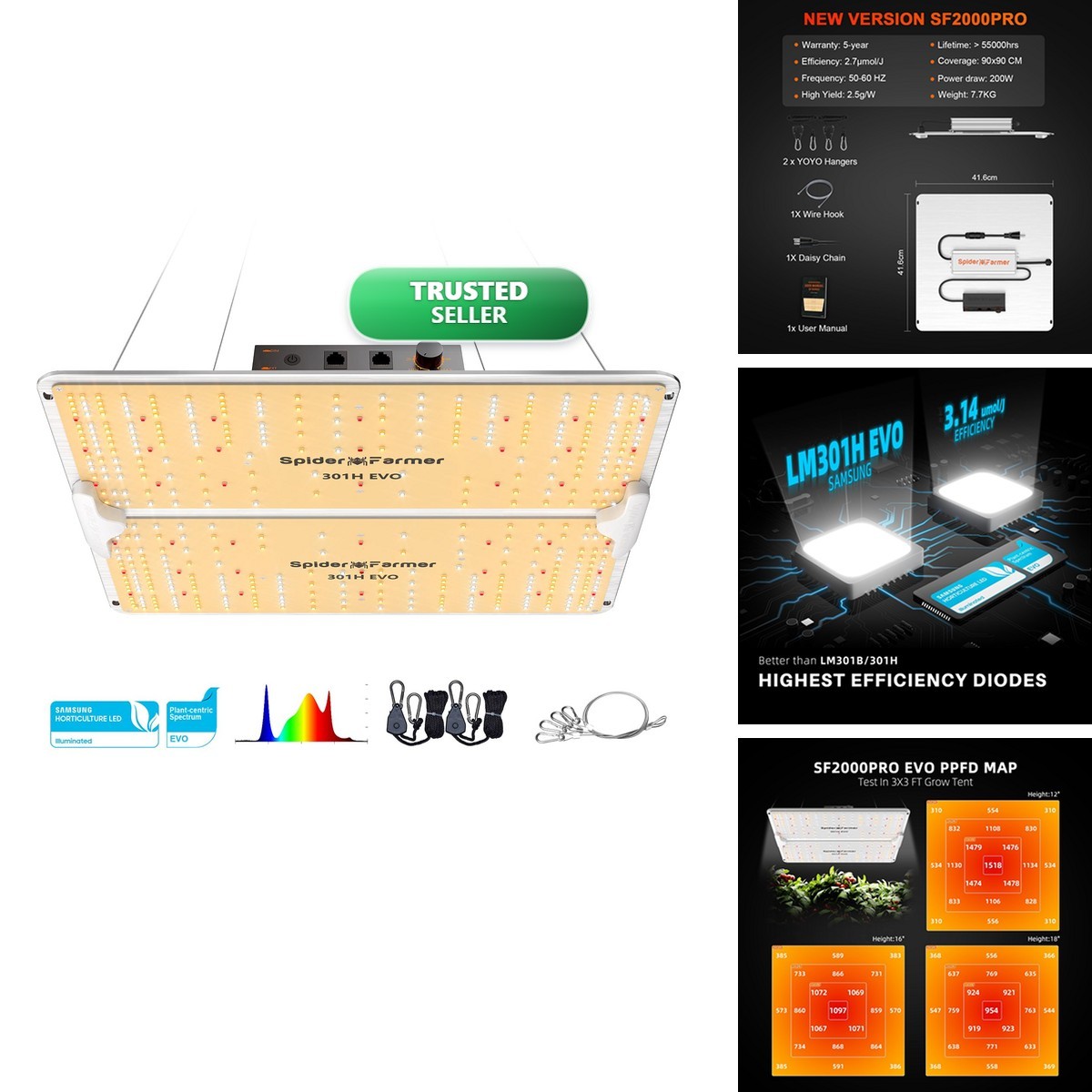
A Spider Farmer grow tent kit bundles a Spider Farmer LED grow light, a reflective fabric tent, and often an inline fan/filter into a single matched package. The core trade-off is whether the included light and ventilation are sized to the tent volume and plant stage, or merely bundled to hit a low price. Buy only kits where the light's true wattage and fan CFM are published and matched to the tent's cubic footage; skip bundles that hide specs behind vague 'complete kit' claims.

Buying guide image
Residential Outdoor Power Equipment

Husqvarna Chainsaw

Husqvarna chainsaws span homeowner electrics to pro-grade gas models, so the right pick hinges on cutting volume, bar length, and engine architecture rather than brand name alone. Most buyers misjudge the power tier needed for storm cleanup or firewood, ending up with either a sluggish underpowered unit or a heavy pro saw that tires them out. Focus on displacement, bar mount pattern, and starting system to match your real workload and avoid incompatible bars and chains.

Buying guide image
Outdoor Structures, Shade & Awnings

8x8 Shed

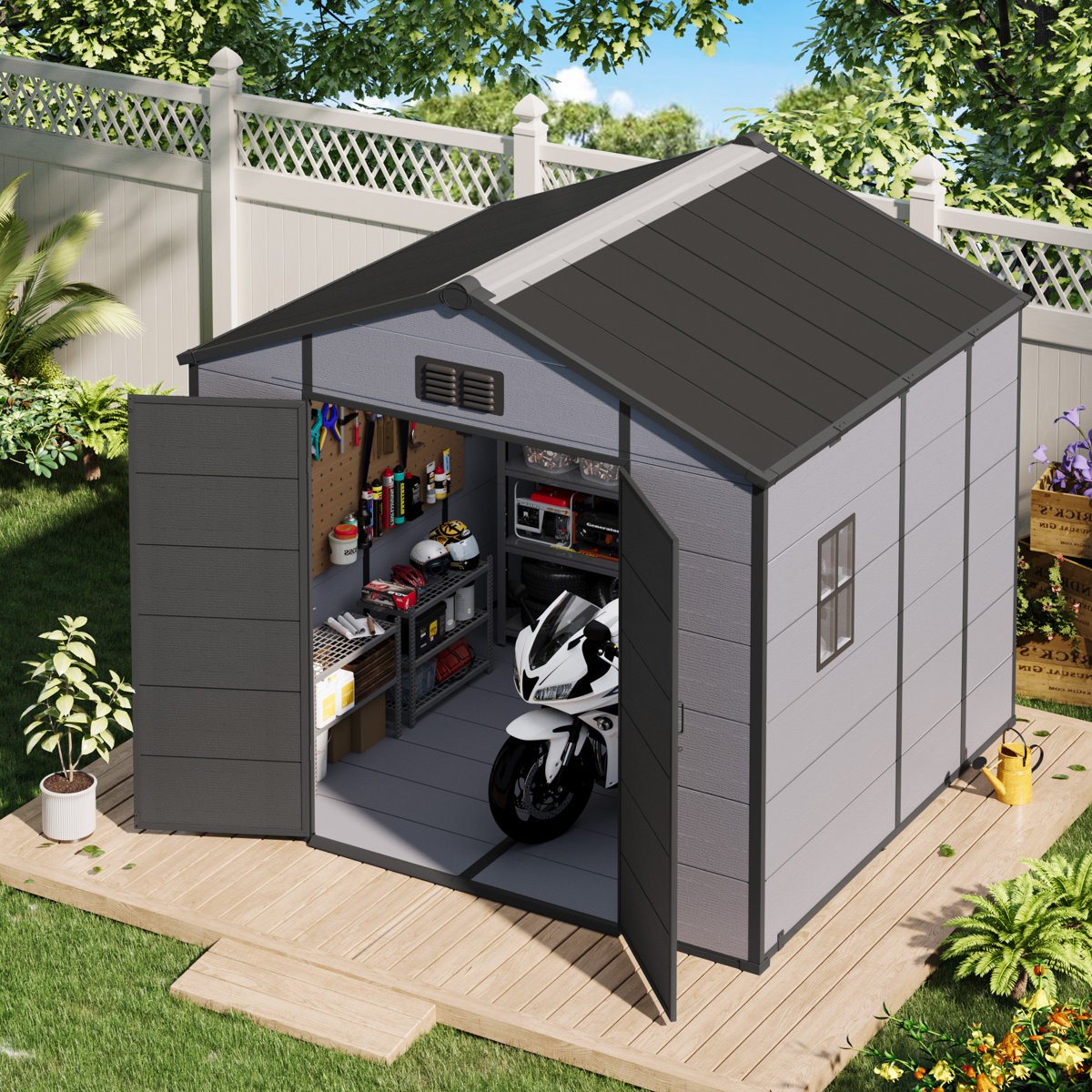
An 8x8 shed is the smallest footprint that still swallows a riding mower, two bikes, and a shelf wall without feeling like a closet—but only if the door width, wall height, and floor system are chosen correctly. Most buyers who regret an 8x8 picked a resin kit with a 48-inch door or a metal box with no floor, then discovered the mower deck won't clear. Size the door opening and interior peak height first, then pick the material tier that matches your snow load, wind exposure, and HOA rules.

Buying guide image
Residential Outdoor Power Equipment

Flat Free Tire

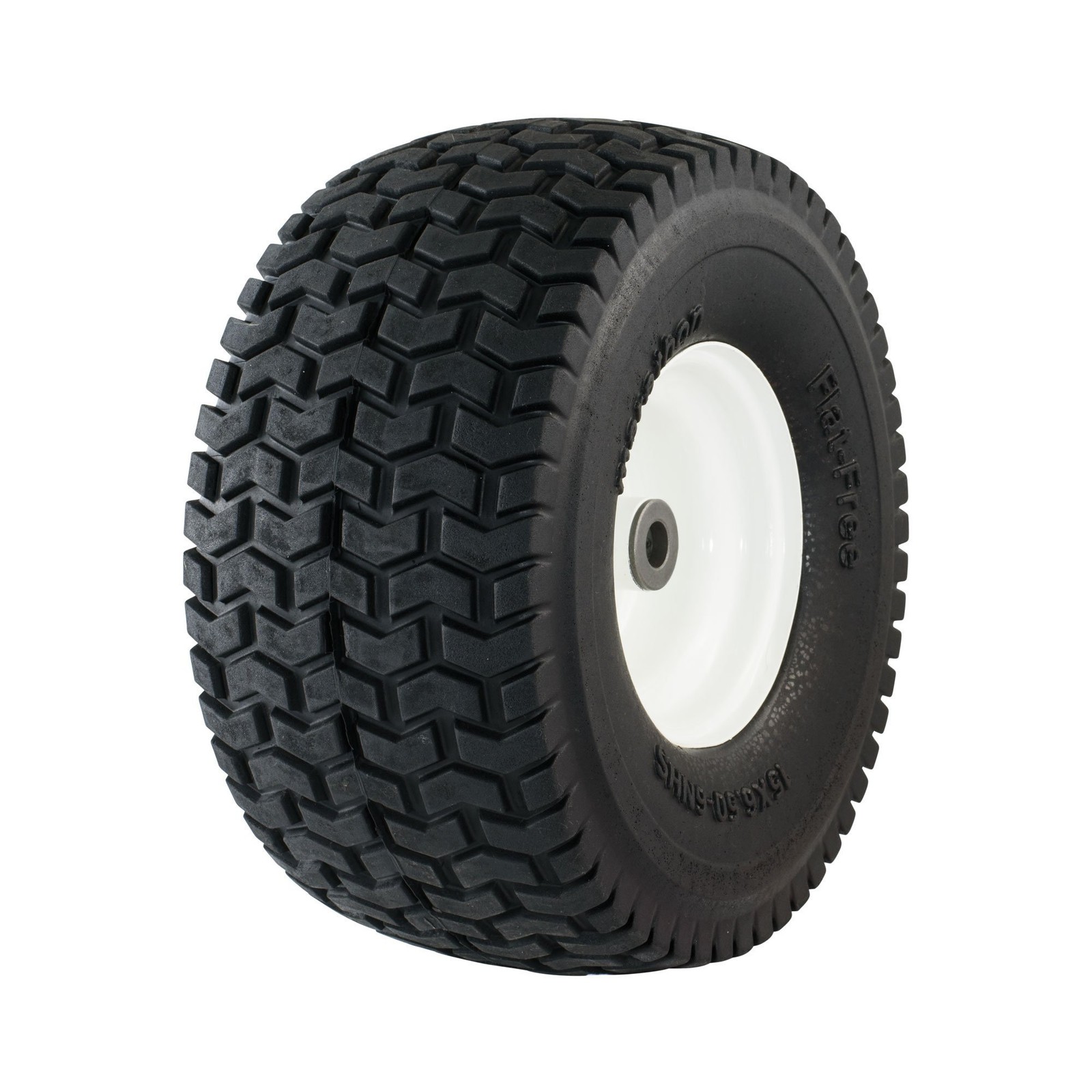
Flat-free tires replace pneumatic air-filled assemblies with solid polyurethane or microcellular foam cores, eliminating punctures and pressure checks. The core trade-off is ride compliance versus zero-maintenance durability: foam is heavier and stiffer, while air offers cushioning but demands tube and pressure care. Choose flat-free when puncture downtime outweighs a firmer ride; choose pneumatic when traction and shock absorption on rough terrain are critical.

Buying guide image
Bee Feeders & Mite Treatment

Frame Feeder Bee

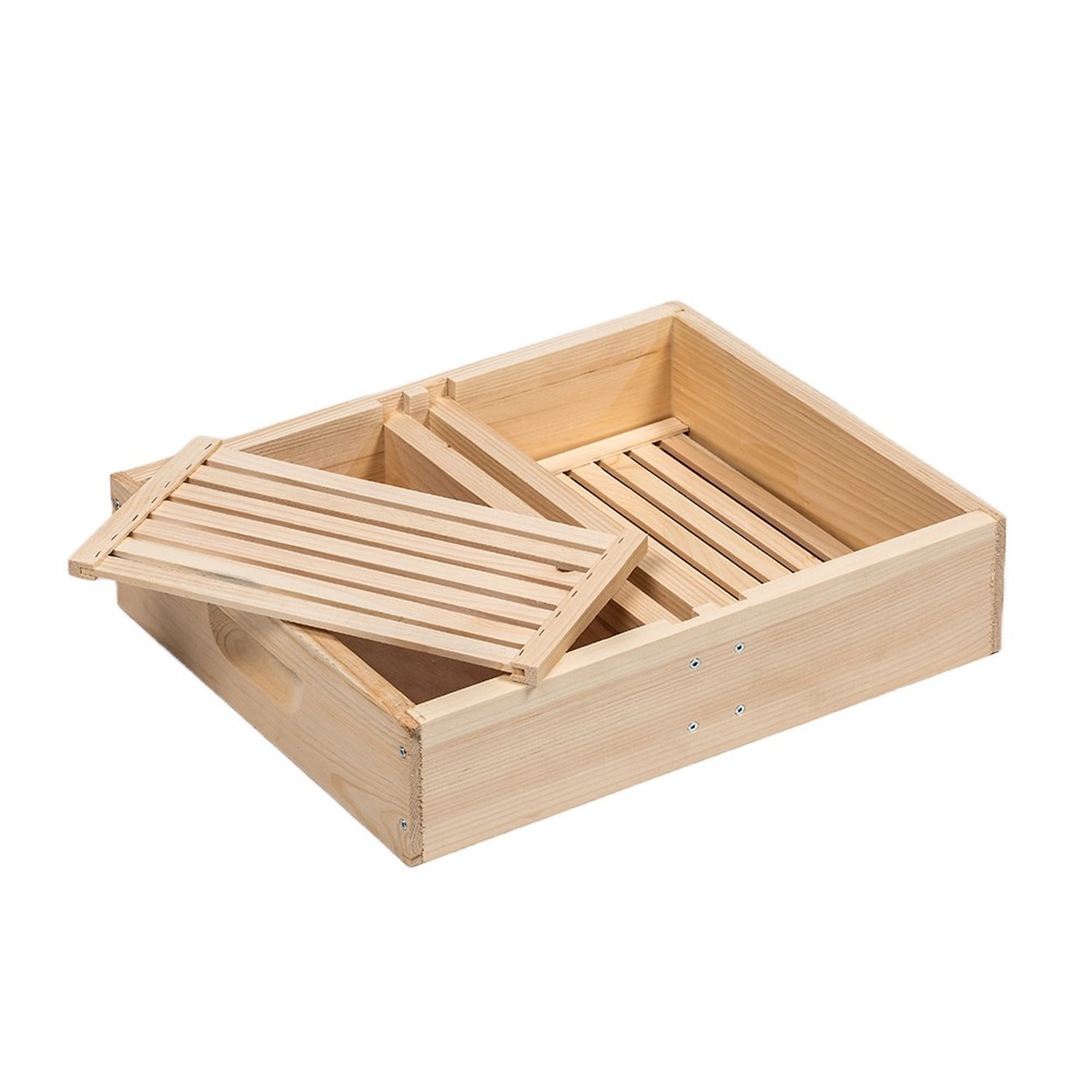
A frame feeder is a hive-body insert that replaces a frame to deliver syrup or pollen substitute directly inside the brood box, minimizing robbing and exposure compared to entrance or top feeders. The primary trade-off is capacity versus bee access: deeper wells hold more feed but risk drowning, while laddered or float-equipped designs trade volume for safety. The decision rule is simple—choose a frame feeder with a textured climbing surface, a tight-fitting lid, and a capacity matched to your inspection interval; skip open-trough or thin-walled units that warp, leak, or drown bees.

Buying guide image
Beekeeping Suits & Protection

Oz Armour Bee Suit

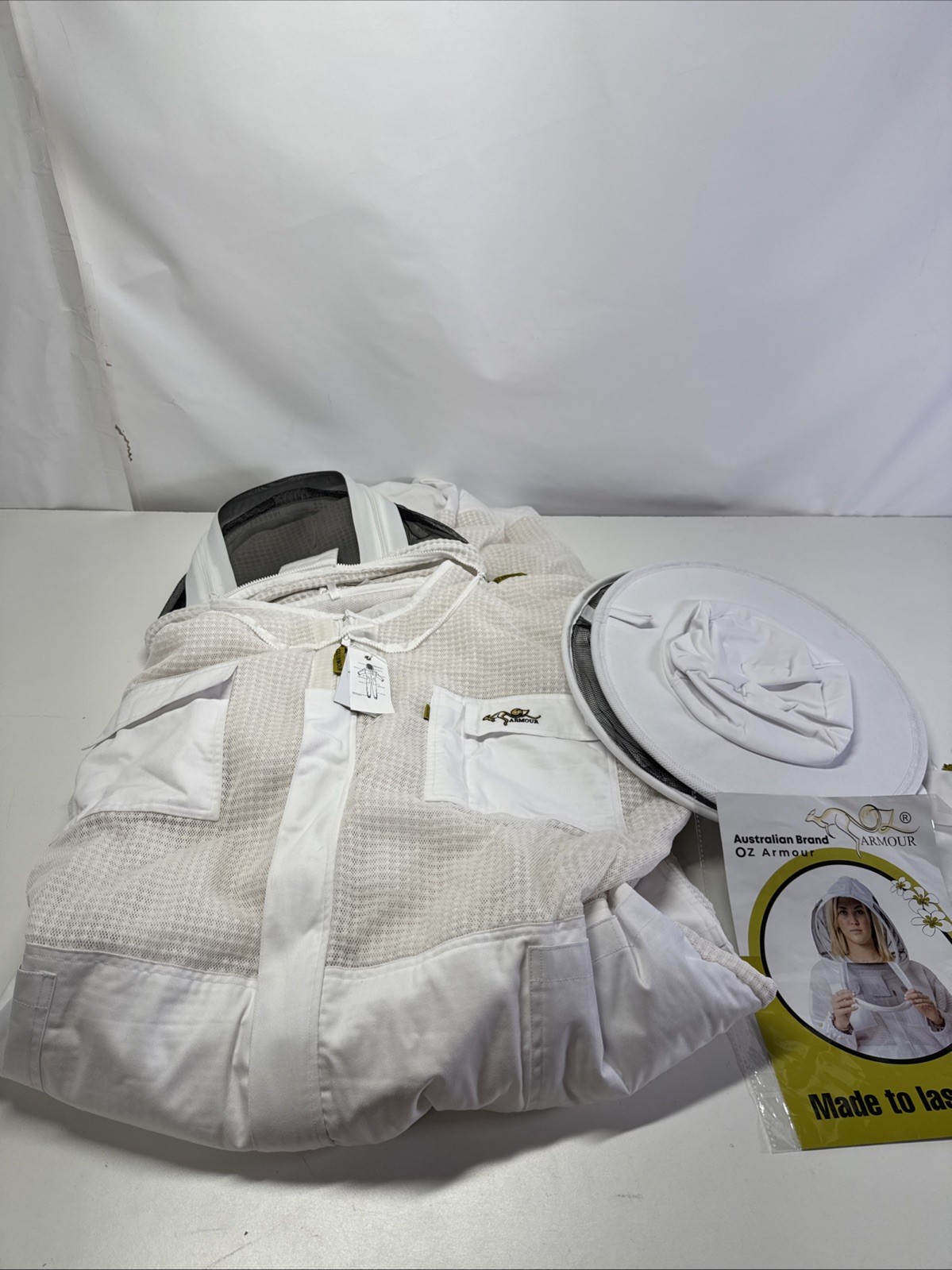
The Oz Armour Bee Suit is a heavyweight ventilated beekeeping suit built around a three-layer mesh architecture that stops stingers while allowing airflow, positioned as a premium alternative to standard cotton or poly-cotton suits. The primary trade-off is between ventilation and sting protection: ultra-breathable meshes can let fine stingers through under pressure, while heavy cotton blocks stings but traps heat. The clear decision rule is to pick a suit whose mesh density and seam construction are rated for your climate and bee temperament—ventilated triple-layer for hot apiaries with docile bees, and tightly woven or reinforced suits for aggressive colonies or high-heat physical work.

Buying guide image
Beekeeping Suits & Protection

Oz Armour Beekeeping Suit

An Oz Armour beekeeping suit is a ventilated three-layer mesh full-body suit built for hot-climate inspections where sting protection and airflow must coexist. The decisive trade-off is mesh aperture versus fabric durability: true ventilated suits use a fine 1.5–2 mm sting-resistant weave that blocks bee abdomens but snags on thorns, while solid cotton or polyester suits trade breathability for abrasion resistance. Buy a ventilated Oz Armour-tier suit only if you inspect in heat and accept gentler handling; otherwise choose a heavier solid suit.

Buying guide image
Garden Fencing & Privacy Screens

Portable Backyard Fence

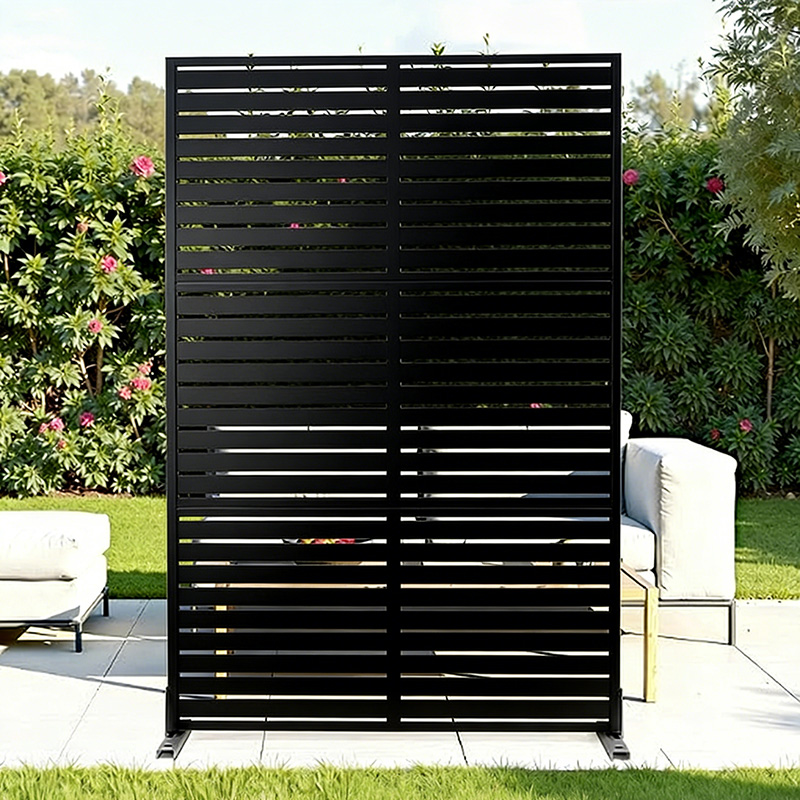
Portable backyard fencing covers temporary enclosures that set up and break down without digging: electric netting for livestock, retractable metal barricades for traffic and crowd control, and freestanding panel or mesh pens for pets and garden beds. The core trade-off is containment strength versus portability: lightweight PE netting and aluminum barricades move easily but stop only small animals or guide foot traffic, while welded-wire panels and driven-post systems hold large dogs and deter deer. Buy netting with posts when you need livestock containment, barricades when you need a visual barrier on pavement, and rigid panels when you need a physical barrier that survives pushing.

Buying guide image
Outdoor Structures, Shade & Awnings

4x6 Resin Shed

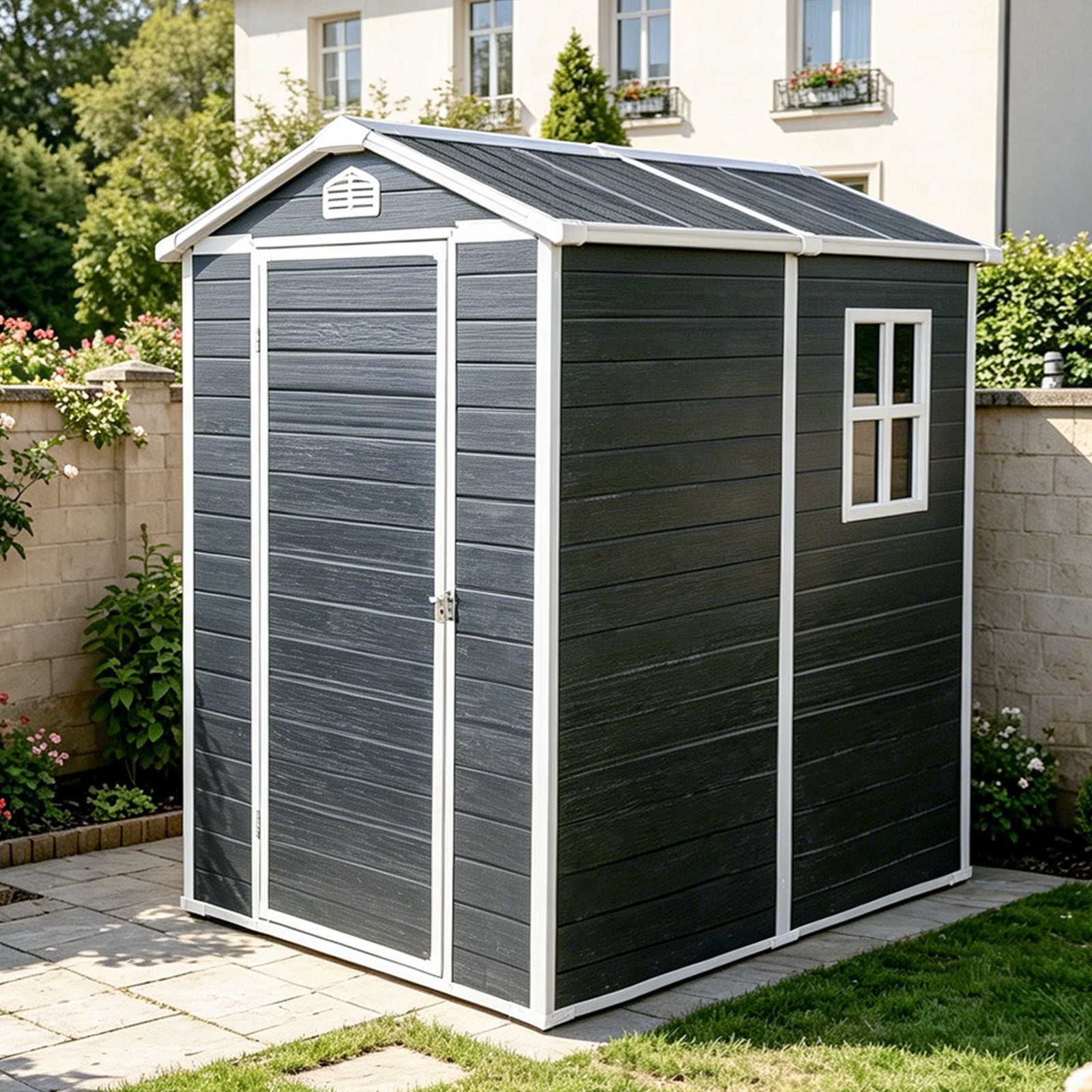
A 4x6 resin shed is a compact, low-maintenance outdoor storage box for garden tools, pool chemicals, or bikes—but most buyers miscalculate the true footprint or skip the base prep. Resin walls expand and contract with temperature, so a flat, level foundation and proper anchoring matter more than brand names. Pick the configuration based on floor inclusion, door swing clearance, and wind rating rather than cosmetic panel color.

Buying guide image
Outdoor Structures, Shade & Awnings

Exterior Awning

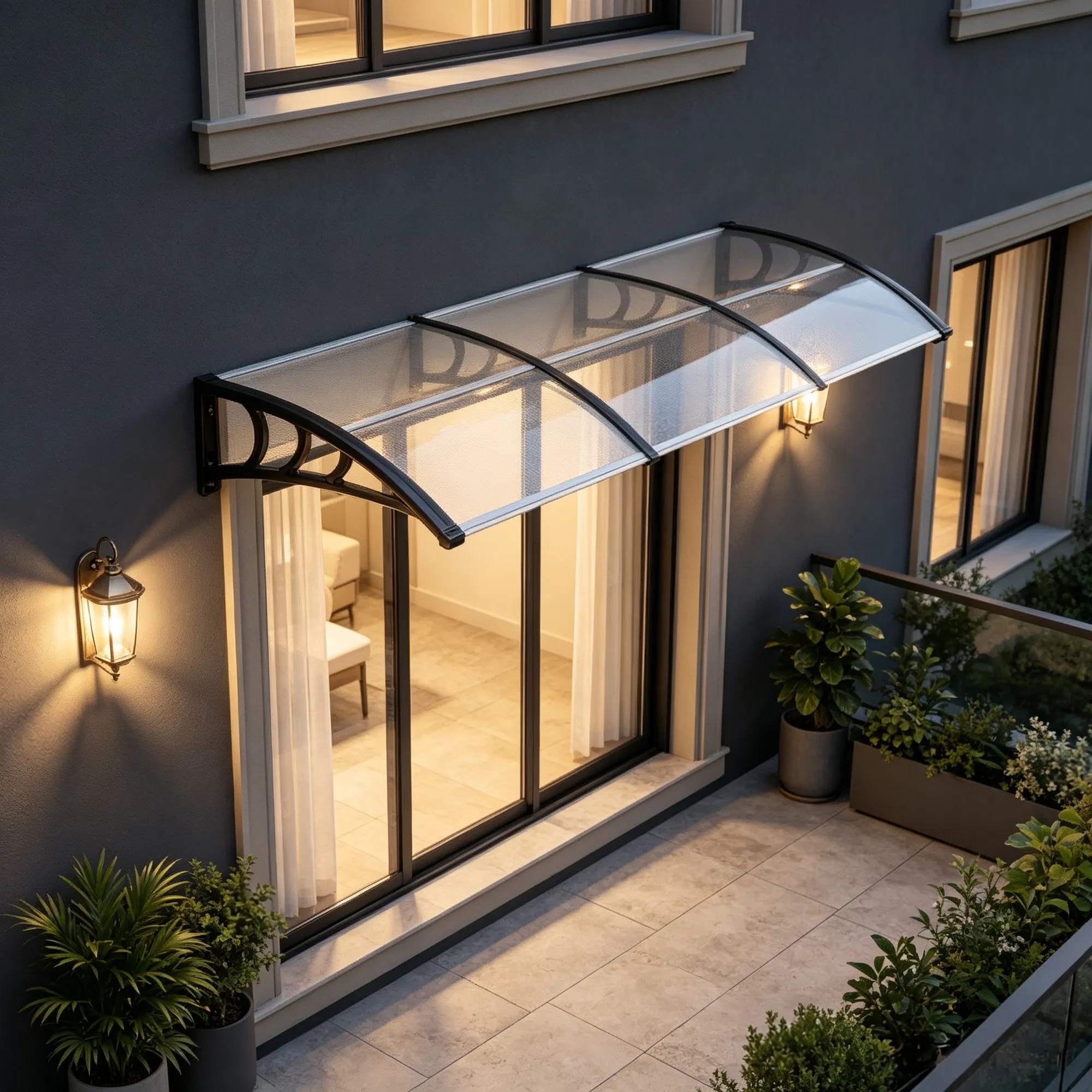
Exterior awnings are structural shade and weather-protection additions, so the wrong material or mounting choice leads to sagging, leaks, or wind damage within a season. Buyers should first fix the coverage area and mounting surface, then choose a frame-and-fabric or rigid-panel system that matches local snow, rain, and UV exposure rather than picking on appearance alone.

Buying guide image
Outdoor Structures, Shade & Awnings

Heavy Duty Umbrella Base With Wheels

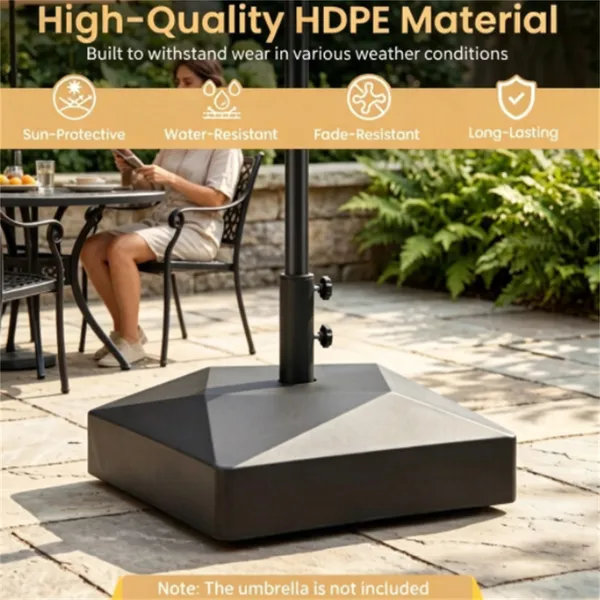
A wheeled umbrella base is only as good as its ability to stay put once the wheels are locked, so buyers should treat rolling convenience as a secondary feature behind mass, footprint, and stem compatibility. The most common mistakes are choosing a fillable base that is too light for the canopy's wind sail area and assuming a universal stem collar fits every 6-10 ft pole diameter. Match the base's rated canopy span, fill capacity, and stem opening to your actual umbrella before chasing wheeled convenience.

You may also like

Finding more guides for you…