GardenPulse Guide

GardenPulse Guide

Garden, Yard & Outdoor Living Reviews & Buying Guides

Compare garden, yard & outdoor living by use case, features, trade-offs, price, returns, and seller terms before you buy.

Buying guides

Buying guide image
Pools & Spas

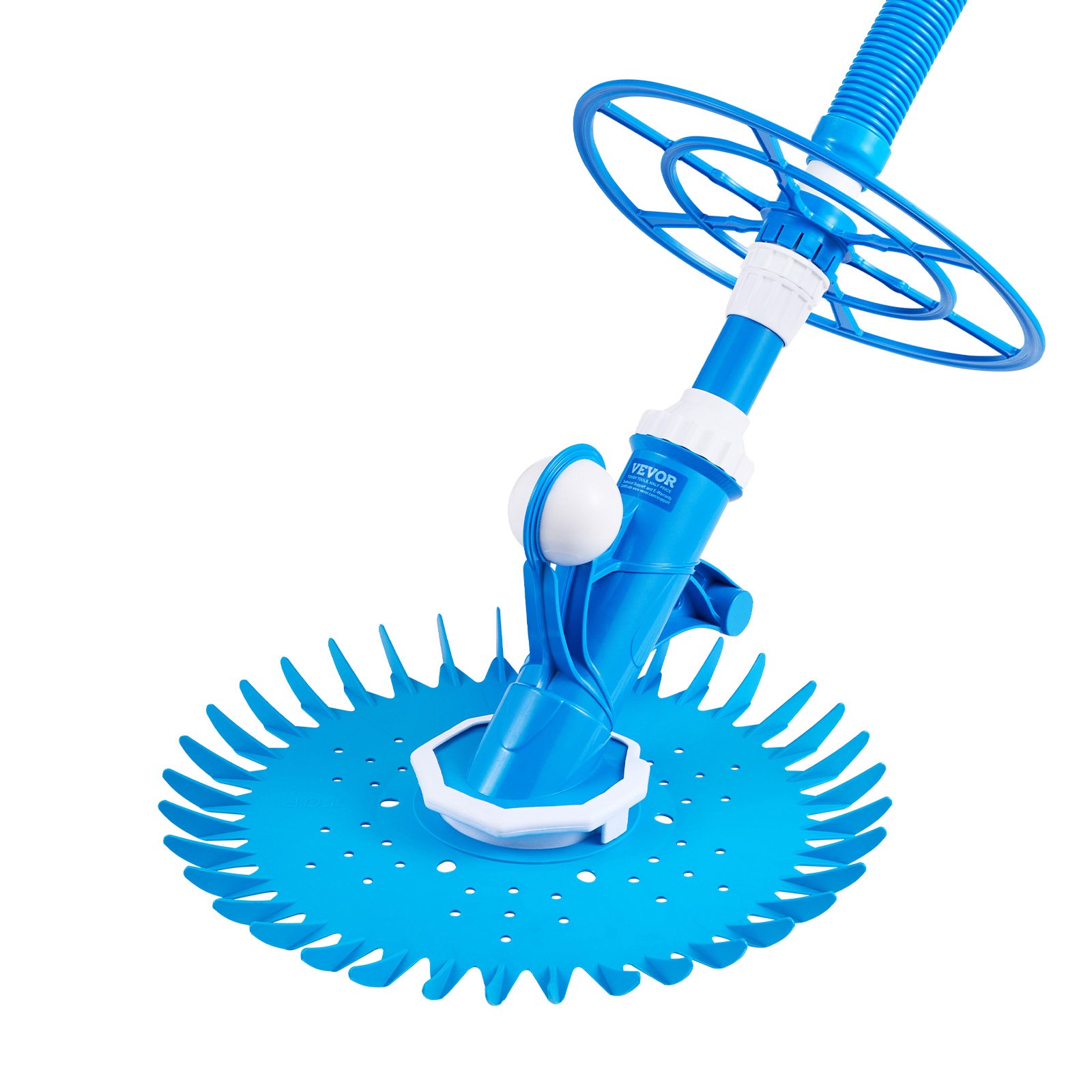
Suction Pool Cleaner

Suction pool cleaners are non-powered vacuums that connect to your skimmer or dedicated suction line and use the pool's existing pump flow to lift debris into the filter. The core trade-off is diaphragm simplicity versus turbine/gearbox steering durability, and the decisive rule is matching cleaner architecture and hose count to your pool's flow rate and footprint, not chasing the cheapest head.
Buying guide image
Pools & Spas

Suction Side Pool Cleaner

Suction-side pool cleaners are non-powered vacuums that connect to your skimmer or dedicated suction line and use the pool's existing pump to drive a diaphragm or flapper mechanism. The core trade-off is hose length and head design versus pump compatibility: diaphragm units are simple and reliable, while flapper and gear-driven heads need stronger flow. Buy a cleaner whose hose run reaches your farthest wall and whose head matches your pump's suction GPM, not the cheapest unit with the most hoses.

Buying guide image
Chicken Coops & Runs

Extra Large Chicken House

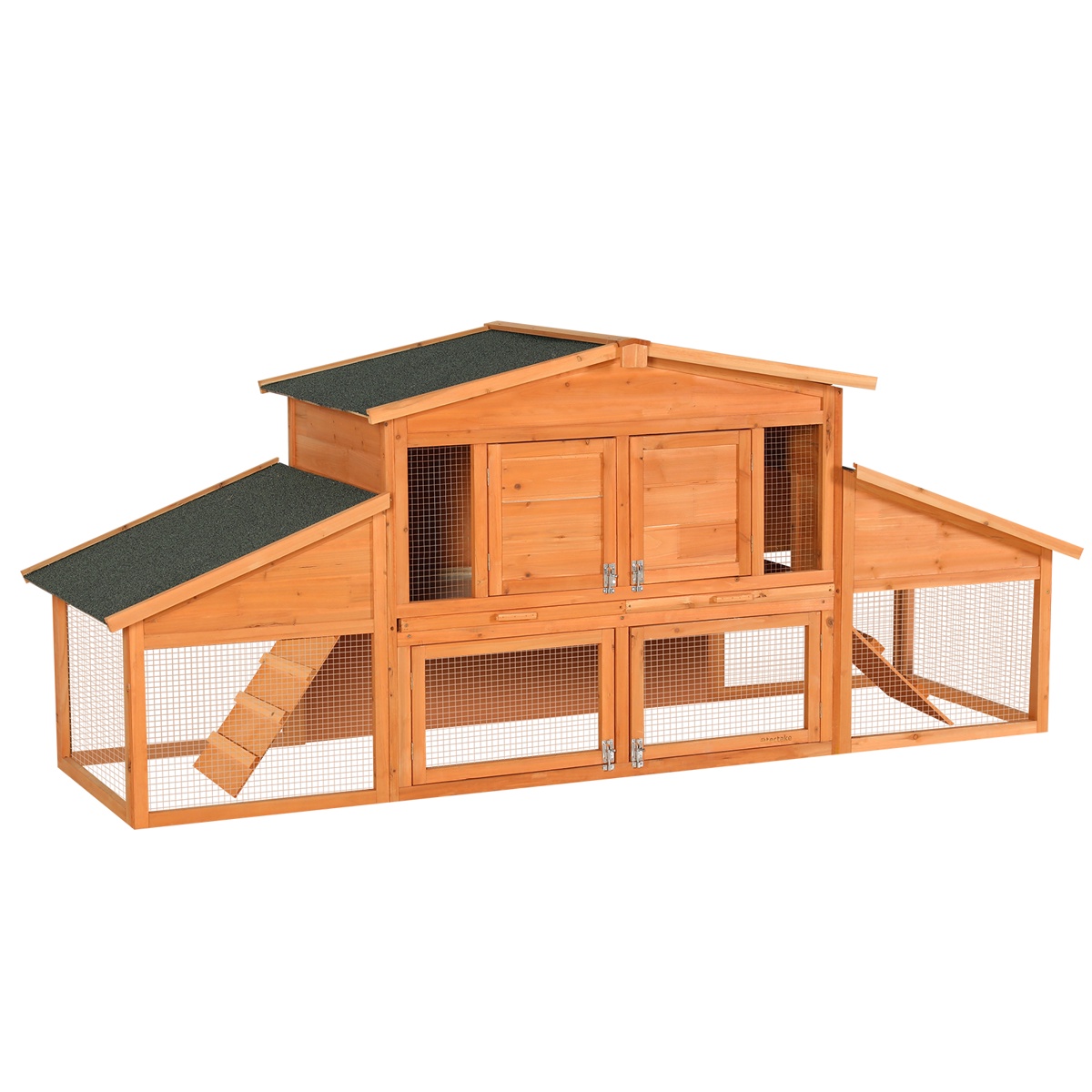
An extra-large chicken house is only worth its footprint if the dimensions, nest-box count, and run space match your flock size—most buyers underestimate how fast six hens outgrow a 'large' coop. Sizing by square footage per bird and climate exposure beats shopping by marketing labels, and wood grade plus roof overhang decide whether the unit survives its third winter.

Buying guide image
Garden Tools

Garden Stake

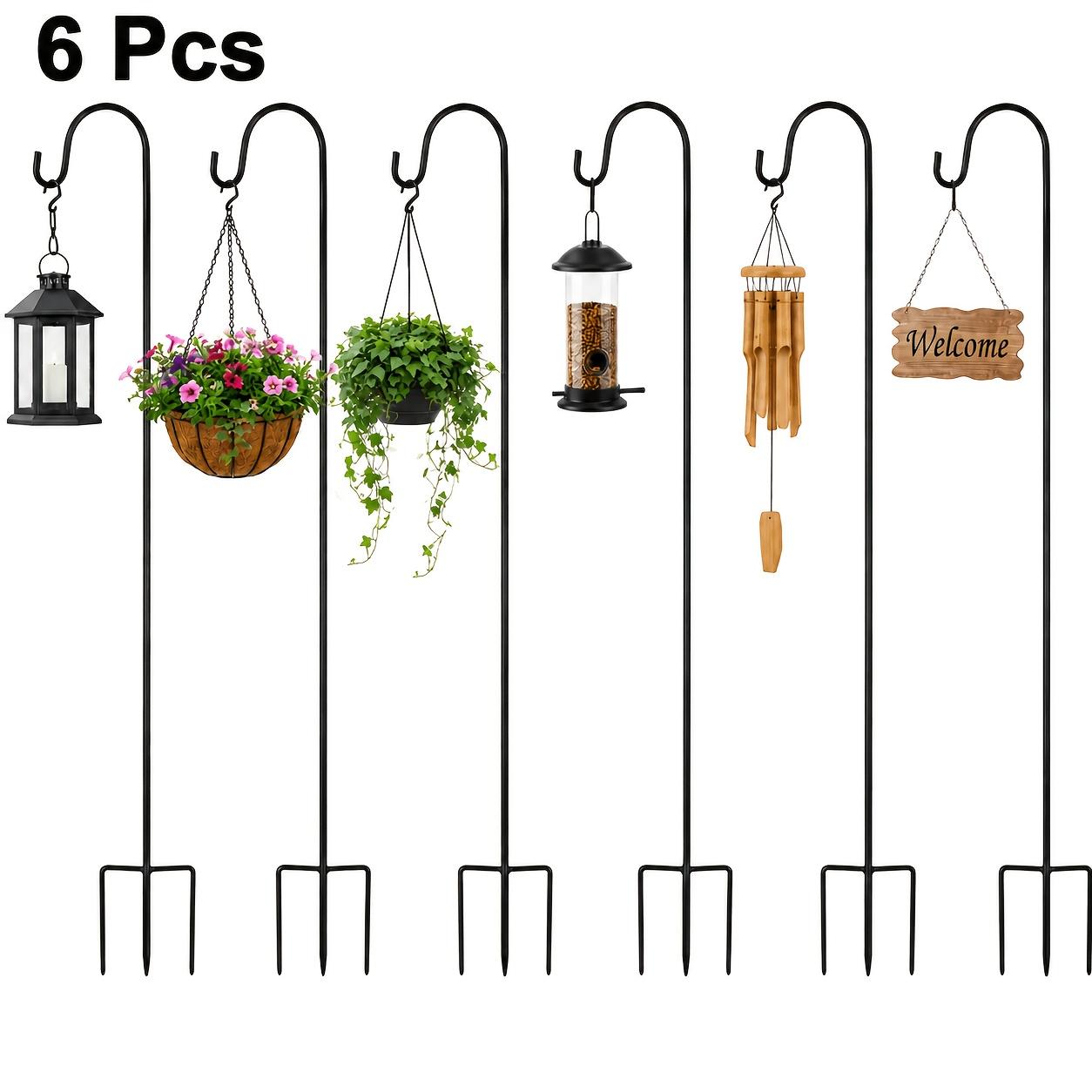
Garden stakes span plant supports, shepherds hooks, and anchoring pins, and the core trade-off is steel gauge and coating versus soft aluminum or hollow tubing that bends under load. The decision rule: pick solid steel rod at 8 mm or thicker with a powder-coated or galvanized finish for permanent outdoor duty; skip hollow or sub-6 mm stakes for anything heavier than light seasonal plants.

Buying guide image
Residential Outdoor Power Equipment

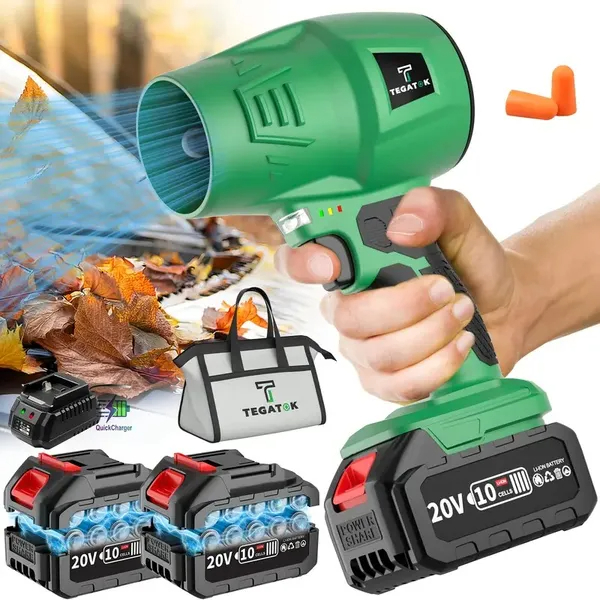
Battery Operated Snow Blower

Battery-operated snow blowers replace gas and corded electric units with high-torque brushless motors and interchangeable lithium-ion packs, eliminating pull-starts and exhaust while trading absolute throwing distance for clean, low-maintenance operation. The decisive engineering trade-off is voltage architecture and stage count: single-stage units clear up to about 8 inches on smooth pavement, while two-stage models with 60V+ packs handle deeper drifts and gravel without clogging. Buy based on your snow depth and driveway surface first, then lock into one battery platform whose pack voltage and amp-hour rating matches your clearing width.

Buying guide image
Residential Outdoor Power Equipment

John Deere Mulching Blade

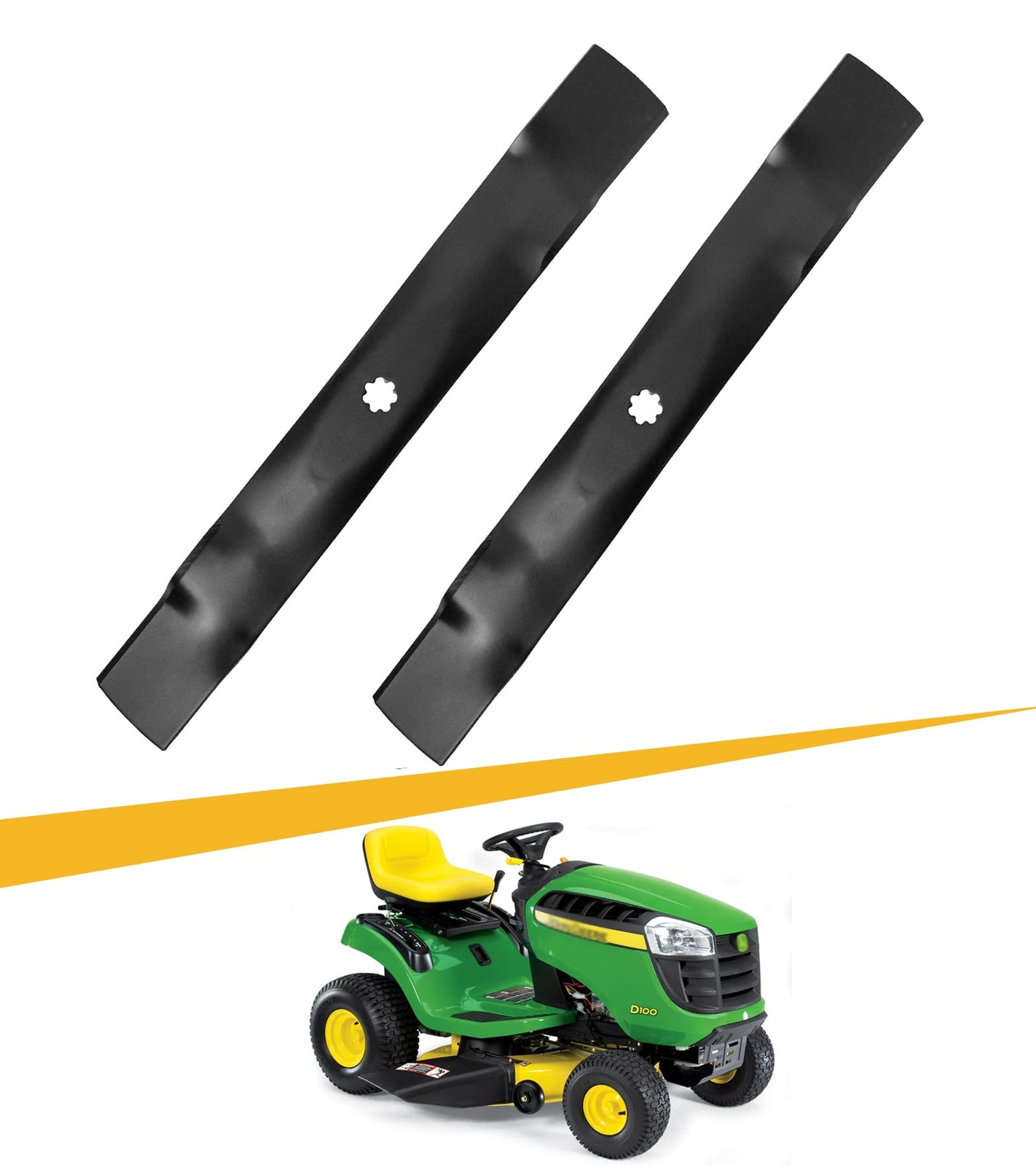
John Deere mulching blades are not one-size-fits-all: deck size, spindle style, and mower series dictate the exact blade you need, and buying the wrong length or center hole is the most common mistake. Mulching blades recirculate clippings into fine particles, but they demand a flat deck, sharp edges, and correct blade-to-deck clearance to avoid scalping and poor discharge. This guide gives you the concrete fitments and construction facts to pick the right set for a 42-inch deck and similar residential mowers.

Buying guide image
Watering & Irrigation

Irrigation Water Pump

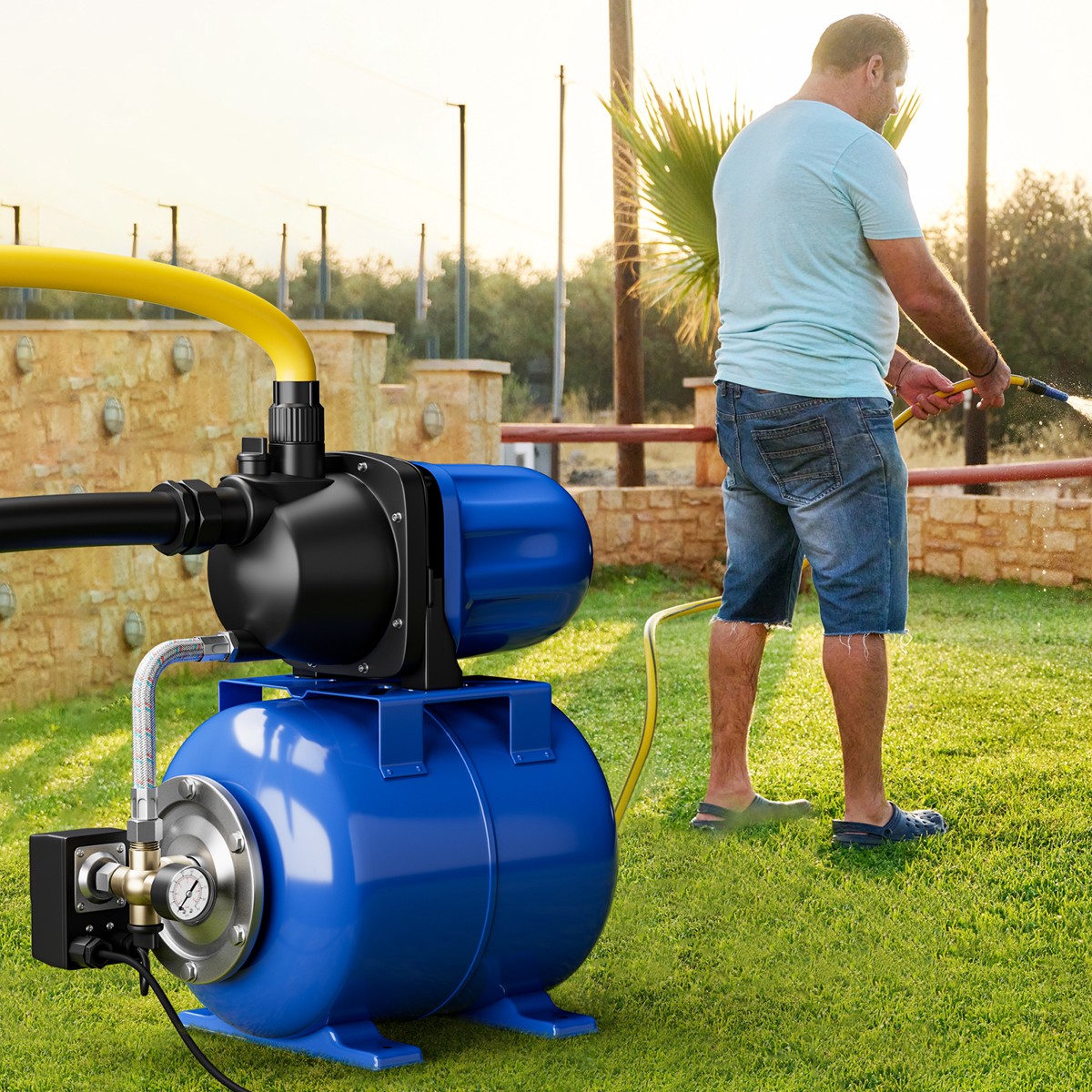
An irrigation water pump moves water from a source—well, tank, lake, or municipal line—to sprinklers, drip lines, or hose outlets at usable pressure and flow. The core trade-off is between cast-iron jet pumps built for continuous high-pressure duty and plastic-bodied transfer/booster pumps that are cheaper but limited in head and runtime. Buy a pump rated for your source depth and required pressure; skip any unit whose inlet/outlet sizing and duty cycle don't match your system.

Buying guide image
Outdoor Lighting & Decor

Bird House

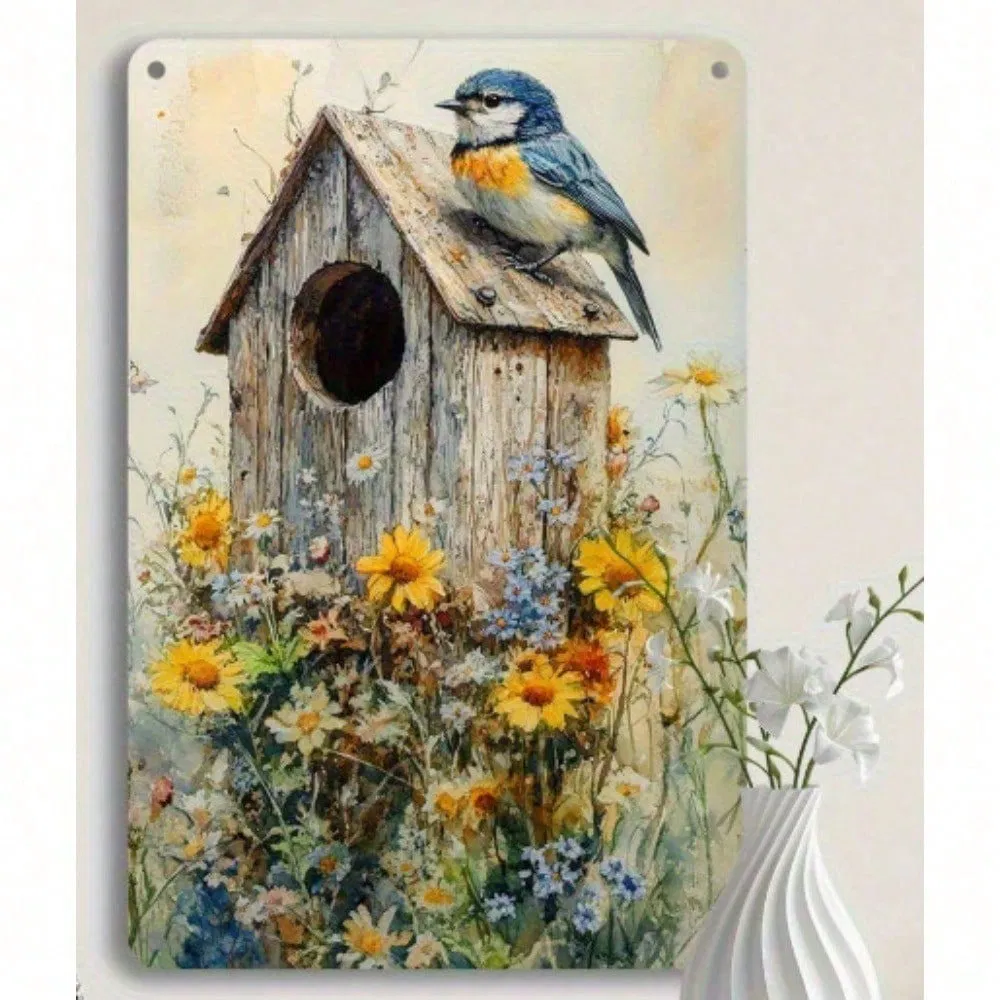
Bird houses are functional nesting boxes or decorative garden ornaments, and the primary trade-off is between weather-resistant construction (wood, metal, or composite) and proper cavity dimensions for actual avian use. Durable options use thick untreated wood or powder-coated metal with predator guards, while compromises are thin plywood or purely ornamental metal shells with no insulation or drainage. The decision rule: buy a functional house if you want nesting birds, and a decorative house only if it is purely visual wall art.

Buying guide image
Bee Feeders & Mite Treatment

Beekeeping Feeder

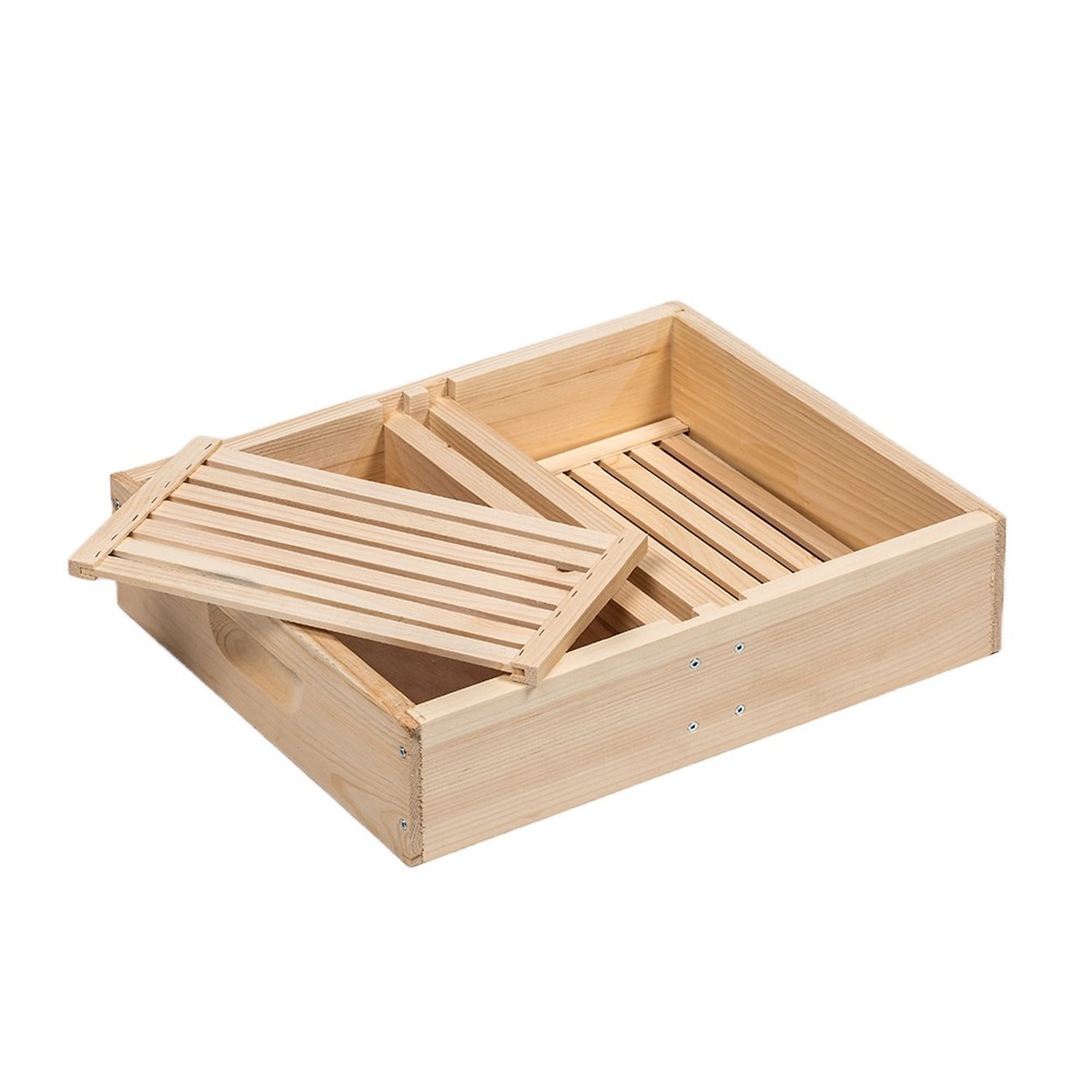
A beekeeping feeder delivers sugar syrup or fondant to a hive without drowning bees or triggering robbing, and the core trade-off is access method versus hive disruption: top feeders sit under the lid for refills without opening the brood chamber, while entrance and frame feeders demand more intrusive maintenance. Choose a top feeder sized to your exact box count and climate, and avoid open-trough or thin-plastic designs that leak, float bees, or crack within a season.

Buying guide image
Outdoor Storage

Outdoor Plastic Cabinet

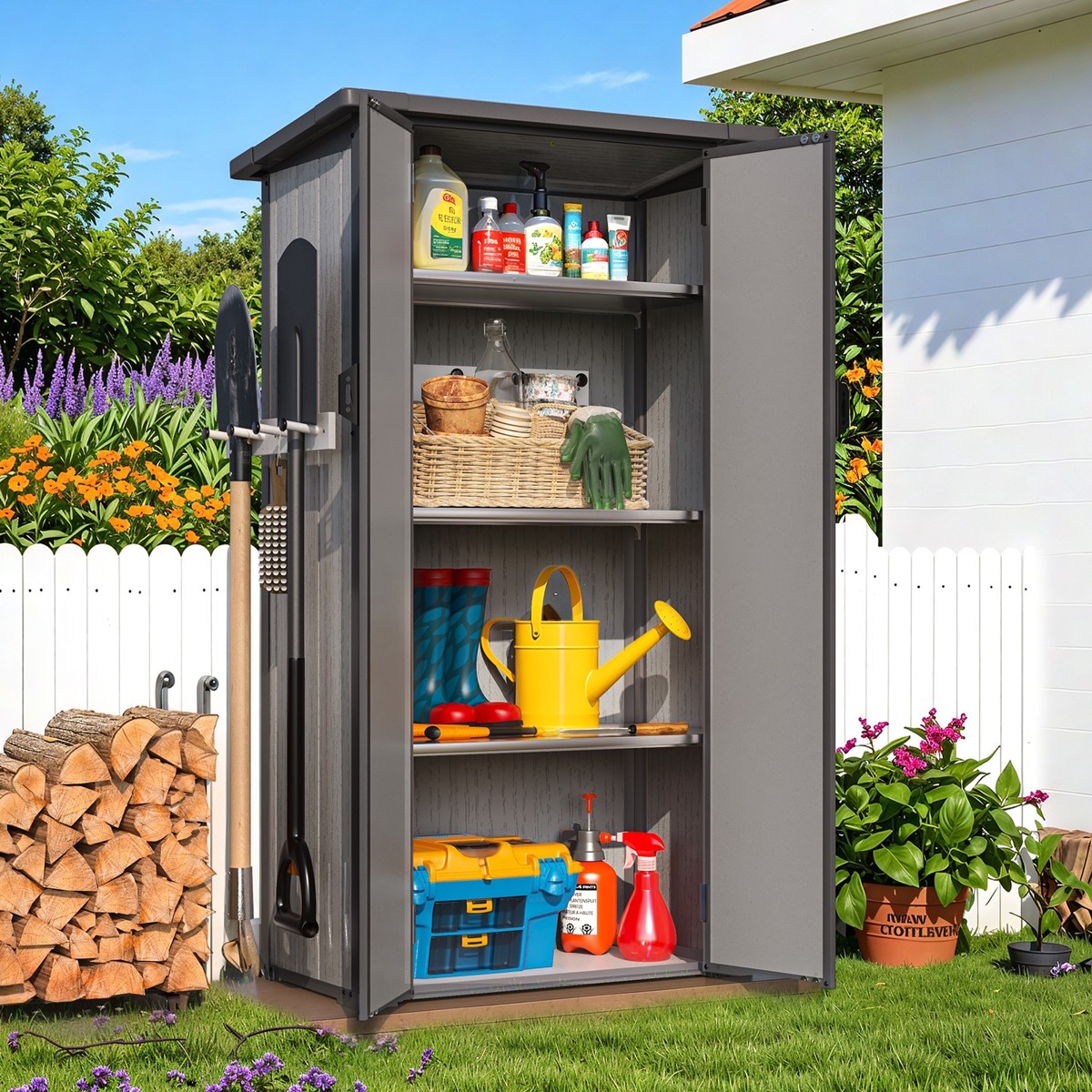
An outdoor plastic cabinet is a resin or high-density polyethylene (HDPE) storage unit for patios, decks, and gardens, offering weather resistance without the rust and maintenance of metal. The core trade-off is resin grade and wall thickness: blow-molded HDPE resists UV and impact for years, while thin injection-molded panels and hollow double-wall shells crack, fade, and warp under load. Buy blow-molded or reinforced double-wall resin with a lockable door and a rated shelf load; skip single-wall hollow panels and unrated capacities.

Buying guide image
Outdoor Storage

Outdoor Storage Locker

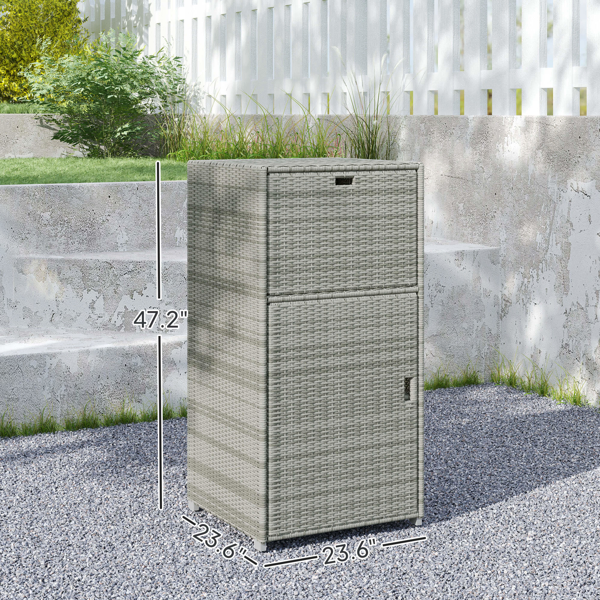
An outdoor storage locker is a weather-resistant, lockable enclosure for tools, pool gear, deliveries, or bikes—typically steel, resin, or heavy-duty polyethylene. The core trade-off is corrosion-proof resin versus impact-resistant galvanized steel: steel wins on security and load capacity but requires rust-proof coating, while resin wins on zero-maintenance weatherproofing but can fatigue under UV. Choose a locker rated for your climate and anchored per wind-load spec; skip unanchored, thin-gauge units that warp or blow over.

Buying guide image
Beehives & Frames

Queen Bee Hive

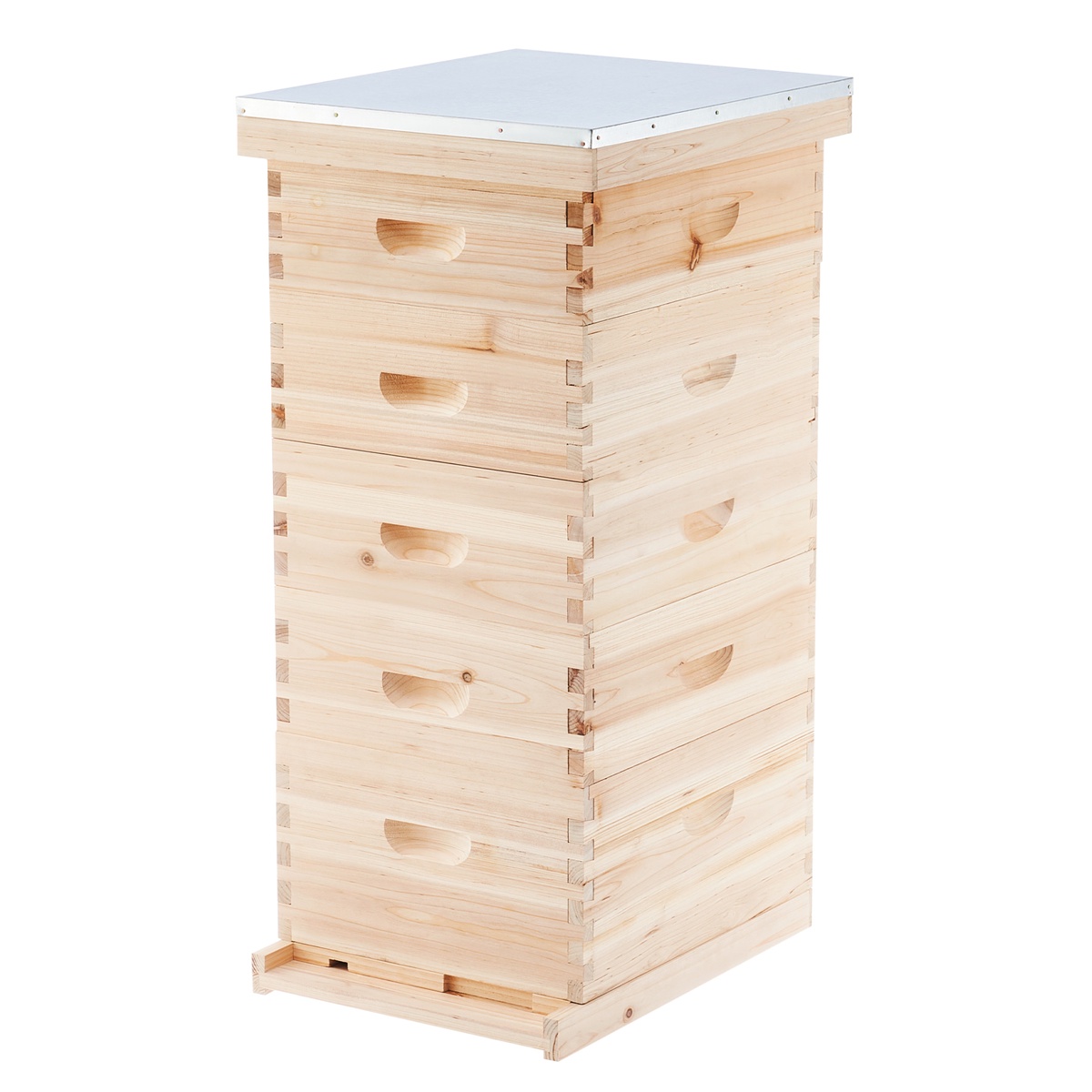
A queen bee hive is a modular Langstroth-style brood chamber system where the queen lays and the colony expands, and its durability hinges on wood species, joint construction, and frame compatibility rather than layer count. The core trade-off is between thin, unseasoned softwood kits that warp within a season and kiln-dried cedar or pine boxes with machined finger joints and standardized 10-frame or 8-frame spacing. Buy a hive whose box depth and frame count match your existing apiary standard; skip novelty multi-tier bundles that mix non-standard frame sizes or omit the queen excluder.

Buying guide image
Chicken Fencing & Egg Handling

Metal Chicken Nesting Box

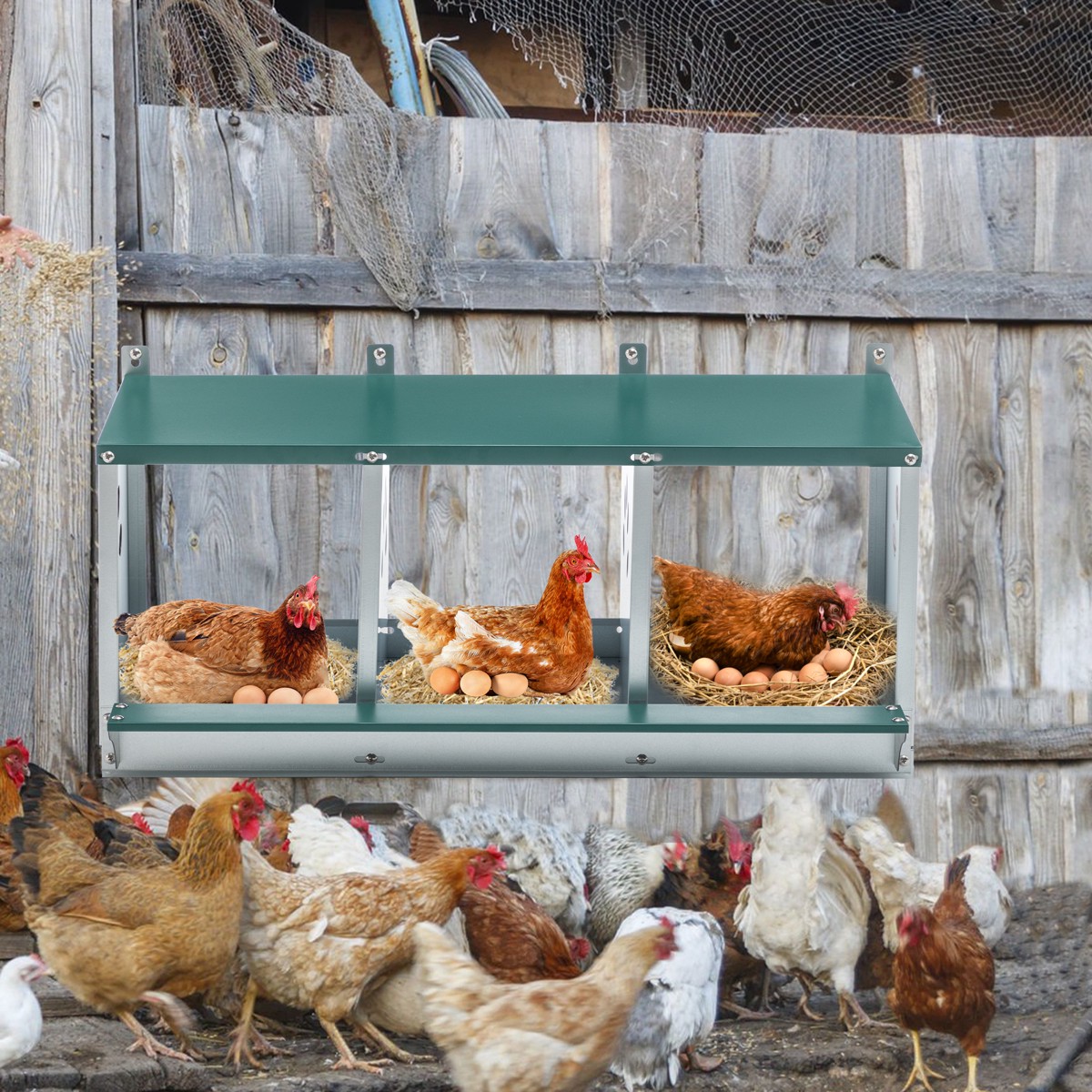
A metal chicken nesting box is a rigid, roll-out or single-compartment egg-laying station fabricated from galvanized or powder-coated steel, designed to protect eggs from breakage and predators while simplifying collection. The primary trade-off is between thin-gauge stamped steel that dents and rusts versus heavier-gauge welded construction with sealed seams and a sloped roll-out floor. Choose welded, double-wall or reinforced-corner steel with a minimum 0.8 mm (22-gauge) thickness and a roll-out tray if you want a decade of service; skip pop-riveted, single-wall boxes under 0.6 mm for any flock over six hens.

Buying guide image
Lawn Care

Metal Yard Stake

Metal yard stakes are ground-anchored rods, forks, or plates used to secure garden edging, signs, netting, bird feeders, and decorative yard art against wind and soil movement. The primary trade-off is steel gauge and coating versus stake length and head design: thin, painted mild-steel rods bend under lateral load, while thicker galvanized or powder-coated steel with a welded or forged head resists frost heave and pull-out. The clear decision rule is to match stake diameter and driven depth to soil type and load, and to reject any stake with a friction-fit or glued joint in favor of continuous or welded construction.

Buying guide image
Outdoor Structures, Shade & Awnings

Waterproof Sun Shade

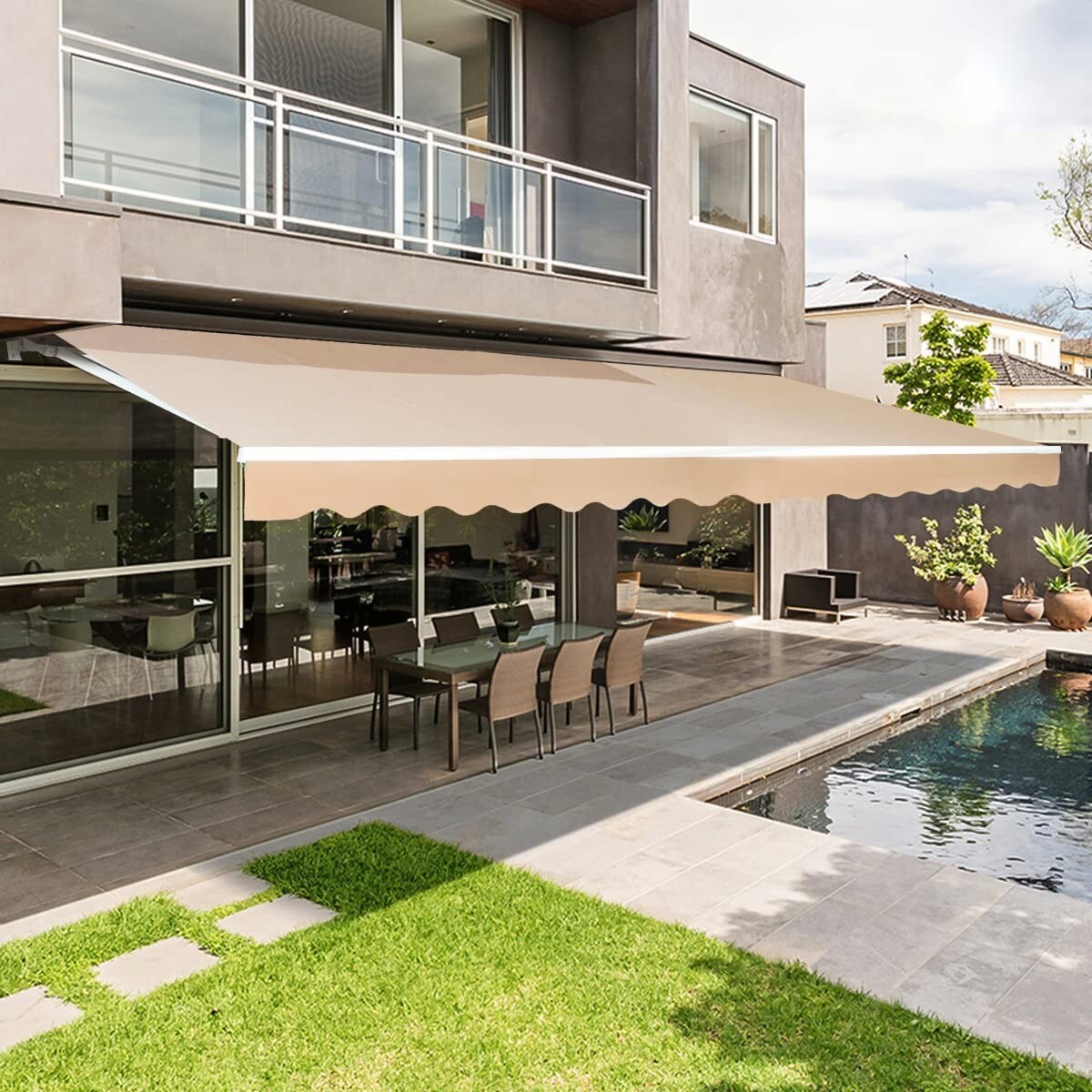
A waterproof sun shade is a tensioned fabric canopy engineered to block UV and shed rain, where the critical trade-off is waterproof coating durability versus breathability and UV block rate. Durable options use solution-dyed HDPE with a tight weave or PVC-coated polyester with heat-sealed seams; compromises rely on thin polyurethane coatings that crack and peel within a season. The decision rule: buy for the coating chemistry and seam construction first, because a waterproof rating without welded or taped seams leaks at every stitch line.

Buying guide image
Raised Garden Beds & Planters

Large Garden Planter

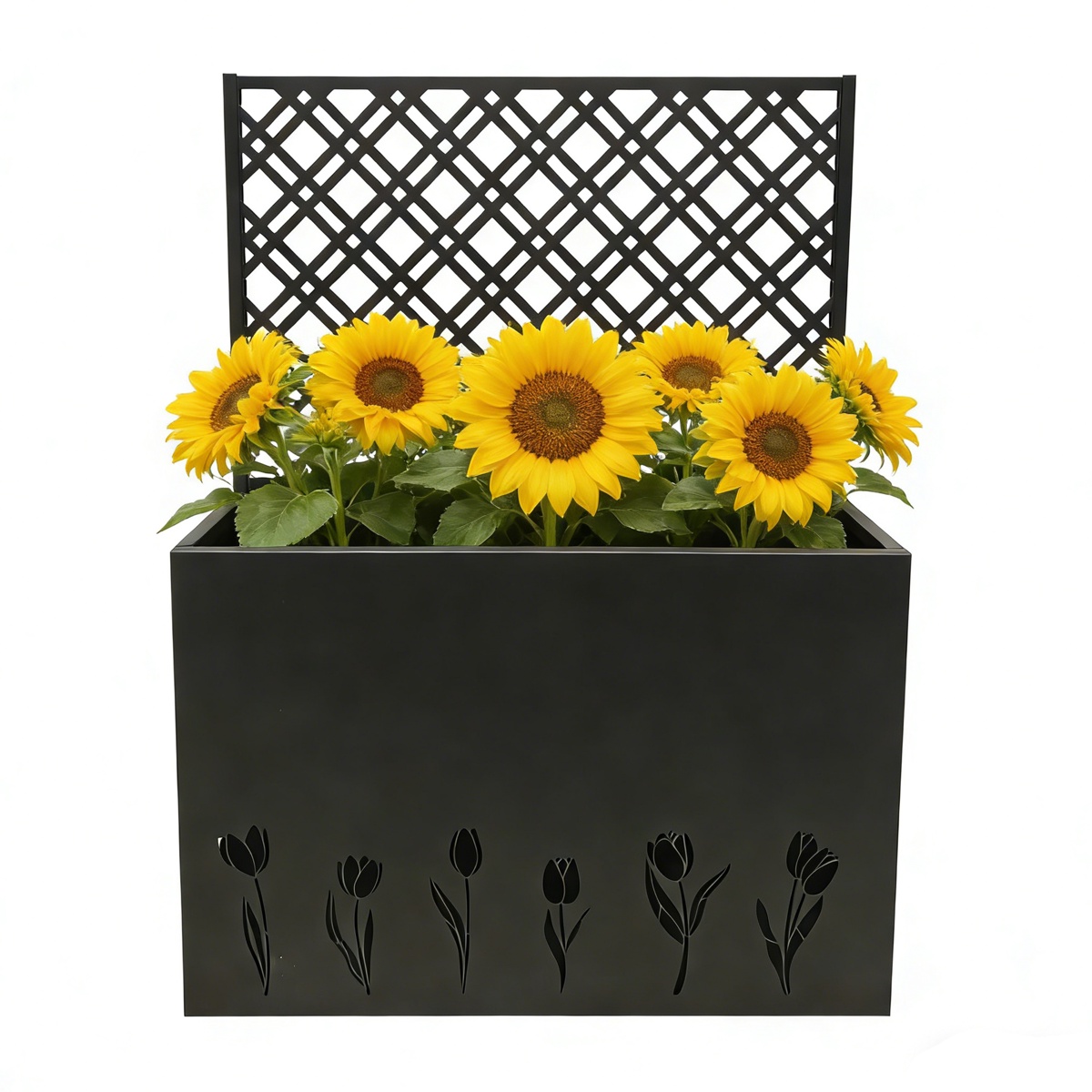
Large garden planters span three main architectures: open-bottom raised beds for in-ground rooting, closed-container tall planters for patios, and trellis-backed boxes for vertical growing. The key trade-off is between soil volume/root depth and portability/mobility, so match the planter type to your growing goal rather than to nominal dimensions alone. Buy open-bottom metal or wood beds for vegetables and perennials; buy closed-container planters only for annuals, herbs, or shrubs with controlled watering.

Buying guide image
Greenhouse & Hydroponics

Vertical Grow Tower

A vertical grow tower is a space-efficient hydroponic system that stacks multiple planting sites around a central column, using a pump to circulate nutrient solution over exposed roots. The core trade-off is between passive wick/gravity designs (cheap, low yield, prone to dry zones) and active pump-driven towers with timer-controlled irrigation (higher yield, but require power and routine cleaning). The decision rule: choose an active low-pressure aeroponic or NFT tower with a removable pump and ≥1.5-inch net cups; skip passive stacked-pot towers for anything beyond herbs and lettuce.

Buying guide image
Pools & Spas

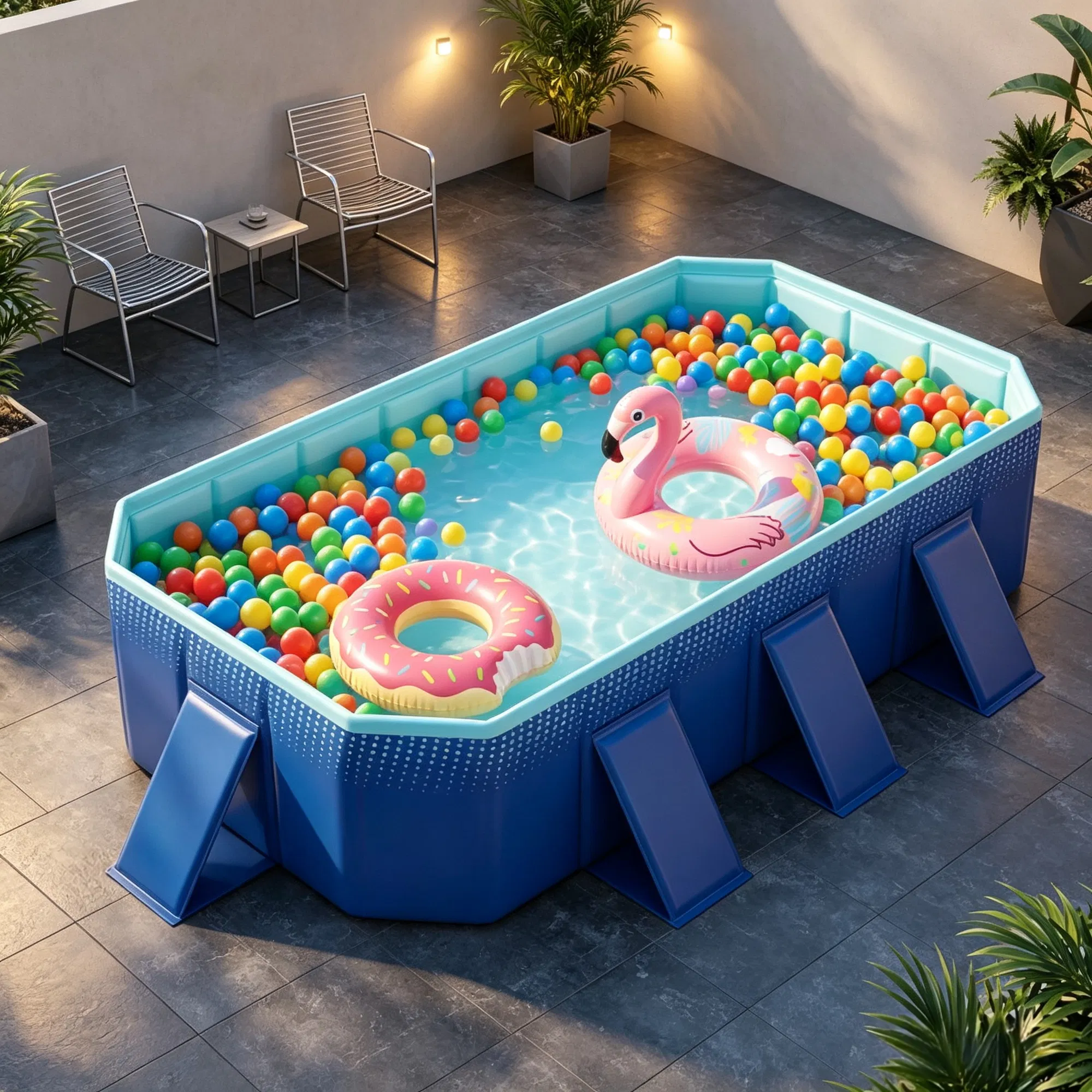
24 Round Pool

A 24-foot round pool is a large above-ground pool (typically 48–54 inches deep) that holds roughly 13,500–15,000 gallons, making it the sweet spot for families who want real swimming space without an in-ground build. The core trade-off is resin vs. steel wall construction and true wall-height versus inflated-ring depth—resin/composite walls resist rust and salt, while steel costs less but demands liner and frame care. The decision rule: buy a hard-walled resin or galvanized-steel pool with a full-resin top/bottom seat and at least 52-inch wall height; skip inflatable or hybrid soft-sided pools at this diameter because they sag, puncture, and cannot support standard skimmers or ladders.

Buying guide image
Pools & Spas

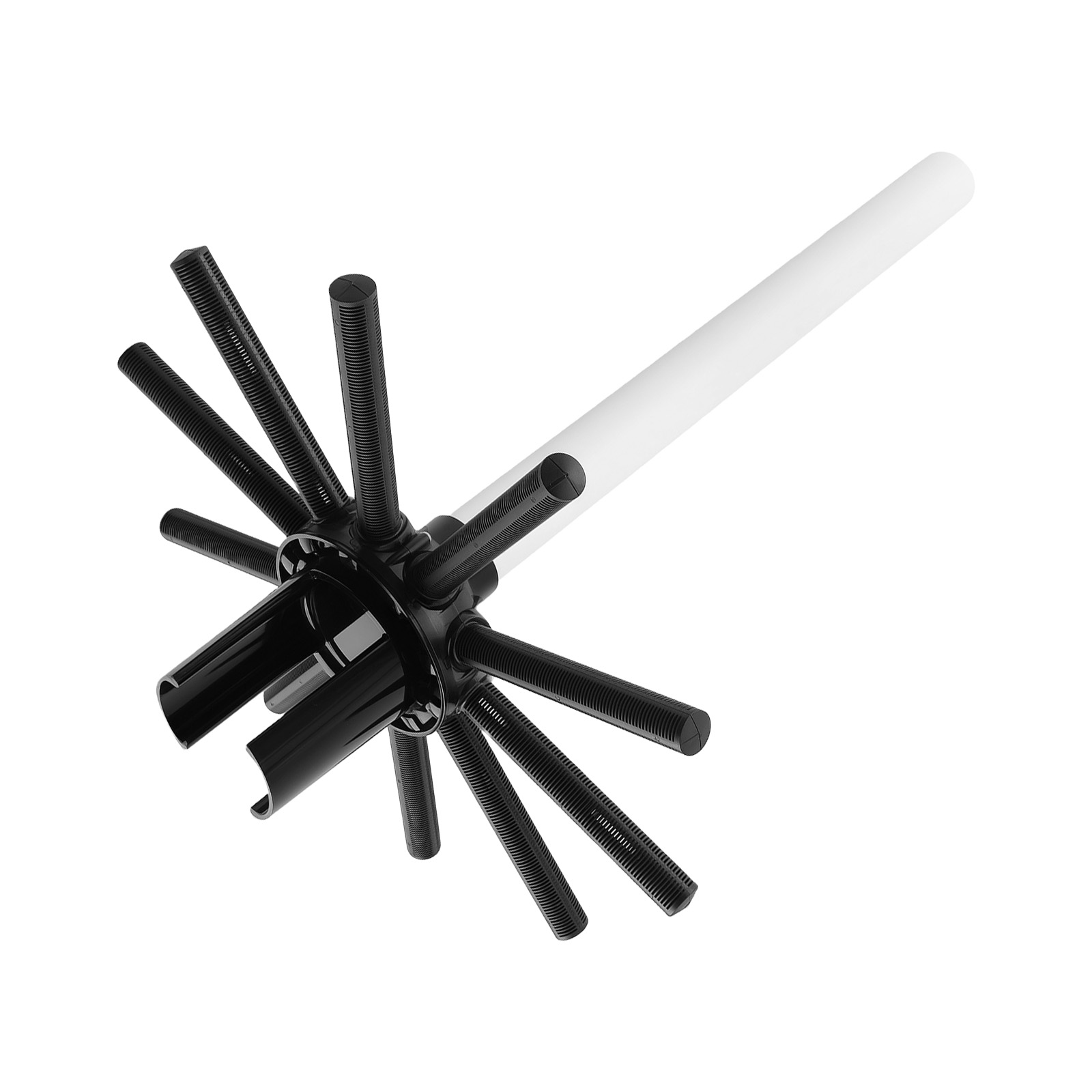
Hayward S244t Sand Filter

The Hayward S244T is a 24-inch side-mount sand filter rated for residential pools up to 36,000 gallons, and it rewards buyers who size the pump and sand correctly rather than chasing the lowest tank price. Most disappointing installs trace back to undersized sand beds, mismatched pump flow, or skipping the lateral assembly inspection that the tracked aftermarket SX244DA part exists to address.

Buying guide image
Garden Tools

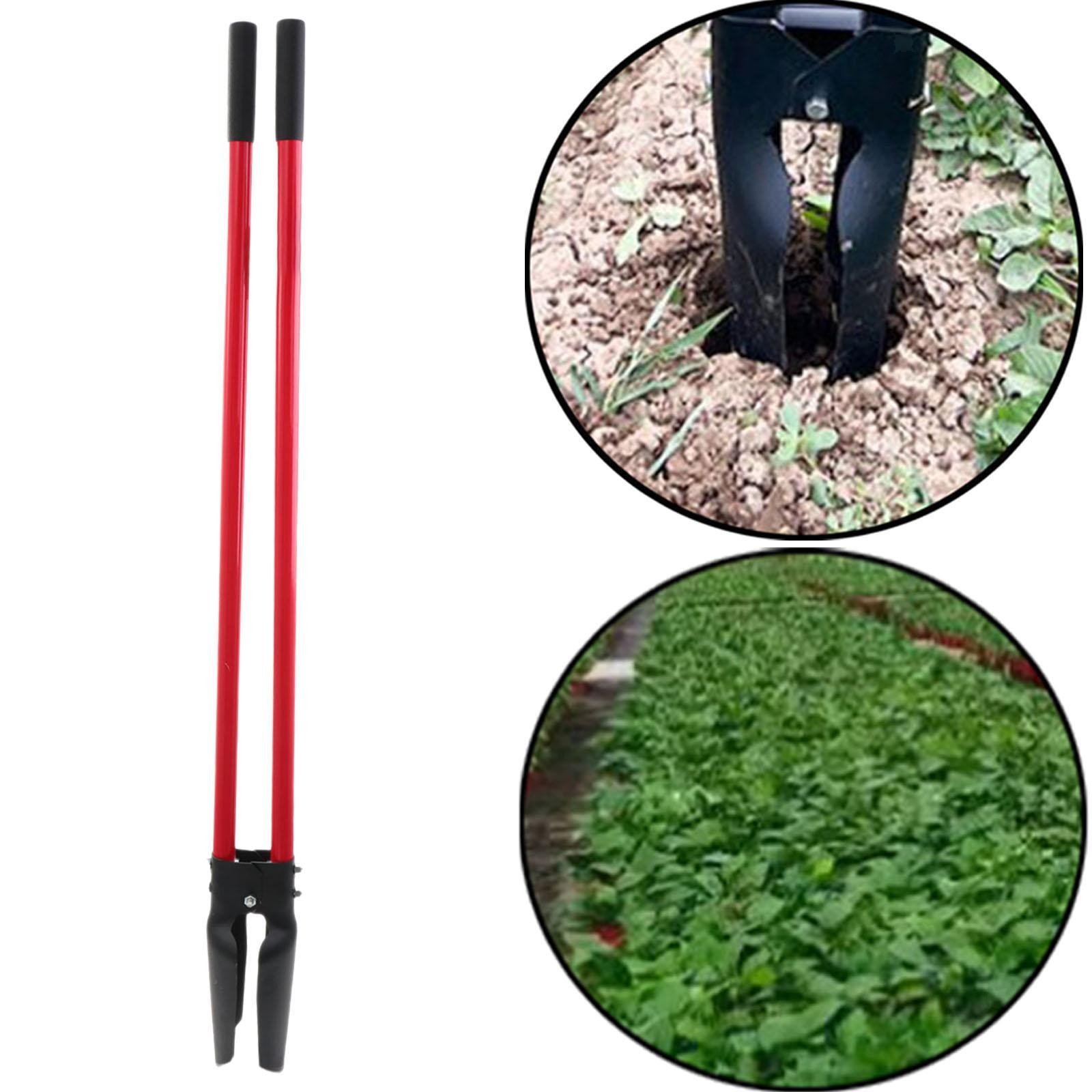
Post Hole Digger

A post hole digger is a soil-boring tool that breaks into three distinct architectures: manual clamshell diggers, gas-powered augers, and cordless electric augers. The trade-off is torque versus portability: gas delivers unstoppable torque for rocky or root-bound soil, while cordless lithium tools win on weight, emissions, and one-person operation for fences and planting. Choose manual only for a handful of holes in soft loam; choose gas above roughly 50 holes or in heavy clay; choose cordless for 10–40 holes per charge in typical residential soil.

You may also like

Finding more guides for you…