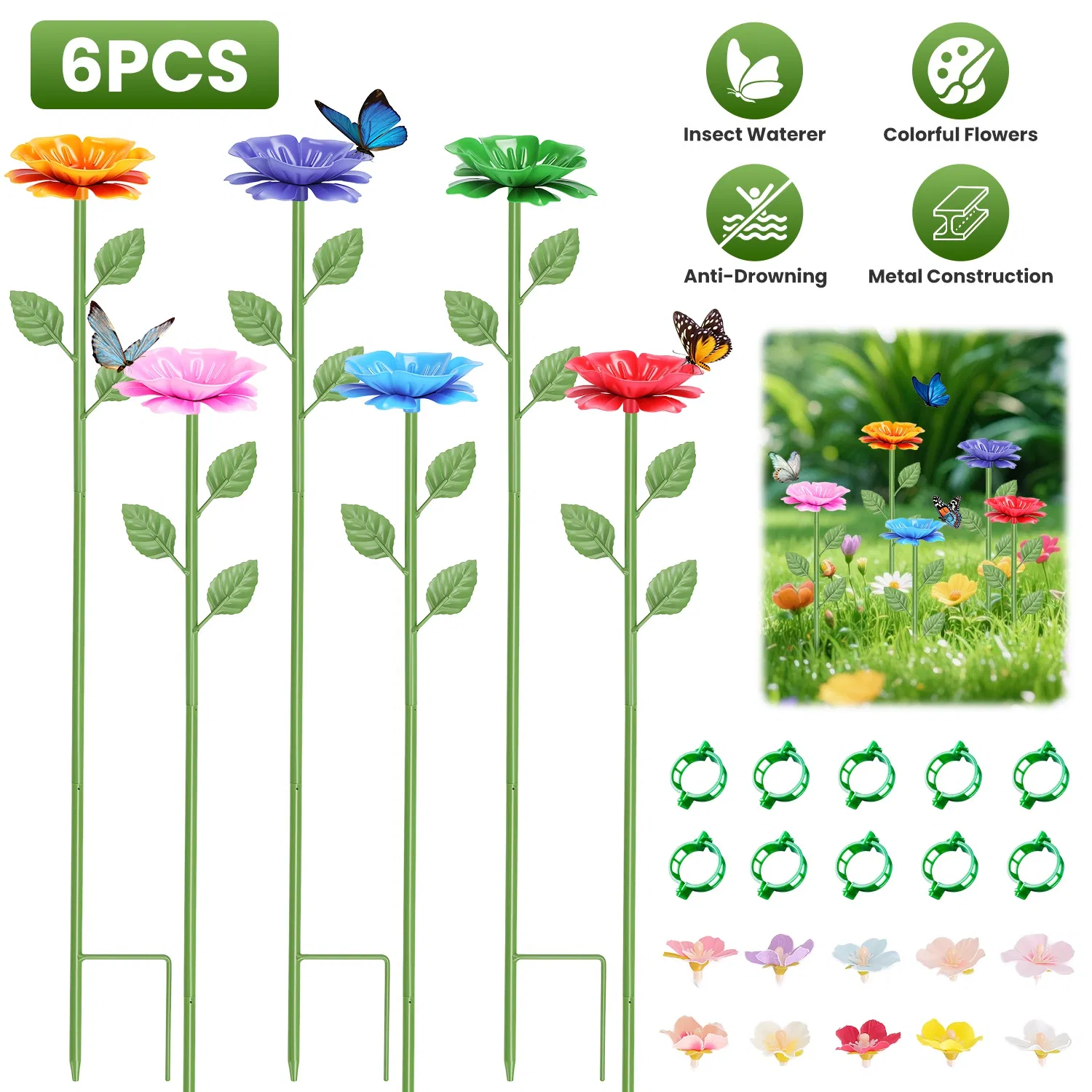

Photos from current listings. Actual item, color, and included accessories may vary.
Bee Feeder Pail Buying Guide
A bee feeder pail is a bulk syrup delivery vessel—typically 1–5 gallons—that mounts inside or atop a hive to feed colonies during dearth, package installation, or fall buildup. The core trade-off is lid architecture and material thickness: a gasketed, UV-stabilized food-grade pail with a secure inner-lid feed port prevents flooding and drowning, while thin, unsealed pails leak syrup, drown bees, and invite robbing. The decision rule: any pail that cannot be inverted without dripping or lacks a bee-exclusion feed screen is a compromise—buy only food-grade HDPE with a positive-seal lid and screened feed access.
Key takeaways
- Feed pails use food-grade HDPE (high-density polyethylene) in 1-, 2-, and 5-gallon sizes; wall thickness of 60 mil or more resists UV cracking and hive-tool punctures across seasons.
- Lid design is the failure point: pails with a gasketed screw lid plus a separate inner feed lid and fine-mesh screen deliver syrup without drowning bees, while single-lid pails flood the feeder cavity.
- Inverted-pail (bucket) feeders rely on a partial vacuum; the feed port must sit 1–2 mm above the syrup surface so bees draw film-thin syrup rather than standing in liquid.
At a glance
- Category
- Bee Feeders & Mite Treatment
- Last updated
- Nov 23, 2026
Current offers
Highlights
- Feed pails use food-grade HDPE (high-density polyethylene) in 1-, 2-, and 5-gallon sizes; wall thickness of 60 mil or more resists UV cracking and hive-tool punctures across seasons.
- Lid design is the failure point: pails with a gasketed screw lid plus a separate inner feed lid and fine-mesh screen deliver syrup without drowning bees, while single-lid pails flood the feeder cavity.
- Inverted-pail (bucket) feeders rely on a partial vacuum; the feed port must sit 1–2 mm above the syrup surface so bees draw film-thin syrup rather than standing in liquid.
- Pails are sized to colony strength: 1-gallon for nucs and 5-frame splits, 2-gallon for single deeps, and 5-gallon for double-deep production colonies or fall winter-stores feeding.
Best use cases
- Best fit: package-installation or spring buildup on a single deep—choose a 2-gallon inverted pail with gasketed lid and screened feed port; skip 5-gallon pails that overwhelm a small cluster and cool the hive.
- Best fit: fall winter-stores feeding on double-deep production hives—use a 5-gallon pail that holds enough 2:1 syrup for a full week; skip 1-gallon pails that require constant refills in cold weather.
- Wrong fit: top-bar or Warré hives without a flat inner cover—pail feeders need a level mounting surface and bee space; instead use a division-board or frame feeder that fits the hive cavity.
Buying tips
- Match pail volume to colony: 1 gallon per 5 frames of bees; a 10-frame deep needs 2 gallons, a double deep needs 4–5 gallons per feeding cycle.
- Require food-grade HDPE marked with recycling code 2 and a UV stabilizer; opaque white or yellow pails block light that degrades syrup and discourages algae.
- Choose a pail with a lid gasket (EPDM or silicone) and a separate inner lid with a stainless or brass screen of 8–10 mesh to exclude bees from the reservoir.
- For inverted pails, confirm the feed-port collar is molded into the lid—not a drilled hole—so the screen seats flush and syrup film depth stays under 2 mm.
Specs
| Pail Material | Food-grade HDPE (code 2), UV-stabilized |
|---|---|
| Capacity Tiers | 1 gal / 2 gal / 5 gal |
| Lid Architecture | Gasketed screw lid + inner feed lid |
| Feed Screen | 8–10 mesh stainless steel |
Related searches
What to check before buying
- Measure your inner cover opening and hive body width: a 5-gallon pail is roughly 12 inches in diameter and needs a flat inner cover with a central hole at least 3 inches across.
- Confirm the pail inverts without leaking: fill with water, cap, invert over a sink for 10 minutes—any drip at the lid seam means syrup will flood the hive.
- Check syrup volume against feeder cycle: a 5-gallon pail weighs about 40 lb full; ensure the inner cover and hive stand support that load without sagging.
- Verify the feed screen is removable for cleaning and is stainless steel—galvanized mesh reacts with acidic syrup and corrodes within a season.
FAQ
Data sources: eBay / Amazon listings and product attribute feeds. Updated Nov 23, 2026.
Some links on this page are affiliate links. If you buy after clicking one, we may earn a commission at no extra cost to you. This does not change which products appear here or their order. Affiliate disclosure.