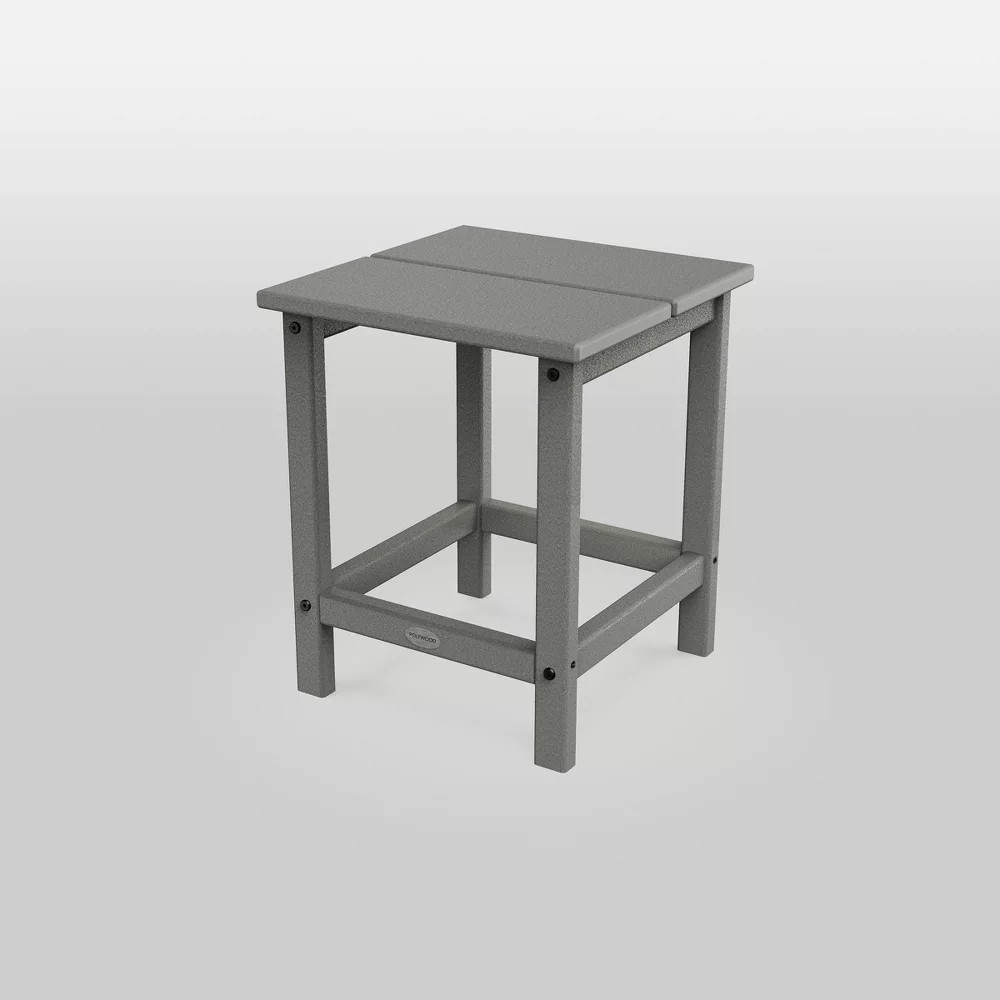

Photos from current listings. Actual item, color, and included accessories may vary.
Polywood Furniture Buying Guide
Polywood furniture uses high-density polyethylene (HDPE) lumber that resists rot, insects, and fading without painting—unlike wood or metal sets that demand annual upkeep. Buyers must choose between genuine Polywood-brand HDPE and generic polystyrene or recycled-plastic lookalikes, because material grade and UV stabilization determine whether the set survives a decade of sun or turns chalky in two seasons. Sizing, hardware grade, and assembly design matter as much as the plastic itself, since a poorly engineered frame or stainless hardware can undermine an otherwise durable piece.
Key takeaways
- Genuine Polywood uses HDPE lumber from recycled milk jugs, formulated with UV stabilizers and colorants through the full thickness—not just a surface coat—so scratches don't reveal a different color.
- Stainless-steel hardware (typically 18-8 or 304-grade) is the corrosion benchmark; painted or zinc-plated fasteners rust within a season in coastal or humid climates.
- Polywood frames are assembled with mortise-and-tenon or hidden-joint construction and weigh substantially more than hollow resin sets, which prevents wind tipping and wobble.
At a glance
- Category
- Patio Furniture
- Last updated
- Nov 28, 2026
Current offers
Highlights
- Genuine Polywood uses HDPE lumber from recycled milk jugs, formulated with UV stabilizers and colorants through the full thickness—not just a surface coat—so scratches don't reveal a different color.
- Stainless-steel hardware (typically 18-8 or 304-grade) is the corrosion benchmark; painted or zinc-plated fasteners rust within a season in coastal or humid climates.
- Polywood frames are assembled with mortise-and-tenon or hidden-joint construction and weigh substantially more than hollow resin sets, which prevents wind tipping and wobble.
- Generic 'poly lumber' may be polystyrene or low-density polyethylene with surface-only coloring; these chalk, crack, or fade within 2–3 years under direct UV exposure.
Best use cases
- Best fit: coastal or lakeside patios with salt spray and full sun—choose genuine HDPE with 304 stainless hardware and marine-grade cushions if included.
- Best fit: family decks with heavy daily use and no storage space—pick heavy-frame Polywood Adirondack or dining sets that stay out year-round and wipe clean.
- Wrong fit: buyers wanting natural wood grain or the ability to repaint—Polywood is solid-color plastic and cannot be stained or refinished.
- Wrong fit: tight balconies or apartment patios with limited depth—full-size Polywood dining sets run deep; measure rail-to-wall clearance before choosing a bistro or folding tier.
Buying tips
- Prioritize HDPE over polystyrene or mixed-resin blends; ask for the resin type in writing because 'poly lumber' alone does not guarantee HDPE.
- Check hardware spec for 304 stainless steel; zinc-plated or painted screws are the first failure point in salt-air and rainy climates.
- Size the set to your actual dining count and clearance: allow 24–30 inches per chair side and 36 inches behind seats for pull-out space.
- Inspect joint construction—hidden mortise-and-tenon or through-bolted joints outlast stapled or glued butt joints that loosen under freeze-thaw cycles.
Specs
| Resin Type | HDPE vs polystyrene / mixed resin |
|---|---|
| Hardware Grade | 304 stainless vs zinc-plated |
| UV Protection | Full-thickness vs surface-only color |
| Joint Construction | Mortise-and-tenon vs stapled butt joint |
What to check before buying
- Measure patio depth and rail height: full Polywood dining chairs need roughly 36 inches behind the seat for comfortable pull-out.
- Confirm climate exposure: coastal salt air demands 304 stainless hardware; freeze-thaw regions need fully sealed, through-bolted joints.
- Check cushion compatibility: many Polywood frames ship frame-only, so verify cushion size, attachment method, and quick-dry foam grade separately.
- Verify assembly requirements: some sets ship partially assembled, but full flat-pack models need two people and a hex-key/drill setup.
FAQ
Data sources: eBay / Amazon listings and product attribute feeds. Updated Nov 28, 2026.
Some links on this page are affiliate links. If you buy after clicking one, we may earn a commission at no extra cost to you. This does not change which products appear here or their order. Affiliate disclosure.