GardenPulse Guide

GardenPulse Guide

Garden, Yard & Outdoor Living Reviews & Buying Guides

Compare garden, yard & outdoor living by use case, features, trade-offs, price, returns, and seller terms before you buy.

Buying guides

Buying guide image
Outdoor Structures, Shade & Awnings

Outside Shed

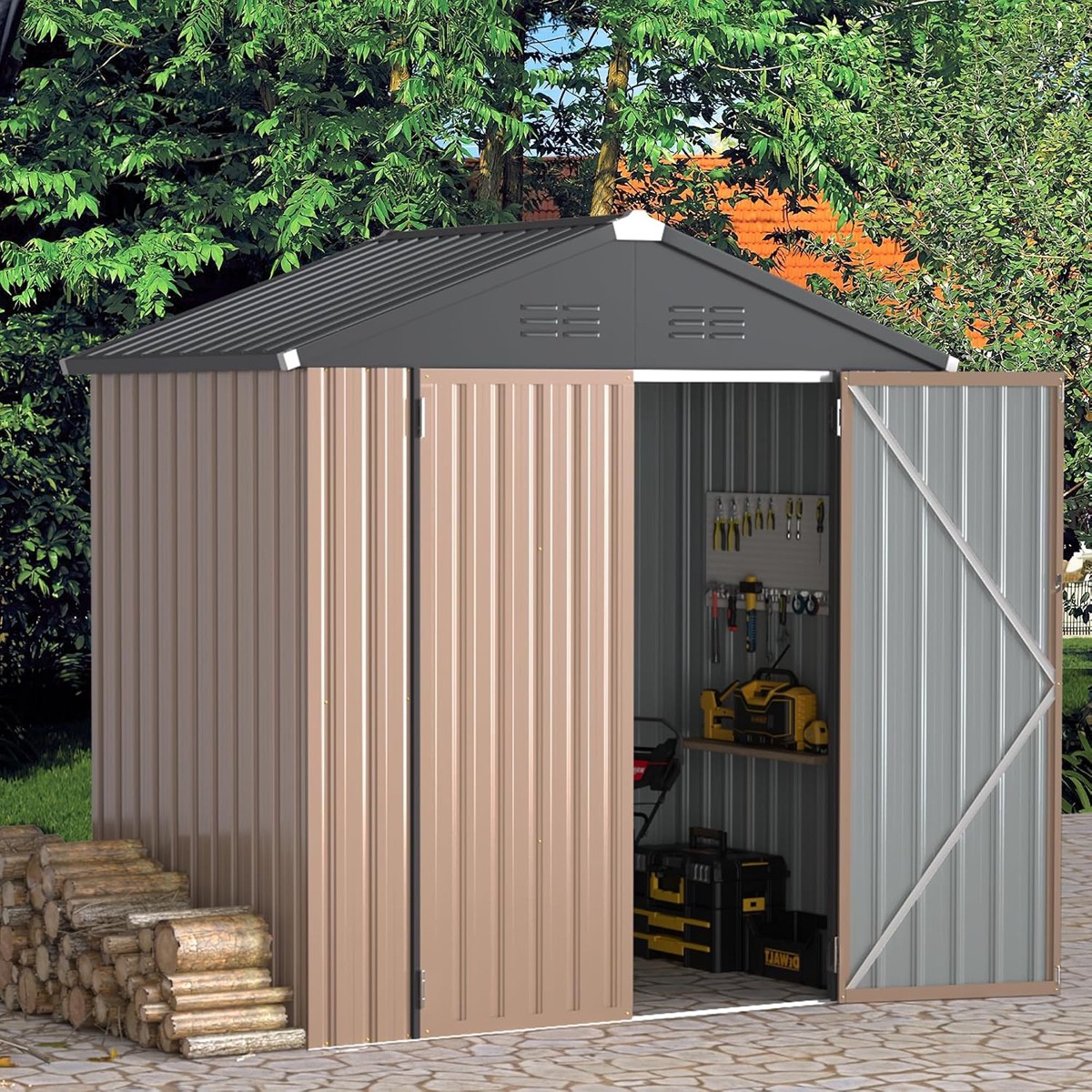
An outside shed purchase hinges on matching the structure's footprint and material grade to your yard, climate, and storage load—not just the nominal dimensions on the box. Buyers commonly underestimate site prep, roof snow load, and whether a resin or metal unit will actually survive local wind and UV exposure. Focus on floor system, wall construction, and anchoring first; decorative details come last.
Buying guide image
Greenhouse & Hydroponics

Mini Grow Light

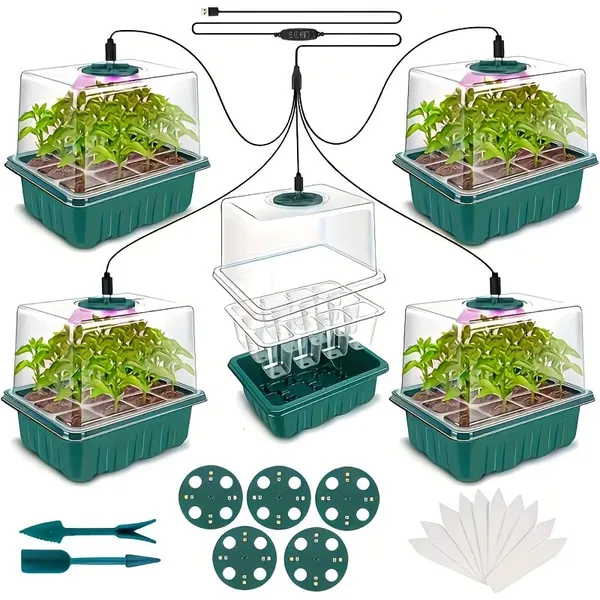
Mini grow lights are compact LED fixtures (often integrated into seed-starting trays or small greenhouse kits) that provide supplemental spectrum for propagation and low-light houseplants. The key trade-off is between full-spectrum LED efficiency and cheap blurple diodes or underpowered strips that fail to drive photosynthesis. Choose a fixture with a true full-spectrum white LED array, dimming, and a built-in timer; skip any kit that only lists 'red/blue' LEDs or lacks PPFD or wattage transparency.

Buying guide image
Pools & Spas

Hayward Sand Filter Pump

Shopping for a Hayward sand filter pump means choosing among three distinct pump architectures—single-speed, two-speed, and variable-speed—that dictate energy use, noise, and wiring complexity. Most buyers also discover the filter tank, valve, and hose kit are separate sizing decisions, and mismatching them to the pool volume causes weak flow or frequent backwashing. Get the pump-to-filter and pump-to-pool volume relationship right first, then pick the feature tier that matches your daily runtime.

Buying guide image
Pools & Spas

Heat Pump Pool Heater

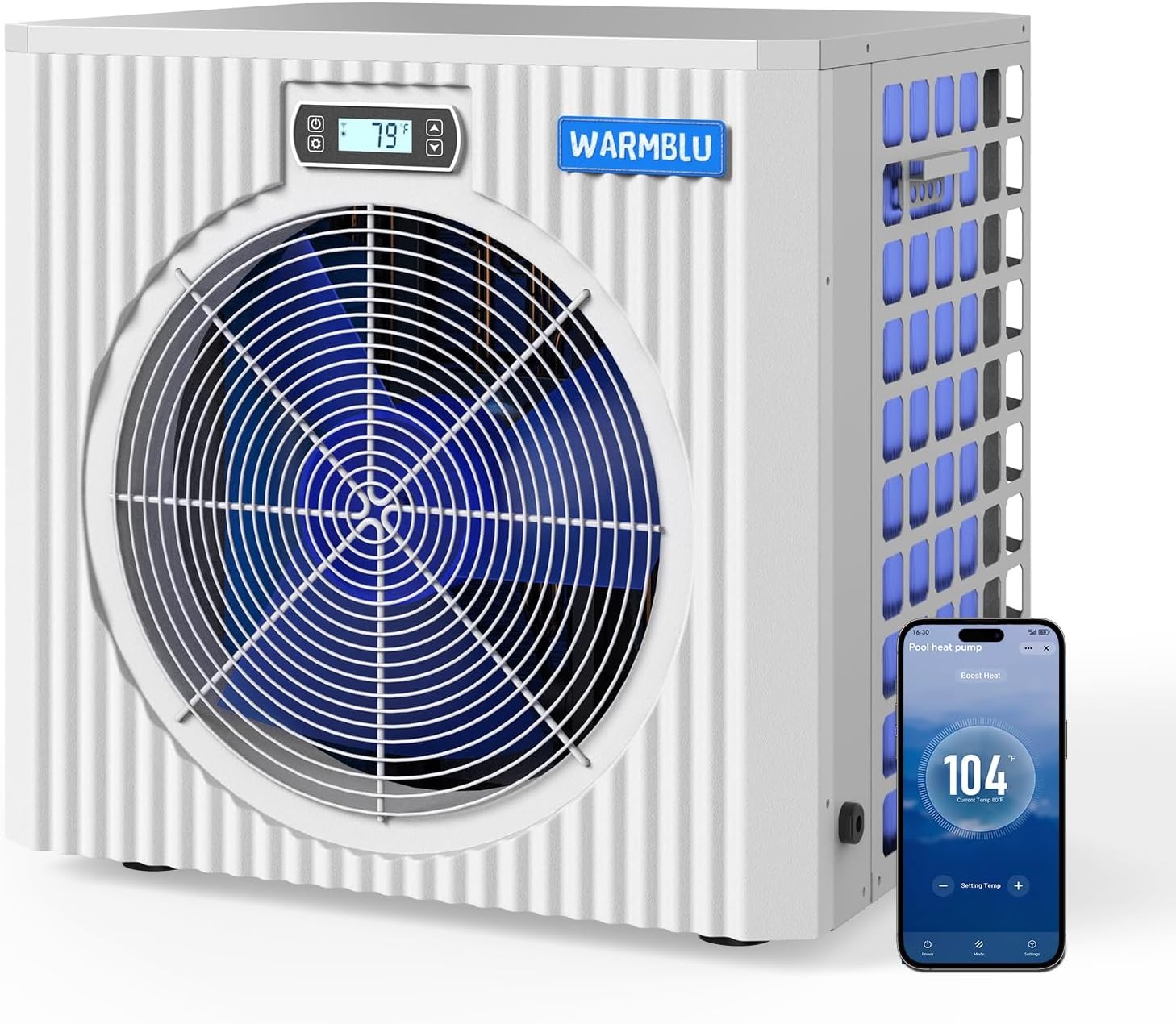
A heat pump pool heater moves existing heat from the air into your pool water, delivering 4–6x the heat per watt of a resistive electric heater and maintaining temperature rather than only extending the season. The core trade-off is compressor architecture and BTU sizing: fixed-speed on/off units cost less upfront but cycle hard and lose efficiency below 50°F, while inverter (variable-speed) models modulate output, hold temperature in cooler air, and pair with 220–240V service. Buy an inverter unit sized to your pool volume and local air temperature if you heat year-round or want the lowest operating cost; choose a fixed-speed unit only for seasonal heating in warm climates with a tight budget.

Buying guide image
Garden Tools

Heavy Duty Post Hole Digger

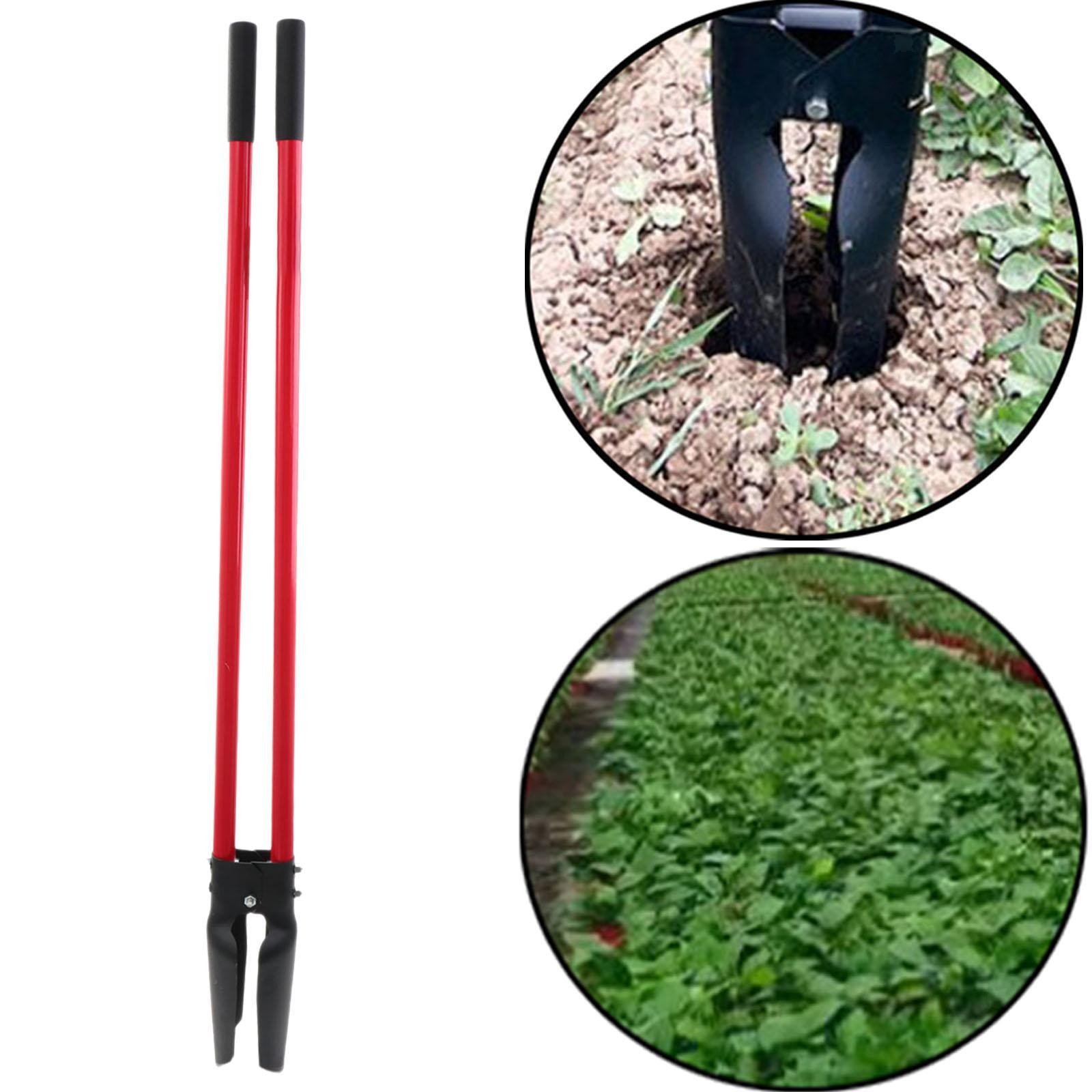
A heavy-duty post hole digger is a manual or powered earth-boring tool built to cut clean, vertical holes through compacted soil, clay, and small roots for fence posts, deck footings, and planting. The core trade-off is between manual models with hardened-steel blades and fiberglass handles versus gas or corded auger powerheads that trade portability for torque and speed. Choose a manual digger only if you need a few holes in soft-to-moderate soil; choose an auger or powered head when you face rocky clay, root-bound ground, or more than a handful of holes per season.

Buying guide image
Garden Tools

Metal Plant Stake

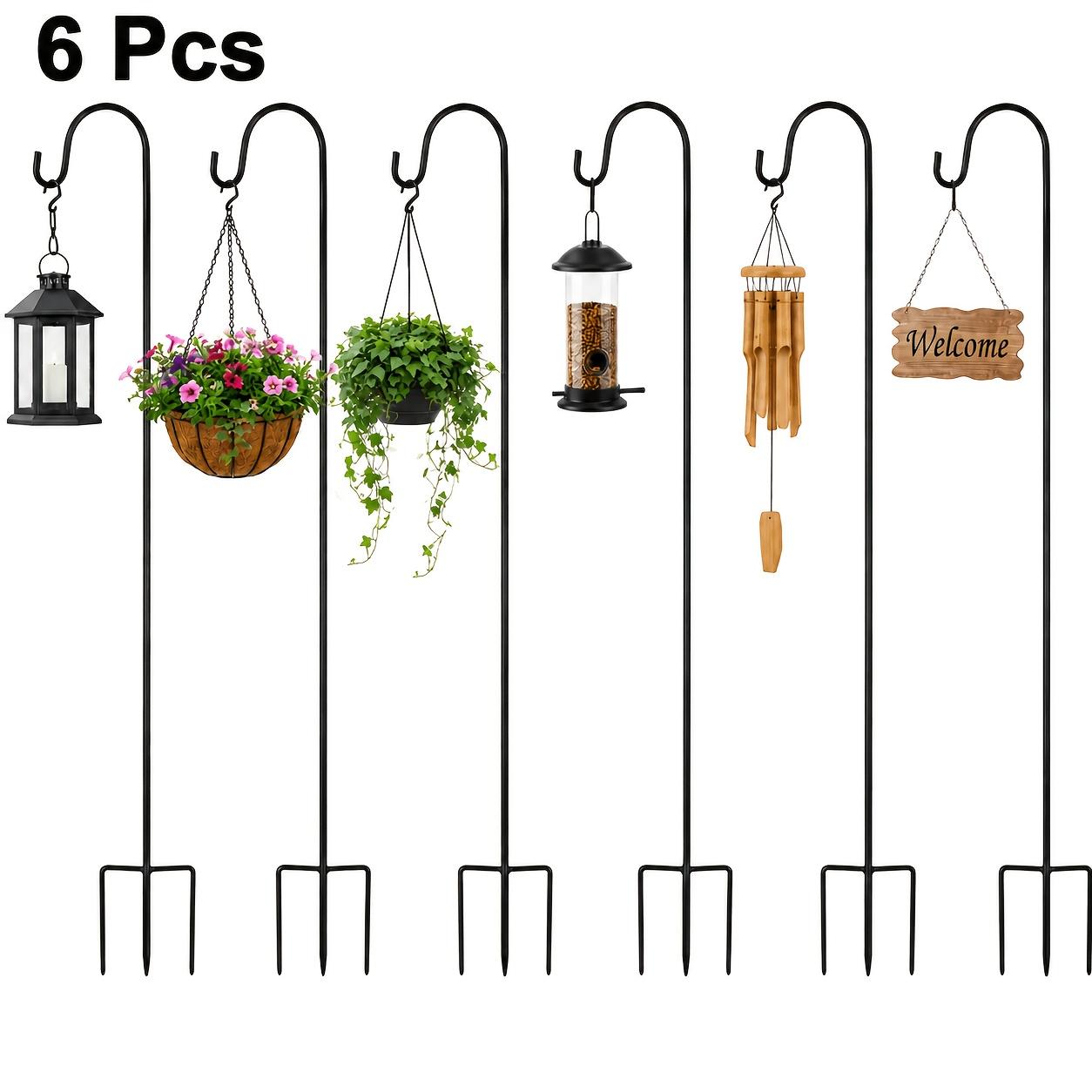
Metal plant stakes are rigid supports and hangers made from steel, aluminum, or iron that hold plants upright or suspend feeders, lanterns, and baskets. The primary trade-off is between thin, coated wire stakes that bend under load and thicker solid-rod or tubular stakes with weatherproof finishes that resist rust and wind torque. Choose solid-core or tubular steel with a galvanized or powder-coated finish for permanent outdoor use; reserve thin coated wire for light seasonal indoor support only.

Buying guide image
Residential Outdoor Power Equipment

42 In John Deere Blade

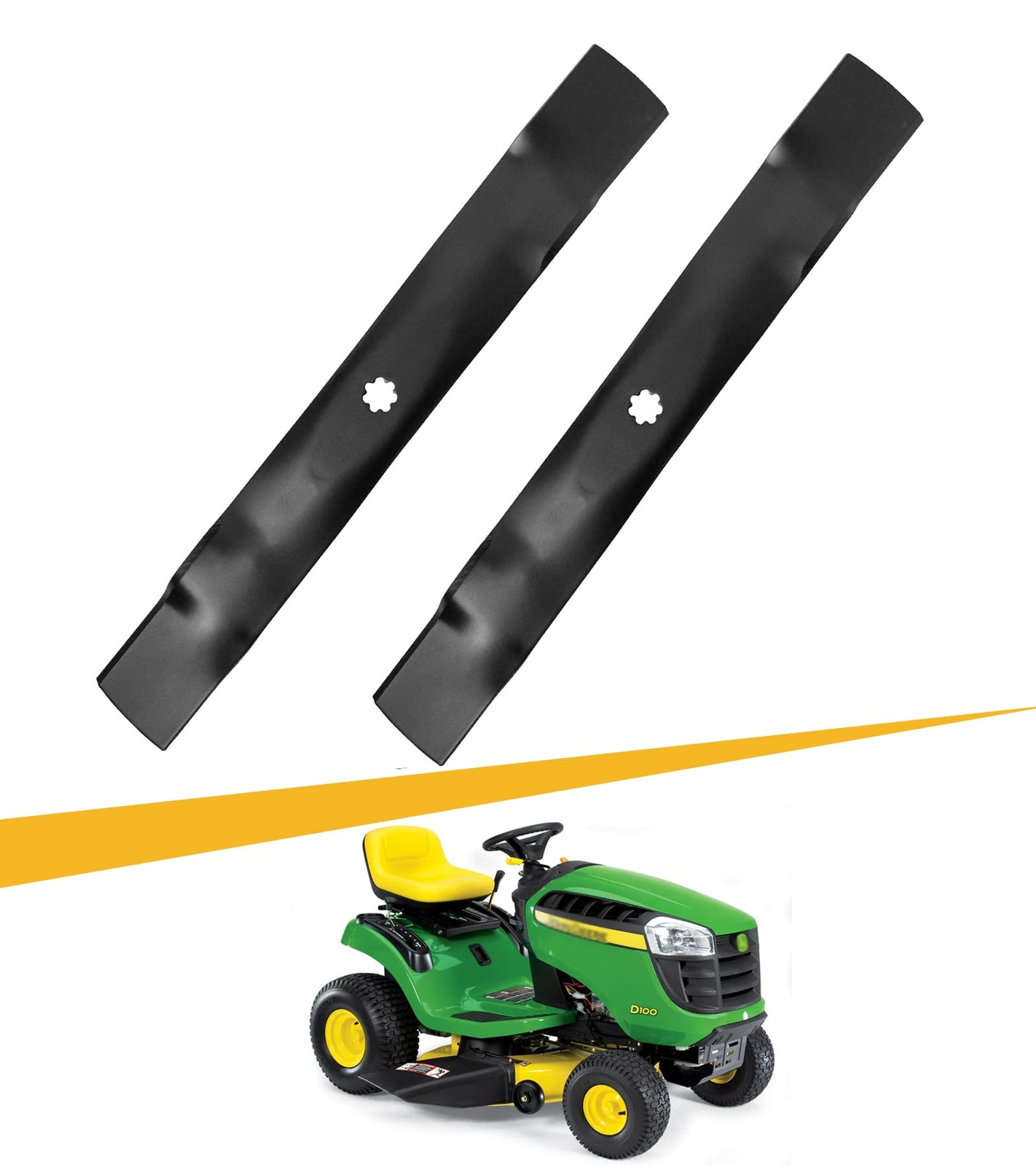
John Deere 42-inch decks are the most common residential size, but replacement blades must match the deck series (e.g., 100-series, D100, E100, or older LT) and the spindle style—not just the width. Buyers frequently order 42-inch blades that are the wrong length, offset, or center-hole diameter and then blame the deck. Use deck model and serial number, not the tractor's badge, to select the correct blade set.

Buying guide image
Residential Outdoor Power Equipment

Electric Splitter

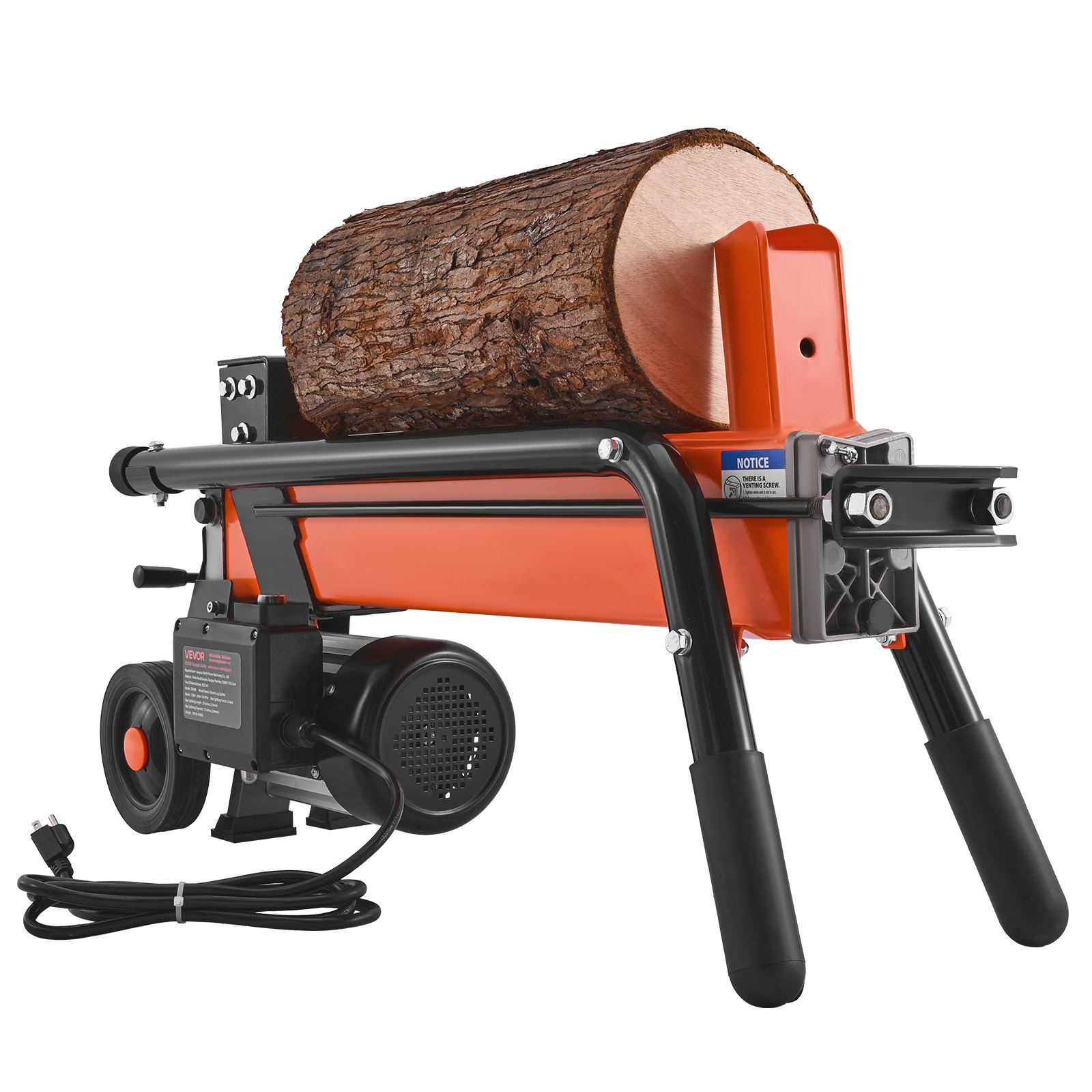
Electric splitters trade raw cycle speed for quiet, fume-free operation, making them the right call for homeowners processing a few cords a year in a garage or near the house. The common mistake is buying on tonnage alone while ignoring log diameter capacity, cycle time, and whether the motor is induction or brushed. Fit the machine to your typical log size and where you split, not to a single spec-sheet number.

Buying guide image
Residential Outdoor Power Equipment

John Deere 42 Blade

Replacing the 42-inch deck blades on a John Deere lawn tractor is a straightforward job, but the wrong blade type or mounting hole pattern will cost you cut quality and spindle life. Buyers often assume all 42-inch blades are interchangeable, yet deck series, center hole diameter, and blade style vary significantly across LT, LX, and Sabre models. Focus on the exact deck model number and blade configuration (2-blade or 3-blade) before ordering.

Buying guide image
Watering & Irrigation

Lake Irrigation Pump

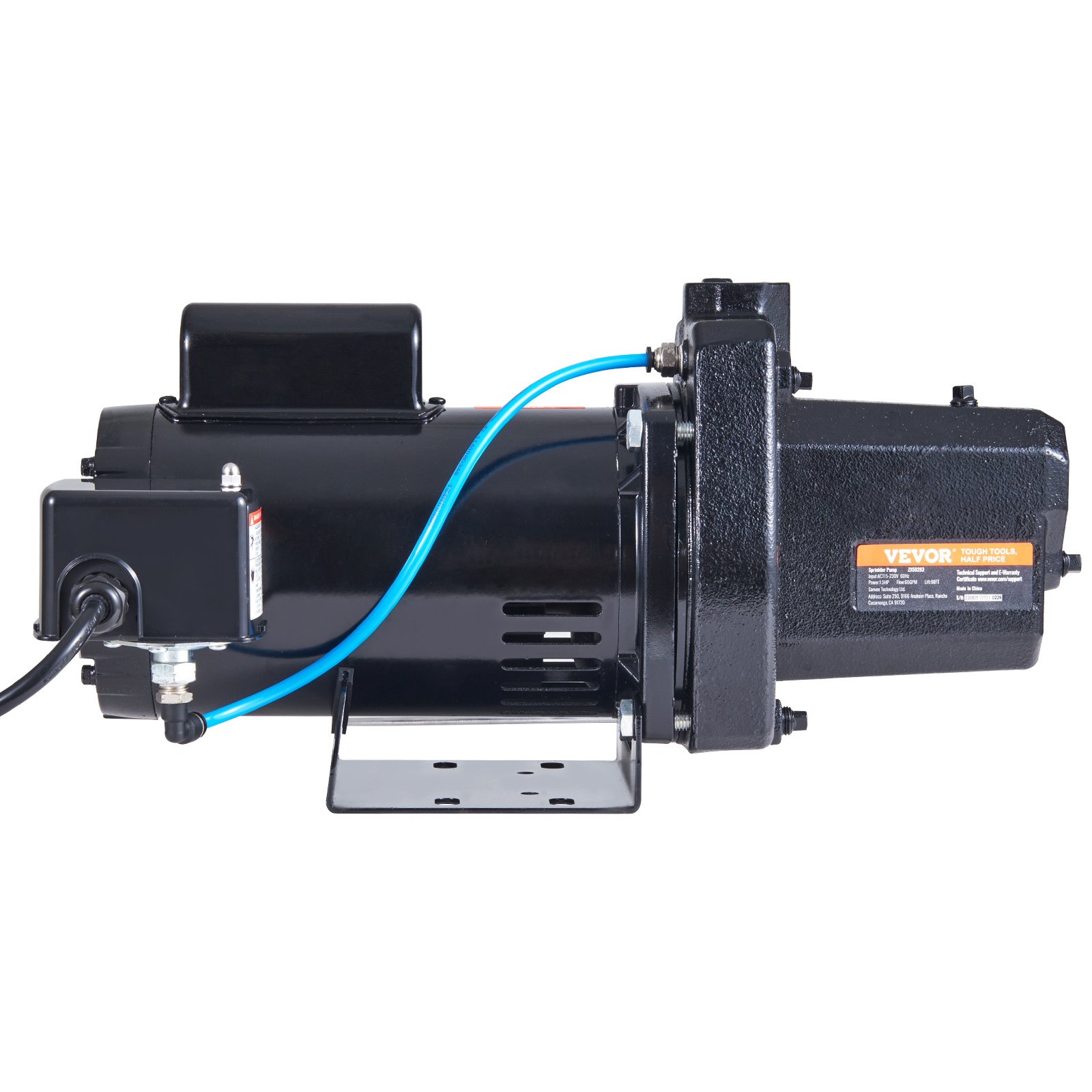
A lake irrigation pump is a shallow-well jet pump configured to draw raw surface water from a lake, pond, or canal into a pressurized lawn sprinkler system. The primary trade-off is between cast-iron jet pumps optimized for suction lift and flow versus self-priming or submersible alternatives that handle deeper water or dirty conditions. The decisive rule: for a lake within 25 ft vertical suction and 100-200 ft of plumbing, a 1.5 HP convertible cast-iron jet pump is the durable baseline; for anything deeper, farther, or debris-laden, step up to a submersible or trash-rated pump rather than over-spending on a higher-HP jet unit.

Buying guide image
Patio Furniture

Mainstay Patio Set

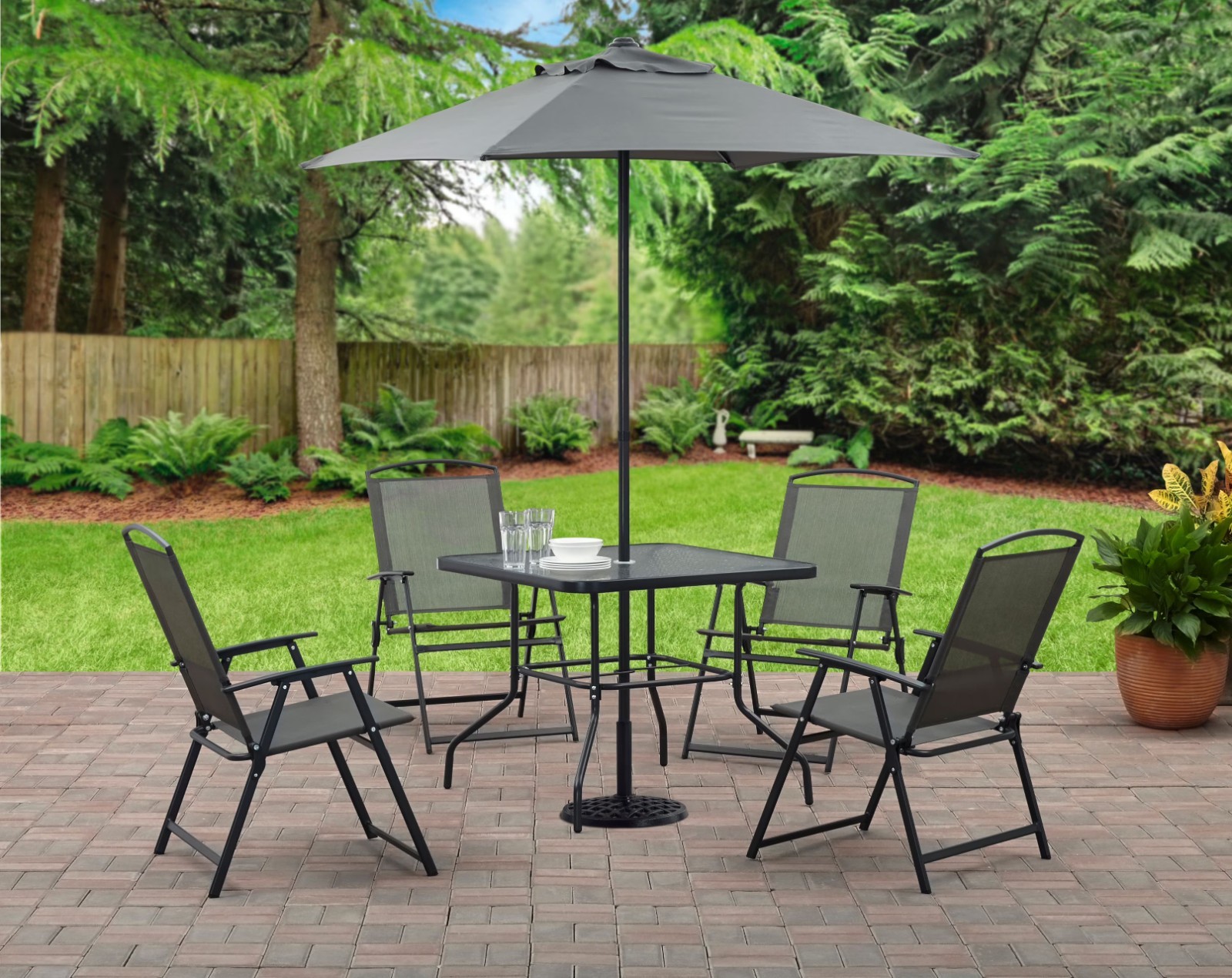
Mainstays patio sets are mass-market outdoor furniture bundles sold through Walmart and resale channels, typically pairing a steel or aluminum table with sling or mesh chairs and sometimes a market umbrella. Because the line spans dining-height and chat-height configurations, the decisive shopping factors are frame gauge, sling fabric grade, and umbrella pole fit. Buyers often misjudge seat height and table footprint before ordering, so measure your patio slab and existing chair clearance first.

Buying guide image
Outdoor Structures, Shade & Awnings

6x8 Shed

A 6x8 shed is a compact footprint that works for lawn equipment, bikes, or a small workshop—but the two dominant builds (soft-sided portable shelters and rigid metal panels) serve very different climates and lifespans. Buyers often get burned by ignoring the actual exterior dimensions versus the nominal label, or by picking a shelter with a zipper door for a windy site.

Buying guide image
Outdoor Structures, Shade & Awnings

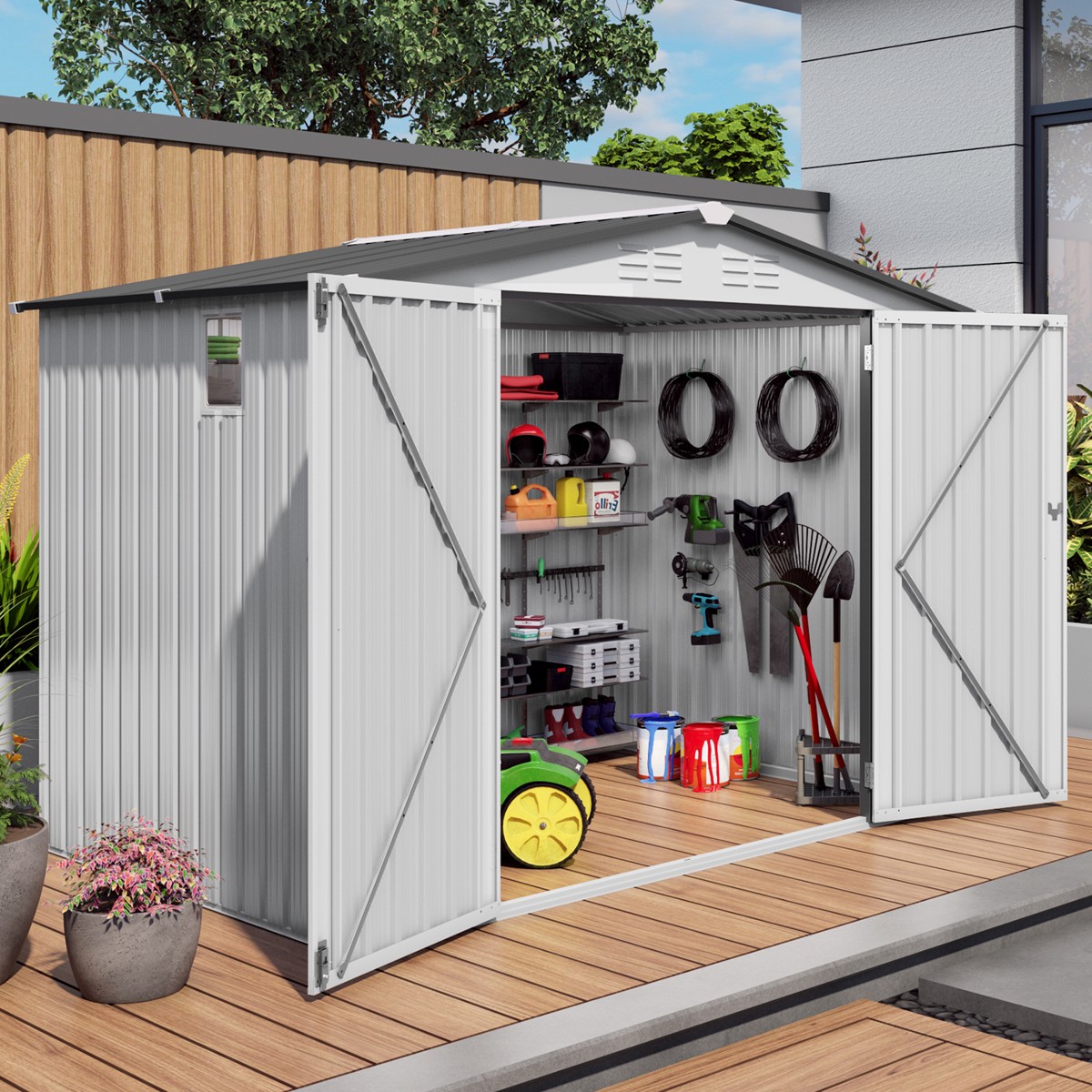
8x6 Shed

An 8x6 shed is the sweet spot for narrow side yards and tight garden plots: 48 sq ft of floor space that fits mowers, bikes, and long-handled tools without swallowing a patio. Most buyers get this size wrong by ignoring door swing clearance and roof-height limits under eaves or fences. The material tier—resin, metal, or wood—drives assembly time, maintenance cadence, and how well the unit handles wind uplift.

Buying guide image
Beekeeping Suits & Protection

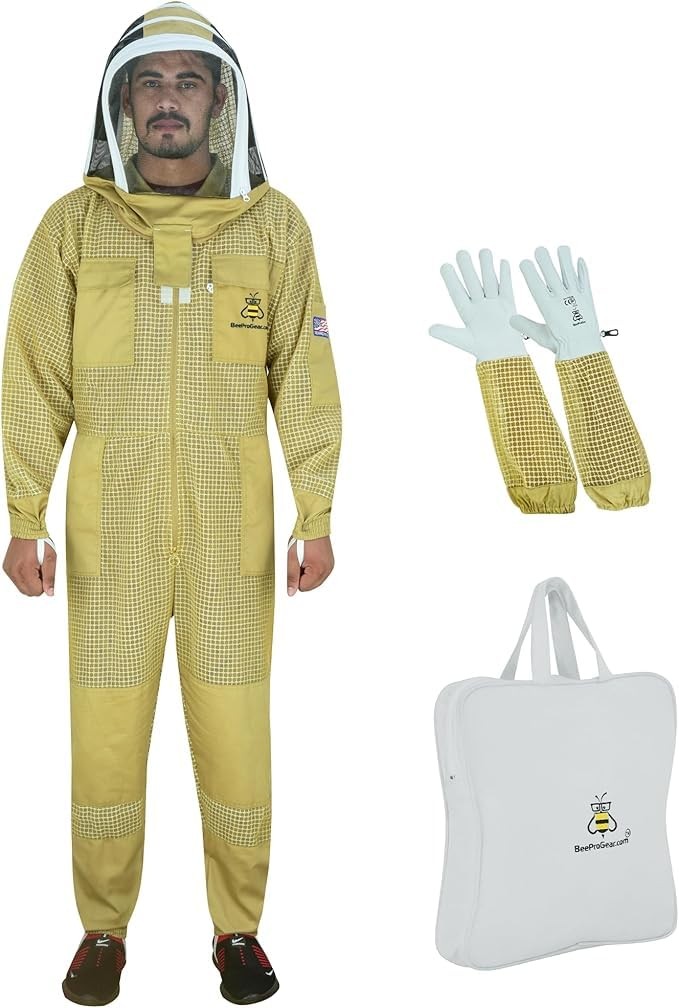
Sting Proof Beekeeping Suit

A 'sting proof' suit is a misnomer—no fabric stops a determined sting through direct pressure—but 3-layer vented mesh and 280–350 GSM cotton-poly blends with taped seams and self-supporting fencing veils reliably preventapiary stings in practice. Shoppers fail when they buy a single-layer economy suit for a hot climate, skip the veil-to-shoulder seal, or choose a suit sized for street clothes rather than bee-suit layering.

Buying guide image
Garden Fencing & Privacy Screens

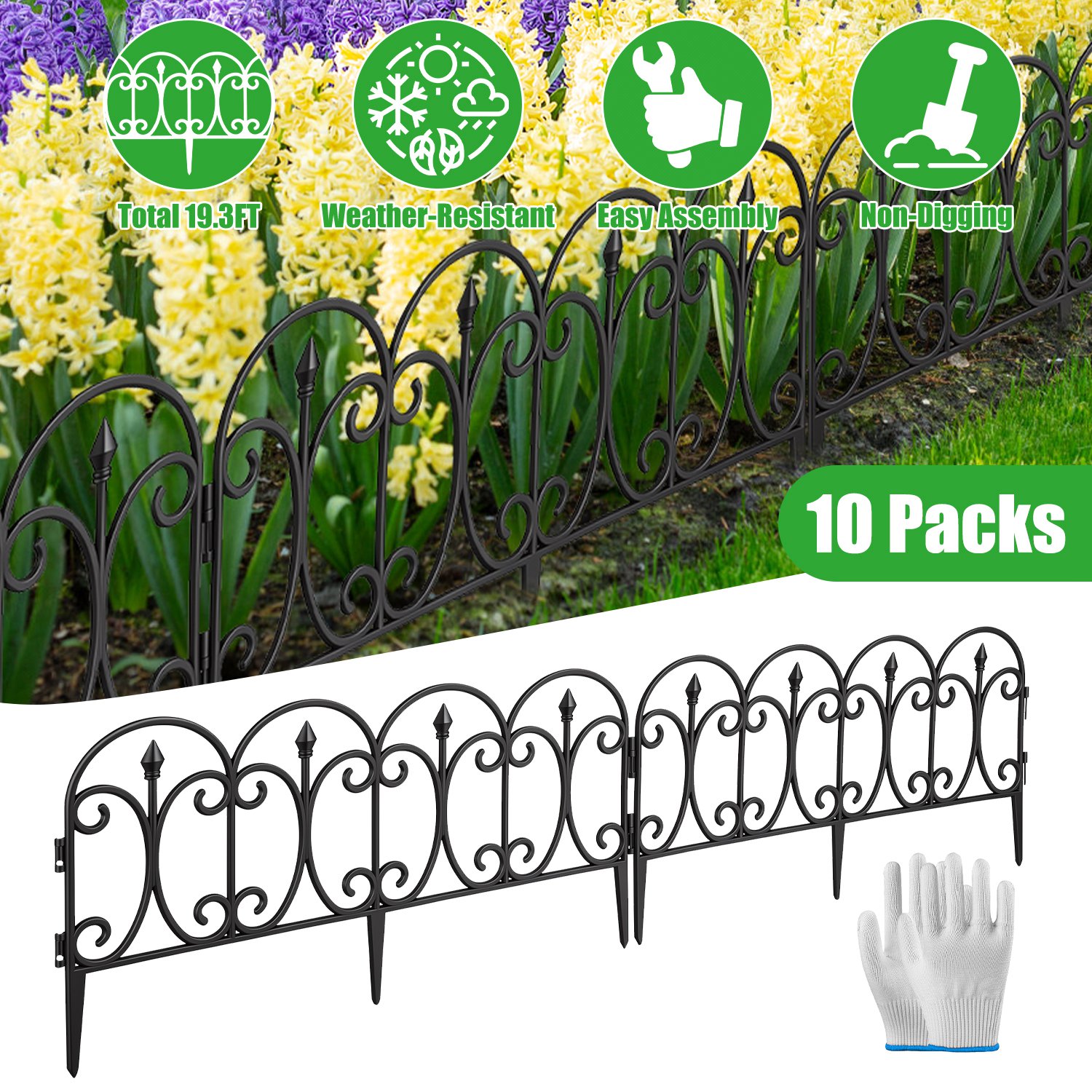
Garden Bed Fencing

Garden bed fencing is a low-height border system—typically 12–24 inches tall—that keeps small animals and foot traffic out of vegetable and flower beds, with the core trade-off being rigid metal/wood durability versus flexible plastic roll-out or snap-together panels. The decisive rule: choose buried or stake-anchored rigid panels for multi-season protection, and reserve lightweight PP edging for decorative, path-side, or single-season bed definition.

Buying guide image
Outdoor Storage

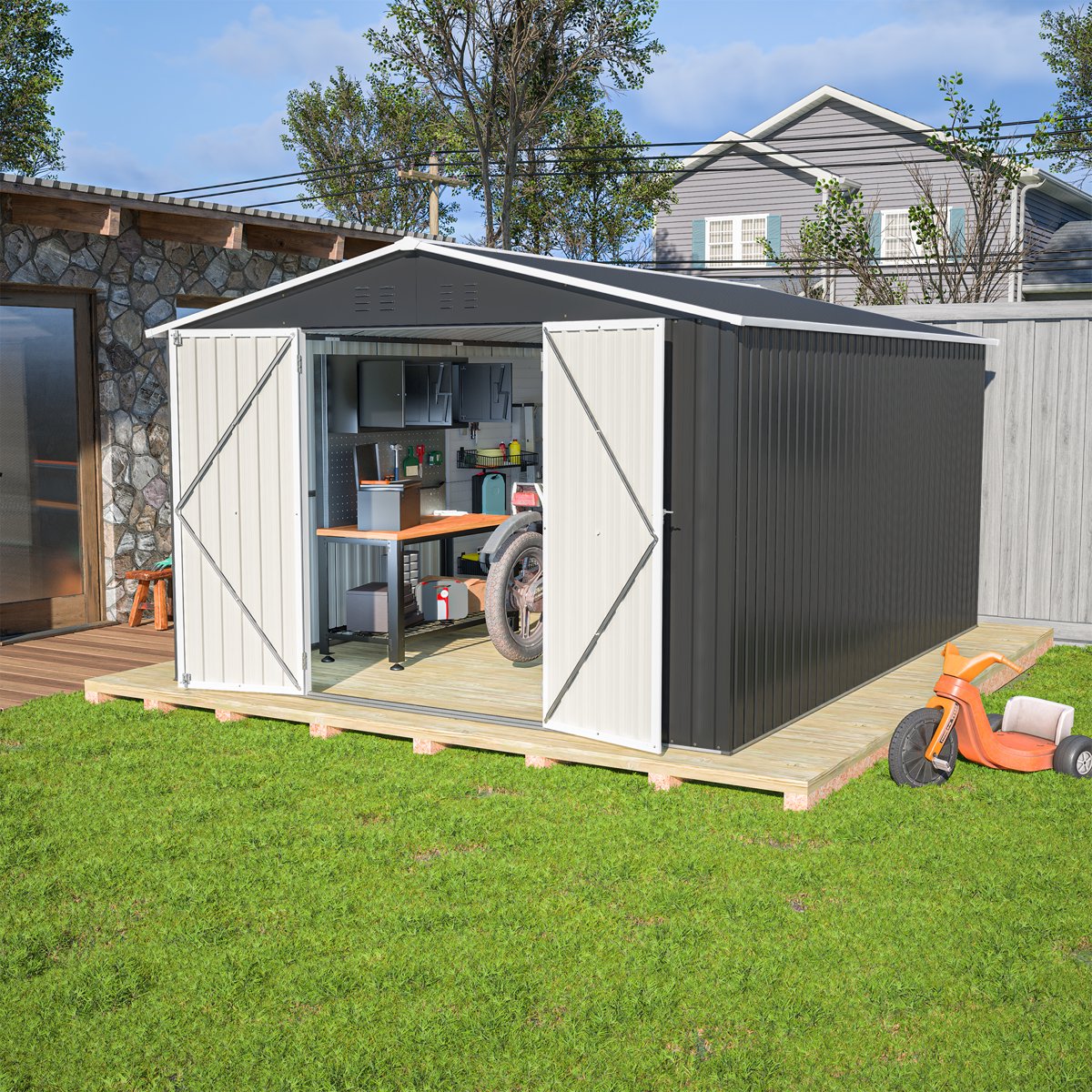
10x12 Storage Shed

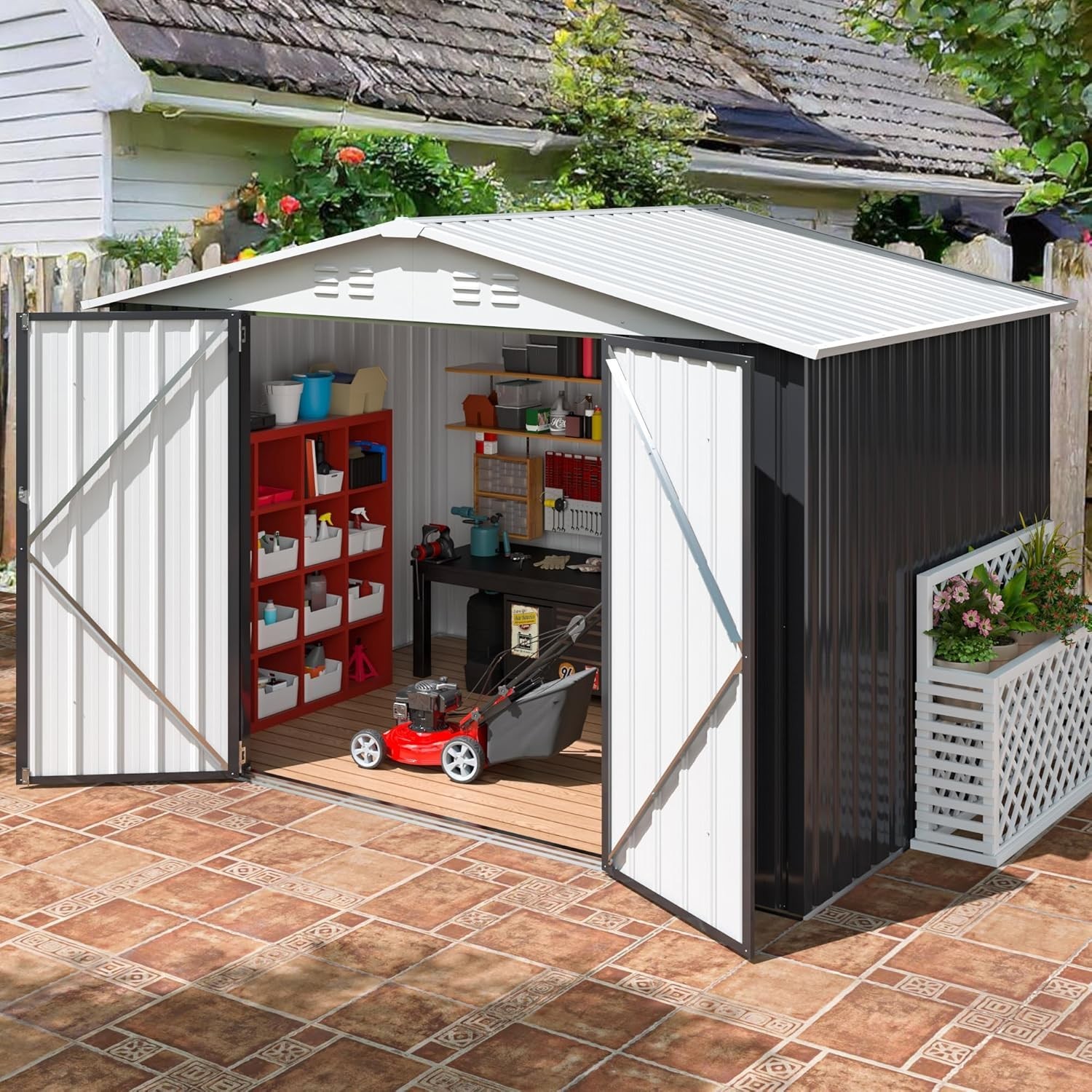
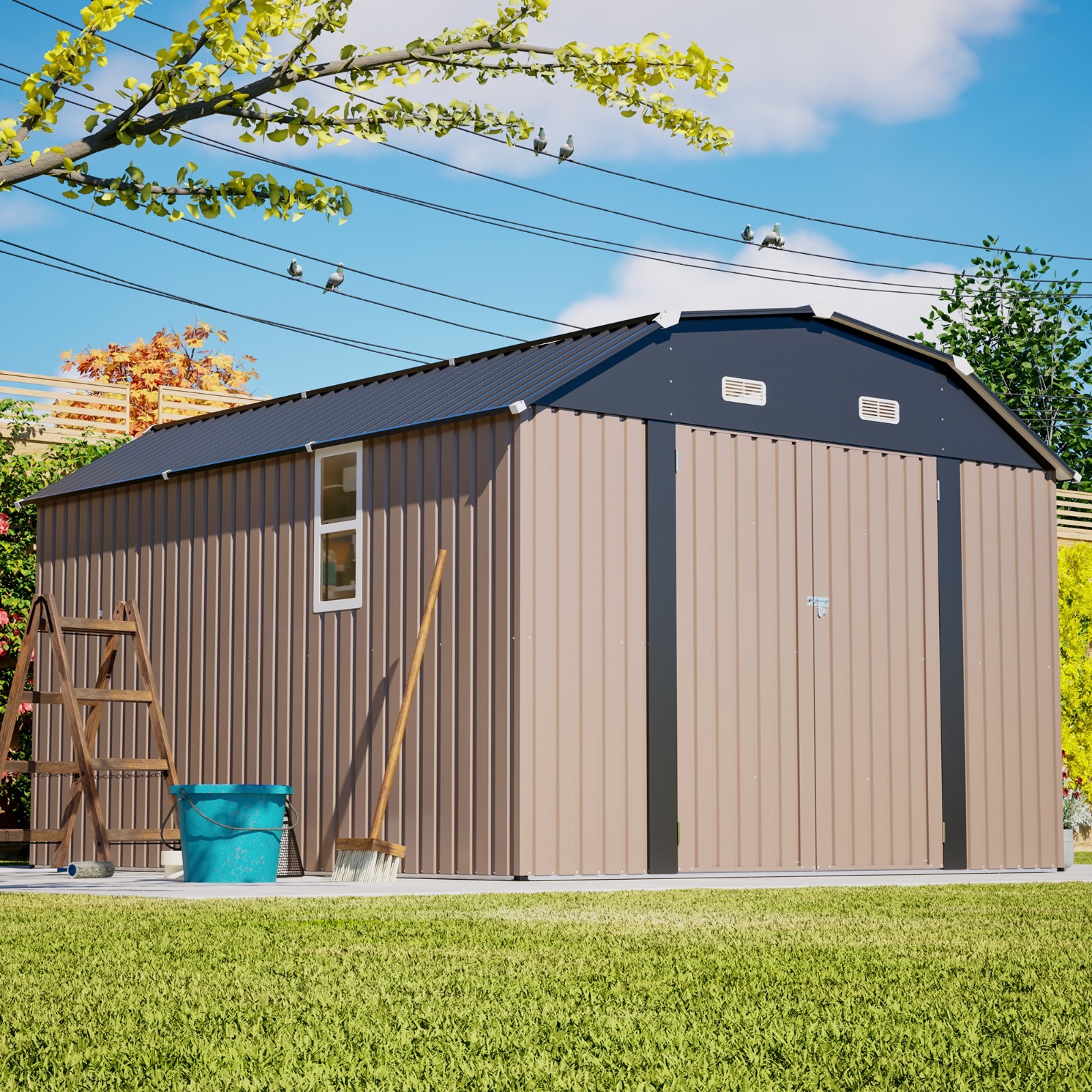
A 10x12 shed is the smallest footprint that still swallows a riding mower, patio furniture, and a workbench without turning into a daily Tetris exercise. Most buyers underestimate the base prep and door clearance, then discover the slab or gravel pad costs as much planning as the shed itself. Decide first whether you need a code-compliant wood structure, a bolted steel utility shell, or a resin unit, because that choice dictates foundation, anchoring, and HOA approval.

Buying guide image
Outdoor Structures, Shade & Awnings

8 X 12 Shed

An 8x12 shed is the most popular mid-size footprint because it fits a standard residential lot while offering enough floor area for a mower, bikes, and a workbench. The real decision is not the size but the structure type: resin, wood, or metal each impose different foundation, permit, and assembly constraints. Buyers often overlook door height and roof snow load, which are the two specifications that most often disqualify a shed after delivery.

Buying guide image
Outdoor Structures, Shade & Awnings

Backyard Gazebo

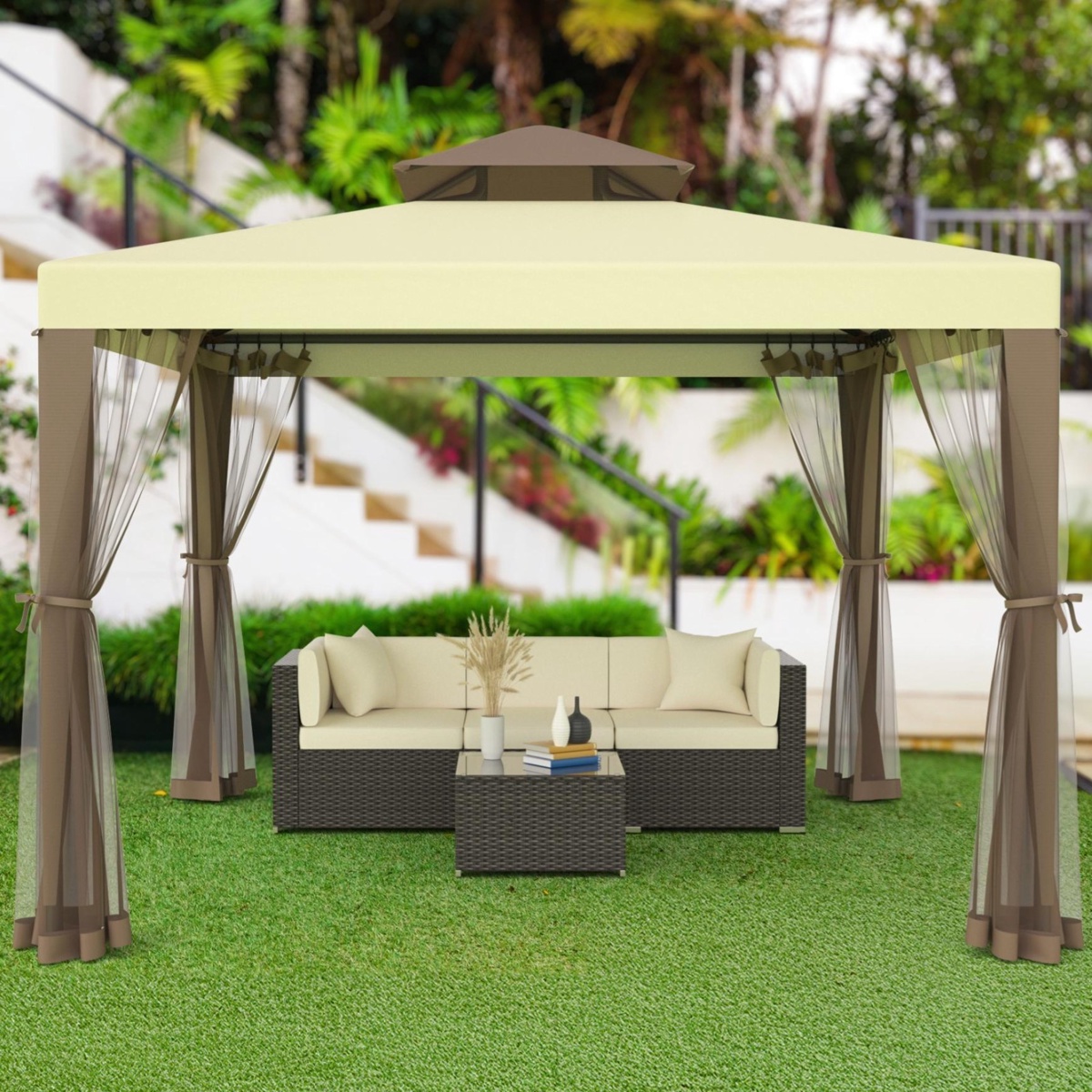
Backyard gazebos split into two real buying paths: soft-top canopy shelters for seasonal shade and hardtop/steel pergola units for year-round structure. Getting the footprint right matters more than the listing photos, since most 10x10 class frames need roughly a 10x10 foot level pad and add roof overhang beyond the post spacing. Skipping wind anchoring and fabric grade is the most common reason buyers replace a gazebo within two seasons.

Buying guide image
Raised Garden Beds & Planters

Heavy Duty Metal Garden Arch

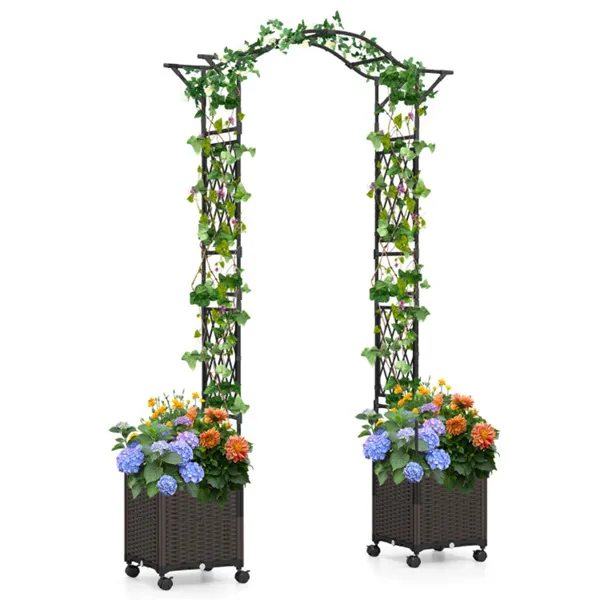
A heavy-duty metal garden arch is a permanent, load-bearing structure designed to support climbing plants, define pathways, and withstand wind and soil pressure without buckling. The core trade-off is wall thickness and joint architecture: thin-wall tubular steel arches (often 0.8–1.2 mm) flex and rust at welds, while 2–3 mm wall thickness with welded or bolted gusseted joints and hot-dip galvanizing deliver decades of service. The decision rule: buy on steel gauge, coating system, and anchor strategy—not on decorative finish or advertised 'heavy-duty' labels.

Buying guide image
Greenhouse & Hydroponics

Small Walk Greenhouse

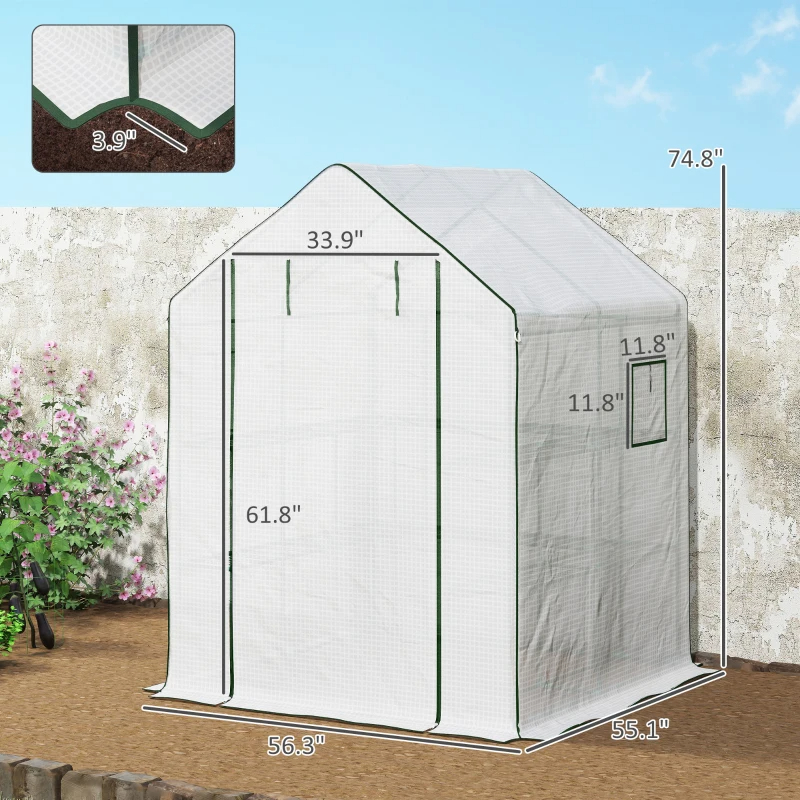
A small walk-in greenhouse is a freestanding, human-accessible growing structure—typically 6–8 ft tall with a roll-up door—that protects plants from frost, wind, and pests while giving you room to tend them upright. The core trade-off is frame rigidity and cover durability versus price: thin steel tubes and single-layer PE film fail within a season or two, while powder-coated steel and UV-stabilized woven polyethylene last multiple years. The decision rule: buy only if the frame wall thickness is at least 0.8 mm, the cover is UV-treated and reinforced at stress points, and the footprint fits your space with proper anchoring—skip any model with plastic push-fit connectors or unlisted film thickness.

You may also like

Finding more guides for you…