GardenPulse Guide

GardenPulse Guide

Garden, Yard & Outdoor Living Reviews & Buying Guides

Compare garden, yard & outdoor living by use case, features, trade-offs, price, returns, and seller terms before you buy.

Buying guides

Buying guide image
Outdoor Lighting & Decor

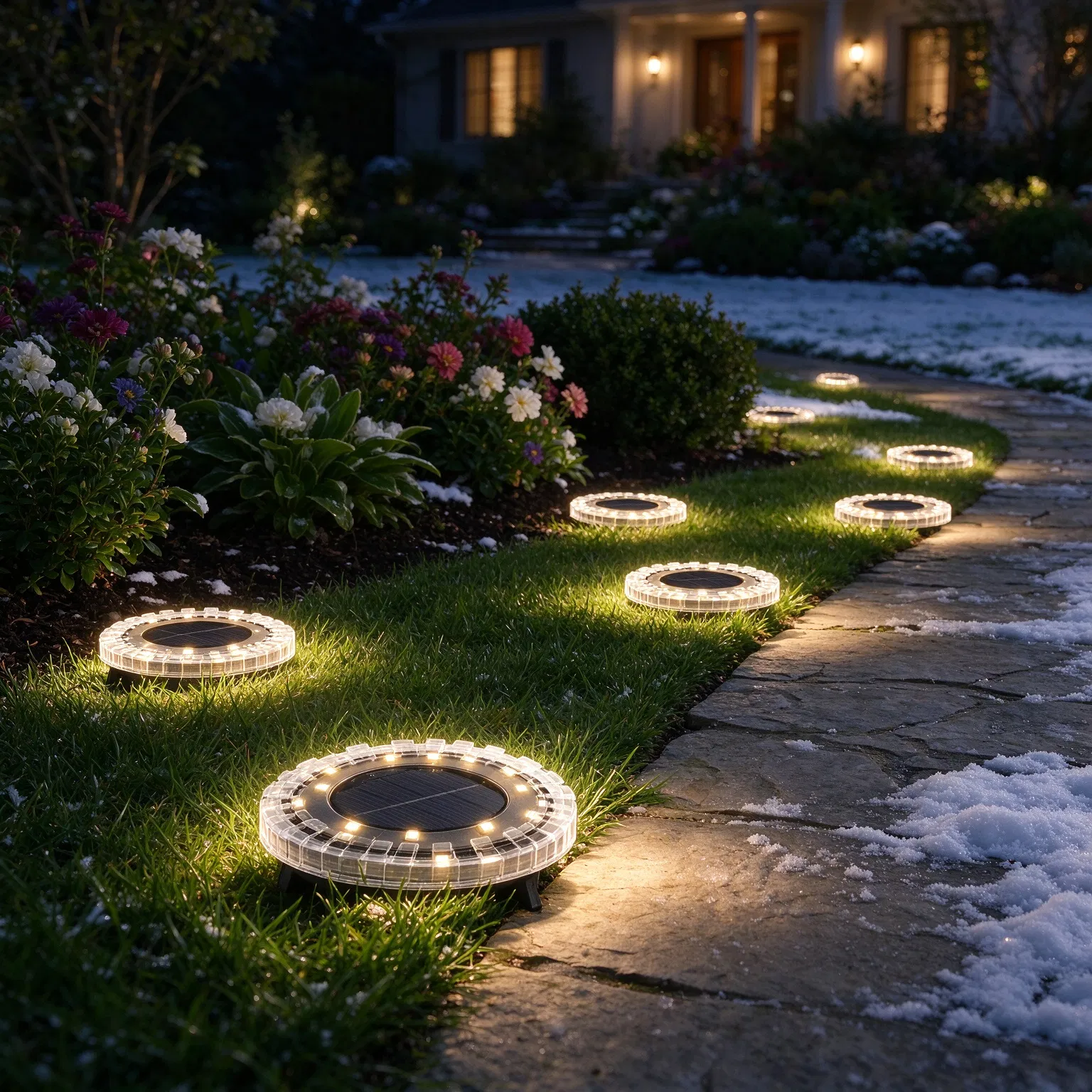
Battery Solar Light

Battery solar lights combine a photovoltaic panel, rechargeable cell, and LED or pump load into a self-contained outdoor fixture that runs without wiring. The defining trade-off is battery chemistry and capacity versus daily solar harvest: undersized 600–800 mAh cells in sealed path lights dim after one cloudy day, while 2000 mAh+ Li-ion packs with separate panels sustain multi-night runtime. Buy durable units with replaceable cells, IP65+ seals, and panel wattage matched to load; skip sealed, sub-800 mAh novelty fixtures for anything beyond accent use.

Buying guide image
Outdoor Storage

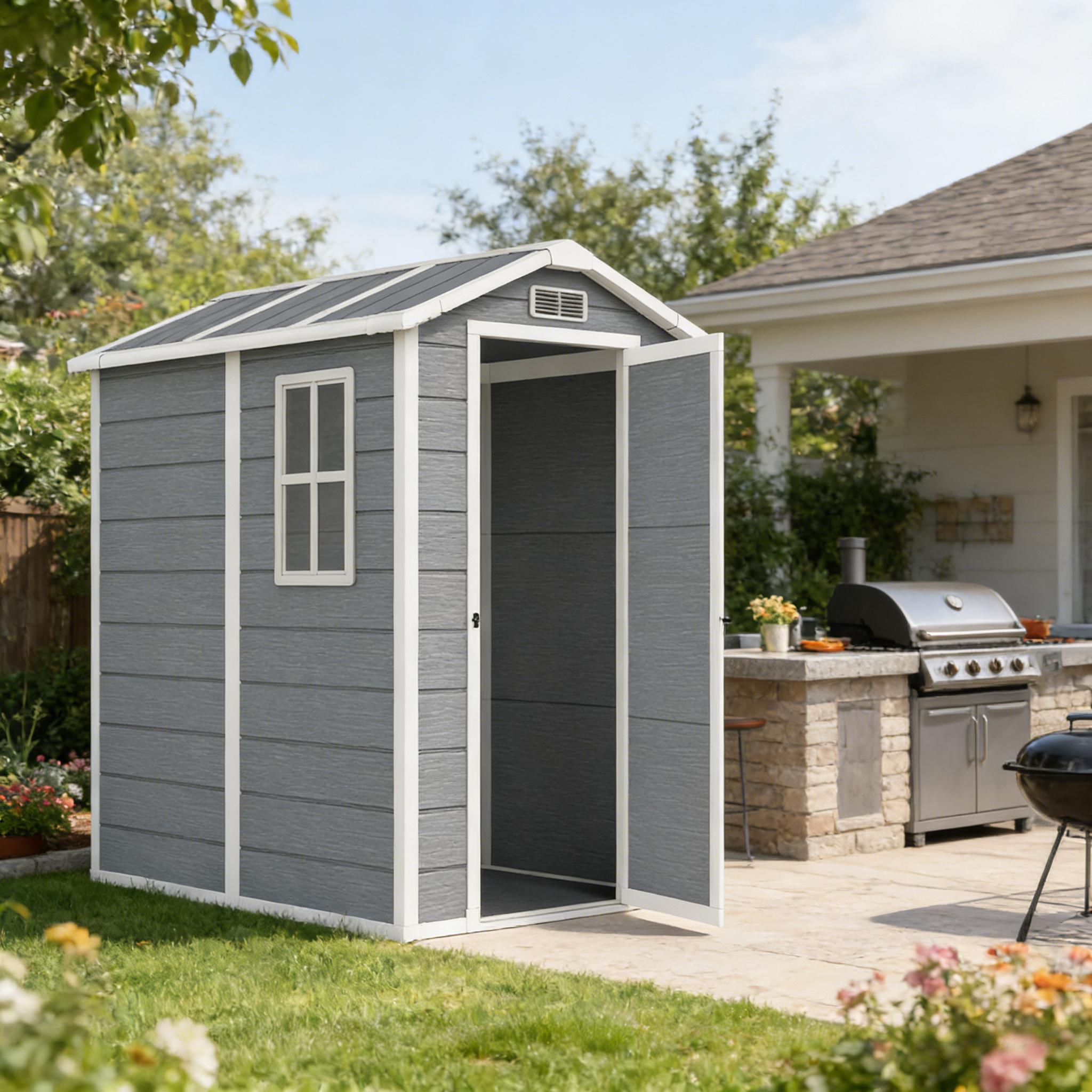
Outdoor Plastic Shed

Outdoor plastic sheds are resin or high-density polyethylene structures that trade the rigidity and repairability of metal or wood for rot-proof, rust-proof, low-maintenance weather resistance. The core decision is resin wall thickness and panel construction: blow-molded or double-wall HDPE panels with steel or aluminum reinforcement hold shape and resist wind, while thin single-wall panels and fabric-hybrid 'sheds' sag, flap, and fail within a few seasons. Buy a rigid double-wall resin panel system sized to your stored equipment; skip fabric covers and thin single-wall kits unless the load is light and temporary.

Buying guide image
Outdoor Lighting & Decor

Solar Post Light

Solar post lights are freestanding or pier-mounted LED fixtures that harvest daylight via a top-mounted panel and illuminate walkways, driveways, and yard perimeters after dark without trenching for line voltage. The decisive trade-off is integrated solar-plus-battery engineering versus decorative hollow shells: durable units pair monocrystalline panels, LiFePO4 cells, and IP65+ housings, while compromises hide small amorphous panels and 600–1200 mAh cells behind plastic. Buy on lumens-per-panel-area and battery chemistry, not on post height or head count.

Buying guide image
Outdoor Lighting & Decor

Icicle Light

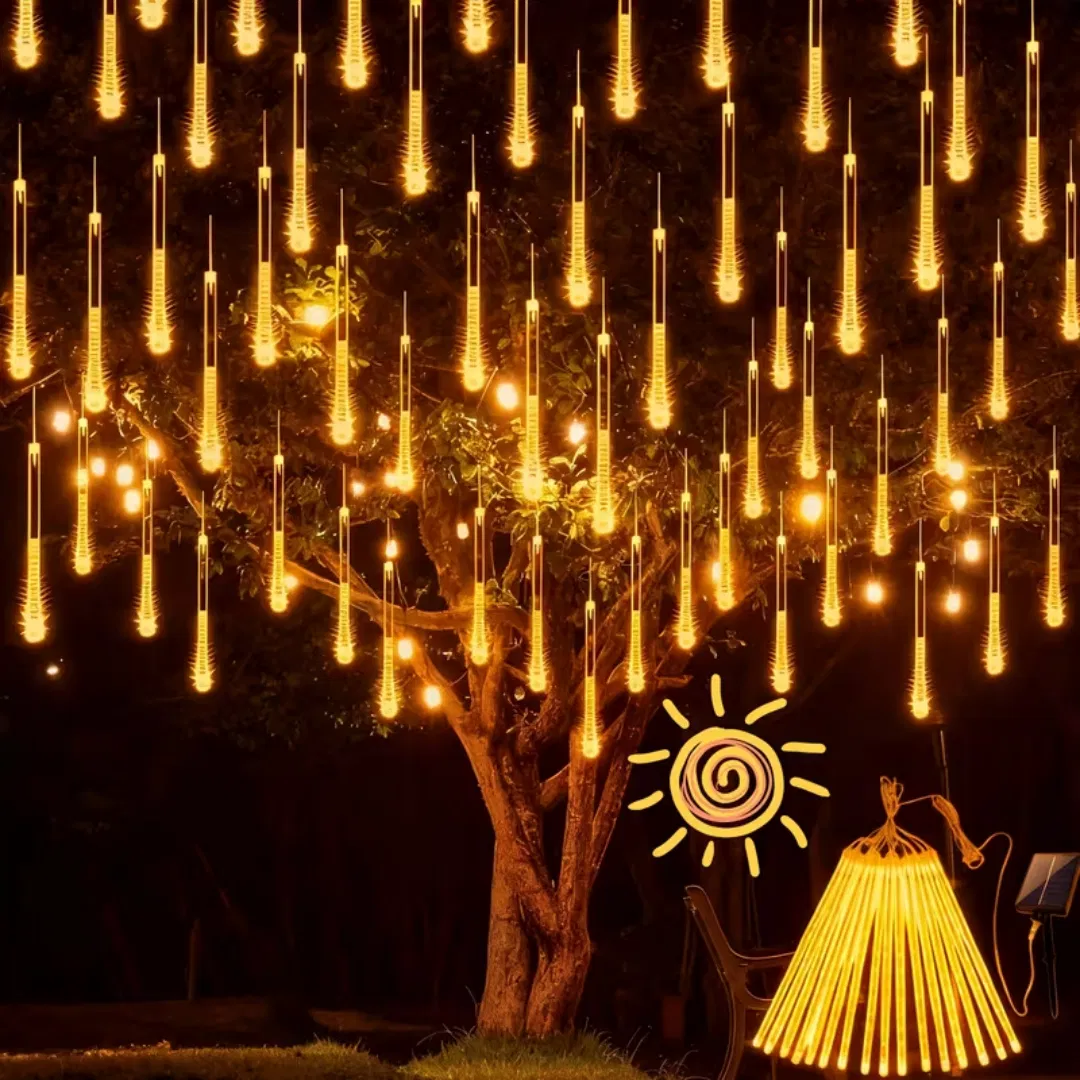
Icicle lights are strings of short vertical drops spaced along a horizontal lead wire, used mainly for rooflines, eaves, and gutters to create a curtain effect. The core trade-off is between sealed, wide-voltage commercial-grade construction for permanent seasonal durability and cheaper unsealed sets that fail at the first moisture ingress. The decision rule: buy only sets rated for outdoor use with fused plugs, weather-sealed sockets, and a stated connectable wattage — skip any set that lacks an outdoor rating or uses non-replaceable series wiring.

Buying guide image
Patio Furniture

Patio Chair Pad

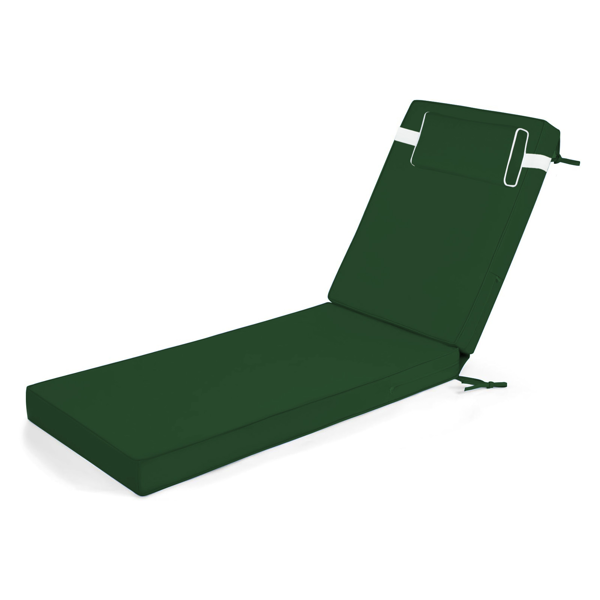
Patio chair pads are outdoor-grade seat and back cushions designed to survive sun, rain, and repeated use without flattening or fading. The core trade-off is between open-cell foam that drains and dries fast versus closed-cell or fiberfill that resists water absorption but compresses sooner. Buy open-cell polyurethane foam with solution-dyed acrylic or polyester fabric and welded seams if the pad lives outside year-round; skip cotton-filled or stitch-only covers that soak up water and mildew.

Buying guide image
Raised Garden Beds & Planters

Outdoor Garden Pot

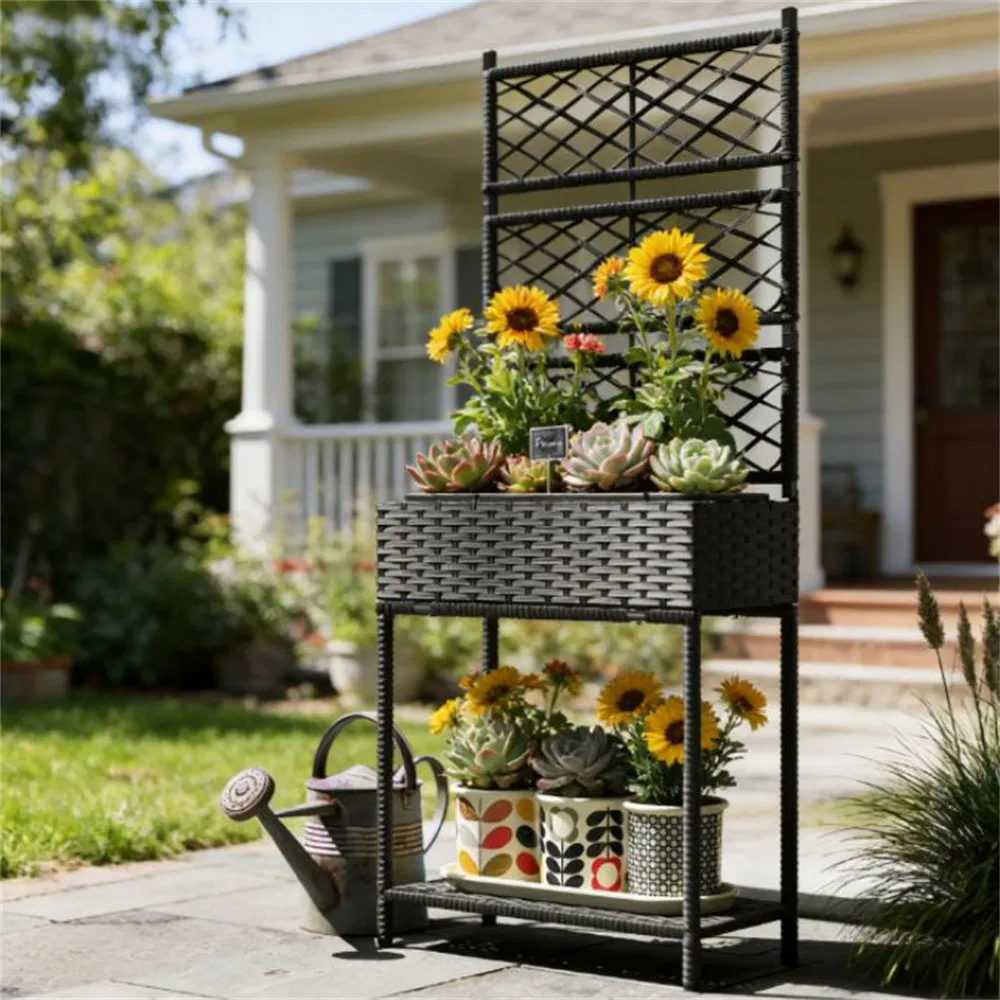
Outdoor garden pots are free-standing containers for patios, porches, and balconies, ranging from decorative urn planters to large self-watering towers. The core trade-off is material UV/weather resistance versus weight and insulation: plastic is light and affordable but degrades in sun, while metal, resin, and composite hold up longer but cost more and can overheat roots. Choose pots with drainage holes and frost-safe construction for year-round outdoor use; skip thin decorative plastic and sealed containers for permanent planting.

Buying guide image
Pools & Spas

Swim Spa Hot Tub

A swim spa hot tub is a dual-zone aquatic unit combining a jetted hot tub with a current-generating swim lane, available as roto-molded plug-and-play, acrylic cabinet, or in-ground models. The primary trade-off is shell construction and current system power versus installation complexity and energy draw: roto-molded polyethylene resists freezing and impact but limits jet count, while acrylic shells with steel frames allow more jets and smoother finishes but demand a level, load-rated pad and dedicated electrical service. Choose a plug-and-play 120V roto-molded unit for simple retrofit installs, or commit to a 240V acrylic cabinet model when you want sustained swim current and multi-zone therapy.

Buying guide image
Residential Outdoor Power Equipment

Cordless Snow Blower

Cordless snow blowers replace corded and gas units with battery-powered auger or impeller systems, trading runtime and throw distance for zero emissions and push-button start. The core trade-off is battery voltage and platform capacity: 20V single-battery shovels clear light snow on small surfaces, while 40V+ dual-battery two-stage units handle deep, wet snow on full driveways. Choose by clearing width, intake height, and battery platform—not by peak marketing wattage.

Buying guide image
Chicken Coops & Runs

Chicken Coop Laying Box

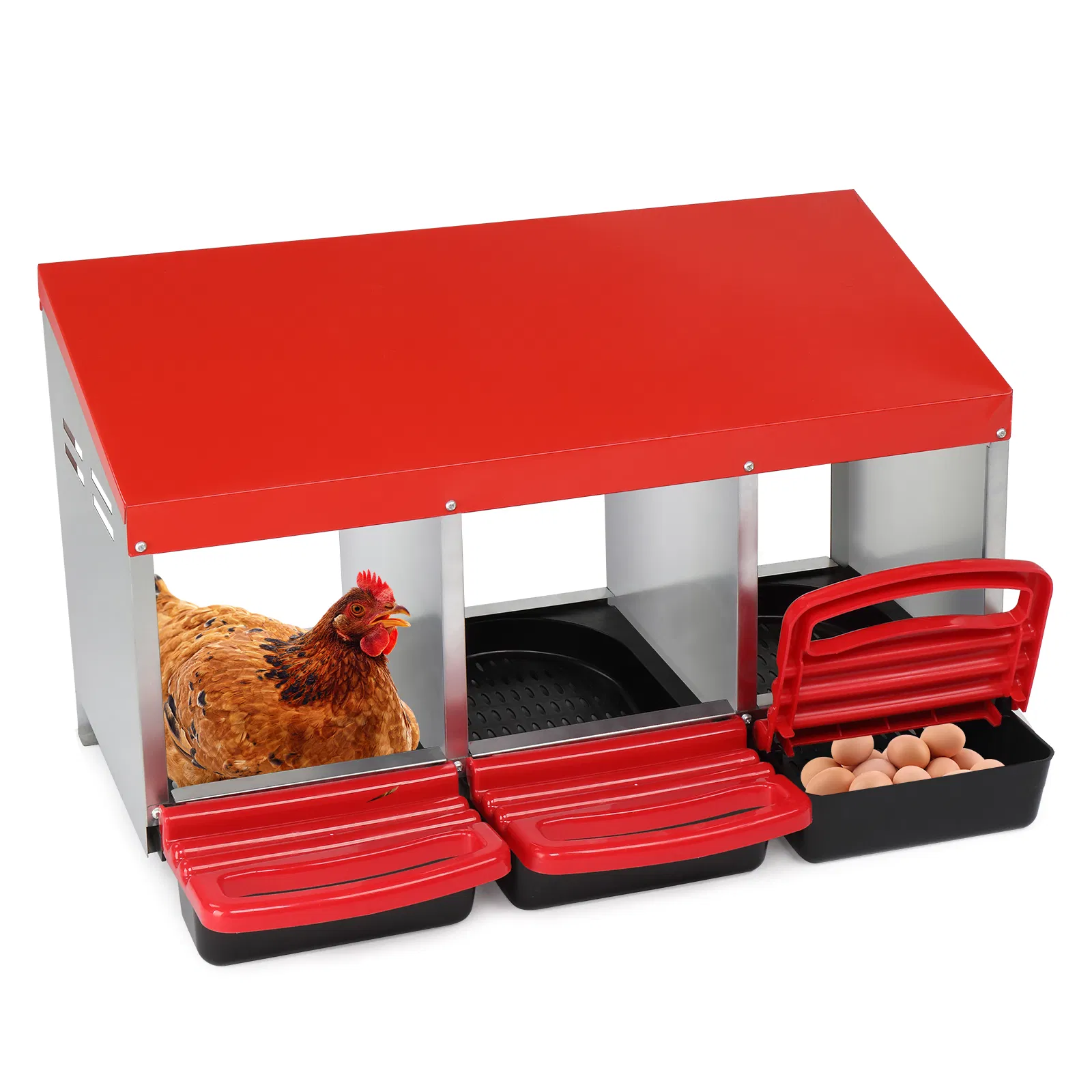
A chicken coop laying box is a dedicated, darkened nesting compartment that encourages hens to lay in a clean, accessible spot instead of on the floor or in hidden corners. The core trade-off is material and drainage architecture: molded plastic roll-out boxes resist moisture and mites and self-collect eggs, while wood multi-compartment units offer capacity and ventilation but demand sealing and bedding discipline. Buy plastic roll-out tiers for humid climates and easy egg collection; buy wood tiers only with sealed joints and a lift-off lid for inspection.

Buying guide image
Outdoor Storage

Wood Storage Shed

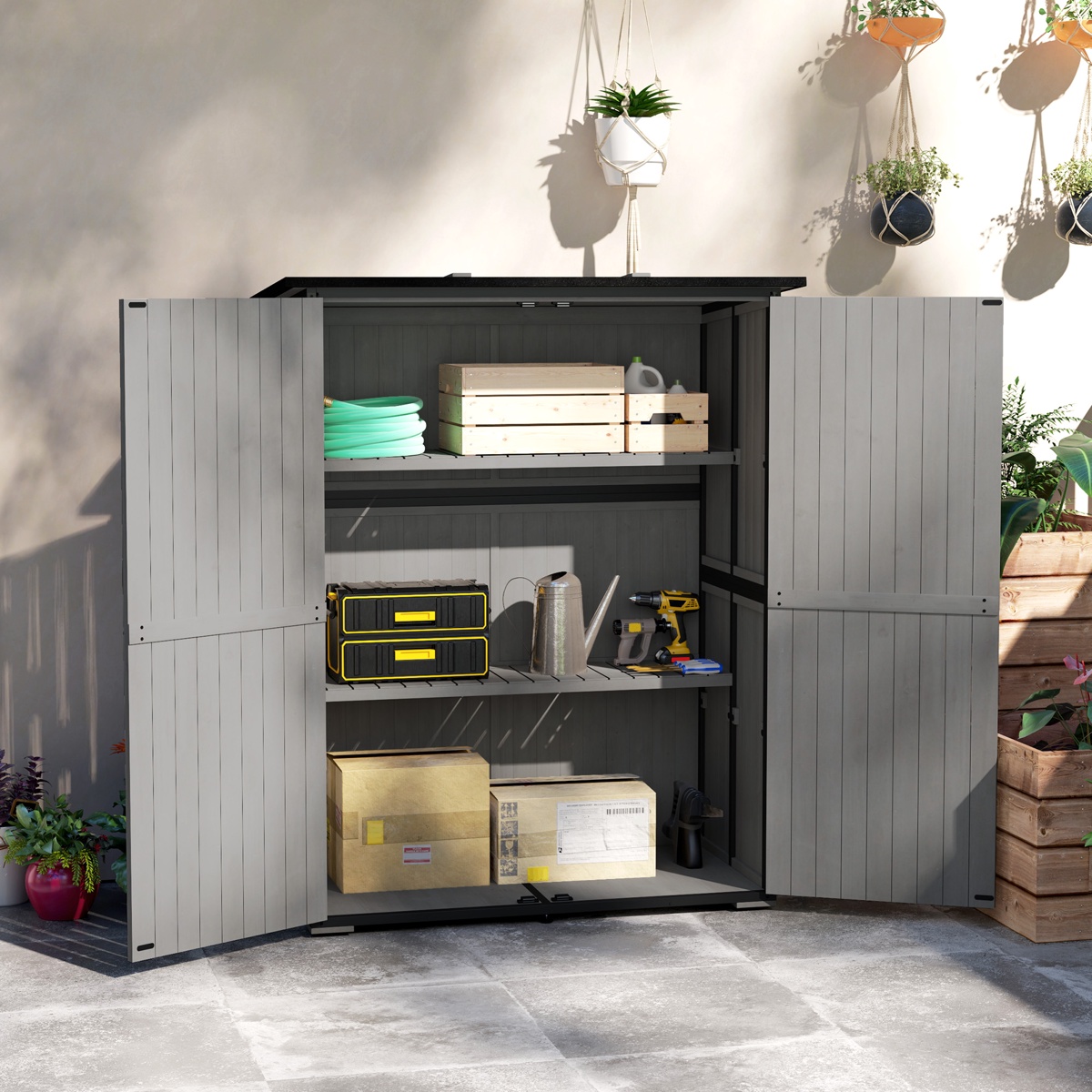
A wood storage shed is a freestanding outdoor structure—ranging from a tall vertical cabinet to a gable-roof garden shed—built to protect tools, equipment, and garden gear from weather and theft. The primary trade-off is between thin, resin- or fabric-clad panels and solid wood construction with a real roof, framing, and weather sealing. The decision rule: buy solid wood (or wood-and-metal hybrid) with an asphalt or metal roof and lockable doors for multi-season durability; skip fabric or unsealed thin-panel kits if the shed will face rain, snow, or high sun exposure.

Buying guide image
Garden Fencing & Privacy Screens

Chicken Wire

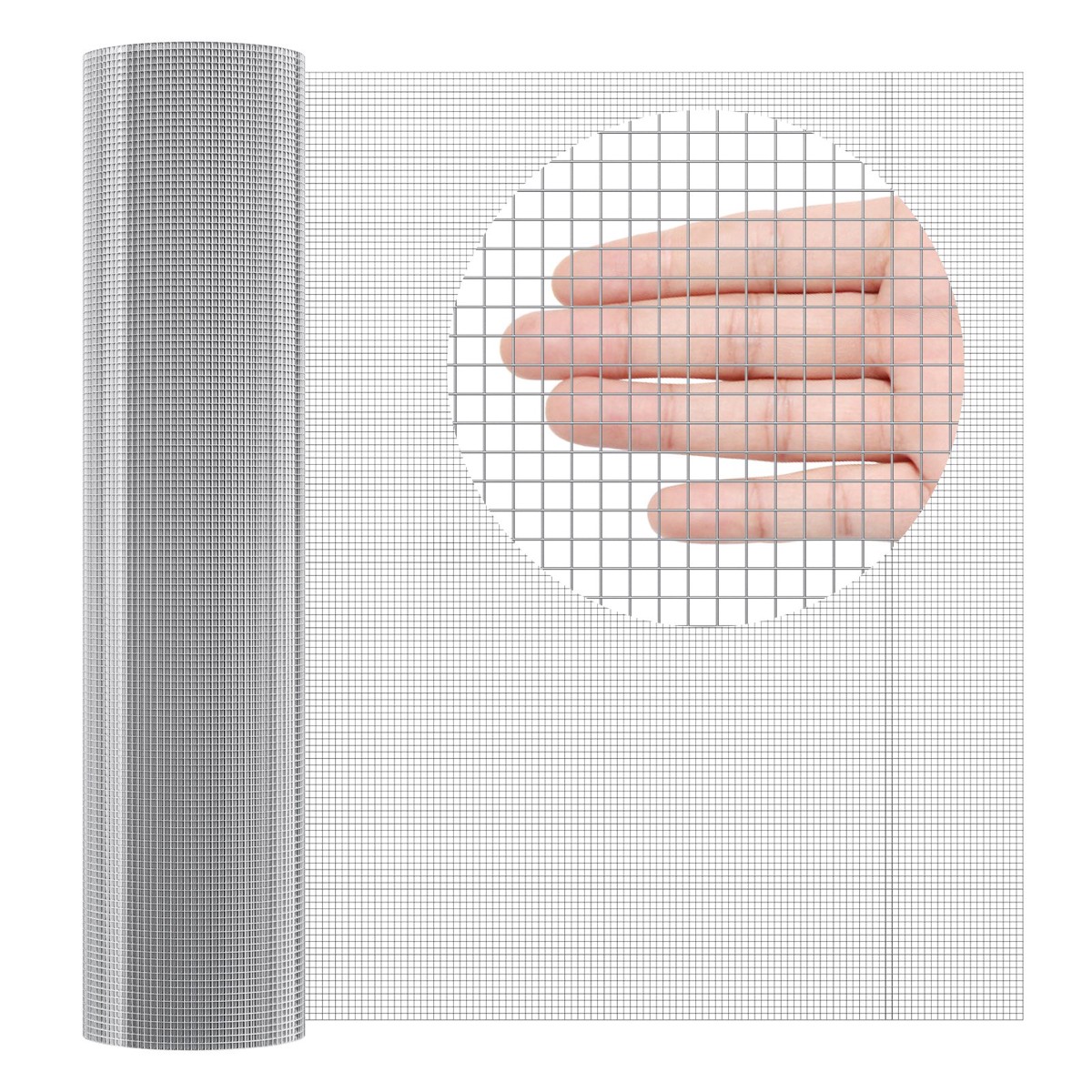
Chicken wire is a lightweight, flexible mesh sold in rolls for garden plant protection, poultry enclosures, and soil reinforcement; the primary trade-off is hexagonal woven (true chicken wire) versus square welded hardware cloth, where predator resistance and durability scale directly with wire gauge and mesh opening. Choose welded, hot-dip galvanized 19-gauge or heavier hardware cloth when excluding predators or burrowing animals; choose lighter hexagonal galvanized netting only for plant support, leaf screening, or temporary crop barriers.

Buying guide image
Chicken Coops & Runs

Wire Chicken Coop

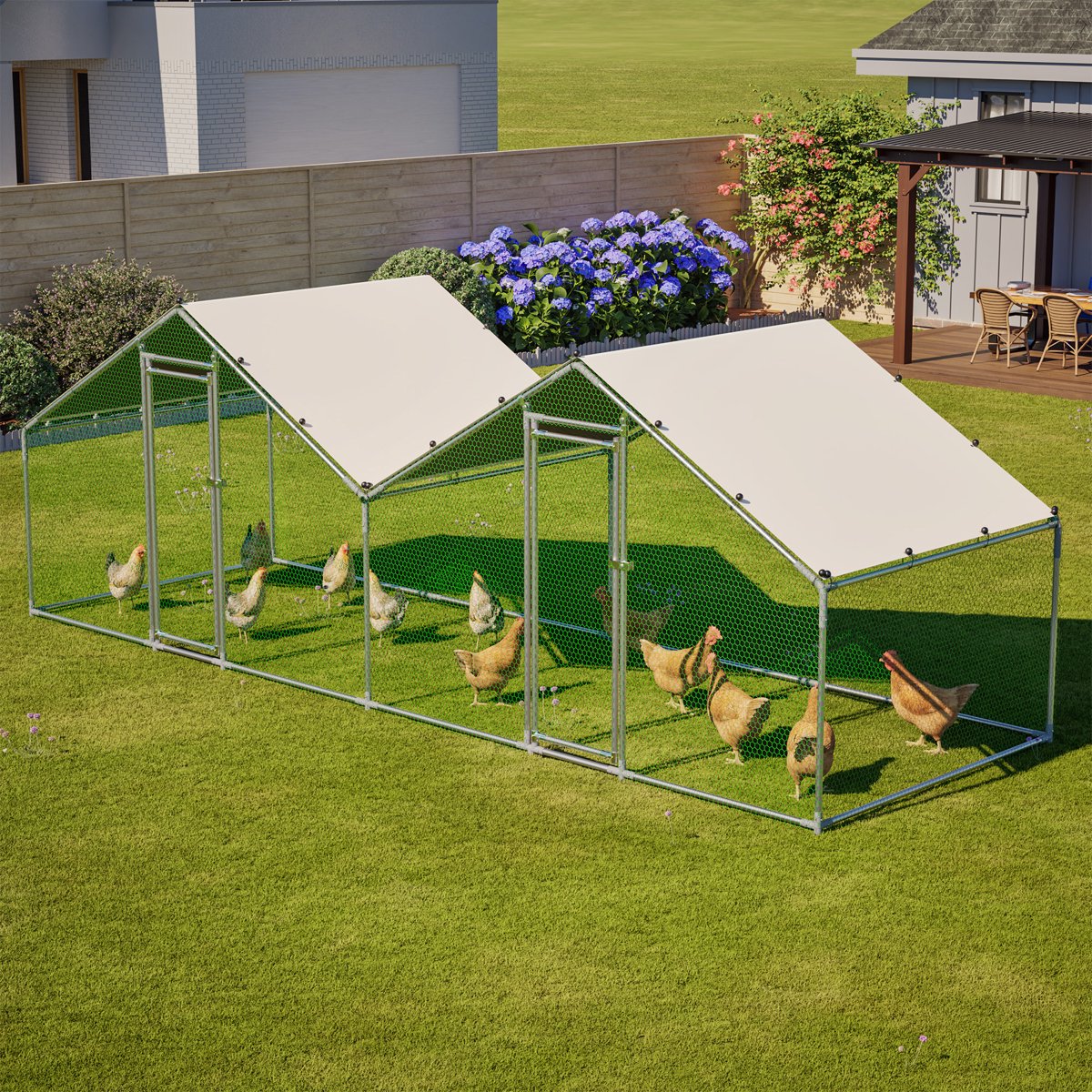
Wire chicken coops are predator-resistant enclosures built from galvanized welded wire or hex mesh over a tubular steel frame, typically sold as walk-in runs or run-plus-coop hybrids. The core trade-off is mesh gauge and aperture versus coverage: finer 1/2-inch hex or 19-gauge wire stops raccoons and snakes but costs more per square foot than 1-inch 20-gauge mesh that only deters large predators. Buy a hot-dip galvanized or Galfan-coated frame with a 1/2-inch max aperture and a tensioned roof if you keep birds overnight; skip untreated or PVC-coated wire and tarp-only roofs for permanent outdoor use.

Buying guide image
Outdoor Storage

Outdoor Potting Bench

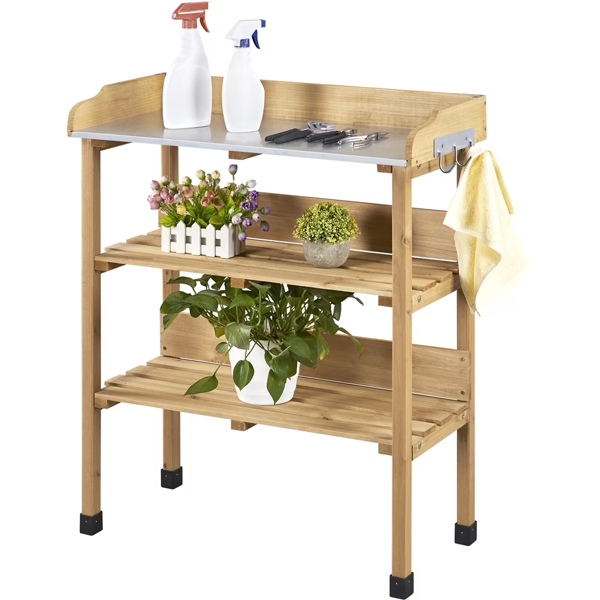
An outdoor potting bench is a weather-exposed work and storage station combining a soil-prep surface with shelves, drawers, or a cabinet. The core trade-off is material: kiln-dried solid wood and powder-coated steel survive seasons, while MDF, particleboard, and soft fabric-backed panels swell, warp, and delaminate within a year or two of rain exposure. Choose pressure-treated or cedar/fir hardwood joined with corrosion-resistant hardware if it stays outside; choose painted MDF or fabric only for covered porches.

Buying guide image
Outdoor Structures, Shade & Awnings

Small Shed

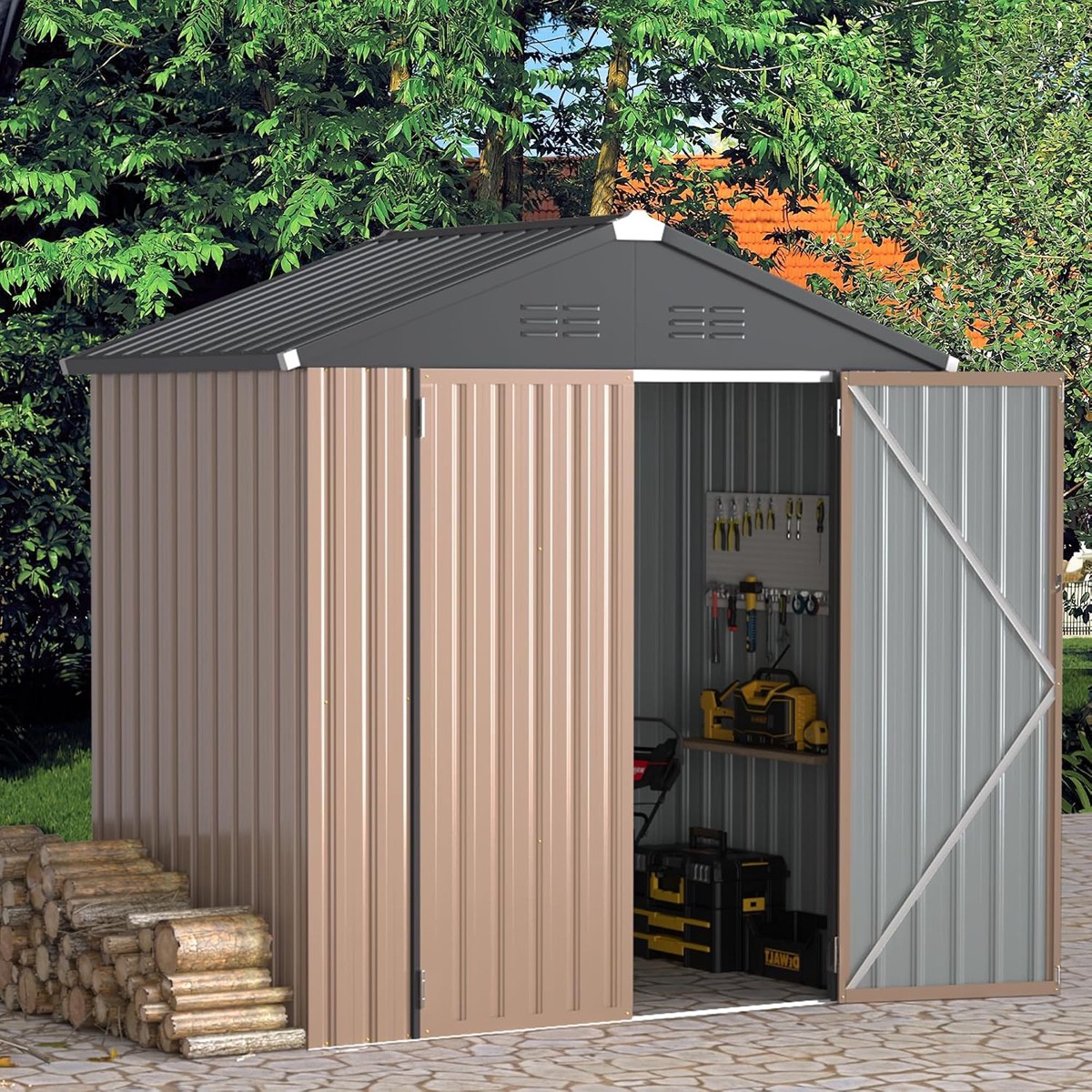
A small shed is a compact outdoor storage structure, typically 3x3 to 6x4 ft, made from resin, metal, or wood, used for garden tools, bikes, or overflow items. The core trade-off is between thin, lightweight panels that dent or leak versus reinforced framing, rust-resistant coatings, and proper roof pitch for drainage. Choose a resin or galvanized-steel shed with a sloped roof, anchored base, and lockable door for durability; skip flimsy pop-up or unanchored kits.

Buying guide image
Greenhouse & Hydroponics

Plant Light Bulb

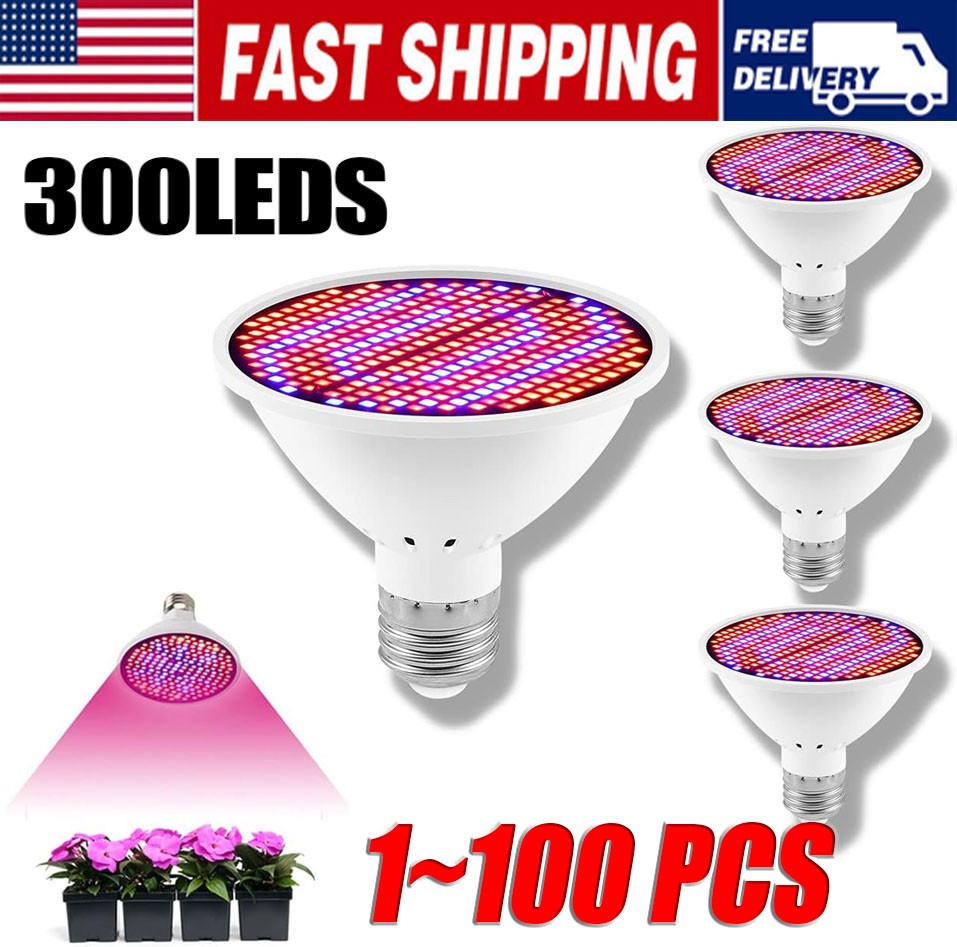
Plant light bulbs are screw-in or pin-base lamps that deliver the specific spectrum and intensity plants need for photosynthesis, bridging the gap between ordinary room light and dedicated grow fixtures. The primary trade-off is between budget LED bulbs with unverified spectra and drivers versus horticultural-grade lamps with measured PPF, credible warranty, and stable output over thousands of hours. The decision rule: buy a bulb only when it publishes PPF (μmol/s) or PPFD at a stated distance, a Kelvin or spectrum claim backed by a PAR chart, and a base/driver rated for your fixture — skip anything that lists only wattage and "full spectrum" with no photometric data.

Buying guide image
Beehives & Frames

Natural Bee Hive

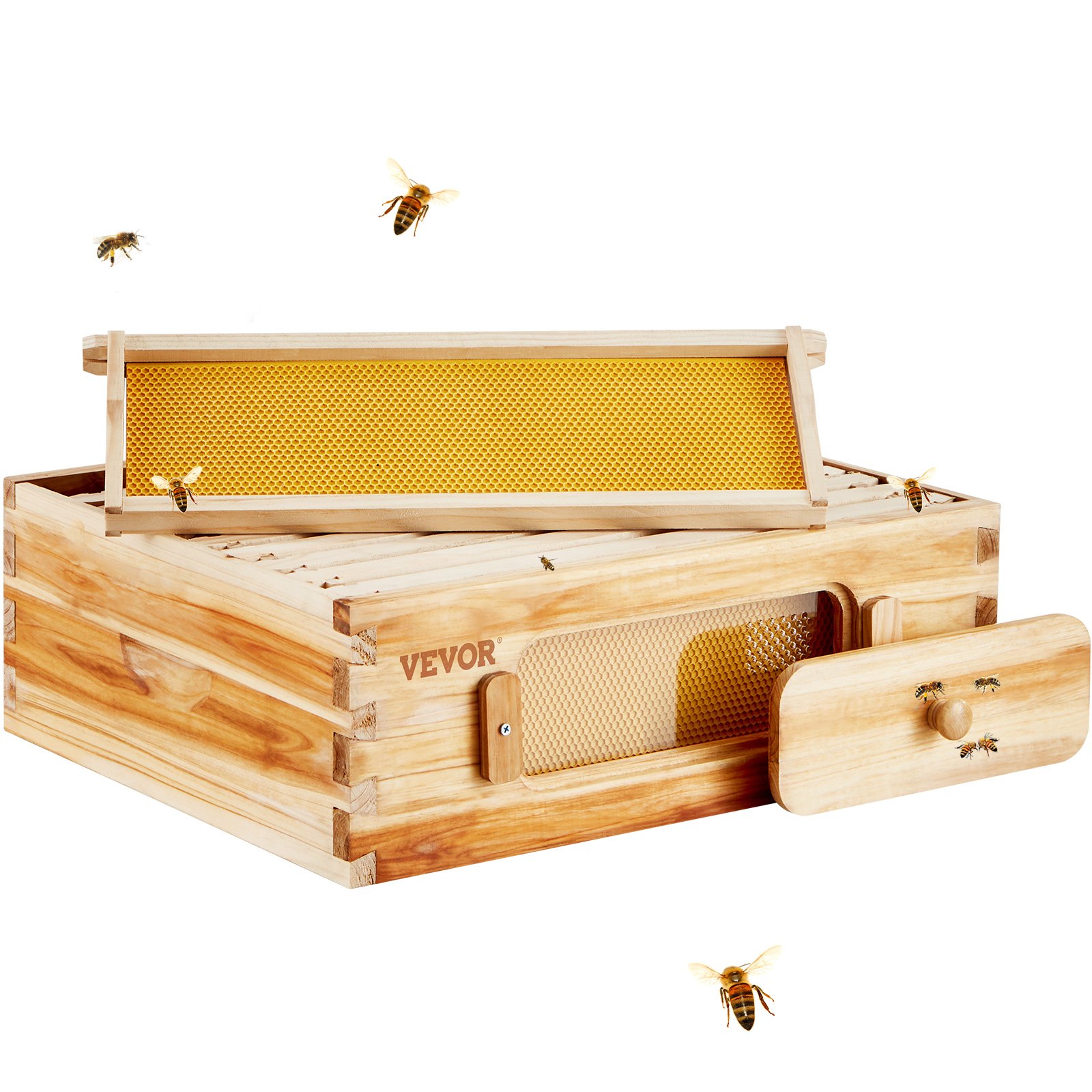
A natural bee hive is a Langstroth-style wooden hive finished with beeswax or food-safe oil instead of paint or chemical sealants, so the wood stays breathable and the colony lives in a near-natural cavity. The core trade-off is wood species and coating versus frame count and box depth: cedar or cypress with pure beeswax resists rot for years, while pine with thin wax or stain needs re-coating and can warp. Choose a wax-coated cedar or cypress Langstroth with 10-frame boxes and standard 9-5/8-inch depth if you want a durable, expandable hive; skip painted pine starter kits and non-standard frame counts.

Buying guide image
Chicken Fencing & Egg Handling

Electric Fence

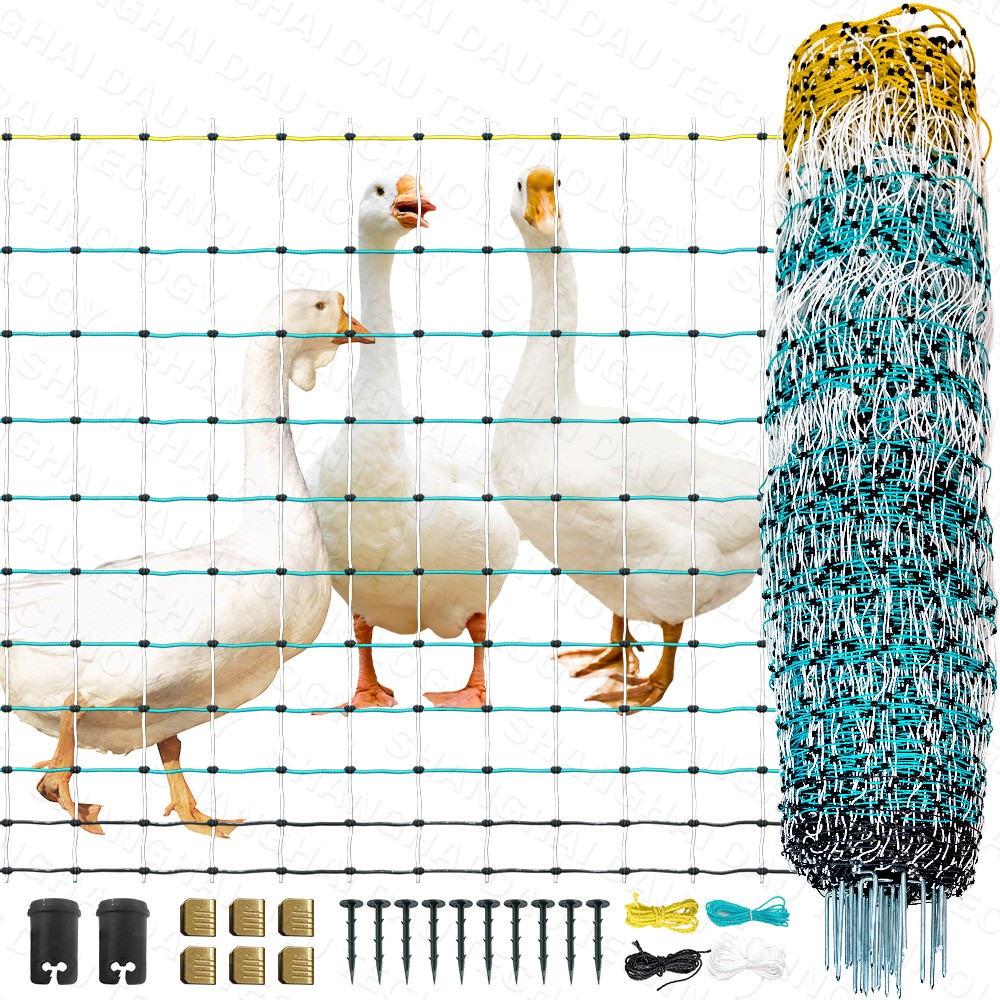
Electric poultry fencing is a temporary or semi-permanent predator barrier that combines a physical mesh with pulsed high-voltage shock, and the core trade-off is net height and strand density versus energizer power and ground quality. A fence that is tall enough but underpowered will not deter determined predators, while a powerful energizer on a short net wastes joules. The decision rule: match net height to the tallest local predator, then size the energizer to the net's total length and soil moisture, and only choose premium wide-mesh nets when you need multi-species containment.

Buying guide image
Greenhouse & Hydroponics

Cold Frame Greenhouse

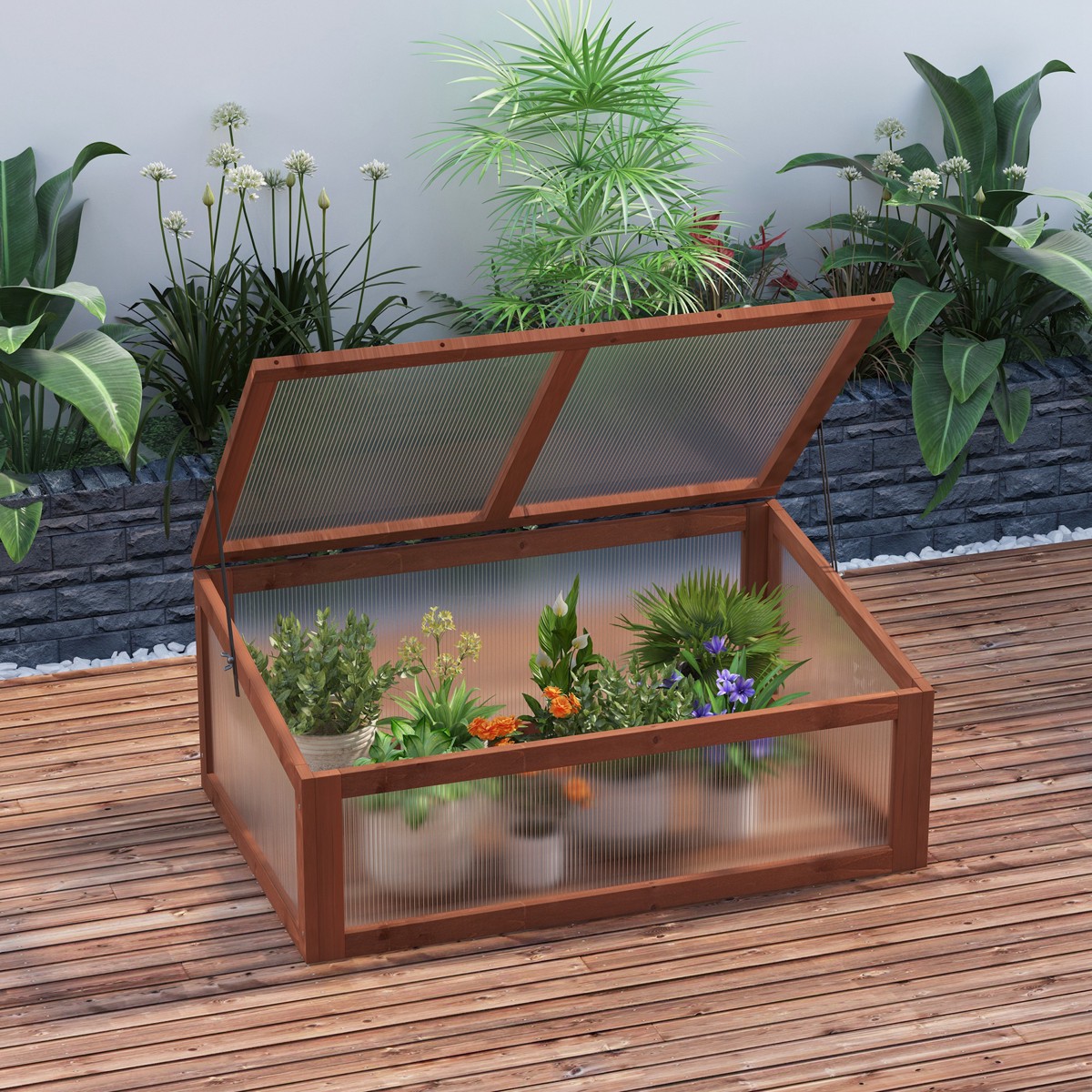
A cold frame greenhouse is a low, unheated structure with a transparent or translucent lid that extends the growing season by trapping solar heat and shielding plants from frost and wind. The decisive trade-offs are lid material—polycarbonate vs. glass vs. polyethylene film—and frame construction—solid wood vs. aluminum vs. plastic—because these determine insulation, light transmission, rot resistance, and how long the unit survives freeze-thaw cycles. Buy polycarbonate-lidded frames with rot-resistant wood or powder-coated aluminum if you need multi-season durability; accept thin plastic film or untreated softwood only as a short-term seasonal solution.

Buying guide image
Watering & Irrigation

Drip Emitter

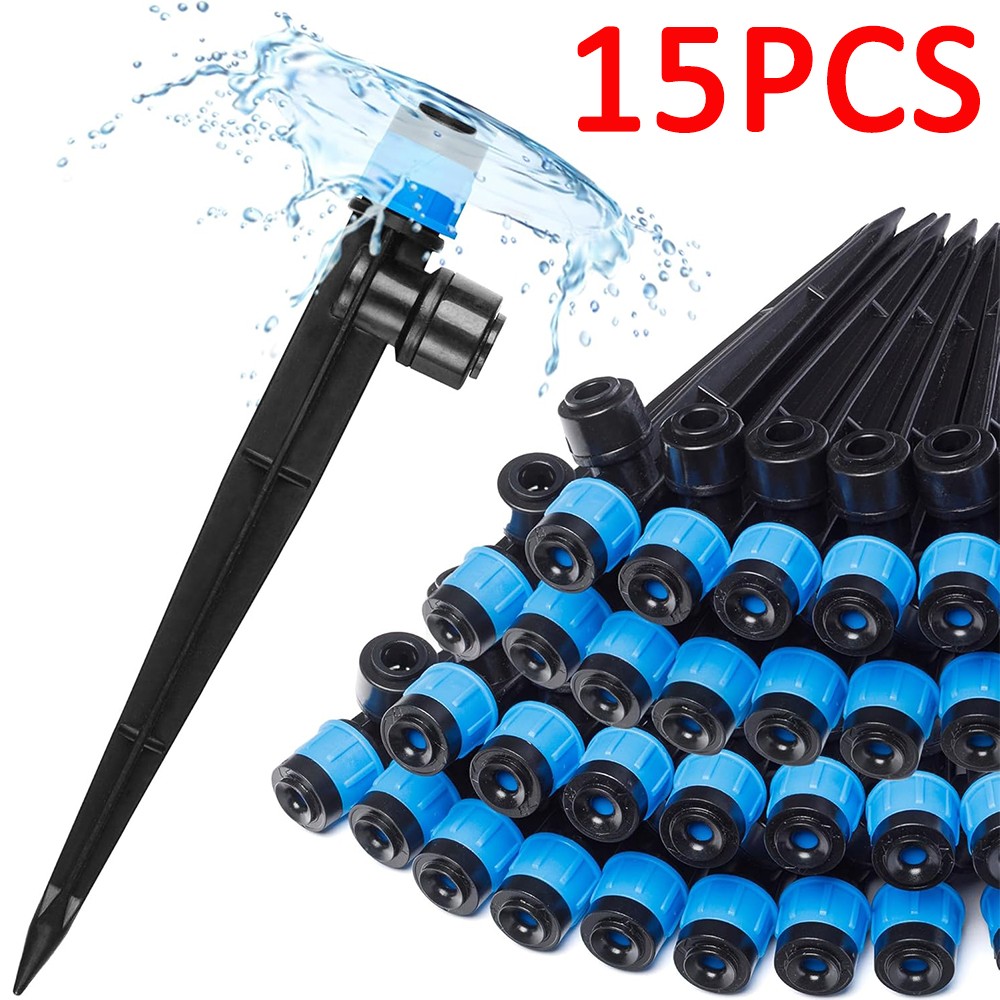
Drip emitters are the metering devices that deliver precise water volumes to individual plants through 1/4-inch micro-tubing or 1/2-inch mainline. The core trade-off is between adjustable turbulent-path emitters (flexible flow, clog-prone at low pressure) and fixed-pressure-compensating emitters (uniform output across long runs, higher cost). Buy pressure-compensating or high-quality barbed emitters for permanent systems; choose adjustable stake emitters only for small, monitored container gardens.

Buying guide image
Patio Furniture

Outdoor Chair Pad

Outdoor chair pads fail fast when you buy by looks instead of foam density, fabric UV rating, and strap attachment. The right pad balances weatherproof shell fabric, open-cell or closed-cell foam that drains, and a fit that matches your chair's seat depth and back height. Most shoppers misjudge thickness for comfort and skip the tie-down system, then watch pads slide or mildew within a season.

You may also like

Finding more guides for you…