
Photos from current listings. Actual item, color, and included accessories may vary.
Swim Spa Hot Tub Buying Guide
A swim spa hot tub is a dual-zone aquatic unit combining a jetted hot tub with a current-generating swim lane, available as roto-molded plug-and-play, acrylic cabinet, or in-ground models. The primary trade-off is shell construction and current system power versus installation complexity and energy draw: roto-molded polyethylene resists freezing and impact but limits jet count, while acrylic shells with steel frames allow more jets and smoother finishes but demand a level, load-rated pad and dedicated electrical service. Choose a plug-and-play 120V roto-molded unit for simple retrofit installs, or commit to a 240V acrylic cabinet model when you want sustained swim current and multi-zone therapy.
Median $21.49
Key takeaways
- Roto-molded polyethylene shells are seamless and freeze-tolerant; acrylic shells bonded to ABS backing on steel frames allow more jets and smoother surfaces but require a perfectly level load-bearing pad.
- Current systems split into propeller-driven swim jets (high flow, compact) and wide-stream river jets (broader swim lane); jet pump horsepower and nozzle width determine sustainable swim pace more than total jet count.
- Plug-and-play 120V models run on a standard 15-20A circuit and limit heater output while the pump runs; 240V hardwired models support simultaneous high-jet and heating operation.
At a glance
- Category
- Pools & Spas
- Last updated
- Nov 27, 2026
Current offers
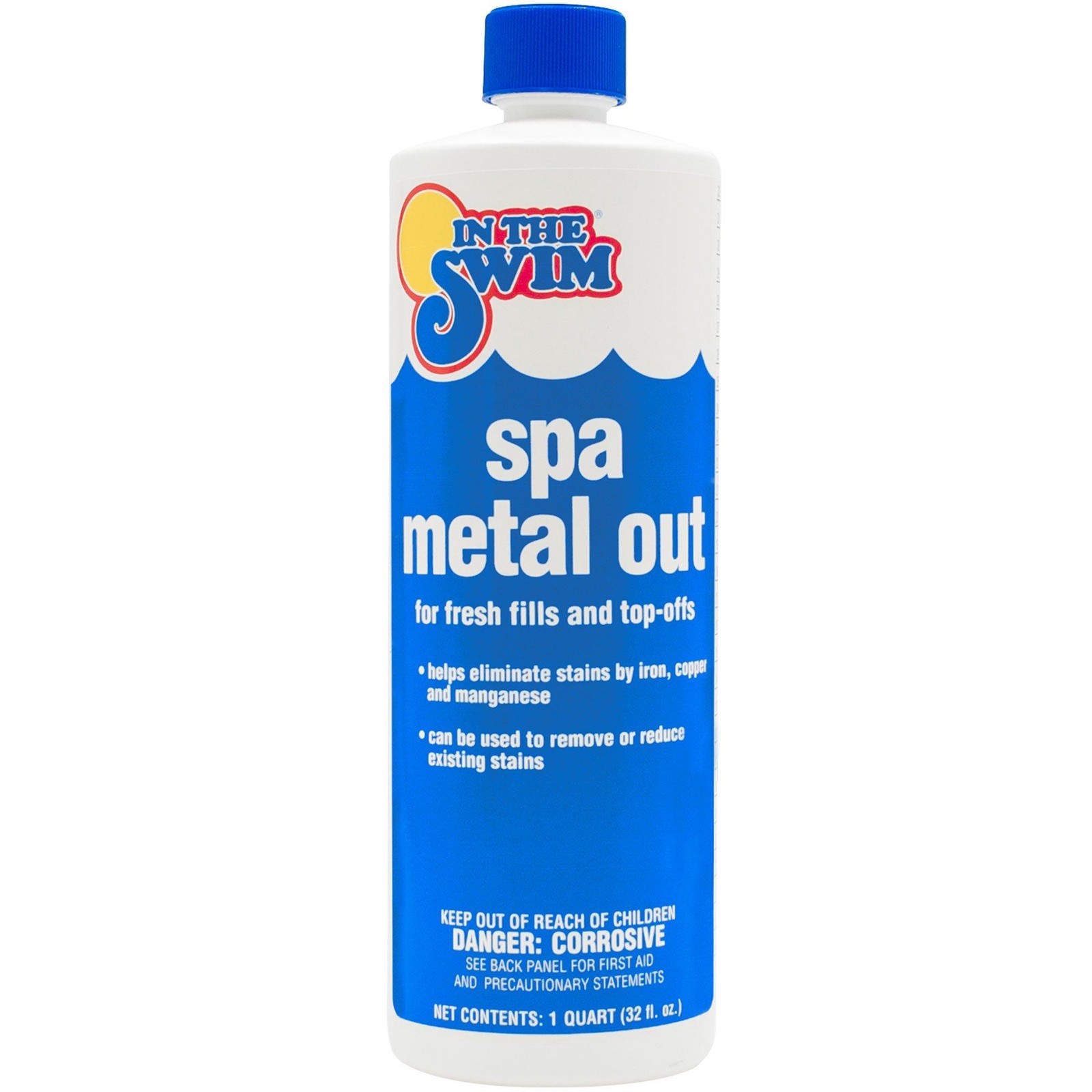 In The Swim Spa Metal Out, 1 qt - Spa Chemicals and Hot Tub Products$21.49View on eBay
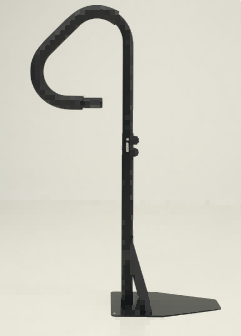 Hot Tub Handrail, Aluminum Spa Hand Rail With 44 -60 Adjustable Height & 360 Swivel, Safety Side Handrails Slide-Under Mount Base For Most Hot Tubs & Swim Spas, 600 LBS Capacity$93.99View on Mallflare
- In The Swim Spa Metal Out, 1 qt - Spa Chemicals and Hot Tub Products$21.49View on eBay
Highlights
- Roto-molded polyethylene shells are seamless and freeze-tolerant; acrylic shells bonded to ABS backing on steel frames allow more jets and smoother surfaces but require a perfectly level load-bearing pad.
- Current systems split into propeller-driven swim jets (high flow, compact) and wide-stream river jets (broader swim lane); jet pump horsepower and nozzle width determine sustainable swim pace more than total jet count.
- Plug-and-play 120V models run on a standard 15-20A circuit and limit heater output while the pump runs; 240V hardwired models support simultaneous high-jet and heating operation.
- Cabinet-grade pressure-treated or composite side panels with removable access doors are needed for pump and heater service; roto-molded units typically use a single molded shell with limited panel access.
Best use cases
- Best fit for a backyard retrofit with no 240V service: a 120V plug-and-play roto-molded swim spa that runs on a standard outlet and tolerates freeze cycles.
- Best fit for dedicated swim training and family therapy: a 240V acrylic cabinet model with a high-flow propeller current and separate therapy seats, installed on a reinforced pad with hardwired service.
- Wrong fit: buying a roto-molded plug-and-play unit for competitive lap swimming — its narrow current and lower jet flow cannot sustain a continuous swim pace; step up to a river-jet or propeller system.
- Wrong fit: placing any swim spa on a deck not rated for sustained water load (water weighs roughly 8.3 lb per gallon); a 1,500-gallon unit plus shell exceeds 12,000 lb and needs a slab or engineered reinforcement.
Buying tips
- Size the electrical service first: 120V plug-and-play units need a dedicated 15-20A GFCI circuit; 240V models need a hardwired 40-60A GFCI disconnect within sight of the unit.
- Match swim lane length to stroke: a 12-15 ft swim lane suits stationary swimming with a tether; 17 ft and longer allows unassisted lap-style swimming without a tether.
- Confirm shell warranty terms: roto-molded shells typically carry 5-10 year structural warranties; acrylic shells often carry 7-10 year surface and structural coverage — match warranty length to expected freeze exposure.
- Budget for water care at purchase: chlorine or bromine feeders, a metal sequestrant for fill water, and a cover lifter are recurring needs — not optional accessories.
Specs
| Shell Construction | Roto-molded polyethylene vs acrylic |
|---|---|
| Electrical Service | 120V plug-and-play vs 240V hardwired |
| Swim Current Type | Propeller jet vs river jet |
| Swim Lane Length | 12-15 ft tether vs 17 ft+ lap |
Related searches
What to check before buying
- Measure the delivery path: gate width, stair turns, and overhead clearance must exceed the unit's widest dimension plus pallet and forklift clearance for curb-side delivery.
- Verify the pad: a level concrete slab or compacted gravel base sized at least the shell footprint plus 6-12 in on all sides, rated for the filled weight of water plus shell and occupants.
- Confirm electrical: locate the GFCI disconnect or outlet within the manufacturer's specified cord or conduit reach, and verify the panel has spare capacity for a 240V circuit.
- Check local code: fences, self-latching gates, and permit requirements for spa electrical and placement apply to swim spas in most jurisdictions before delivery.
FAQ
Data sources: eBay / Amazon listings and product attribute feeds. Updated Nov 27, 2026.
Some links on this page are affiliate links. If you buy after clicking one, we may earn a commission at no extra cost to you. This does not change which products appear here or their order. Affiliate disclosure.