
Photos from current listings. Actual item, color, and included accessories may vary.
Chicken Wire Buying Guide
Chicken wire is a lightweight, flexible mesh sold in rolls for garden plant protection, poultry enclosures, and soil reinforcement; the primary trade-off is hexagonal woven (true chicken wire) versus square welded hardware cloth, where predator resistance and durability scale directly with wire gauge and mesh opening. Choose welded, hot-dip galvanized 19-gauge or heavier hardware cloth when excluding predators or burrowing animals; choose lighter hexagonal galvanized netting only for plant support, leaf screening, or temporary crop barriers.
Median $80.99
Key takeaways
- True chicken wire is hexagonal, woven from soft galvanized wire typically 20-22 gauge; it flexes easily under animal pressure and has no structural rigidity for predator exclusion.
- Welded hardware cloth uses square openings (1/2-inch or 1-inch) with 19-gauge or heavier wire; it is rigid, resists digging and chewing predators, and is the standard for coop aprons and runs.
- Hot-dip galvanized after welding (HDGAW) delivers a thick zinc coating that resists rust for years in soil contact; electro-galvanized or pre-weld coated mesh corrodes quickly at cut edges and ground lines.
At a glance
- Category
- Garden Fencing & Privacy Screens
- Last updated
- Nov 27, 2026
Current offers
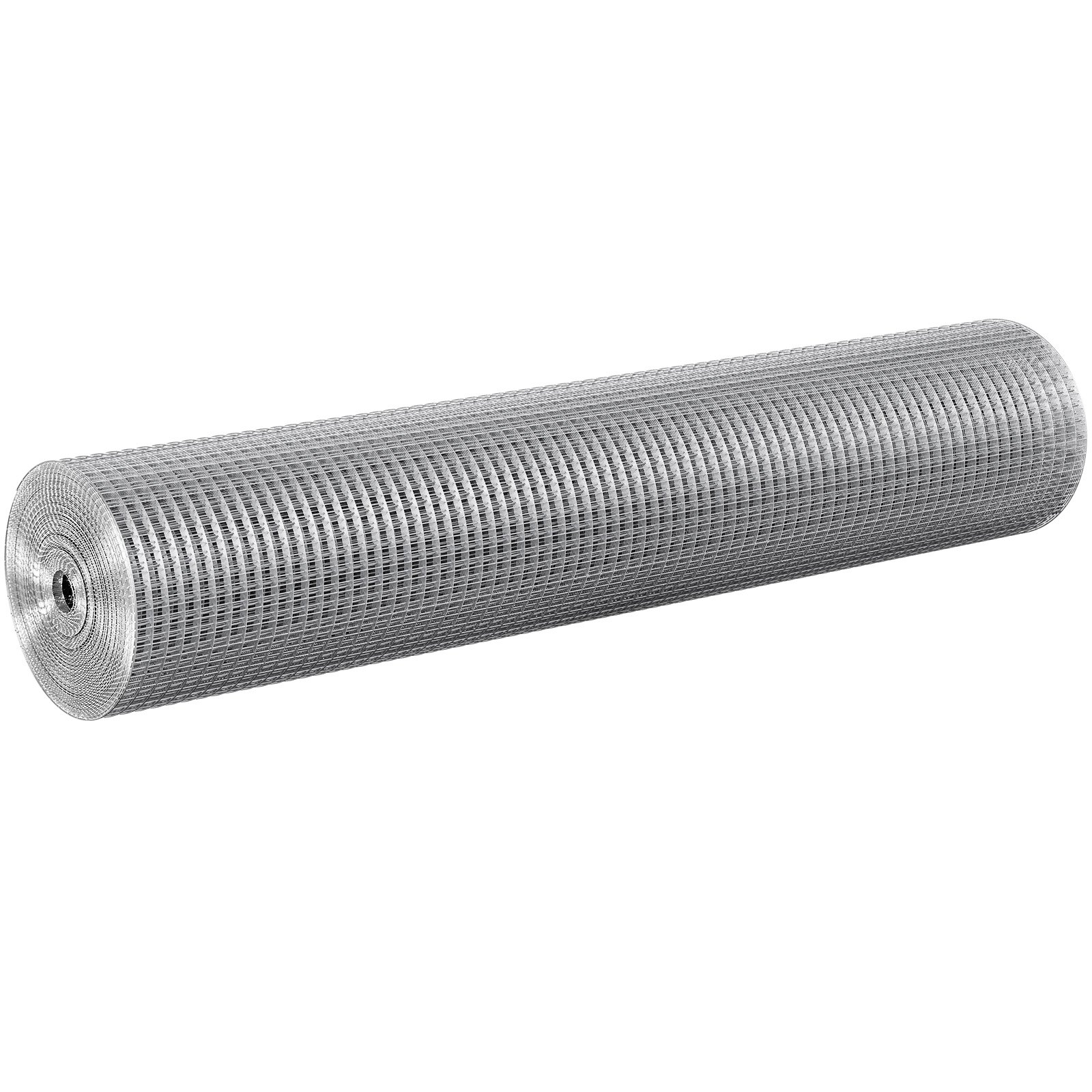 Hardware Cloth, 1 2 Inch 36in X 50 Ft 19 Gauge, Hot Dipped Galvanized Wire Mesh Roll, Chicken Fencing, For Rabbit Cages, Garden, Small Rodents$41.99View on Mallflare
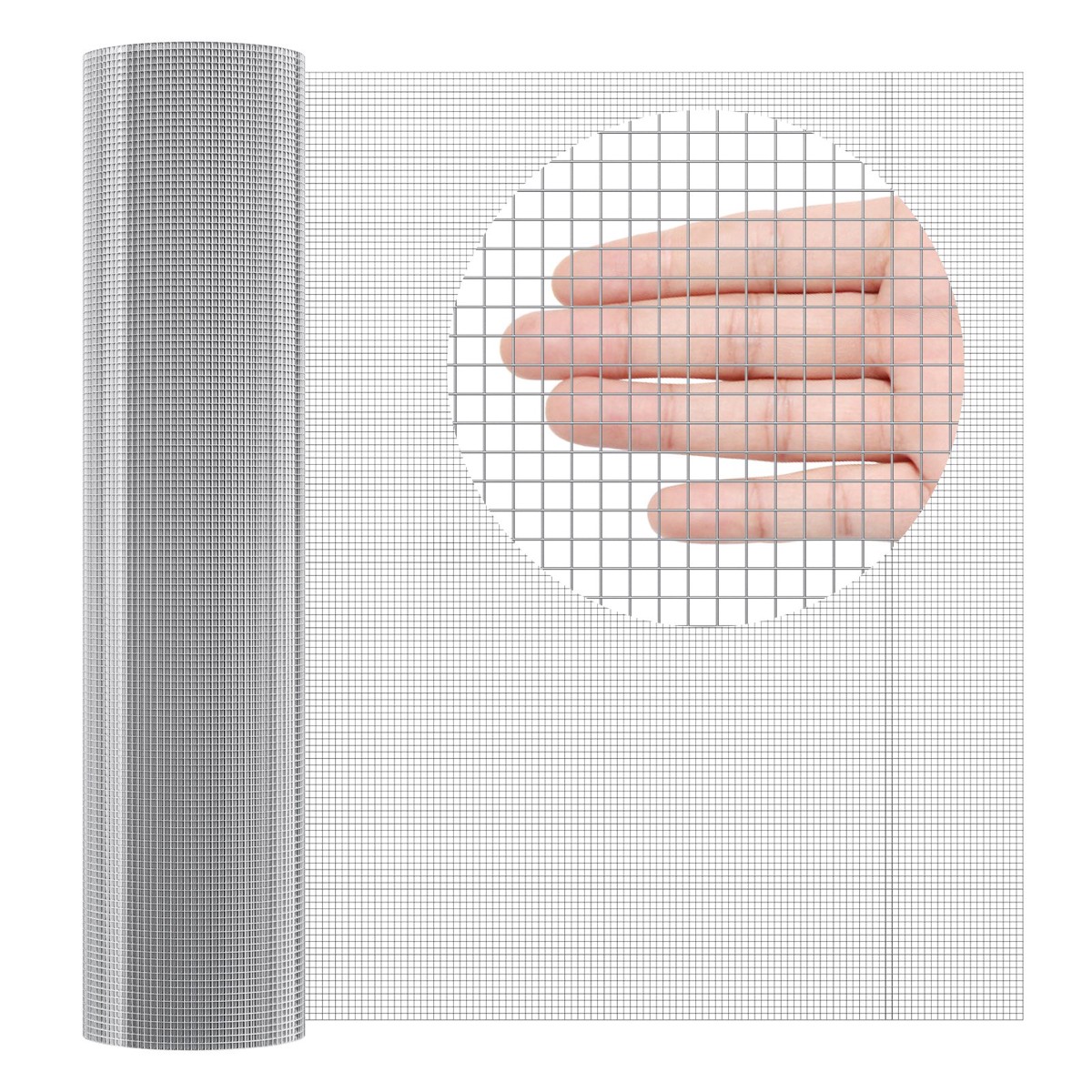 Hardware Cloth, 1'4 Inch 36in X 100 Ft 23 Gauge, Hot Dipped Galvanized Wire Mesh Roll, Chicken Fencing, For Rabbit Cages, Garden, Small Rodents$80.99View on Mallflare
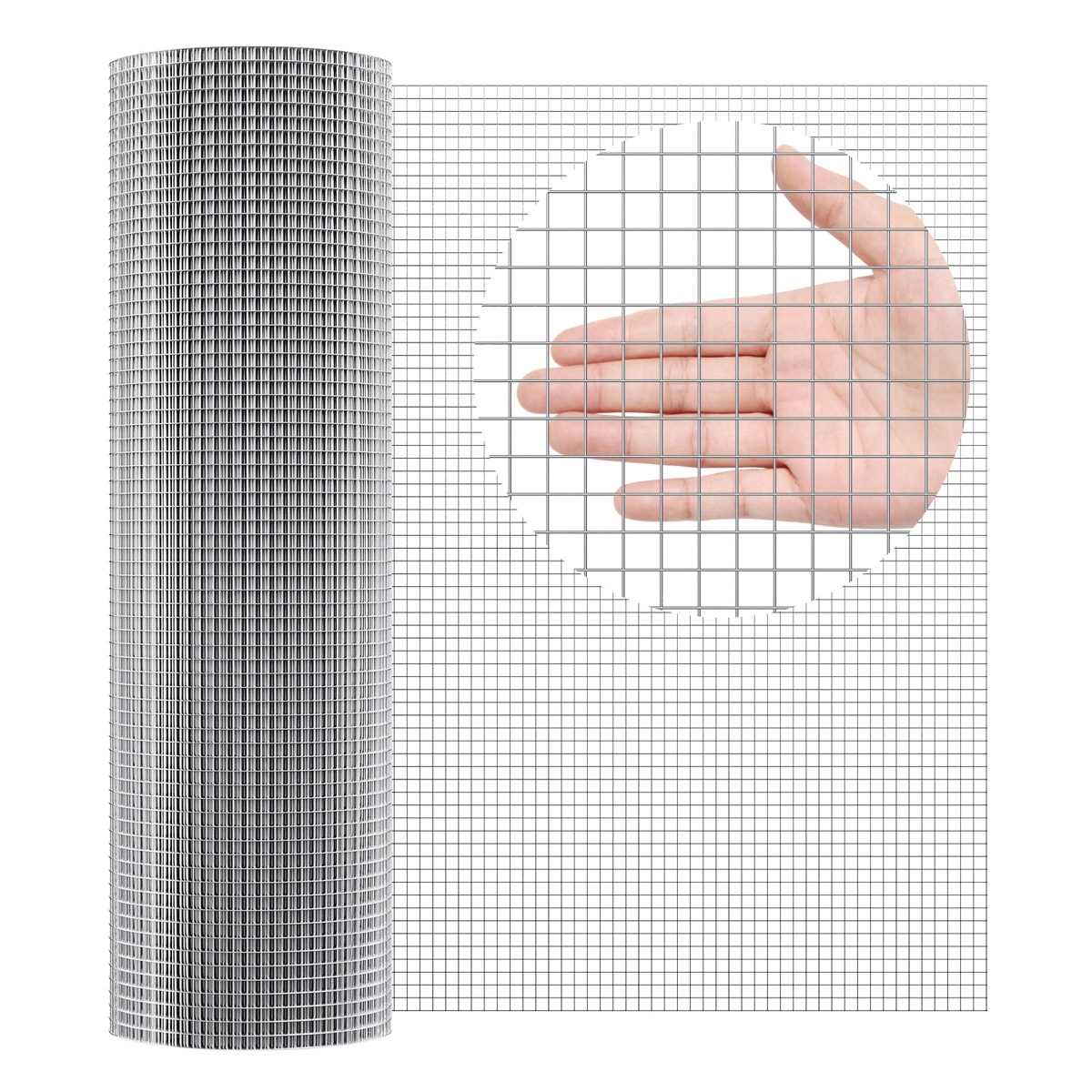 Hardware Cloth, 1'2 Inch 36in X 100 Ft 19 Gauge, Hot Dipped Galvanized Wire Mesh Roll, Chicken Fencing, For Rabbit Cages, Garden, Small Rodents$86.99View on Mallflare
Highlights
- True chicken wire is hexagonal, woven from soft galvanized wire typically 20-22 gauge; it flexes easily under animal pressure and has no structural rigidity for predator exclusion.
- Welded hardware cloth uses square openings (1/2-inch or 1-inch) with 19-gauge or heavier wire; it is rigid, resists digging and chewing predators, and is the standard for coop aprons and runs.
- Hot-dip galvanized after welding (HDGAW) delivers a thick zinc coating that resists rust for years in soil contact; electro-galvanized or pre-weld coated mesh corrodes quickly at cut edges and ground lines.
- Roll width (24in, 36in, 48in) and length (50ft, 100ft) determine both coverage math and seam count; taller rolls reduce horizontal seams for coop walls while narrow rolls suit plant hoops and gutter guards.
Best use cases
- Best fit: 1/2-inch 19-gauge HDGAW hardware cloth at 24-48in width for chicken coop walls, buried aprons, and predator-proof runs; skip hexagonal netting for these because raccoons and foxes tear through it.
- Best fit: 1-2-inch hexagonal galvanized netting for tomato cages, pea trellises, compost bin liners, and leaf gutters; do not use it as a primary barrier against digging predators.
- Best fit: 36-48in tall rolls for garden bed enclosures and crop cages that need height clearance; 24in rolls suit low hoops, gutter guards, and small animal pens where a 2ft wall is sufficient.
- Wrong fit: using any chicken wire as a dog or large-animal containment barrier; it lacks tensile strength and will deform; choose welded 14-gauge or chain-link for those loads.
Buying tips
- Match mesh opening to the smallest predator: 1/2-inch hardware cloth stops mice and snakes; 1-inch stops rats and squirrels; 2-inch hexagonal chicken wire stops only large birds and deer browsing, not climbing predators.
- Specify hot-dip galvanized after welding 19-gauge or heavier for any ground-contact or outdoor permanent installation; 16-gauge offers maximum rigidity for large runs, 23-gauge is only for temporary plant guards.
- Calculate coverage as roll length times width: a 24in x 50ft roll yields 100 sq ft; for a 3ft-tall coop wall, 50ft covers 150 sq ft of vertical surface, so plan seams and posts accordingly.
- For buried predator aprons, use 1/2-inch 19-gauge hardware cloth bent into an L-shape with 12-18 inches horizontal underground; lighter hexagonal netting rusts through at the soil line within a season or two.
Specs
| Mesh Architecture | Hexagonal woven vs square welded |
|---|---|
| Wire Gauge | 19-23 ga (lower = thicker) |
| Galvanization | Hot-dip after weld vs electro |
| Roll Coverage | 12-48 in width; 50-100 ft length |
Related searches
What to check before buying
- Measure the exact enclosure height and perimeter in feet; subtract gate openings and corners, then divide by roll length to determine roll count and seam placement.
- Confirm ground conditions: soil-contact installations require HDGAW 19-gauge or heavier; above-ground plant support can use lighter electro-galvanized hexagonal mesh.
- Check fastener compatibility: welded hardware cloth needs poultry staples, J-clips, or hog rings; hexagonal woven netting can be tied with galvanized wire or zip ties at overlaps.
- Identify predator pressure: if digging or chewing animals are present, specify 1/2-inch welded hardware cloth and a buried apron; for deer or birds only, 1-2-inch hexagonal netting at 48-72in height is adequate.
FAQ
Data sources: eBay / Amazon listings and product attribute feeds. Updated Nov 27, 2026.
Some links on this page are affiliate links. If you buy after clicking one, we may earn a commission at no extra cost to you. This does not change which products appear here or their order. Affiliate disclosure.