GardenPulse Guide

GardenPulse Guide

Garden, Yard & Outdoor Living Reviews & Buying Guides

Compare garden, yard & outdoor living by use case, features, trade-offs, price, returns, and seller terms before you buy.

Buying guides

Buying guide image
Pools & Spas

Inflatable Pool Chair

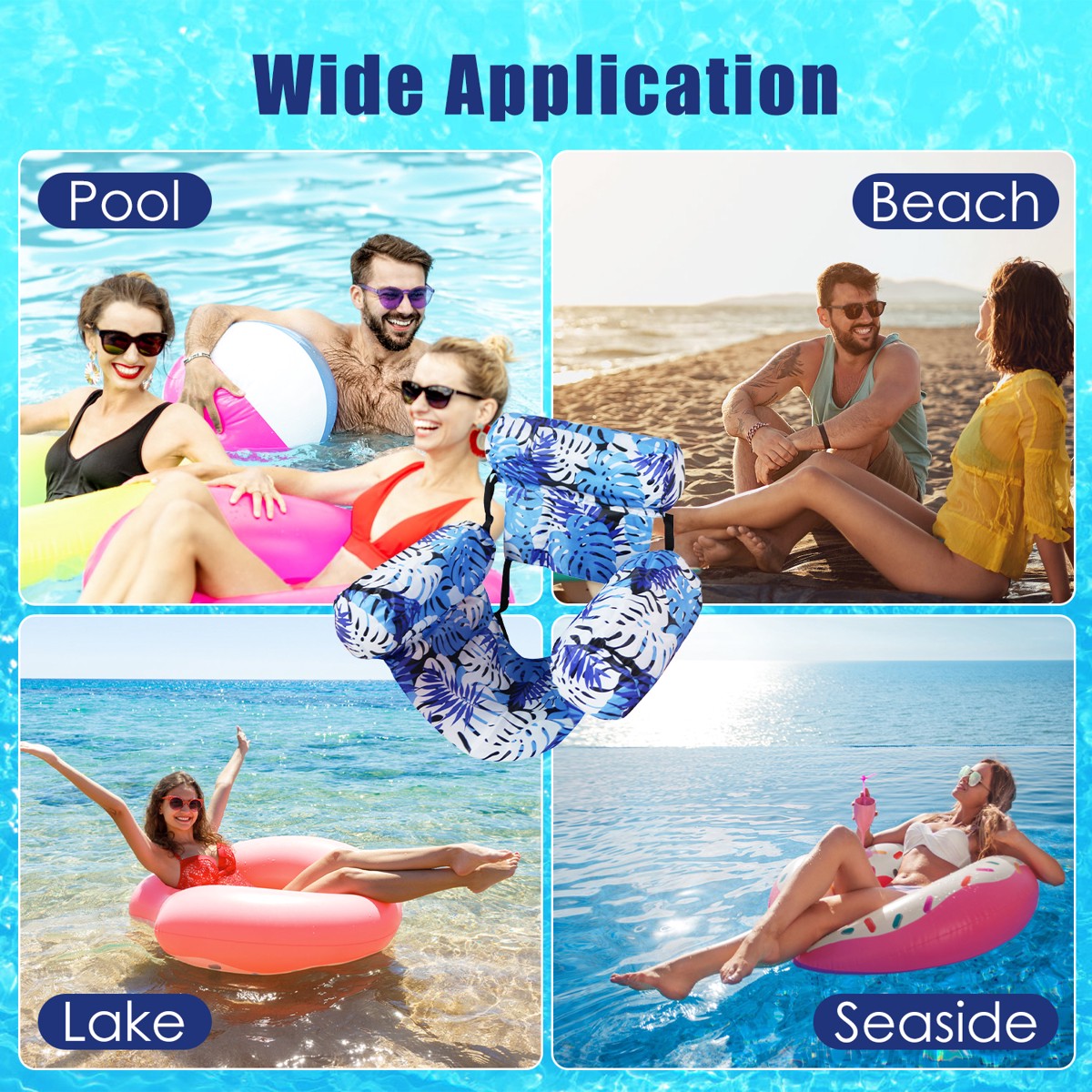
Inflatable pool chairs are PVC or vinyl loungers that combine a backrest with floatation, and the key trade-off is wall thickness and weld quality versus price—thin single-layer PVC fails at seams, while 0.35–0.5 mm multi-layer PVC with heat-welded seams survives a full season. The decision rule: buy only chairs rated for adult weight (typically 200–300 lb) with reinforced seam construction and a safety valve; skip any chair listing only 'plastic' with no thickness or weight rating.
Buying guide image
Pools & Spas

Pool Hand Rail

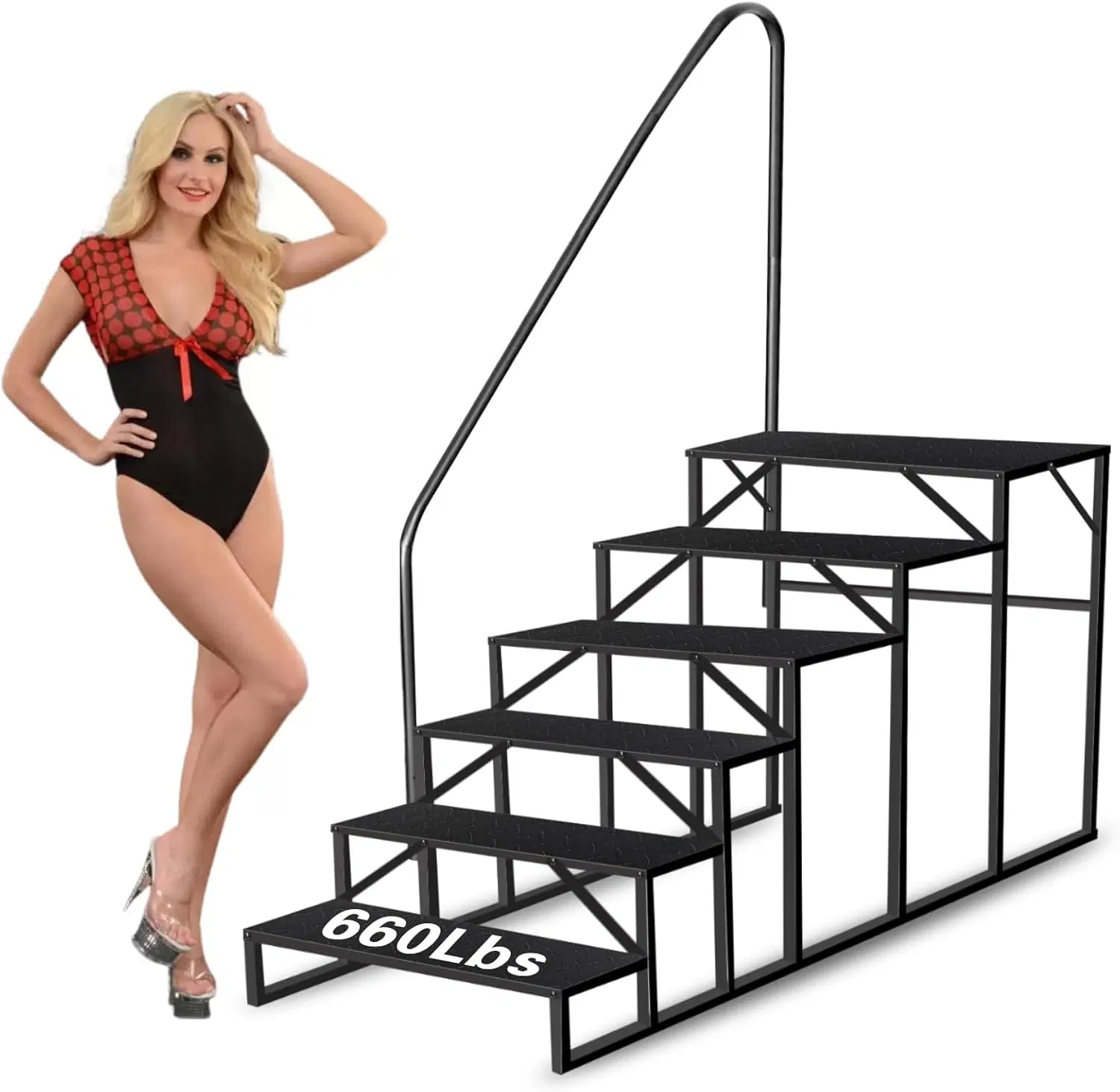
Pool hand rails are the grab-and-step safety hardware that bridges deck and water, and the decisive trade-off is between bolted-in-place stainless or aluminum rails (rigid, code-compliant, corrosion-resistant) and flimsy surface-mounted or resin units that loosen and pit. Buy a 304 or 316 stainless rail with ≥3-inch flange mounting for inground pools, and a frame-integrated ladder rail with ≥300 lb rated capacity for above-ground pools; skip any rail that lists only 'fabric' material or omits a weight rating.

Buying guide image
Chicken Coops & Runs

Metal Frame Chicken Coop

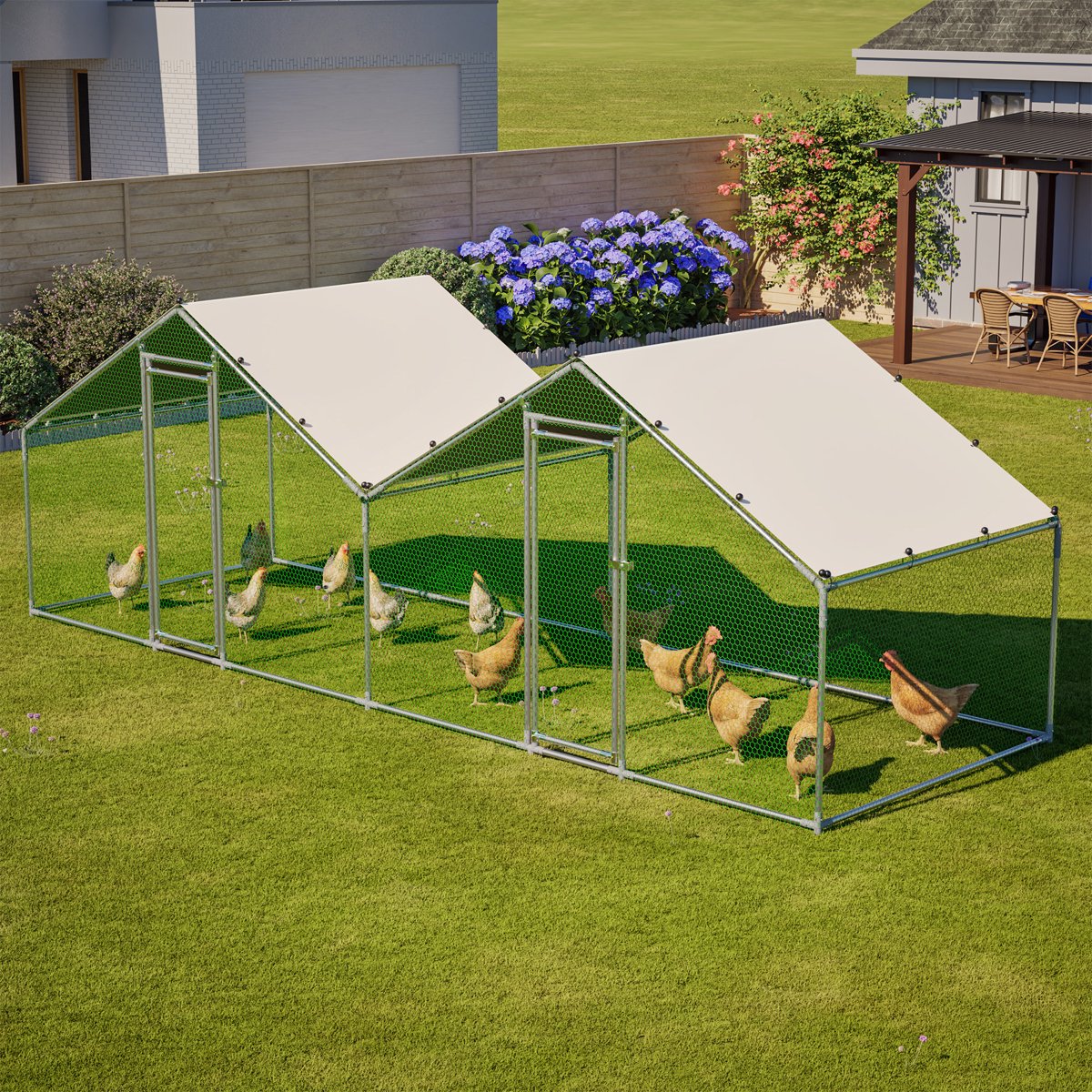
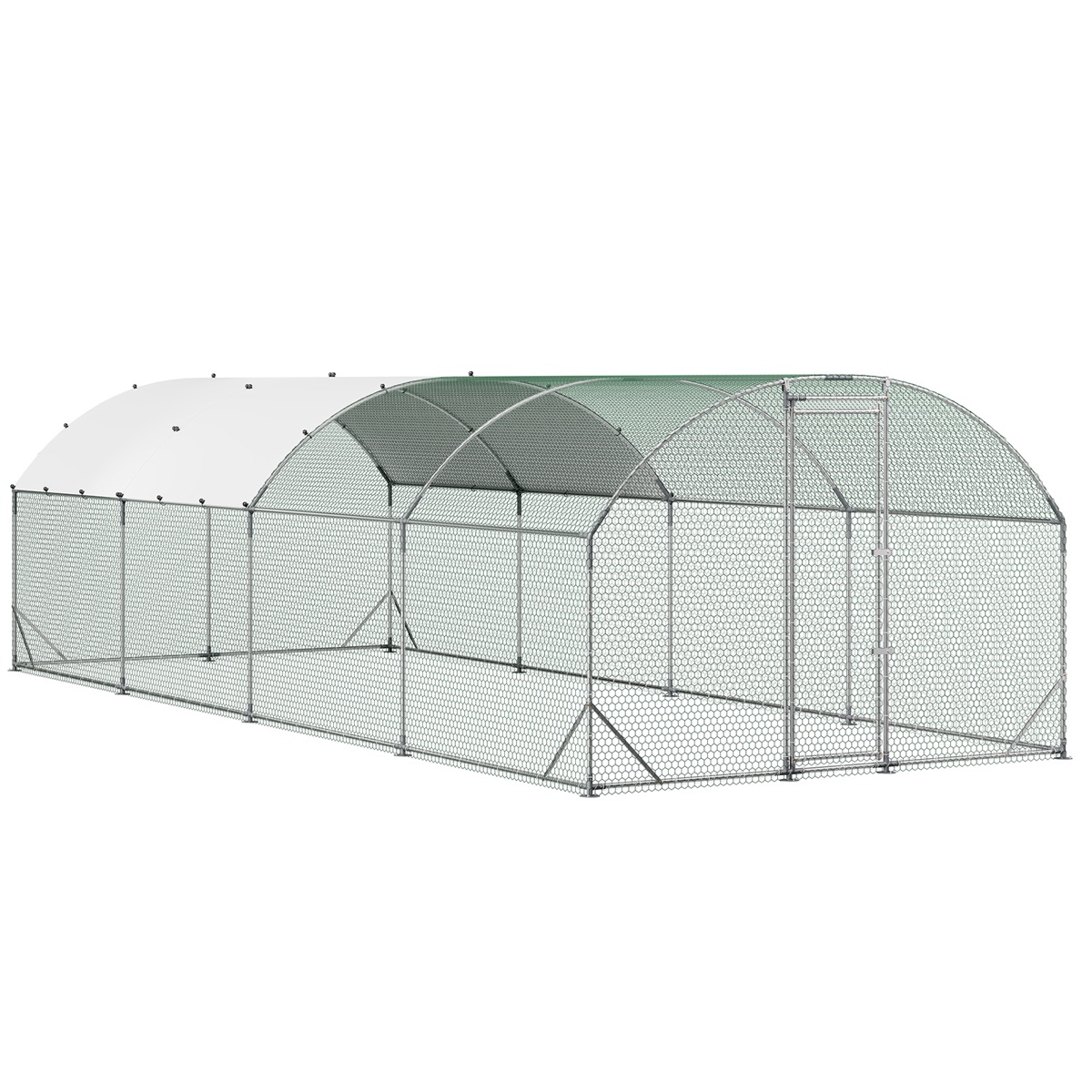
Walk-in metal frame coops solve the headroom and predator-resistance limits of wooden hutches, but tube gauge and mesh aperture decide whether they survive wind and digging predators. Sizing off the footprint alone leads to overcrowding—plan for covered roost space and a run that exceeds minimum floor area per bird. The frame is only as good as its anchoring and roof load path in open backyard exposure.

Buying guide image
Watering & Irrigation

Metal Garden Hose

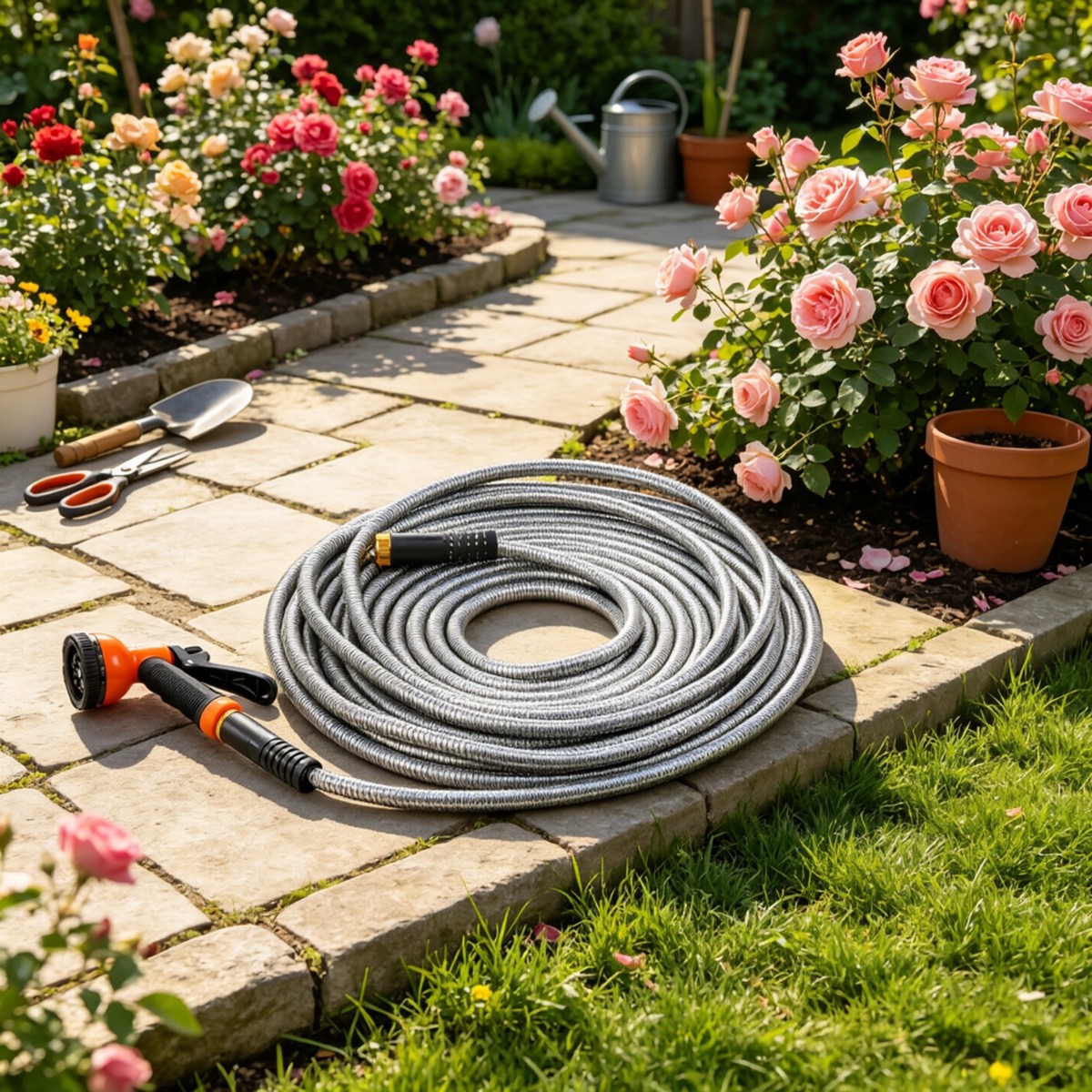
Metal garden hoses replace flexible rubber/PVC with a stainless-steel outer coil over an inner PVC or hybrid core, trading some kink resistance for crush and puncture durability. The critical trade-off is coil-wall thickness and fitting quality versus flexibility and weight: thin 304 coils kink and leak at the crimp, while thick-walled 304 with machined brass ends survive years of dragging. Buy a hose rated for potable water with brass fittings and a stated burst pressure above 300 PSI; skip anything with plastic couplings or unstated alloy.

Buying guide image
Greenhouse & Hydroponics

Indoor Herb Garden With Light

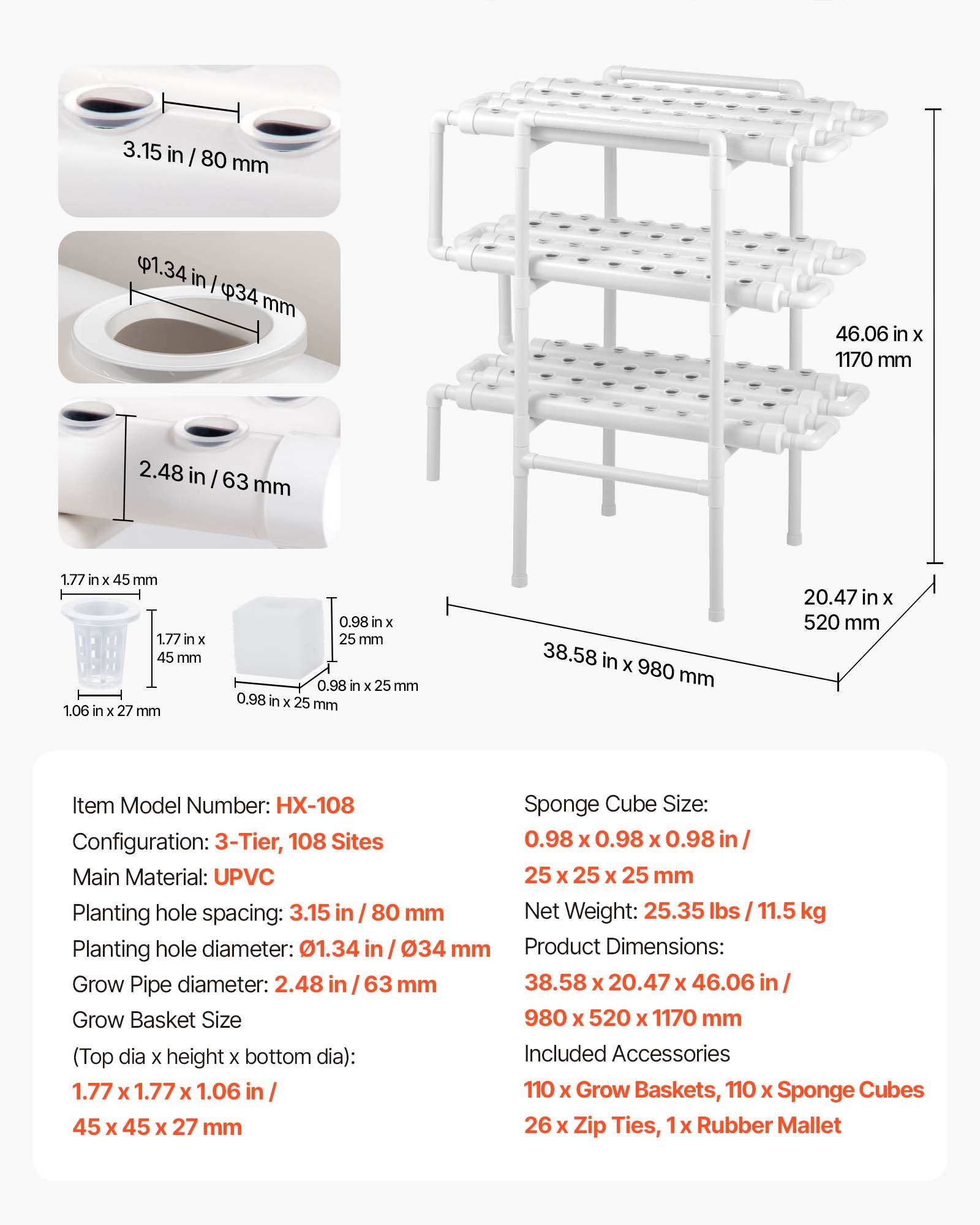
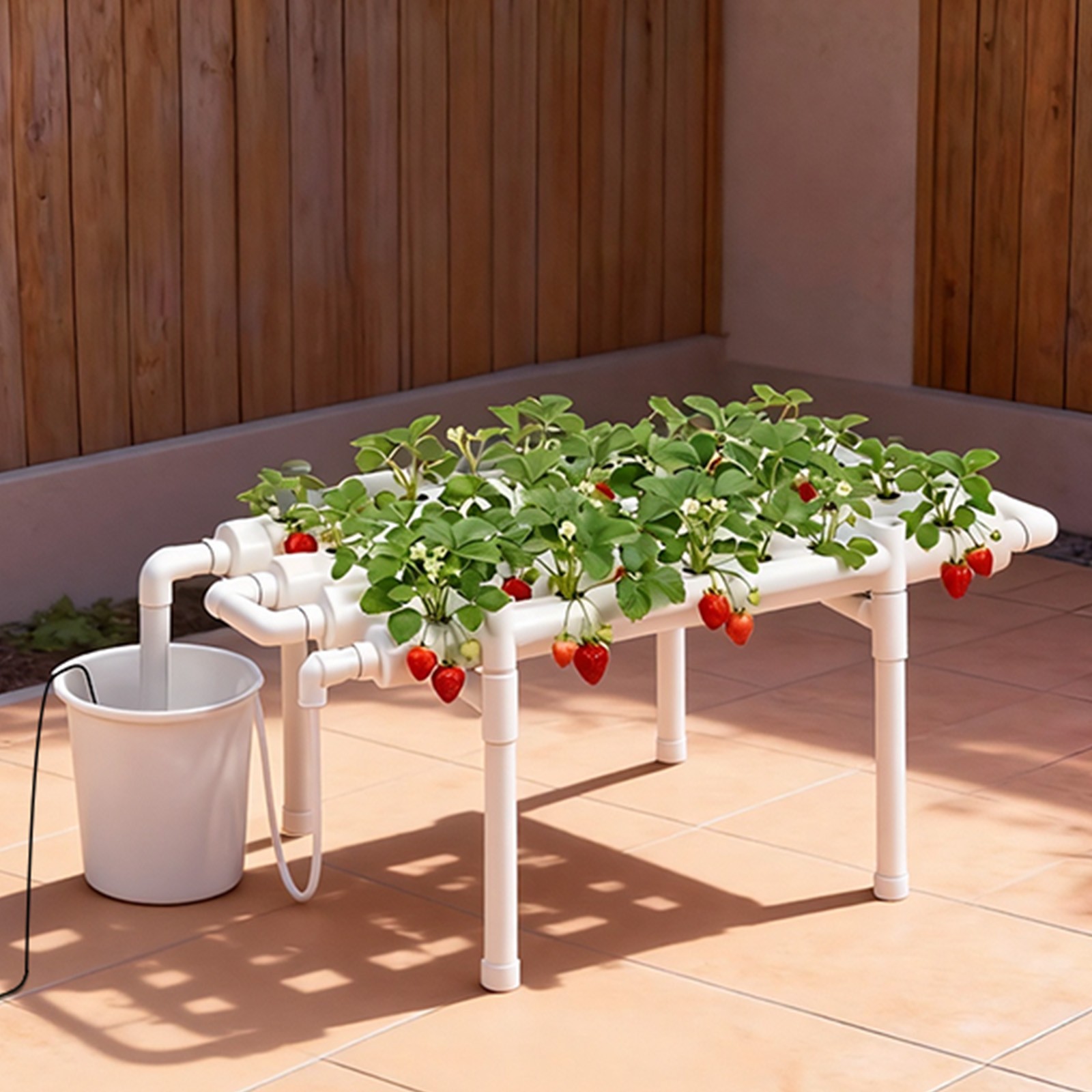
An indoor herb garden with light is a self-contained growing system combining a reservoir, grow medium, and integrated LED or fluorescent lighting to raise culinary herbs indoors year-round. The core trade-off is between compact countertop units with fixed-spectrum LEDs and modular multi-tier pipe or tray systems that require external lighting and plumbing knowledge. The decision rule: pick a sealed countertop unit with full-spectrum LEDs and a timer if you want plug-and-play herb production; choose a multi-site pipe or tray system only if you will supply your own high-output grow lights and have space for a reservoir and pump.

Buying guide image
Greenhouse & Hydroponics

Wooden Greenhouse

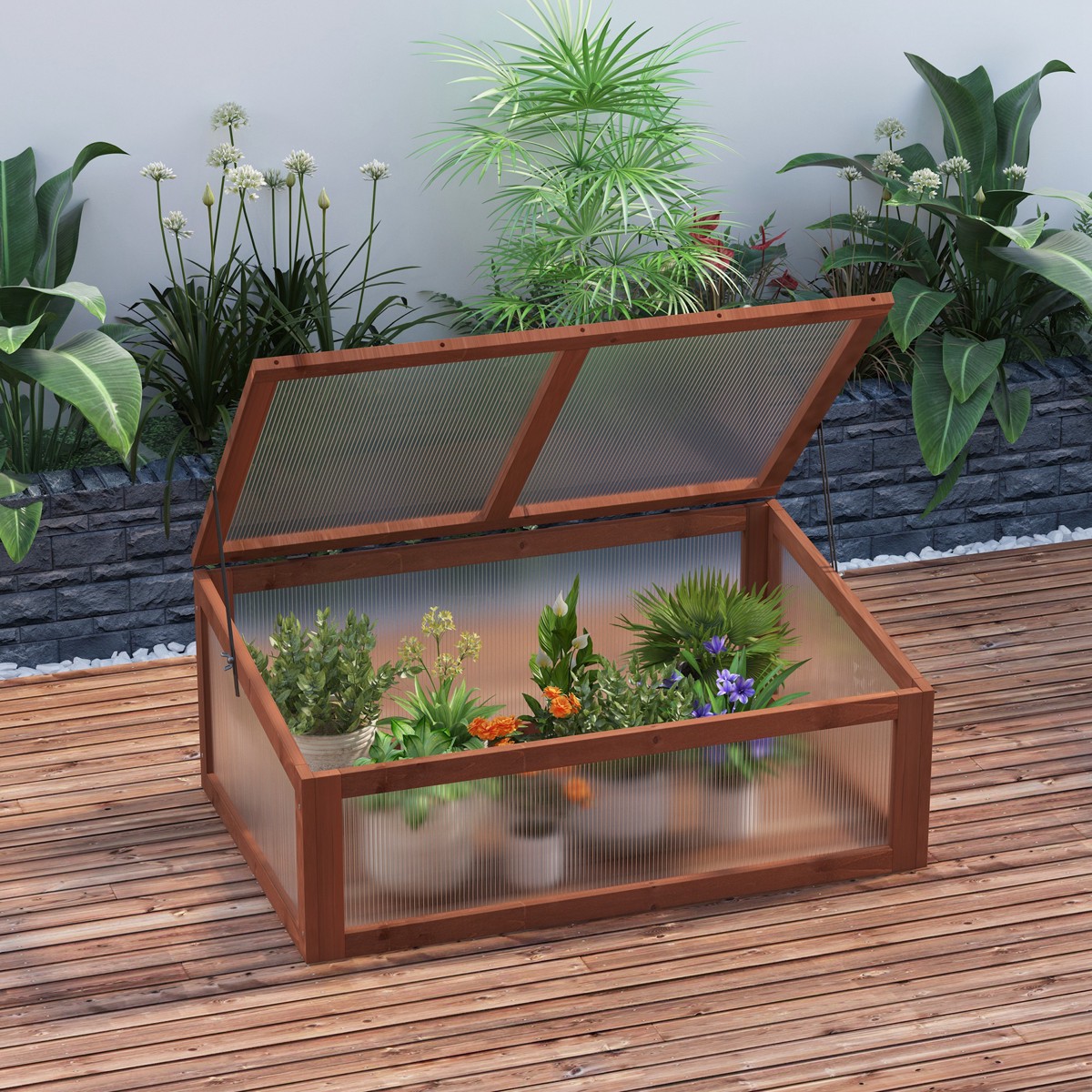
A wooden greenhouse uses a timber frame for rigidity and insulation, paired with glazing that determines light transmission and heat retention. The core trade-off is frame durability versus glazing performance: untreated softwood rots within a few seasons, while 4mm twin-wall polycarbonate outperforms single-pane or film in heat retention and impact resistance. The decision rule is simple: choose a pressure-treated or cedar frame with at least 4mm twin-wall polycarbonate panels and a real foundation anchor—anything less is a seasonal cold frame, not a permanent greenhouse.

Buying guide image
Beehives & Frames

Bee Keeping Hive

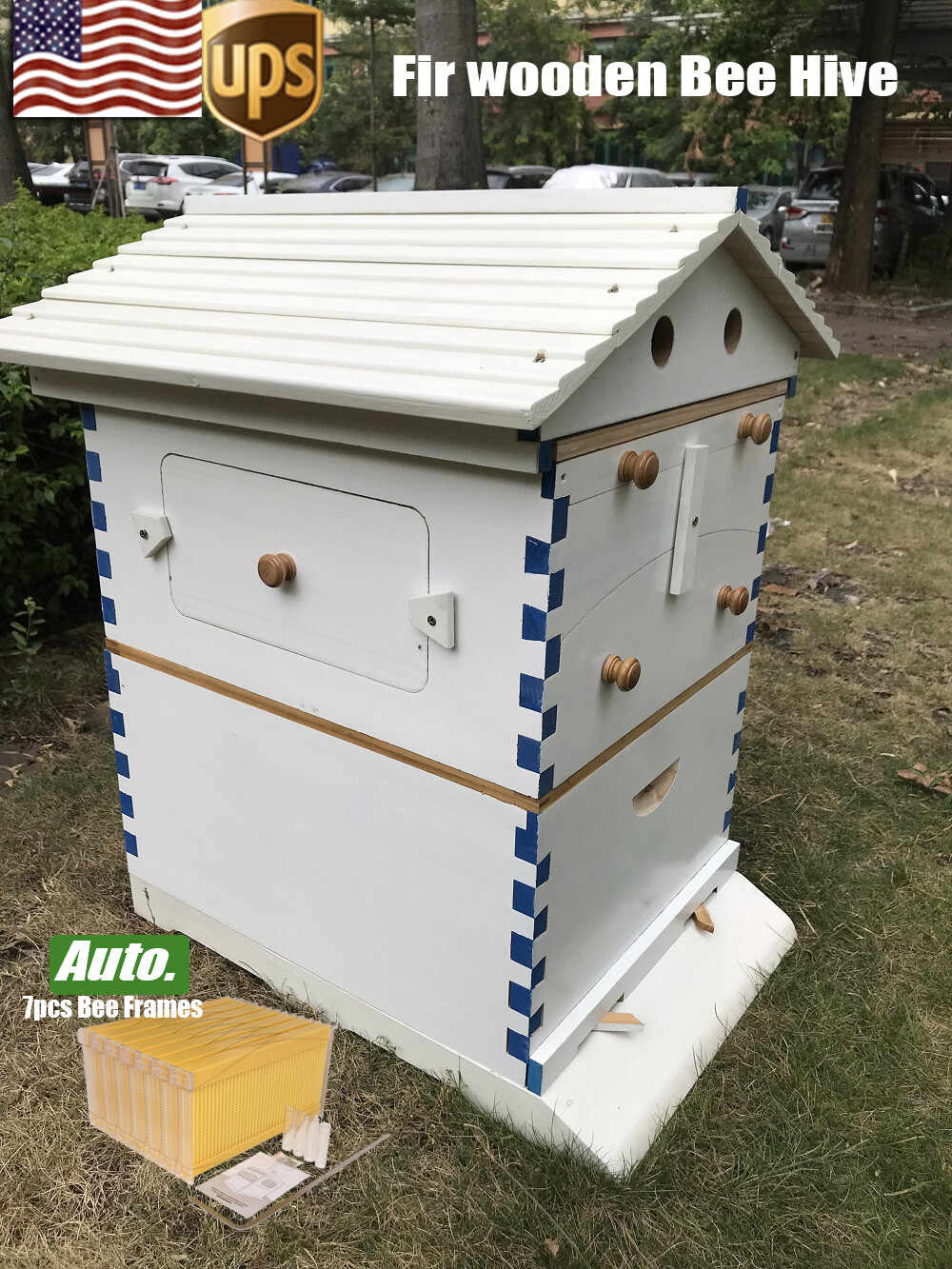
A bee keeping hive is a modular Langstroth, observation, or auto-flow box system where frame count, box depth, and wood treatment determine colony management ease and hive longevity. The core trade-off is standard Langstroth compatibility versus gimmick flow/observation designs that limit frame interchange and wintering. Buy standard 10-frame Langstroth boxes in pine or cypress with wax-coated or painted exteriors; skip proprietary auto-flow and narrow observation boxes unless they are a secondary educational hive.

Buying guide image
Beekeeping Suits & Protection

Cotton Beekeeping Suit

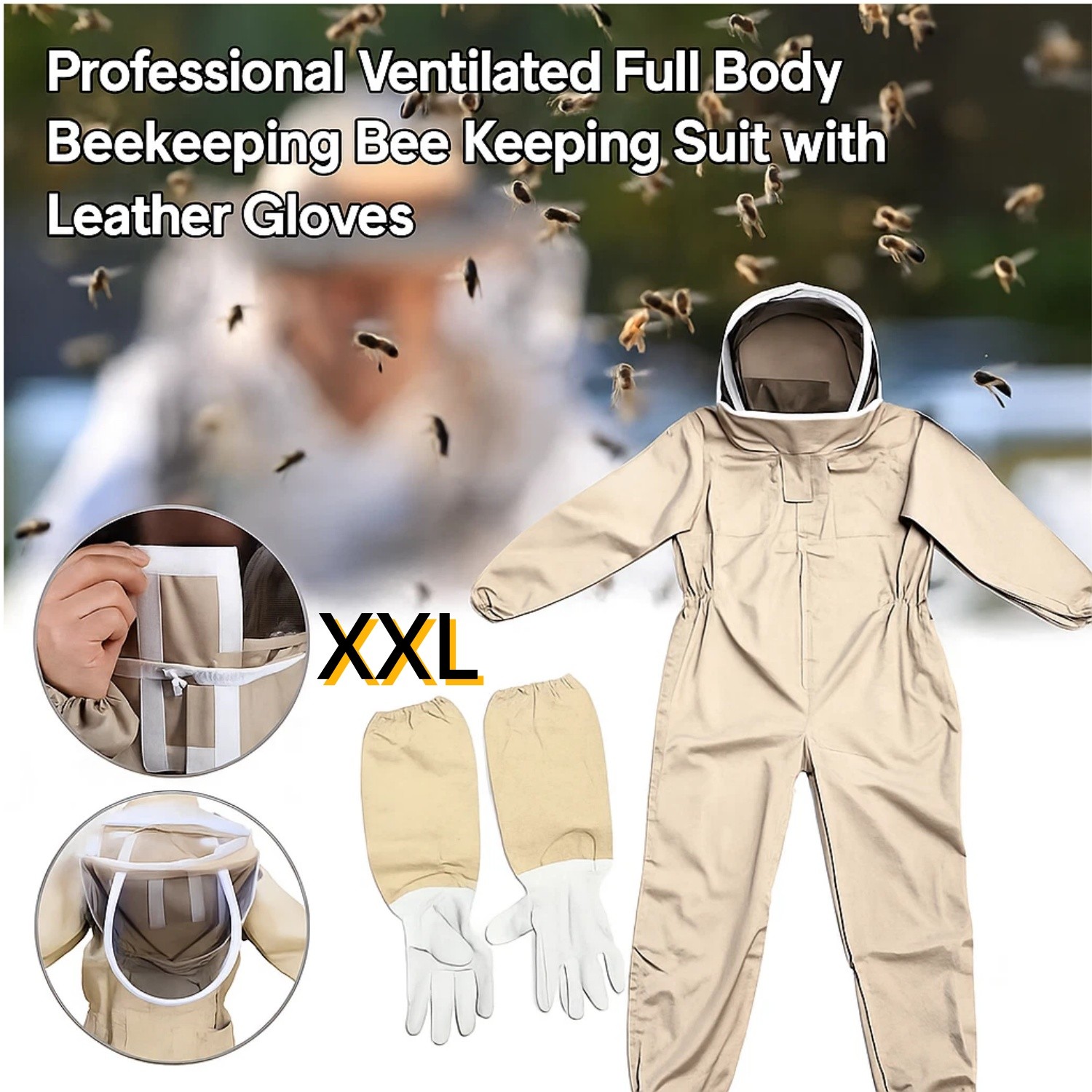
Cotton beekeeping suits are full-body ventilated or non-ventilated garments that block stings via fabric thickness and sealed seams, with the core trade-off being breathability versus sting resistance. Thick non-ventilated cotton (280–350 GSM) blocks stings but overheats, while thin cotton (180–220 GSM) breathes but risks penetration at pressure points. The decision rule: choose 280+ GSM tightly woven cotton with double-layer chest and sealed cuff/ankle closures for real defensive colonies, and only drop to lightweight cotton for brief, calm-hive inspections in cool weather.

Buying guide image
Honey Extraction & Packaging

Vevor Manual Honey Extractor

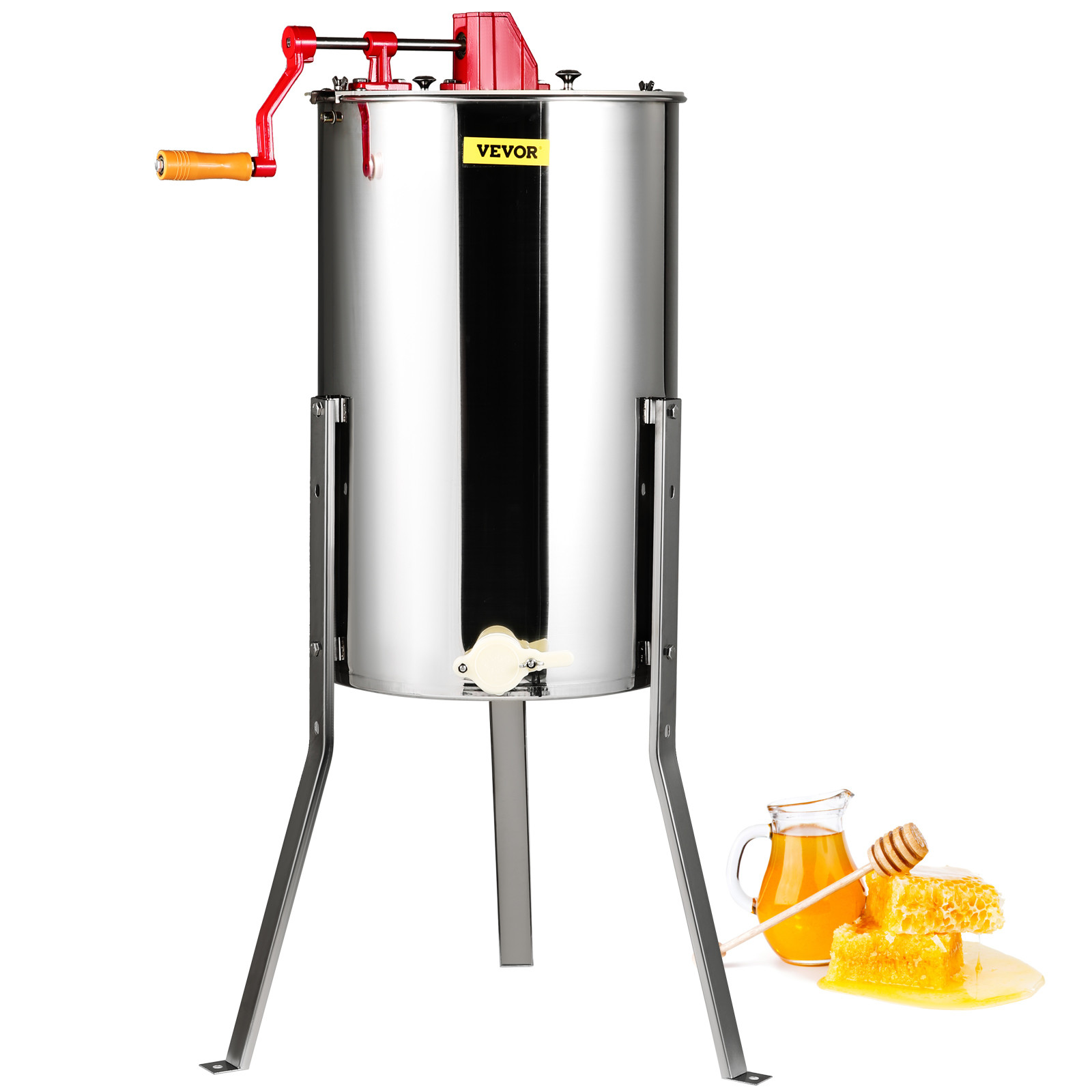
A VEVOR manual honey extractor is a hand-cranked centrifugal drum that spins uncapped frames to fling honey out without crushing comb, and the core trade-off is frame capacity versus drum rigidity: 2- and 3-frame units use thinner steel and a single gear drive, while 4- and 8-frame units step up to welded seams, a larger axle, and a two-gear crank. The clear decision rule is to buy the smallest frame count that matches your harvest-day batch, and to reject any unit without a welded bottom seam, a food-grade 304 basket, and a lid that seats flush.

Buying guide image
Chicken Coops & Runs

Small Metal Chicken Coop

A small metal chicken coop is a galvanized-steel or powder-coated wire structure sized for roughly 2–6 birds, trading the insulation and predator resistance of wood for rot-proof, easy-to-clean construction. The core trade-off is wire gauge and weld quality versus frame thickness: thin 20–22 ga hex mesh with light tubing folds under raccoon and dog pressure, while 14–16 ga welded wire on a 1–1.5 mm wall tube frame lasts years. The decision rule is simple: buy by wire gauge and frame wall thickness, not by advertised bird count.

Buying guide image
Pools & Spas

Above Ground Pool Heater

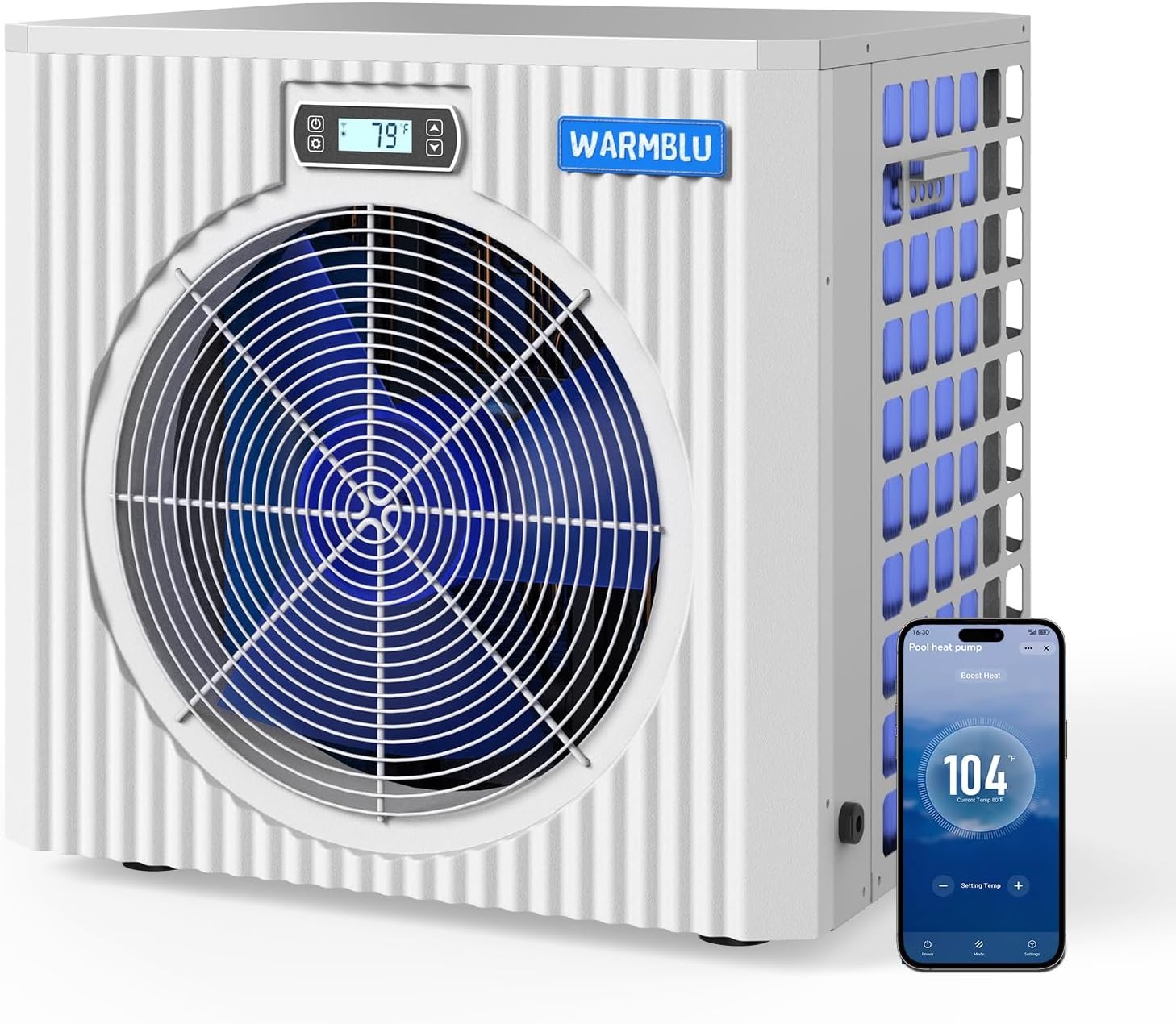
An above-ground pool heater is a dedicated appliance that extends your swim season by raising water temperature, and the core decision is matching heater type—solar, heat pump, or gas—to your pool volume, climate, and electrical/gas infrastructure. Solar is the lowest-operating-cost option but weather-dependent; heat pumps are efficient but require 220V power and mild air temperatures; gas heaters deliver the fastest, most consistent heat but carry higher fuel costs and venting requirements. The clear rule: buy a heater rated for at least your pool's full volume and your coldest expected air temperature, not a one-size-fits-all unit.

Buying guide image
Greenhouse & Hydroponics

Growing Light

Growing lights are the engine of any indoor garden, and the core trade-off is spectrum efficiency versus heat and wattage draw. Durable options use full-spectrum Samsung or Bridgelux diodes with passive or active cooling and honest PPFD ratings; compromises use blurple panels or inflated watt claims that starve plants and run hot.

Buying guide image
Watering & Irrigation

Deep Irrigation

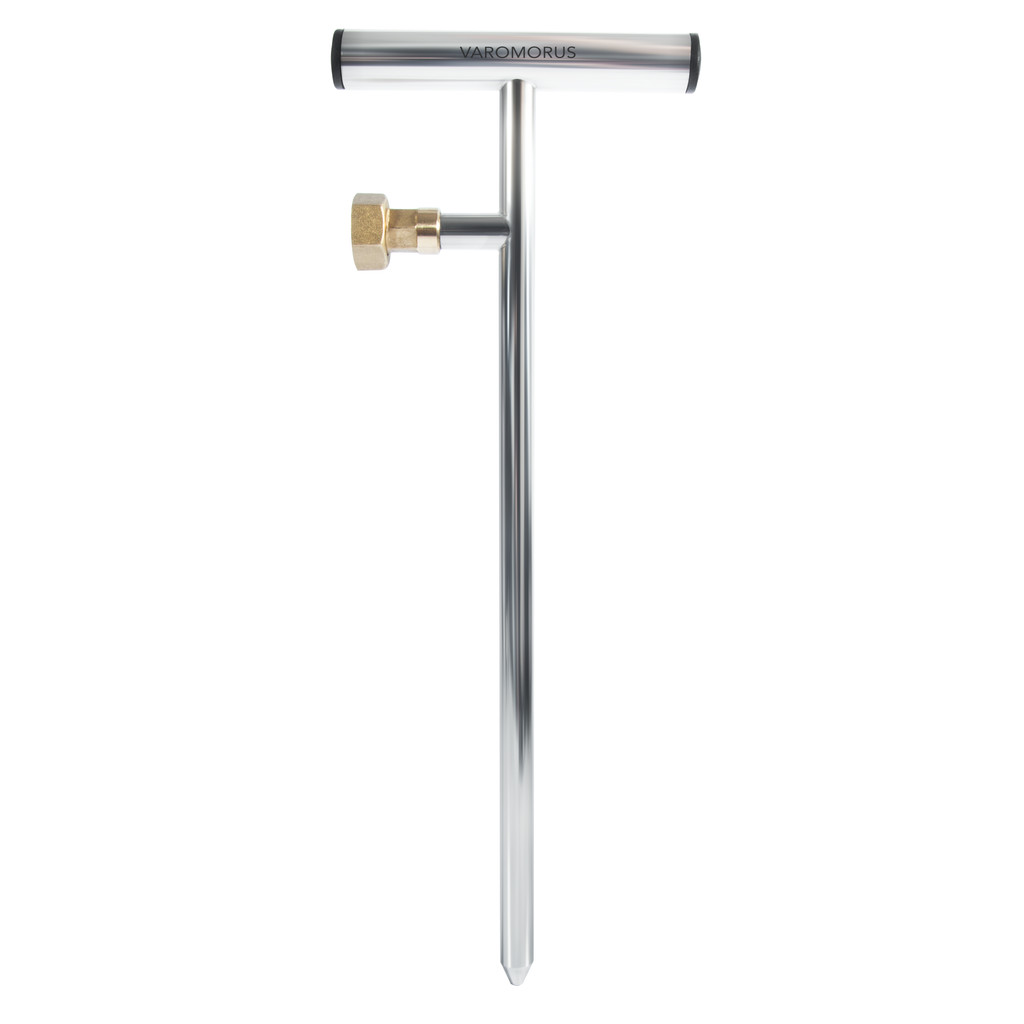
Deep irrigation targets water and nutrients directly to the root zone below the surface, bypassing evaporation and runoff. The core trade-off is between thin stamped wands that bend under soil pressure and full-bore stainless or brass probes with reinforced couplings that survive years of insertion. Buyers should pick a rigid, full-flow probe with a defined outlet pattern for trees and shrubs, and skip decorative or short-reach spikes for established root systems.

Buying guide image
Residential Outdoor Power Equipment

Pressure Washer

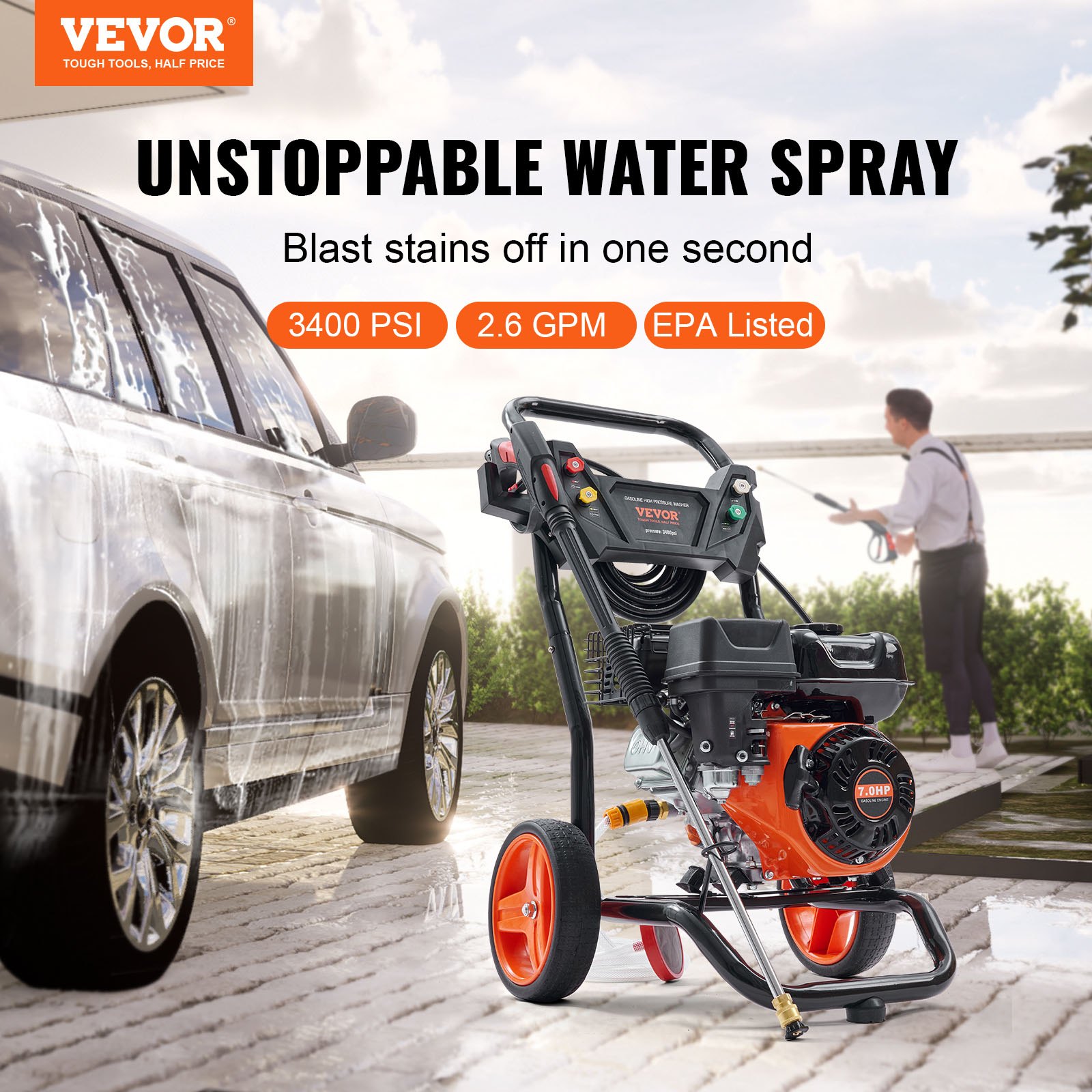
Pressure washers are outdoor cleaning machines that use a high-pressure pump to strip dirt from vehicles, siding, decks, and concrete; the core trade-off is pressure/flow (cleaning power) versus pump durability and portability. Durable options use brass or stainless pump heads, metal quick-connect fittings, and serviceable triplex or axial pumps rated for continuous duty. Compromises hide behind plastic pump housings, non-standard connectors, and inflated PSI claims with low GPM.

Buying guide image
Raised Garden Beds & Planters

Ceramic Plant Pot

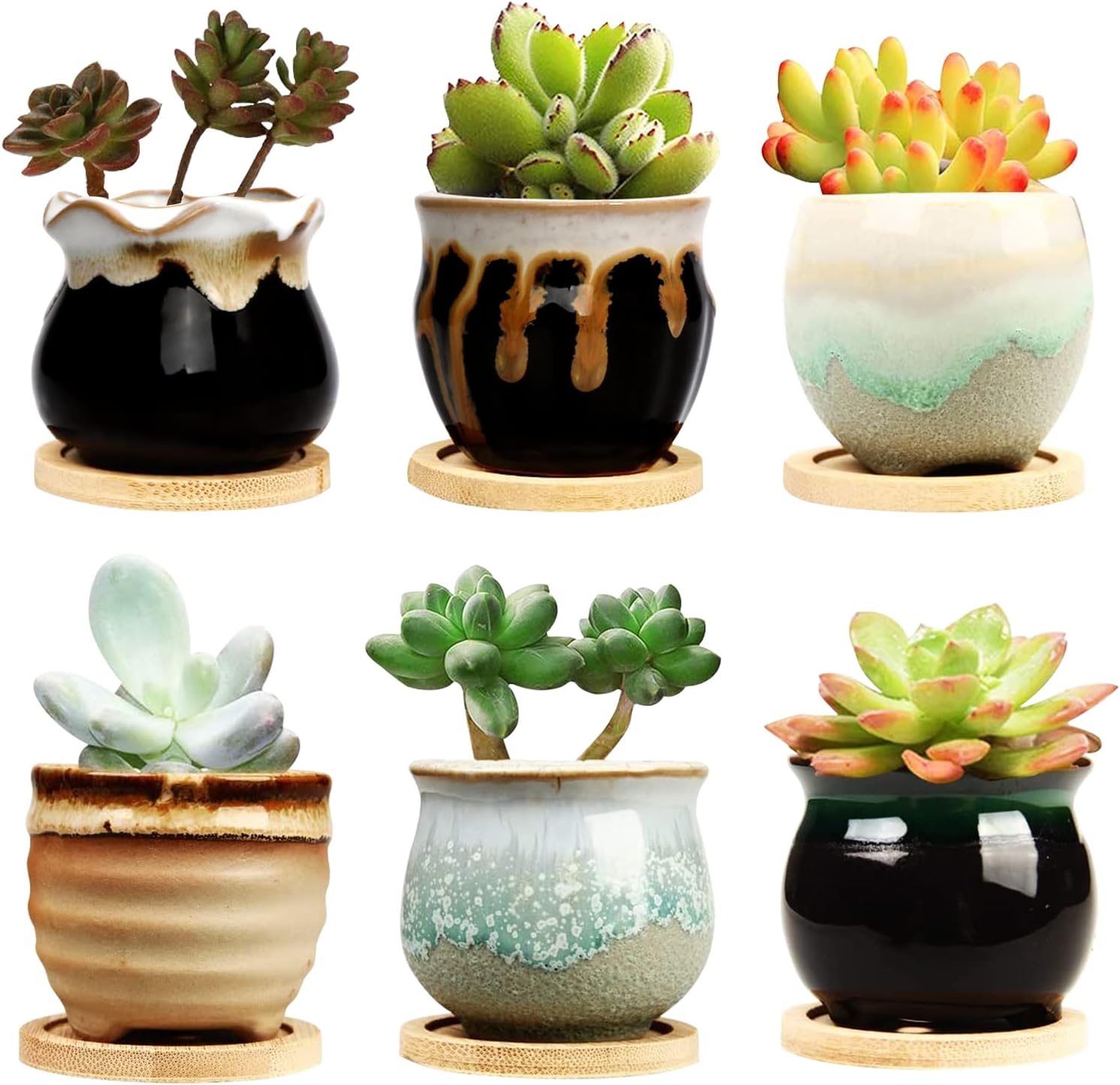
Ceramic plant pots are kiln-fired clay vessels defined by body porosity, glaze coverage, and wall thickness, which together govern root aeration, moisture retention, and frost durability. The core trade-off is porous, breathable terracotta versus non-porous sealed stoneware, and the decision rule is simple: match the ceramic body to the plant's moisture needs and your climate rather than to décor alone. Buyers who ignore drainage mechanics and freeze-thaw ratings end up with waterlogged roots or cracked pots after one winter.

Buying guide image
Pools & Spas

Outdoor Hot Tub

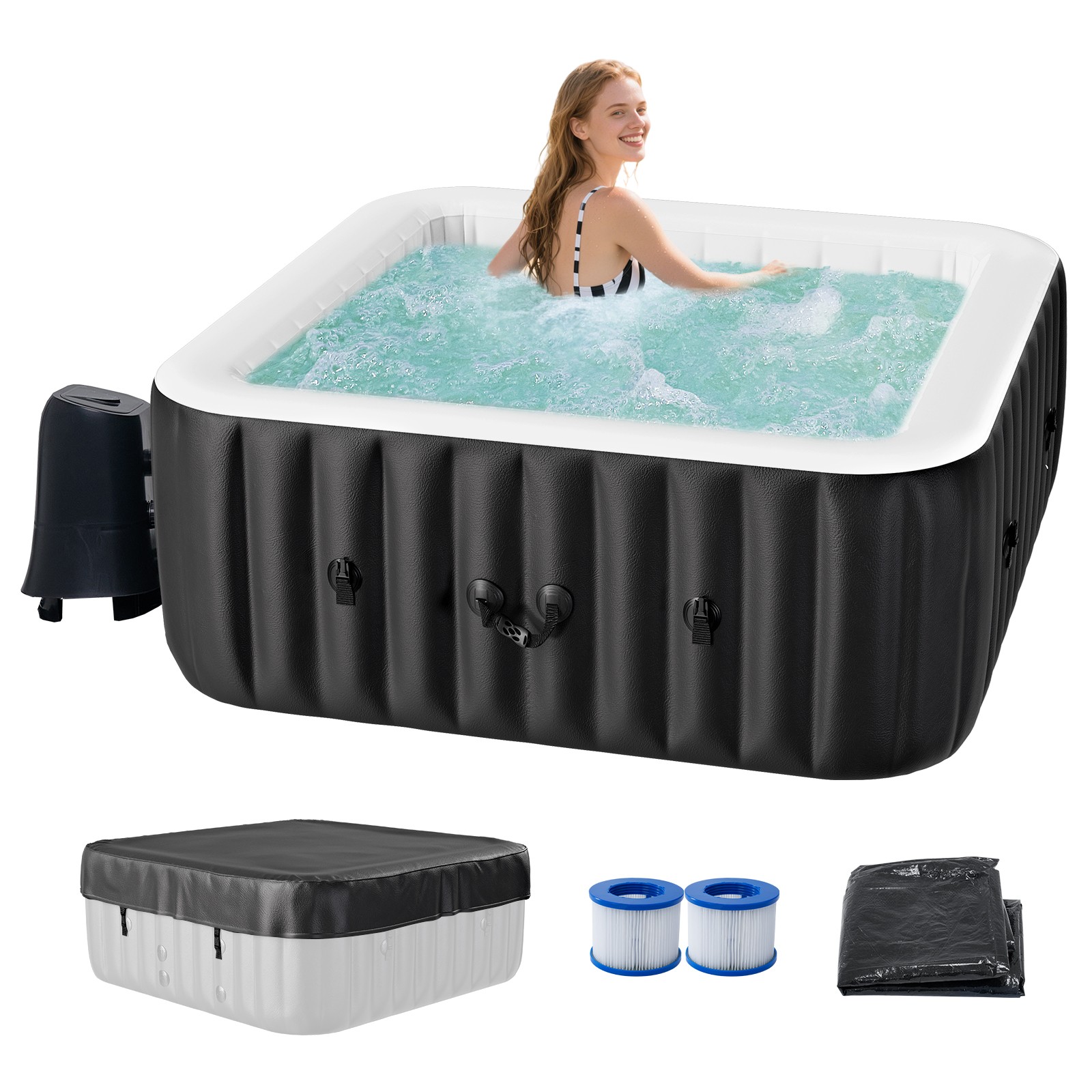
An outdoor hot tub is a permanent or portable spa engineered for year-round exterior use, where the primary trade-off is acrylic-shell cabinet construction versus inflatable or rotomolded portability. Durable options use rigid acrylic shells, full-foam insulation, and standard 240V hardwired heating, while compromises rely on vinyl inflatable walls and 120V plug-in heaters that struggle below ambient temperatures.

Buying guide image
Outdoor Structures, Shade & Awnings

Utility Shed

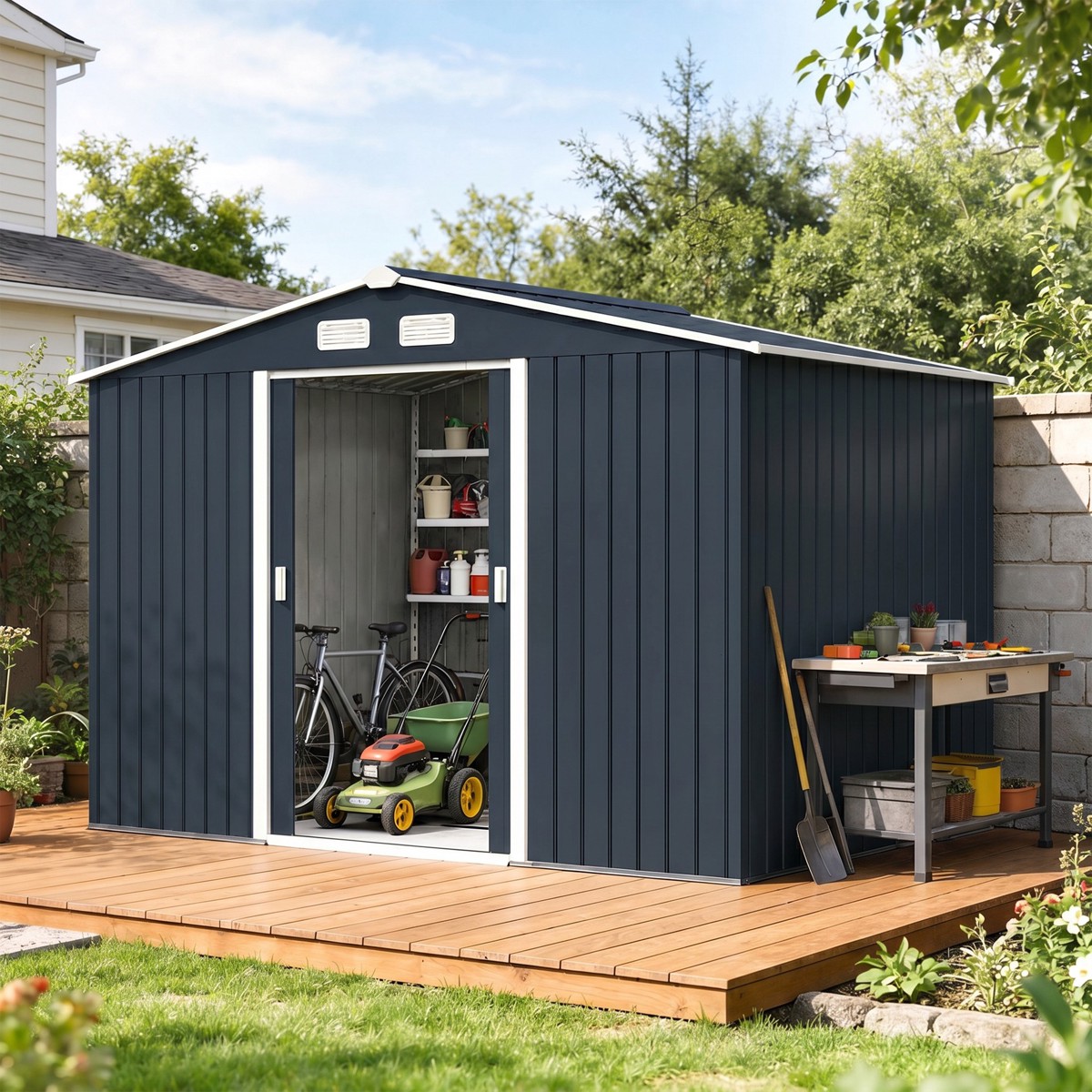
Utility sheds succeed or fail on three numbers: the footprint your yard allows, the door clearance your tallest tool needs, and the wind/snow load your local code expects. Most buyers underestimate door width and floor framing, then discover a wheelbarrow or ride-on mower won't fit. Pick the structure type first — lean-to, gable, or resin — then size up one tier from your current clutter.

Buying guide image
Chicken Fencing & Egg Handling

Egg Incubator

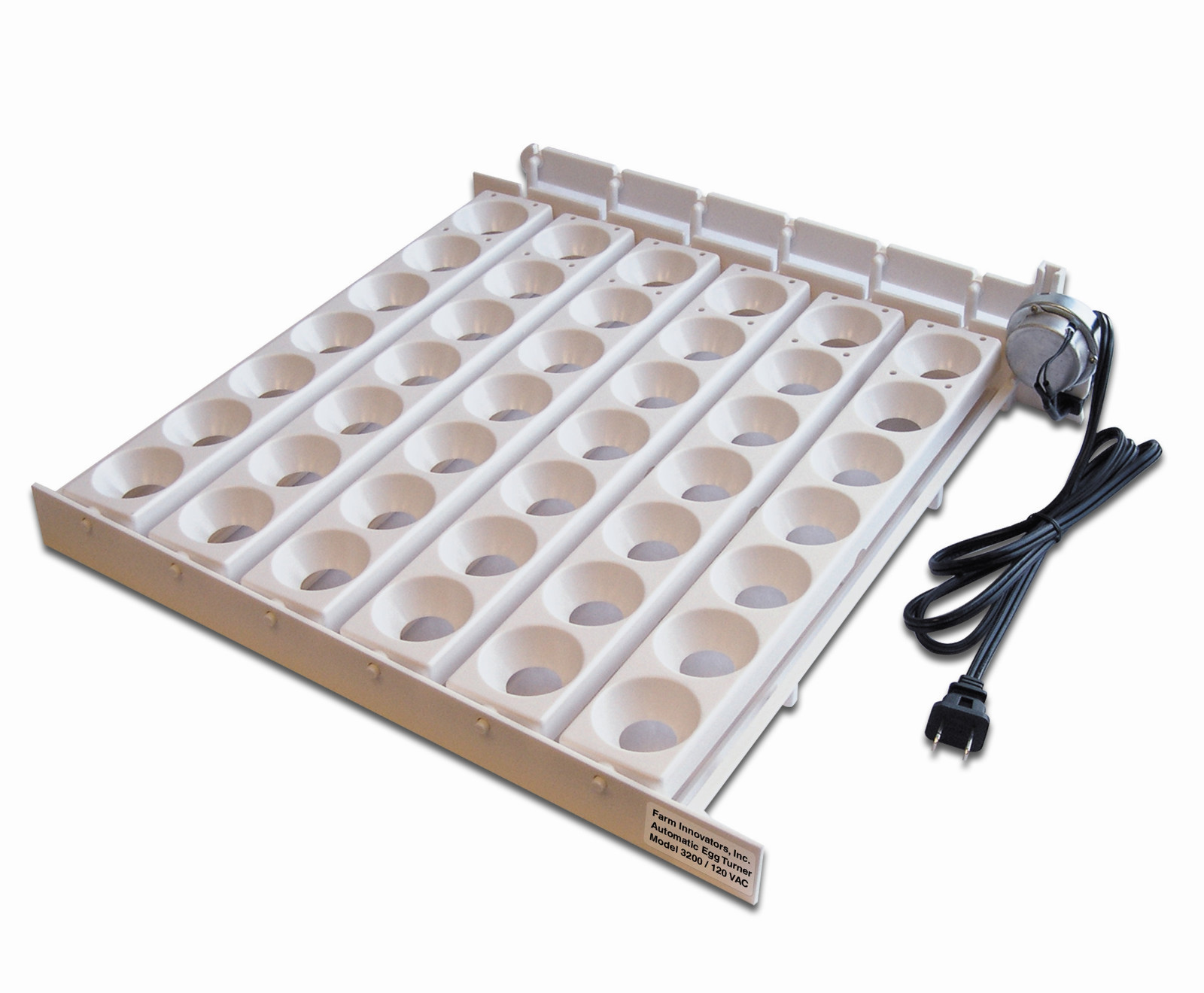
An egg incubator is a temperature- and humidity-controlled chamber that replaces a broody hen, with the core trade-off being manual vs. automatic egg turning and forced-air vs. still-air heat distribution. Durable, hatch-reliable units hold ±0.5°F uniformity via a fan and a calibrated thermostat, while compromise models rely on static heat that stratifies and manual turning that invites neglect. The decision rule: buy forced-air with automatic turn and a separate humidity readout, or accept lower hatch rates as a hobby toy.

Buying guide image
Raised Garden Beds & Planters

Wall Planter

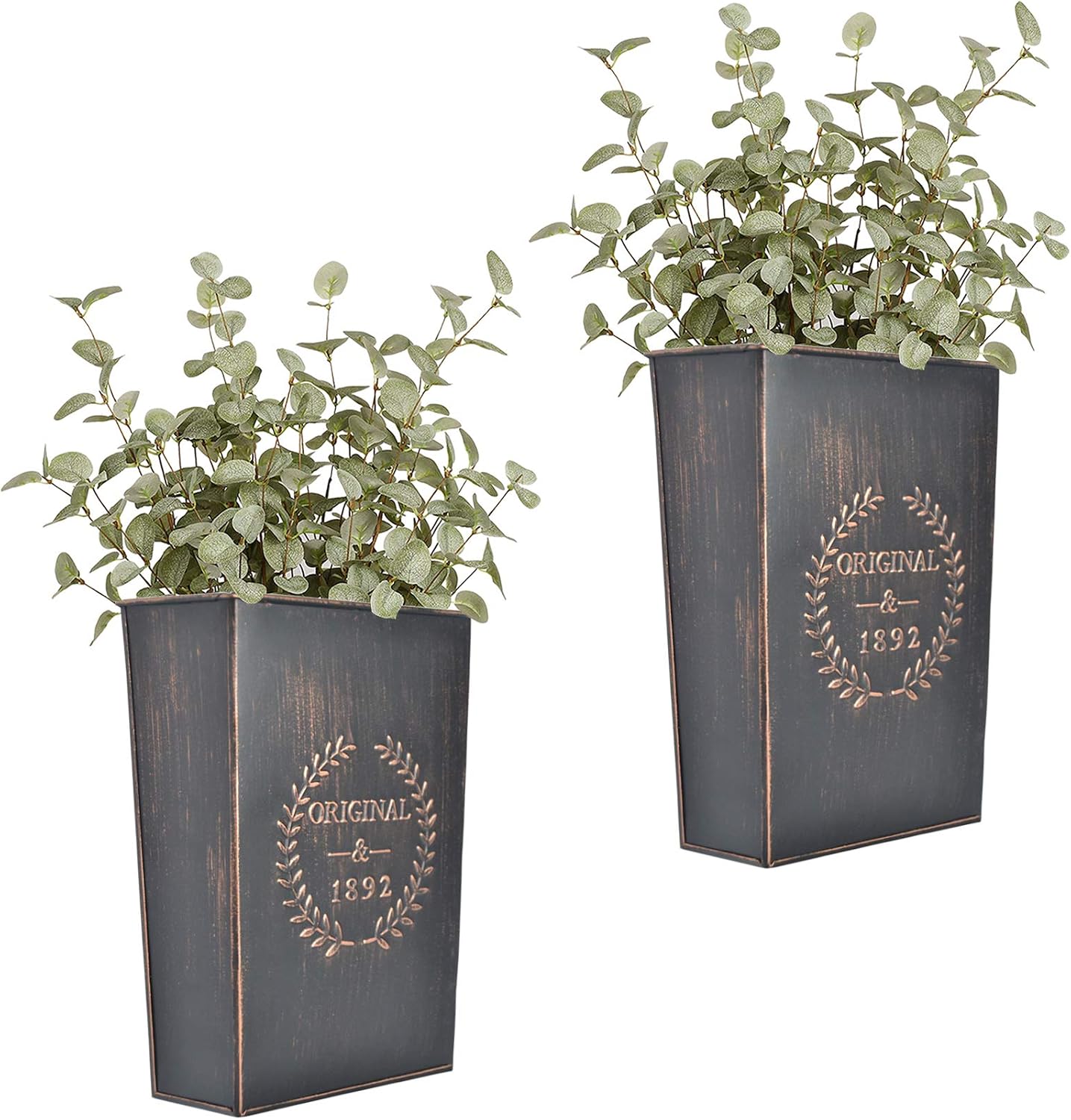
Wall planters are wall-mounted growing containers that range from small decorative ceramic pockets to modular metal troughs and full privacy-screen planter systems. The core trade-off is material and mounting architecture: porous ceramics and thin stamped metal are decorative and short-lived, while powder-coated steel, thick stoneware, and integrated back-plates with keyhole or French cleat mounts carry real soil weight safely for years. The decision rule is simple: match the planter's drainage and fastener system to your wall substrate and the plant's mature root volume, and skip any hollow, single-screw, or undrilled unit for anything beyond lightweight succulents.

Buying guide image
Outdoor Structures, Shade & Awnings

Outdoor Umbrella And Stand

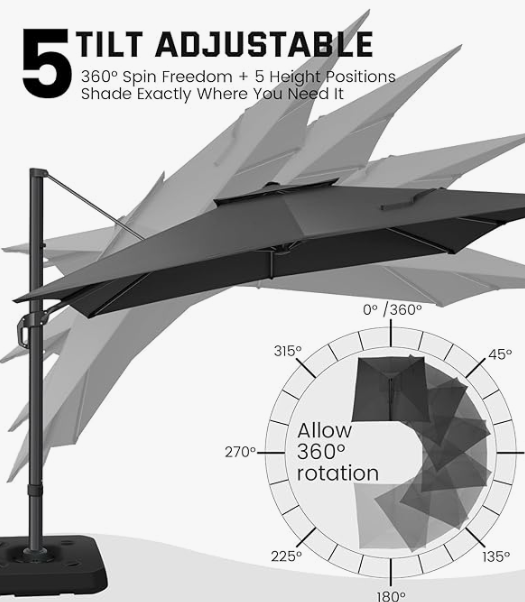
An outdoor umbrella and stand is a shade system where the canopy, frame, and base must be engineered as one load path; the primary trade-off is wind stability versus easy repositioning. Cantilever (offset) umbrellas need ballast weight and a stiff mast, while center-pole market umbrellas rely on a heavy plate or cross-base under the table. The decision rule: buy a base rated at least 1.5× the canopy's wind-load moment, and never pair a 10 ft offset canopy with a base under 150 lb of real ballast.

You may also like

Finding more guides for you…