GardenPulse Guide

GardenPulse Guide

Garden, Yard & Outdoor Living Reviews & Buying Guides

Compare garden, yard & outdoor living by use case, features, trade-offs, price, returns, and seller terms before you buy.

Buying guides

Buying guide image
Lawn Care

Seed Spreader Lawn Mower

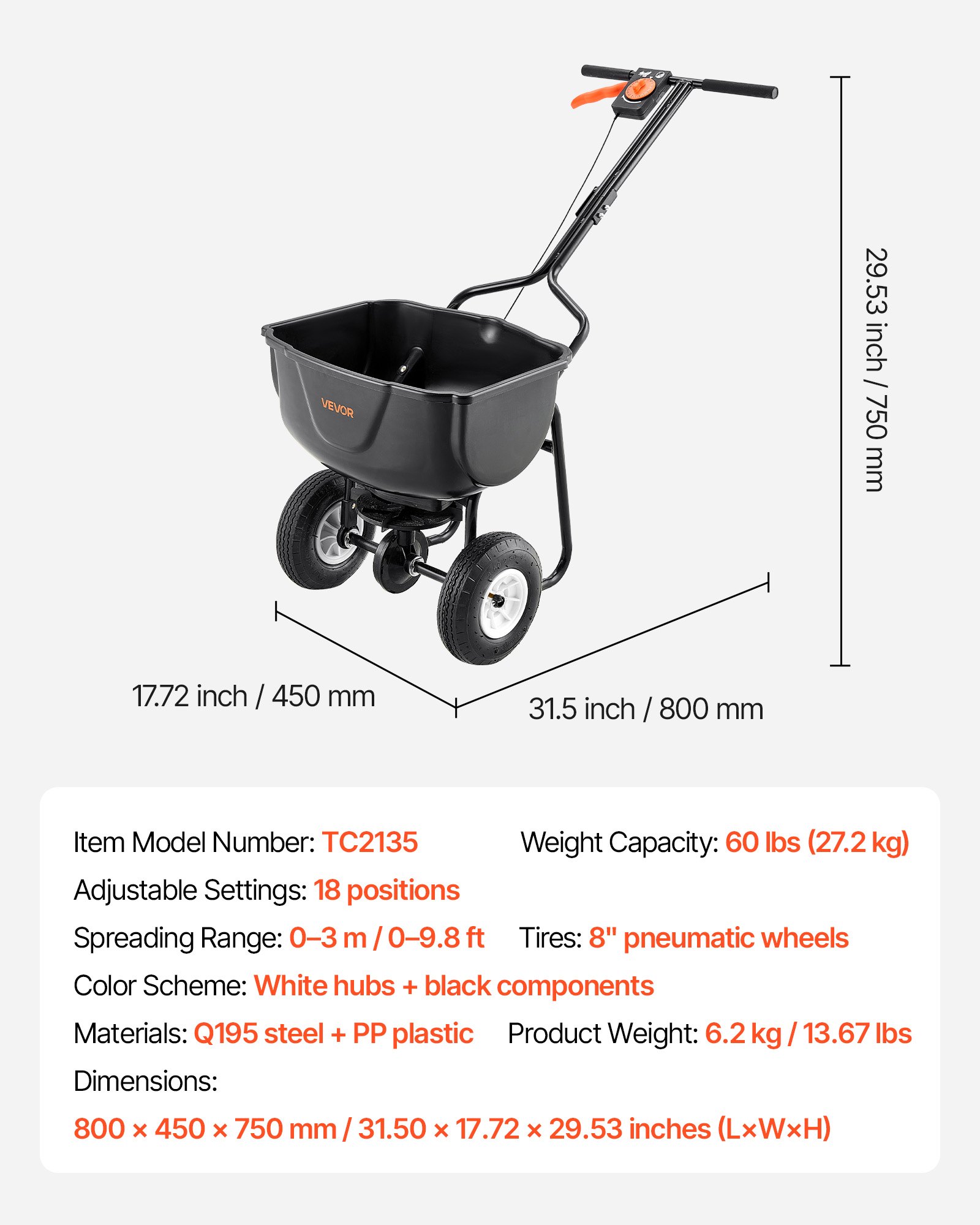
A seed spreader for lawn mowers is a broadcast or drop spreader designed to attach to, tow behind, or be pushed alongside a riding or walk-behind mower for even seed and fertilizer distribution. The core trade-off is hopper capacity and spread width versus maneuverability and gate precision: larger tow-behind units cover more ground per fill but turn wider and demand a stable tow hitch, while push units offer tighter control on small or complex lawns. Buy tow-behind broadcast spreaders with pneumatic tires and a calibrated gate for open lawns over half an acre; choose push broadcast or drop spreaders for sub-quarter-acre, heavily edged, or sloped properties where precise placement matters more than speed.
Buying guide image
Greenhouse & Hydroponics

Grow Box Kit

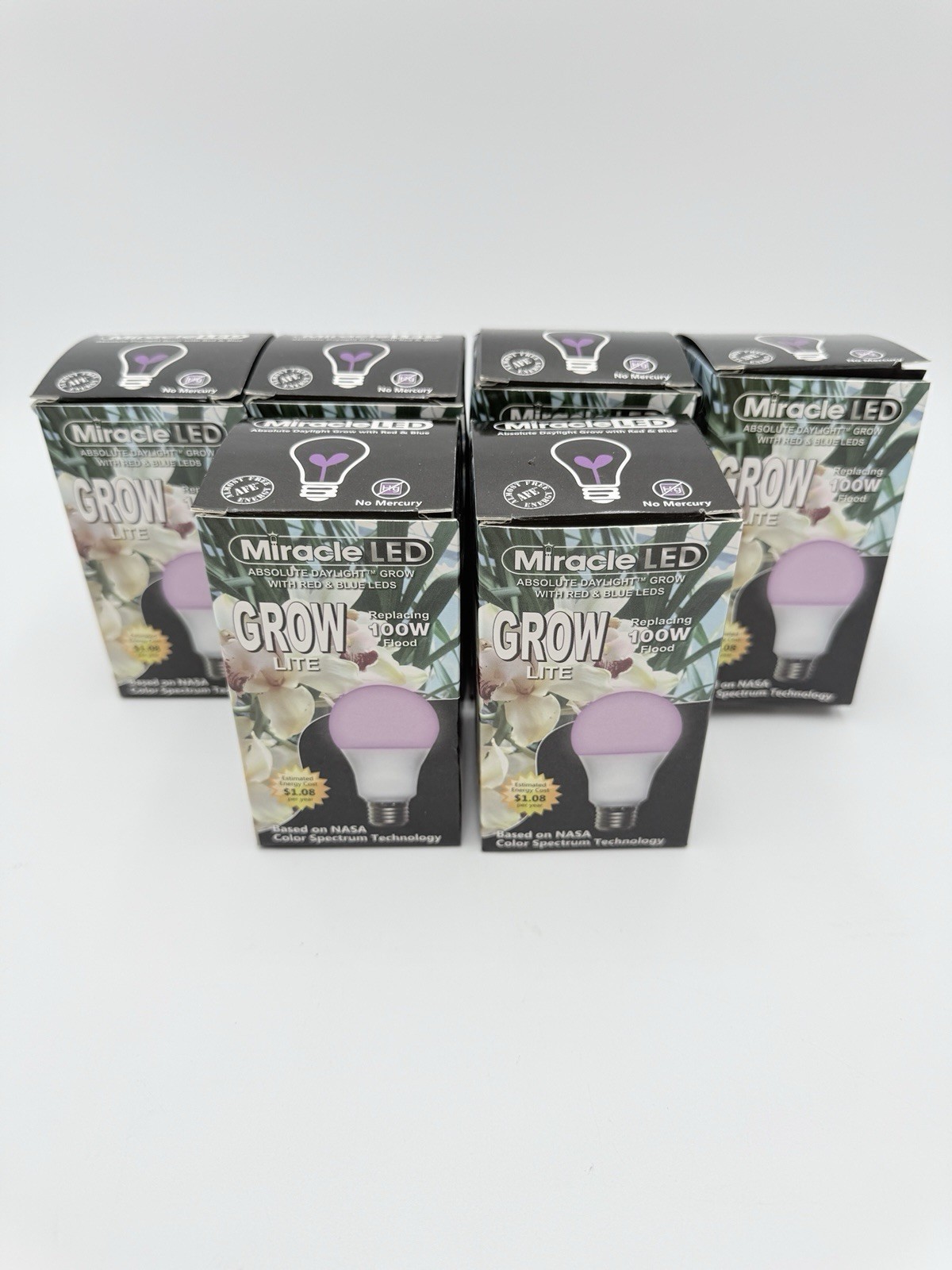
A grow box kit bundles a contained growing environment—typically a tent or cabinet, LED lighting, ventilation, and sometimes hydroponic hardware—into one purchase. The core trade-off is between complete kits with matched components (easier setup, less flexibility) and modular kits where light quality and enclosure thickness determine real yield. Choose a kit with full-spectrum dimmable LED output and a sturdy, light-proof enclosure; skip kits that pair weak blurple LEDs with thin film enclosures.

Buying guide image
Chicken Fencing & Egg Handling

Plastic Chicken Wire Mesh

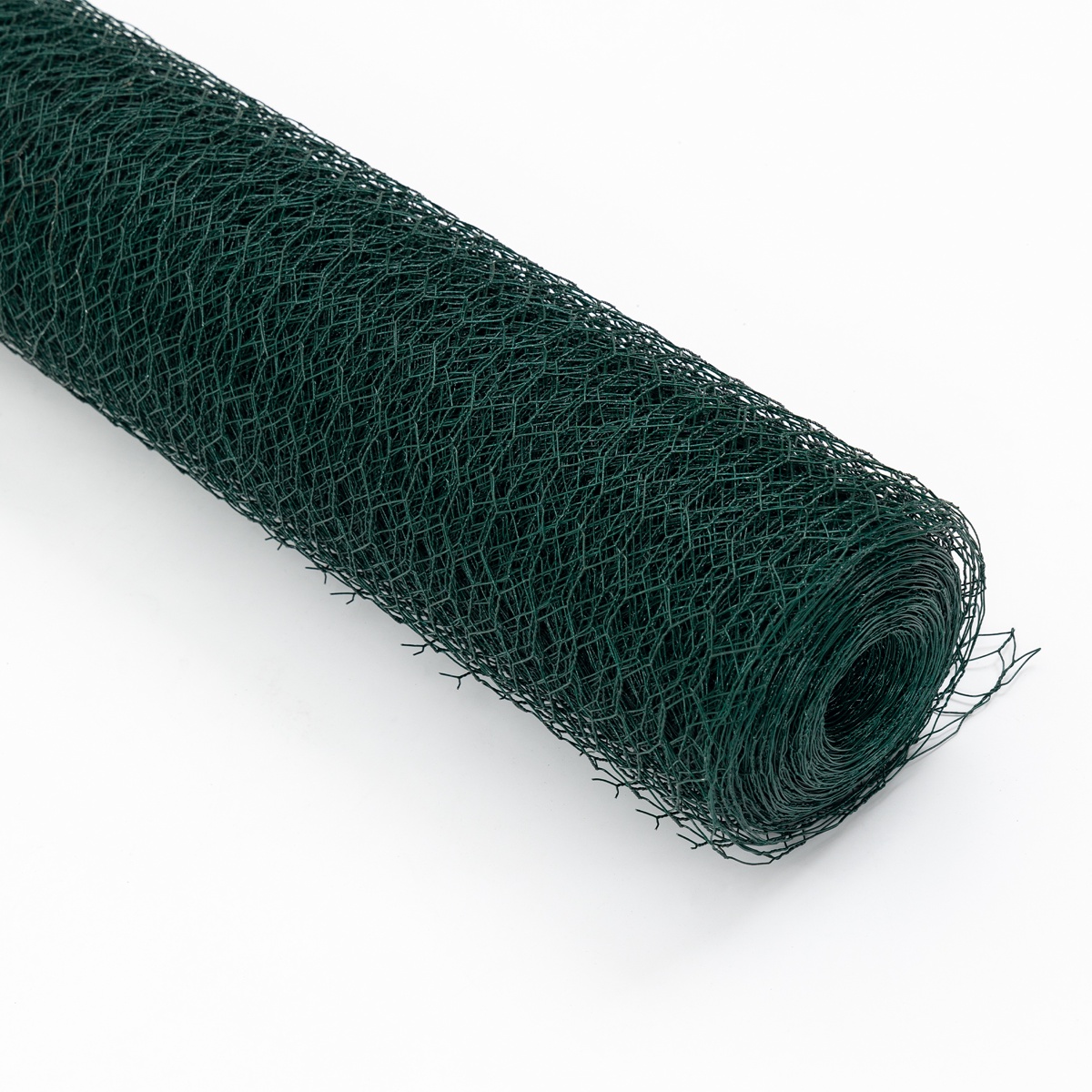
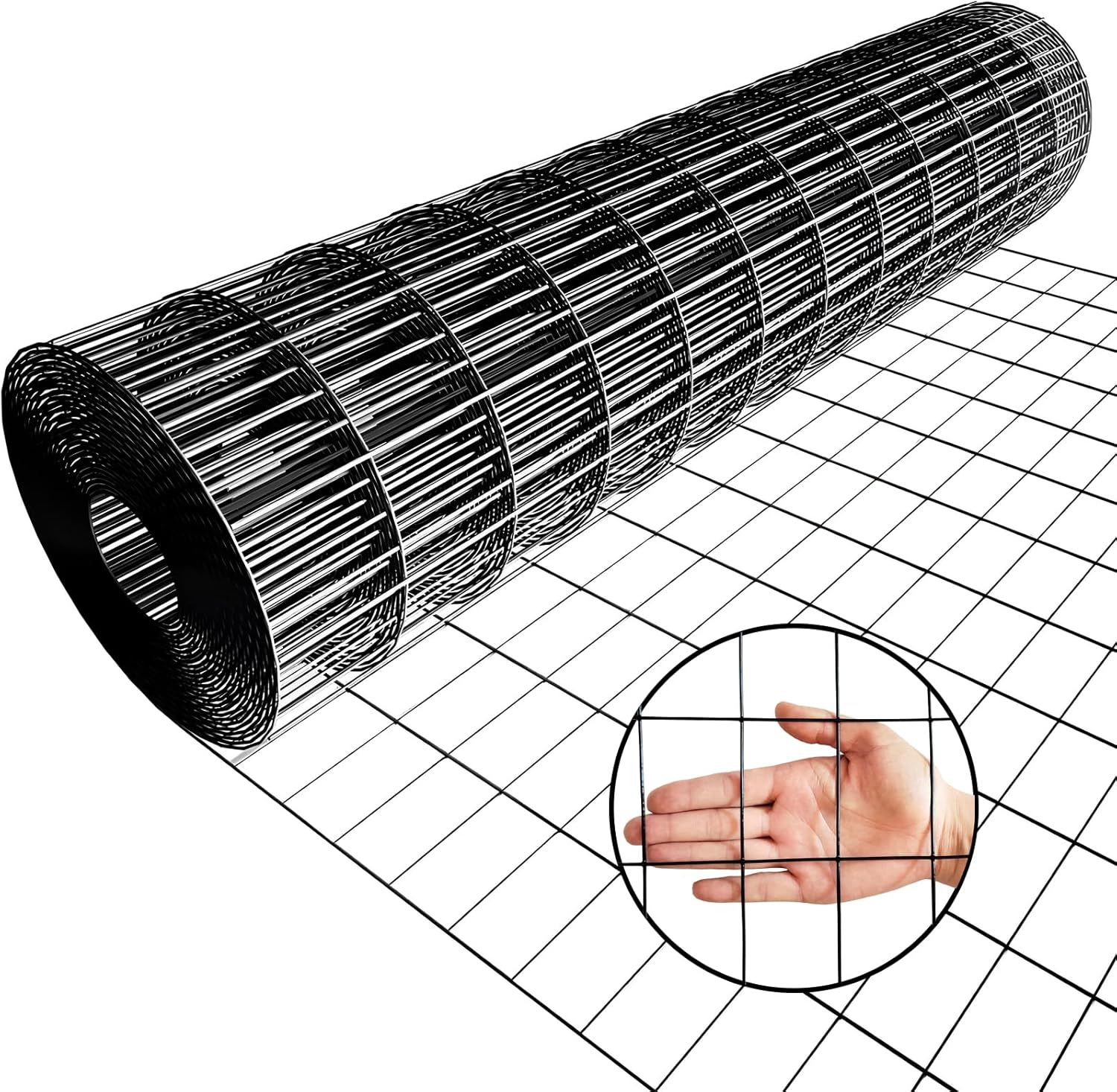
Plastic chicken wire mesh is a lightweight, corrosion-proof exclusion mesh for poultry runs, garden beds, and light-duty animal barriers. The core trade-off is polymer grade and UV stabilization versus cost: commodity polyethylene or PVC netting degrades and embrittles after one to two seasons of sun exposure, while UV-stabilized HDPE or reinforced polymer mesh holds shape for years. The decision rule is simple: buy only UV-stabilized HDPE or PP mesh with a stated mesh aperture and roll weight, and reject any netting sold only by nominal length with no polymer or UV rating.

Buying guide image
Watering & Irrigation

Garden Hose Reel

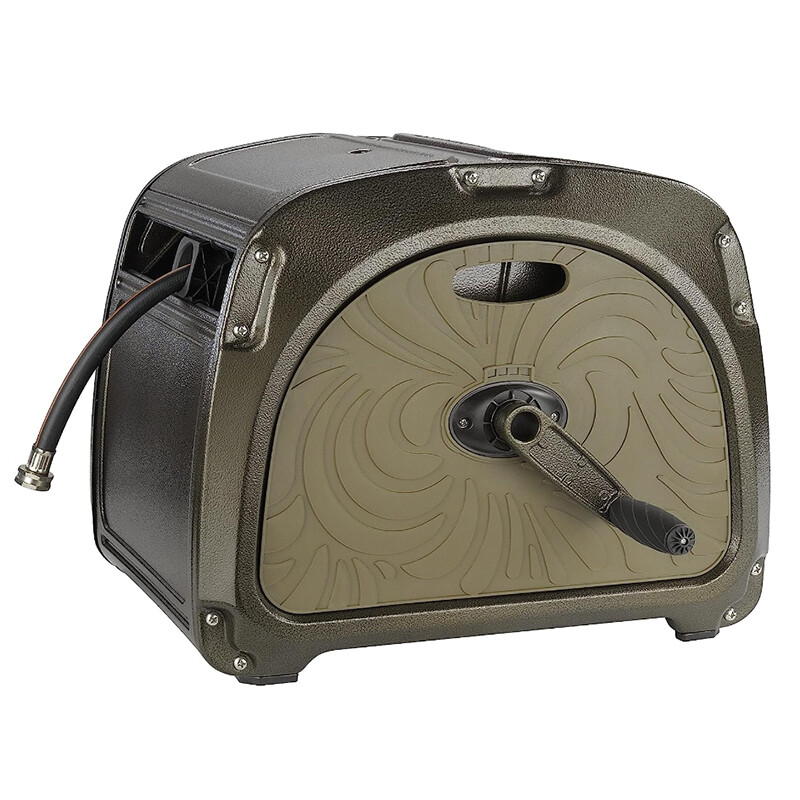
Garden hose reels fall into three architectures—wall-mounted retractable, wheeled cart, and stationary metal—each trading capacity and portability against durability and hose protection. The key engineering fork is reel construction (powder-coated steel vs. resin) and hose capacity matched to your actual run length, not the catalog maximum. Buy a cart if you irrigate multiple zones and need 5/8-inch flow; buy a wall retractable if you have one primary spigot and want zero-lift storage; skip resin reels for full-sun or freeze-prone sites.

Buying guide image
Chicken Coops & Runs

Automatic Chicken Coop

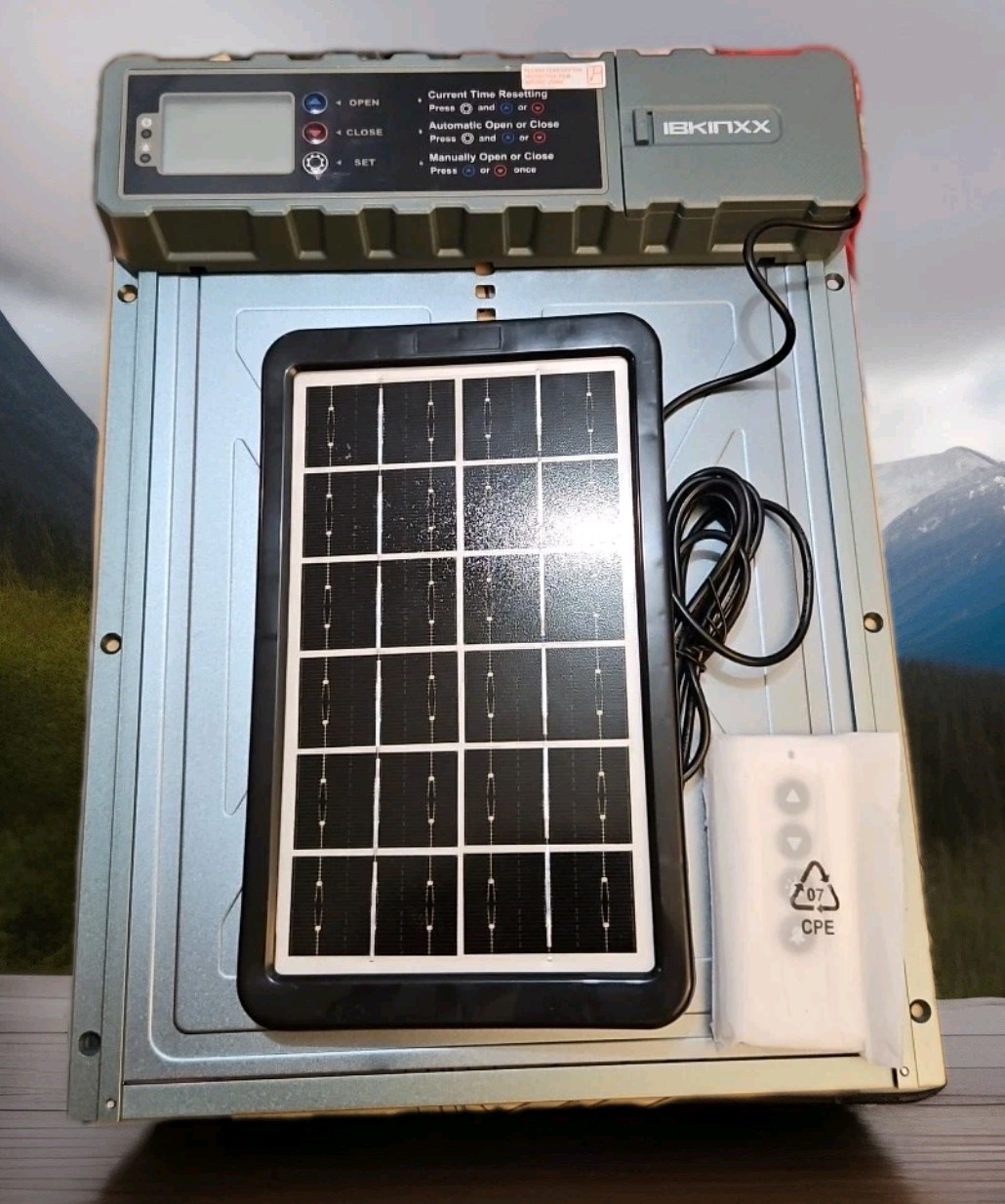
An automatic chicken coop door is a motorized opener that replaces manual latch duty, using light sensors, timers, or remotes to secure the flock at dusk and release them at dawn. The decisive trade-off is actuator and sealing quality: cheap plastic gears and loose weather seals fail within a season, while aluminum-bodied units with anti-pinch sensing and metal gearing last for years. Buy a door rated for your opening size with a hardwired or solar-charged power path and mechanical anti-pinch; skip any unit with nylon gears or a sensor-only trigger and no manual override.

Buying guide image
Raised Garden Beds & Planters

Large Planter Box Outdoor

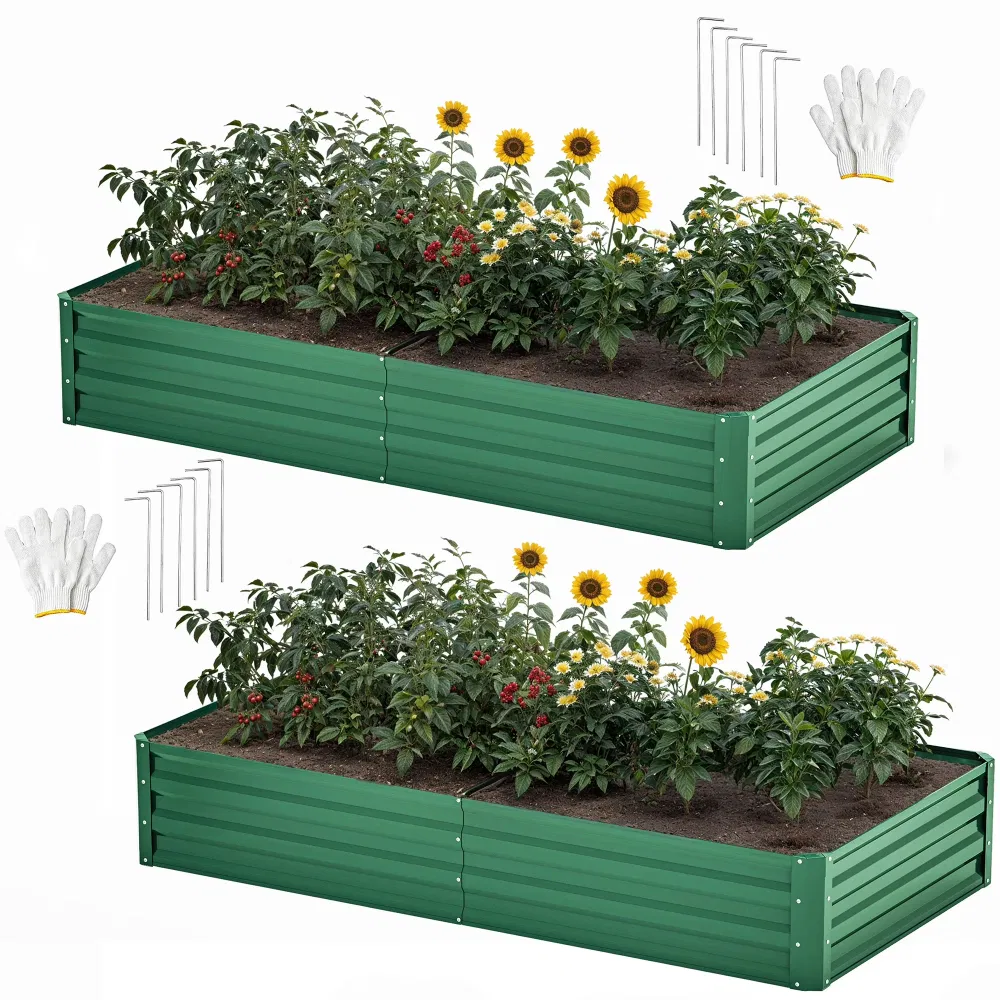
Large outdoor planter boxes are freestanding growing containers—typically 4–10 ft long and 18–36 in deep—built from galvanized metal, rot-resistant wood, or HDPE. The core trade-off is soil volume and drainage against material thickness and corrosion protection: thin 0.5–0.8 mm stamped panels dent and rust at cut edges, while 1.0–1.2 mm corrugated or folded-seam steel with rubber edge trim holds shape for a decade. Buy metal when you want maximum volume per dollar and fast drainage; buy wood or HDPE when you need insulation, custom sizing, or a softer visual footprint.

Buying guide image
Garden Fencing & Privacy Screens

Privacy Divider

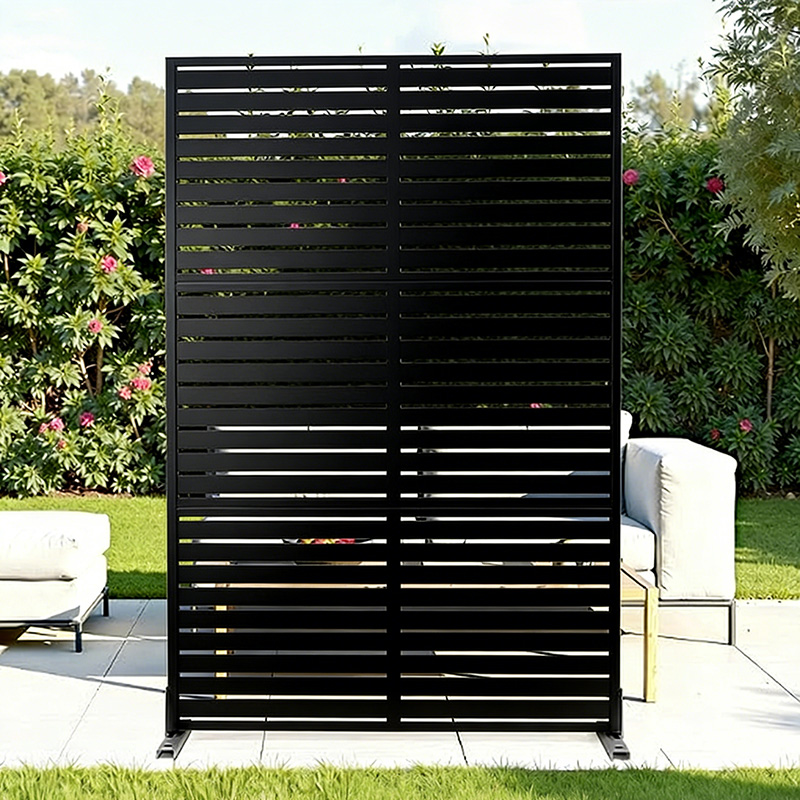
Privacy dividers are freestanding or surface-mounted panels that block sightlines without requiring permanent construction. The core trade-off is between rigid metal or composite frames that resist wind and stay put, and lightweight folding or artificial-foliage screens that are portable but need anchoring or weight. Choose a rigid anchored panel for permanent outdoor screening; choose a folding or faux-hedge panel only for temporary or decorative indoor/sheltered use.

Buying guide image
Pools & Spas

Outdoor Pond Liner

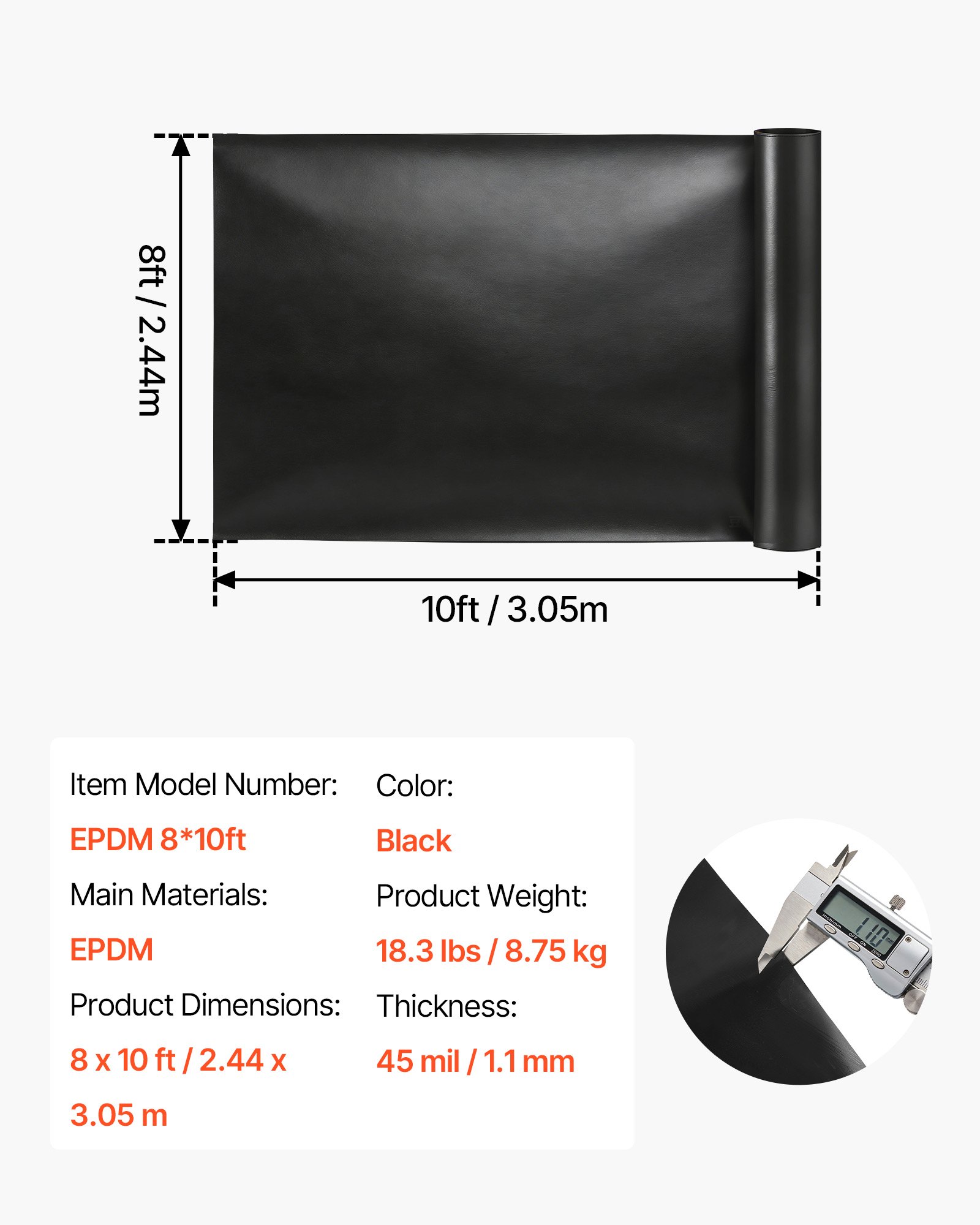
An outdoor pond liner is the waterproof membrane that forms the basin of a garden pond, and the core trade-off is material durability versus cost: 45 mil EPDM rubber lasts decades while thin reinforced PE is a budget short-term option. The decision rule is simple—choose 45 mil EPDM for any pond meant to hold fish, koi, or stay in place long-term, and use 14 mil three-layer PE only for temporary or decorative water features.

Buying guide image
Pools & Spas

Pond Liner

A pond liner is the waterproof membrane that contains water in a garden pond, and the decisive trade-off is material grade versus cost: 45-mil EPDM rubber delivers 20-30 years of fish-safe, UV-stable service, while 14-mil reinforced PE is a budget water-garden film with a 5-10 year realistic lifespan. Buy 45-mil EPDM for permanent koi or fish ponds with rockwork, and reserve 14-mil reinforced PE for seasonal or small ornamental water features where the liner stays fully covered.

Buying guide image
Beehives & Frames

Window Bee Hive

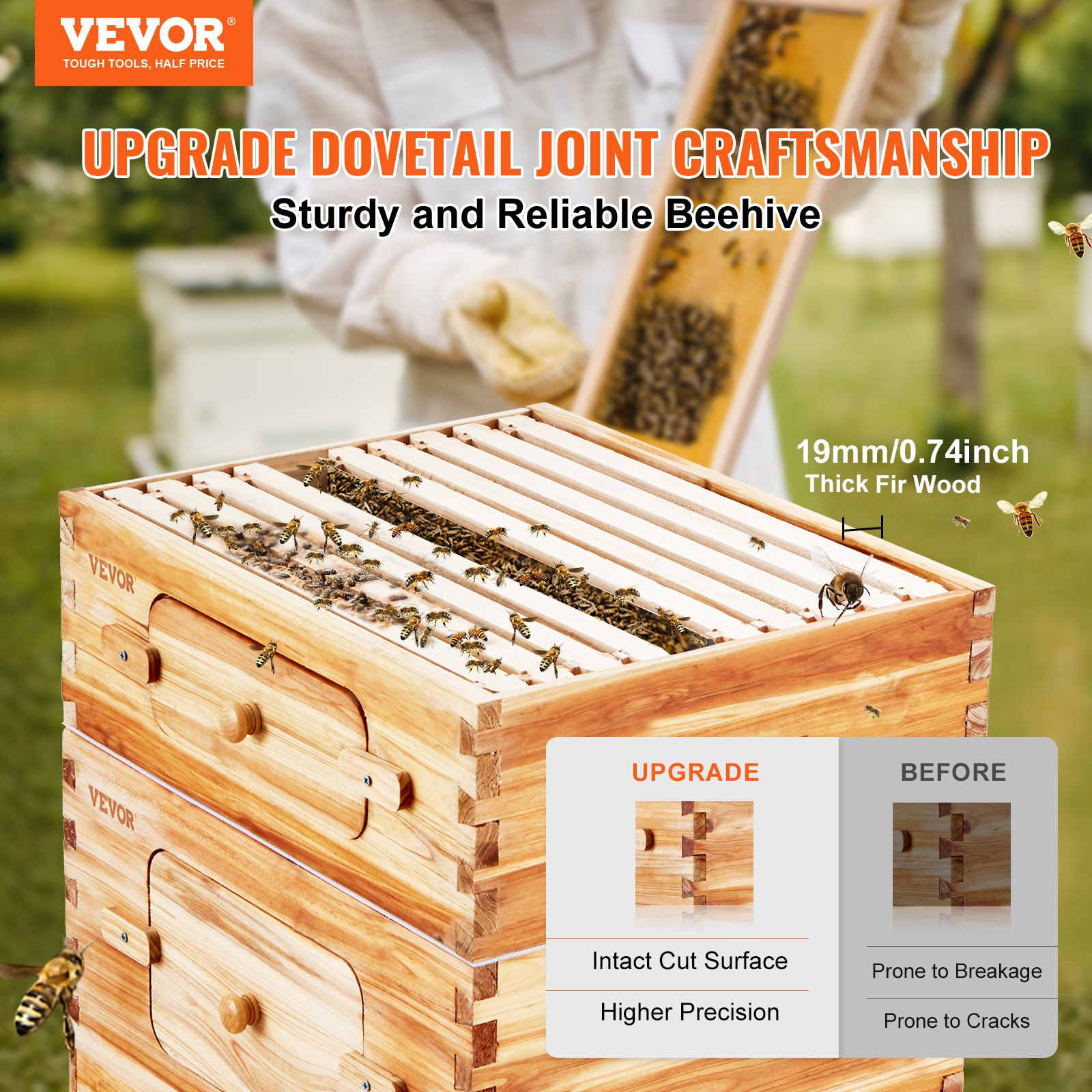
A window bee hive is a Langstroth-style hive box fitted with transparent acrylic or glass panels so beekeepers can inspect colony activity without pulling frames. The primary trade-off is observation convenience versus structural integrity and insulation: thin acrylic windows and uncoated wood weather poorly, while properly joined, beeswax-coated cedar with framed acrylic panes lasts for seasons. Choose a hive with genuine Langstroth dimensions, at least 3/4-inch solid wood walls, and reinforced window seals; skip decorative or non-standard boxes that accept no standard frames.

Buying guide image
Outdoor Structures, Shade & Awnings

10 X 6 Metal Shed

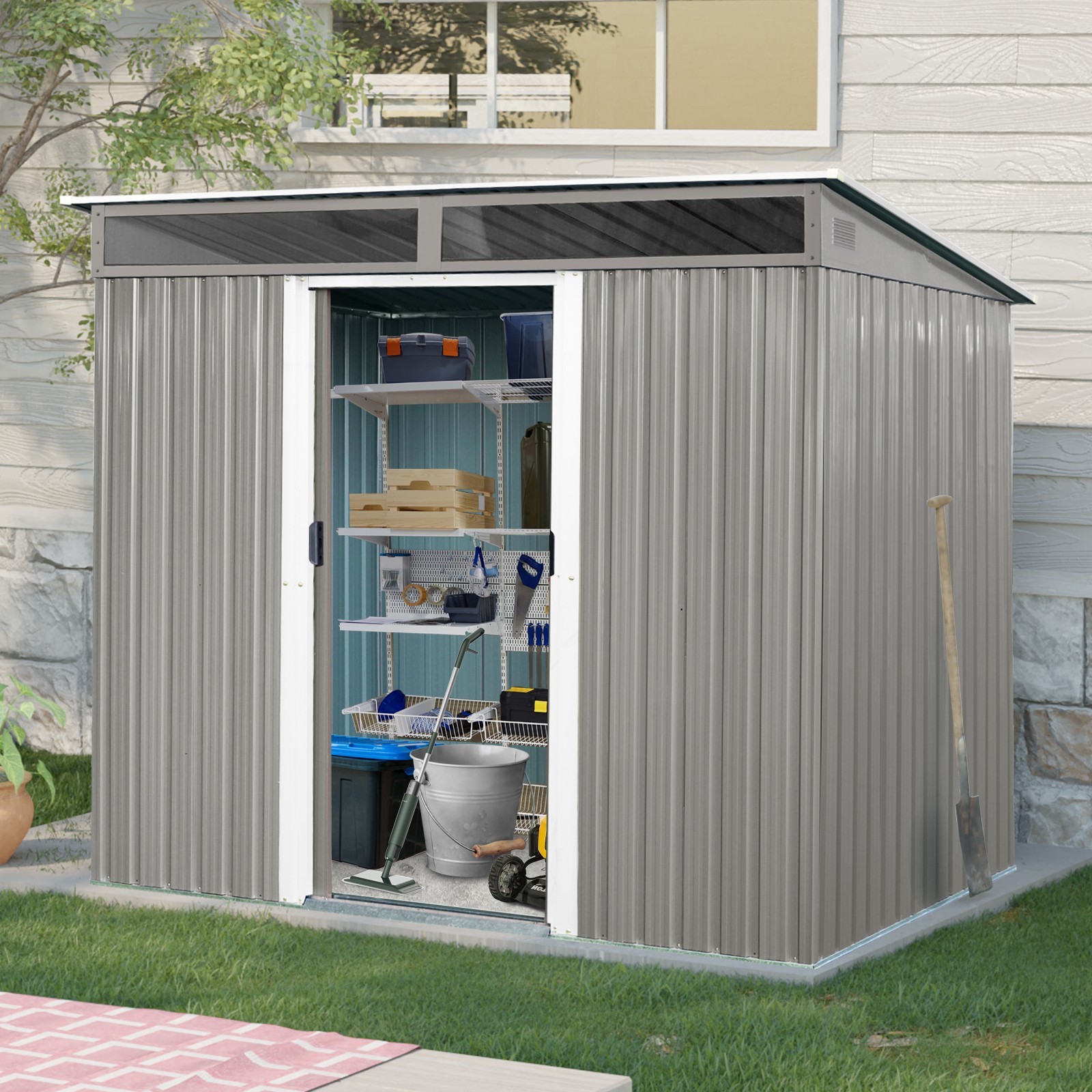
A 10 x 6 metal shed is a narrow-footprint storage building for gardens, patios, and side yards where depth is limited but length is available. Buyers often misjudge the difference between nominal dimensions and actual footprint, or assume a thin steel panel will resist denting. Focus on panel gauge, frame bracing, and door type — these determine whether the shed survives wind and daily use.

Buying guide image
Outdoor Structures, Shade & Awnings

Side Awning

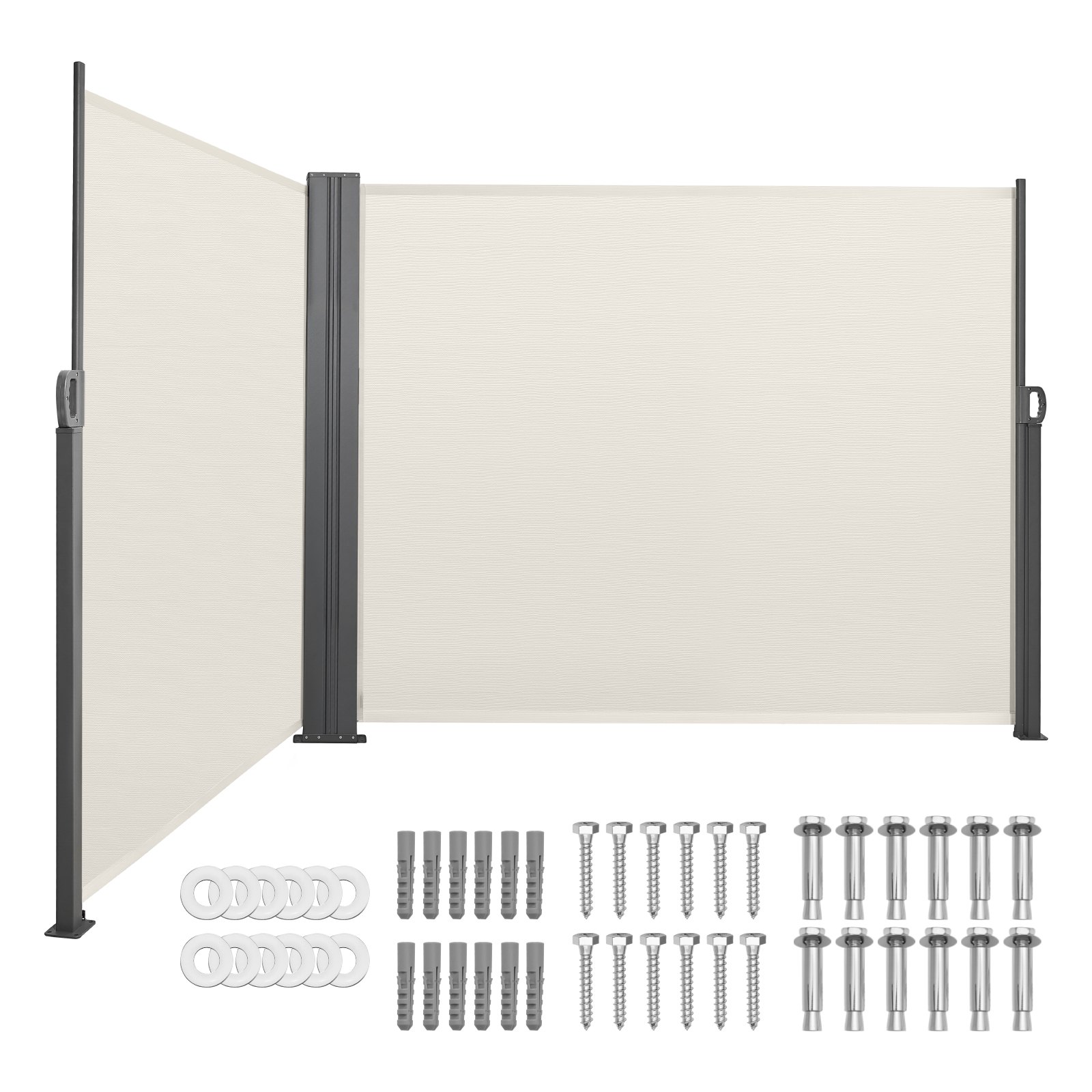
A side awning is a retractable vertical privacy screen that mounts to a wall or post to block low-angle sun and neighbor sightlines on patios, balconies, and decks. Buyers typically get the size wrong by measuring only the opening, not the mounting surface and the fabric drop, and they underestimate how much wind load a fully extended screen takes. The retractable cassette mechanism, fabric weight, and post anchoring determine whether it lasts one season or ten.

Buying guide image
Garden Fencing & Privacy Screens

Decorative Outdoor Privacy Screen

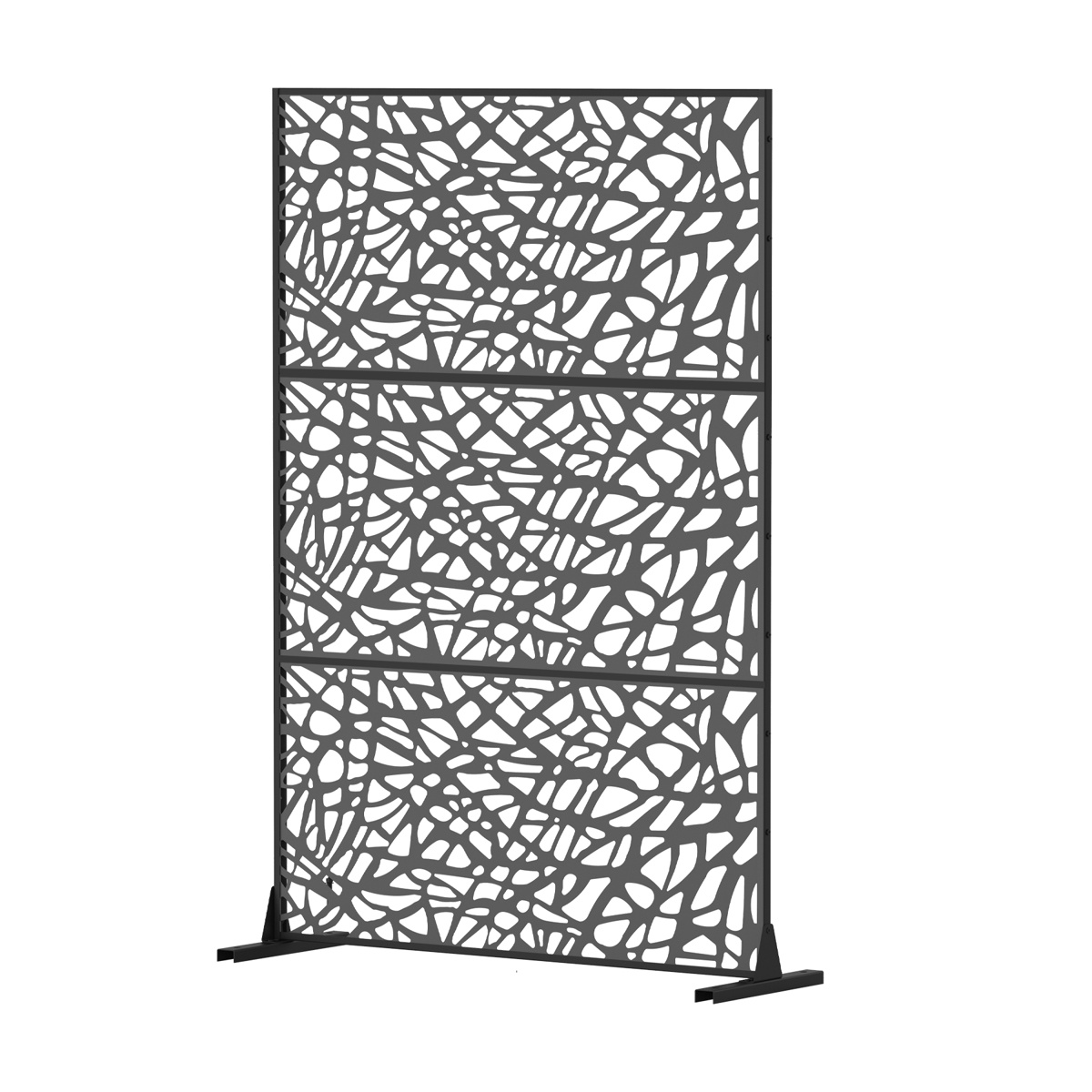
Decorative outdoor privacy screens combine visual screening with ornamental design, typically using laser-cut steel or aluminum panels rather than solid wood or fabric. The core trade-off is between open ornamental patterns that provide partial privacy and wind permeability versus louvered or solid panels that block sightlines but need sturdier anchoring. Choose powder-coated steel or aluminum with freestanding bases for patios; skip thin gauge metal or plastic panels for exposed windy sites.

Buying guide image
Chicken Coops & Runs

Automatic Chicken Cage

An automatic chicken cage is really a coop plus a motorized door or litter system, and the automation tier determines whether you save minutes or just add a failure point. Buyers often fixate on the motor while ignoring door torque, frame rigidity, and predator gaps that make or break daily reliability.

Buying guide image
Patio Furniture

Wicker Lounge Chair

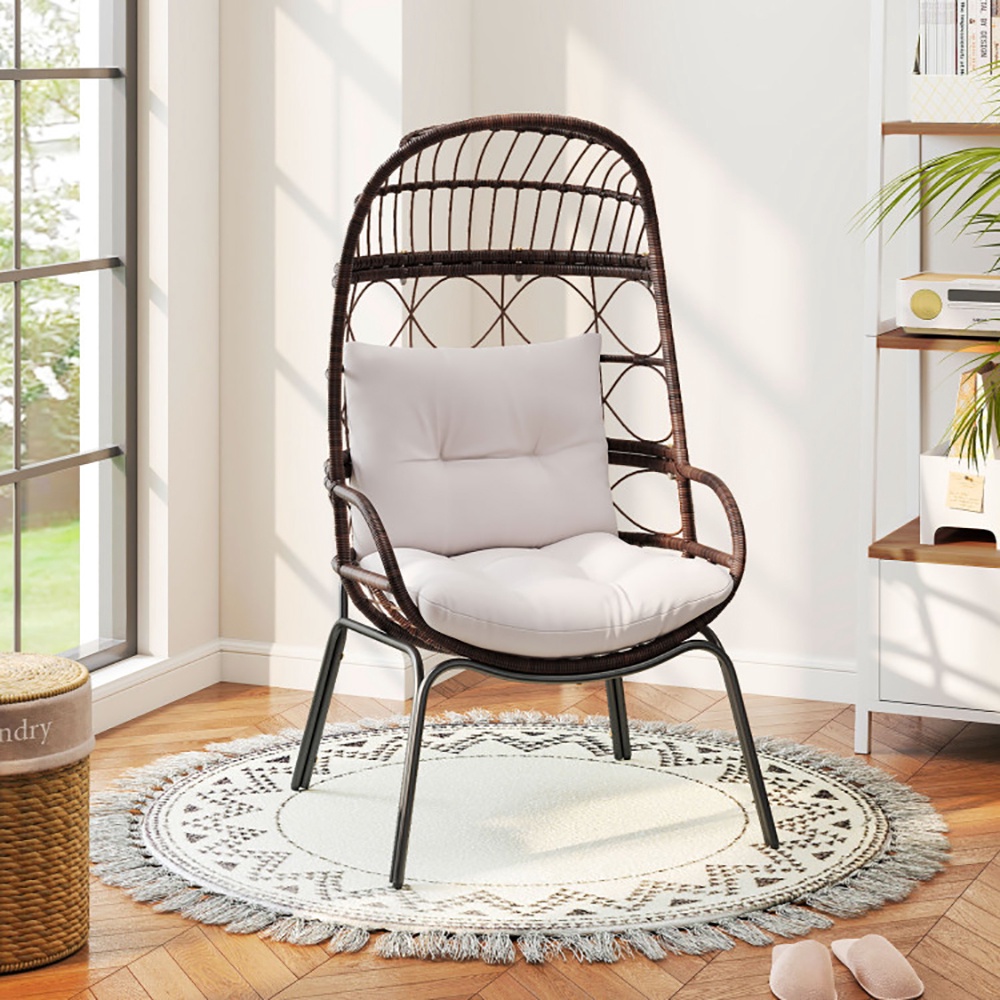
Wicker lounge chairs range from stationary egg baskets to multi-position chaise recliners, and the frame material under the weave dictates how long the piece survives sun and rain. Shoppers most often err by buying a decorative resin-wicker shell with no UV rating and a mild-steel frame that rusts within two seasons. Decide first whether you need a fixed reading seat or a flat-lying recliner, then match weave grade, frame metal, and cushion thickness to your climate and body size.

Buying guide image
Honey Extraction & Packaging

Bee Honey Extraction

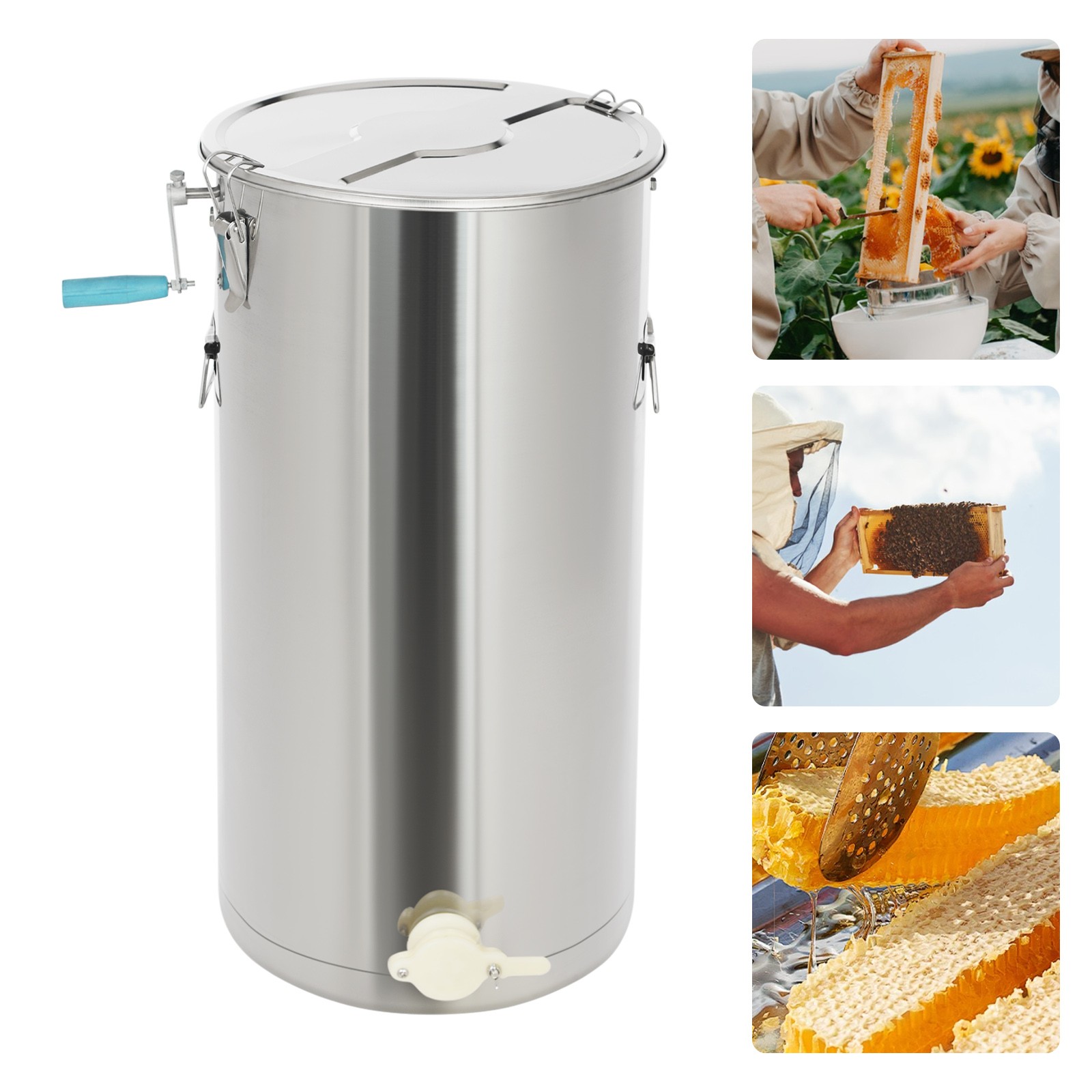
Effective bee honey extraction hinges on matching the extractor's frame capacity and drive type to your apiary size and frame standard, not on buying the largest unit available. Most beginners lose time and honey by choosing a tangential extractor for more than a few hives or by ignoring the critical difference between Langstroth deep and medium frame dimensions. This guide covers the real engineering choices—motor type, drum material, frame orientation, and strainer configuration—that determine yield, clarity, and long-term durability.

Buying guide image
Honey Extraction & Packaging

Bee Honey Extractor

A honey extractor is the single largest capital purchase most small-scale beekeepers make, and frame capacity, drive type, and drum material determine whether it pays for itself or becomes a rusty frustration. Buyers commonly oversize the drum but undersize the gate and forget that a 2-frame manual unit only makes sense for one or two hives, while tangential versus radial loading changes how much handling each harvest costs you.

Buying guide image
Chicken Fencing & Egg Handling

6 Chicken Wire

Six-gauge chicken wire is a light-gauge hexagonal mesh used for temporary garden barriers, trellis support, and small-animal containment—not predator-proof perimeter fencing. The core trade-off is wire gauge versus opening size: thinner wire (20-22 ga) is cheap and easy to cut but deforms under any load, while 18-gauge or heavier (often galvanized) resists bending and lasts multiple seasons. The decision rule: buy 6-gauge or 18-gauge galvanized for structural garden use; skip 20-22-gauge 'chicken wire' for anything that must stop a determined animal or hold shape.

Buying guide image
Chicken Coops & Runs

Automatic Chicken House

An automatic chicken house solves the daily open-close chore, but reliability hinges on the door mechanism, power source, and predator-proofing—not just the automation label. Buyers often overlook how the door interfaces with their specific coop framing and whether the opener senses resistance, which determines whether a bird gets trapped or a raccoon gets in.

Buying guide image
Chicken Coops & Runs

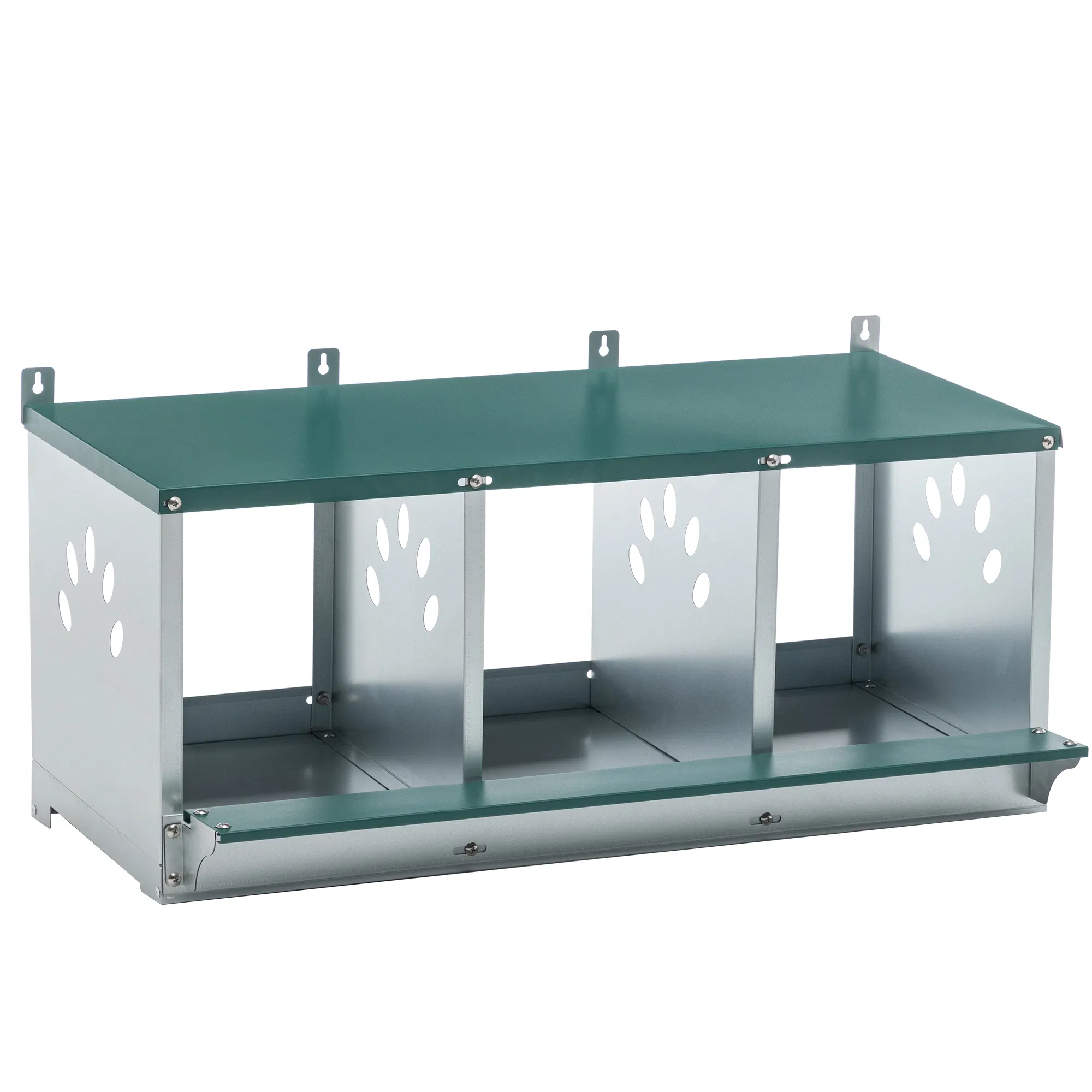
Chicken Coop Egg Box

A chicken coop egg box (nesting box) is the dedicated laying station that keeps eggs clean, uncracked, and easy to collect while reducing hen stress and floor-laying. The core trade-off is roll-out collection convenience versus litter retention: sloped roll-away floors and baskets channel eggs to a front tray, while flat deep-bedded boxes keep hens calmer but demand more bedding and hand collection. Buy a sloped roll-out box with a rear or front egg tray and a ventilated, dark, dry enclosure; skip open flat boxes if you want clean eggs with minimal daily labor.

You may also like

Finding more guides for you…