GardenPulse Guide

GardenPulse Guide

Garden, Yard & Outdoor Living Reviews & Buying Guides

Compare garden, yard & outdoor living by use case, features, trade-offs, price, returns, and seller terms before you buy.

Buying guides

Buying guide image
Raised Garden Beds & Planters

Herb Planter

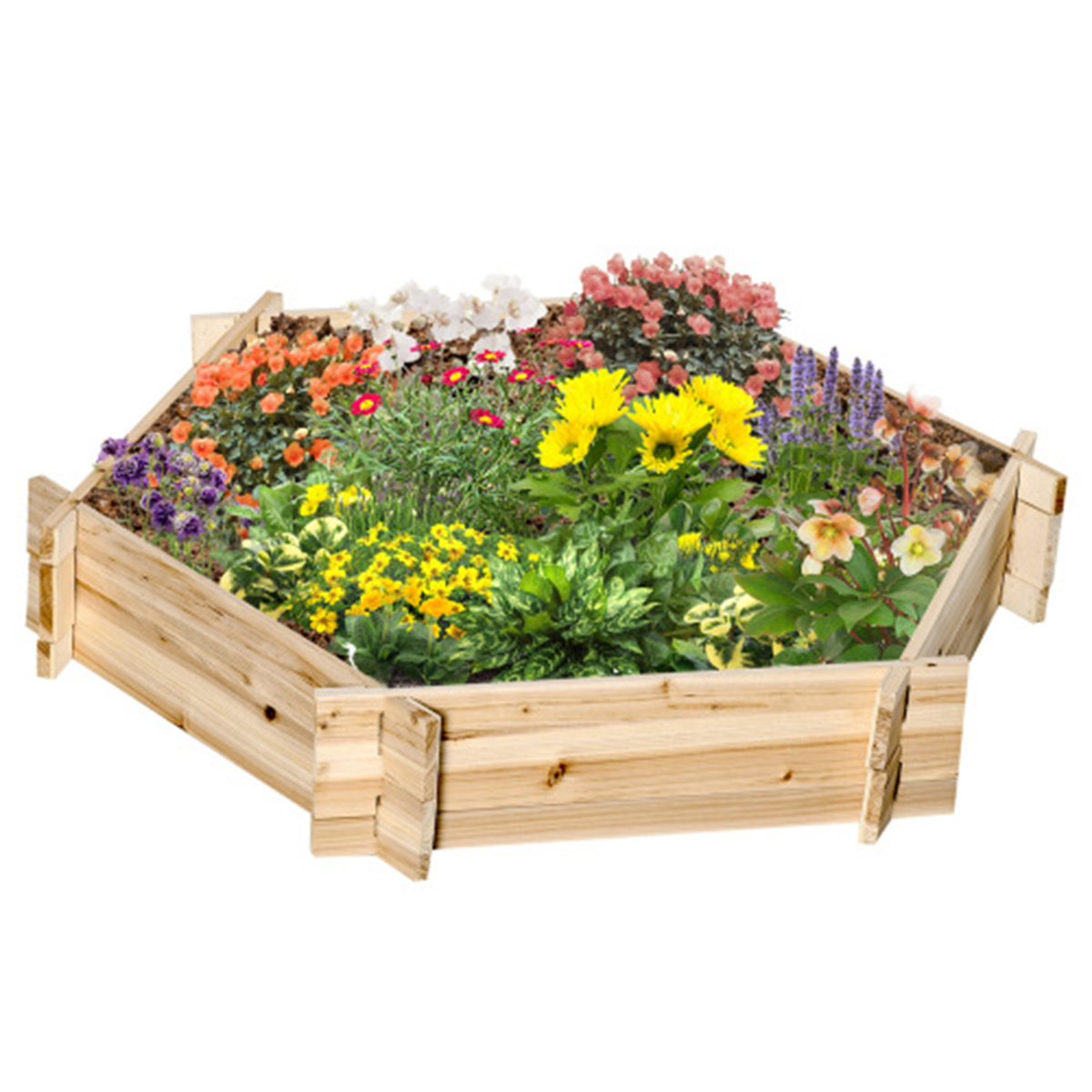
Herb planters range from small countertop pots to elevated raised beds, but the core trade-off is moisture control versus root aeration: sealed self-watering reservoirs suit thirsty herbs like basil and mint, while free-draining wood or fabric beds prevent rot in woody herbs like rosemary and thyme. Choose a planter with a defined drainage path, food-safe liner, and a depth that matches your herb's root habit; skip decorative boxes with no drainage or untreated softwood that fails within two seasons.
Buying guide image
Chicken Coops & Runs

Extra Large Chicken Coop

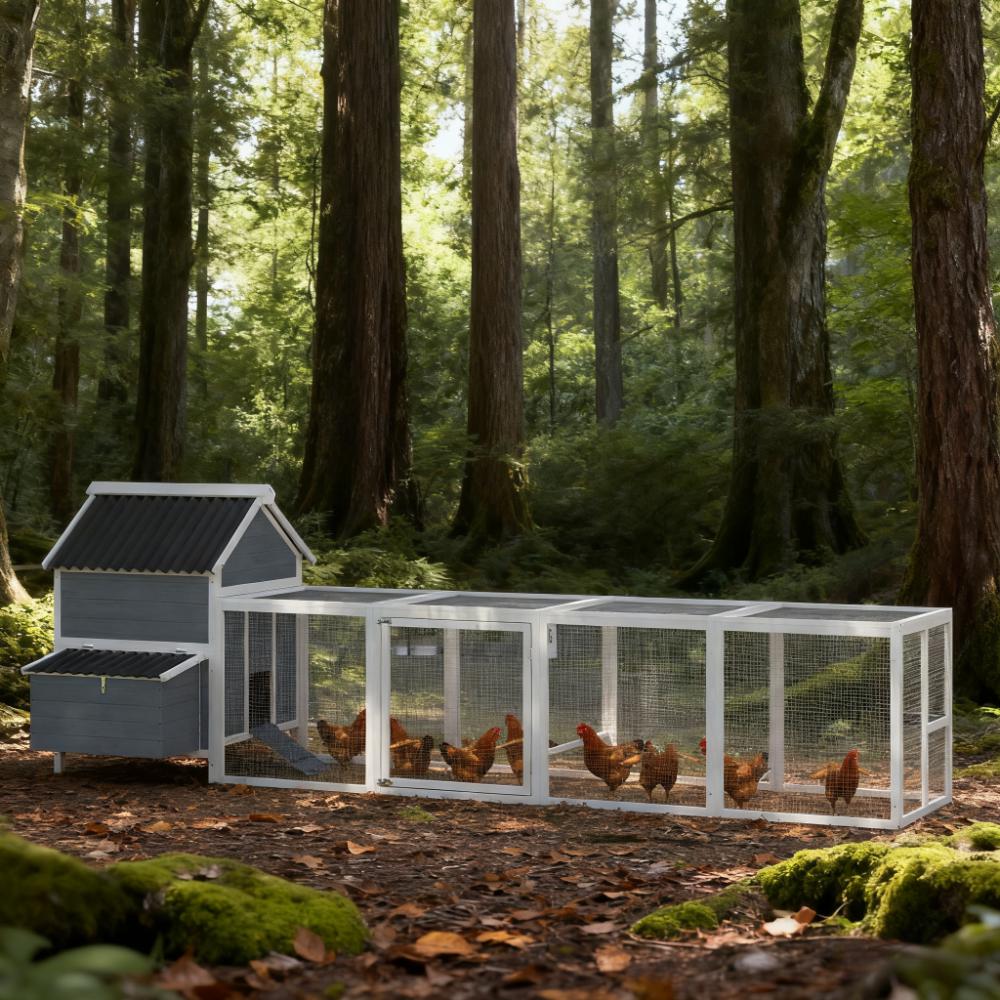
An extra-large chicken coop is a wooden or metal structure sized to house 10–15 standard hens, combining a raised enclosed house with an attached run. The critical trade-off is between advertised bird capacity and real usable floor area, ventilation, and predator-grade hardware—most budget coops overstate capacity by counting roost space as floor space. The decision rule: buy by square footage and mesh gauge, not by the bird count in the title.

Buying guide image
Outdoor Structures, Shade & Awnings

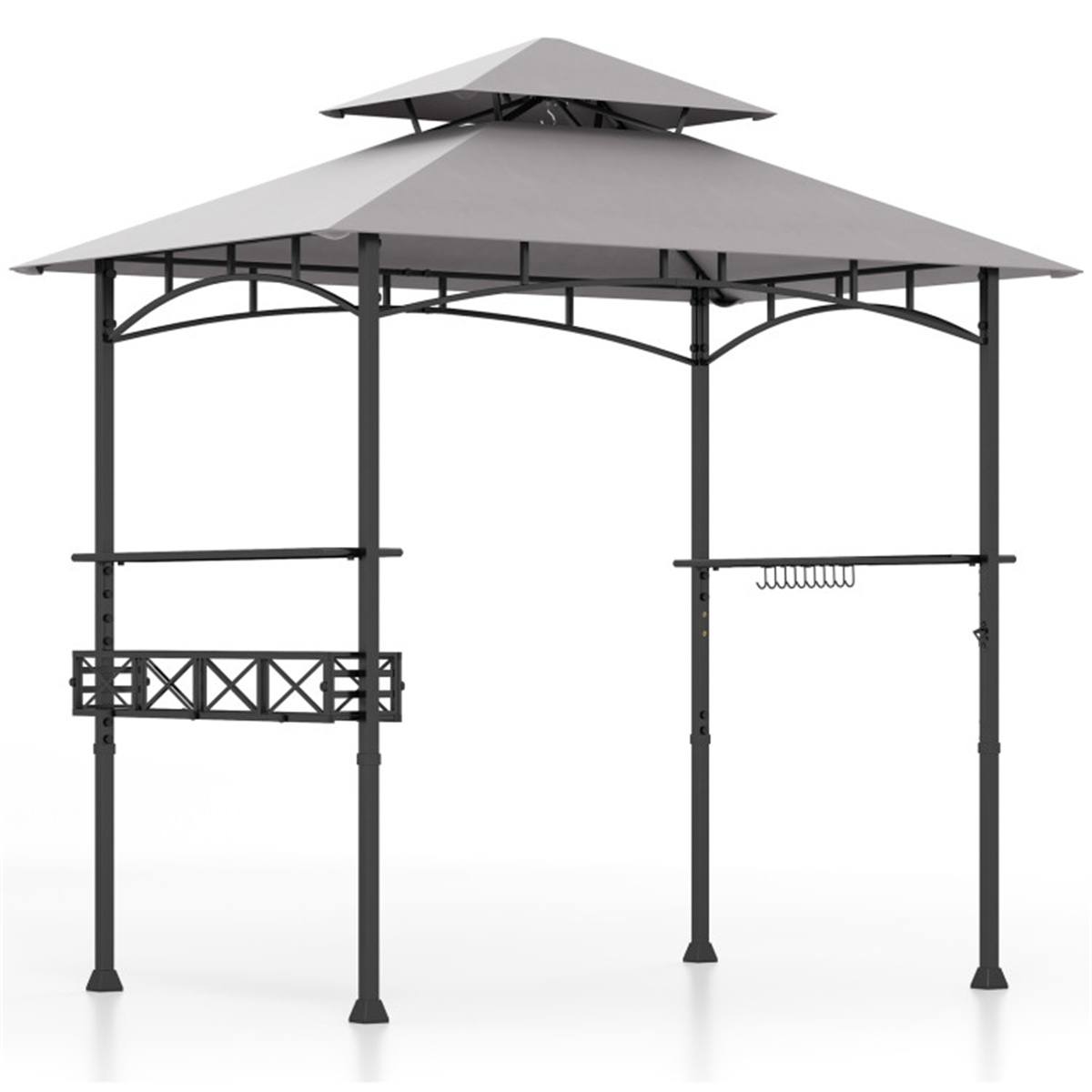
Grill Gazebo

A grill gazebo has to do two jobs at once: protect a hot, smoking cooktop from rain and direct sun while keeping enough open airflow that you can actually stand at the grill. Most buying mistakes come from treating it like a patio gazebo—choosing a soft polyester top for year-round use, undersizing the footprint so the lid and side shelf hit the frame, or forgetting that a 10' x 10' footprint needs a flat, anchored base. Decide first whether you need a portable canopy for tailgates and seasonal deck use or a fixed hardtop structure that stays up through winter, then size the frame to your grill plus clearance.

Buying guide image
Chicken Coops & Runs

Solar Chicken Door

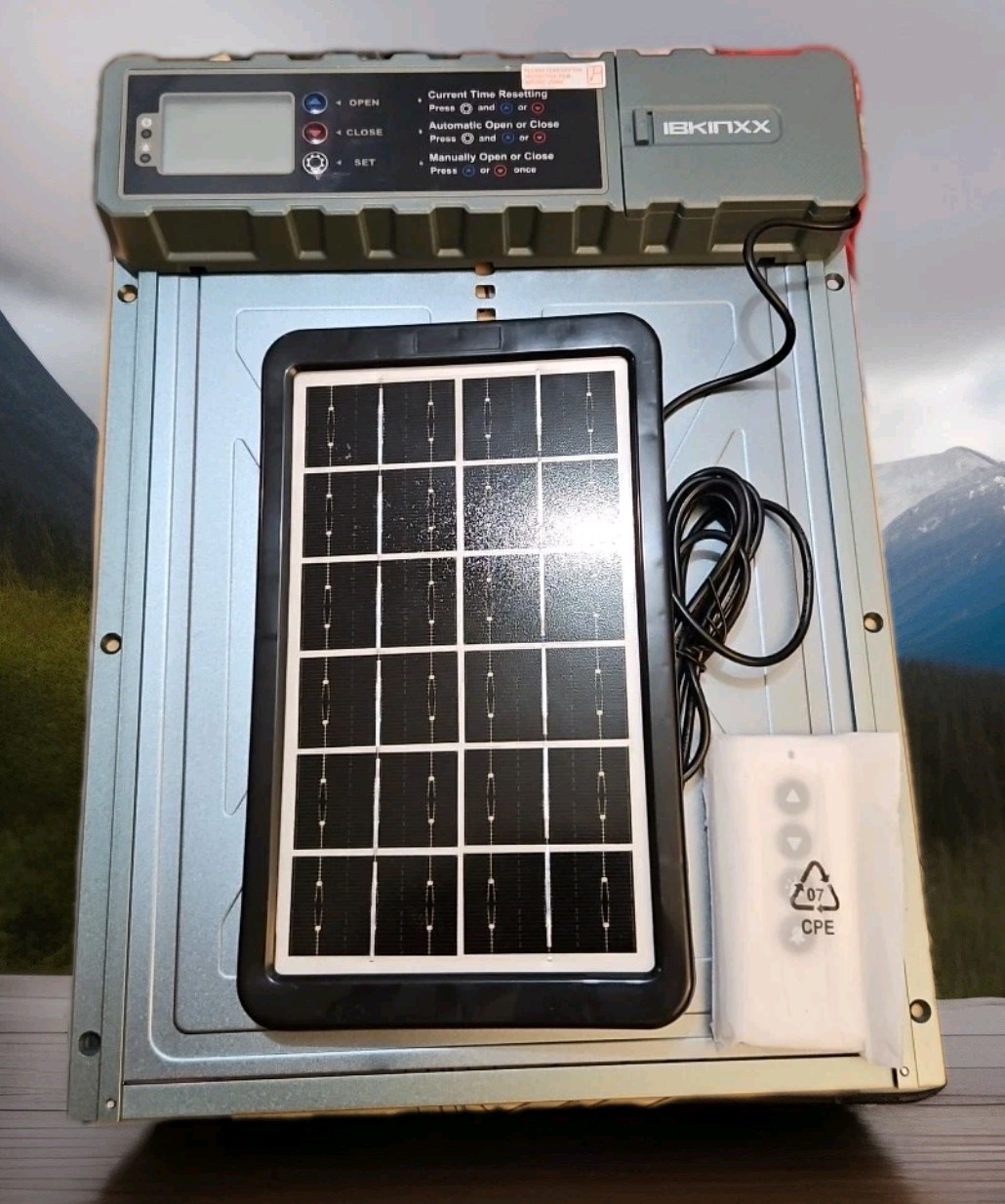
A solar chicken door eliminates daily dawn/dusk manual coop duty, but success depends on matching the door's opening height to your flock size and the panel's daily yield to your latitude and shade. Cheapest kits use light-sensor-only logic and a small amorphous panel, while better units add timers, anti-pinch reversal, and a crystalline panel that keeps the battery charged through overcast weeks. Buying mistakes center on undersized openings, mounting the panel in coop shadow, and assuming a light sensor alone handles short winter days.

Buying guide image
Patio Furniture

Wrought Iron Patio Furniture

Wrought iron patio furniture is heavy, welded outdoor seating and tables made from low-carbon iron (often called wrought iron or tubular steel with iron welds), prized for stability and classic scrollwork—but the real trade-off is between solid, fully welded frames and thin-gauge, bolted or hollow-tube imitations. Durable pieces use 1.5–2.0 mm wall thickness, full-penetration welds, and a zinc-phosphate plus powder-coat finish; skip anything with visible weld gaps, hollow legs under 1.2 mm, or a single thin paint layer that chips to bare metal.

Buying guide image
Watering & Irrigation

PVC Drip Irrigation

PVC drip irrigation is the permanent, buried-main architecture for gardeners who want a set-and-forget system that survives UV, mowers, and freeze cycles—unlike poly tubing. Buyers get tripped up by mixing pressure classes, solvent-weld mistakes, and assuming PVC needs no filter; planning the zone layout and emitter count before sizing pipe is the difference between even watering and dry corners.

Buying guide image
Watering & Irrigation

Flower Bed Irrigation System

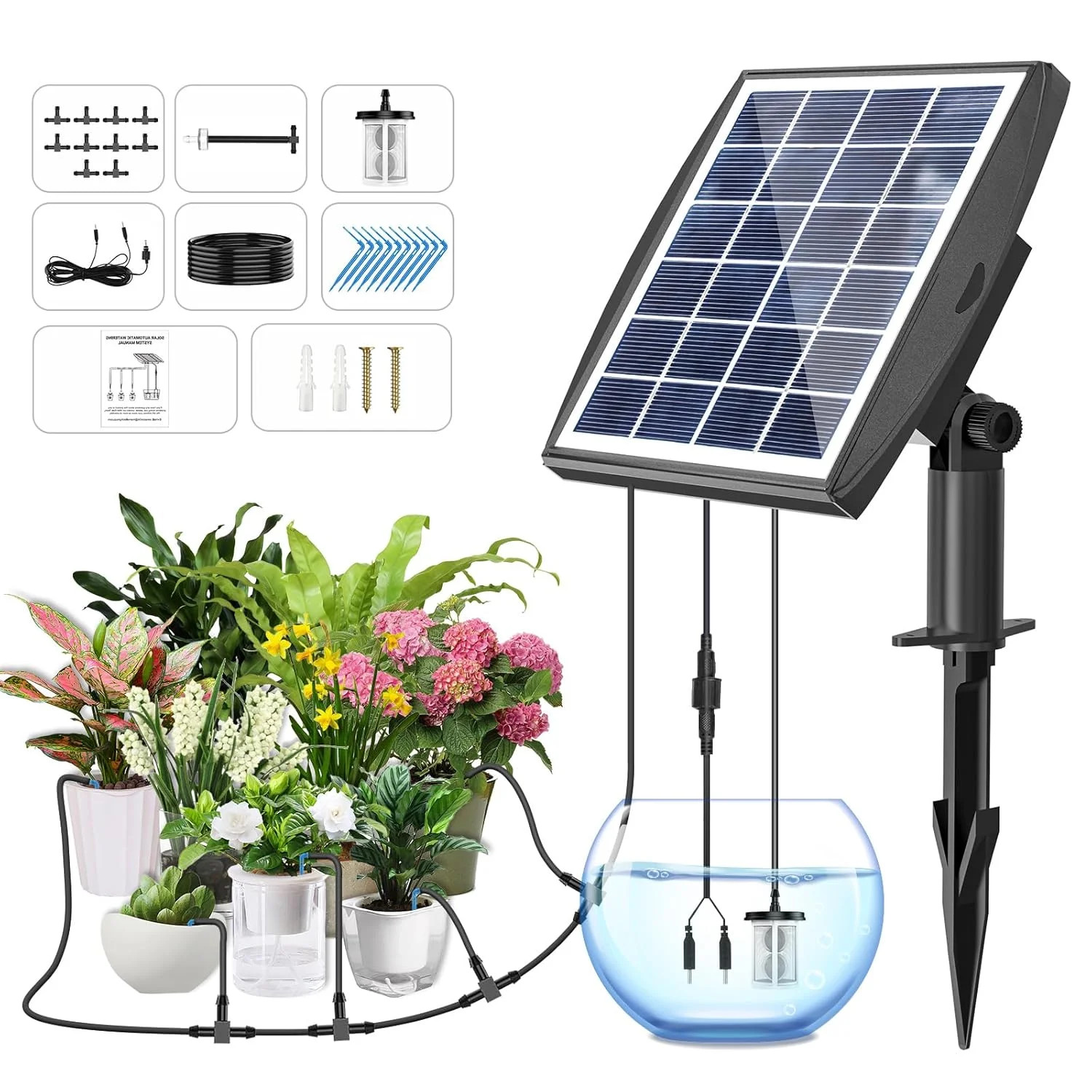
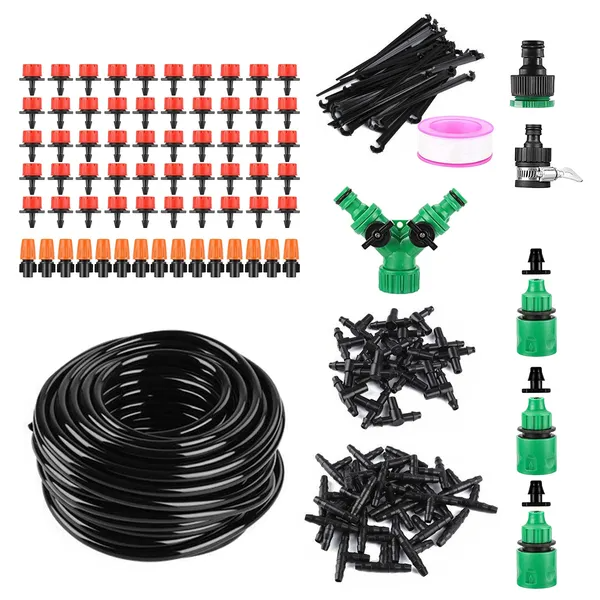
Flower bed irrigation succeeds or fails on three things: whether the emitter type matches your plants' water needs, whether the kit's pressure source and tubing length can cover the bed evenly, and whether the fittings actually match your outdoor faucet. Most disappointed buyers pick a misting kit for a soil-watering job, or buy a 100 ft kit for a bed that needs 150 ft of lateral run and end up with weak flow at the far end. This guide separates drip, micro-spray, and misting architectures and gives you the sizing and compatibility rules to pick the right tier the first time.

Buying guide image
Outdoor Structures, Shade & Awnings

Heavy Duty Metal Shed With Floors

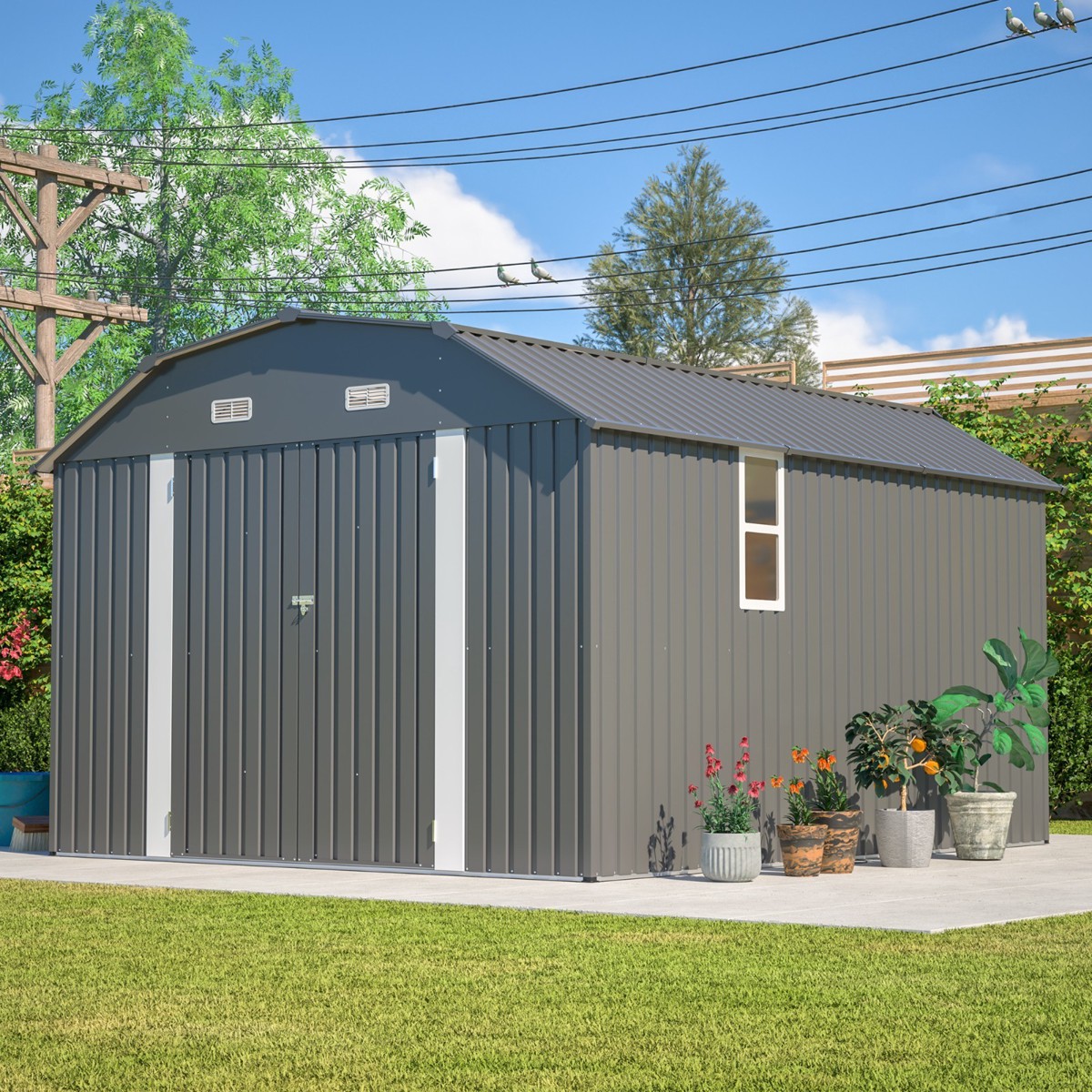
A heavy duty metal shed with an integrated floor kit solves the two biggest failure points of budget steel storage: flimsy base framing and moisture wicking up from bare ground. Sizing the footprint to your local snow and wind loads, then confirming the panel gauge and floor-frame steel thickness, matters more than brand name. Skipping the floor kit or choosing a 29-gauge shell for a high-wind site is the most common buying mistake in this category.

Buying guide image
Outdoor Structures, Shade & Awnings

Umbrella With Stand

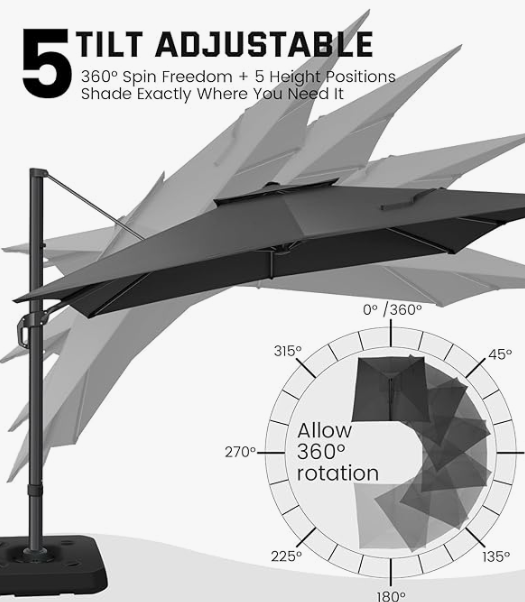
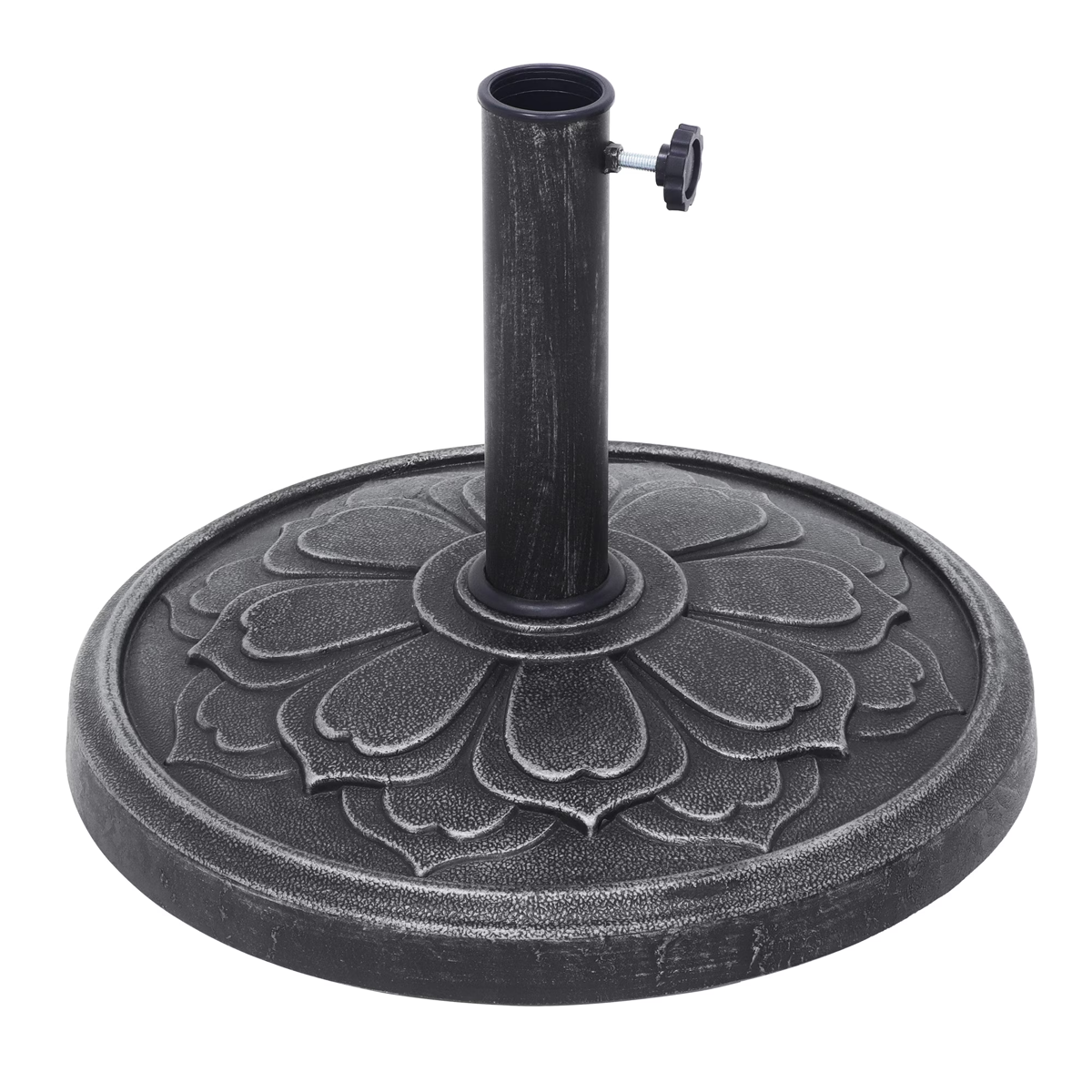
An umbrella with stand pairs a canopy (market or cantilever) with a weighted base that keeps it upright in wind. The core trade-off is canopy size/rib count versus base mass and fill type: light resin or empty bases fail in gusts, while steel or water/sand-filled bases add stability at the cost of portability. Buy the stand to match the umbrella's pole diameter and wind exposure — not the canopy alone.

Buying guide image
Garden Fencing & Privacy Screens

Outdoor Privacy Screen Panel

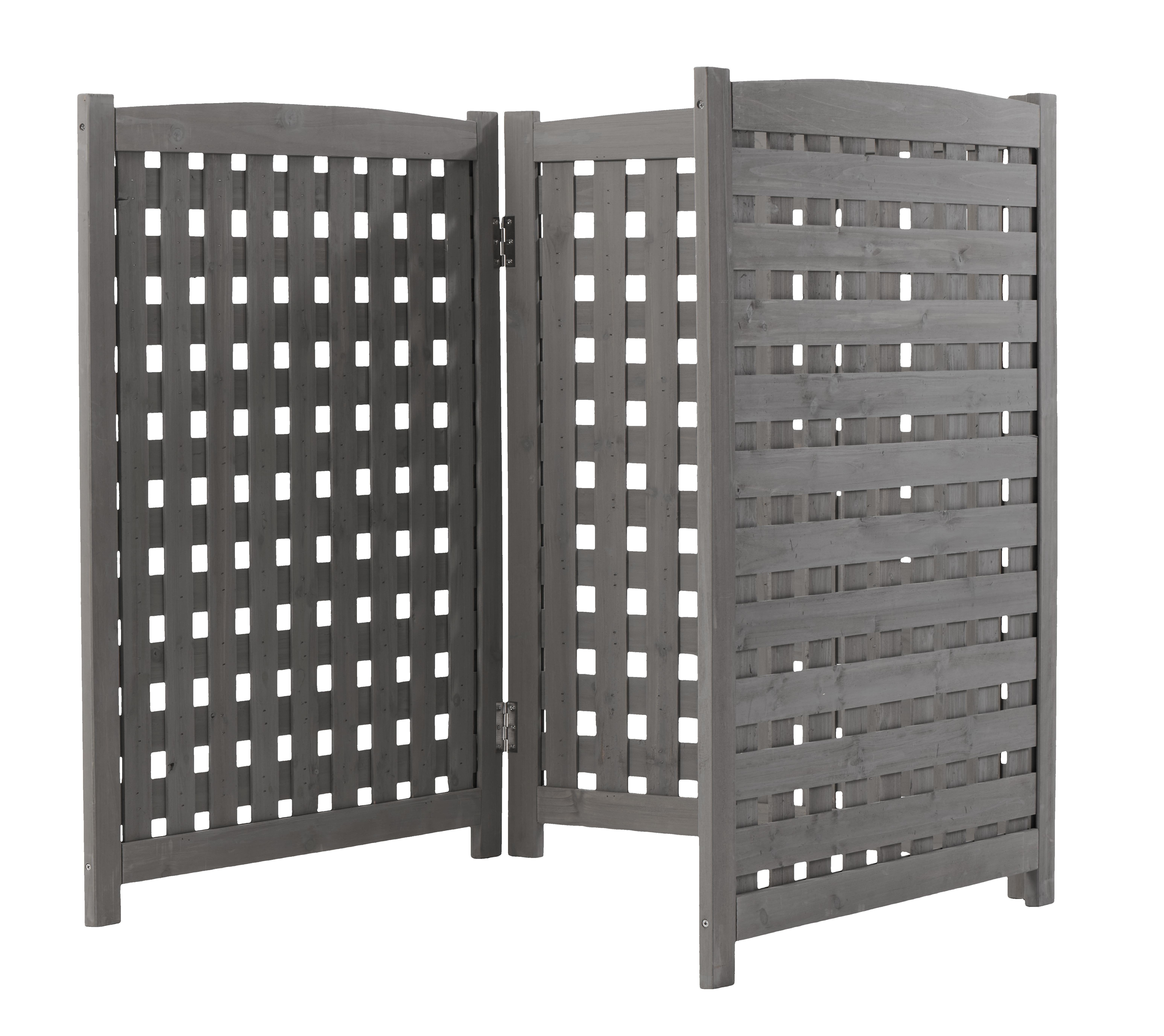
Outdoor privacy screen panels are standalone or stake-mounted barriers that block sightlines on patios, around AC units, and along property edges. The core trade-off is between rigid metal/wood construction that survives wind and weather versus lightweight vinyl or artificial hedge panels that fade, tear, or blow over within a season or two. Buy rigid framed panels with rated ground stakes or weighted bases for permanent exposure, and reserve flexible roll-up or faux-greenery panels for sheltered balconies and temporary screening.

Buying guide image
Chicken Coops & Runs

Solar Automatic Chicken Door

A solar automatic chicken door is only as reliable as its light sensor, battery reserve, and anti-pinch mechanism, so buyers should prioritize sensor logic and weather sealing over app extras. Sizing must match your coop opening and flock weight class, while daily sun exposure determines whether the solar panel actually keeps the battery topped off. Many shoppers wrongly assume any solar door works in shaded coops or with heavy breeds—those are the setups that fail first.

Buying guide image
Outdoor Lighting & Decor

Heavy Duty Fire Ring

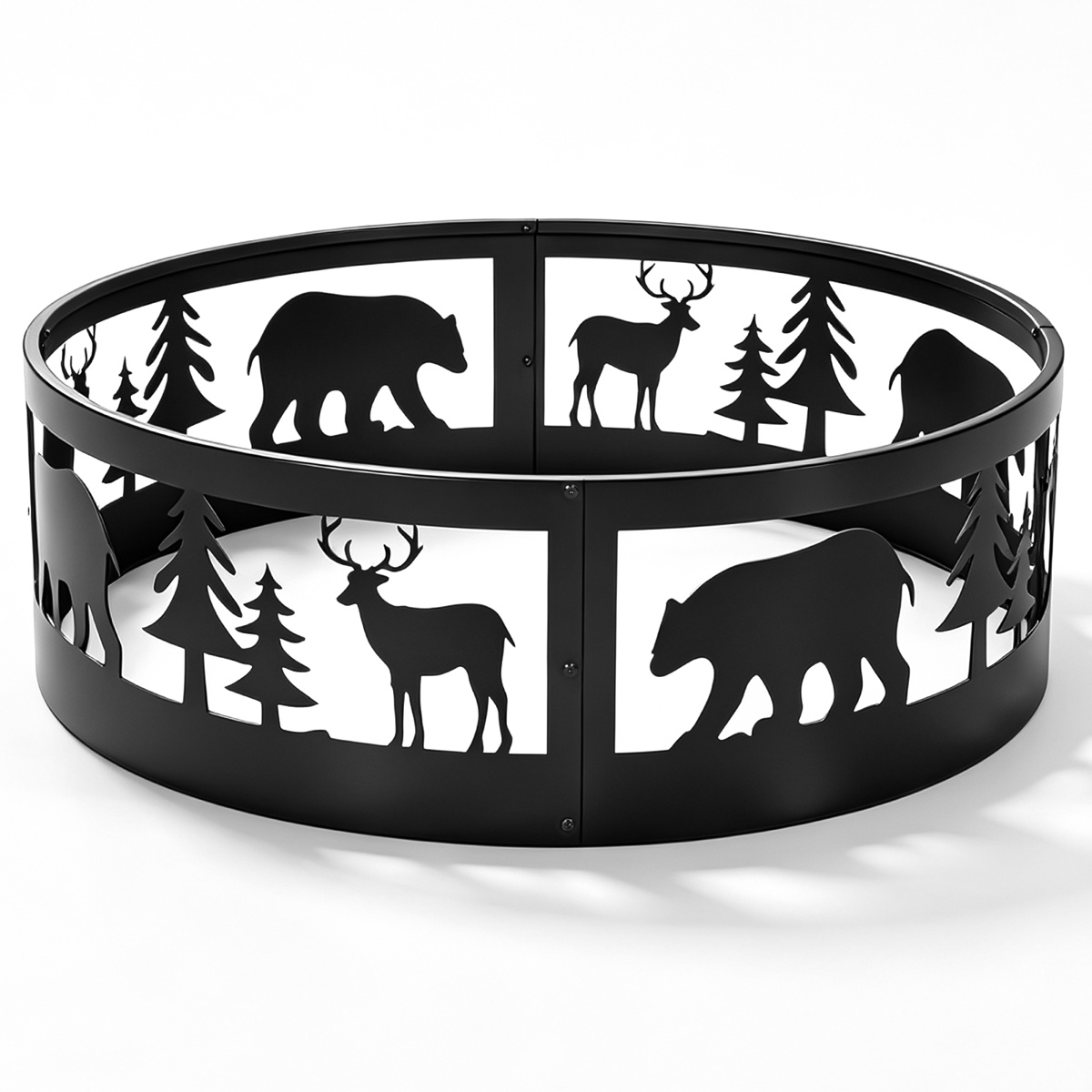
Heavy duty fire rings are wood-burning outdoor pits built to contain high-heat fires season after season, and the main trade-off is steel thickness and joint construction versus thin stamped bowls that warp quickly. The decision rule: buy a ring with at least 2 mm (14-gauge) steel, welded seams, and a screened lid if you burn real firewood; skip anything under 1.5 mm with pop-riveted or folded seams.

Buying guide image
Greenhouse & Hydroponics

Indoor Grow Tent Kit

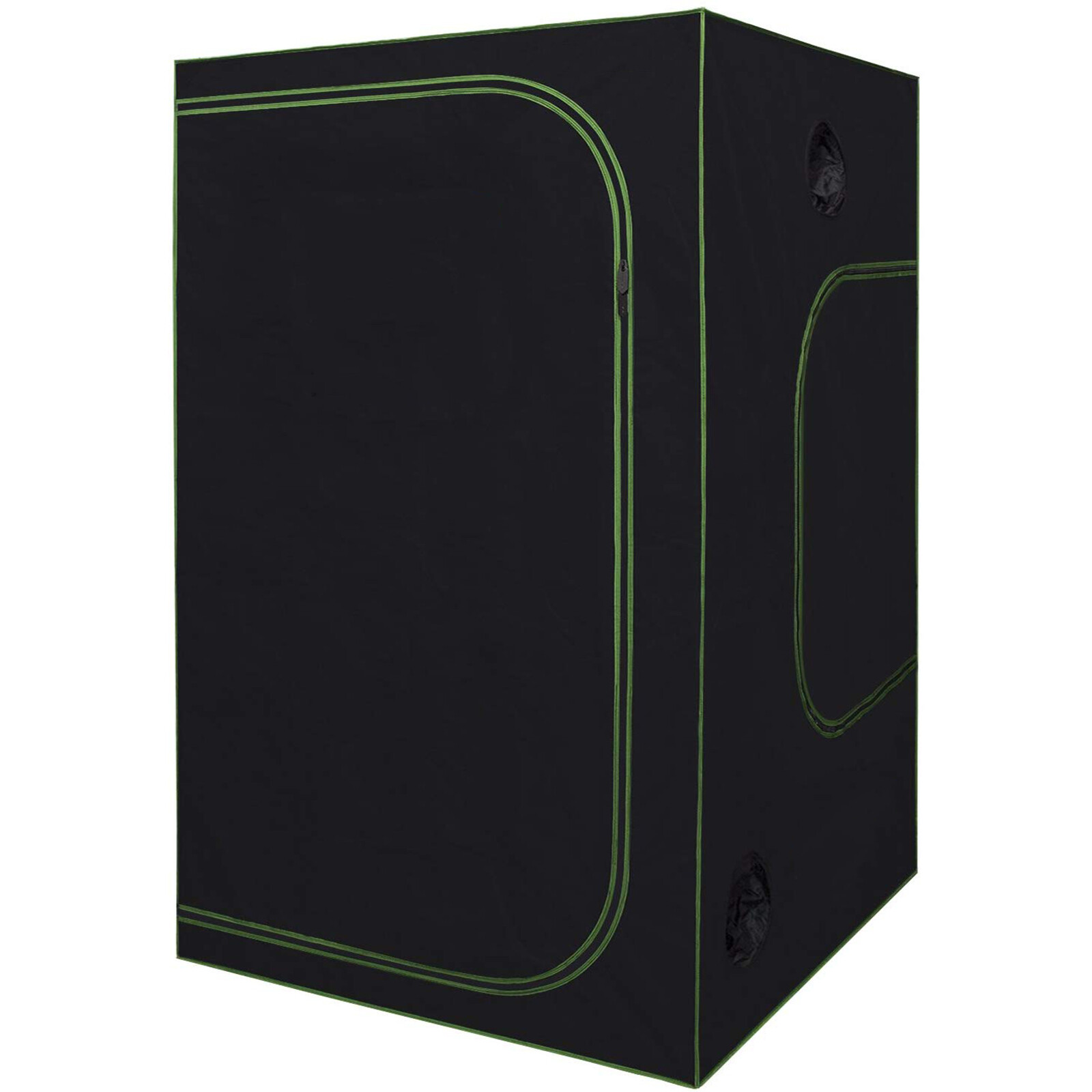
An indoor grow tent kit pairs a reflective fabric enclosure with a matching full-spectrum LED and ventilation hardware, letting you control light, humidity, and temperature year-round. The core trade-off is fabric and frame quality versus included electronics: thin 210D oxford and plastic corners fail under heat and load, while 600D-1680D canvas with steel poles and proper ducting ports lasts for years. The decision rule is simple: buy the largest tent your space and light budget can support, and insist on 600D or heavier fabric, a metal frame, and an LED with dimming and daisy-chain capability.

Buying guide image
Chicken Fencing & Egg Handling

1 Chicken Wire

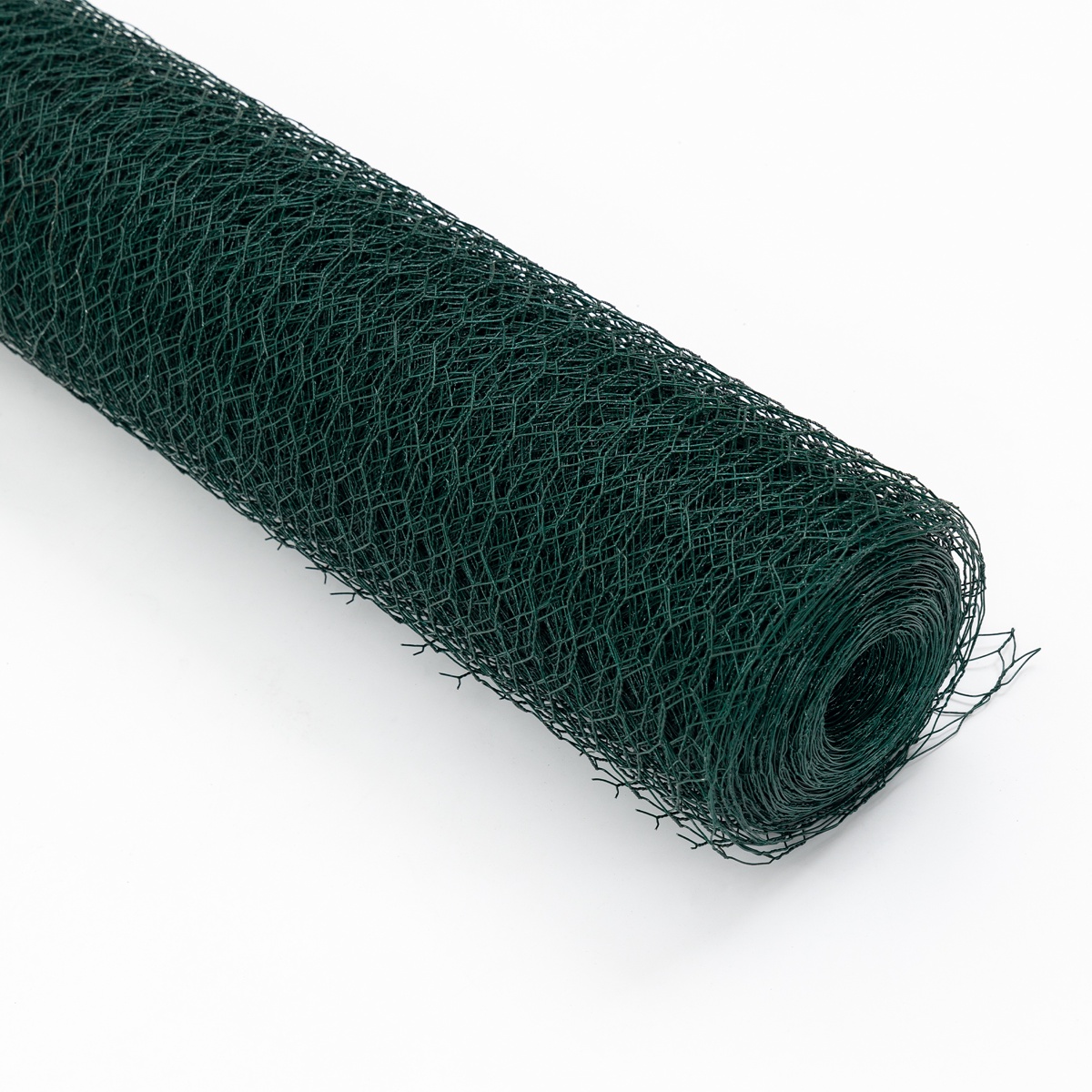
Chicken wire spans two distinct product families: woven hexagonal netting for lightweight crop and run enclosure, and welded hardware cloth for predator-proof coops and aviaries. The primary trade-off is mesh aperture and wire gauge against cost and weight: smaller openings and heavier gauge stop more predators but cost more per square foot and are harder to cut. The decision rule is simple: use welded hardware cloth at 1/2 inch or smaller for any overnight predator defense, and reserve woven hexagonal netting for daytime ranging or garden barriers.

Buying guide image
Outdoor Structures, Shade & Awnings

Retractable Side Awning

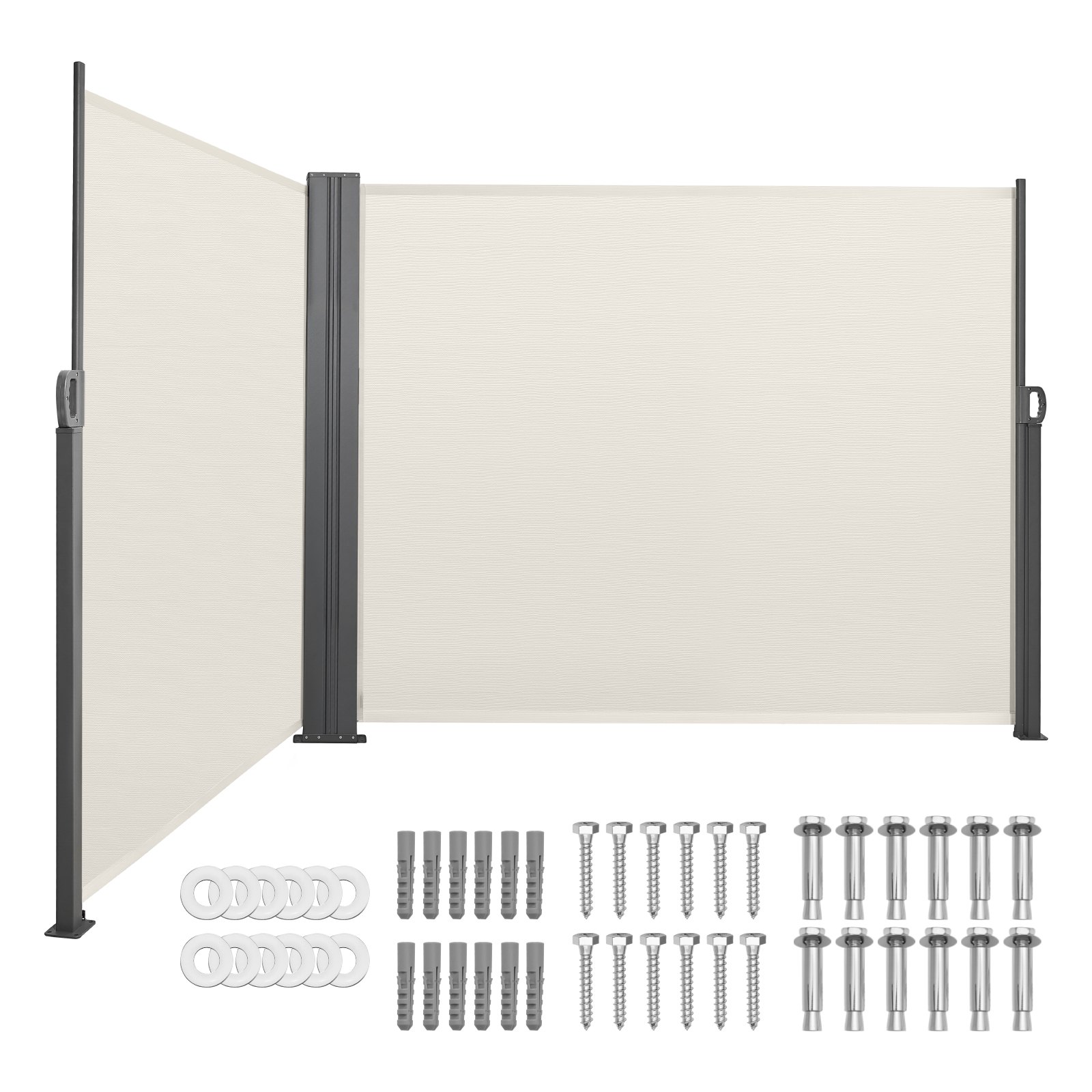
A retractable side awning is the one outdoor shade product most buyers get wrong by ordering a width that doesn't match their wall or a fabric grade that fails in wind. These units are cassette-housed roll-up screens that mount to a wall or post and pull out to a second post or freestanding pole, so post spacing and mount surface are as decisive as fabric weight. Focus your search on fabric GSM, cassette material, and whether the cassette can be wall-mounted on both ends or needs a freestanding support post.

Buying guide image
Chicken Fencing & Egg Handling

Heavy Duty Chicken Wire

Heavy-duty chicken wire is a welded-wire containment roll used to keep poultry in and predators out, and the defining trade-off is mesh aperture versus wire gauge: wider mesh with thicker wire resists large predators and hoof impact, while tighter mesh with thinner wire blocks snakes and rodents but sacrifices structural rigidity. The decision rule is simple: if the roll is only labeled 'chicken wire' with hexagonal woven construction and no gauge or aperture stated, it is a light garden trellis compromise, not predator-grade exclusion.

Buying guide image
Chicken Fencing & Egg Handling

Stainless Chicken Wire

Stainless chicken wire is a welded or woven wire mesh made from stainless steel alloys, used to protect poultry and garden areas where standard galvanized wire would rust and fail. The core trade-off is alloy grade versus cost: 304 stainless resists moisture and manure for decades, while 316L adds chloride resistance for coastal or high-ammonia environments, and thinner gauges trade durability for flexibility. The decision rule is simple: choose 304 or 316L stainless at 16- to 20-gauge for permanent outdoor runs, and avoid any 'stainless' mesh thinner than 20-gauge or of unstated alloy for predator-facing applications.

Buying guide image
Beekeeping Suits & Protection

Sting Proof Bee Suit

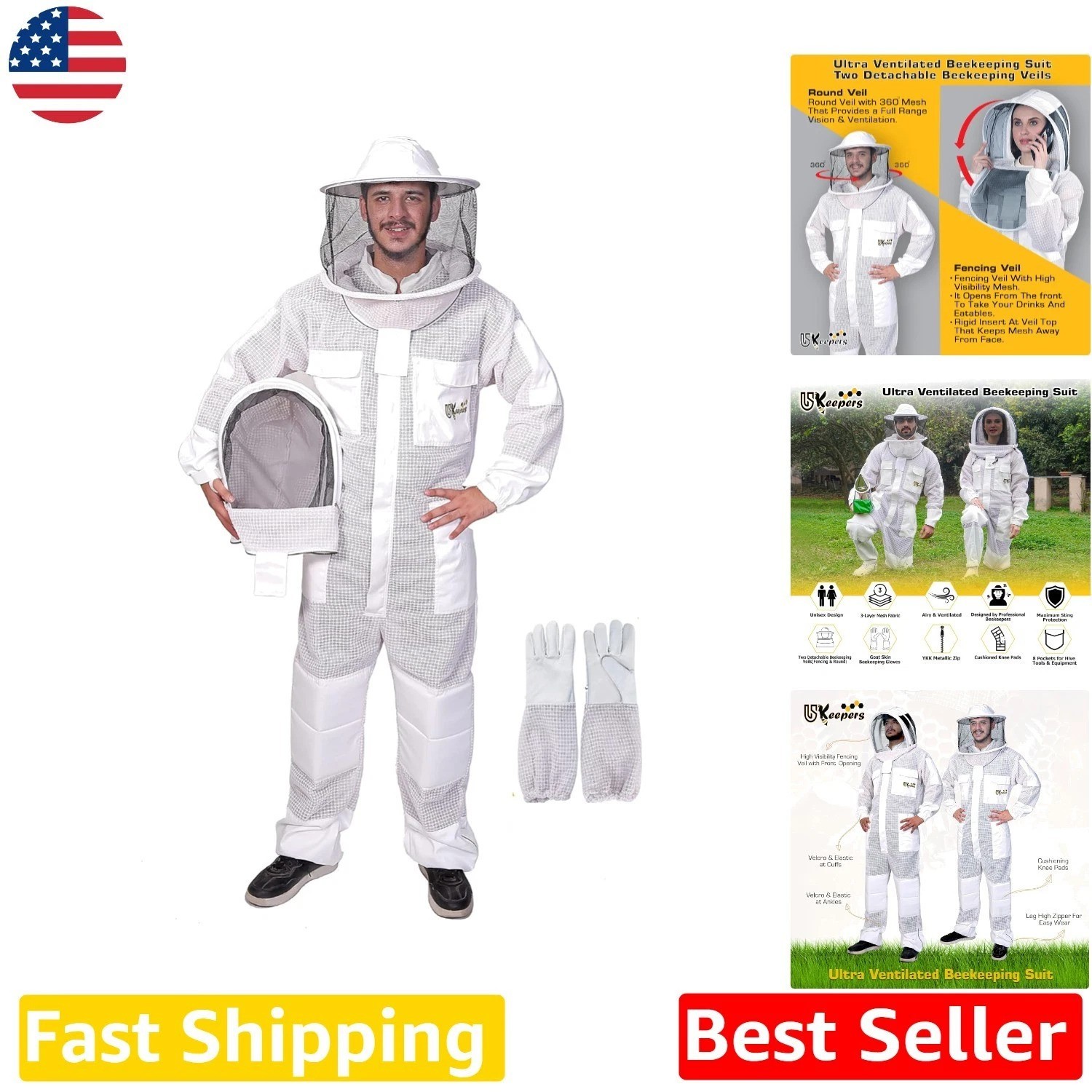
A sting-proof bee suit is a full-body barrier garment engineered to prevent worker bee stingers from reaching skin, with protection level determined by fabric weave density, seam construction, and veil-to-body sealing. The core trade-off is breathability versus impenetrability: triple-layer ventilated mesh blocks stingers while moving air, whereas single-layer cotton or polyester offers airflow but fails against determined stingers at pressure points. The decision rule is simple: buy only suits with explicitly sealed or double-stitched seams, a veil that attaches via zipper or overlapping fabric, and fabric rated at 3-layer or 280+ GSM equivalent—anything less is a hobbyist compromise, not sting-proof protection.

Buying guide image
Honey Extraction & Packaging

Vevor Electric Honey Extractor

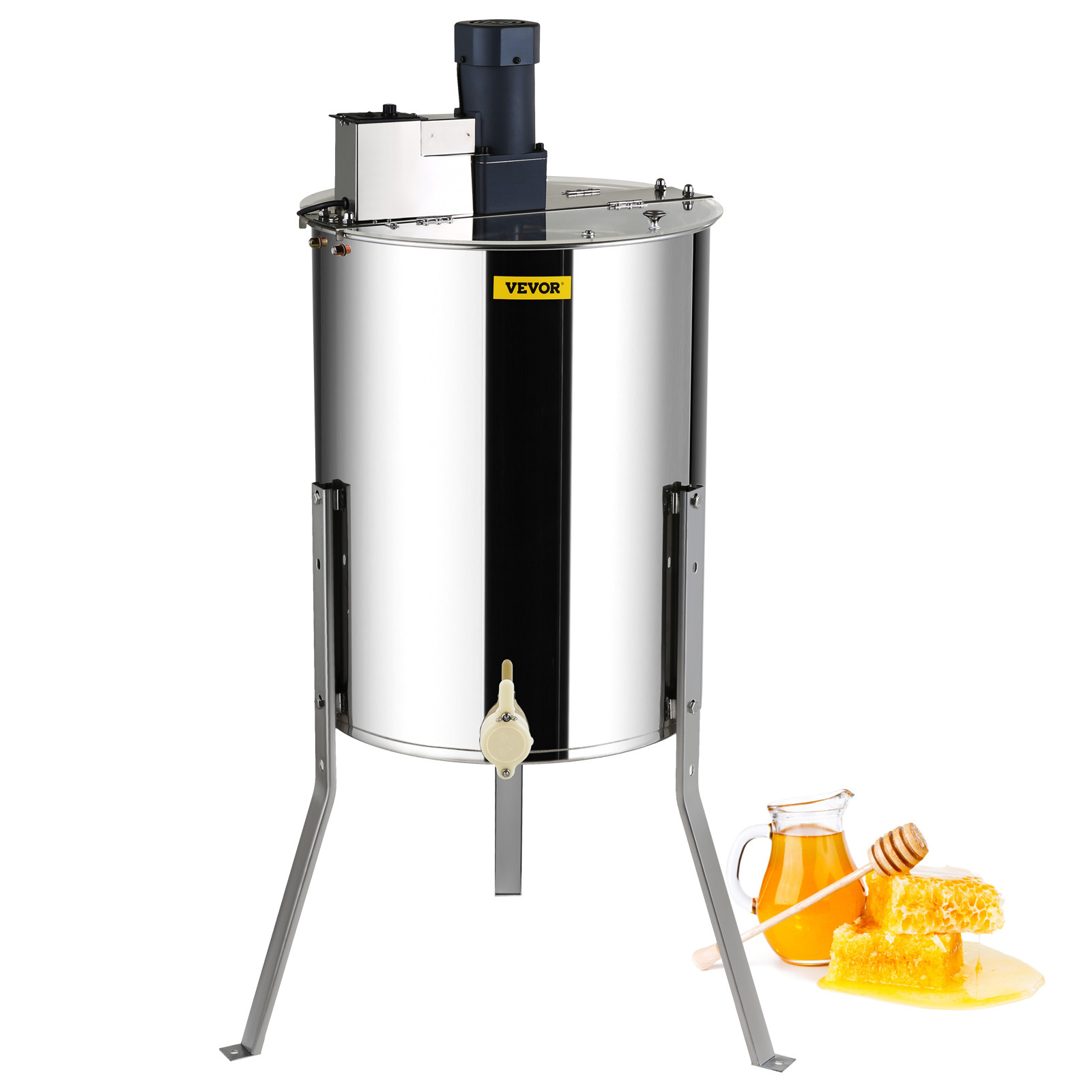
A Vevor electric honey extractor is a motorized centrifuge that spins uncapped frames to fling honey out via centrifugal force, replacing manual cranking with a gearmotor and speed control. The core trade-off is motor/controller quality and drum weld integrity versus lower upfront cost—cheap units use brushed motors and thin stamped stainless, while durable tiers use brushless or sealed gearmotors and TIG-welded 304 stainless. The decision rule: buy by frame count and motor type, not by listed 'capacity,' and reject any unit with a plastic honey gate or unsupported inner drum cage.

Buying guide image
Patio Furniture

Outdoor Umbrella

Outdoor umbrellas fail more often from wind exposure and base undersizing than from canopy fabric wear, so match the frame and base to your actual site conditions first. Determine canopy diameter and pole diameter before shopping, because a 9 ft canopy needs a substantially heavier base than a 7.5 ft one. Buyers commonly skip tilt and crank mechanisms that determine daily usability on a deck or beside a pool.

You may also like

Finding more guides for you…