GardenPulse Guide

GardenPulse Guide

Garden, Yard & Outdoor Living Reviews & Buying Guides

Compare garden, yard & outdoor living by use case, features, trade-offs, price, returns, and seller terms before you buy.

Buying guides

Buying guide image
Outdoor Structures, Shade & Awnings

Steel Garden Shed

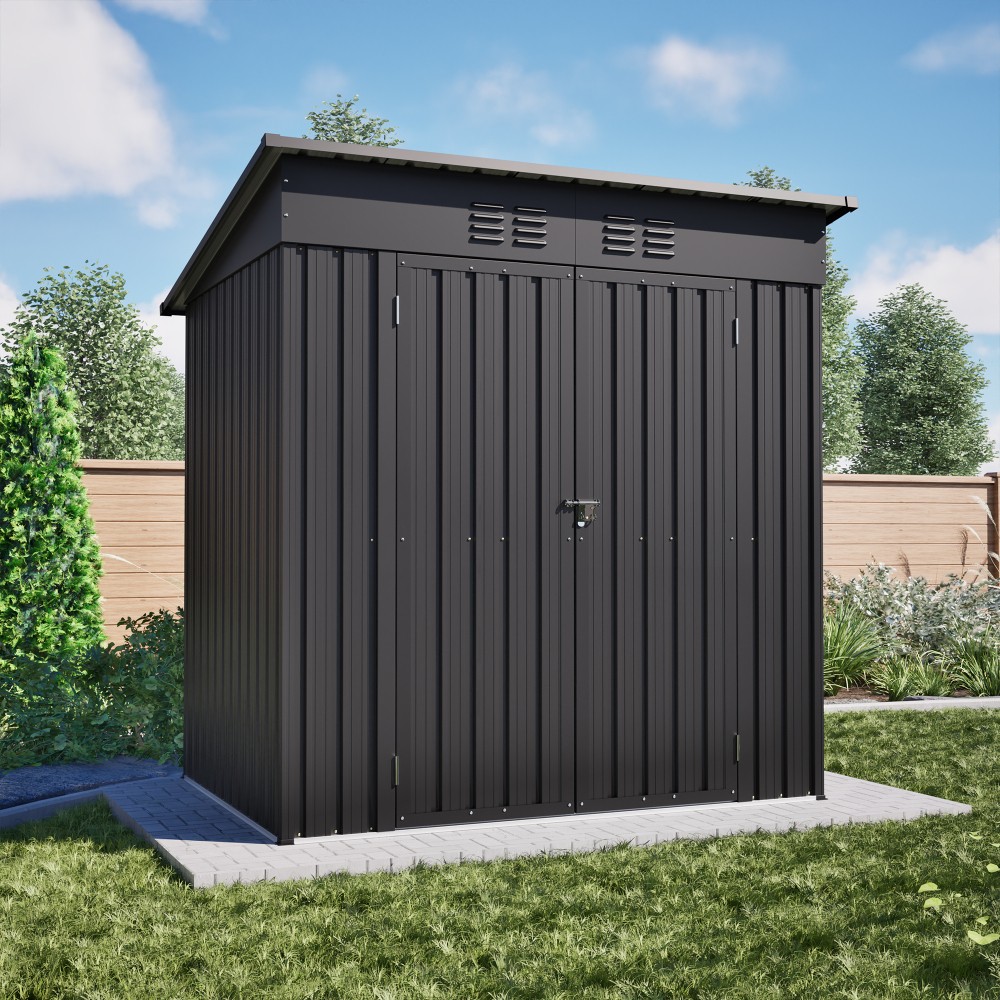
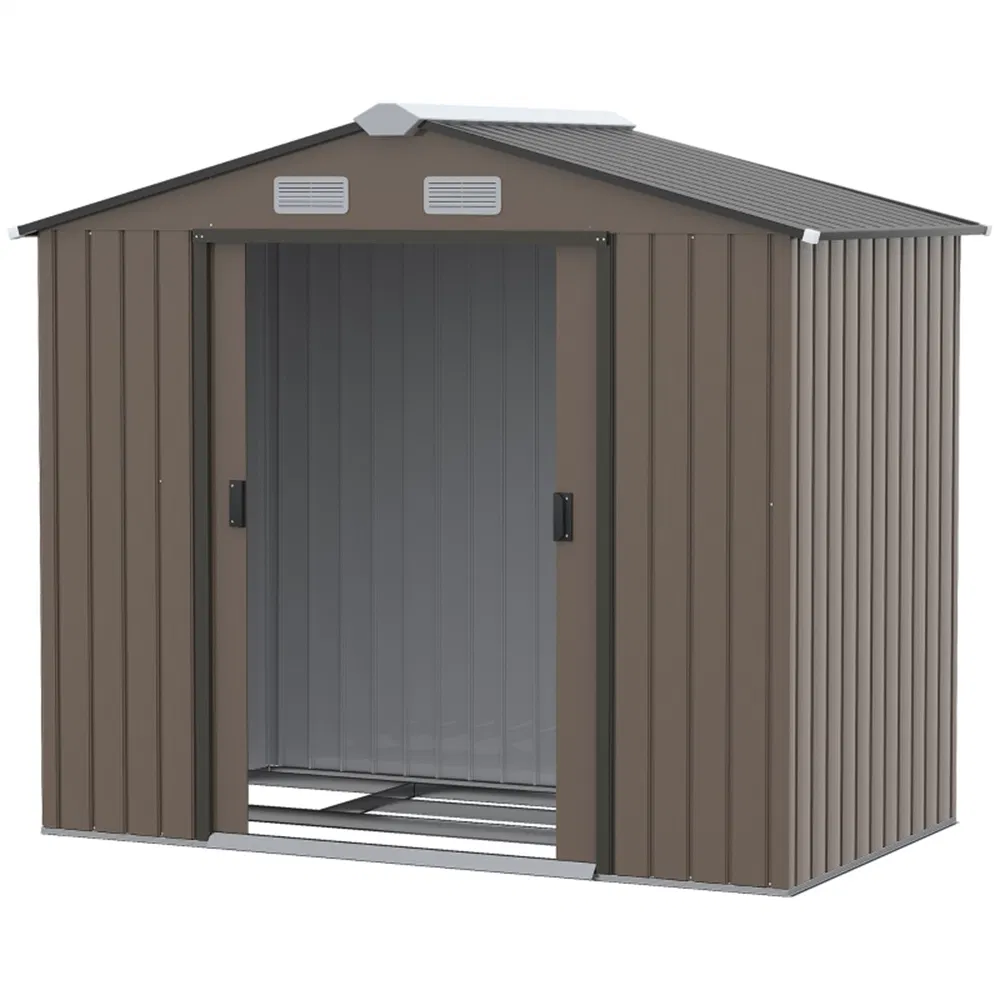
Steel garden sheds are galvanized or zinc-coated metal storage structures that protect tools and equipment from weather and theft, and the primary trade-off is steel gauge versus panel thickness—thinner 0.25–0.3 mm panels dent easily and rust at cut edges, while 0.4–0.6 mm hot-dip galvanized steel with reinforced ribs lasts decades. The clear rule: buy only hot-dip galvanized or galvannealed panels at 0.4 mm or thicker with a gable roof, screw-down anchors, and a lockable reinforced door—skip thin cold-rolled sheet-metal kits with pop-rivet assembly.
Buying guide image
Pools & Spas

Above Ground Pool Stair

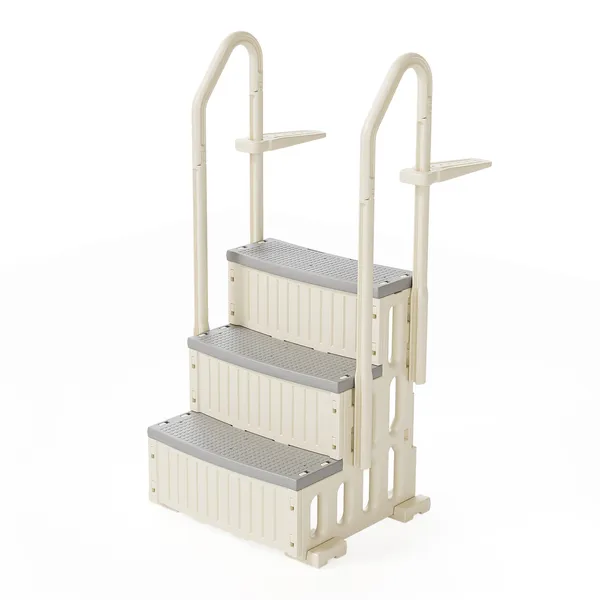
Above-ground pool stairs are freestanding or deck-mounted access systems that bridge the pool wall and the water, and the core trade-off is structure versus water exposure. Deckside stairs in steel or aluminum handle heavy traffic but need corrosion protection, while in-pool steps in molded resin or weighted plastic resist chlorine but demand a stable base. Buy deckside stairs for daily adult use and in-pool resin steps for saltwater or soft-sided pools.

Buying guide image
Residential Outdoor Power Equipment

Electric Chainsaw

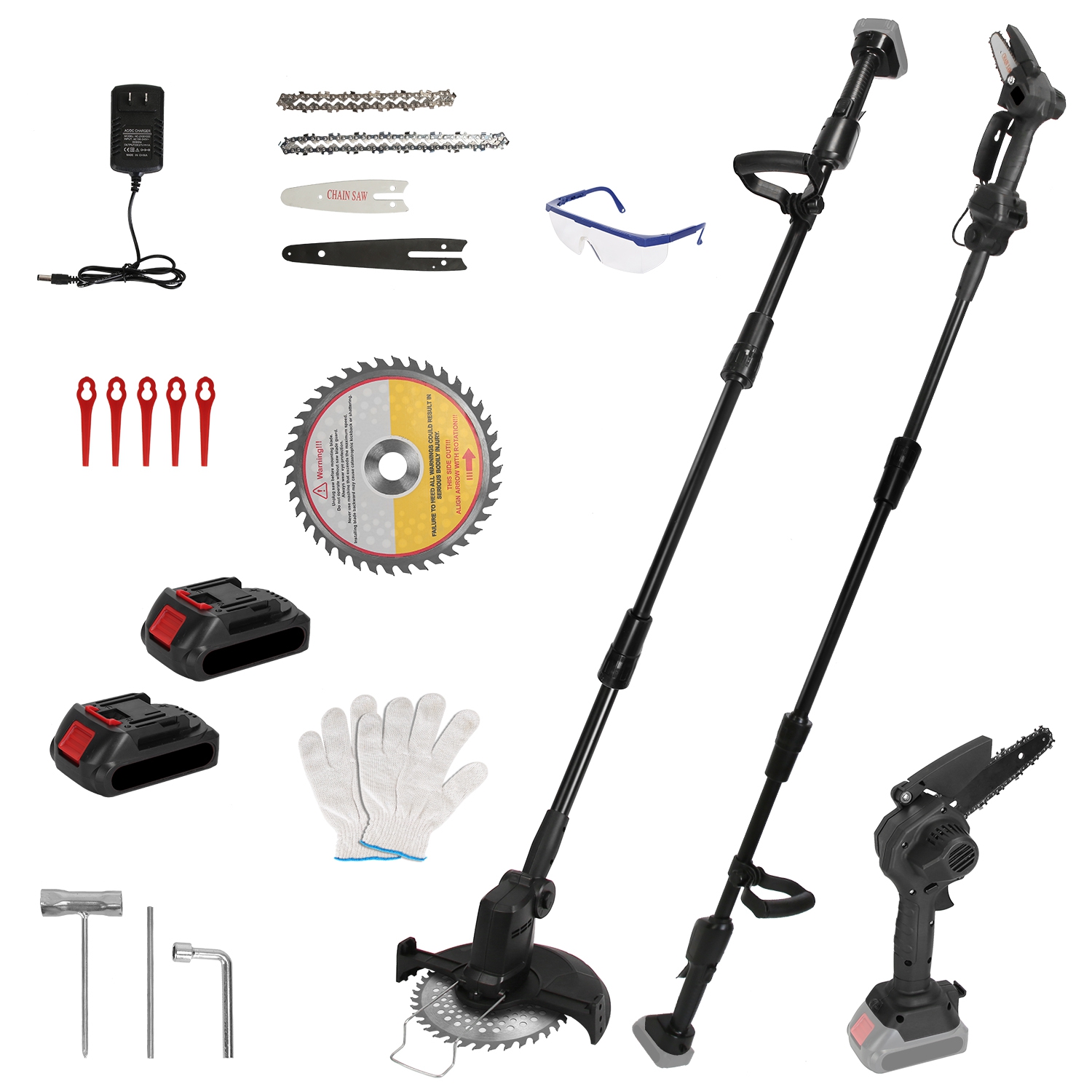
Electric chainsaws split into three real architectures: corded AC for continuous yard work, battery-powered full-size saws for mid-duty storm cleanup, and compact pole or mini chainsaws for pruning. Corded units deliver unlimited runtime but need an outdoor circuit within extension-cord reach, while battery saws trade runtime for portability with voltage and battery family determining real cutting capacity. Matching saw class to limb diameter and reach prevents the common mistake of buying a mini saw for trunk work or a heavy saw for branch pruning.

Buying guide image
Garden Fencing & Privacy Screens

Indoor Privacy Screen

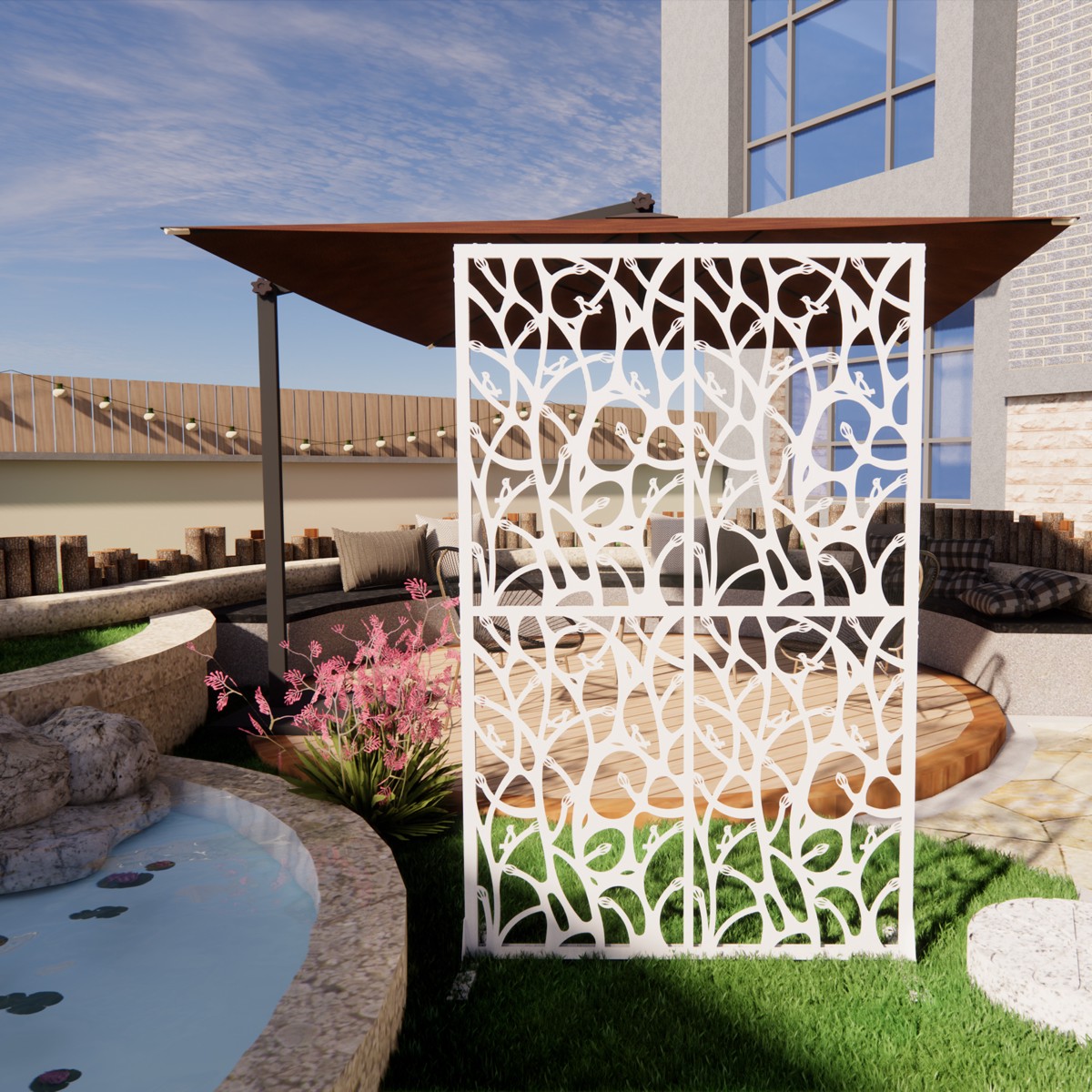
Indoor privacy screens are freestanding or mounted panels that partition open-plan rooms, soften sightlines, and add decorative structure without construction. The core trade-off is between lightweight decorative panels (thin metal, plastic, faux greenery) that look good but flex or tip, and rigid architectural panels (thicker steel frames, weighted bases, slatted or perforated designs) that stand stable and last. Decision rule: choose a weighted-base steel or solid-wood screen for daily room division; choose faux-greenery or thin stamped metal only for low-traffic decorative accenting.

Buying guide image
Pools & Spas

Pool And Spa

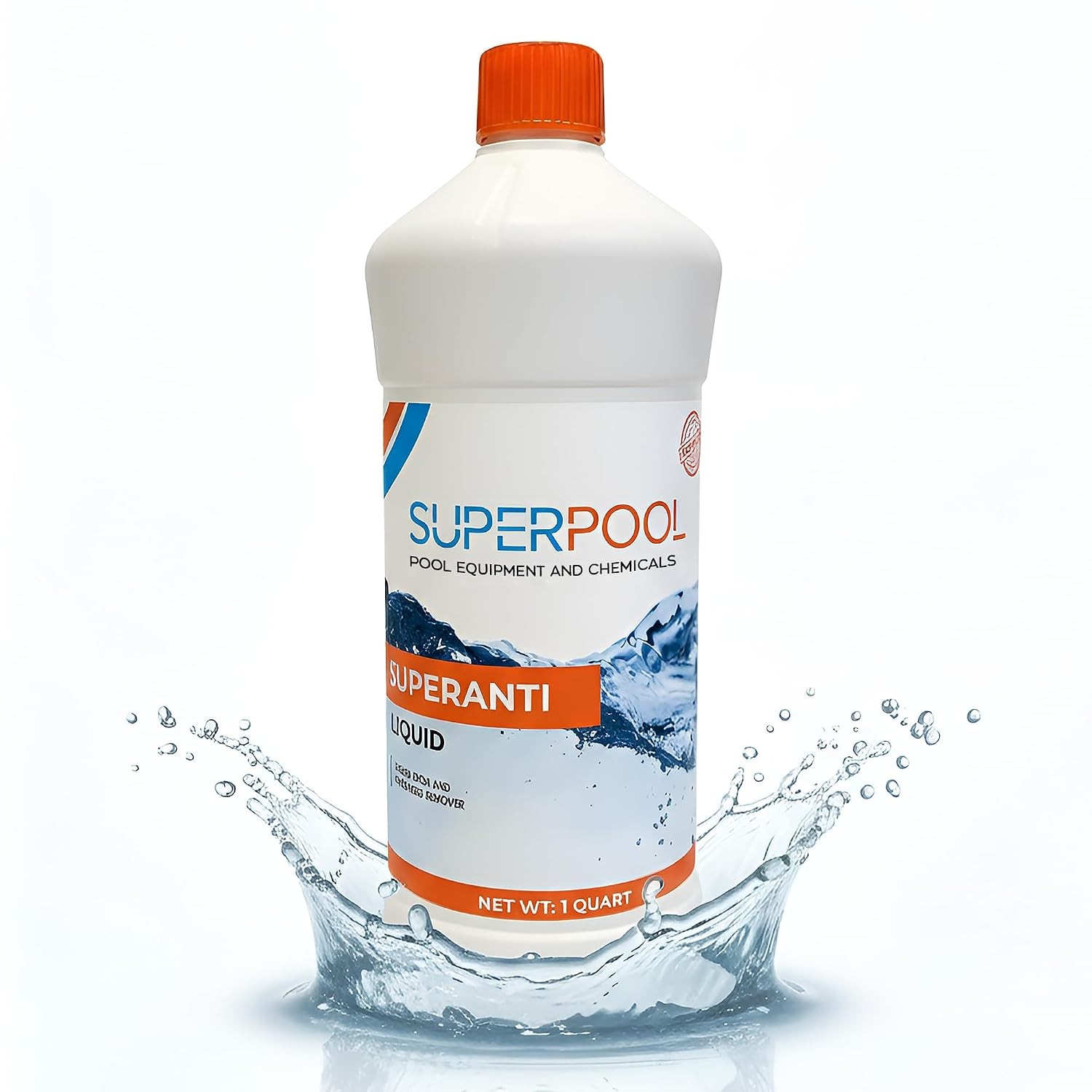
Pool and spa covers the full water-care ecosystem: above-ground and in-ground pools, hot tubs, and the pumps, heaters, filters, and accessories that keep them running. The core trade-off is upfront hardware grade versus long-term operating cost and water chemistry stability, and the decision rule is simple: buy components rated to standards (NSF/ANSI 50, UL/ETL, NEMA) with published flow, BTU, or gallon ratings, and skip unbranded parts with no published ratings or serviceable wear parts.

Buying guide image
Watering & Irrigation

Water Sprinkler Lawn

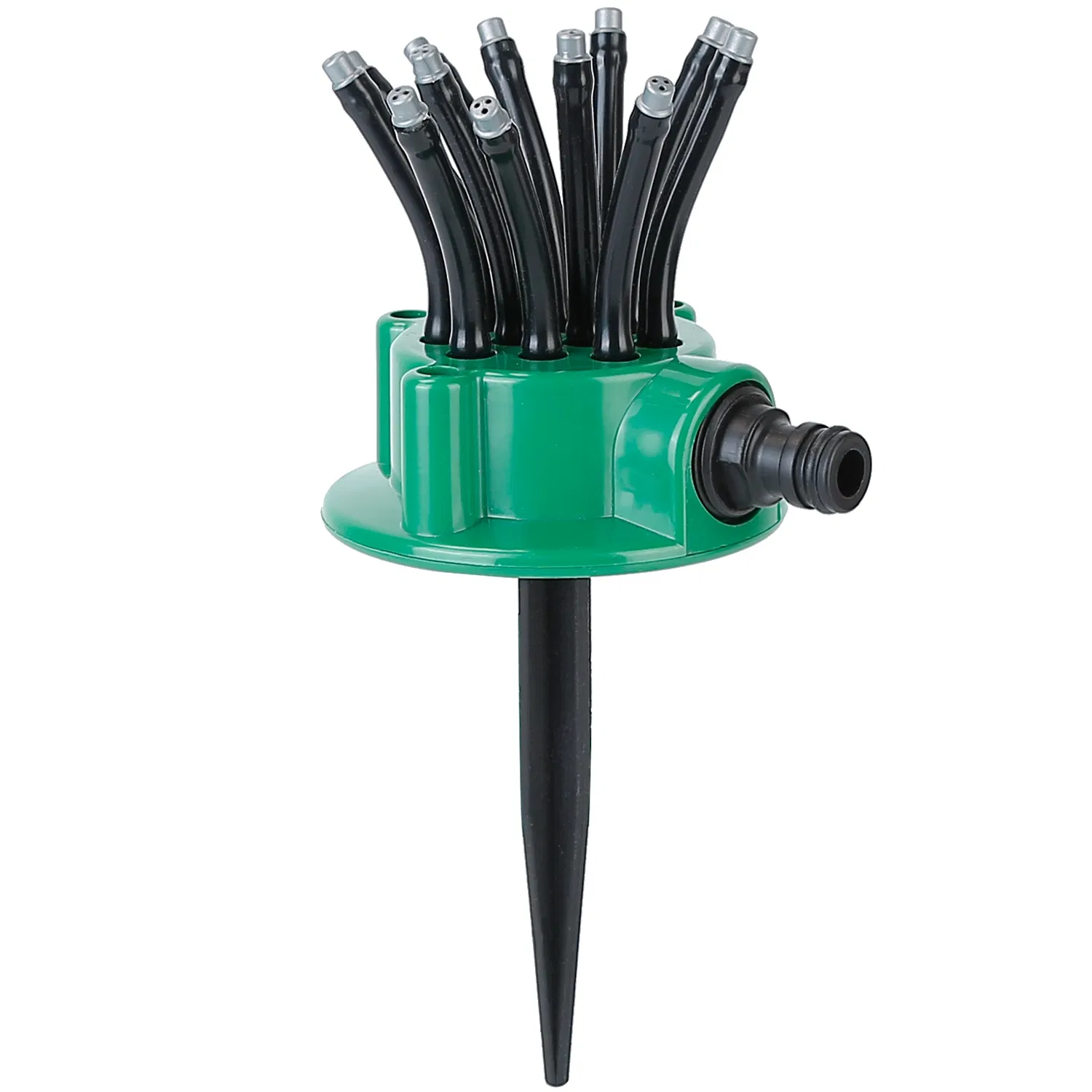
Lawn sprinklers span oscillating, impact, rotary, and stationary heads plus hose timers and motion-deterrent units; the core trade-off is coverage uniformity and build material vs. hose pressure and flow limits. Choose metal or ABS heads with standard 3/4-inch hose threads and a matched timer for durability and automation; skip thin plastic fan sprayers and single-zone timers for large or multi-zone lawns.

Buying guide image
Greenhouse & Hydroponics

Indoor Grow Tent

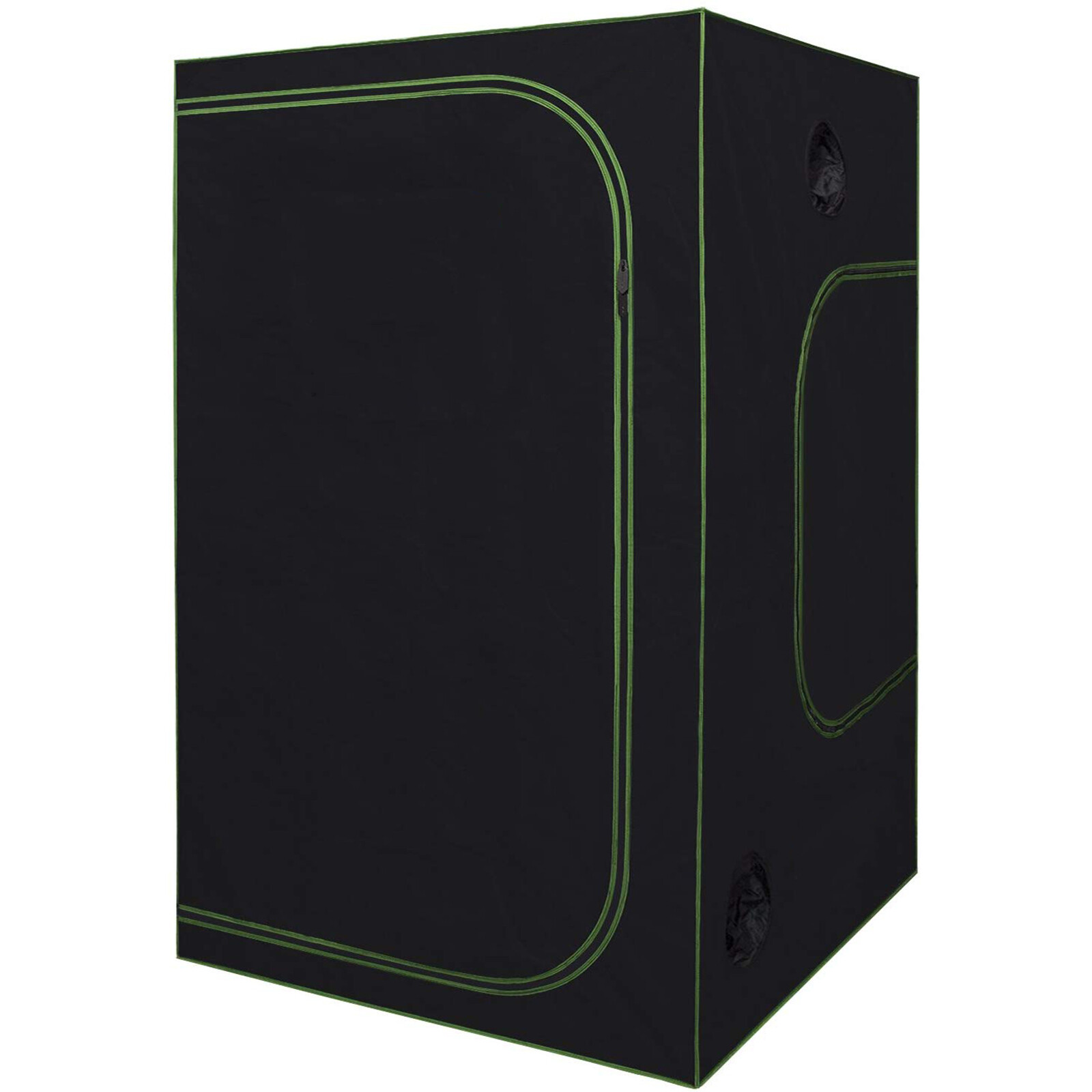
An indoor grow tent is a reflective, enclosed fabric room that controls light, climate, and odor for hydroponic or soil growing. The key trade-off is between thin PVC-backed canvas (light leaks, short life) and high-density Oxford with reinforced stitching and a waterproof floor. The decision rule: match tent size to your light's footprint and choose at least 600D Oxford with a full metal frame if you want multi-cycle durability.

Buying guide image
Raised Garden Beds & Planters

Hanging Planter

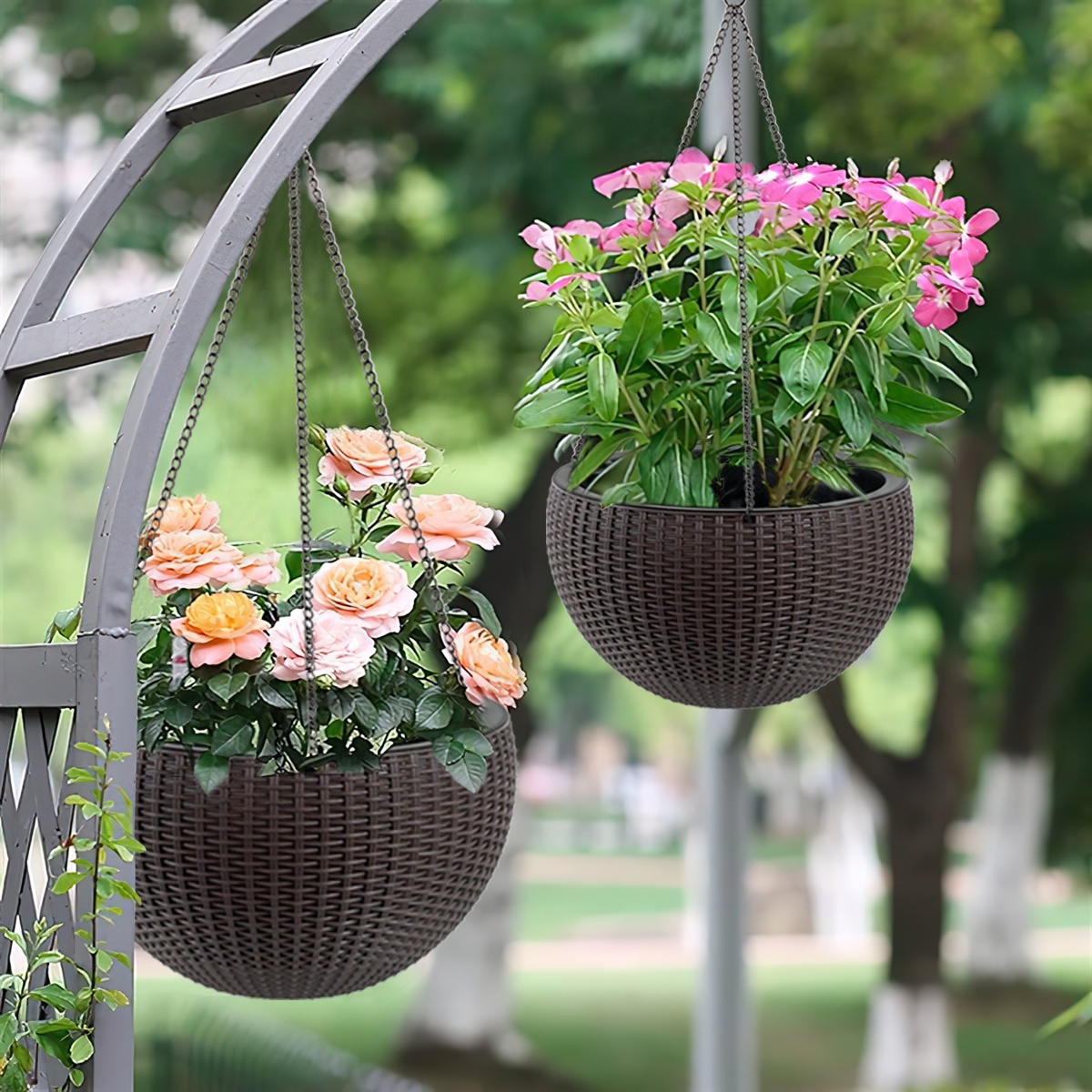
Hanging planters are suspended containers that lift plants into vertical space, using ceiling hooks, brackets, or macramé slings. The core trade-off is between drainage and self-watering convenience versus breathable, lightweight materials that won't overload a hook or rot. Choose a pot with functional drainage and a load-rated hanger for live plants; skip open-weave fabric slings and sealed decorative shells for anything beyond light, low-water décor.

Buying guide image
Chicken Coops & Runs

A Frame Chicken Coop

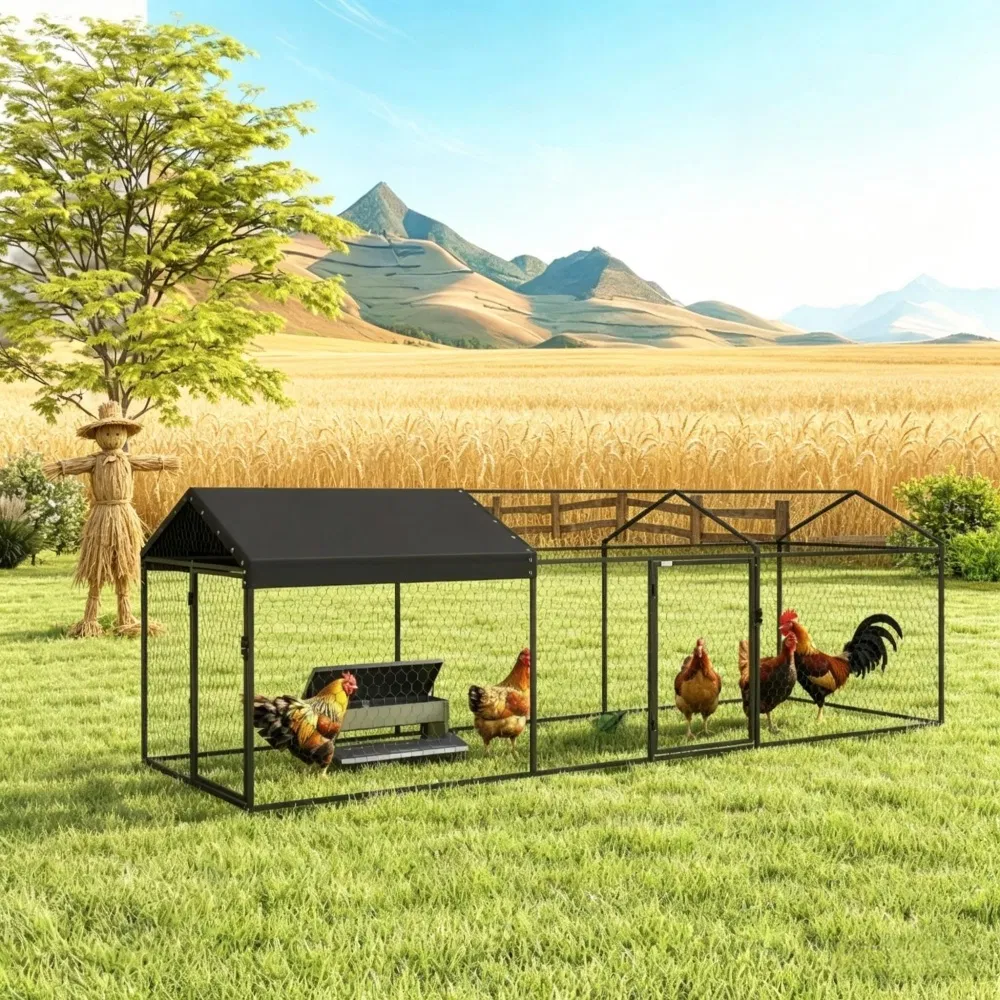
A-frame chicken coops pair a triangular roof with a ground-level run, trading interior headroom for rain-shedding geometry and cheaper materials. The core decision is tube gauge and roof cover grade: thin 0.8mm steel with a tarp fails in wind and UV, while 1.2mm galvanized tube with a woven PE cover lasts seasons. Buy walk-in height only if you keep more than four birds; otherwise a low A-frame with a hinged roof panel is the durable pick.

Buying guide image
Patio Furniture

Lounger Chair

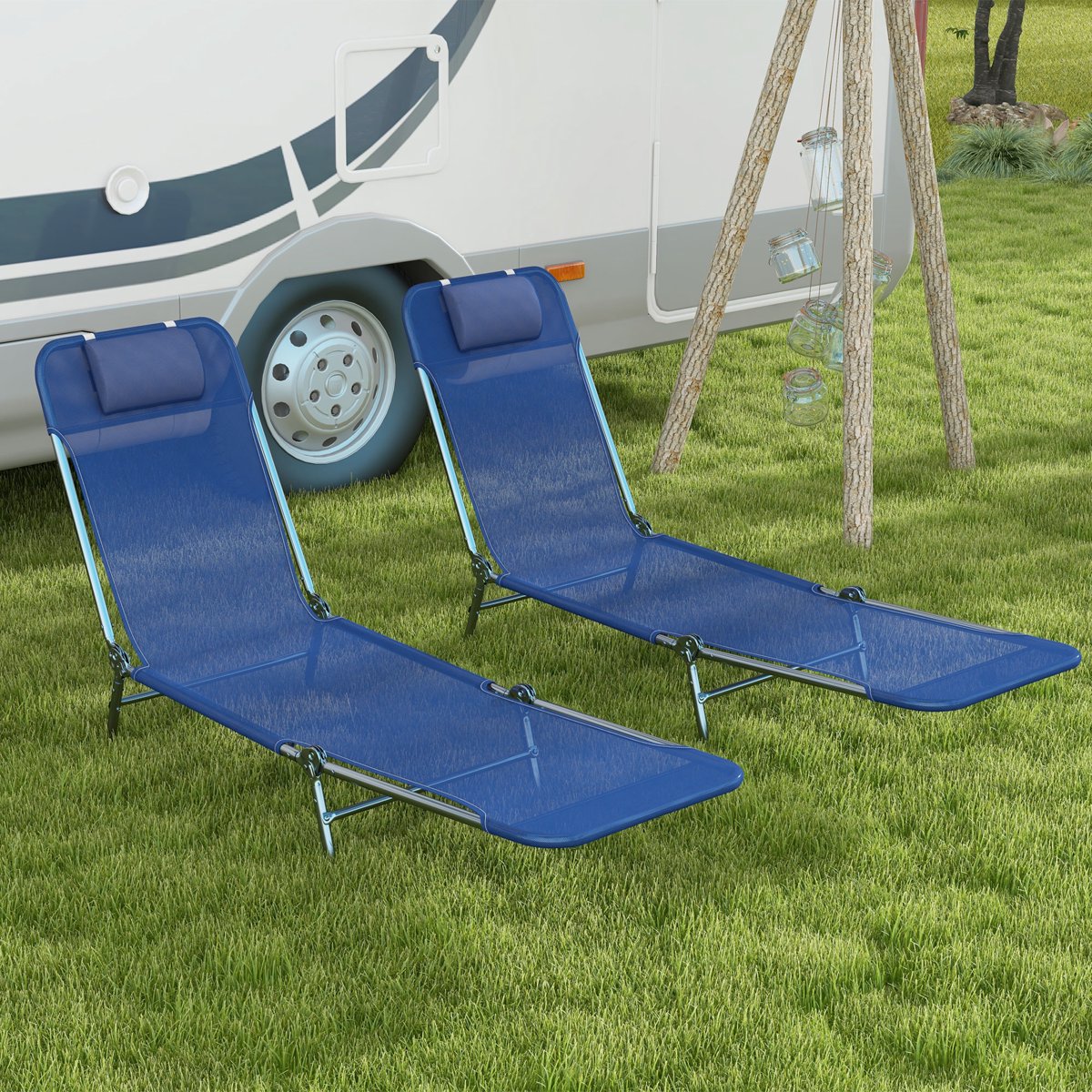
Lounger chairs split into three real architectures—folding beach/tanning loungers, zero-gravity recliners, and poolside water-resistant loungers—and picking the wrong one wastes money on features you won't use. Shoppers most often misjudge frame material, recline mechanism, and whether the fabric survives chlorine and UV. Focus on load rating, fabric grade, and fold-flat storage before choosing a tier.

Buying guide image
Pools & Spas

Above Ground Pool Stair With Deck

Above-ground pool stairs with a deck are entry systems that bridge a raised pool deck or platform to the pool wall, combining an in-pool step section with an outside ladder or stair section. The core trade-off is between fixed deck-mounted stairs (stable, code-friendly, requires deck framing) and freestanding A-frame or roll-guard ladders (portable, no deck build, but less rigid). Buy only systems rated to your pool wall height and load with corrosion-proof frames; skip generic step stools that lack pool-wall handrail geometry.

Buying guide image
Greenhouse & Hydroponics

Hydroponic Grow Kit

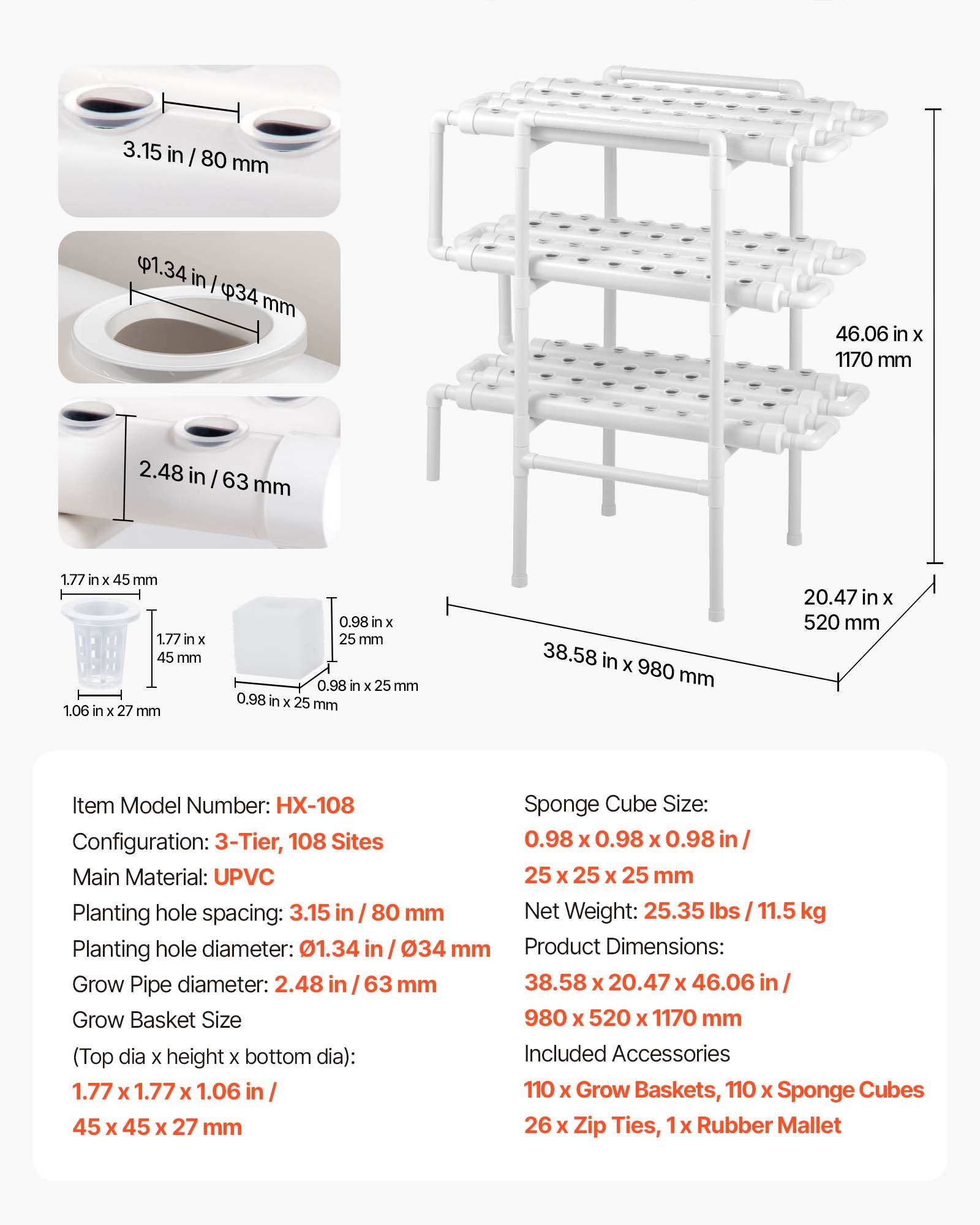
A hydroponic grow kit is a complete soilless system—NFT rails, Dutch buckets, or a reservoir with net pots—that delivers nutrient solution directly to plant roots. The core trade-off is plumbing and pump quality versus site count: cheap thin-wall PVC and weak pumps leak or under-deliver, while UPVC or thick-walled pipe and a properly rated submersible pump last seasons. Choose a kit whose pipe diameter, pump head rating, and reservoir volume match your crop load; skip kits that list site counts without pipe wall thickness or pump flow specs.

Buying guide image
Patio Furniture

Plastic Adirondack Chair

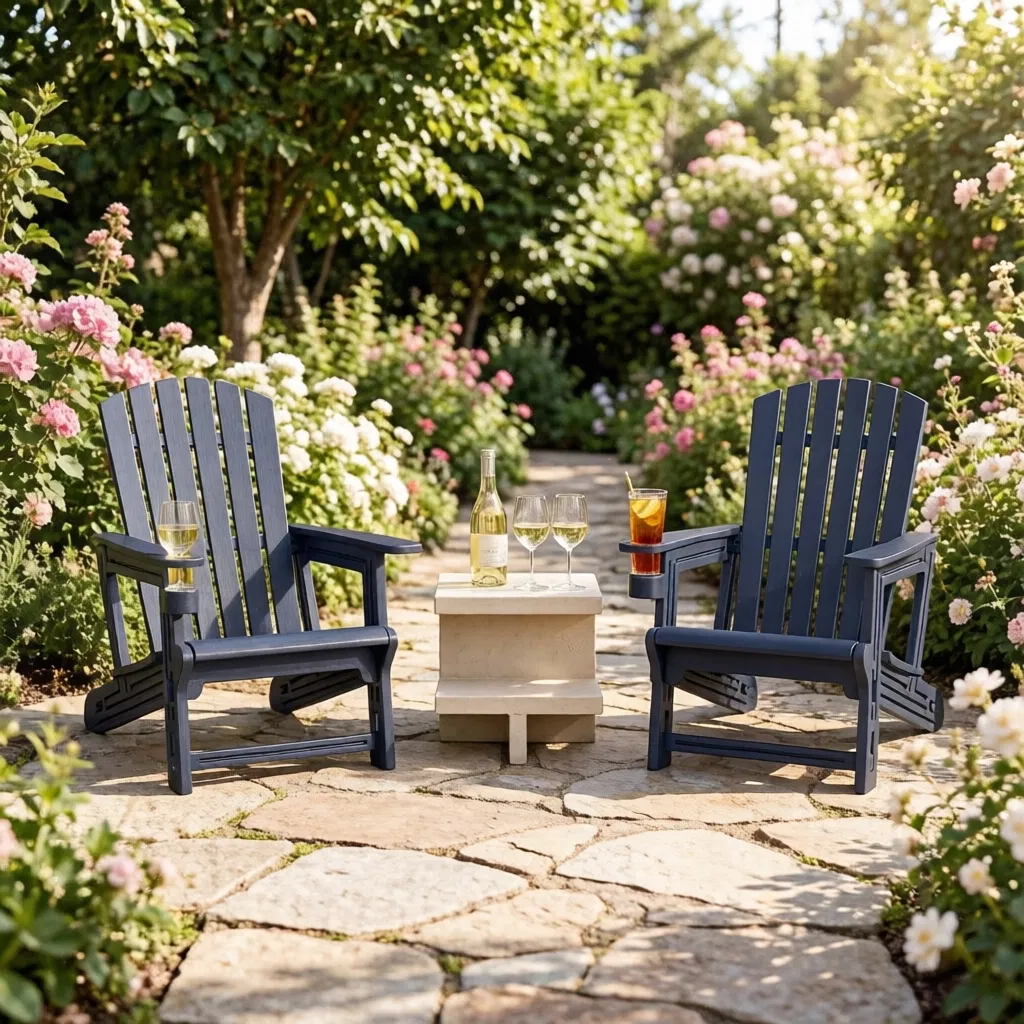
Plastic Adirondack chairs succeed or fail on resin grade, UV stabilization, and slat geometry—not on color or marketing names. Buyers who size the chair to their actual deck depth and body height avoid the two most common regrets: cramped seat depth and faded, chalky shells after one summer. Focus on HDPE versus polypropylene, UV8-rated colorants, and a seat height that lets you rise without pushing off the arms.

Buying guide image
Patio Furniture

Outdoor Chair With Canopy

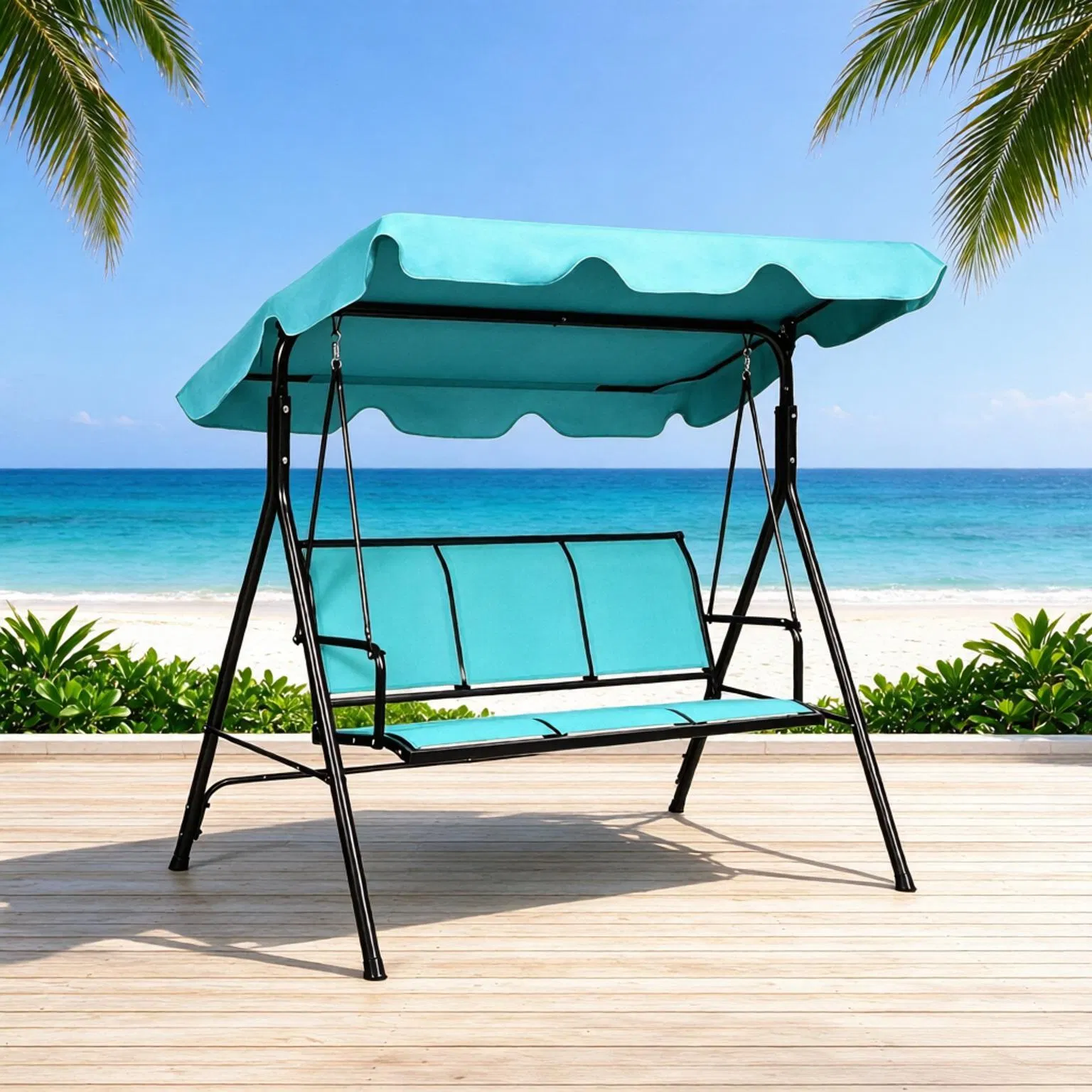
An outdoor chair with canopy is a freestanding or hanging seat with an integrated overhead shade, typically built as a 3-seat swing, glider, or single egg chair. The primary trade-off is frame steel gauge and canopy fabric UV resistance versus weight capacity and weather durability. Choose powder-coated steel with a 600D or PVC-coated canopy for multi-season use; skip thin tubular frames and uncoated polyester canopies for permanent outdoor exposure.

Buying guide image
Lawn Care

Lawn Seed Spreader

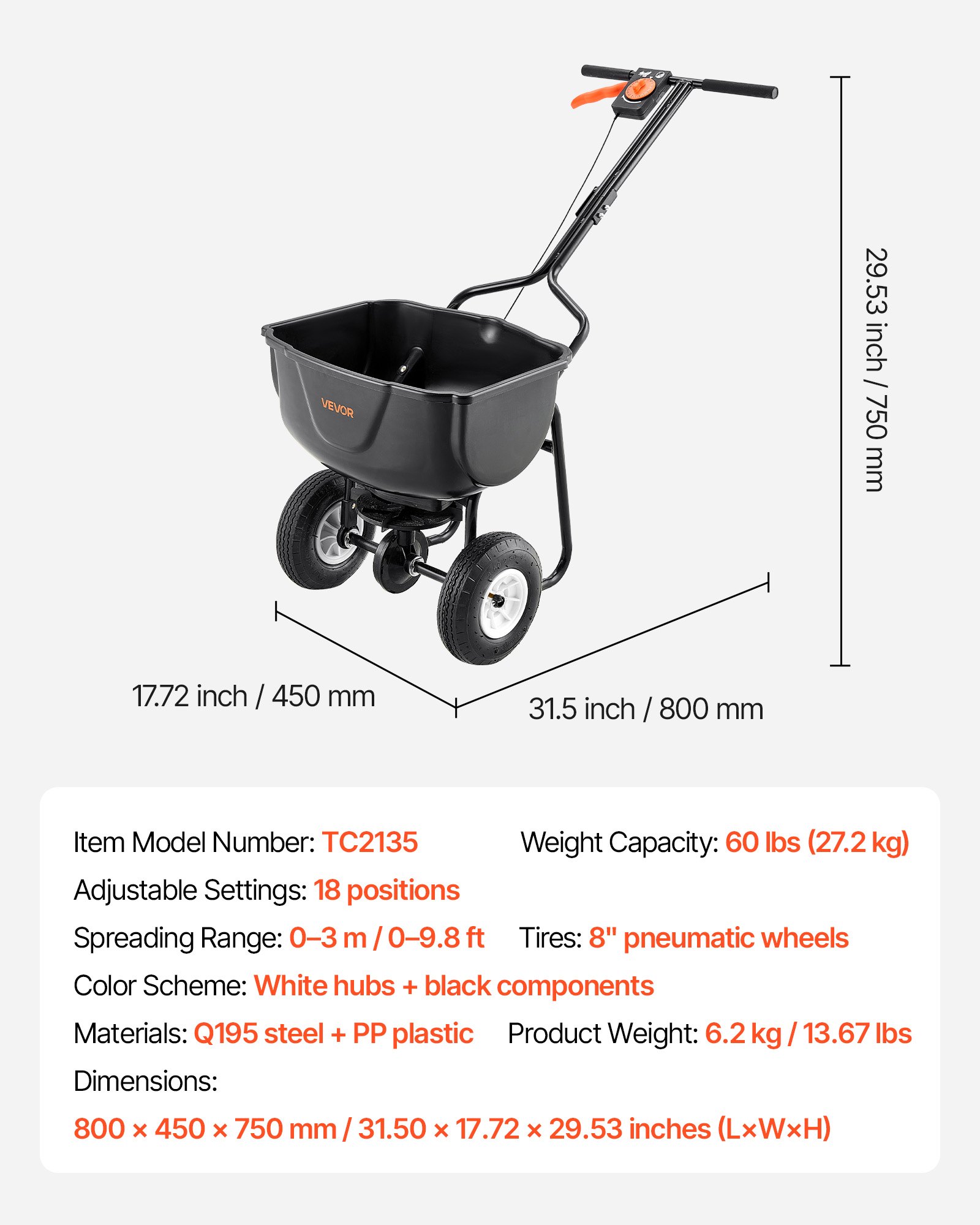
A lawn seed spreader is a calibrated hopper-and-metering tool that converts seed or fertilizer into an even application rate; the core trade-off is broadcast versus drop spreading and hopper capacity versus maneuverability. Durable units use metal gearboxes, pneumatic tires, and a hopper grate, while compromises rely on plastic agitators and thin stamped metal. The decision rule: match spreader type to product (broadcast for seed and granular fertilizer, drop for precision edges and ice melt) and capacity to lawn size (roughly 1 lb capacity per 1,000 sq ft for a single pass).

Buying guide image
Outdoor Lighting & Decor

Battery String Light

Battery string lights are self-powered decorative light strands that eliminate outlet dependence, using either replaceable AA/AAA cells or a sealed rechargeable pack. The core trade-off is between disposable-cell run time and sealed-battery convenience, paired with LED count and weather sealing that determine both brightness and outdoor survivability.

Buying guide image
Chicken Coops & Runs

Automatic Coop Door

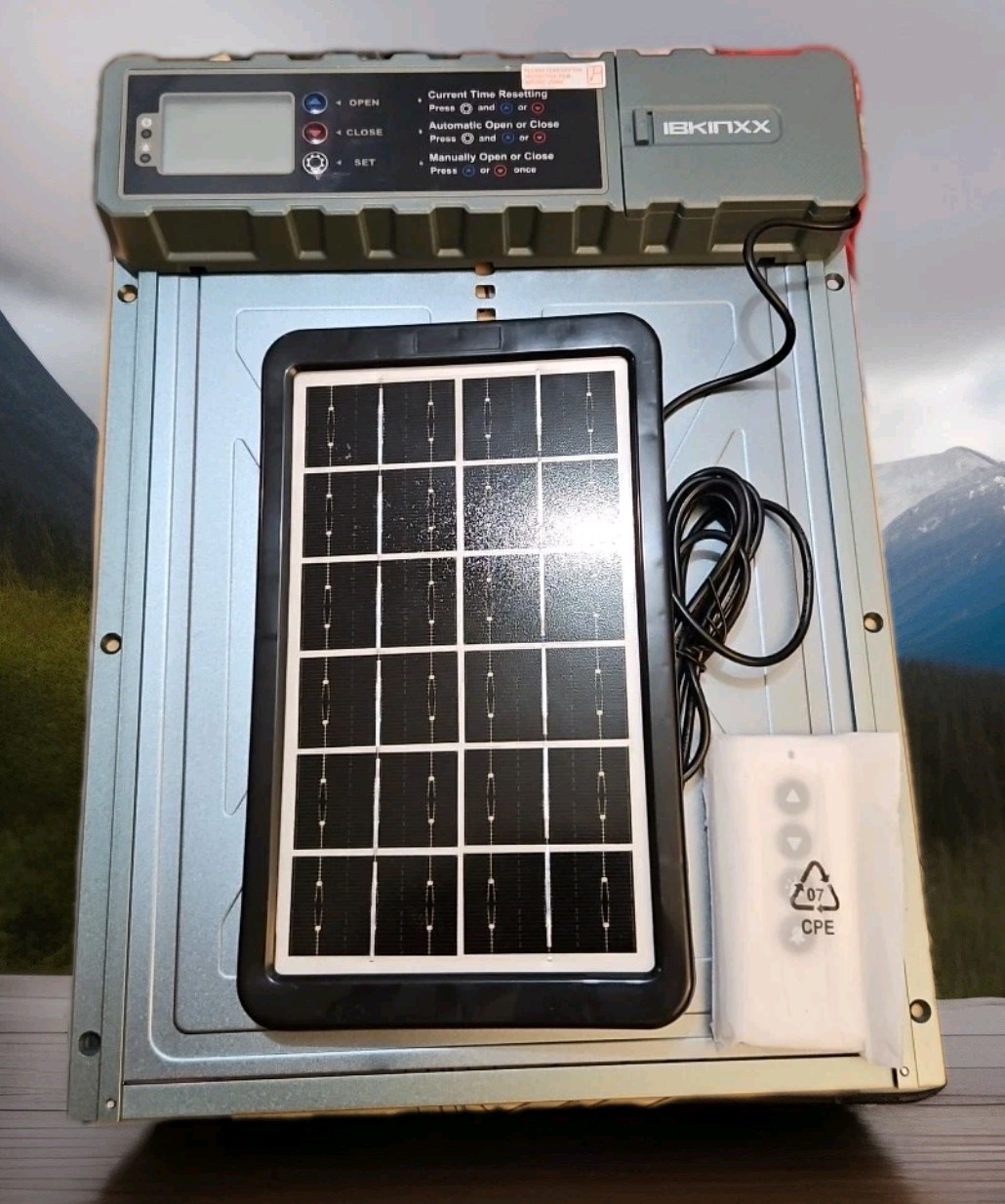
An automatic coop door removes the twice-daily chore of opening and closing the pop hole, but the wrong actuator or sensor logic can trap birds or fail in freezing weather. Buyers should prioritize lift force, anti-pinch safety, and power redundancy over app extras or camera gimmicks. The most common mistakes are under-sizing the door for heavy breeds and relying on a light sensor that triggers at dusk when predators are already active.

Buying guide image
Patio Furniture

Teak Outdoor Furniture

Teak outdoor furniture is solid-wood patio furniture built for year-round weather exposure, where the core trade-off is genuine teak heartwood versus acacia or teak-finish lookalikes. The decision rule: buy Grade-A teak heartwood only if you want a 25+ year lifespan with minimal oiling; choose acacia with a teak stain if budget or weight matters more than maximum rot resistance.

Buying guide image
Outdoor Structures, Shade & Awnings

Backyard Shed

A backyard shed is a long-term outdoor structure, so the material system, roof pitch, and base preparation matter far more than the size label on the box. Most buyer mistakes happen before assembly: choosing a footprint that violates local setback rules, skipping a level foundation, or picking a resin or steel panel that cannot handle your wind and snow loads. Fit the shed to your climate and storage contents first, then size the doors and floor for what you actually need to roll in and out.

Buying guide image
Chicken Coops & Runs

Indoor Chicken Coop

An indoor chicken coop is a enclosed, floor-standing or elevated housing unit designed to keep a small flock safe and contained inside a barn, garage, basement, or utility room. The core trade-off is ventilation versus draft control: solid wooden panels hold heat but trap ammonia, while wire-mesh runs breathe freely but offer no weather or predator barrier. Buy a coop with a raised, removable floor tray and a roofed, wire-enclosed run if birds live indoors full-time; skip open-bottom hutches and unsealed softwood builds that warp and absorb moisture.

You may also like

Finding more guides for you…