GardenPulse Guide

GardenPulse Guide

Garden, Yard & Outdoor Living Reviews & Buying Guides

Compare garden, yard & outdoor living by use case, features, trade-offs, price, returns, and seller terms before you buy.

Buying guides

Buying guide image
Chicken Coops & Runs

Steel Chicken Coop

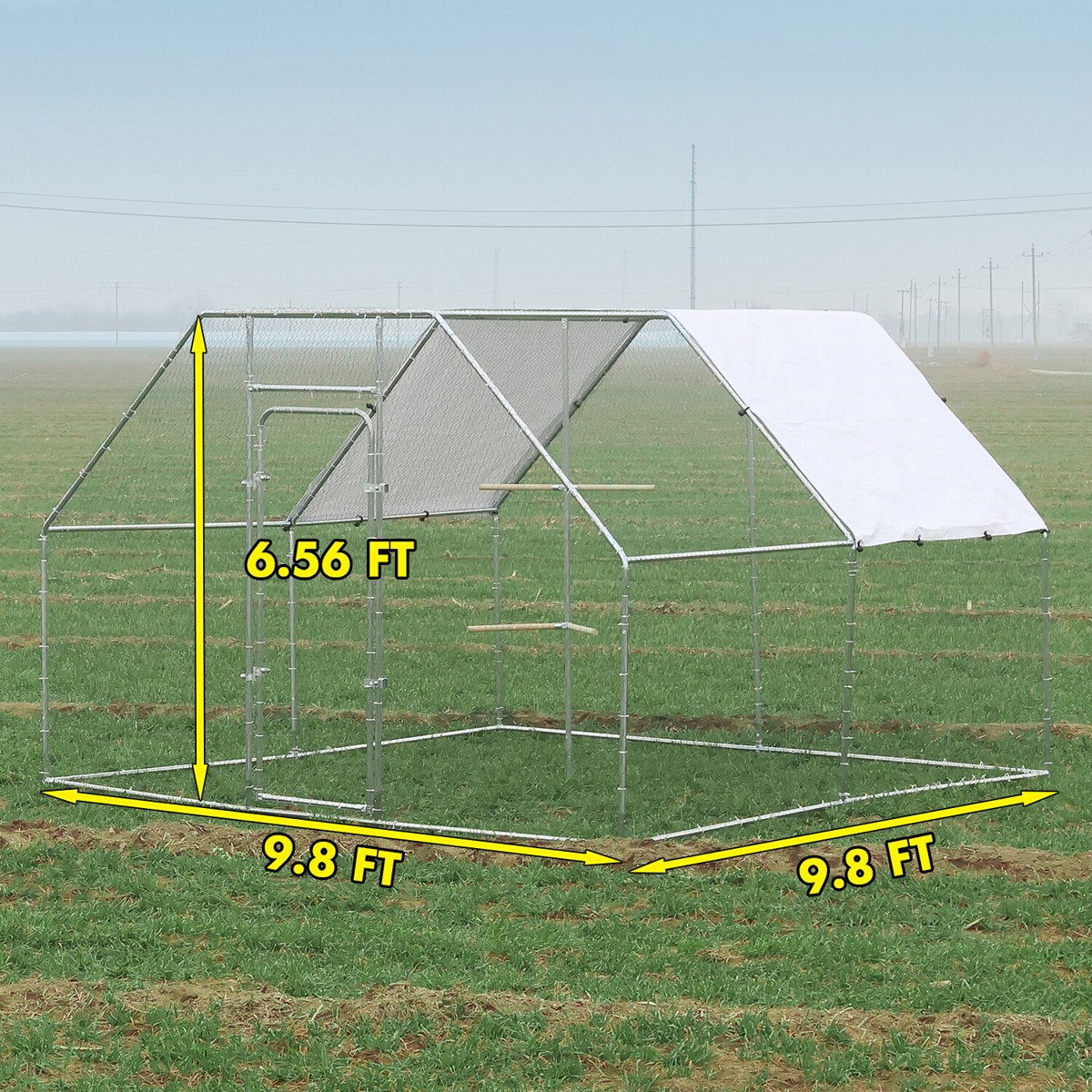
Steel chicken coops are predator-resistant, weatherproof enclosures built around a galvanized or powder-coated steel frame and wire mesh, available as walk-in runs, low-profile tractors, or full coop-and-run hybrids. The core trade-off is gauge and coating versus span: thinner tube and larger unsupported spans flex in wind and rust at cut ends, while heavier wall thickness and tighter mesh spacing add cost but deliver a decade-plus lifespan. The decision rule is simple — buy a frame with welded or bolted gusseted corners, mesh of 1-inch or smaller openings, and a roof that sheds water; skip any coop whose frame relies on push-fit connectors or whose wire is welded only at the perimeter.
Buying guide image
Patio Furniture

Small Patio Set

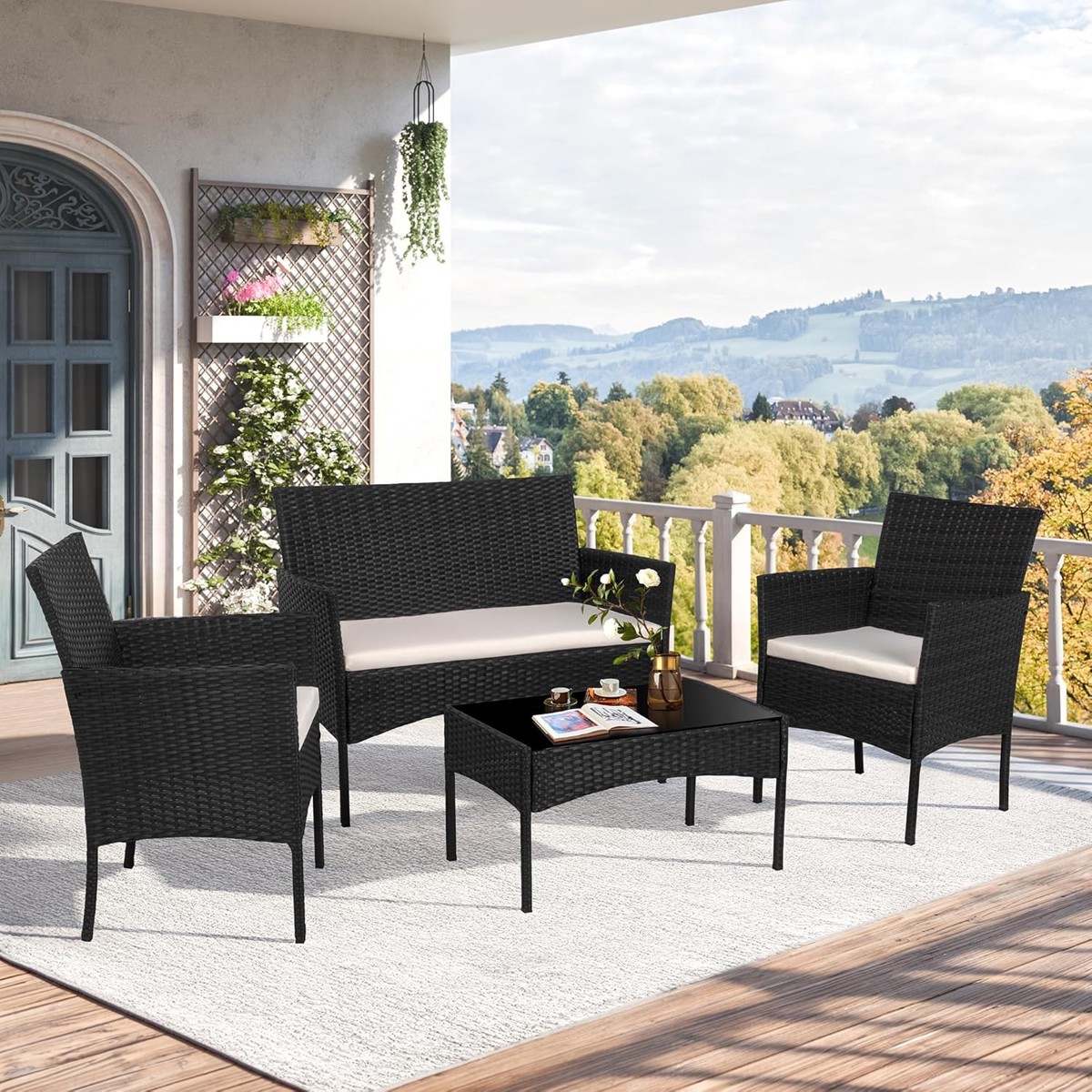
A small patio set is a compact outdoor furniture grouping—typically 3 to 5 pieces—designed for balconies, porches, and tight courtyards where full dining sets won't fit. The core trade-off is frame material and construction: powder-coated steel and aluminum resist rust and hold up for seasons, while budget tubular frames and thin Textilene flex and fade within a year or two. Choose based on measured footprint and frame gauge, not piece count or styling photos.

Buying guide image
Outdoor Structures, Shade & Awnings

8x4 Metal Shed

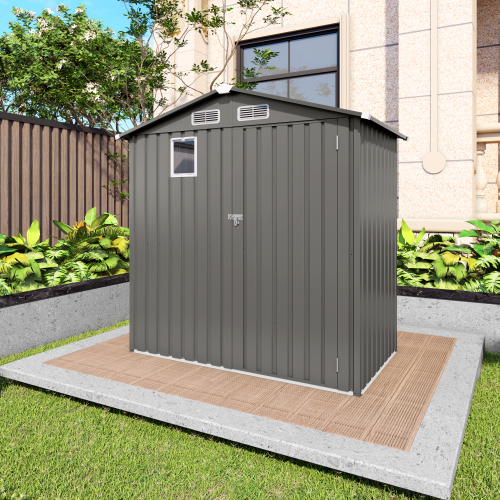
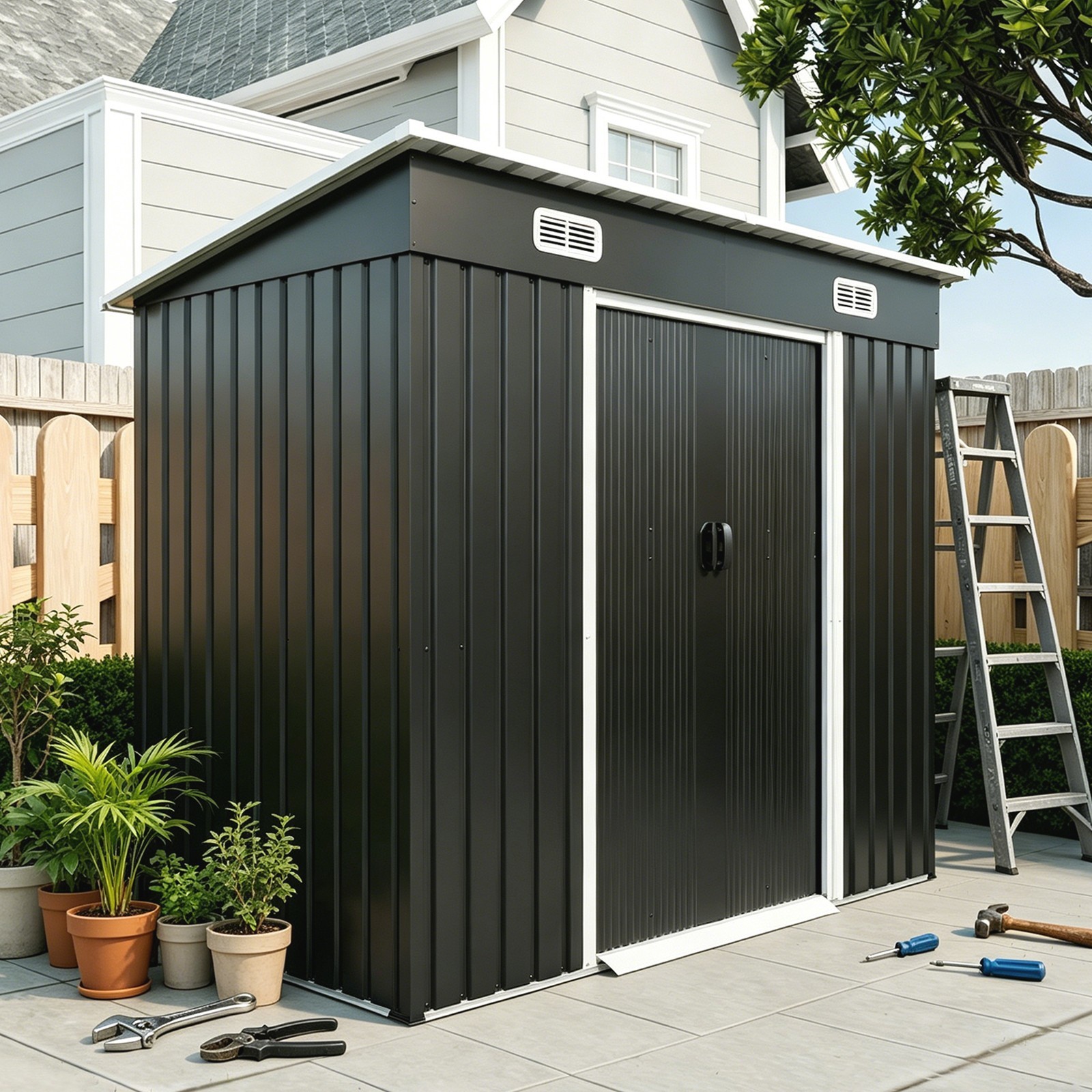
An 8x4 metal shed is a narrow, footprint-efficient storage building—roughly 8 ft wide by 4 ft deep—that suits tight side yards, alleys, and garden edges where a full-size shed won't fit. Buyers most often get sizing or base prep wrong, because these units are shallow (usable depth shrinks with door swing and roof overhang) and require a level, anchored foundation to resist wind uplift. Focus on door configuration, panel gauge, and roof style rather than cosmetic color.

Buying guide image
Outdoor Structures, Shade & Awnings

Garage Shed

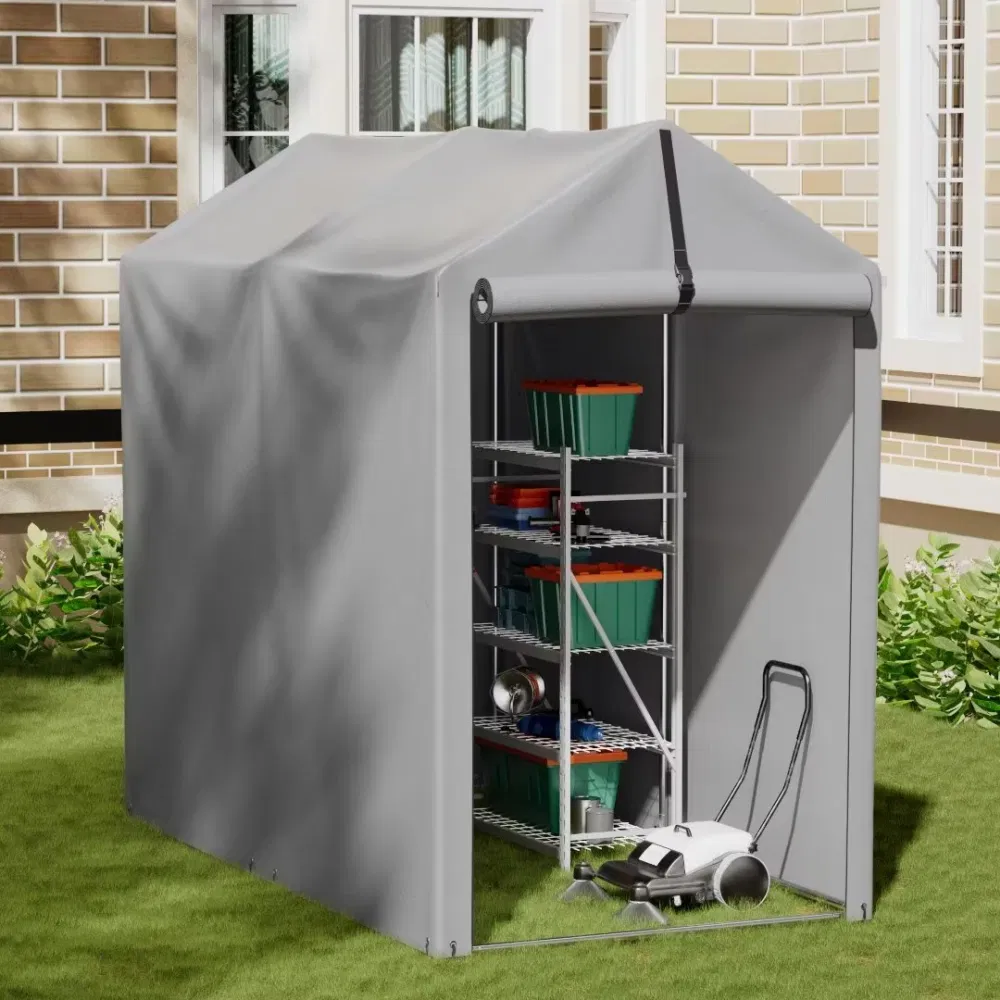
Garage sheds split into two distinct architectures: lightweight polyethylene fabric shelters over steel tube frames and rigid galvanized or resin-panel structures. The fabric shelter fits temporary or seasonal vehicle and equipment storage where portability and low cost matter; the rigid shed wins where snow load, wind rating, and security are non-negotiable. Most buyer mistakes come from oversizing the footprint without checking anchor and snow-load limits, or buying a carport canopy rated for sun shade and expecting it to survive winter storms.

Buying guide image
Outdoor Structures, Shade & Awnings

Metal Pergola

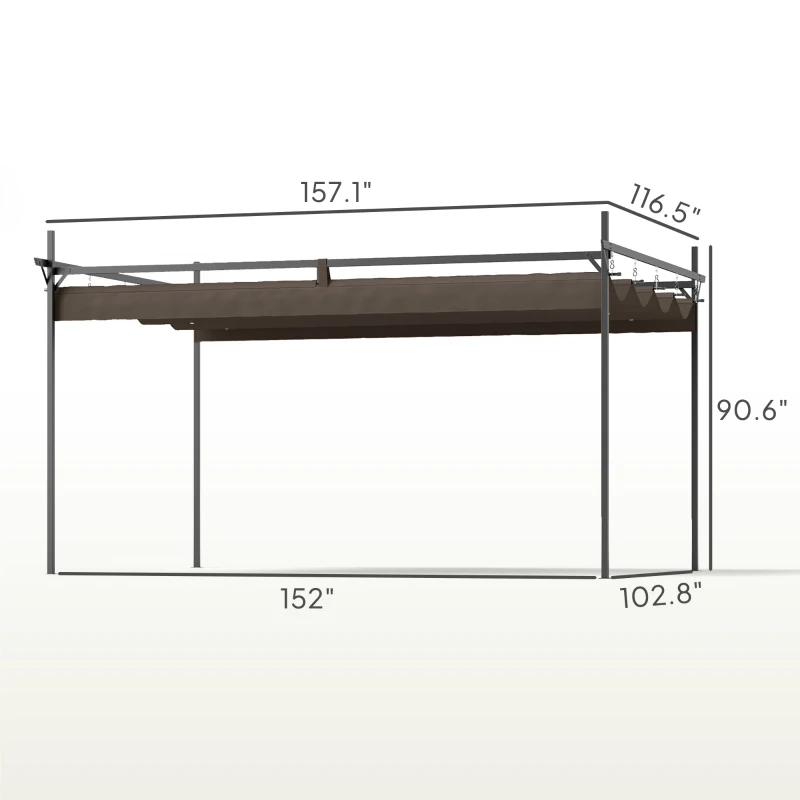
A metal pergola is a permanent shade structure, so the frame gauge, roof style, and anchor method decide whether it survives wind and snow or becomes a repair project. Buyers most often get sizing and mounting wrong: a freestanding unit needs footings and clearance, while a wall-mounted lean-to depends on solid fascia and correct slope. Decide fixed hardtop versus retractable canopy first, then size the frame to your patio and local wind exposure.

Buying guide image
Raised Garden Beds & Planters

Indoor Raised Garden Bed

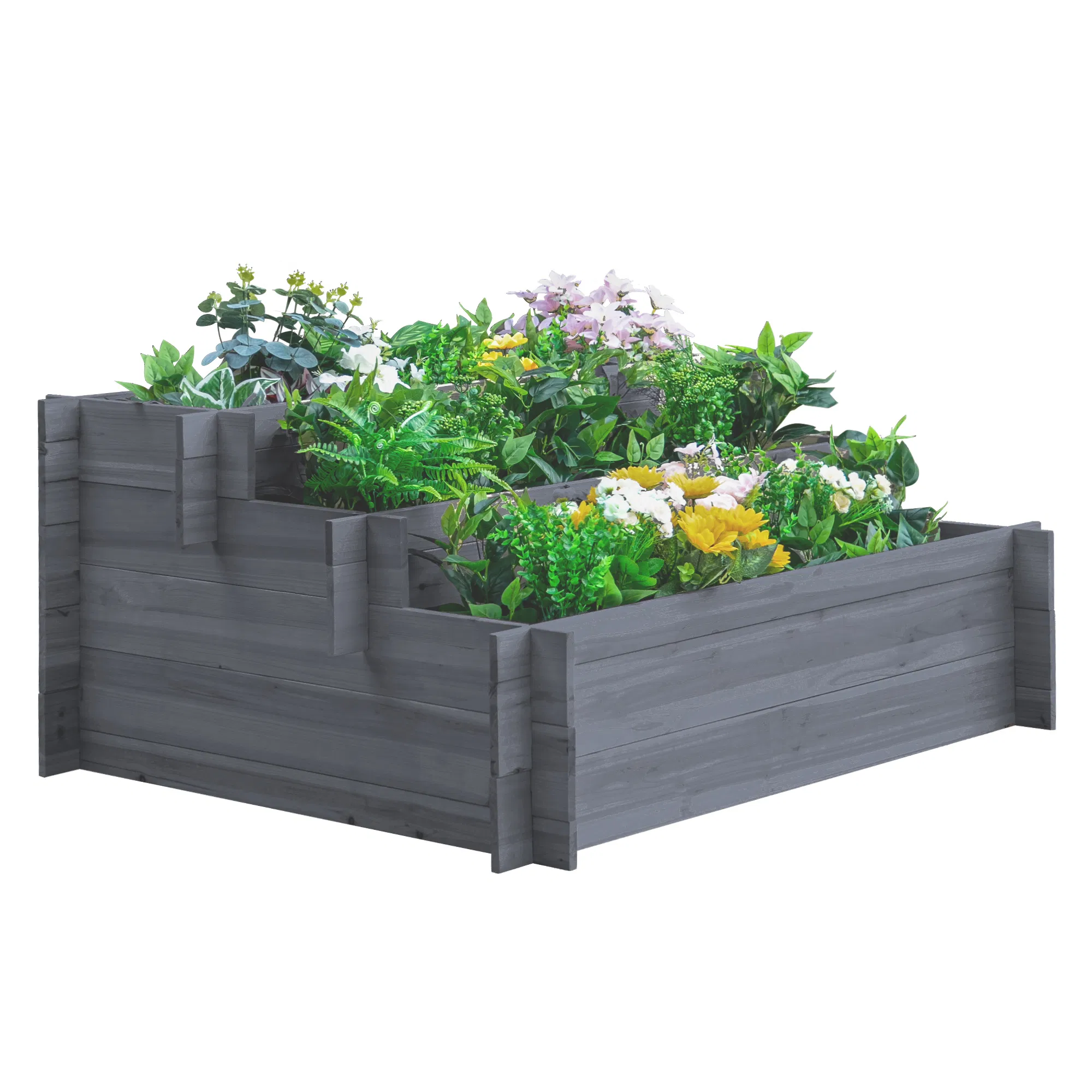
Indoor raised garden beds are freestanding planter systems built for balconies, patios, and sunrooms where floor protection and drainage control matter. The core trade-off is between solid wood (fir/pine) for rigidity and fabric (non-woven/PE) for breathability and root pruning. Choose solid wood with a liner and casters for heavy vegetables and relocation; choose fabric only for lightweight herbs and shallow-root greens.

Buying guide image
Outdoor Storage

Metal Bike Storage Shed

A metal bike storage shed is a rigid galvanized or zinc-coated steel structure sized to keep bicycles, tools, and garden gear dry and secure year-round. The core trade-off is panel gauge versus span: thin 0.25-0.3 mm corrugated walls flex and dent, while 0.4 mm+ hot-dip galvanized panels with reinforced gussets hold shape through wind and snow load. Pick a peaked or lean-to roof with a lockable braced door and an anchored base; skip unanchored thin-gauge kits that buckle at the corner panels.

Buying guide image
Chicken Fencing & Egg Handling

Plastic Chicken Fence

Plastic chicken fence is a lightweight, UV-stabilized polypropylene or polyethylene mesh or netting used to contain poultry and protect gardens, distinguished from metal poultry netting by its flexibility, non-conductive safety, and rust-free lifespan. The primary trade-off is between cheap thin monofilament netting that UV-degrades in 1–2 seasons and thick extruded or woven mesh with UV inhibitors rated for 5–10 years. The decision rule: choose a plastic fence only if you need a portable, relocatable, or electric-fence-friendly barrier; if permanent predator-proof containment is required, step up to welded-wire or hardware cloth.

Buying guide image
Beehives & Frames

Honey Bee Frame

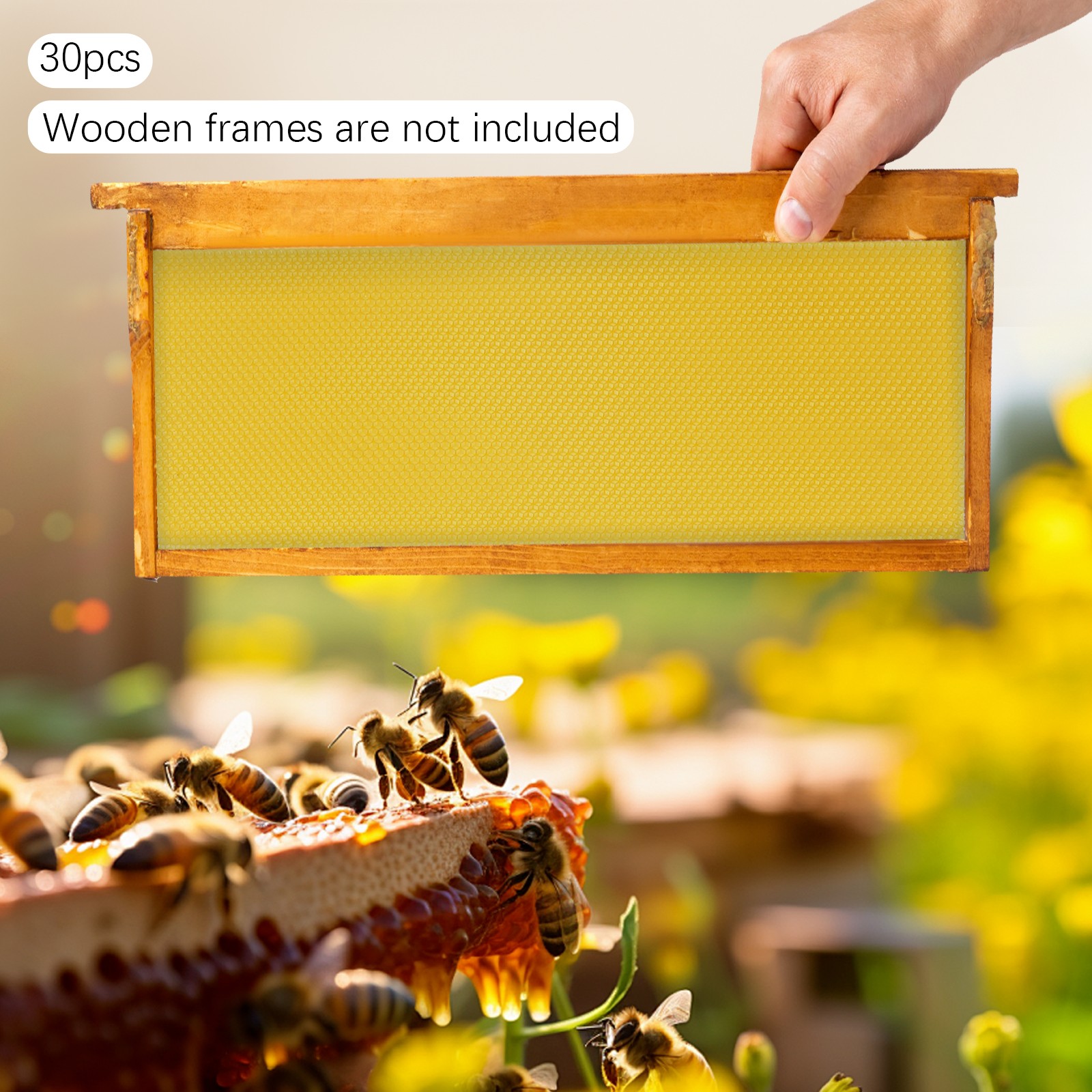
Honey bee frames are the removable wooden or plastic inserts that hold beeswax foundation inside Langstroth hive boxes, and their dimensional precision and foundation quality directly control comb-drawing speed and extraction durability. The core trade-off is between wax-coated plastic foundation (fast draw, reusable, but bees may reject poor wax coatings) and pure beeswax foundation (high acceptance, fragile, single-season). Buy frames that match your box depth and use pure beeswax or heavy wax coating; skip thin paraffin-blend foundation and loose-fitting frames.

Buying guide image
Beehives & Frames

Langstroth Hive Starter Kit

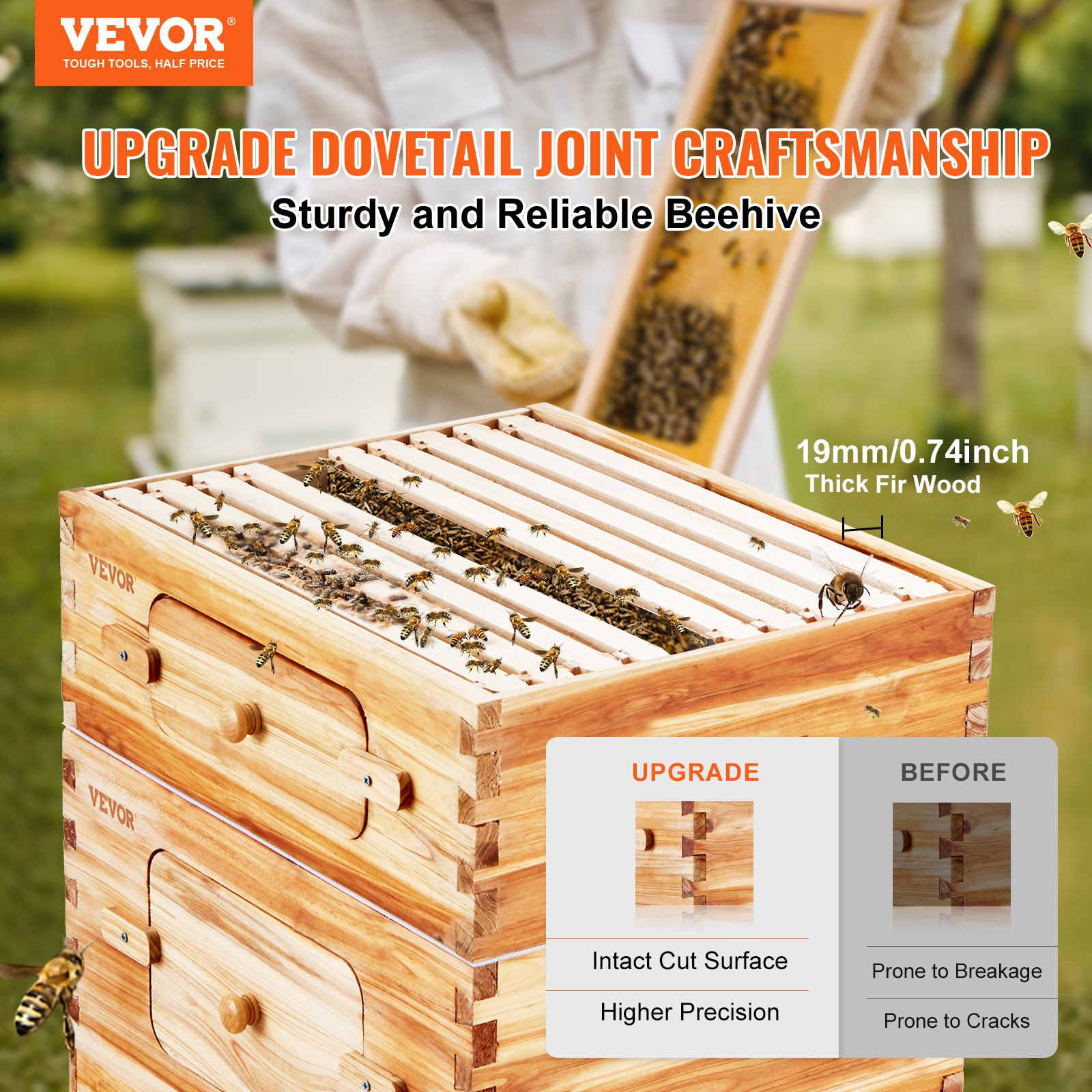
A Langstroth hive starter kit bundles the hive bodies, frames, and foundations needed to launch a movable-frame colony using the standard Langstroth modular system. The primary trade-off is wood species and wax treatment versus box count and frame capacity: cedar with full beeswax coating resists rot and moisture, while pine kits with fewer boxes force early add-on purchases. The decision rule is simple: buy a kit whose box stack matches your climate and colony growth plan, and reject any kit with plastic foundations or uncoated softwood if you expect the hive to last beyond two seasons.

Buying guide image
Beekeeping Suits & Protection

Cotton Bee Suit

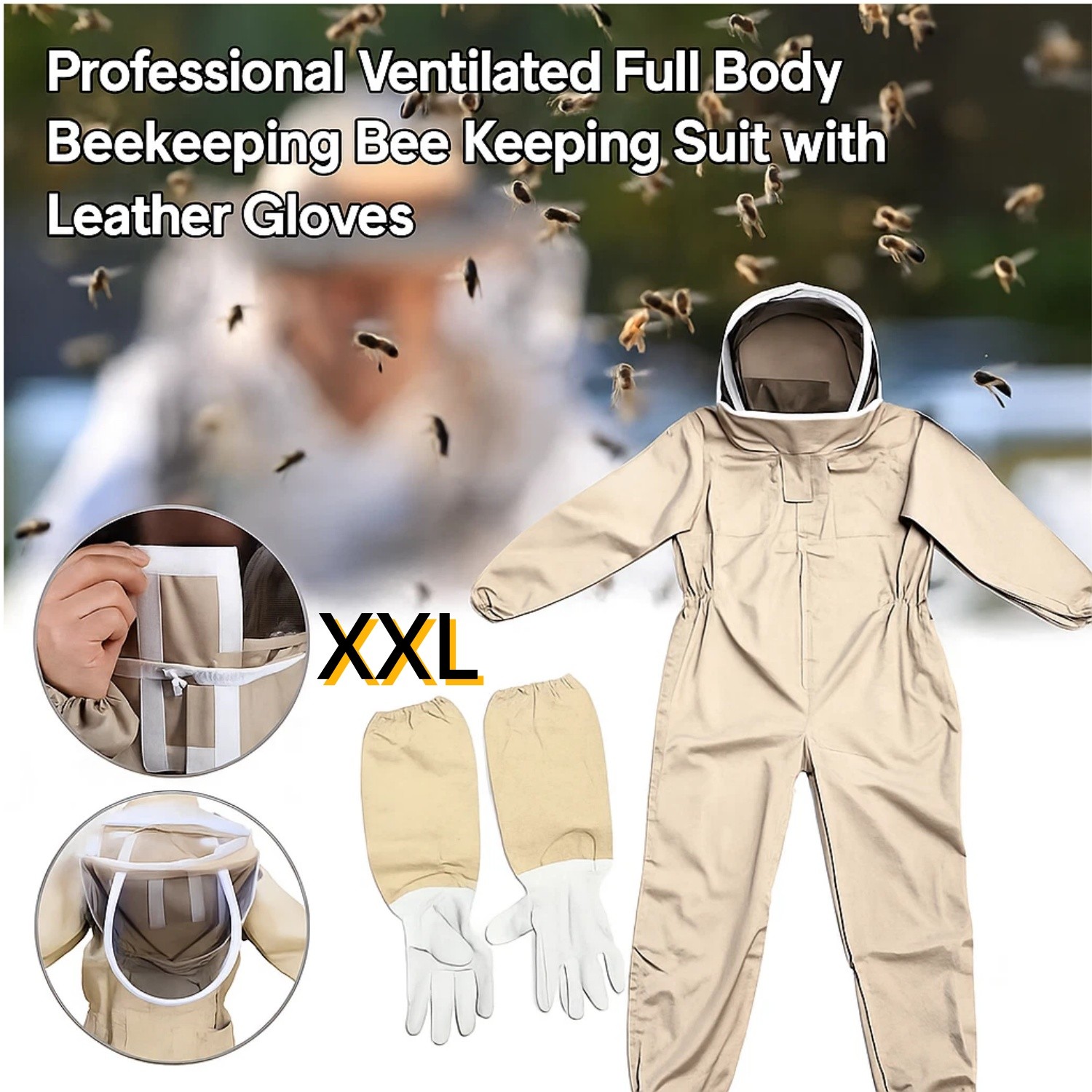
Cotton suits are the traditional choice for beekeepers who value breathability, durability, and a fabric that drapes stiffly away from the body rather than clinging to skin. The critical selection factors are fabric weight, veil attachment style, and whether the suit is vented or solid—each directly affects sting protection and heat stress during inspections.

Buying guide image
Watering & Irrigation

Drip Sprayer

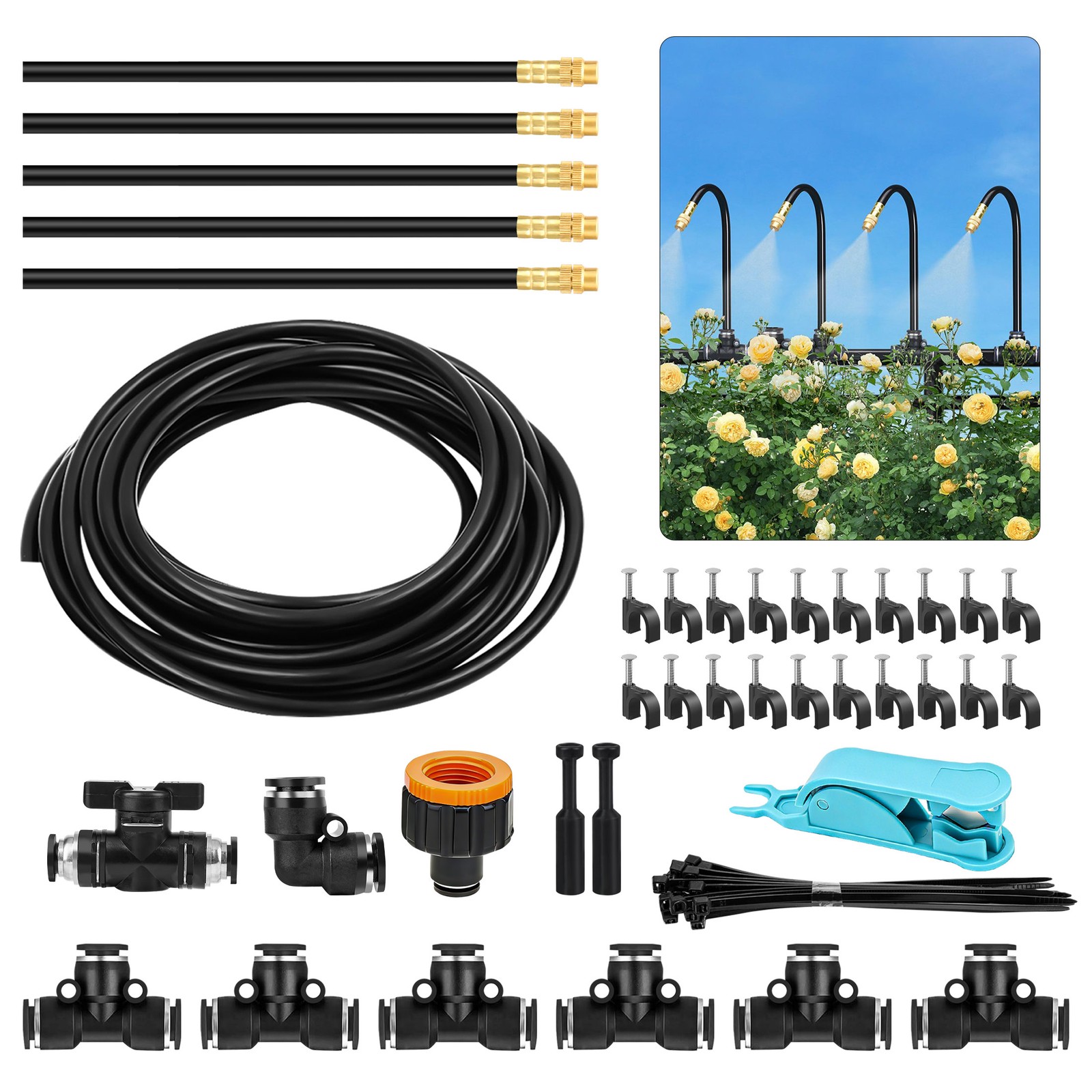
Drip sprayers sit between full drip emitters and overhead sprinklers: micro-spray jets and adjustable foggers that deliver low-volume coverage to beds, containers, and greenhouse benches. The biggest buying mistake is choosing spray heads by count instead of by nozzle flow rate, throw diameter, and the pressure your outdoor tap actually delivers. Get those three right and a basic 1/4-inch kit performs as well as a premium setup.

Buying guide image
Garden Tools

Animal Deterrent

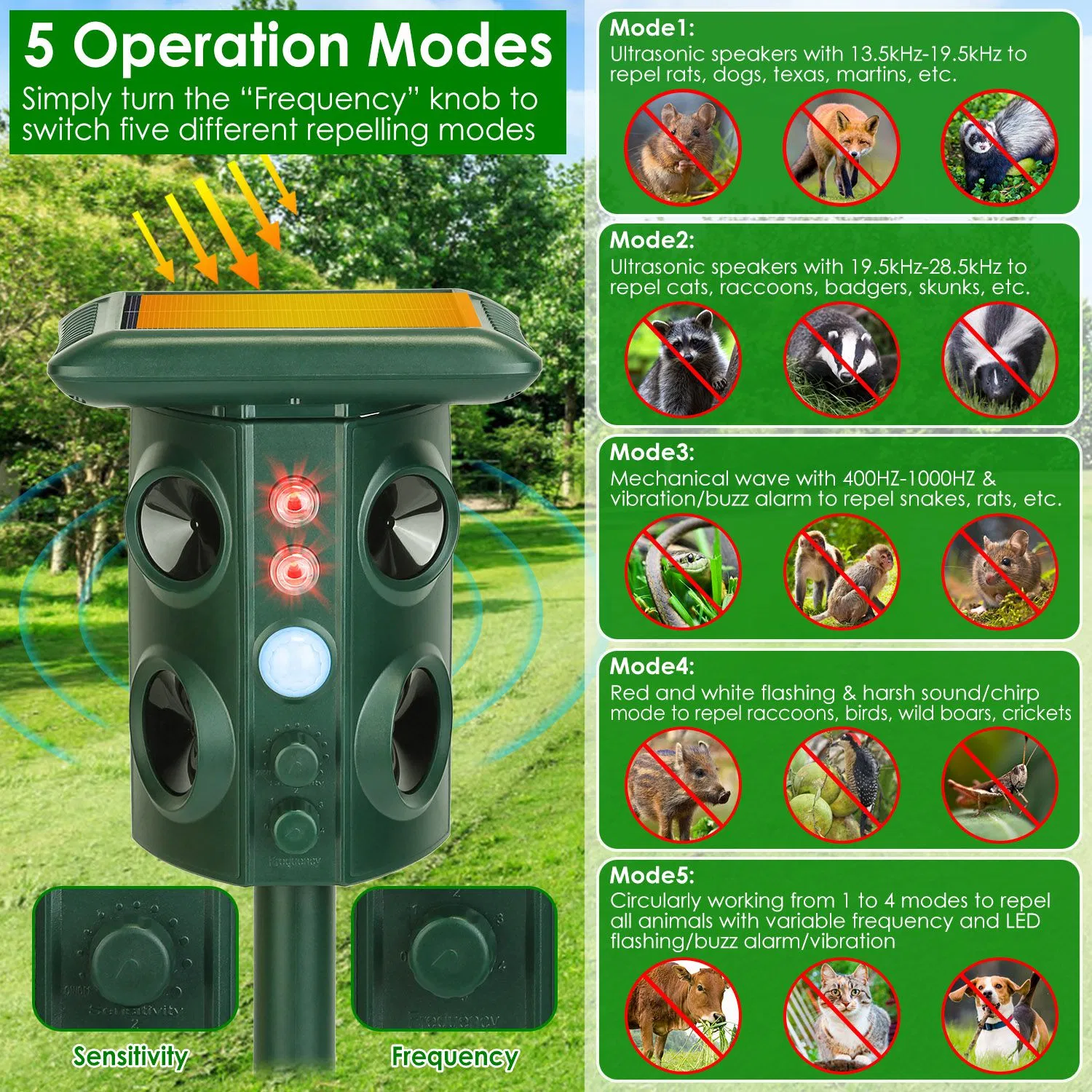
Animal deterrents for yards are motion-triggered devices that use ultrasonic speakers, strobe lights, or water sprays to startle pests away without traps or chemicals. The core trade-off is between deterrent modalities and weather-sealed durability: ultrasonic-only units are affordable but species-selective and easily habituated, while multi-mode and sprinkler types resist repeat visits but demand stronger IP ratings and water access. The decision rule: buy IP65 or higher with solar plus USB backup and at least two deterrent stimuli; skip IPX4 single-mode units for permanent outdoor installs.

Buying guide image
Chicken Coops & Runs

Automatic Coop Door Closer

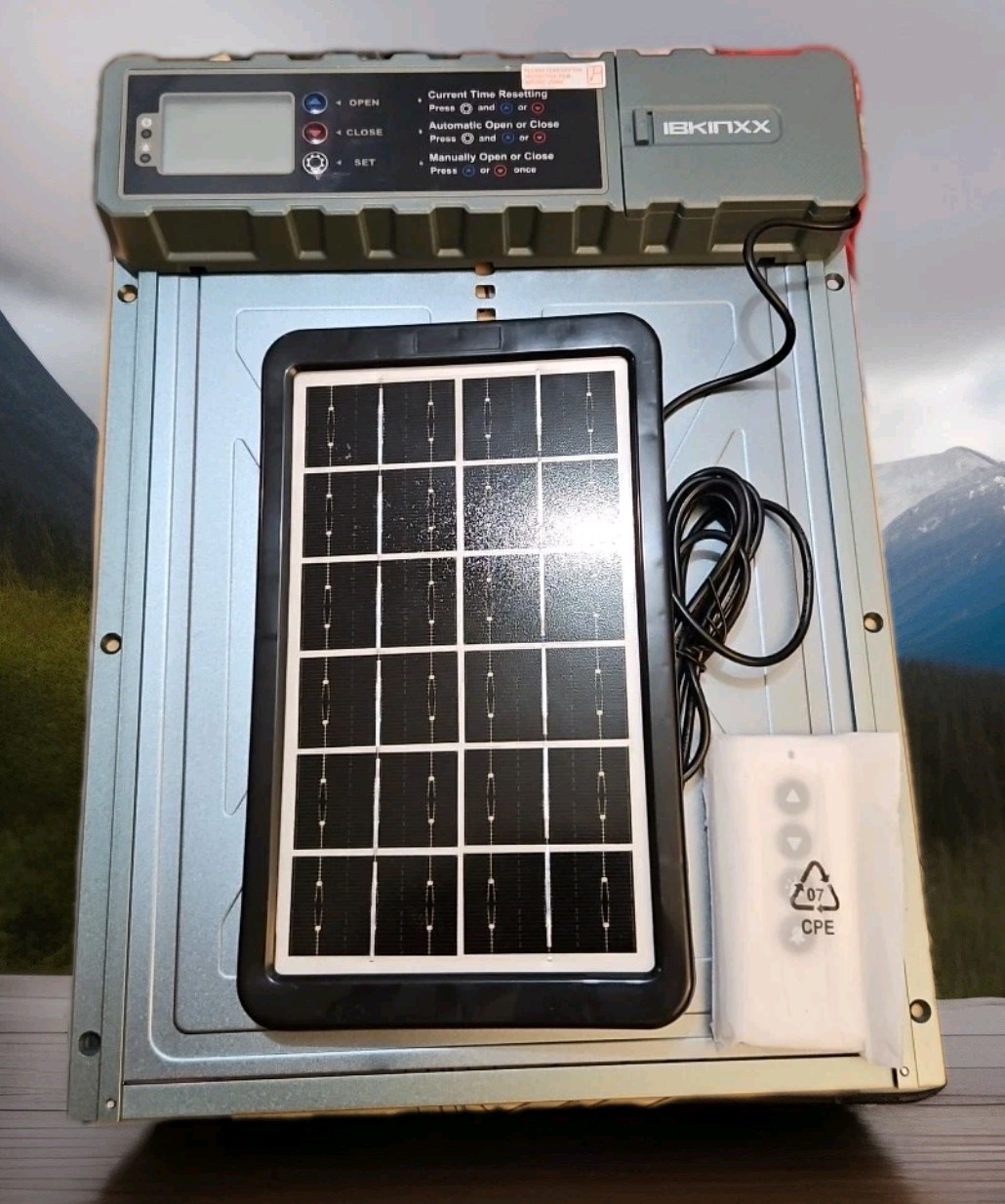
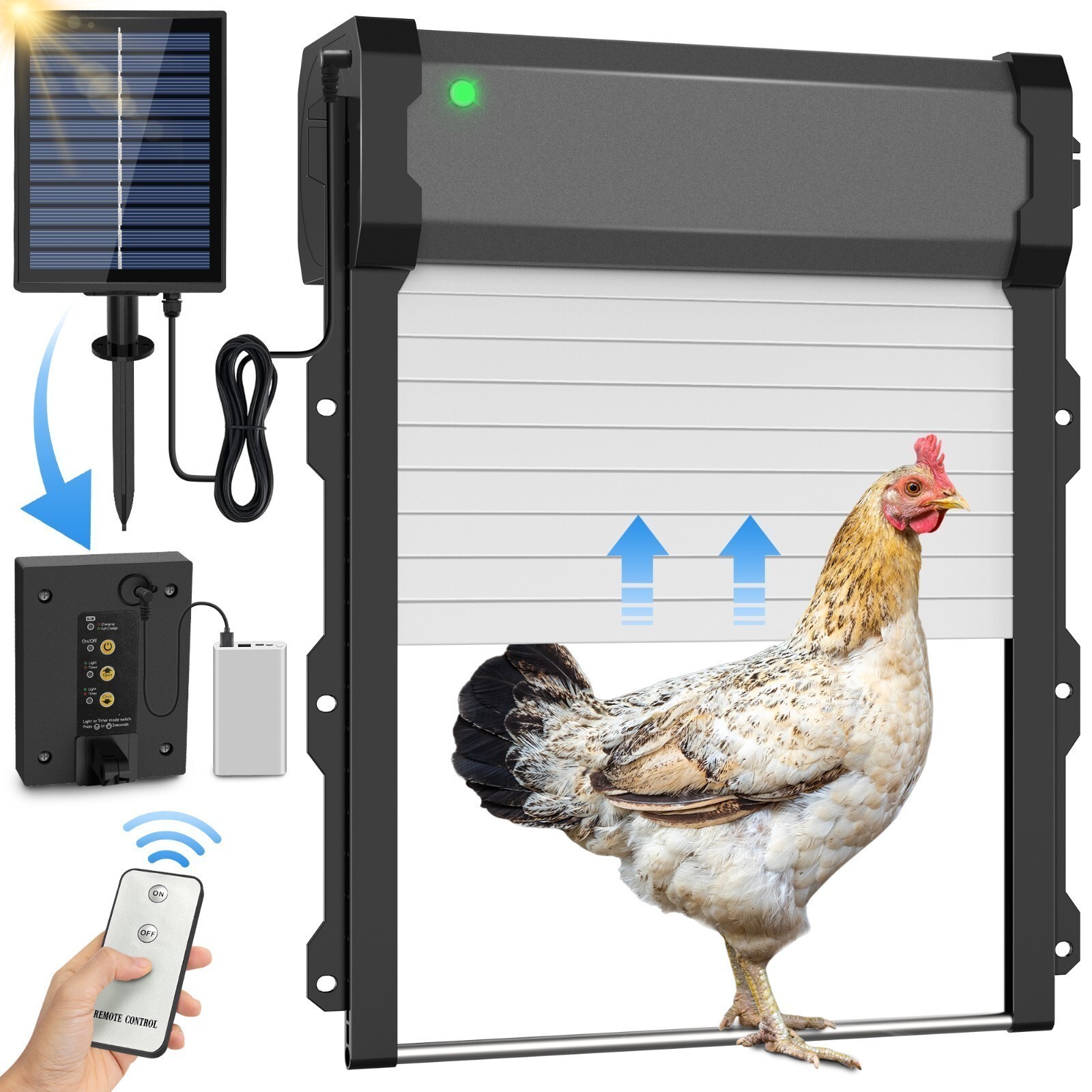
An automatic coop door closer is a small electromechanical device that saves you from dawn-and-dusk manual trips, but reliability hinges on door weight capacity, power source, and light/timer sensing—not on brand names. Most failures trace to undersized motors fighting heavy plywood doors or to exposed wiring in wet climates, so match the actuator's torque and the unit's IP rating to your actual coop build before choosing a control style.

Buying guide image
Chicken Coops & Runs

Timer Chicken Coop Door

Timer chicken coop doors automate flock security by opening and closing on a schedule or light sensor, but most buyer frustration comes from sizing the door opening before checking the actual door panel dimensions. These units are not universal—track width, panel weight, and whether you need solar versus wired power determine whether a kit works on a small tractor coop or a walk-in shed.

Buying guide image
Patio Furniture

Outdoor Patio Cushion

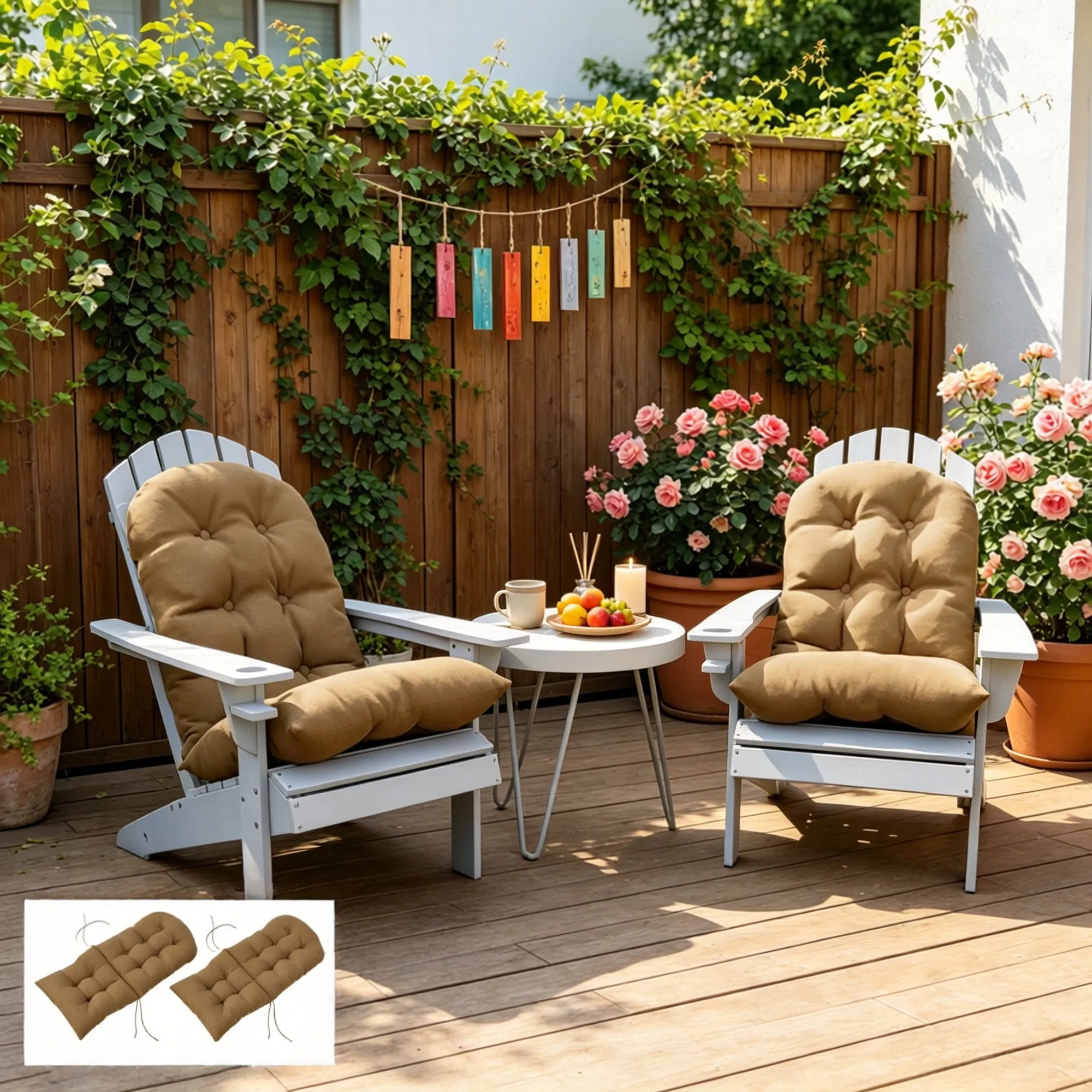
Replacing patio cushions is usually about fit and foam resilience, not fabric patterns. Measure your seat depth, width, and back height first, then pick a foam density and cover grade that matches how often the furniture sits in sun and rain. Most returns happen because shoppers buy a 'standard' size that misses their frame by an inch or two.

Buying guide image
Lawn Care

Seed Spreader

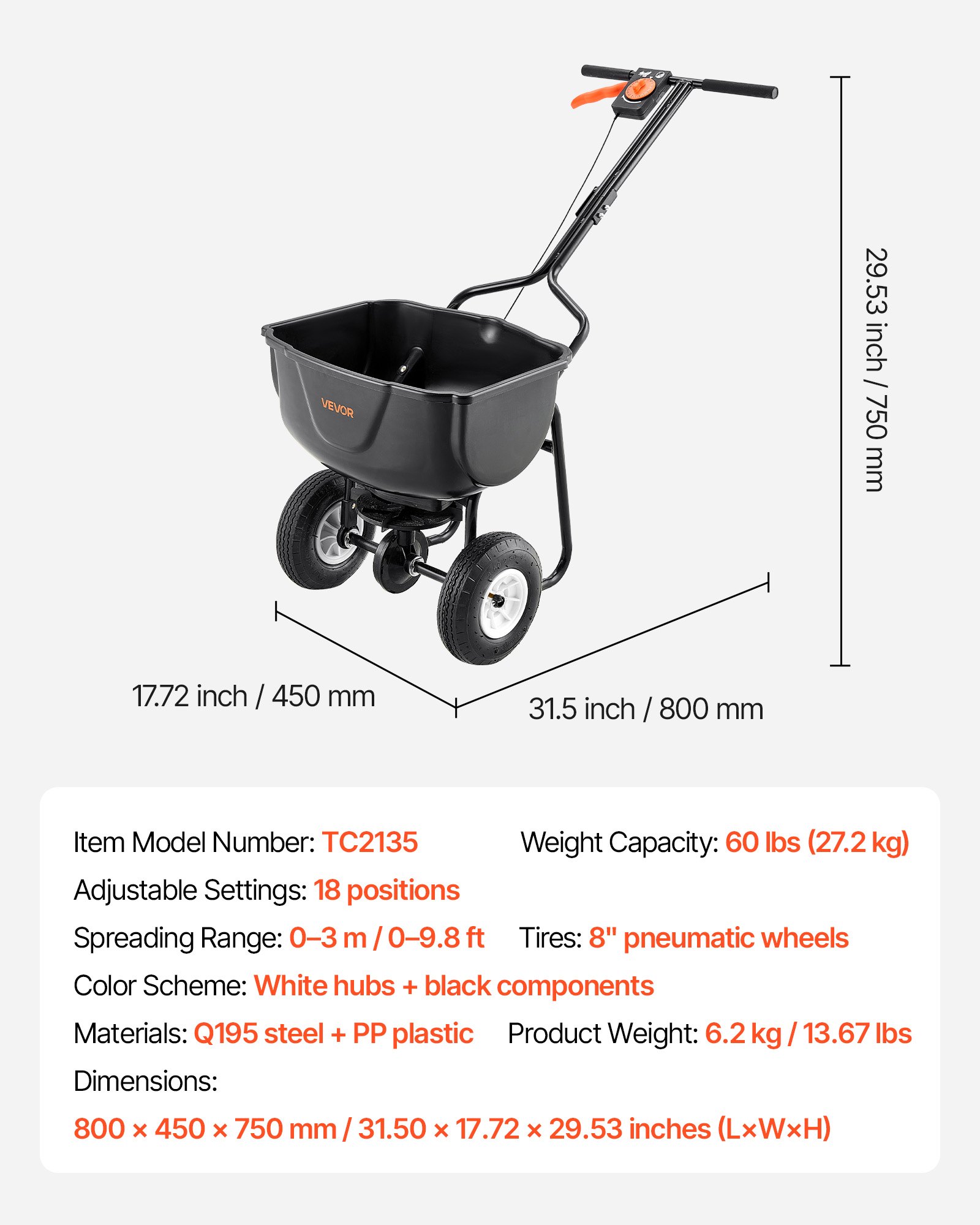
A seed spreader is a hopper-and-impeller or drop-roller tool that meters granular product (grass seed, fertilizer, salt) across a lawn at a controlled rate. The core trade-off is hopper capacity and wheel/tow architecture versus spread-pattern accuracy: small hand-crank units suit spot work, while walk-behind broadcasters with pneumatic tires and a calibrated flow gate handle full lawns evenly. Decide by lawn area, product type, and whether you tow with a UTV/ATV or push manually.

Buying guide image
Chicken Fencing & Egg Handling

48 Chicken Wire

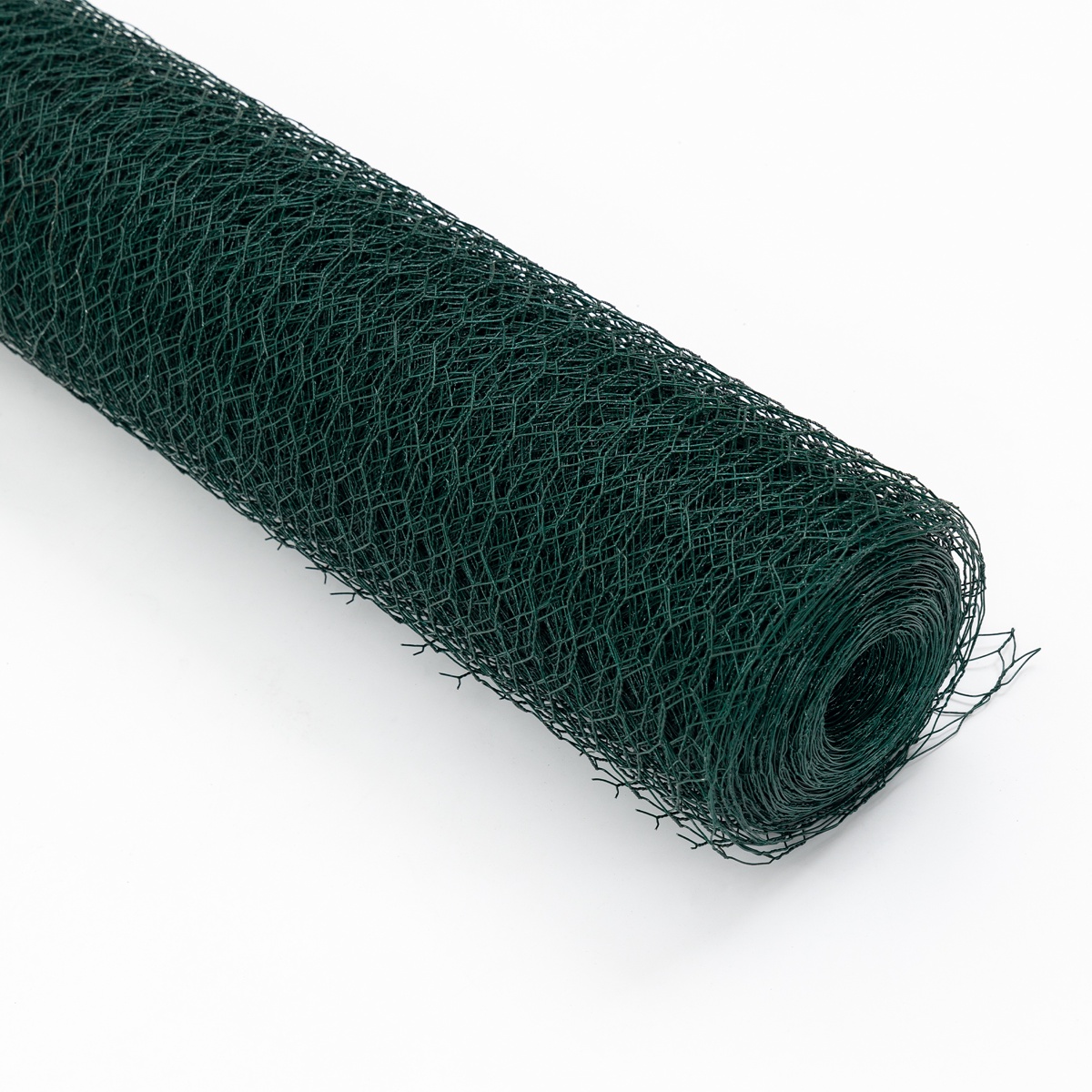
48-inch chicken wire is a light-gauge hexagonal poultry netting sold in 25-, 50-, and 100-foot rolls, used for temporary enclosures, garden barriers, and predator screening. The core trade-off is wire gauge and coating versus span: thinner wire (20-22 ga) is cheap but deforms under raccoon or dog pressure, while 18-gauge galvanized or PVC-coated mesh resists sagging and rust at a higher cost. The decision rule is simple: buy 18-gauge or heavier for any barrier that must hold against animals, and reserve 20-22 gauge solely for light plant protection or short-term brooder pens.

Buying guide image
Chicken Fencing & Egg Handling

Chicken Coop Wire Fence

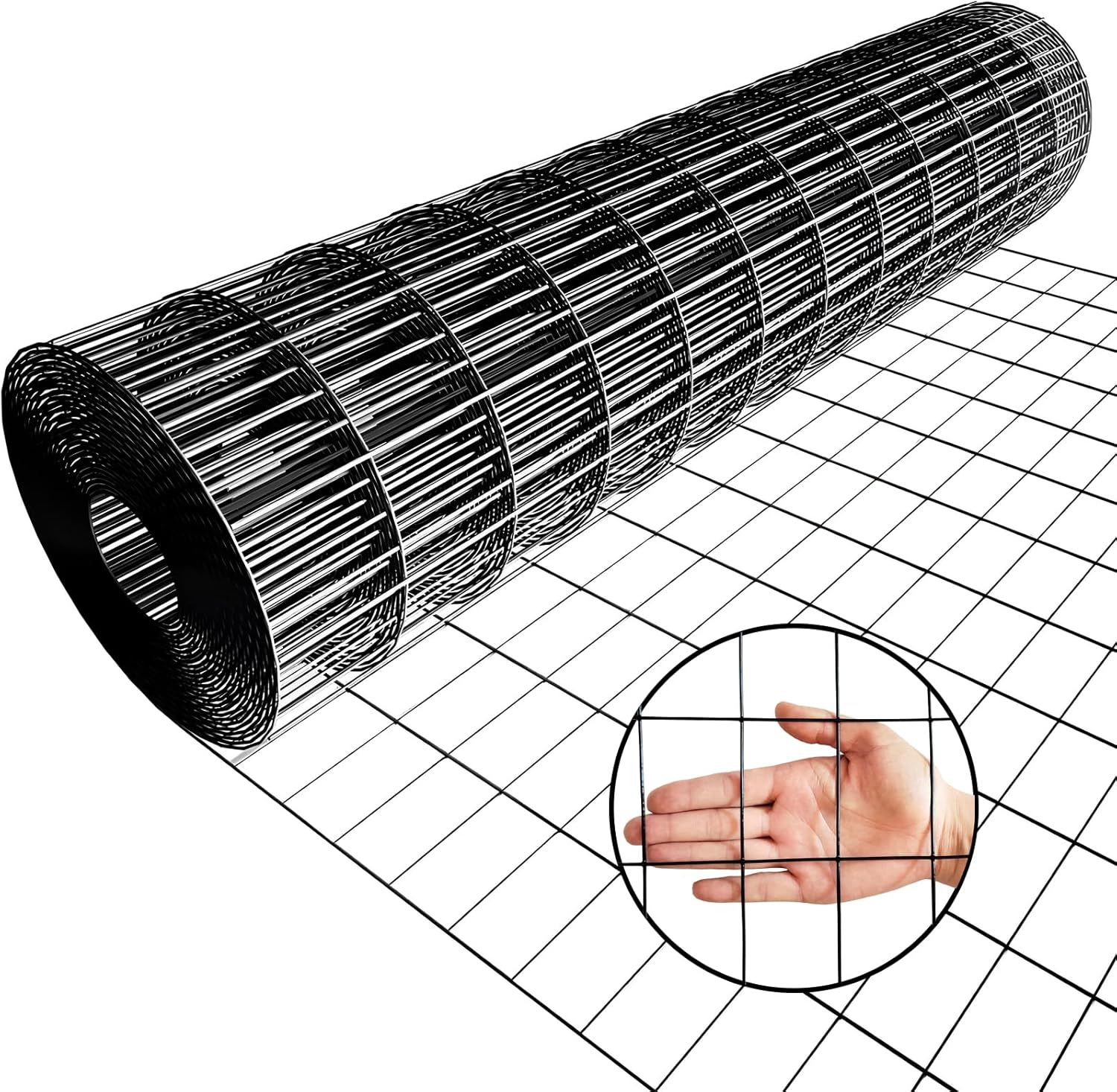
Chicken coop wire fence is welded or woven wire mesh sized by wire gauge, mesh opening, and roll dimensions, used to predator-proof runs and coops. The core trade-off is wire gauge and mesh aperture versus cost and weight: thinner wire and wide openings let predators through or fail under load. The decision rule is simple—anything protecting chickens overnight must be 16-19 gauge hardware cloth with 1/2-inch or 1/4-inch openings; 2x3-inch mesh is structural support only, never primary predator barrier.

Buying guide image
Beehives & Frames

Bee Keeper Starter Kit

A beekeeper starter kit bundles the hive components, protective gear, and basic tools needed to establish a first colony, with the core trade-off between pre-assembled hobbyist convenience and unassembled durability that demands woodworking skill. The decisive rule is simple: buy a kit whose hive box components are kiln-dried pine or western red cedar with dovetail or box joints and whose frames are wax-coated plastic or wired foundation—skip any kit using stapled butt joints or thin 3/8-inch plywood that warps within a season.

You may also like

Finding more guides for you…