
Photos from current listings. Actual item, color, and included accessories may vary.
6 Chicken Wire Buying Guide
Six-gauge chicken wire is a light-gauge hexagonal mesh used for temporary garden barriers, trellis support, and small-animal containment—not predator-proof perimeter fencing. The core trade-off is wire gauge versus opening size: thinner wire (20-22 ga) is cheap and easy to cut but deforms under any load, while 18-gauge or heavier (often galvanized) resists bending and lasts multiple seasons. The decision rule: buy 6-gauge or 18-gauge galvanized for structural garden use; skip 20-22-gauge 'chicken wire' for anything that must stop a determined animal or hold shape.
Median $115.99
Key takeaways
- Standard chicken wire is hexagonal woven mesh in 1-inch or 2-inch openings; 1-inch blocks small birds and squirrels, 2-inch is lighter and cheaper but lets songbirds and rodents through.
- Wire gauge determines durability: 20-22 gauge is light-duty (seasonal garden), 18 gauge is medium (multi-season), and 6 gauge refers to heavier wire often used for welded mesh—do not confuse woven hexagonal 'chicken wire' with welded 6-gauge panels.
- Galvanized after weaving (GAW) wire has zinc coating on every wire intersection, resisting rust 2-3x longer than galvanized-before-weaving (GBW) in wet climates.
At a glance
- Category
- Chicken Fencing & Egg Handling
- Last updated
- Nov 27, 2026
Current offers
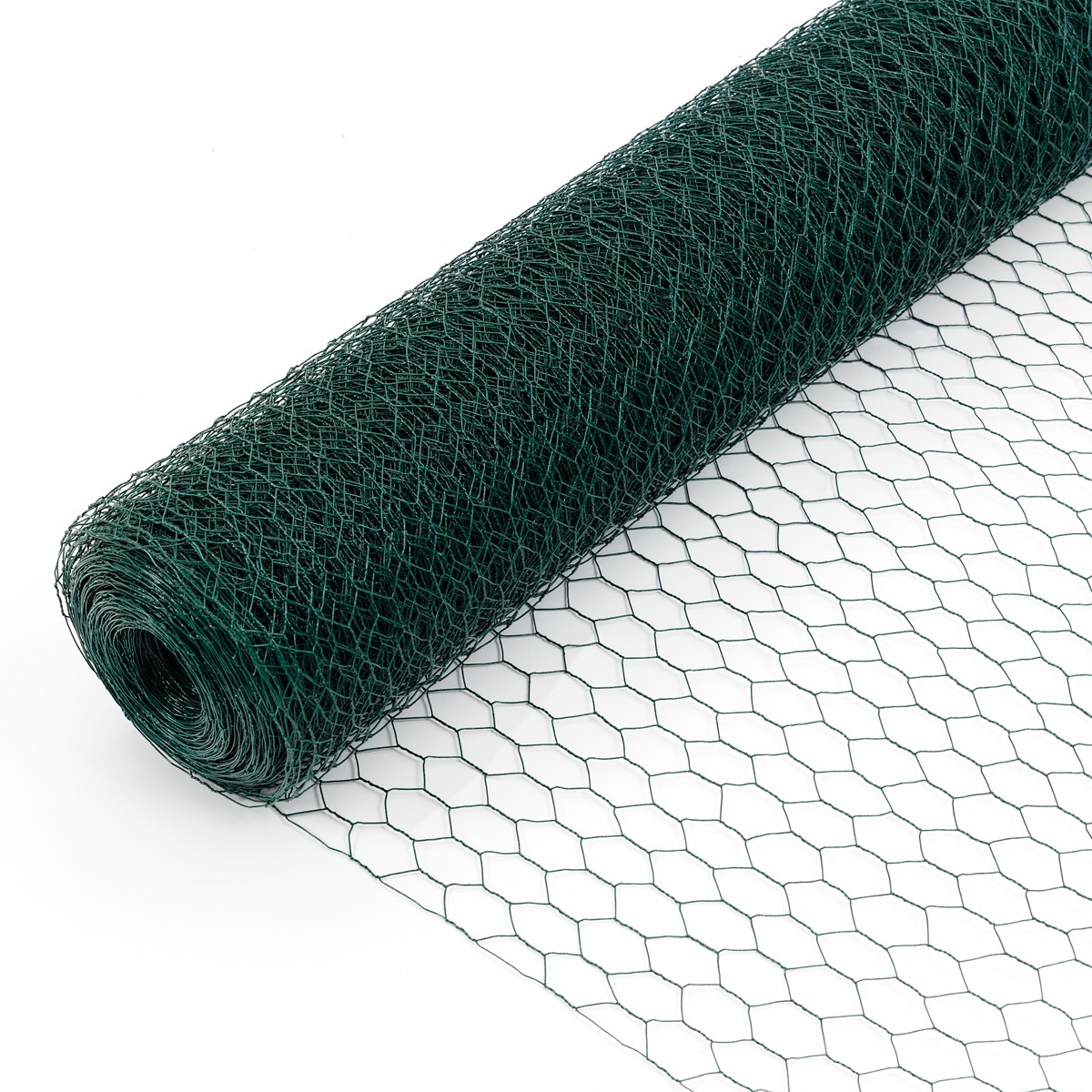 Large Size Galvanized Hexagonal Floral Green Chicken Wire, Outdoor Anti-Rust Poultry Netting for Garden, Coop Fencing$87.99View on Mallflare
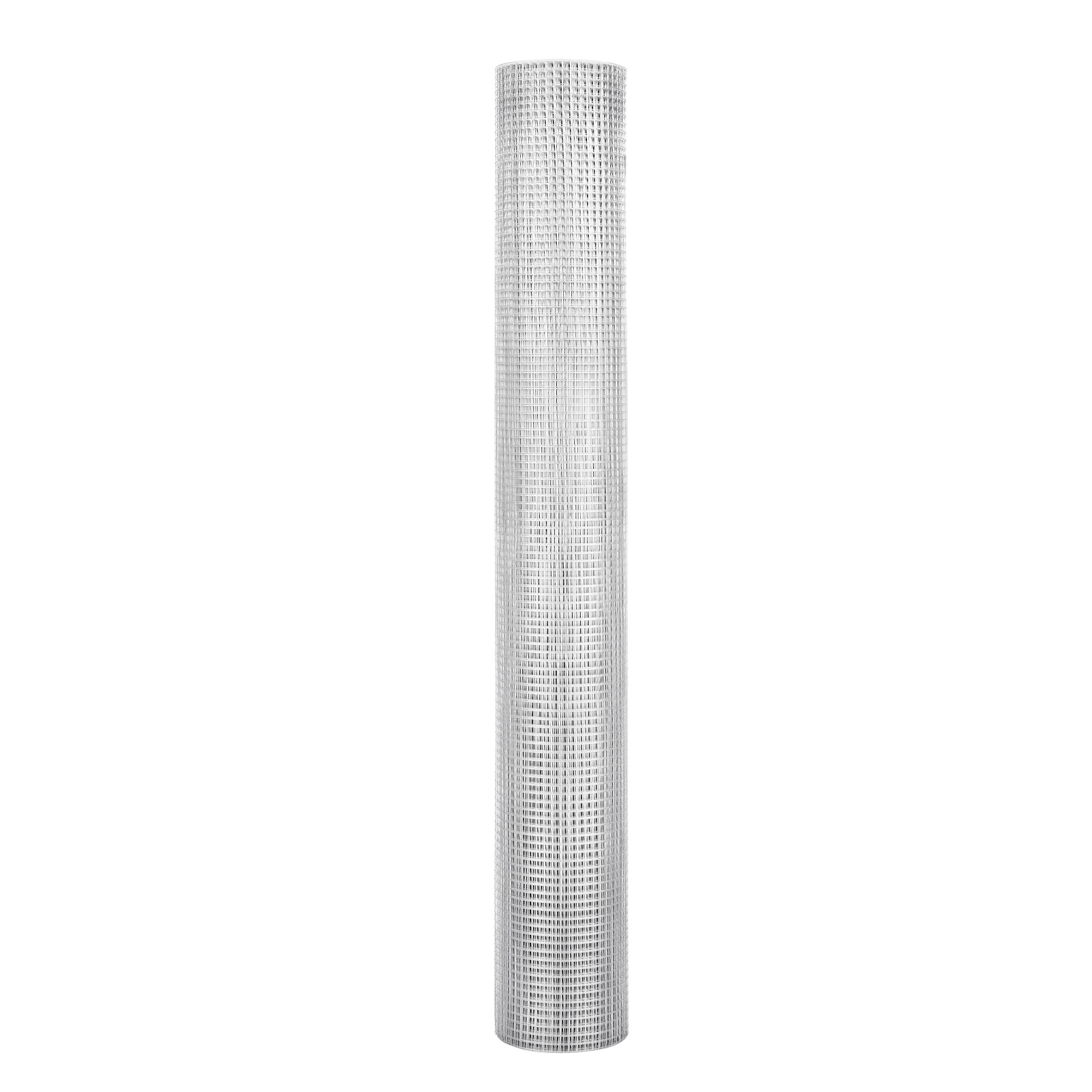 Hardware Cloth, 1/2 Inch 60 X 50 Ft 19 Gauge Chicken Wire Fence, Hot-Dip Galvanized After Welding Metal Mesh Roll, Garden Plant Welded Fencing Supports Poultry Netting Cage$104.99View on Mallflare
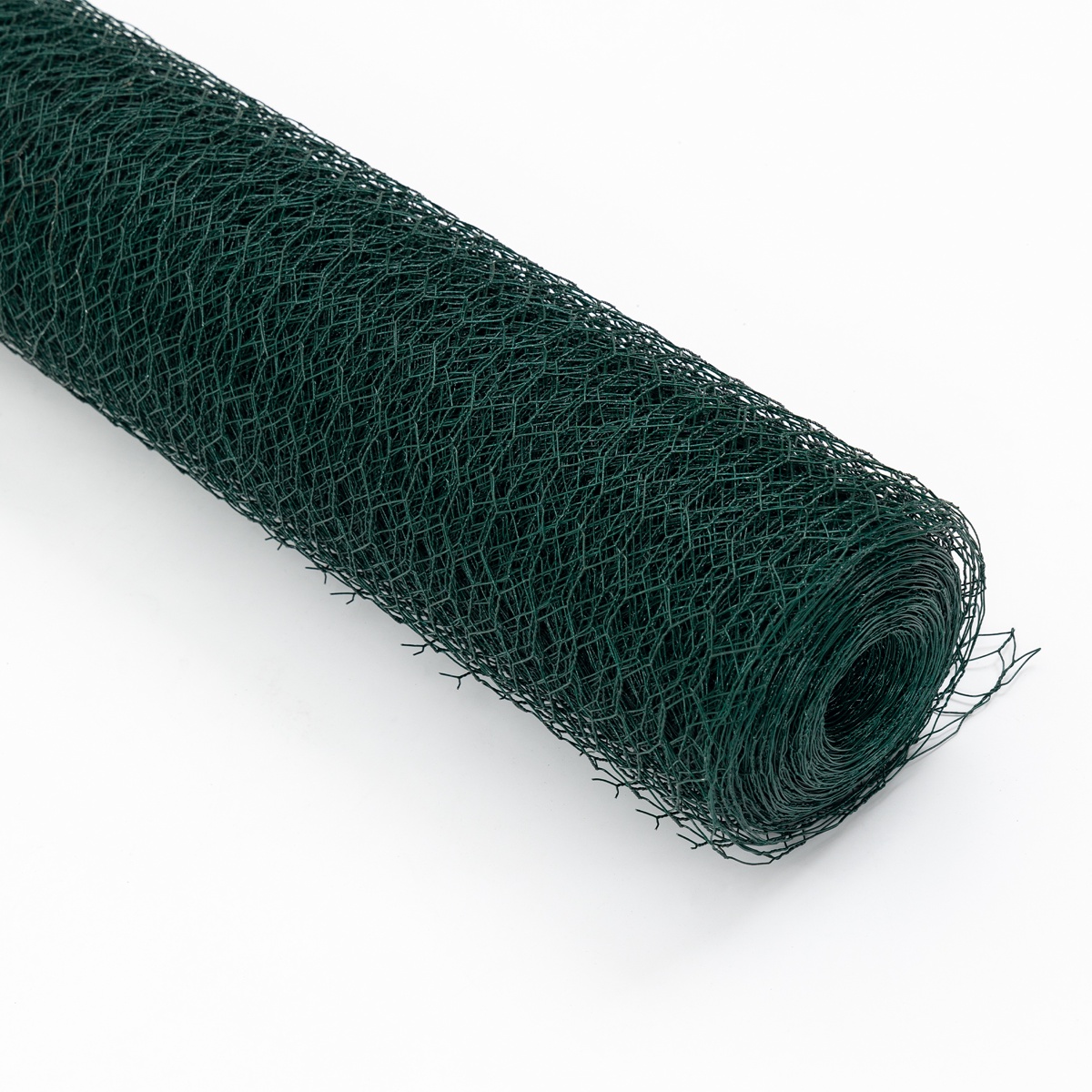 60M Large Size Galvanized Hexagonal Floral Green Chicken Wire, Outdoor Anti-Rust Poultry Netting For Garden, Coop Fencing$115.99View on Mallflare
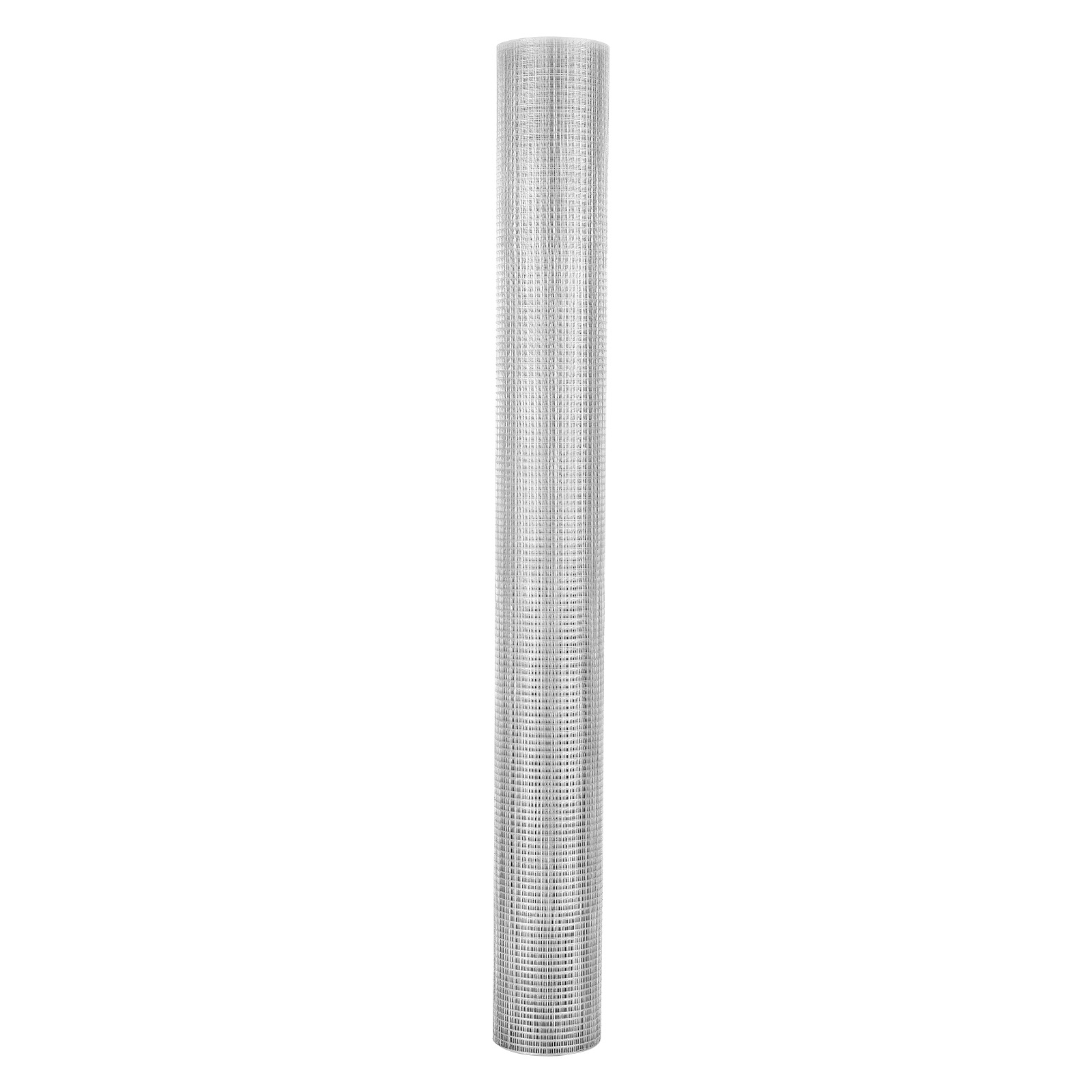 Hardware Cloth, 1/2 Inch 72 X 50 Ft 19 Gauge Chicken Wire Fence, Hot-Dip Galvanized After Welding Metal Mesh Roll, Garden Plant Welded Fencing Supports Poultry Netting Cage$127.99View on Mallflare
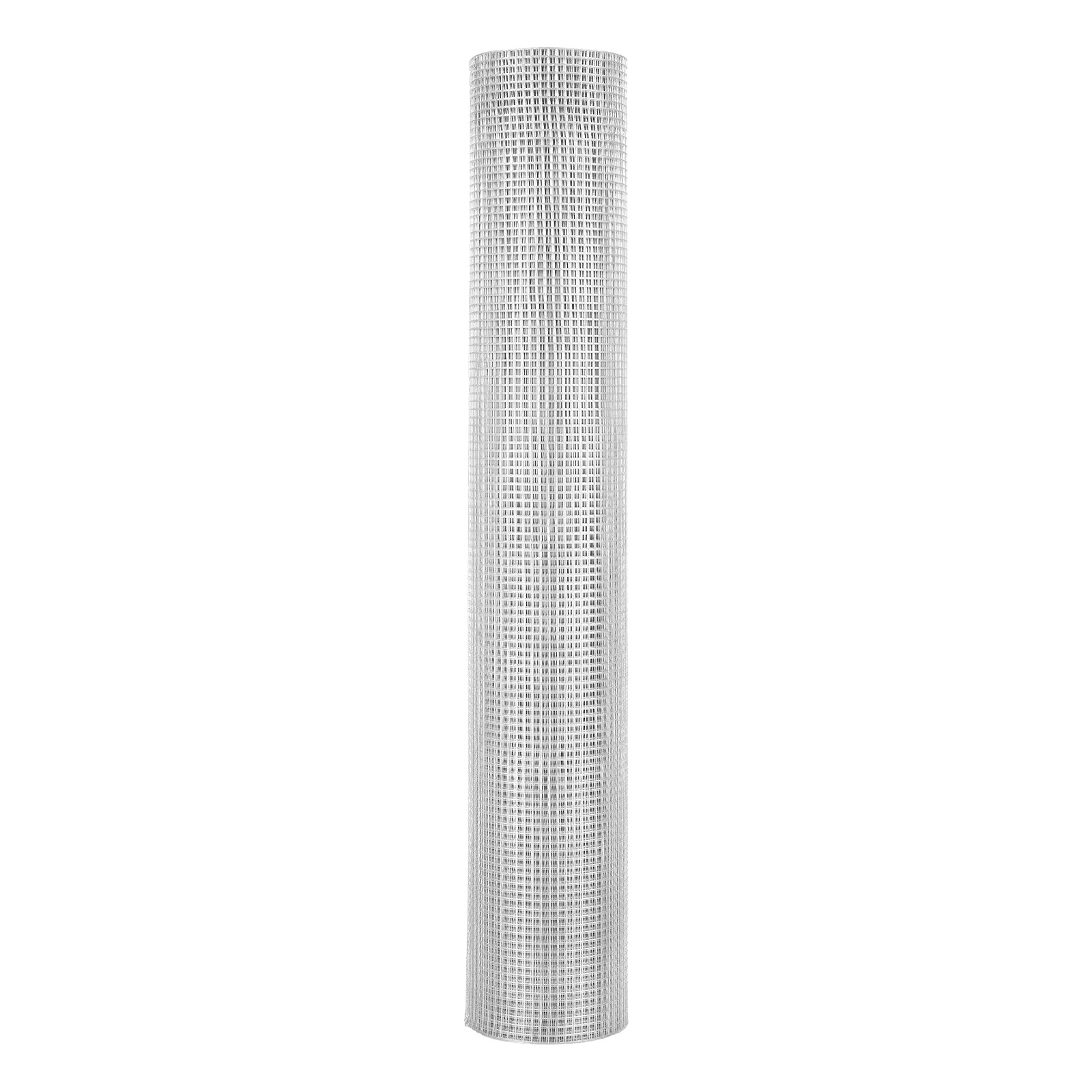 Hardware Cloth, 1/2 Inch 60 X 100 Ft 19 Gauge Chicken Wire Fence, Hot-Dip Galvanized After Welding Metal Mesh Roll, Garden Plant Welded Fencing Supports Poultry Netting Cage$177.99View on Mallflare
Highlights
- Standard chicken wire is hexagonal woven mesh in 1-inch or 2-inch openings; 1-inch blocks small birds and squirrels, 2-inch is lighter and cheaper but lets songbirds and rodents through.
- Wire gauge determines durability: 20-22 gauge is light-duty (seasonal garden), 18 gauge is medium (multi-season), and 6 gauge refers to heavier wire often used for welded mesh—do not confuse woven hexagonal 'chicken wire' with welded 6-gauge panels.
- Galvanized after weaving (GAW) wire has zinc coating on every wire intersection, resisting rust 2-3x longer than galvanized-before-weaving (GBW) in wet climates.
- Mesh height and roll length vary: common heights are 12, 24, 36, and 48 inches; 25-50 ft rolls suit garden rows, while 100-150 ft rolls cover larger runs with fewer seams.
Best use cases
- Best fit: temporary garden row protection—choose 24-inch height, 1-inch hex, 20-gauge galvanized; skip 6-gauge welded panels (overkill and hard to bend).
- Best fit: trellis or plant support—choose 36-48 inch height, 2-inch hex, 18-gauge; skip light 22-gauge because it sags under vine weight.
- Best fit: small-animal run or chick enclosure—choose 1-inch hex, 18-gauge GAW, and bury 6 inches of skirt; wrong fit: 2-inch hex because chicks slip through and predators reach in.
- Best fit: deer or rabbit deterrent at ground level—choose 48-inch height, 1-inch hex, 18-gauge, staked taut; skip 12-inch rolls because rabbits jump over and deer push through loose mesh.
Buying tips
- Match opening to animal: 1-inch hex keeps out squirrels and small birds; 2-inch hex only deters larger animals and is not chick-safe.
- Choose 18-gauge or heavier galvanized wire for anything left outdoors year-round; 20-22 gauge is for seasonal use and will kink after one season.
- Calculate roll length: for a 50-ft run at 36-inch height, buy a 50-ft roll (or two 25-ft rolls) and add 10% for overlap and fastening.
- Check coating: GAW (galvanized after weaving) lasts longer in humid or coastal areas than GBW; avoid uncoated black wire unless painted and replaced annually.
Specs
| Wire Gauge | 18-22 ga woven; 6 ga welded |
|---|---|
| Mesh Opening | 1 in or 2 in hex |
| Roll Height | 12 / 24 / 36 / 48 in |
| Coating | GAW vs GBW galvanized |
Related searches
What to check before buying
- Measure the full perimeter and height needed, then add 10% for overlap and corner turns before selecting roll size.
- Confirm ground conditions: soft soil accepts stakes directly; rocky or hard ground requires pre-drilled holes or raised bed frames.
- Check climate: coastal or high-rain areas demand GAW galvanized; arid climates can use GBW with shorter lifespan expectations.
- Verify fasteners: poultry staples, zip ties, or hog rings must match wire gauge—thin wire needs wider staples to avoid tear-out.
FAQ
Data sources: eBay / Amazon listings and product attribute feeds. Updated Nov 27, 2026.
Some links on this page are affiliate links. If you buy after clicking one, we may earn a commission at no extra cost to you. This does not change which products appear here or their order. Affiliate disclosure.