
Photos from current listings. Actual item, color, and included accessories may vary.
Bee Honey Extractor Buying Guide
A honey extractor is the single largest capital purchase most small-scale beekeepers make, and frame capacity, drive type, and drum material determine whether it pays for itself or becomes a rusty frustration. Buyers commonly oversize the drum but undersize the gate and forget that a 2-frame manual unit only makes sense for one or two hives, while tangential versus radial loading changes how much handling each harvest costs you.
Median $87.05
Key takeaways
- Frame capacity defines throughput: 2-frame units suit 1-3 hives, 4-frame handles 3-8, and 8-frame or larger radial units suit 10+ hives or side-line operations.
- Food-grade 304 stainless steel drums resist honey acidity and cleaning chemicals; painted or galvanized steel risks flaking and corrosion over seasons of use.
- Tangential extractors hold frames against the drum wall and require flipping each frame halfway; radial baskets hold frames like spokes and empty both sides in one spin.
At a glance
- Category
- Honey Extraction & Packaging
- Last updated
- Nov 27, 2026
Current offers
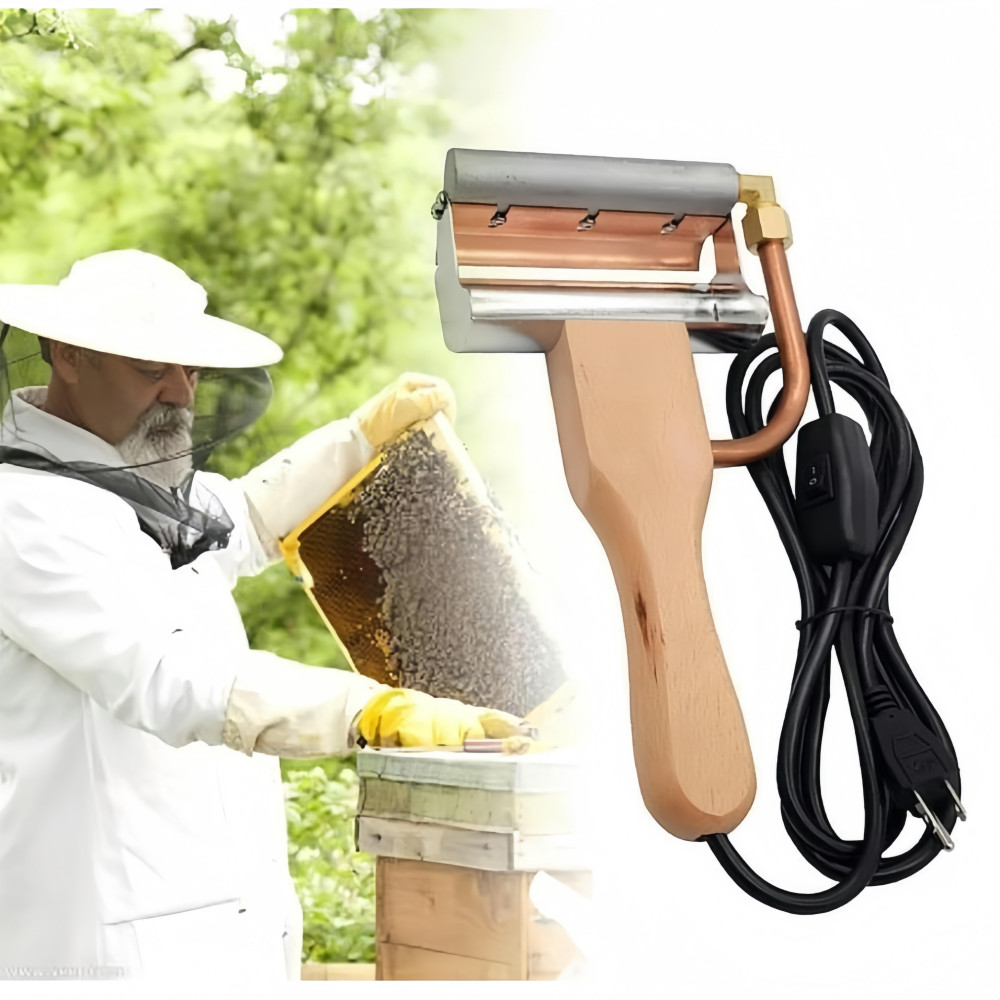 Electric Honey Cutter Uncapping Plane Hot Knife Honey Bee Scraping Extractor$57.00View on eBay
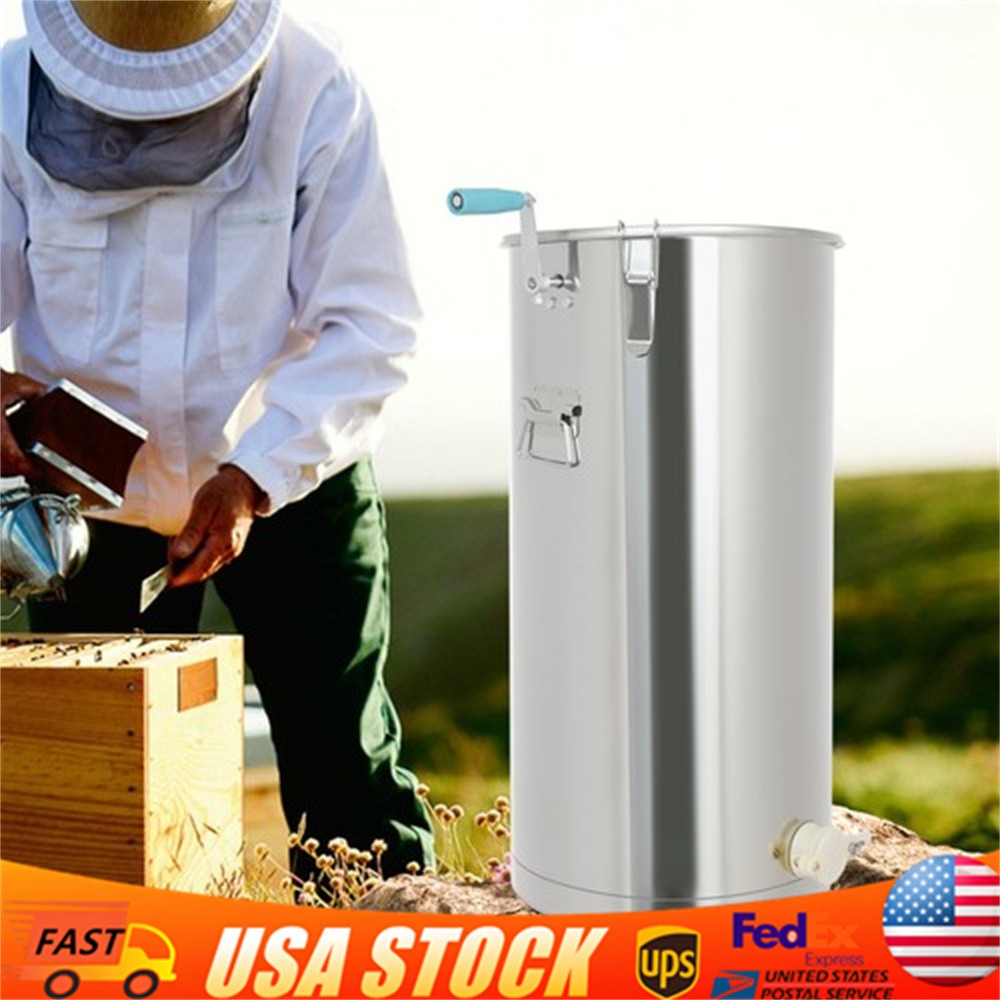 2 Frame Honey Extractor Manual Use Beekeeping Bee Hive Equipment Stainless Steel$86.18View on eBay
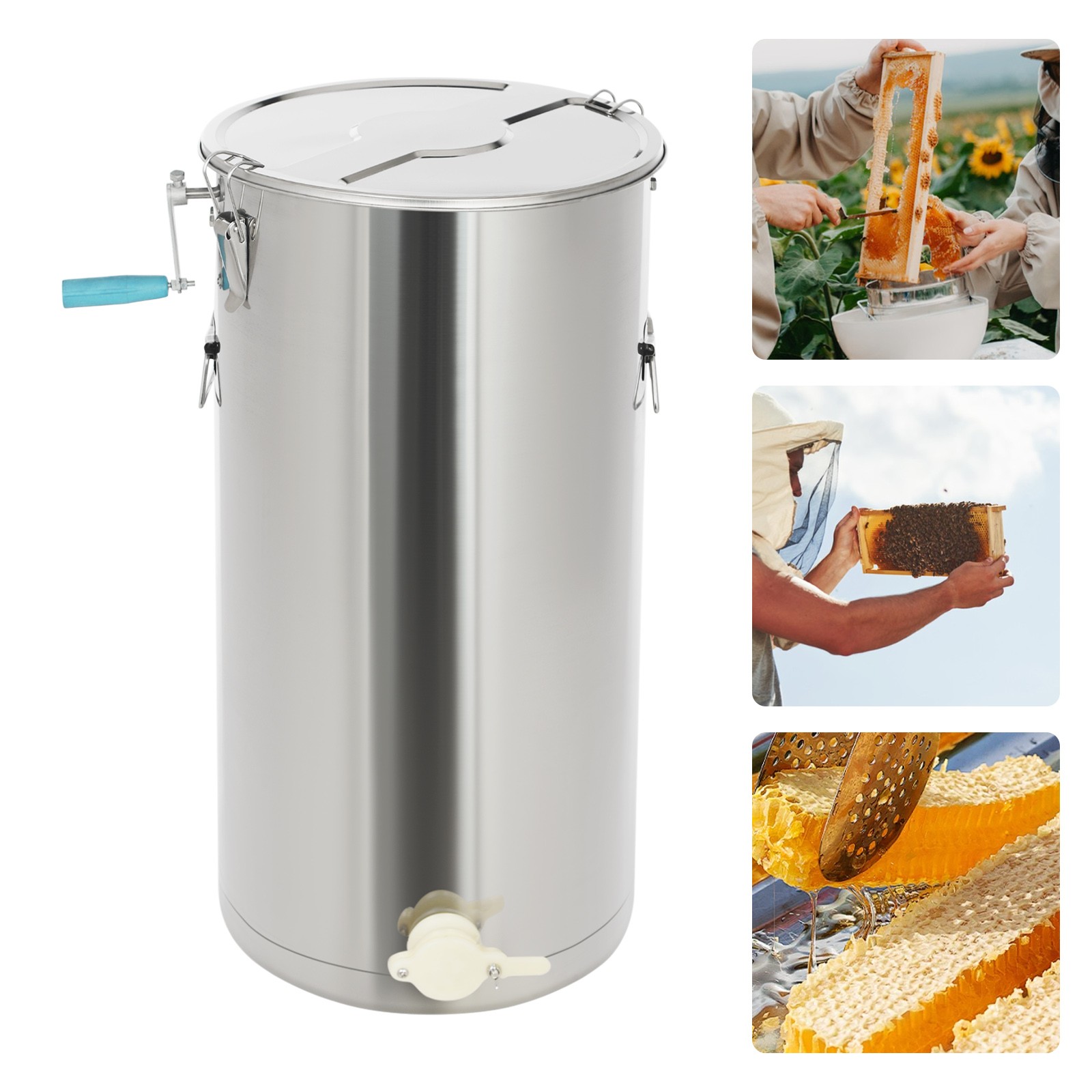 2 Frame Honey Extractor Manual Use Beekeeping Bee Hive Equipment Stainless Steel$87.05View on eBay
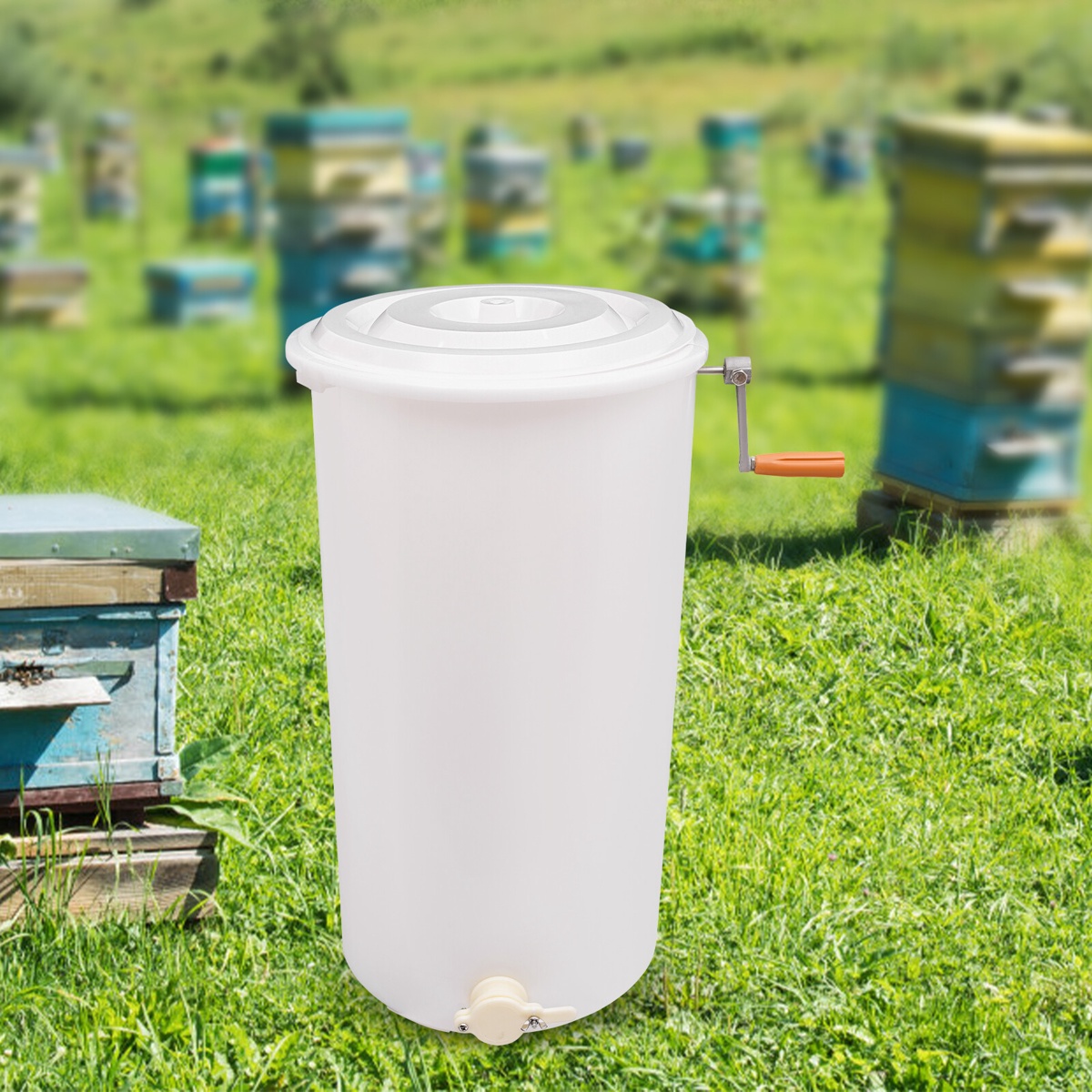 Honey Extractor 2 Two Frame Manual Crank Honey Bee Spinner Beekeeping Equipment.$104.37View on eBay
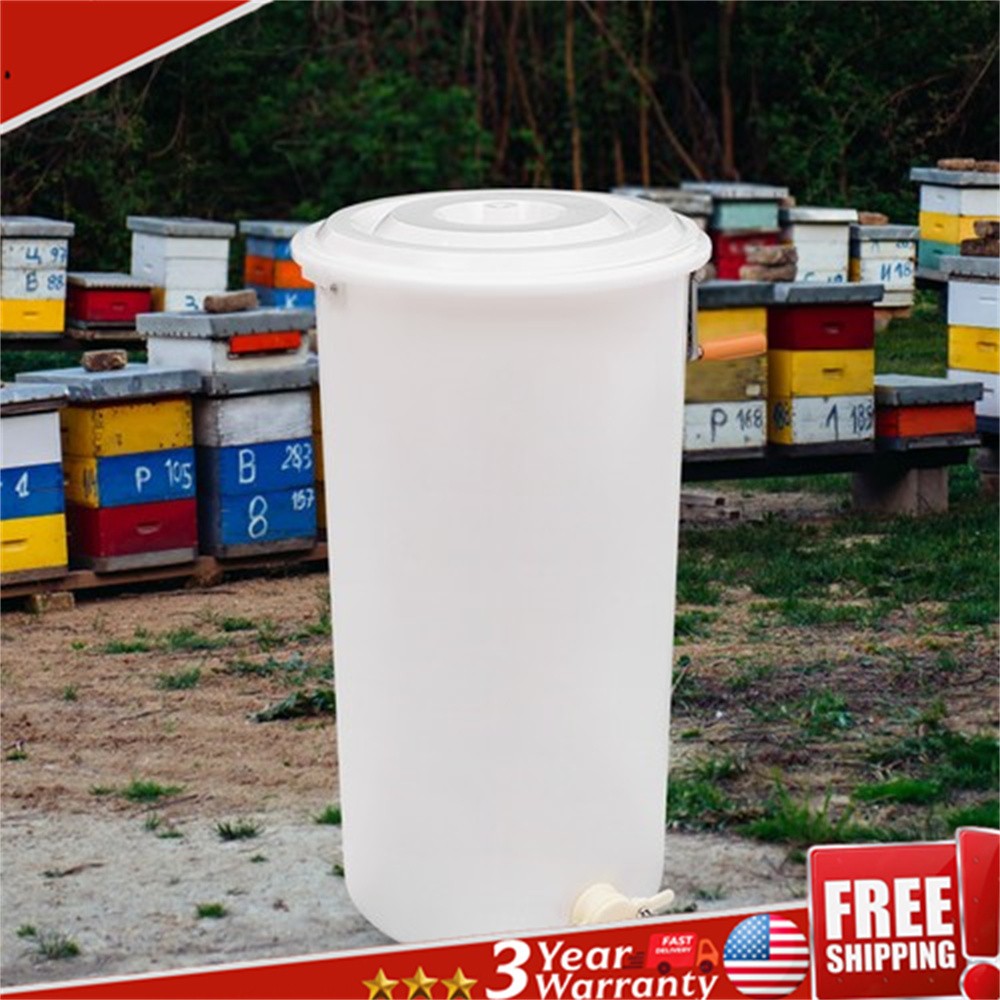 Honey Extractor 2 Two Frame Manual Crank Honey Bee Spinner Beekeeping Equipment$109.87View on eBay
Highlights
- Frame capacity defines throughput: 2-frame units suit 1-3 hives, 4-frame handles 3-8, and 8-frame or larger radial units suit 10+ hives or side-line operations.
- Food-grade 304 stainless steel drums resist honey acidity and cleaning chemicals; painted or galvanized steel risks flaking and corrosion over seasons of use.
- Tangential extractors hold frames against the drum wall and require flipping each frame halfway; radial baskets hold frames like spokes and empty both sides in one spin.
- Manual crank drives use gearboxes or direct belt reduction, while electric units typically run sealed motors with variable speed; both need a stable, level base during spin.
Best use cases
- Buy a 2-frame manual tangential extractor if you keep 1-3 hives and harvest a few supers per year; skip it if you plan to expand past five hives, where the flipping labor becomes the bottleneck.
- Choose a 4-frame manual or 4/8-frame electric radial unit for 4-10 hives; radial loading empties both frame faces without flipping and pairs well with a heated uncapping knife.
- Step up to an 8-20 frame electric radial extractor with a bottom honey gate and stand for 10+ hives or any operation selling packaged honey, where harvest speed and drum drainage matter.
- Avoid buying a 2-frame unit as a 'starter' you will outgrow in one season; the resale value is low and the per-harvest handling time is the real cost.
Buying tips
- Size frame capacity to hive count first: 2-frame for 1-3 hives, 4-frame for 3-8, and 8-frame radial or larger beyond that.
- Prioritize food-grade 304 stainless steel for the drum, basket, and honey gate; avoid painted interiors and unknown alloys that pit under honey's acidity.
- Check the honey gate diameter and thread; a 1.5-inch or 2-inch gate drains faster and accepts standard bottling valves and food-grade hose.
- Compare tangential versus radial baskets against your frame type, since radial units need frames with top bars that clear the basket spokes.
Specs
| Frame Capacity | 2 / 4 / 8 / 20 frame tiers |
|---|---|
| Drive Type | Manual crank vs electric motor |
| Loading Style | Tangential vs radial basket |
| Drum Material | Food-grade 304 stainless steel |
Related searches
What to check before buying
- Measure your extractor's footprint and ceiling clearance against the room or shed where you will spin, including the stand and open lid height.
- Confirm your frame size (deep, medium, or shallow) fits the basket dimensions; Langstroth deep frames are the common sizing reference.
- Check your electrical supply matches the motor's voltage and plug standard, and plan a GFCI outlet for wet honey-room use.
- Plan for a level, stable floor and a food-grade settling tank or bucket under the gate, since extractors drain by gravity.
FAQ
Data sources: eBay / Amazon listings and product attribute feeds. Updated Nov 27, 2026.
Some links on this page are affiliate links. If you buy after clicking one, we may earn a commission at no extra cost to you. This does not change which products appear here or their order. Affiliate disclosure.