
Photos from current listings. Actual item, color, and included accessories may vary.
Plastic Chicken Wire Mesh Buying Guide
Plastic chicken wire mesh is a lightweight, corrosion-proof exclusion mesh for poultry runs, garden beds, and light-duty animal barriers. The core trade-off is polymer grade and UV stabilization versus cost: commodity polyethylene or PVC netting degrades and embrittles after one to two seasons of sun exposure, while UV-stabilized HDPE or reinforced polymer mesh holds shape for years. The decision rule is simple: buy only UV-stabilized HDPE or PP mesh with a stated mesh aperture and roll weight, and reject any netting sold only by nominal length with no polymer or UV rating.
Median $98.99
Key takeaways
- UV-stabilized HDPE mesh resists embrittlement far longer than unstabilized LDPE; look for a UV rating or carbon-black additive, since untreated netting can fail within one summer.
- Mesh aperture controls exclusion: 1-inch hex or square openings contain adult chickens but pass chicks and small birds; 1/2-inch mesh is required to exclude sparrows and young pullets.
- Roll weight is the honest durability proxy: heavier GSM strands resist predator stretching and sagging, while feather-light rolls tear at zip-tie and staple points.
At a glance
- Category
- Chicken Fencing & Egg Handling
- Last updated
- Nov 27, 2026
Current offers
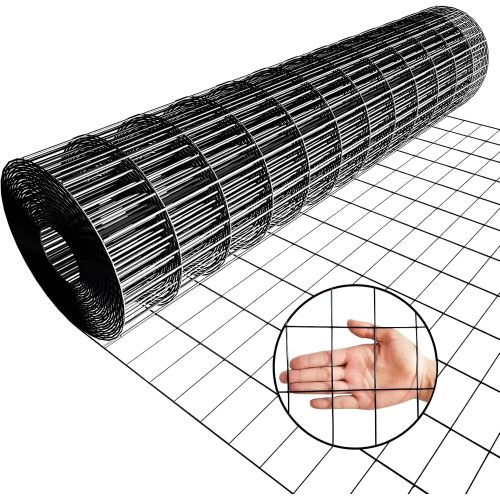 24inch X 50ft Black Vinyl Coated Hardware Cloth 2 X 3 16Ga Welded Wire Mesh Fence, PVC Chicken Fencing, Metal Garden Plant For Coop And Home Improvement$65.99View on Mallflare
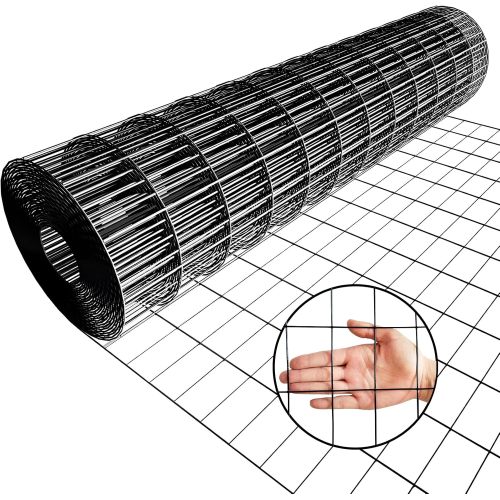 36inch X 50ft Black Vinyl Coated Hardware Cloth 2 X 3 16Ga Welded Wire Mesh Fence, PVC Chicken Fencing, Metal Garden Plant For Coop And Home Improvement$68.99View on Mallflare
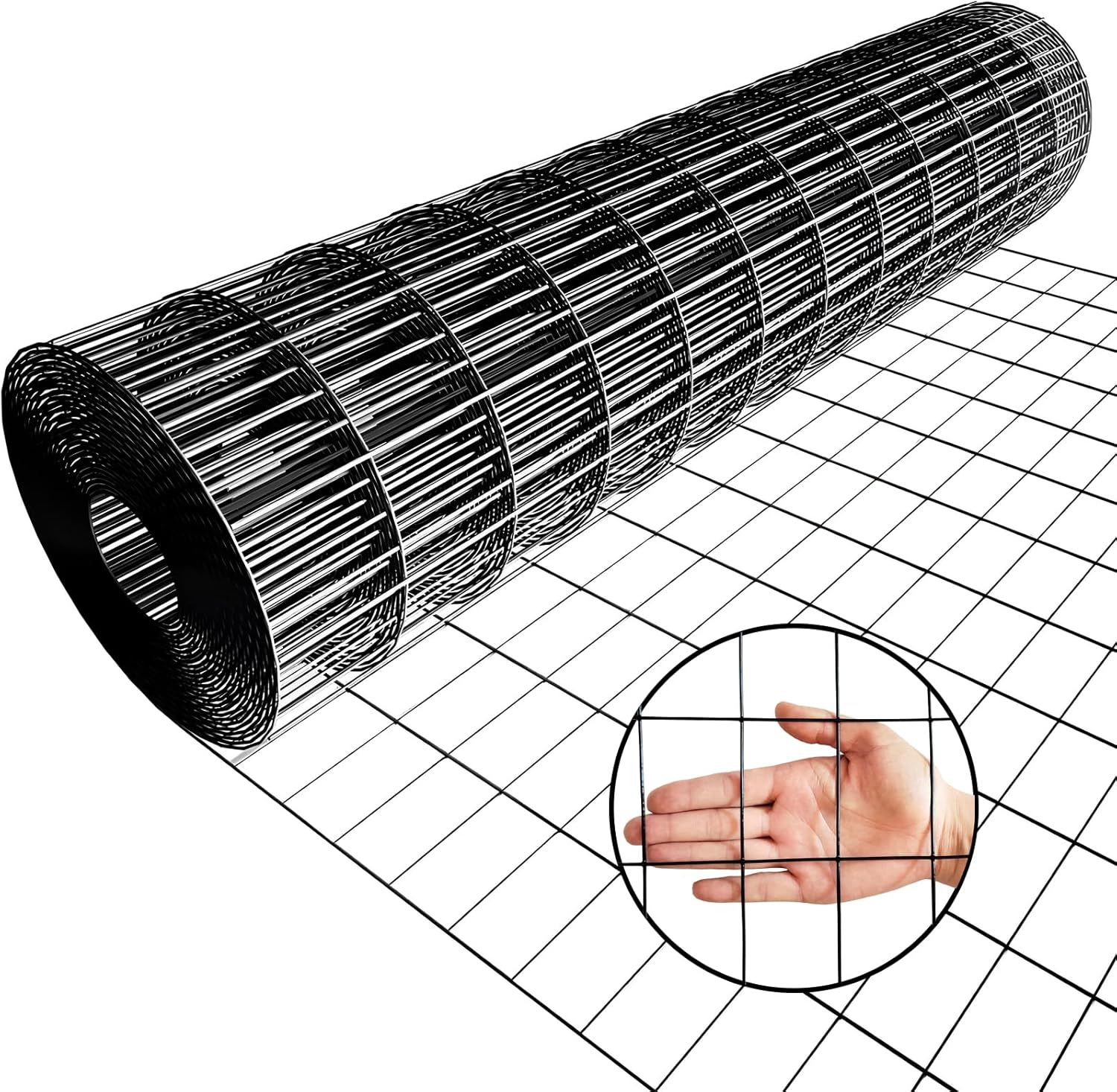 24inch x 50ft Black Vinyl Coated Hardware Cloth 2" X 3" 16Ga Welded Wire Mesh fence, PVC Chicken Fencing, Metal Garden Plant for Coop and Home Improvement$98.99View on Mallflare
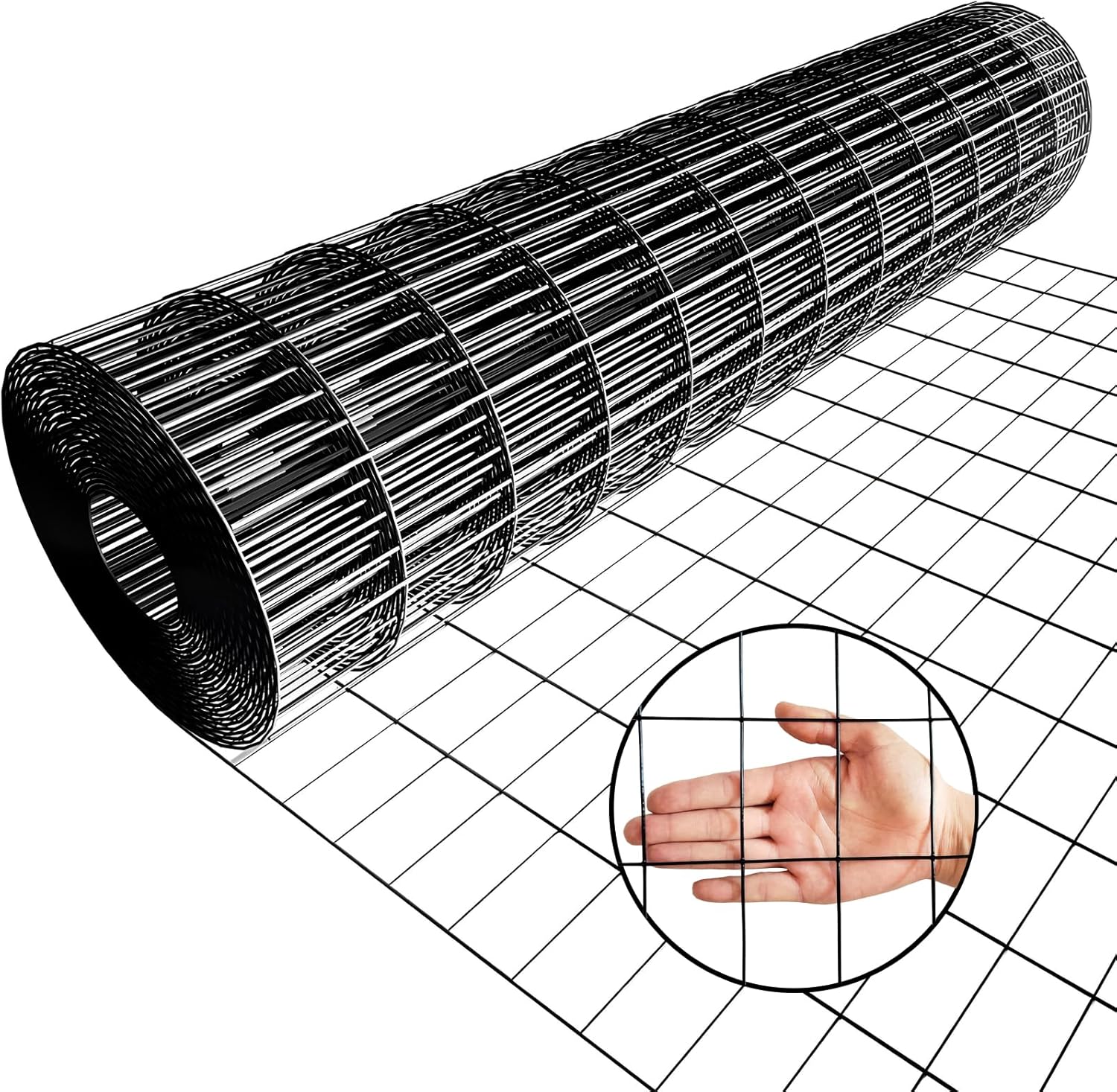 36inch x 50ft Black Vinyl Coated Hardware Cloth 2" X 3" 16Ga Welded Wire Mesh fence, PVC Chicken Fencing, Metal Garden Plant for Coop and Home Improvement$104.99View on Mallflare
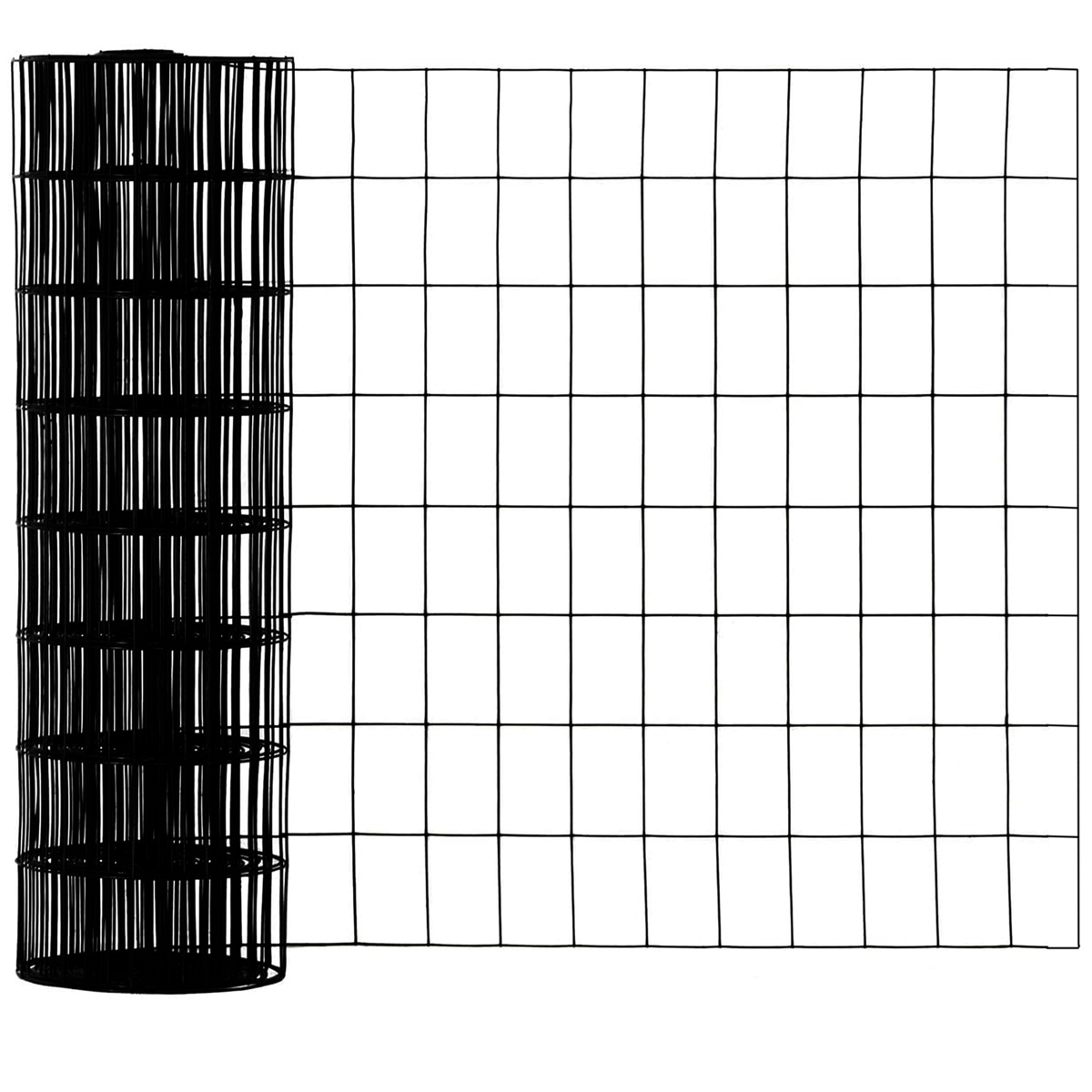 60inch X 50ft Black Vinyl Coated Hardware Cloth 2 X 4 16Ga Welded Wire Mesh Fence, PVC Chicken Fencing, Metal Garden Plant For Coop And Home Improvement$115.99View on Mallflare
Highlights
- UV-stabilized HDPE mesh resists embrittlement far longer than unstabilized LDPE; look for a UV rating or carbon-black additive, since untreated netting can fail within one summer.
- Mesh aperture controls exclusion: 1-inch hex or square openings contain adult chickens but pass chicks and small birds; 1/2-inch mesh is required to exclude sparrows and young pullets.
- Roll weight is the honest durability proxy: heavier GSM strands resist predator stretching and sagging, while feather-light rolls tear at zip-tie and staple points.
- Polymer mesh is non-conductive and rust-proof, making it the correct choice where wire would corrode, but it is not chew-proof against raccoons or coyotes and must be paired with a rigid frame or electric wire.
Best use cases
- Best fit: temporary or rotational poultry runs and garden cloches where light weight and rust-free handling matter — pick UV-stabilized HDPE with 1-inch aperture and a reinforced edge.
- Best fit: chick and pullet brooder pens indoors or under cover — choose 1/2-inch aperture mesh so small birds cannot slip through, and skip heavy-gauge outdoor mesh that wastes cost indoors.
- Wrong fit: perimeter predator defense against raccoons, coyotes, or foxes — plastic mesh alone is chewable and climbable; use welded wire or hardware cloth with an electric offset wire instead.
- Wrong fit: full-sun permanent aviary walls in high-UV climates unless the roll explicitly states UV stabilization and heavy GSM; unstabilized netting will chalk and crack within a season.
Buying tips
- Match aperture to the smallest animal: 1/2-inch for chicks and small birds, 1-inch for adult layers, 2-inch only for large-breed containment where small birds are not a concern.
- Demand a stated polymer and UV claim: HDPE or PP with UV stabilization or carbon black; unstabilized LDPE sold by length alone is a one-season consumable.
- Size the roll by strand weight, not nominal length: a heavier roll of the same aperture resists sag and predator stretching at fastener points.
- Plan fastening for polymer: use wide-head staples, zip ties through reinforced edges, or batten strips; thin mesh tears at bare staples under wind load.
Specs
| Polymer | HDPE / PP vs unstabilized LDPE |
|---|---|
| UV Rating | UV-stabilized / carbon black |
| Mesh Aperture | 1/2 in, 1 in, or 2 in hex/square |
| Edge Type | Reinforced edge vs bare cut |
Related searches
What to check before buying
- Measure the run height and post spacing: plastic mesh sags between posts beyond about 8-10 feet, so plan intermediate supports or tensioned wire top lines.
- Confirm sun exposure: full-sun installations require explicit UV stabilization; shaded or indoor brooder use can accept lighter mesh.
- Check fastener compatibility: reinforced edges and wide-head staples or battens are needed because polymer mesh tears at bare staple points.
- Verify the aperture against your smallest bird and against local predator pressure; add rigid wire or electric offset where chewing predators are present.
FAQ
Data sources: eBay / Amazon listings and product attribute feeds. Updated Nov 27, 2026.
Some links on this page are affiliate links. If you buy after clicking one, we may earn a commission at no extra cost to you. This does not change which products appear here or their order. Affiliate disclosure.