
Photos from current listings. Actual item, color, and included accessories may vary.
Large Planter Box Outdoor Buying Guide
Large outdoor planter boxes are freestanding growing containers—typically 4–10 ft long and 18–36 in deep—built from galvanized metal, rot-resistant wood, or HDPE. The core trade-off is soil volume and drainage against material thickness and corrosion protection: thin 0.5–0.8 mm stamped panels dent and rust at cut edges, while 1.0–1.2 mm corrugated or folded-seam steel with rubber edge trim holds shape for a decade. Buy metal when you want maximum volume per dollar and fast drainage; buy wood or HDPE when you need insulation, custom sizing, or a softer visual footprint.
Median $116.99
Key takeaways
- Galvanized steel planters live or die by coil thickness: 0.6 mm and below flexes under wet soil load and rusts at cut edges, while 1.0–1.2 mm corrugated panels resist bowing and hold fasteners.
- Rubber safety trim and folded top hems are functional, not cosmetic—they cover the sharp cut edge that is the first point of zinc loss and corrosion on stamped metal kits.
- Wood planters need rot-resistant species (cedar, larch, thermowood) or pressure-treated lumber rated for ground contact; untreated pine degrades within 2–3 seasons in wet climates.
At a glance
- Category
- Raised Garden Beds & Planters
- Last updated
- Nov 27, 2026
Current offers
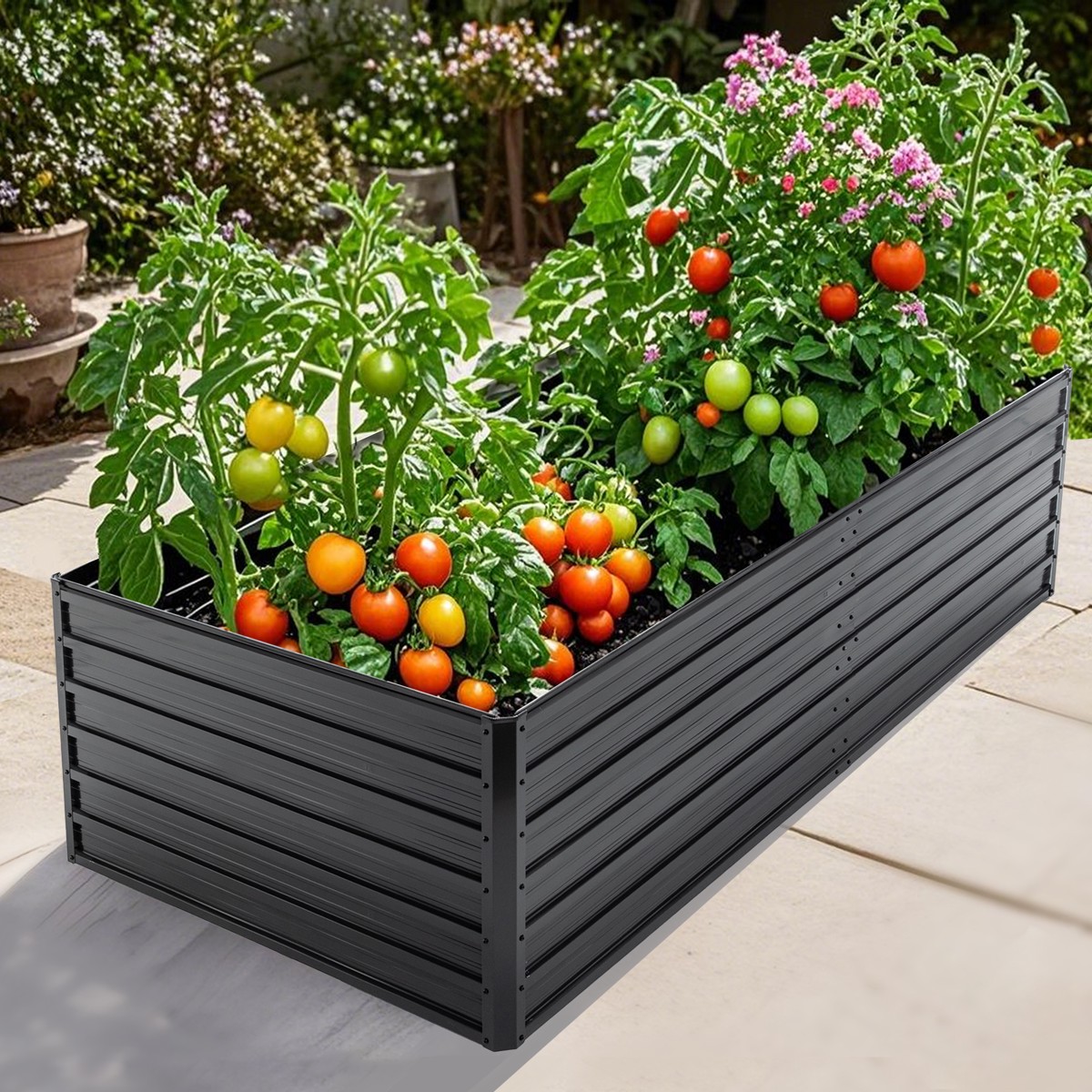 Metal Raised Garden Bed Outdoor 7.2x3.6x2 FT Galvanized Bed Kit,Vegetable Boxes-Rectangle Flower Box,Large Planter Beds For Planting,Fruit,Herb-Black$94.99View on Mallflare
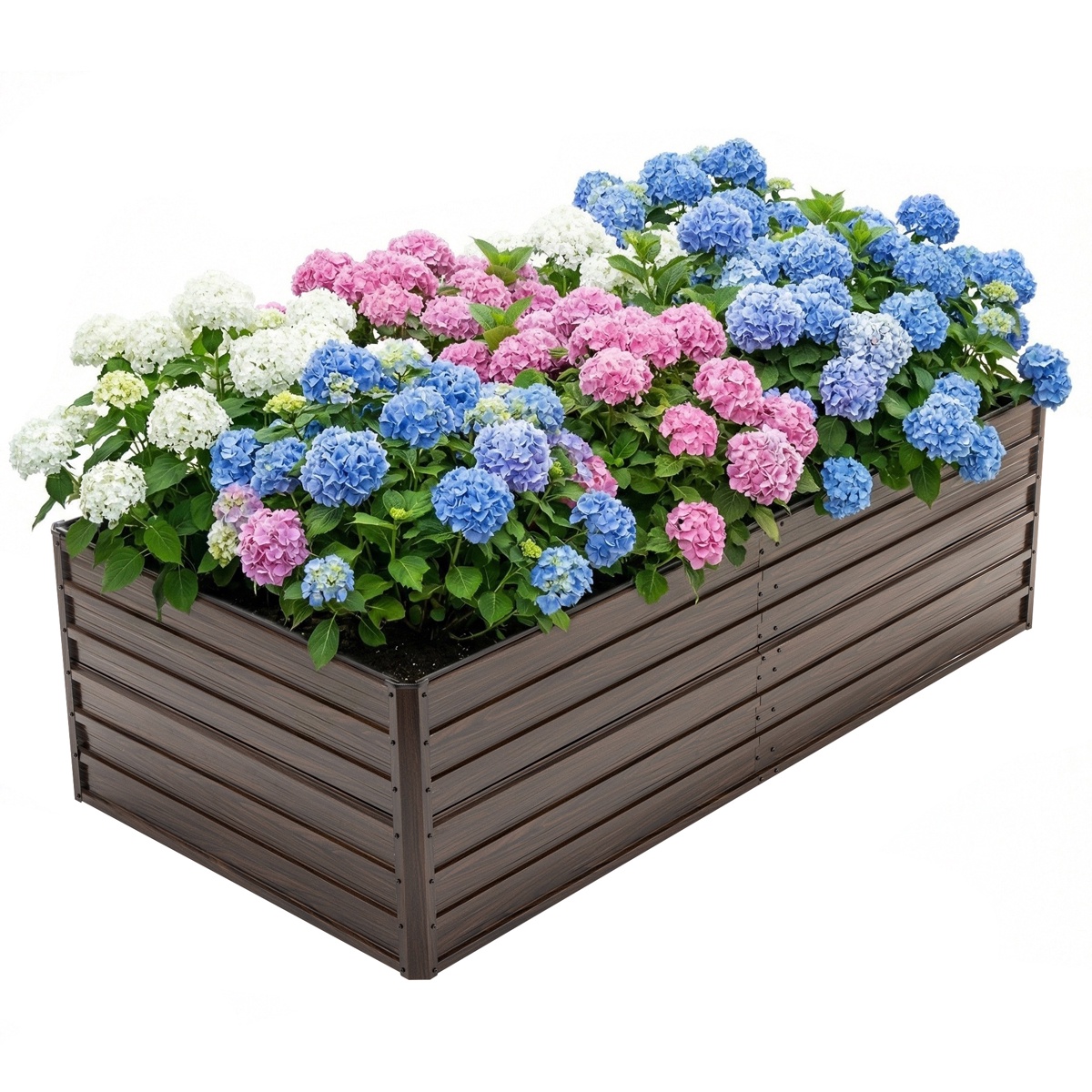 Woodgrain Aesthetic & Metal Strength: 8x4x2FT Galvanized Raised Garden Bed Kit - Large Outdoor Planter Box for Veggies, Fruits, Herbs$97.99View on Mallflare
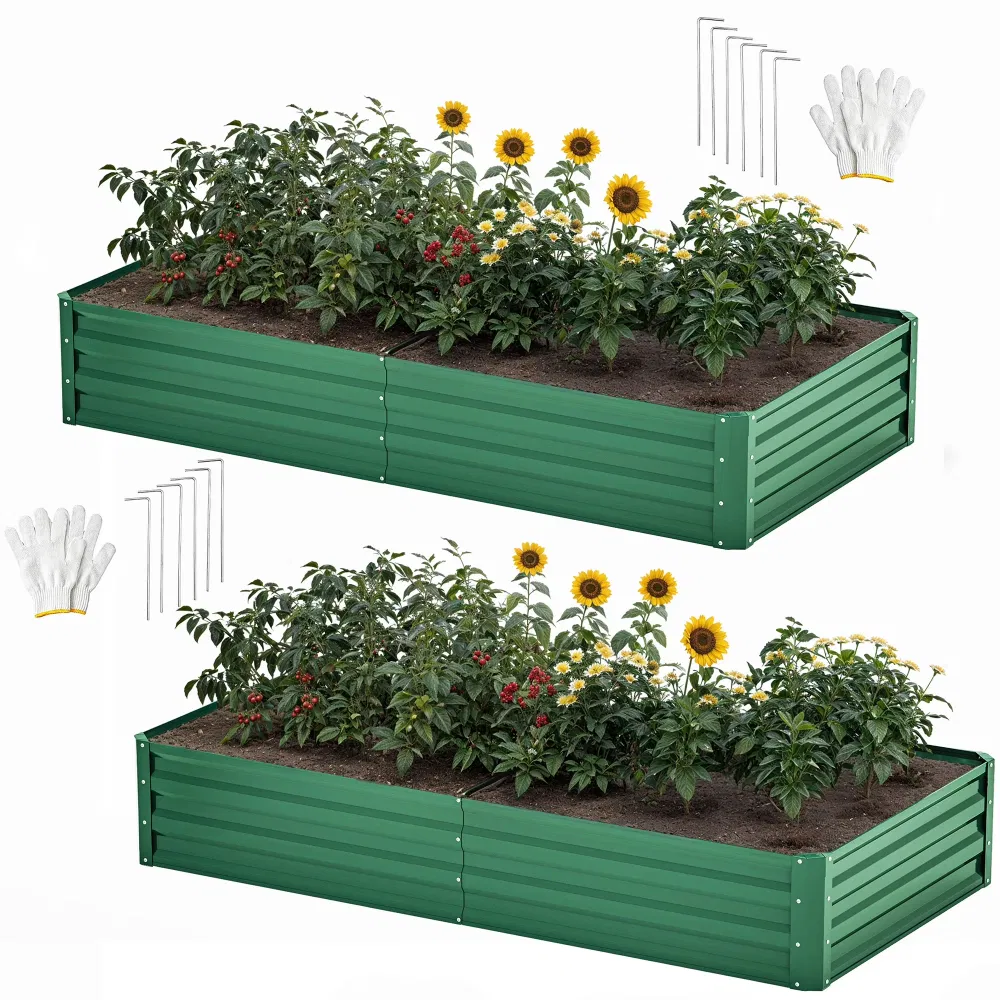 2 Pack 6ftx3ft Outdoor Raised Garden Bed Kit,Large Galvanized Metal Patio Planter Box with Safety Rubber & Gloves, for Vegetables Flowers,Green$116.99View on Mallflare
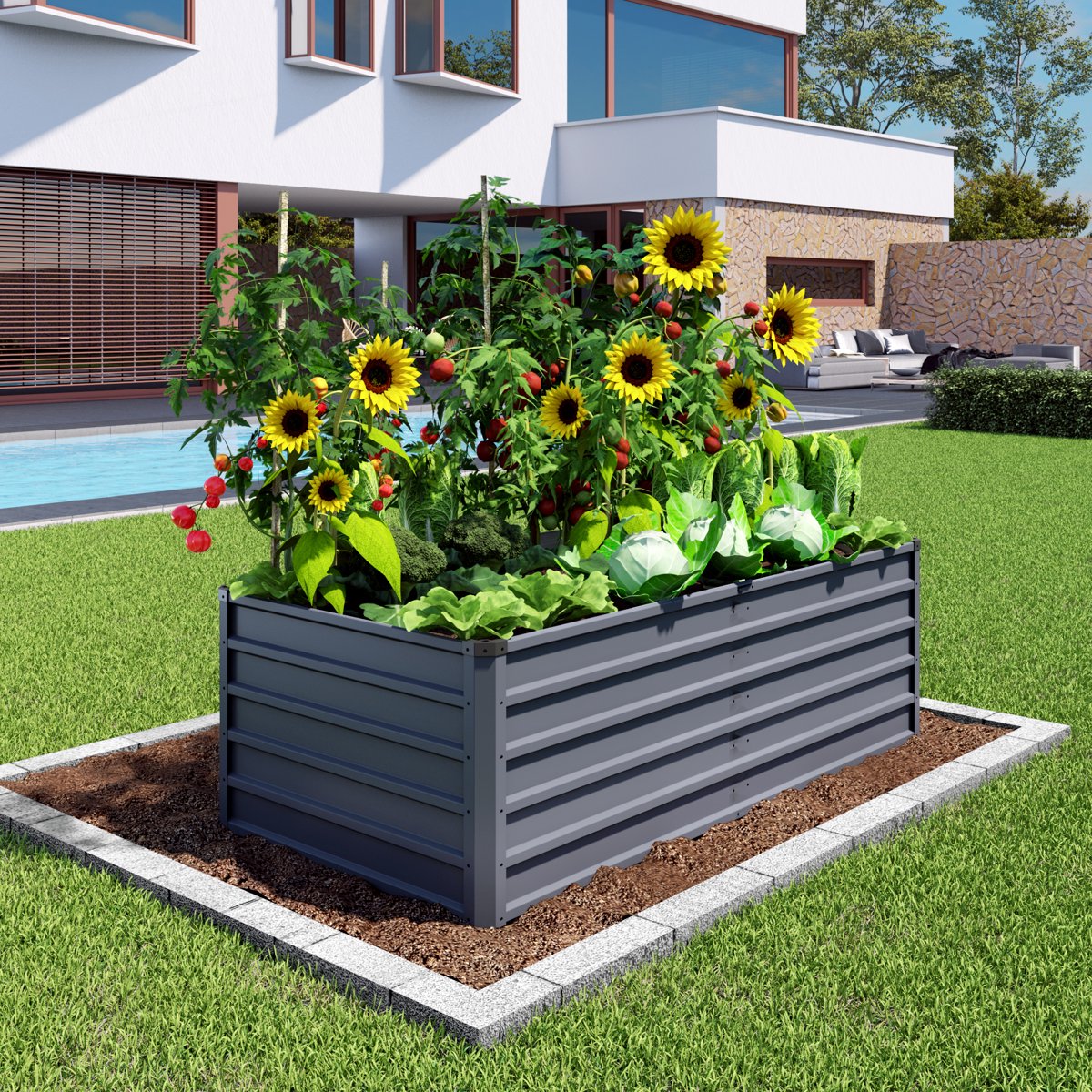 6x3x2ft 2pcs Large Raised Garden Bed Kit, Grey Rectangular Galvanized Metal Outdoor Bed, Planter Boxes Beds For Growing Plants, Vegetables And Flowers.$126.99View on Mallflare
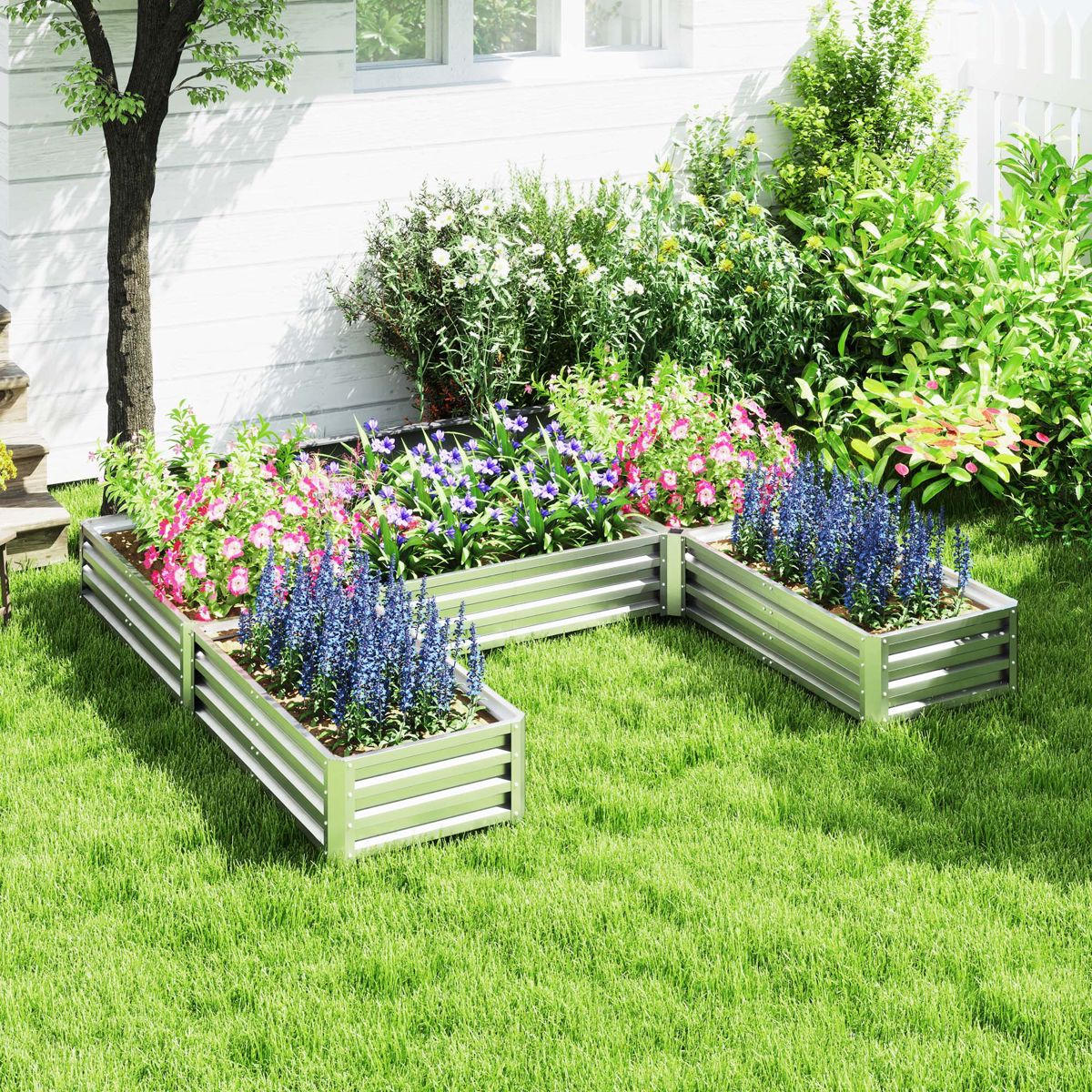 Steel Raised Garden Bed, Set of 5 Large Box Planters for Outdoor Plants Vegetables Flowers Herbs, 8x8x1ft, Silver$139.99View on Mallflare
Highlights
- Galvanized steel planters live or die by coil thickness: 0.6 mm and below flexes under wet soil load and rusts at cut edges, while 1.0–1.2 mm corrugated panels resist bowing and hold fasteners.
- Rubber safety trim and folded top hems are functional, not cosmetic—they cover the sharp cut edge that is the first point of zinc loss and corrosion on stamped metal kits.
- Wood planters need rot-resistant species (cedar, larch, thermowood) or pressure-treated lumber rated for ground contact; untreated pine degrades within 2–3 seasons in wet climates.
- Drainage architecture matters more than brand: open-bottom soil-contact beds wick into native ground, while deck or patio boxes need drilled bases plus 2–3 in of gravel and a liner to prevent staining.
Best use cases
- Best fit for metal kits: vegetable and flower beds on soil or gravel where you want 6–10 ft of growing length, full-sun exposure, and fast spring warm-up—pick 1.0 mm+ corrugated steel with rubber trim.
- Best fit for wood or HDPE: patios, decks, and balconies where appearance and soil insulation matter—choose cedar, thermowood, or UV-stabilized HDPE and add a plastic liner against the wood.
- Wrong fit for thin stamped metal: rooftop or windy exposures and beds deeper than 24 in, where 0.6 mm panels bow; step up to folded-seam 1.2 mm steel or bolt-together aluminum.
- Wrong fit for open-bottom beds: hardscape patios and concrete, where direct soil contact is impossible—use a closed-base planter with drilled drainage holes and a gravel layer instead.
Buying tips
- Size by soil volume, not footprint: a 6x3x1 ft bed holds about 18 cu ft (roughly 0.5 cu yd) of mix; at 2 ft deep the same footprint doubles to 36 cu ft, so confirm depth before ordering bulk soil.
- Specify steel thickness before anything else: 1.0–1.2 mm corrugated or folded-seam galvanized panels are the durability floor for beds longer than 4 ft; 0.5–0.8 mm is acceptable only for short or shallow boxes.
- Choose wood grade by exposure: cedar or thermowood for visible patios, ground-contact-rated pressure-treated lumber for soil-contact beds; avoid untreated pine and non-stabilized HDPE in full sun.
- Match depth to crop: 10–12 in for lettuce, herbs, and radishes; 15–18 in for peppers, bush beans, and most flowers; 20–24 in for tomatoes, carrots, and root crops that need unrestricted taproot run.
Specs
| Panel Material | Galvanized steel / cedar / HDPE |
|---|---|
| Steel Thickness | 1.0–1.2 mm durable; 0.6 mm light-duty |
| Bed Depth | 10–12 in greens; 20–24 in roots |
| Drainage Type | Open-bottom soil contact vs drilled base |
Related searches
What to check before buying
- Measure the footprint plus a 24–30 in working aisle on the long sides—access matters more than bed size, and a 6 ft bed against a wall wastes half its area.
- Confirm the surface: open-bottom beds require soil or gravel contact, while deck and patio installs need a closed base, drainage holes, and a gravel or paver pad.
- Check panel edge treatment: rubber U-trim or folded hems on all exposed top edges are required for galvanized kits; bare cut edges rust first and cut hands.
- Verify hardware and liner compatibility: stainless or galvanized bolts, a food-safe liner for wood beds, and a weed barrier under open-bottom metal kits.
FAQ
Data sources: eBay / Amazon listings and product attribute feeds. Updated Nov 27, 2026.
Some links on this page are affiliate links. If you buy after clicking one, we may earn a commission at no extra cost to you. This does not change which products appear here or their order. Affiliate disclosure.