
Photos from current listings. Actual item, color, and included accessories may vary.
Chicken Duck Feeder Buying Guide
Chicken duck feeders are gravity or port-based feed dispensers designed to serve mixed flocks while resisting waste, moisture, and pest intrusion. The core trade-off is between cheap thin plastic (cracks, UV-degrades, tips) and thicker food-grade plastic or stainless steel with locking lids and adjustable legs. Choose a feeder with sealed lid, adjustable height, and metal or ≥2mm HDPE construction; skip open-trough or flimsy snap-fit plastic units.
Key takeaways
- Port-based feeders with 4-6 feeding ports and a locking lid reduce spillage and rodent access versus open troughs.
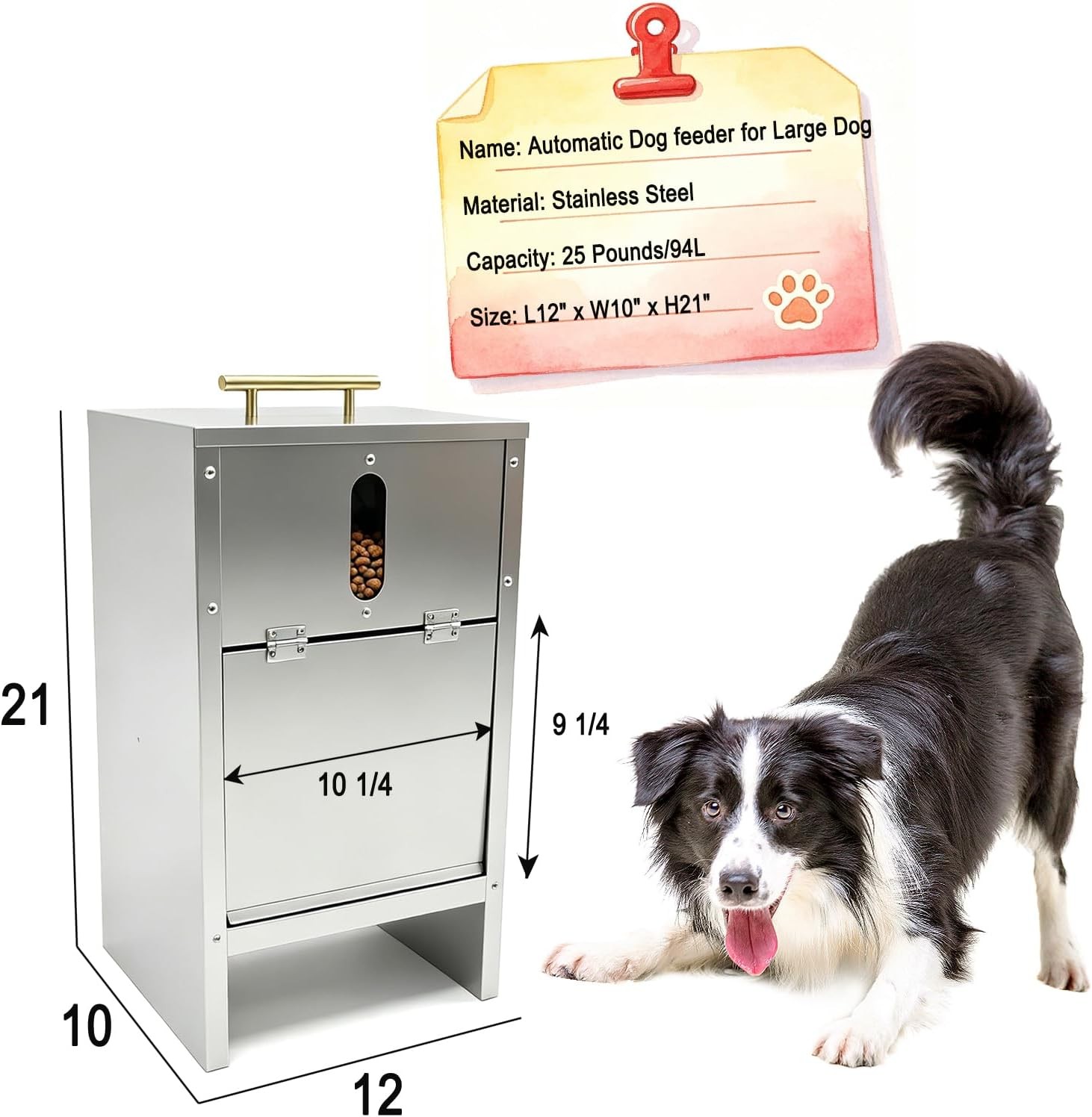
- Stainless steel gravity feeders in 8-50 lb capacities resist rust and UV, unlike thin plastic that embrittles outdoors.
- Adjustable legs raise the feed port to chicken back height, keeping ducks from mud-fouling feed and reducing waste.
At a glance
- Category
- Chicken Feeders & Waterers
- Last updated
- Nov 28, 2026
Current offers
Highlights
- Port-based feeders with 4-6 feeding ports and a locking lid reduce spillage and rodent access versus open troughs.
- Stainless steel gravity feeders in 8-50 lb capacities resist rust and UV, unlike thin plastic that embrittles outdoors.
- Adjustable legs raise the feed port to chicken back height, keeping ducks from mud-fouling feed and reducing waste.
- Gravity flow relies on feed angle and port lip depth; a 45° hopper base and 3-5 cm lip prevent bridging and overfill.
Best use cases
- Best fit: 4-8 mixed chickens and ducks in a covered run — pick a 6-port locking-lid plastic feeder with adjustable legs for easy cleaning and height tuning.
- Best fit: large flock or free-range coop exposed to rain — choose a stainless steel 20-50 lb gravity feeder with sealed lid and elevated base.
- Wrong fit: open trough or thin snap-fit plastic feeder for ducks — ducks splash water and foul feed; skip unless you add a raised, lidded port design.
- Wrong fit: indoor brooder for chicks — skip large gravity feeders; use small chick-specific ports to prevent drowning and feed waste.
Buying tips
- Size capacity to flock: allow ~0.25 lb feed per adult chicken per day; a 20 lb hopper serves ~8 birds for 10 days, 50 lb for ~20 birds.
- Pick food-grade HDPE ≥2 mm wall thickness or 304 stainless steel; thin PP under 1.5 mm cracks within a season outdoors.
- Prioritize a locking or gasketed lid and rain hood; gravity feeders without sealed tops wick moisture and mold feed.
- For ducks, choose port lips ≥4 cm deep and legs that raise the base 15-25 cm above ground to keep bills out of mud.
Specs
| Material | Food-grade HDPE / 304 stainless |
|---|---|
| Capacity | 8-50 lb hopper |
| Ports | 4-6 ports, 3-5 cm lip |
| Mounting | Adjustable legs / hang / ground |
Related searches
What to check before buying
- Measure coop/run space: feeder footprint plus 30 cm clearance per side for birds to queue without crowding.
- Confirm floor or ground is level and well-drained; gravity feeders tip on soft mud unless legs are staked or set on pavers.
- Check lid seal and hopper angle — feed must flow at 45° without bridging, and lid must shed rain.
- Verify port size suits your largest bird's head/beak; ducks need wider, deeper ports than bantams.
FAQ
Data sources: eBay / Amazon listings and product attribute feeds. Updated Nov 28, 2026.
Some links on this page are affiliate links. If you buy after clicking one, we may earn a commission at no extra cost to you. This does not change which products appear here or their order. Affiliate disclosure.