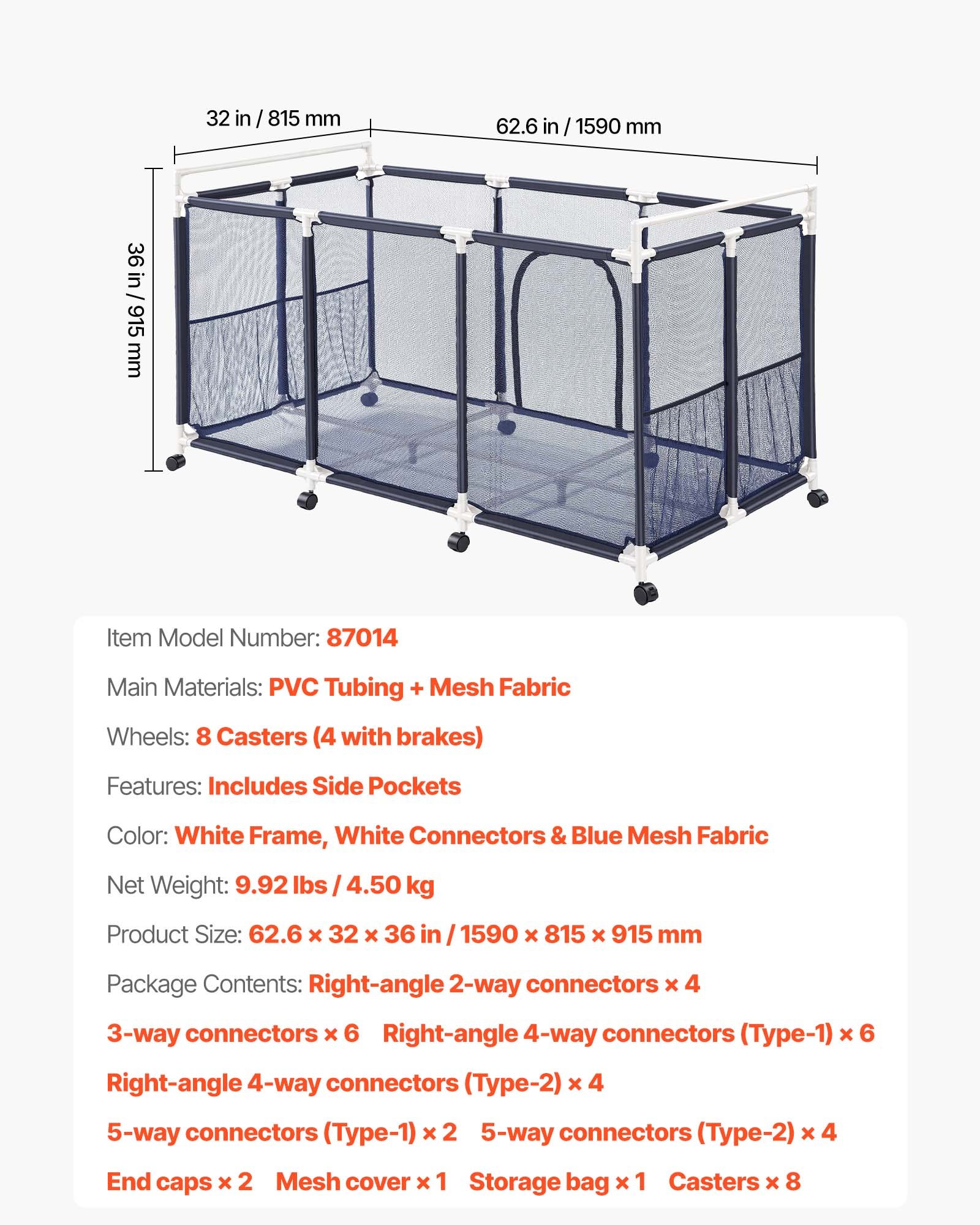

Photos from current listings. Actual item, color, and included accessories may vary.
Plastic Swimming Pool Buying Guide
A plastic swimming pool is a rigid or inflatable above-ground vessel made from molded resin, PVC, or polyethylene—distinct from steel-walled or concrete pools. The primary trade-off is resin-wall rigidity and UV-stabilized thickness versus inflatable PVC convenience and lower cost. The decision rule: choose rigid resin or high-denier PVC with reinforced seams for multi-season durability; accept thin inflatable vinyl only for short-term or toddler use.
Key takeaways
- Rigid resin pools use injection-molded polyethylene walls 3–5 mm thick with integrated footings; inflatable PVC pools rely on 0.3–0.6 mm vinyl and welded seams.
- UV stabilization (HALS or carbon-black additive) determines colorfastness and crack resistance; unstabilized plastic chalk and embrittle within one to two seasons.
- Filtration compatibility is set by wall fitting diameter: rigid pools use 1.25 in or 1.5 in threaded ports; inflatables often use proprietary clamp-on adapters.
At a glance
- Category
- Pools & Spas
- Last updated
- Nov 28, 2026
Current offers
Highlights
- Rigid resin pools use injection-molded polyethylene walls 3–5 mm thick with integrated footings; inflatable PVC pools rely on 0.3–0.6 mm vinyl and welded seams.
- UV stabilization (HALS or carbon-black additive) determines colorfastness and crack resistance; unstabilized plastic chalk and embrittle within one to two seasons.
- Filtration compatibility is set by wall fitting diameter: rigid pools use 1.25 in or 1.5 in threaded ports; inflatables often use proprietary clamp-on adapters.
- Water capacity scales with wall height and diameter—a 10 ft round pool at 30 in depth holds roughly 1,000–1,200 gallons, requiring a matching pump flow rate.
Best use cases
- Best fit: multi-season family use in a permanent yard—pick a rigid resin pool with 1.5 in fittings and a sand filter; skip thin inflatables that UV-degrade.
- Best fit: renters or small patios needing seasonal setup—choose a high-denier PVC inflatable with reinforced seams and a included cartridge pump.
- Best fit: toddler splash and supervised play—select a shallow rigid or soft-side pool under 18 in wall height with non-slip bottom.
- Wrong fit: uneven or sloped ground—rigid resin pools require a level, compacted base; inflatables tolerate minor slope but risk seam stress.
Buying tips
- Match pump flow to pool volume: for 1,000–1,500 gallons choose a 1,000–1,500 GPH cartridge or sand filter; undersized pumps leave water cloudy.
- Check wall fitting size before buying accessories: 1.25 in ports need adapters for 1.5 in hoses; rigid pools with 1.5 in threaded fittings accept standard skimmers.
- For inflatables, prioritize 0.5 mm or thicker PVC and heat-welded seams over glued seams; glued seams fail first at the waterline.
- Rigid resin pools need a level base within 1 in across the footprint; use a ground cloth and compacted sand or foam pad to prevent wall point-loading.
Specs
| Wall Material | Molded resin vs PVC vinyl |
|---|---|
| Wall Thickness | 3–5 mm resin / 0.3–0.6 mm PVC |
| Fitting Size | 1.25 in or 1.5 in threaded |
| Pump Flow Tier | 1,000–2,500 GPH cartridge/sand |
Related searches
What to check before buying
- Measure your footprint and add 2 ft clearance on all sides for pump access and ladder placement.
- Confirm ground level within 1 in across the pool diameter for rigid pools; inflatables need a debris-free surface.
- Verify electrical outlet distance and GFCI protection for the pump—most cartridge pumps require a grounded 110–120 V GFCI circuit.
- Check HOA or local code for above-ground pool height and setback rules before committing to a rigid resin model.
FAQ
Data sources: eBay / Amazon listings and product attribute feeds. Updated Nov 28, 2026.
Some links on this page are affiliate links. If you buy after clicking one, we may earn a commission at no extra cost to you. This does not change which products appear here or their order. Affiliate disclosure.