
Photos from current listings. Actual item, color, and included accessories may vary.
Heavy Duty Chicken Wire Buying Guide
Heavy-duty chicken wire is a welded-wire containment roll used to keep poultry in and predators out, and the defining trade-off is mesh aperture versus wire gauge: wider mesh with thicker wire resists large predators and hoof impact, while tighter mesh with thinner wire blocks snakes and rodents but sacrifices structural rigidity. The decision rule is simple: if the roll is only labeled 'chicken wire' with hexagonal woven construction and no gauge or aperture stated, it is a light garden trellis compromise, not predator-grade exclusion.
Median $115.99
Key takeaways
- Welded hardware cloth in 16-gauge wire with 2x3-inch mesh is the practical predator barrier for raccoons and dogs, while 19-gauge 1/2-inch mesh is the rodent and snake screen but dents under impact.
- Galvanized-then-vinyl-coated wire survives wet bedding and manure contact far longer than bare galvanized, but cut edges expose the core and must be capped or buried.
- Roll width (24, 36, 60, 72 in) sets the apron and wall height ceiling; a 24-inch roll cannot form a 4-foot perimeter wall without horizontal seams that predators exploit.
At a glance
- Category
- Chicken Fencing & Egg Handling
- Last updated
- Nov 27, 2026
Current offers
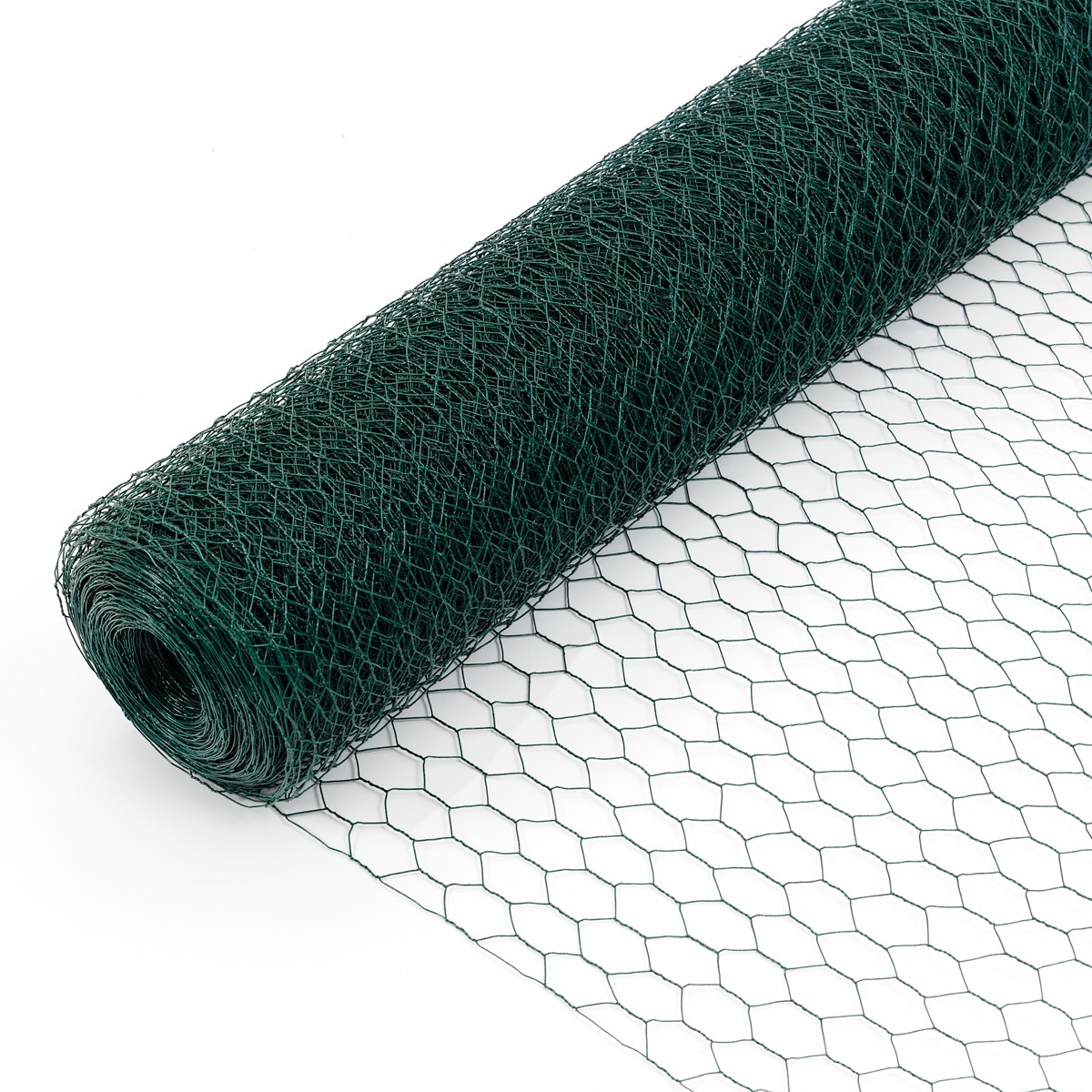 Large Size Galvanized Hexagonal Floral Green Chicken Wire, Outdoor Anti-Rust Poultry Netting for Garden, Coop Fencing$87.99View on Mallflare
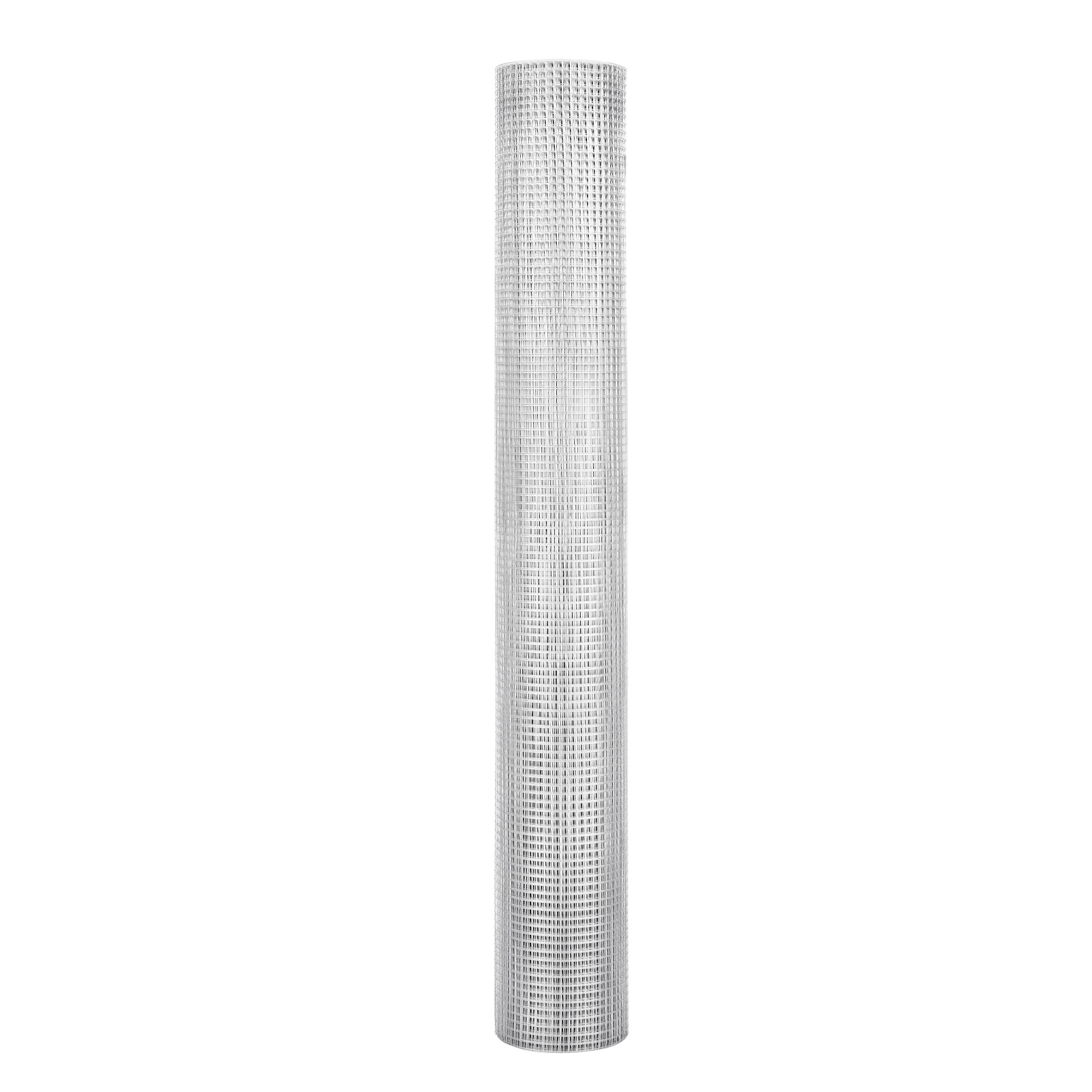 Hardware Cloth, 1/2 Inch 60 X 50 Ft 19 Gauge Chicken Wire Fence, Hot-Dip Galvanized After Welding Metal Mesh Roll, Garden Plant Welded Fencing Supports Poultry Netting Cage$104.99View on Mallflare
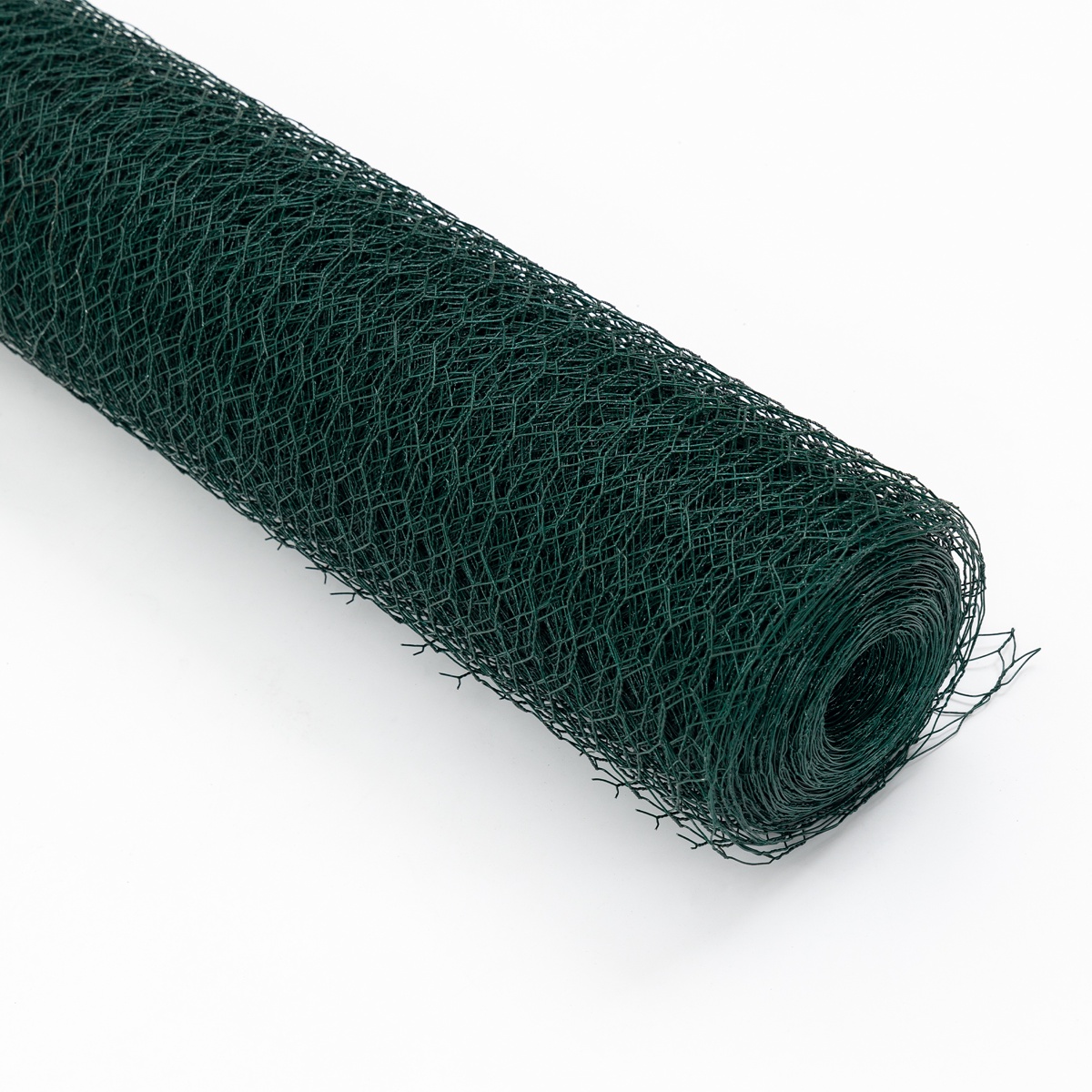 60M Large Size Galvanized Hexagonal Floral Green Chicken Wire, Outdoor Anti-Rust Poultry Netting For Garden, Coop Fencing$115.99View on Mallflare
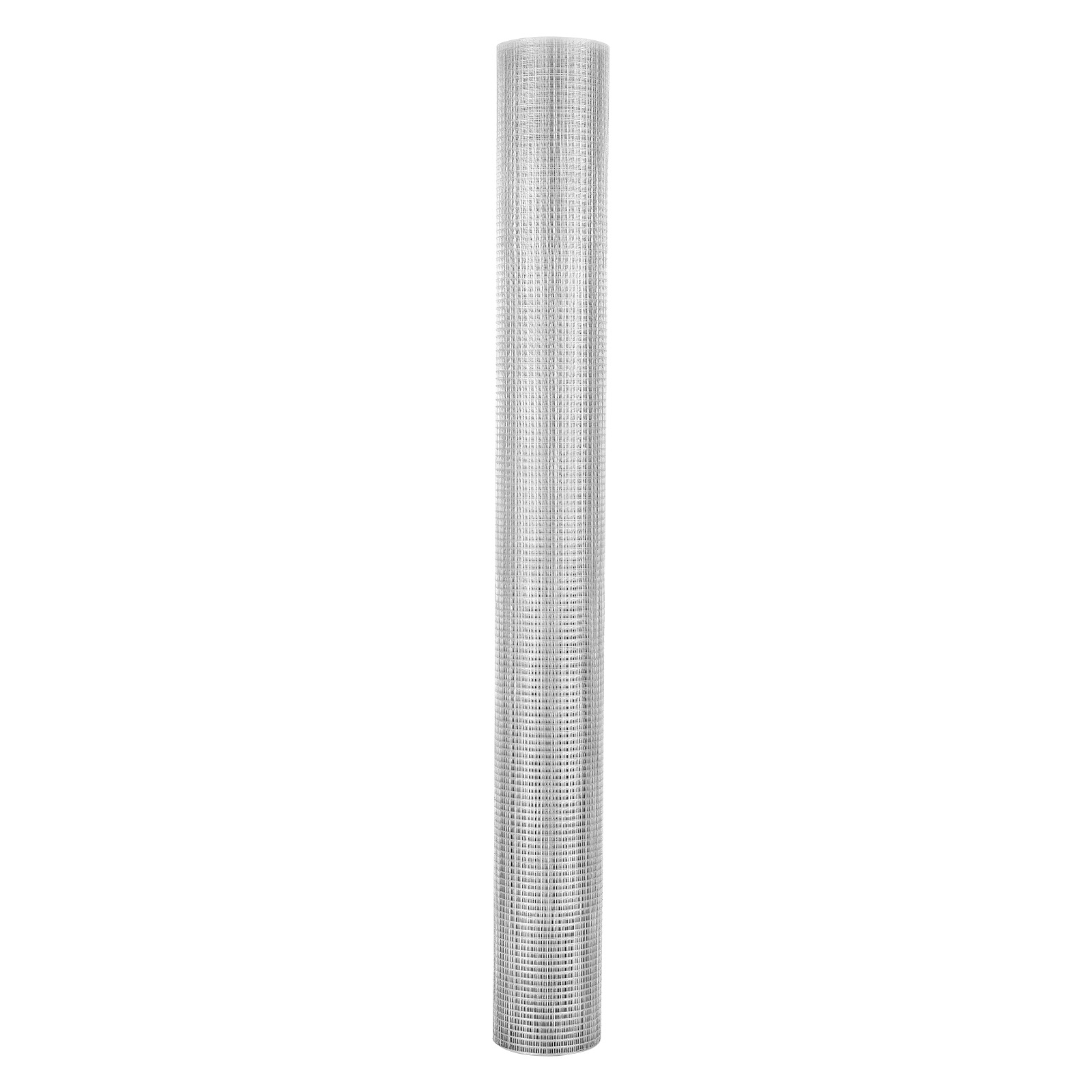 Hardware Cloth, 1/2 Inch 72 X 50 Ft 19 Gauge Chicken Wire Fence, Hot-Dip Galvanized After Welding Metal Mesh Roll, Garden Plant Welded Fencing Supports Poultry Netting Cage$127.99View on Mallflare
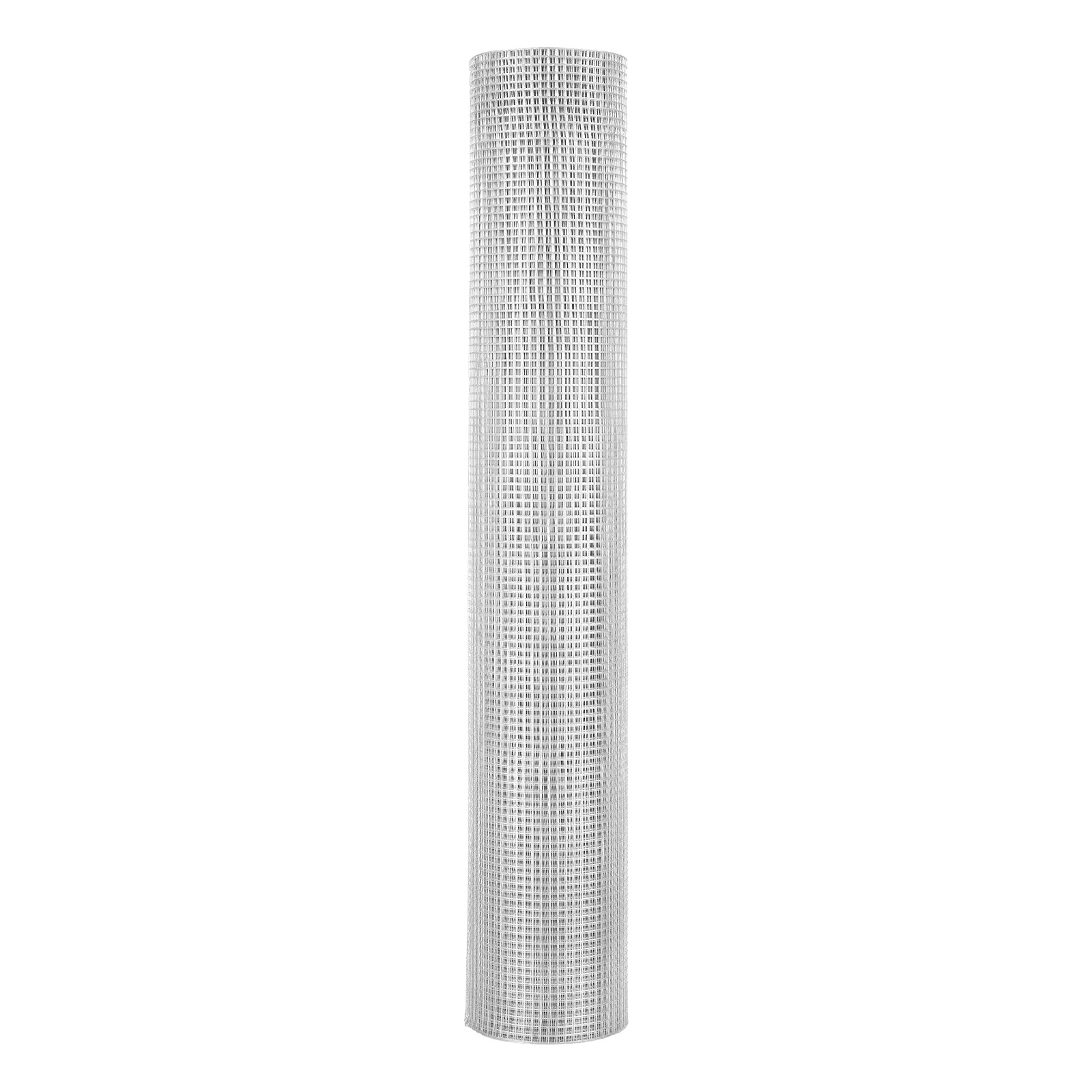 Hardware Cloth, 1/2 Inch 60 X 100 Ft 19 Gauge Chicken Wire Fence, Hot-Dip Galvanized After Welding Metal Mesh Roll, Garden Plant Welded Fencing Supports Poultry Netting Cage$177.99View on Mallflare
Highlights
- Welded hardware cloth in 16-gauge wire with 2x3-inch mesh is the practical predator barrier for raccoons and dogs, while 19-gauge 1/2-inch mesh is the rodent and snake screen but dents under impact.
- Galvanized-then-vinyl-coated wire survives wet bedding and manure contact far longer than bare galvanized, but cut edges expose the core and must be capped or buried.
- Roll width (24, 36, 60, 72 in) sets the apron and wall height ceiling; a 24-inch roll cannot form a 4-foot perimeter wall without horizontal seams that predators exploit.
- Burying the bottom 12 to 18 inches as an L-foot apron is what stops digging predators; mesh gauge matters less than a properly anchored skirt.
Best use cases
- Best fit: fixed coop run perimeter in a raccoon or fox area — choose 16-gauge 2x3-inch wire in 60- or 72-inch width, framed with posts, and an 18-inch buried apron; skip 19-gauge 1/2-inch rolls for walls because they flex and tear at fasteners.
- Best fit: coop windows, vents, and brooder pen — choose 19-gauge 1/2-inch mesh for snake- and rat-tight coverage in 24- or 36-inch widths; do not use it as the main ground-contact fence.
- Wrong fit: mobile tractors and temporary paddocks — a 100-foot roll of heavy hardware cloth is too stiff and heavy to move daily; choose a lighter woven poultry netting for movable setups and reserve welded cloth for fixed structures.
Buying tips
- Match aperture to the smallest predator: 1/2-inch mesh stops snakes and rats, 2x3-inch stops raccoons and dogs but lets rodents through, and 1-inch mesh is only for adult bird containment.
- Use 16-gauge or thicker for perimeter walls and 19-gauge only for secondary barriers; thinner 20- to 23-gauge cloth is poultry netting grade and buckles at tension.
- Compute roll length: a 4-foot-high perimeter around a 20x10-foot run needs about 60 linear feet plus 10 percent overlap, so one 50-foot roll is undersized — buy 100 feet for that footprint.
- Prefer hot-dip galvanized or vinyl-coated welded mesh over electro-galvanized; electro-galvanized welds rust at contact points within a few seasons in wet climates.
Specs
| Wire Gauge | 16 ga (heavy) vs 19 ga (medium) |
|---|---|
| Mesh Aperture | 1/2 in rodent-tight vs 2x3 in predator |
| Coating | Hot-dip galvanized / vinyl-coated |
| Roll Width | 24 / 36 / 60 / 72 in |
Related searches
What to check before buying
- Measure coop wall height and run perimeter, then add 10 percent overlap and subtract gate openings before selecting roll width and length.
- Confirm ground type: buried apron works in soil, but on rock or concrete the fence must be anchored with a base plate and the bottom rail bolted down.
- Check fastener compatibility — welded cloth needs poultry staples, J-clips, or hog rings plus washers; it will not hold under tension with zip ties alone.
- Verify climate exposure: coastal and high-humidity sites need vinyl-coated or hot-dip galvanized wire, and snow-load areas need framed panels rather than free-spanning mesh.
FAQ
Data sources: eBay / Amazon listings and product attribute feeds. Updated Nov 27, 2026.
Some links on this page are affiliate links. If you buy after clicking one, we may earn a commission at no extra cost to you. This does not change which products appear here or their order. Affiliate disclosure.