
Photos from current listings. Actual item, color, and included accessories may vary.
Stainless Chicken Wire Buying Guide
Stainless chicken wire is a welded or woven wire mesh made from stainless steel alloys, used to protect poultry and garden areas where standard galvanized wire would rust and fail. The core trade-off is alloy grade versus cost: 304 stainless resists moisture and manure for decades, while 316L adds chloride resistance for coastal or high-ammonia environments, and thinner gauges trade durability for flexibility. The decision rule is simple: choose 304 or 316L stainless at 16- to 20-gauge for permanent outdoor runs, and avoid any 'stainless' mesh thinner than 20-gauge or of unstated alloy for predator-facing applications.
Median $115.99
Key takeaways
- Alloy grade determines lifespan: 304 stainless handles most farm environments, while 316L stainless resists salt and ammonia corrosion in coastal or confined-coop setups.
- Wire gauge controls predator resistance: 16-gauge stainless stops raccoons and foxes, 18-gauge deters hawks and rabbits, and 20-gauge or thinner suits only lightweight garden exclusion.
- Mesh opening size dictates exclusion: 1-inch hex mesh contains adult chickens but lets chicks and small predators through, while 1/2-inch hardware-cloth-style mesh blocks rats and snakes.
At a glance
- Category
- Chicken Fencing & Egg Handling
- Last updated
- Nov 27, 2026
Current offers
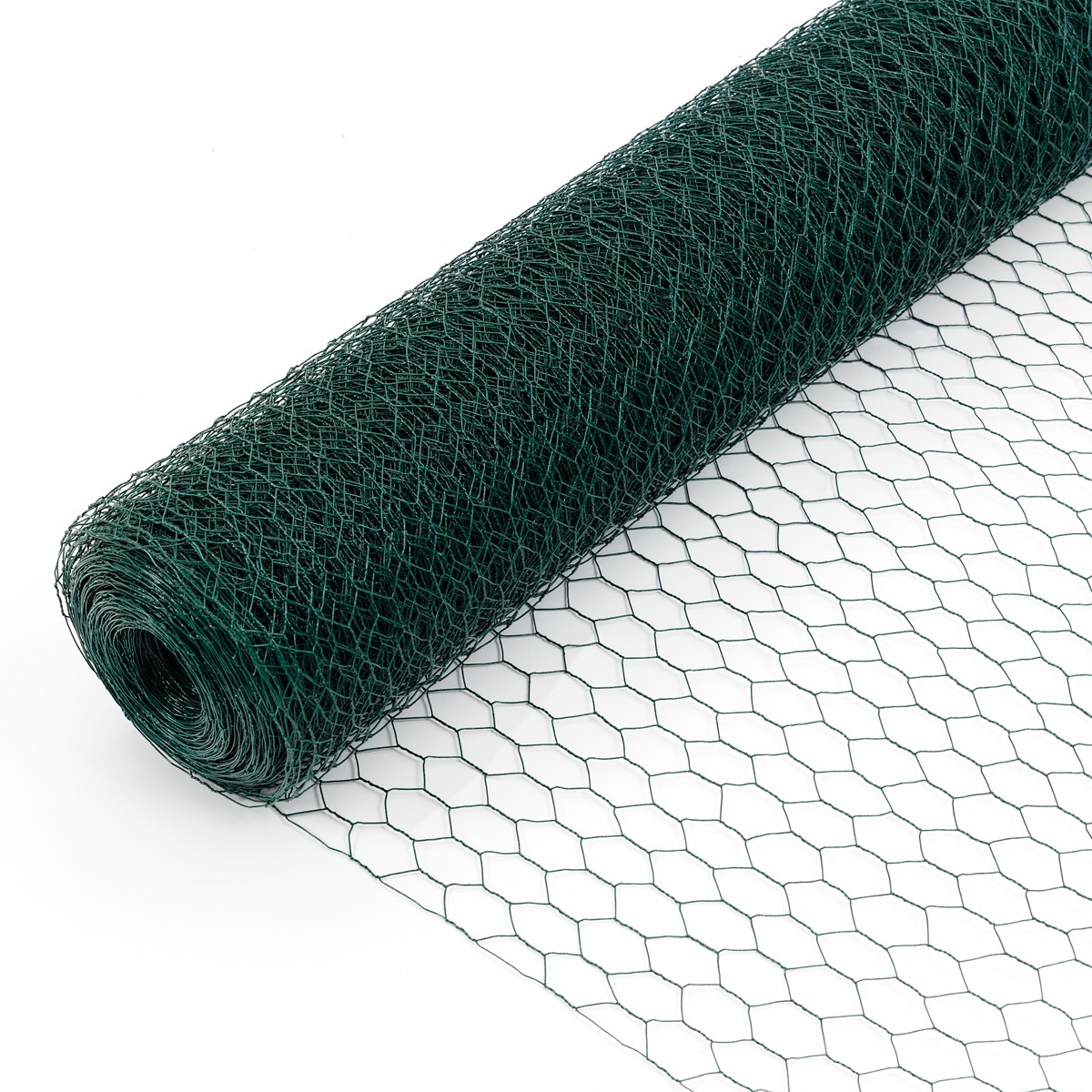 Large Size Galvanized Hexagonal Floral Green Chicken Wire, Outdoor Anti-Rust Poultry Netting for Garden, Coop Fencing$87.99View on Mallflare
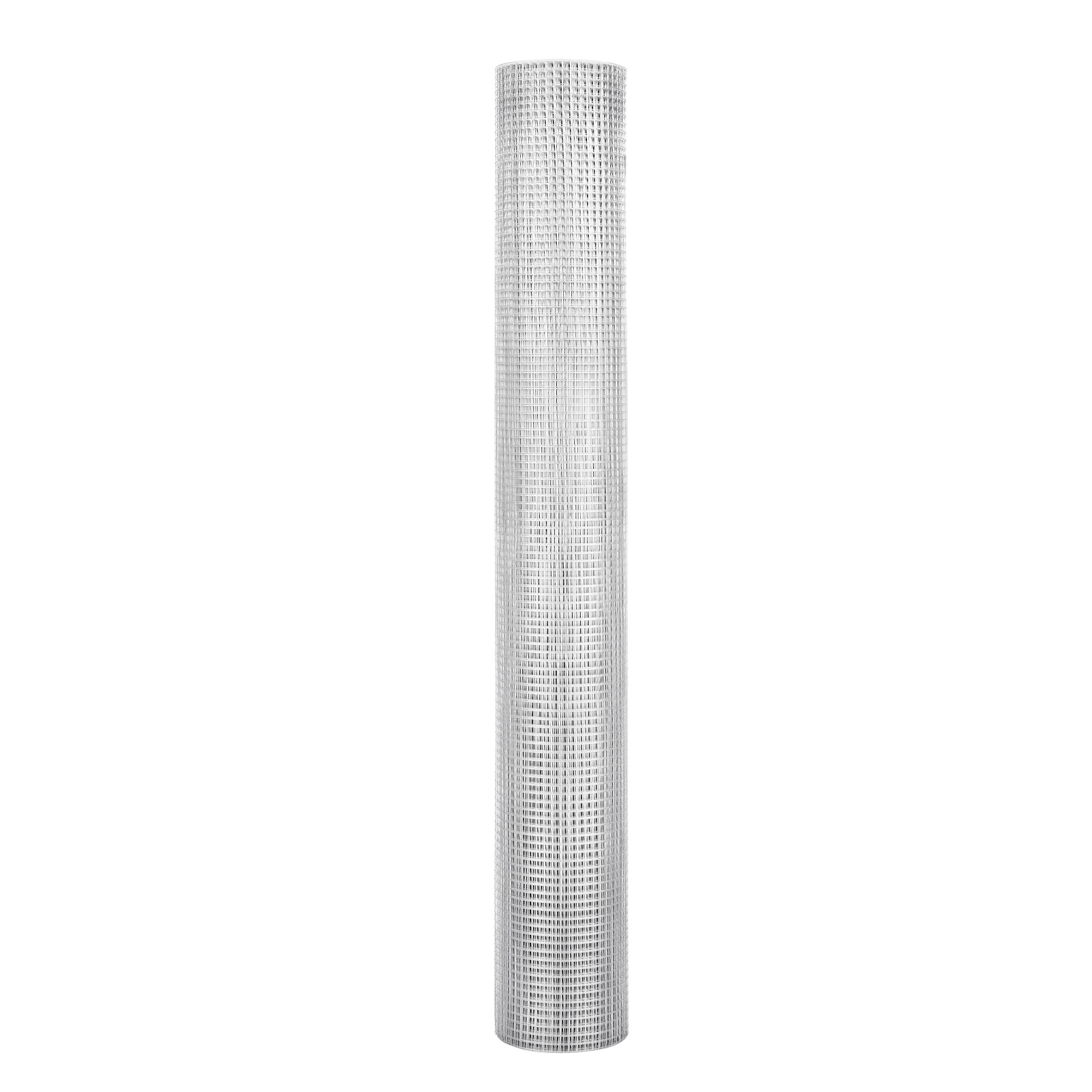 Hardware Cloth, 1/2 Inch 60 X 50 Ft 19 Gauge Chicken Wire Fence, Hot-Dip Galvanized After Welding Metal Mesh Roll, Garden Plant Welded Fencing Supports Poultry Netting Cage$104.99View on Mallflare
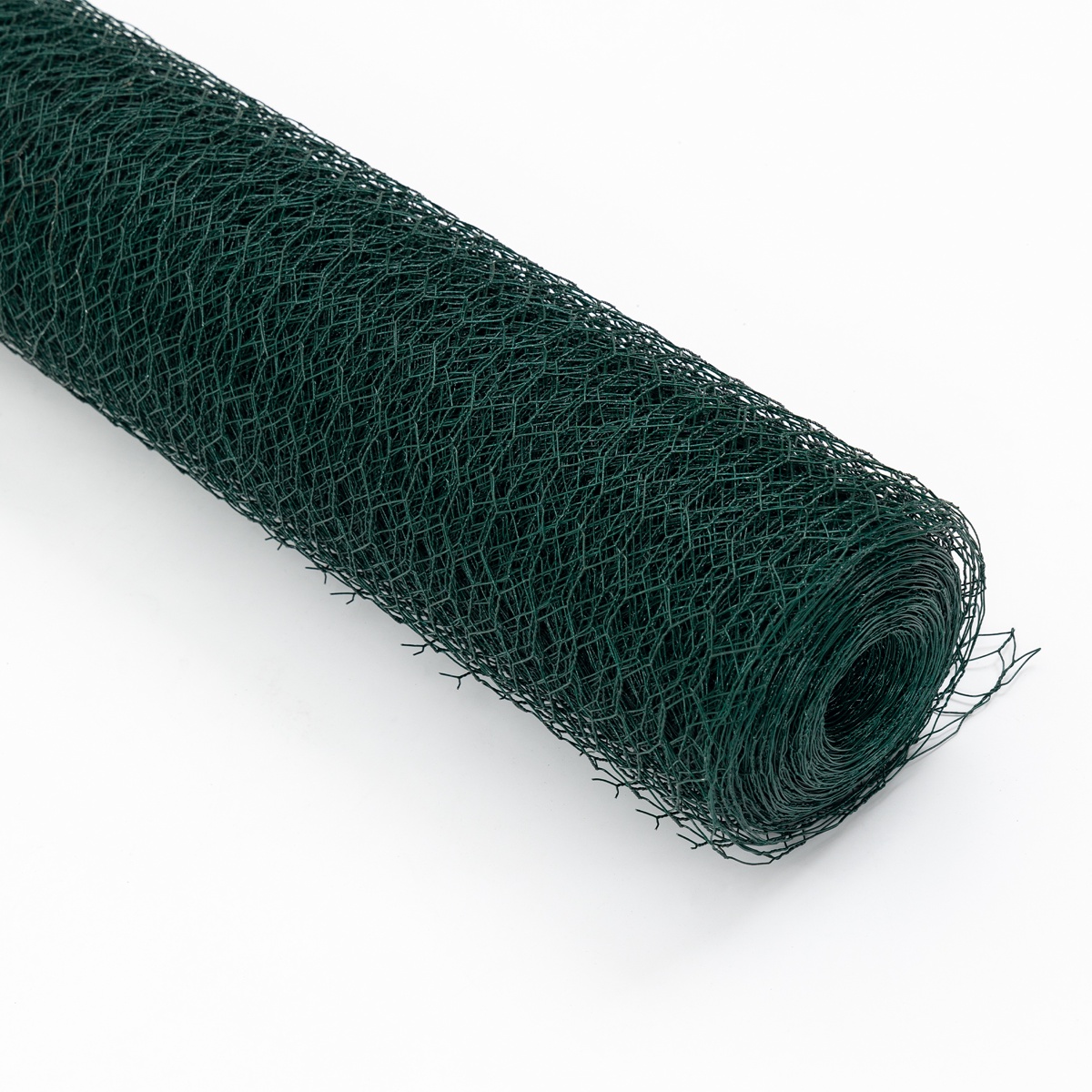 60M Large Size Galvanized Hexagonal Floral Green Chicken Wire, Outdoor Anti-Rust Poultry Netting For Garden, Coop Fencing$115.99View on Mallflare
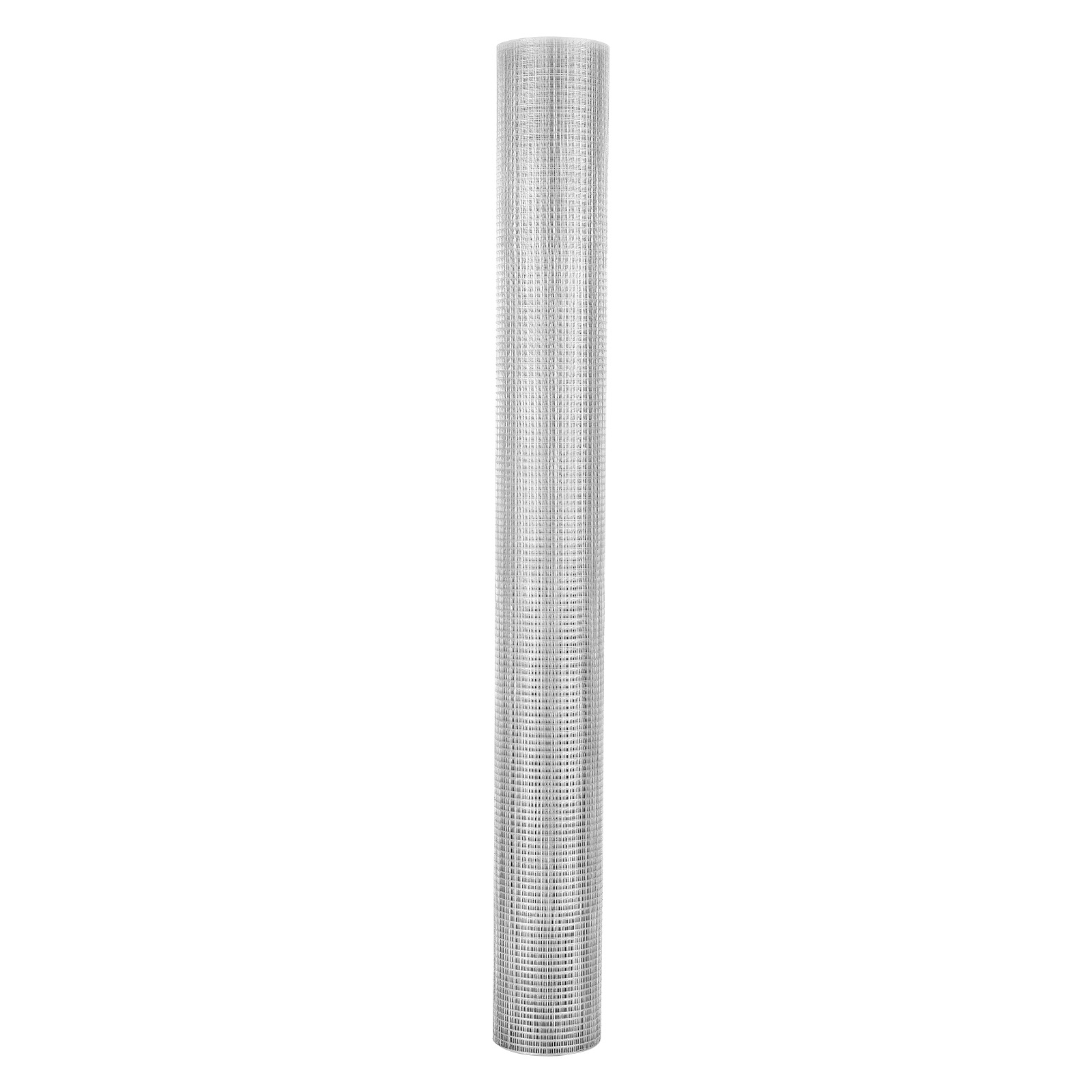 Hardware Cloth, 1/2 Inch 72 X 50 Ft 19 Gauge Chicken Wire Fence, Hot-Dip Galvanized After Welding Metal Mesh Roll, Garden Plant Welded Fencing Supports Poultry Netting Cage$127.99View on Mallflare
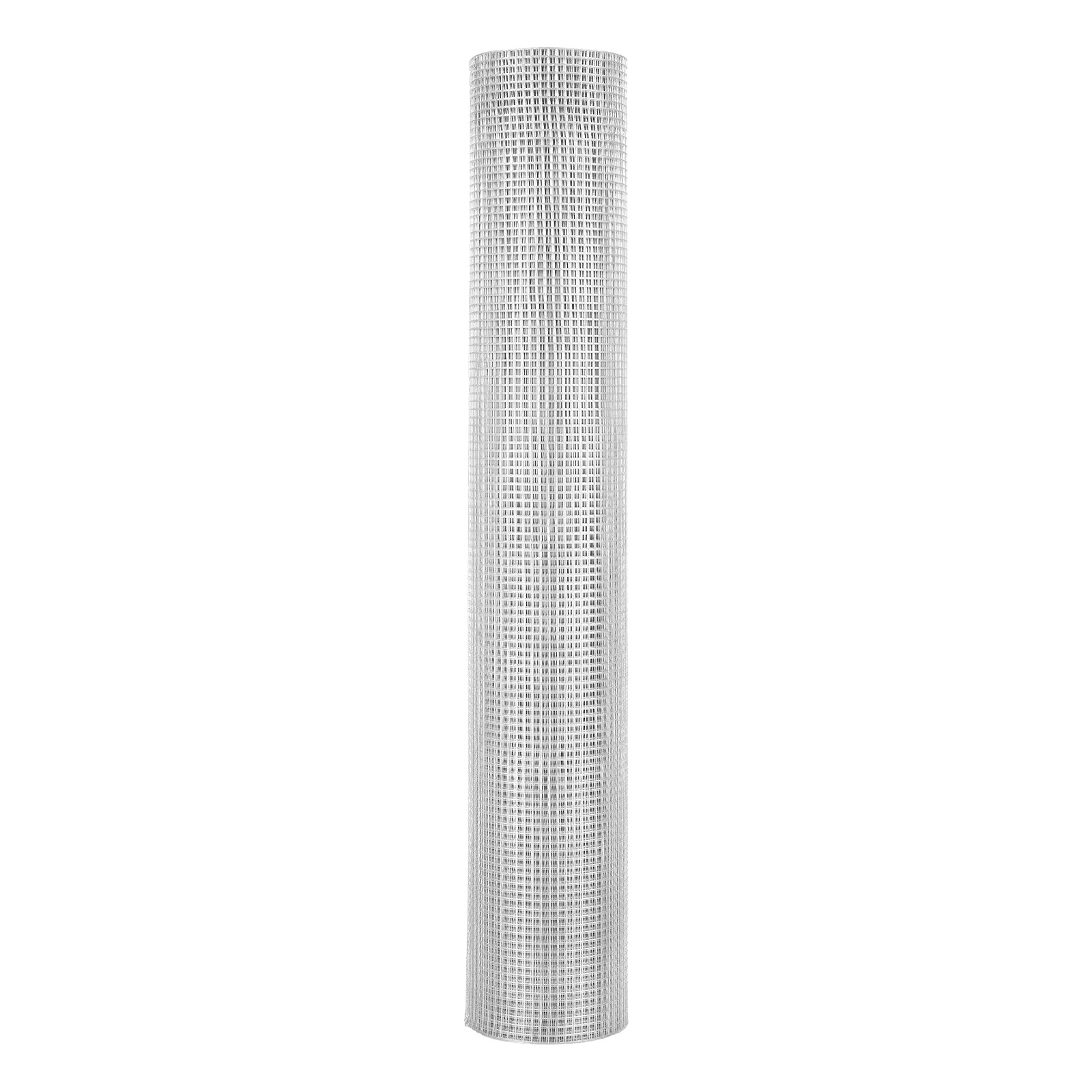 Hardware Cloth, 1/2 Inch 60 X 100 Ft 19 Gauge Chicken Wire Fence, Hot-Dip Galvanized After Welding Metal Mesh Roll, Garden Plant Welded Fencing Supports Poultry Netting Cage$177.99View on Mallflare
Highlights
- Alloy grade determines lifespan: 304 stainless handles most farm environments, while 316L stainless resists salt and ammonia corrosion in coastal or confined-coop setups.
- Wire gauge controls predator resistance: 16-gauge stainless stops raccoons and foxes, 18-gauge deters hawks and rabbits, and 20-gauge or thinner suits only lightweight garden exclusion.
- Mesh opening size dictates exclusion: 1-inch hex mesh contains adult chickens but lets chicks and small predators through, while 1/2-inch hardware-cloth-style mesh blocks rats and snakes.
- Welded stainless mesh holds its shape under tension, whereas woven hex stainless mesh flexes and requires a rigid frame or tensioned wire to prevent sagging and gap formation.
Best use cases
- Best fit: permanent outdoor chicken runs in wet climates—specify 304 stainless, 16- to 18-gauge, 1-inch hex mesh over a pressure-treated frame with an apron buried 12 inches.
- Best fit: coastal coops or high-ammonia confinement houses—choose 316L stainless, 18-gauge, welded 1/2-inch mesh to resist chloride pitting and manure acids.
- Wrong fit: temporary chick brooder pens—skip stainless and use cheap galvanized hardware cloth, since the mesh is indoors and short-lived.
- Wrong fit: predator-heavy night enclosures—do not rely on 20-gauge stainless alone; pair 16-gauge stainless mesh with electric poultry netting or a solid roof.
Buying tips
- Match gauge to predator pressure: use 16-gauge stainless for ground-level perimeter defense, 18-gauge for upper walls and roof panels, and 20-gauge only for interior dividers.
- Size mesh to the smallest animal you must exclude: 1-inch hex keeps adult chickens in but passes chicks; 1/2-inch mesh excludes rats and small snakes at the cost of reduced airflow.
- Verify alloy before ordering: 304 stainless is the minimum for outdoor use, 316L is required within 1 mile of saltwater or where manure accumulates without washing.
- Calculate roll length from perimeter plus height: a 4-foot-tall run needs 4 feet of mesh per linear foot plus 10 percent overlap for corners and framing attachment.
Specs
| Alloy Grade | 304 standard / 316L coastal |
|---|---|
| Wire Gauge | 16-20 ga (16 heaviest) |
| Mesh Opening | 1 in hex / 1/2 in welded |
| Mesh Construction | Welded vs woven hex |
Related searches
What to check before buying
- Measure run perimeter and height, then add 10 percent for overlap and framing wrap before choosing roll size.
- Confirm frame or post spacing supports the mesh: welded stainless needs posts every 6 to 8 feet, woven hex needs tensioned wire every 4 feet to prevent sagging.
- Check local climate: coastal or high-humidity sites demand 316L stainless, while inland dry sites can use 304 stainless without premature corrosion.
- Verify fasteners and staples are stainless or galvanized to avoid galvanic corrosion where they contact the mesh.
FAQ
Data sources: eBay / Amazon listings and product attribute feeds. Updated Nov 27, 2026.
Some links on this page are affiliate links. If you buy after clicking one, we may earn a commission at no extra cost to you. This does not change which products appear here or their order. Affiliate disclosure.