GardenPulse Guide

GardenPulse Guide

Garden, Yard & Outdoor Living Reviews & Buying Guides

Compare garden, yard & outdoor living by use case, features, trade-offs, price, returns, and seller terms before you buy.

Buying guides

Buying guide image
Pools & Spas

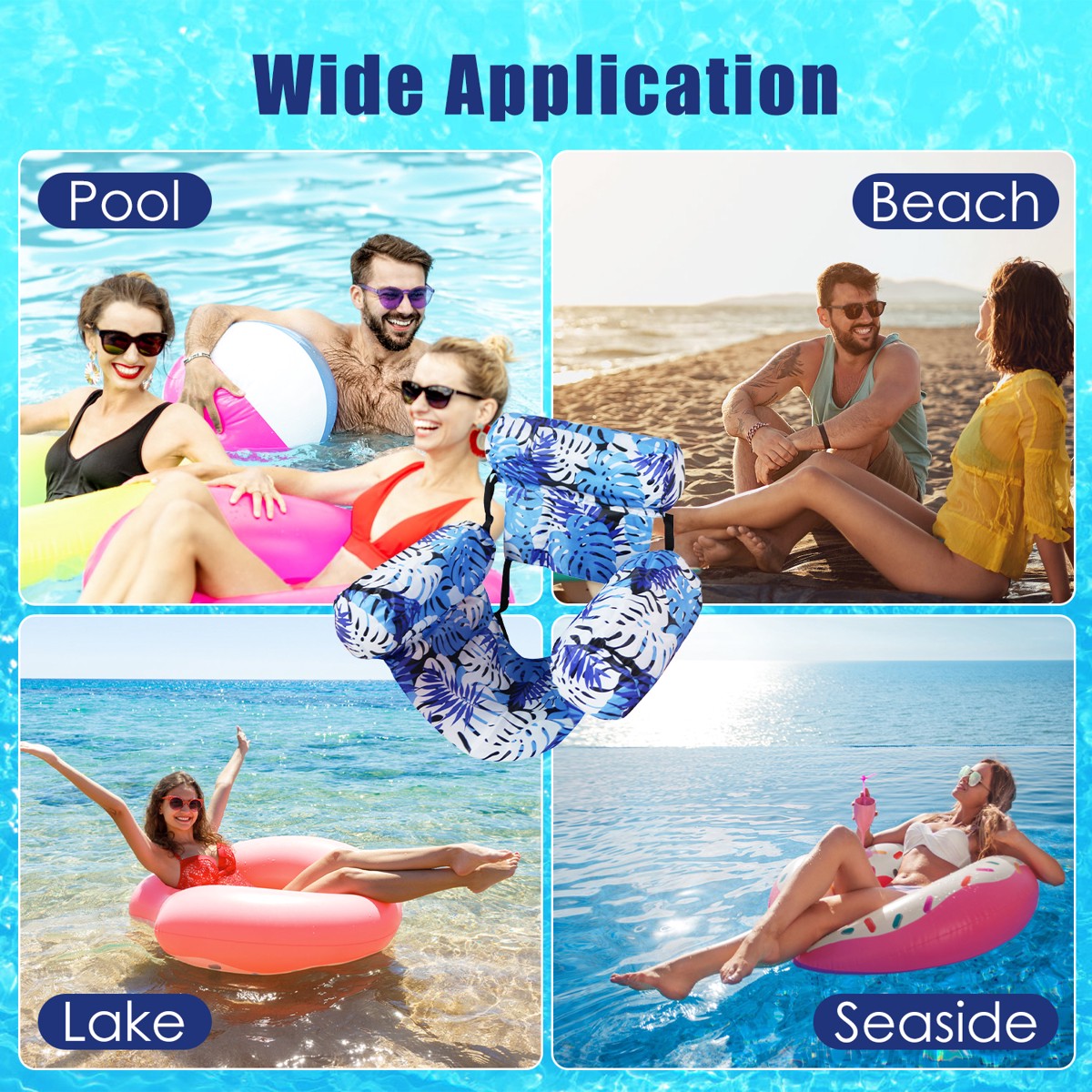
Pool Lounger With Canopy

A pool lounger with canopy combines a floating chair or raft with an overhead sunshade, trading off between PVC air-chamber comfort and rigid foam/metal-frame durability. The key decision is whether you want a packable inflatable with a clamp-on or integrated shade for occasional use, or a foam-core or framed lounger with a sturdy canopy for daily sun exposure. Buy inflatable PVC with UV-resistant coating and a canopy that clips to reinforced D-rings for portability; buy foam or metal-frame loungers with a sewn or bolted canopy for longevity.
Buying guide image
Pools & Spas

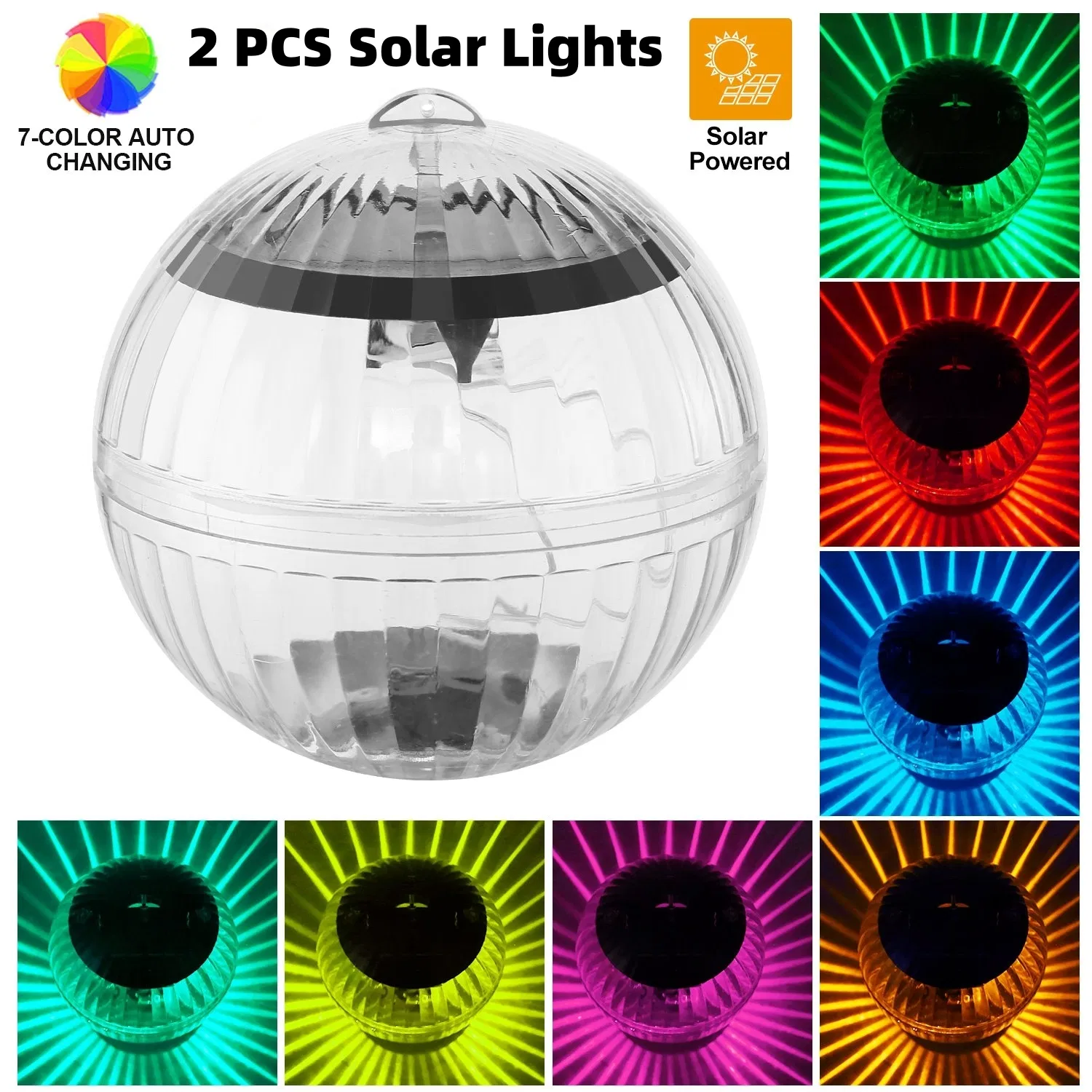
Solar Floating Pool Light

Solar floating pool lights are self-contained LED pucks or orbs that charge via an integrated top solar panel and float to illuminate water after dark. The core trade-off is ingress protection and buoyancy versus feature count: true IP67/IPX7 sealed housings with mono-crystalline panels survive repeated submersion and splashing, while IP65 fixtures are splash-rated and belong on decks, ponds, or fountains rather than open pool water. The decision rule: buy IP67/IPX7 with a monocrystalline panel and Li-ion cell for in-pool use; accept IP65 only for above-water or shallow decorative placement.

Buying guide image
Beehives & Frames

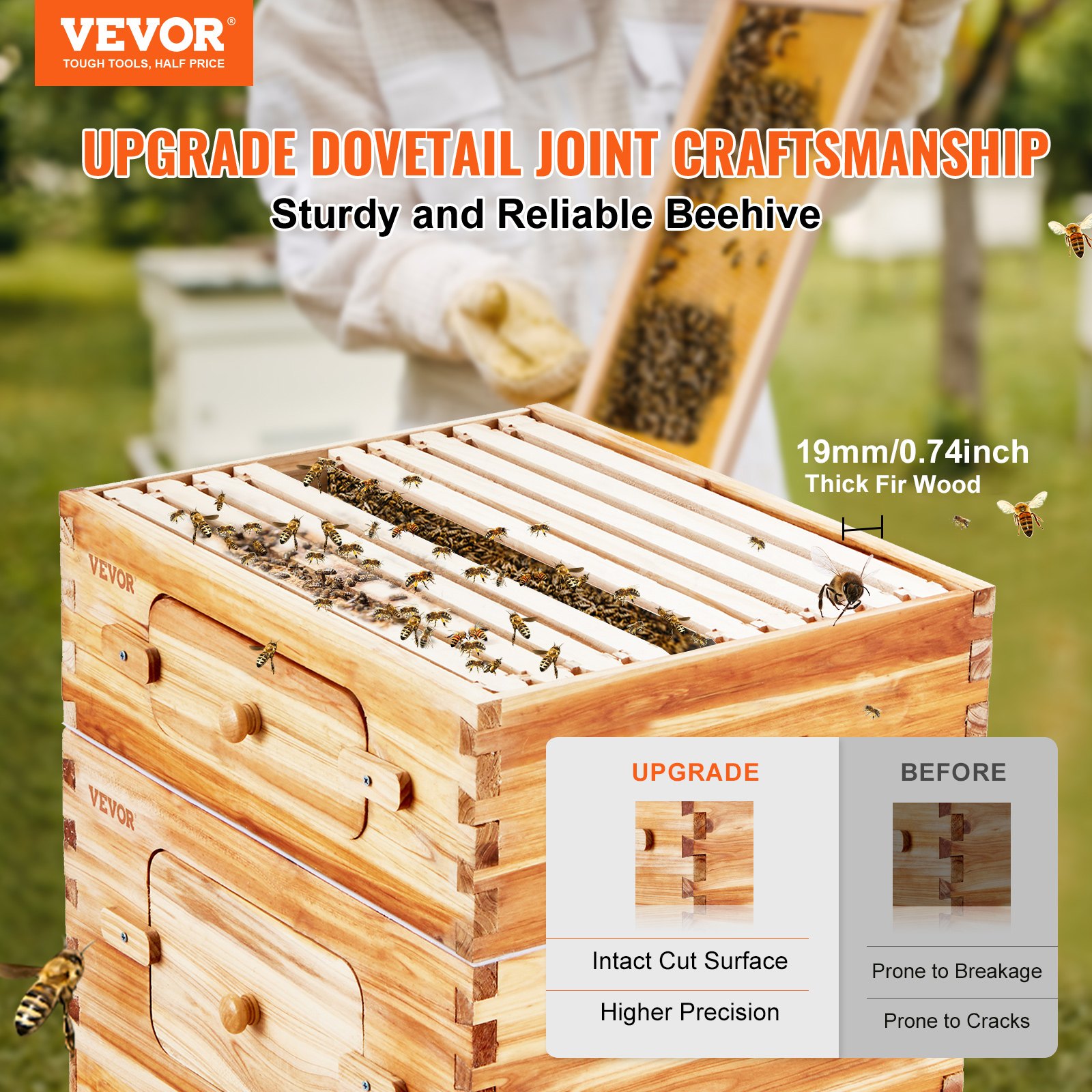
Beginner Bee Hive Kit

A beginner beehive kit bundles the physical hive, frames, foundation, and often protective gear into one purchase, but the critical trade-off is hive depth configuration (deep-only vs. deep+medium) and wood treatment quality. Durable kits use rot-resistant cedar or pine with beeswax coating and standardized Langstroth dimensions; compromises use thin untreated wood, non-standard frame spacing, or omit essential components like a smoker or entrance reducer.

Buying guide image
Chicken Coops & Runs

Chicken Coop With Roosting Bar

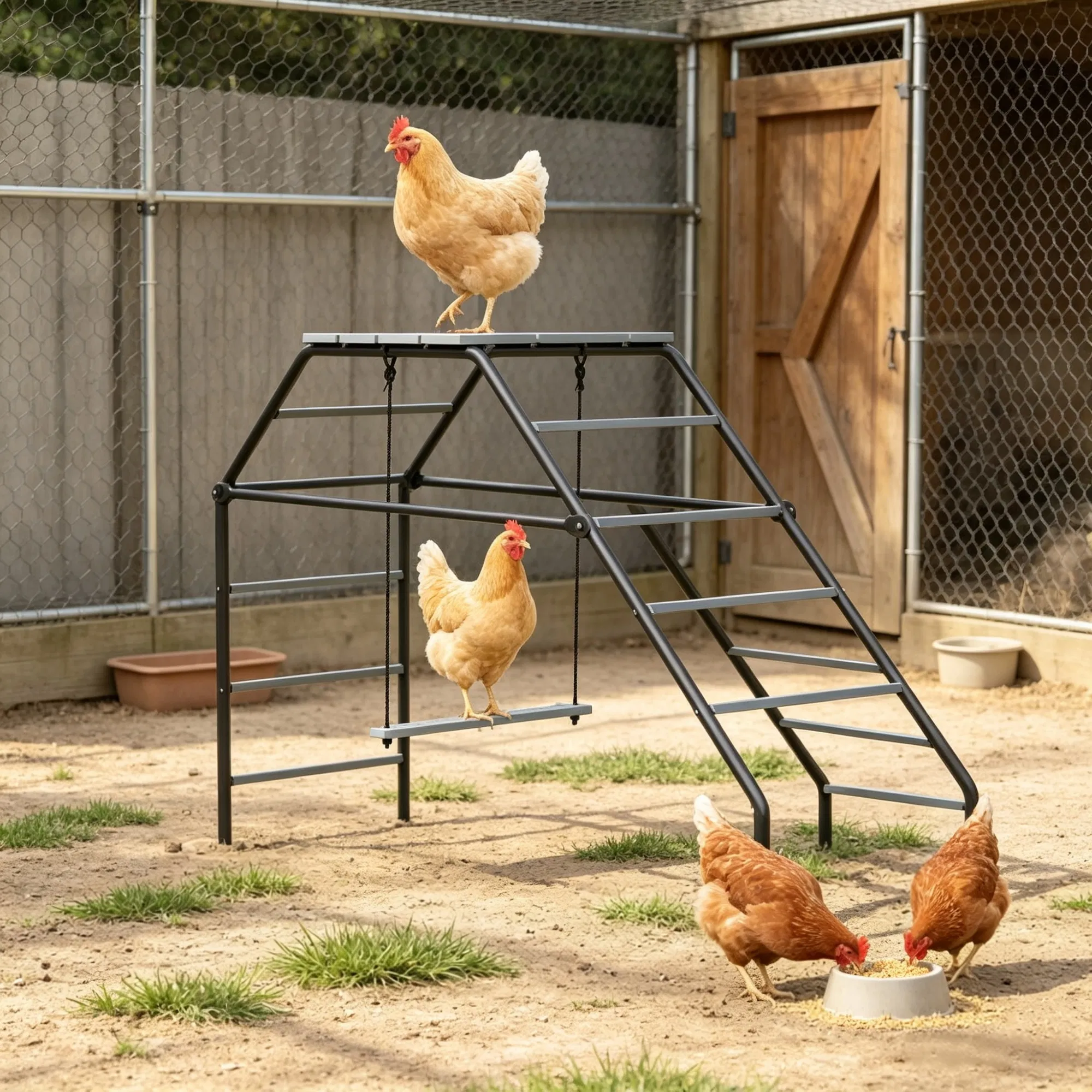
A chicken coop with a roosting bar is a night shelter built around an elevated perch that chickens grip and sleep on, distinct from run or nesting-box features. The core trade-off is wood thickness and predator-proofing versus thin, stapled softwood and mesh that fails within seasons. Buy a coop whose roost bar is removable, at least 1.5 in thick with rounded edges, and set 12–18 in off the floor; skip decorative swing-perch gimmicks sold as standalone roosting kits.

Buying guide image
Chicken Feeders & Waterers

Grandpa Automatic Chicken Feeder

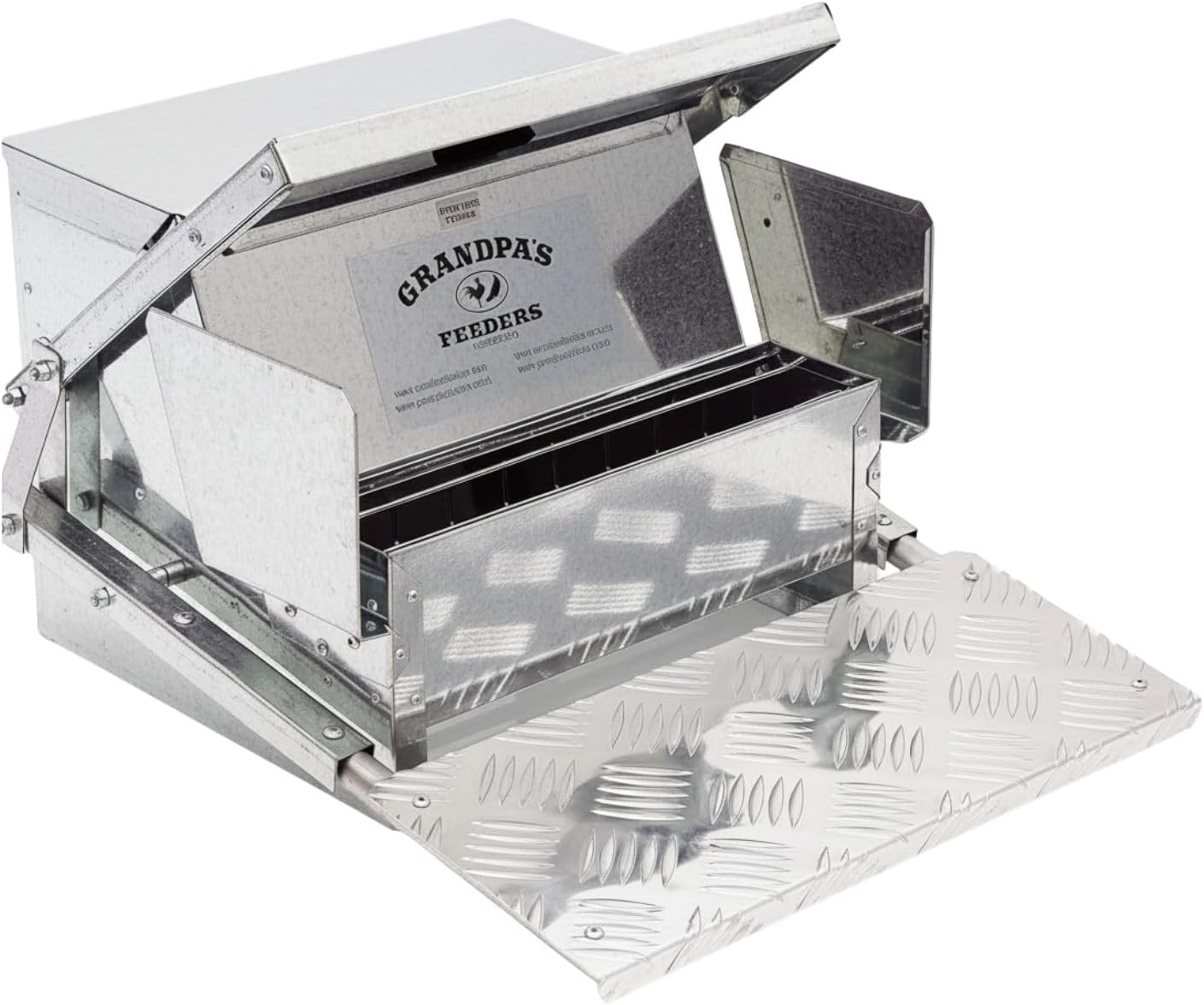
Grandpa's Feeder is a treadle-style automatic chicken feeder that uses the bird's weight on a step to open a lid, keeping feed dry and pest-free. The critical trade-off is mechanism durability and pest-proofing versus capacity and flock size: stamped-steel springs and plastic treadles wear out, while heavier-gauge steel and sealed lids withstand years of flock use. The clear decision rule is to match feeder size to flock count and choose a model with a mechanical treadle and fully closing lid—avoid open gravity feeders if rats, mice, or wild birds are present.

Buying guide image
Watering & Irrigation

Watering Can

A watering can is a hand-held vessel with a spout and rose (sprinkler head) used to deliver a controlled flow of water to plants. The core trade-off is between plastic and metal construction: plastic is light and affordable but degrades under UV and becomes brittle, while galvanized steel or powder-coated metal resists sun and impact but adds weight. Choose metal if the can will live outdoors year-round; choose high-density polyethylene (HDPE) only if you need ultralight weight for indoor or small-space use.

Buying guide image
Chicken Brooders & Heat

Chicken Brooder

A chicken brooder is a controlled heat-and-containment system for chicks from hatch to about 6 weeks. The key trade-off is between radiant plate heat (safe, low-fire-risk, natural behavior) and high-wattage lamp or element heat (cheap, fast, fire-prone). The durable rule: choose a thermostatically controlled radiant plate sized to flock count, and skip open heat lamps and thin plastic bins without a thermostat.

Buying guide image
Chicken Fencing & Egg Handling

Chicken Wire

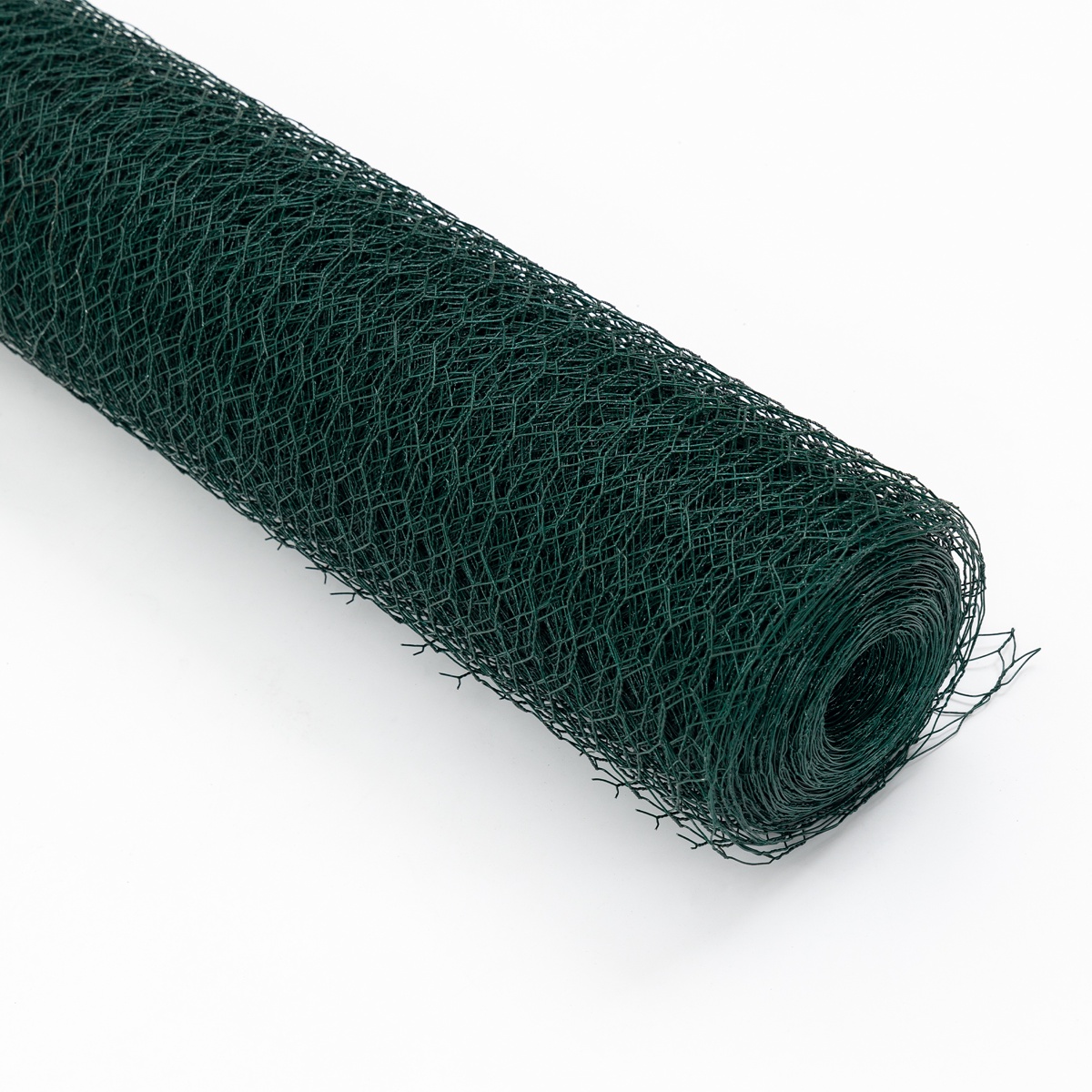
Chicken wire is a lightweight, light-duty hex mesh used for garden borders and poultry containment, but it is not predator-proof. The core trade-off is mesh gauge and coating versus opening size: flimsy 20-23 gauge hexagonal netting stops chickens only, while welded and galvanized hardware cloth at 19-16 gauge resists raccoons, foxes, and digging. The decision rule: choose hex poultry netting for above-ground garden trellis and daytime pen dividers, and welded hardware cloth with 1/2-inch or smaller openings for any permanent coop or run that faces predators.

Buying guide image
Chicken Coops & Runs

Chicken Coop Door

A chicken coop door is the automated or manual barrier that secures your flock at night and lets them out at dawn, and the core trade-off is between cheap light-sensor pop-holes with plastic gearing and sealed aluminum or steel doors with anti-pinch sensing and solar/battery redundancy. Durable automated doors use aluminum or powder-coated steel frames, worm-gear or rack-and-pinion drives, and independent solar plus backup battery power; compromise units rely on thin plastic tracks, exposed micro-USB ports, and single light-sensor logic that fails in overcast weather.

Buying guide image
Residential Outdoor Power Equipment

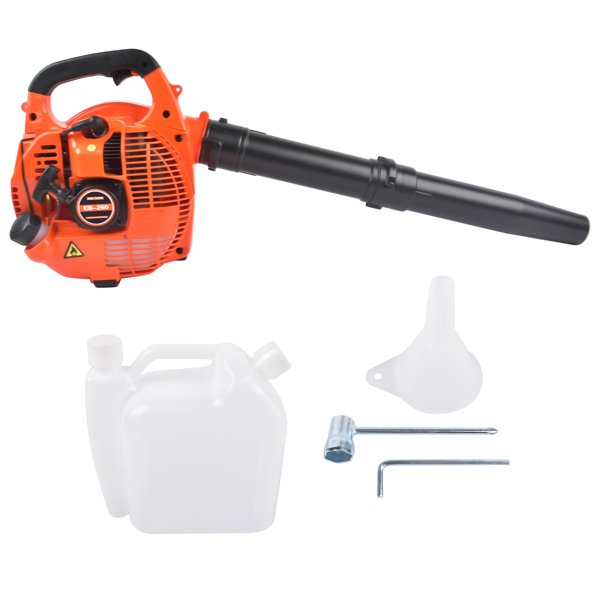
Handheld Leaf Blower

Handheld leaf blowers split into three architectures: 2-cycle gas (highest power-to-weight, mixed fuel), 4-cycle gas (no mixing, heavier), and cordless battery (lowest maintenance, runtime-limited). The defining trade-off is CFM/MPH versus weight and fuel or battery logistics. Buy gas only if you need sustained airflow over large acreage; buy battery if you have under a half-acre and already own a compatible battery platform.

Buying guide image
Chicken Coops & Runs

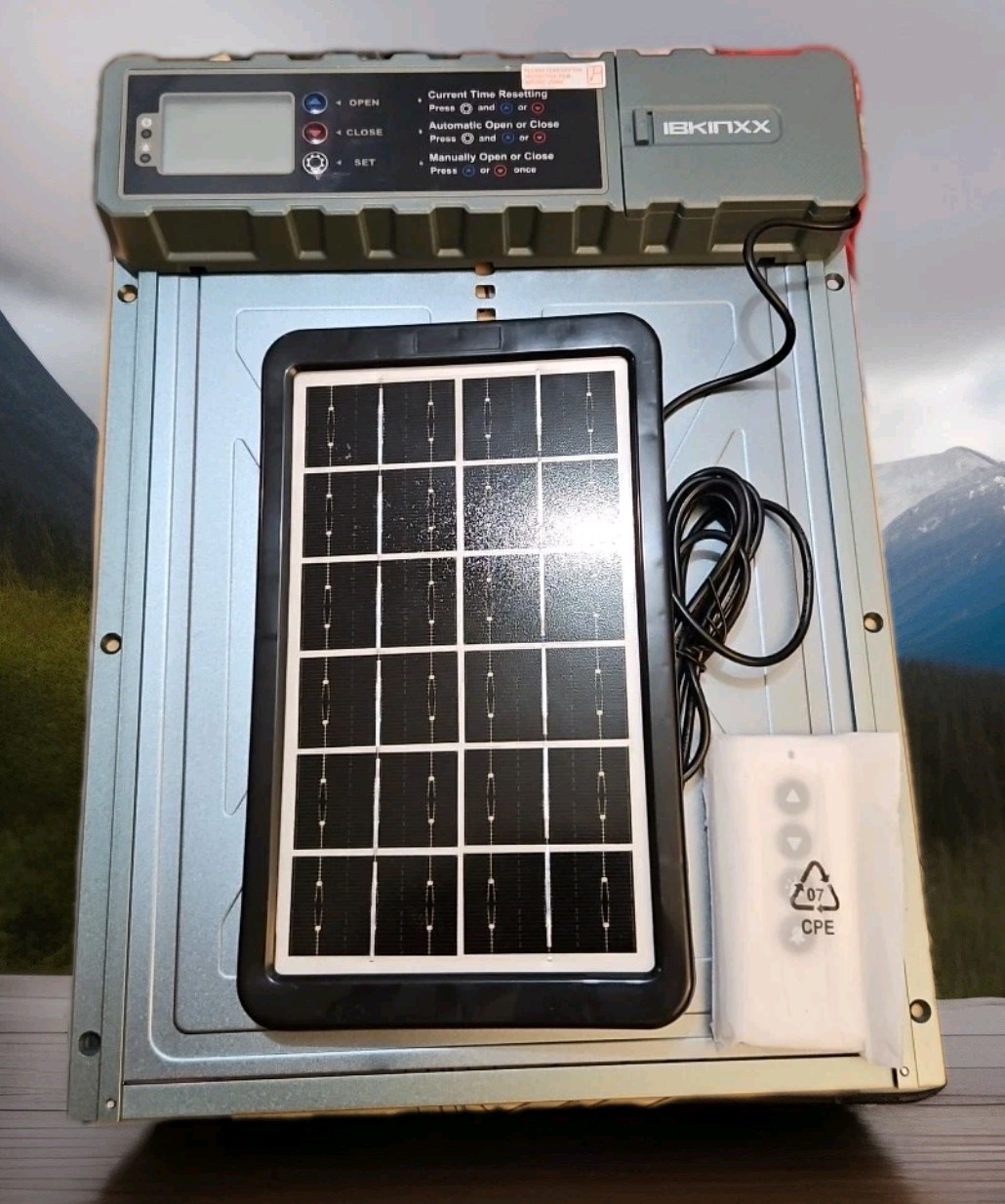
Automatic Chicken Coop Door

An automatic chicken coop door is a motorized opener that raises and lowers a vertical slide or guillotine panel on a light sensor, timer, or remote trigger, eliminating dawn and dusk manual lock-ups. The core trade-off is low-voltage actuator and battery capacity versus mechanical anti-pinch safety and weather sealing: cheap spring or nylon-gear units fail at the first ice or predator push, while geared metal or worm-drive actuators with sealed aluminum doors survive years outdoors. Buy metal-framed, anti-pinch units rated for continuous outdoor duty—skip thin plastic panels and unsealed sensor eyes.

Buying guide image
Outdoor Lighting & Decor

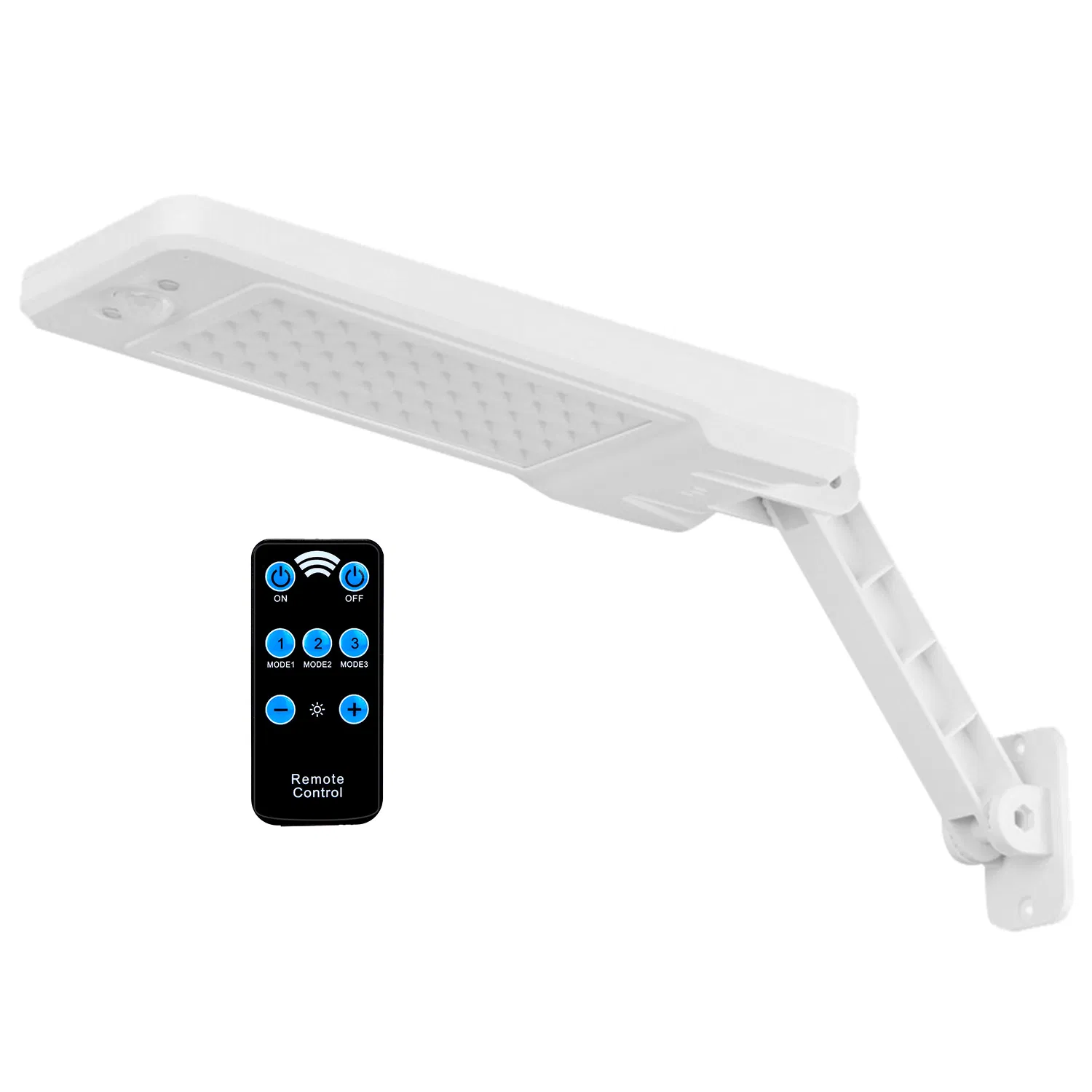
Outdoor Garage Light

Outdoor garage lights split into two architectures: solar motion-sensor fixtures with integrated LEDs and hardwired dusk-to-dawn sconces or lanterns. The core trade-off is installation freedom versus lumen longevity—solar units avoid wiring but depend on panel placement and battery health, while hardwired fixtures deliver stable output for years but require a junction box. Buy solar only for quick, wire-free coverage under 800 lumens; buy hardwired for permanent, code-compliant illumination above 1000 lumens.

Buying guide image
Watering & Irrigation

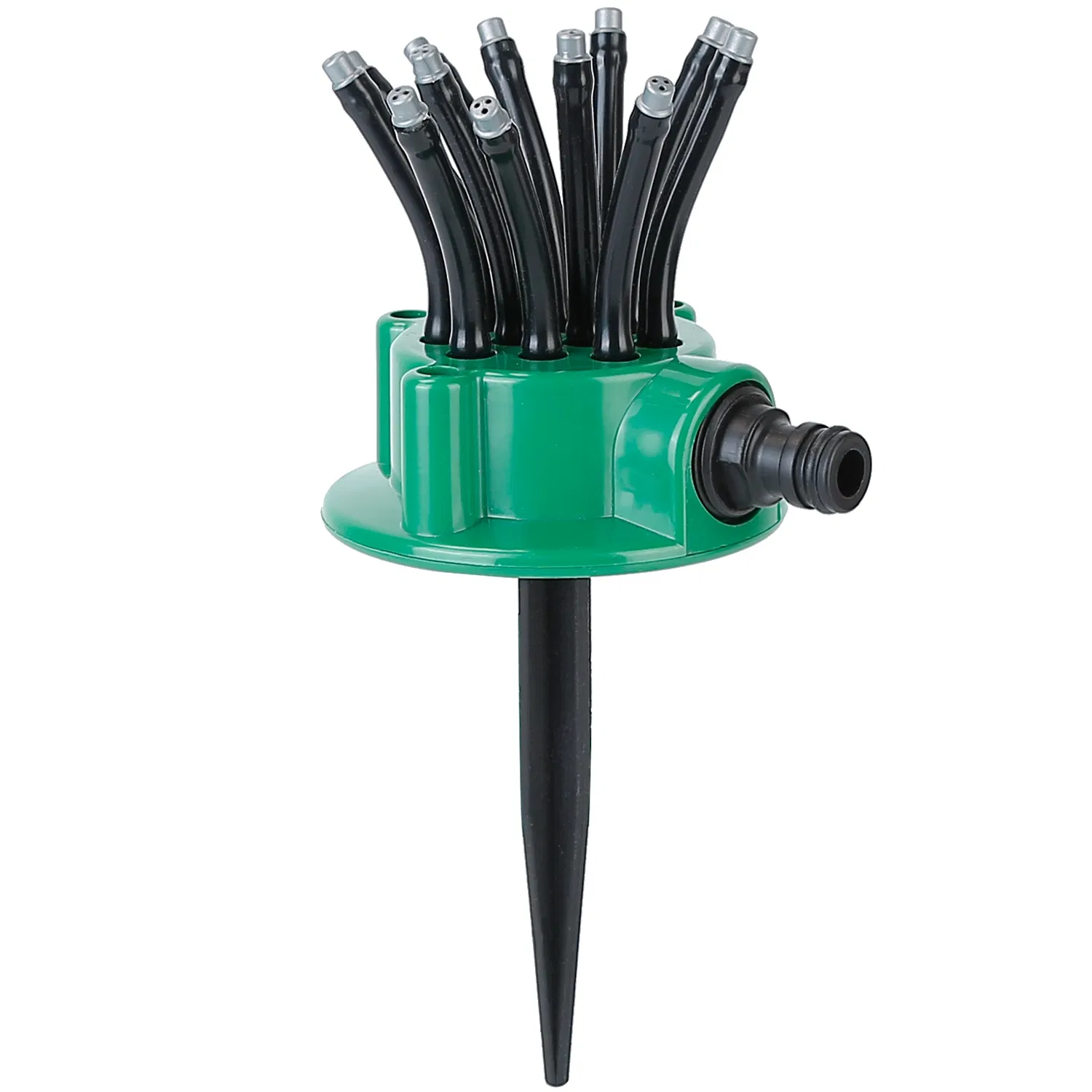
Water Sprinkler

A water sprinkler is the delivery head of an irrigation system, and its coupler standard, nozzle geometry, and head material decide coverage uniformity and lifespan more than any feature label. The core trade-off is reach and flow versus fine control: impact and gear-drive heads throw far on high flow, while drip and tube micro-sprinklers deliver precise low-volume coverage. Choose metal-bodied heads on standard threaded couplers for permanent duty and plastic oscillating or tube units for seasonal, above-ground use.

Buying guide image
Watering & Irrigation

Lawn Sprinkler

A lawn sprinkler is a watering device that distributes water across turf, ranging from simple hose-end oscillating heads to in-ground pop-up zones and hose-end impact or rotary units. The core trade-off is coverage uniformity and durability versus portability and cost: stationary plastic sleds and tube sprayers are cheap but deliver uneven coverage and degrade under UV, while brass or zinc impact heads and gear-drive rotors hold pattern accuracy for years. Buy a pressure-matched, metal-bodied head with a defined coverage radius if you need even large-area watering; skip thin plastic sleds with fixed spray tubes if uniformity or multi-season durability matters.

Buying guide image
Chicken Brooders & Heat

Chicken Brooder Box

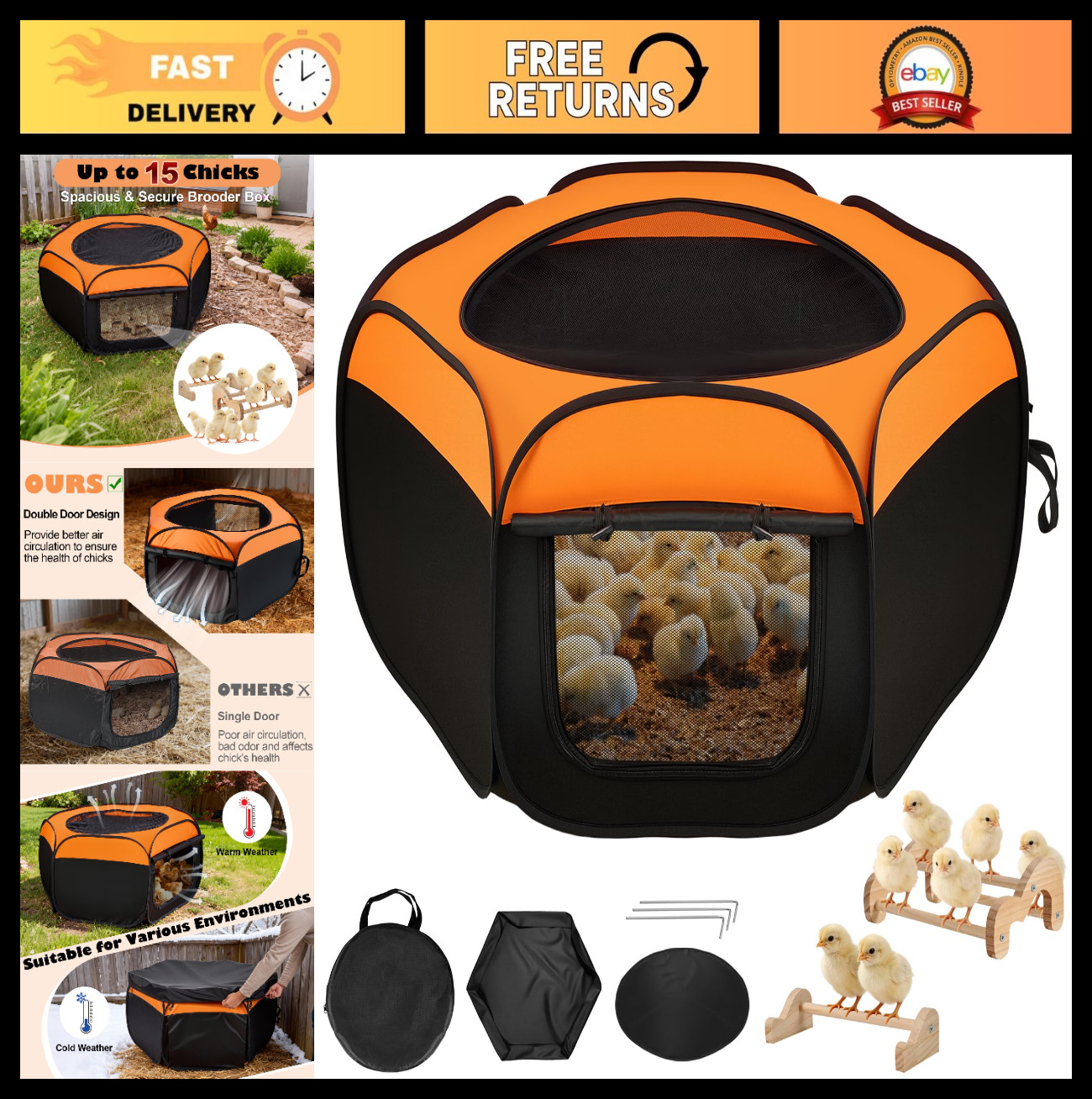
A chicken brooder box is the controlled microclimate that replaces a mother hen for the first 6–8 weeks—combining an enclosure, a heat source, and ventilation into one system. The core trade-off is radiant spot heat (heat plate or lamp) versus whole-box convection heat: radiant lets chicks self-regulate and prevents pasty butt, while convection is simpler but risks chilling and overheating pockets. Buy a radiant plate or lamp system sized to your chick count with adjustable height; skip fixed-wattage open heat rocks or unvented plastic totes that trap ammonia.

Buying guide image
Patio Furniture

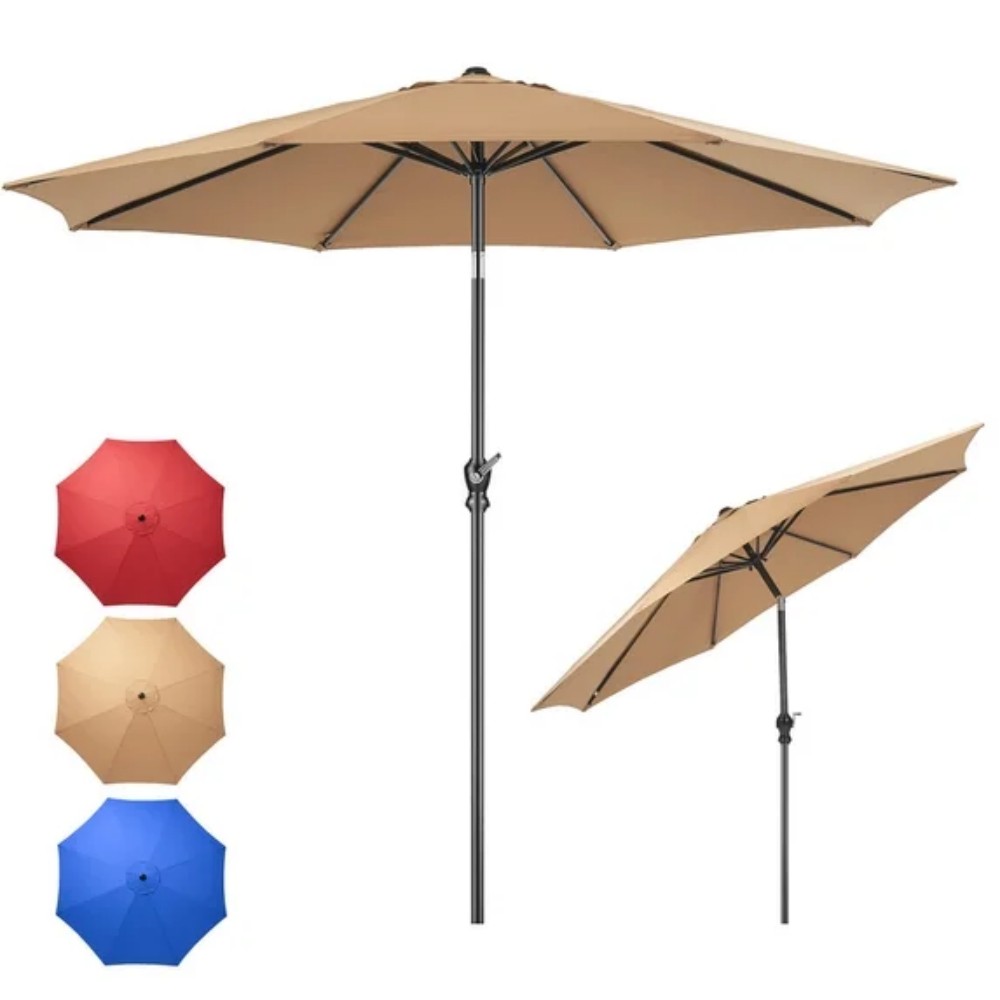
Patio Umbrella

Sizing a patio umbrella correctly comes down to matching canopy diameter to your table's span and seating, then pairing it with a base rated for the pole and wind exposure. Most buyer mistakes are buying an 8-to-9 ft canopy for a four-to-six-seat dining set that needs 10 ft, or skipping a base that actually holds the pole in gusts. Shade fabric, rib material, and lift mechanism decide how long it lasts and how easily it opens.

Buying guide image
Chicken Coops & Runs

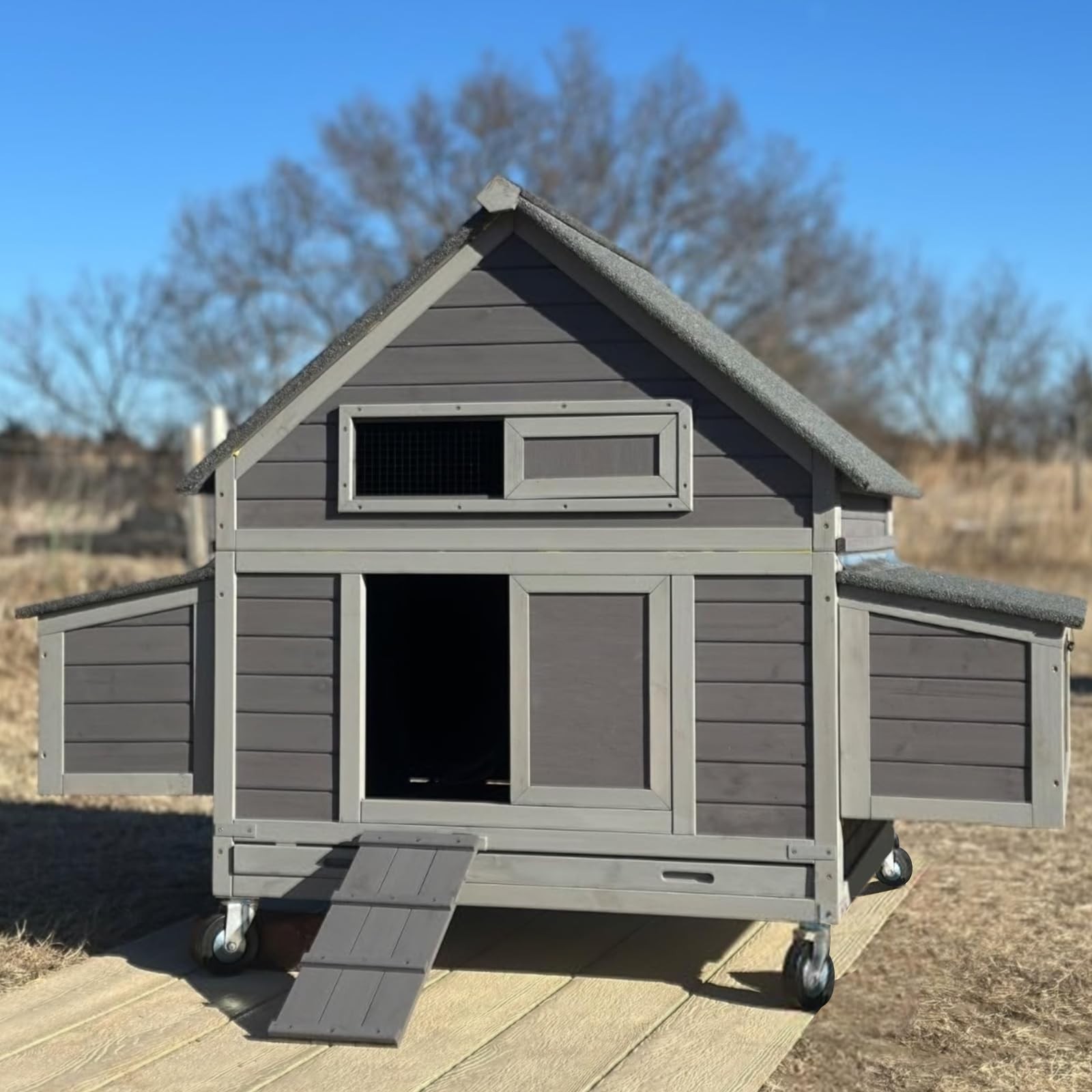
Mobile Chicken Coop

A mobile chicken coop is a wheeled or skid-mounted poultry enclosure designed to be rotated across pasture so birds get fresh forage and fertilizer is distributed evenly. The core trade-off is between wheel/axle durability and predator-tight construction: flimsy plastic wheels and stapled mesh fail in months, while pneumatic tires, welded wire, and a raised floor last for years. Buy a coop with a metal axle, lockable wheel brakes, and 14-gauge or heavier galvanized mesh; skip any model relying on caster stems, zip ties, or untreated pine for the frame.

Buying guide image
Patio Furniture

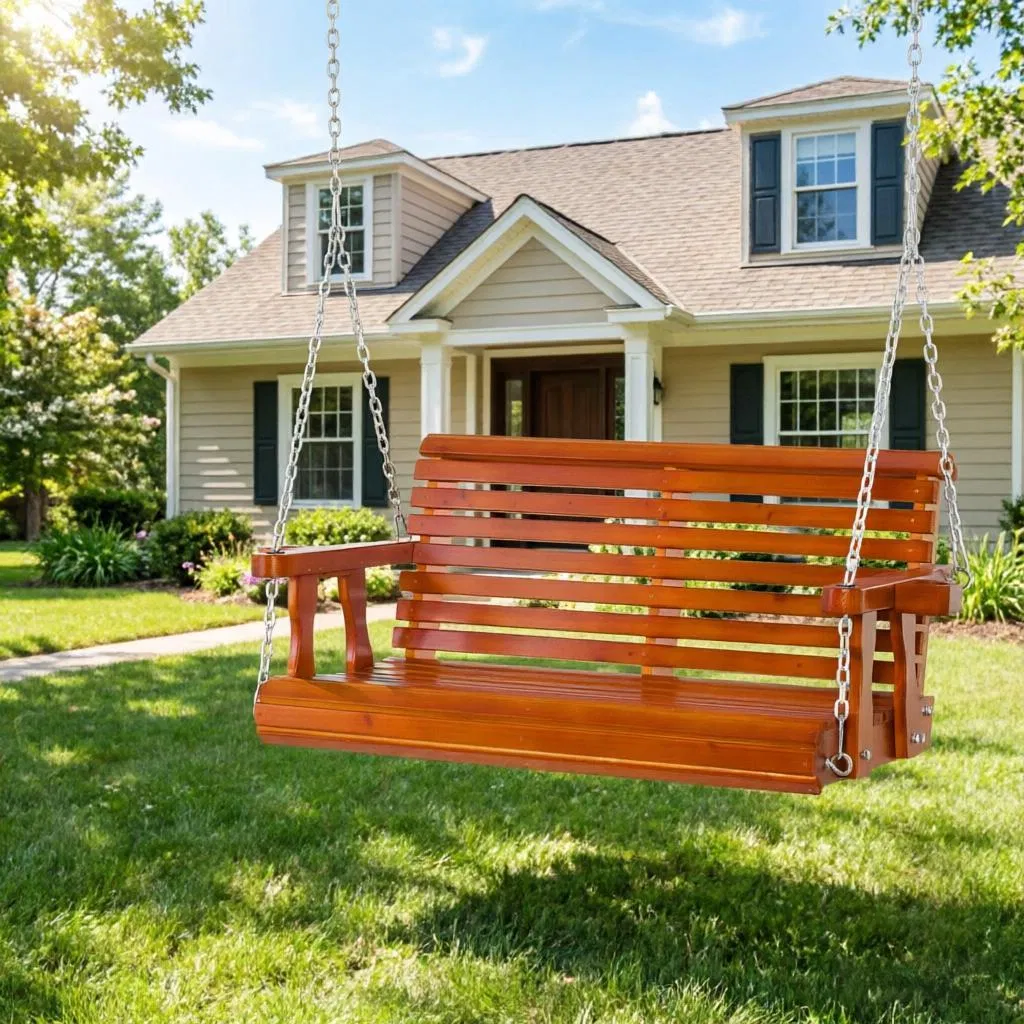
Wood Porch Swing

A wood porch swing is a suspended outdoor seat built around a hardwood or softwood frame, where the critical trade-off is wood species and joinery versus finish and hardware corrosion resistance. Durable options use rot-resistant hardwoods (teak, cedar, acacia, eucalyptus) or pressure-treated pine with stainless or galvanized chain and through-bolted joints; compromises rely on thin softwood slats, stapled joints, and zinc-plated chains that fail within a season. The decision rule: buy by wood species and hanging hardware grade first, finish second, and cushion style last.

Buying guide image
Outdoor Lighting & Decor

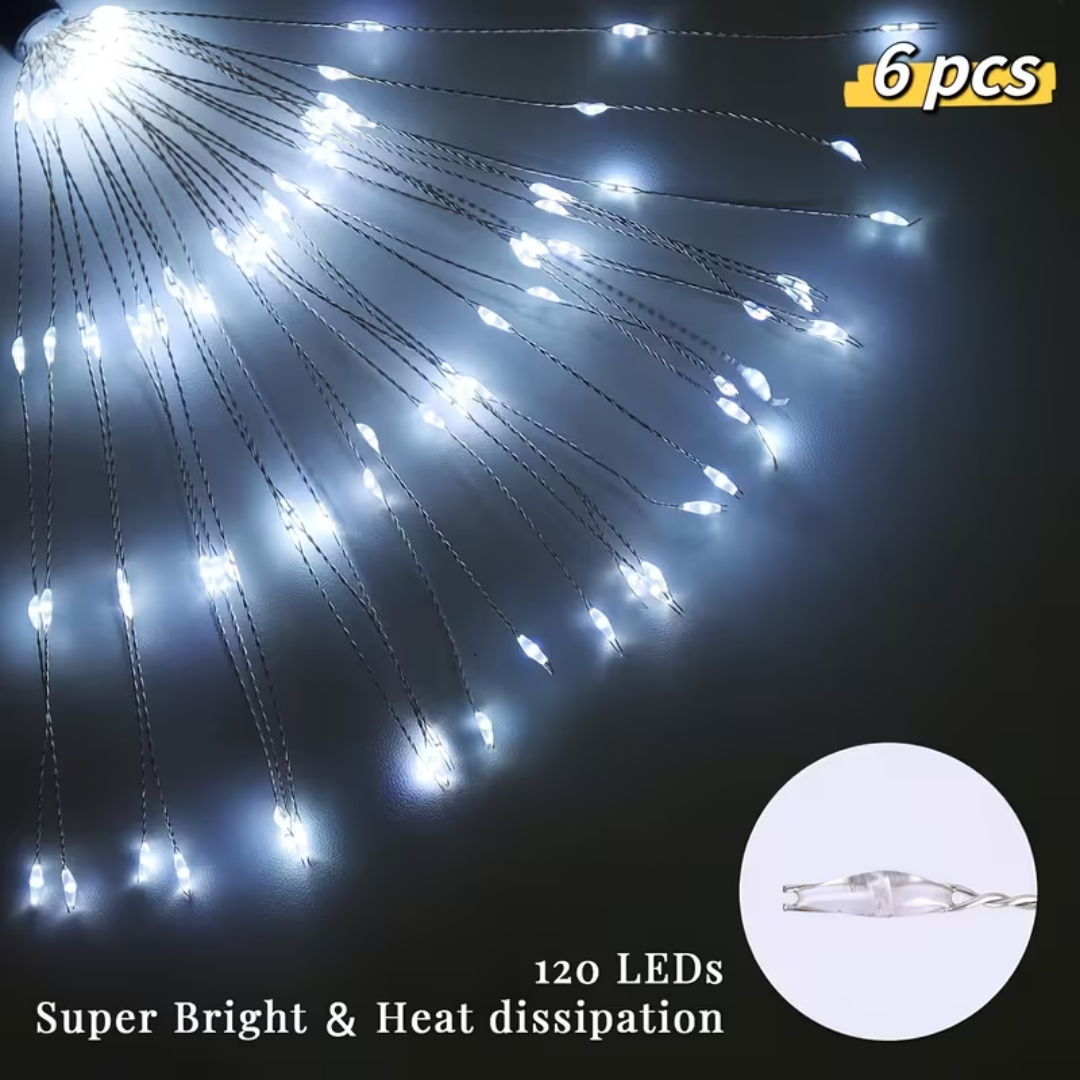
Outdoor Tree Light

Outdoor tree lights are solar or low-voltage decorative fixtures and string lights designed to wrap trunks, stake into lawns, or hang from branches, with the primary trade-off being brightness/run-time versus waterproofing and mounting durability. Durable options use IP65+ sealed housings, mono or poly solar panels with 1,200mAh+ cells, and metal or UV-stabilized stakes; compromises use unsealed IP44 bodies, tiny amorphous panels, and brittle plastic stakes that fail within a season.

Buying guide image
Raised Garden Beds & Planters

Hanging Plant Pot

Hanging plant pots are suspended containers that combine a growing vessel with a load-bearing hanger, so the decisive trade-off is weight capacity and moisture management versus decorative form. Metal and wood assemblies demand anchored ceiling or wall mounts and drainage planning, while rope and fabric slings demand pot-size fit and moisture control. Choose a pot only after confirming hanger load rating, pot diameter, and drainage method; skip any suspended planter whose mount hardware and capacity are unspecified.

You may also like

Finding more guides for you…