
Photos from current listings. Actual item, color, and included accessories may vary.
PVC Drip Irrigation Buying Guide
PVC drip irrigation is the permanent, buried-main architecture for gardeners who want a set-and-forget system that survives UV, mowers, and freeze cycles—unlike poly tubing. Buyers get tripped up by mixing pressure classes, solvent-weld mistakes, and assuming PVC needs no filter; planning the zone layout and emitter count before sizing pipe is the difference between even watering and dry corners.
Median $32.19
Key takeaways
- Schedule 40 PVC is the standard for buried drip mains because of its pressure rating and wall thickness; Schedule 80 adds chemical/abrasion resistance but is rarely needed for residential lines.
- PVC-to-drip adapters (1/2" FPT or 3/4" FPT to compression or barb) are the transition point—buy a matched set so the poly lateral doesn't blow off under pressure.
- Drip systems need a 120–200 mesh filter and a pressure regulator (typically 25–30 PSI) downstream of the PVC main to protect emitters from debris and overpressure.
At a glance
- Category
- Watering & Irrigation
- Last updated
- Nov 28, 2026
Current offers
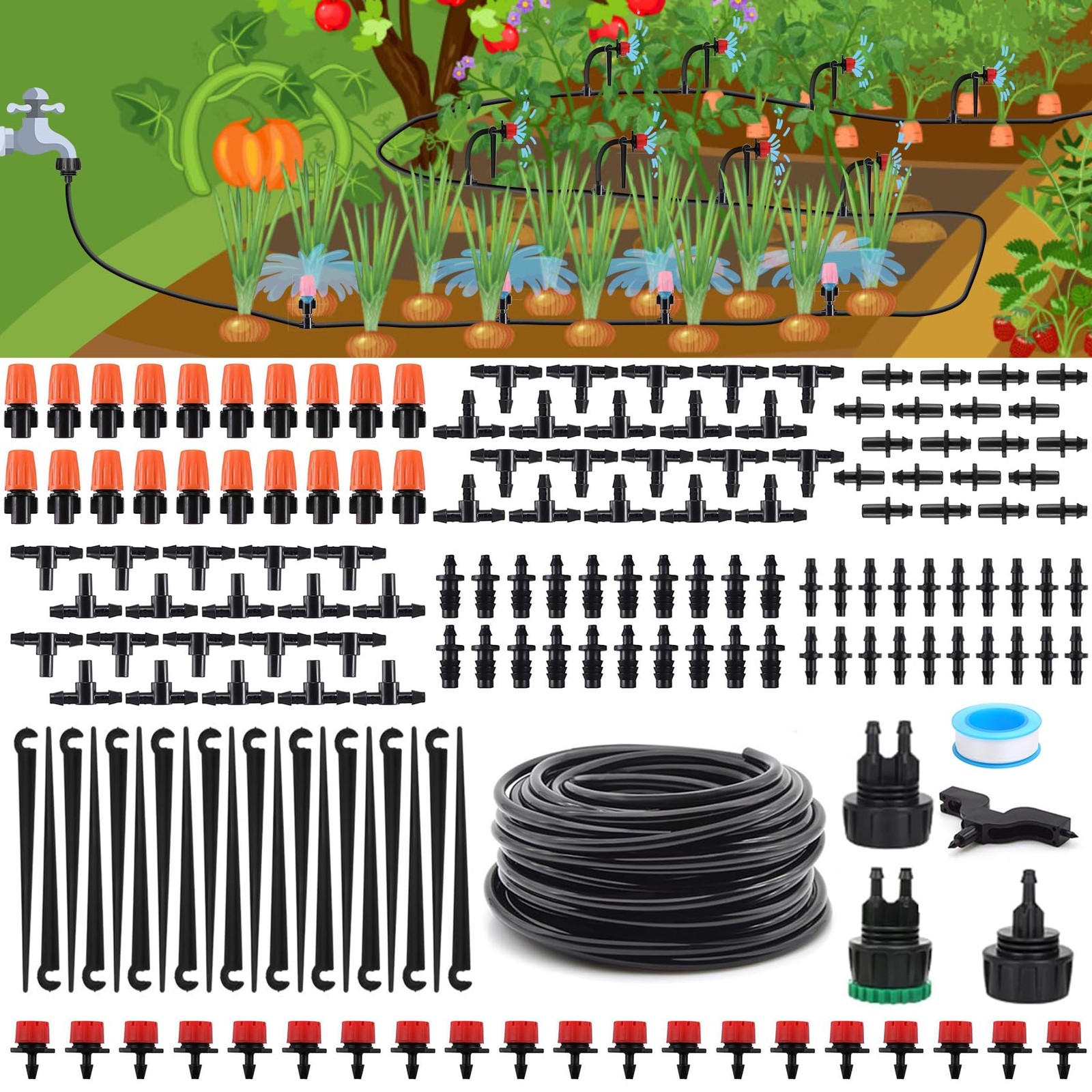 Drip Irrigation Kit for Garden, Greenhouse, Lawn & Patio Automatic Watering$24.66Last checked Nov 22, 2026View on eBay
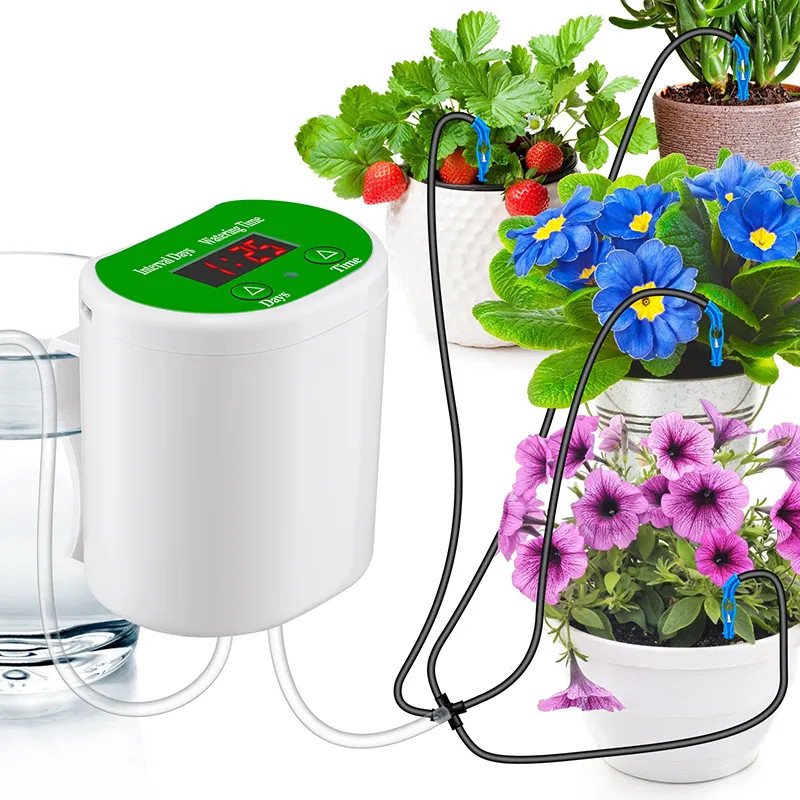 Automatic Drip Irrigation Kit, Houseplants DIY Micro Self Watering System 60 day$26.51Last checked Nov 28, 2026View on eBay
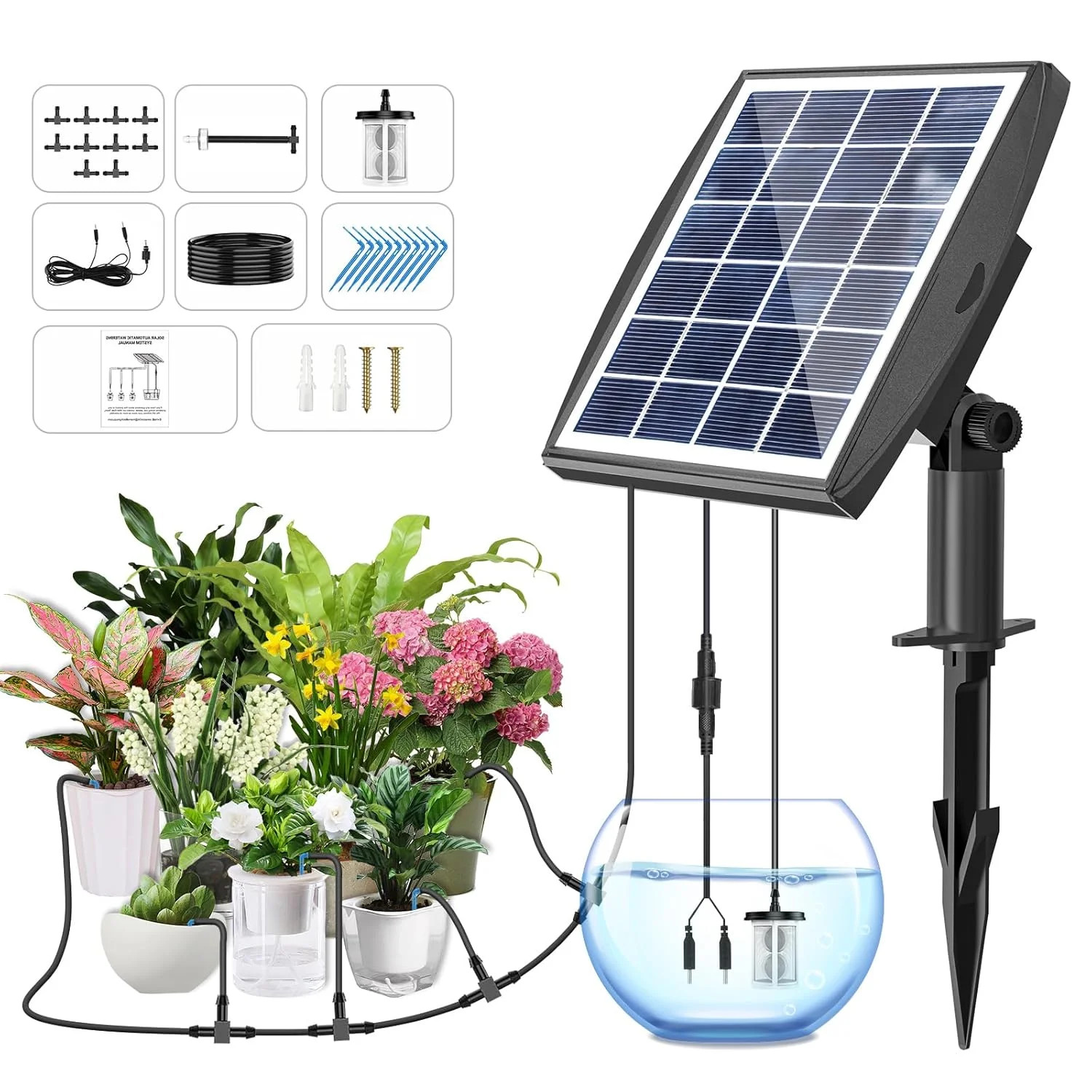 Solar Powered Drip Irrigation System, OHYEAHSPIN Solar Automatic Garden Watering$32.19View on eBay
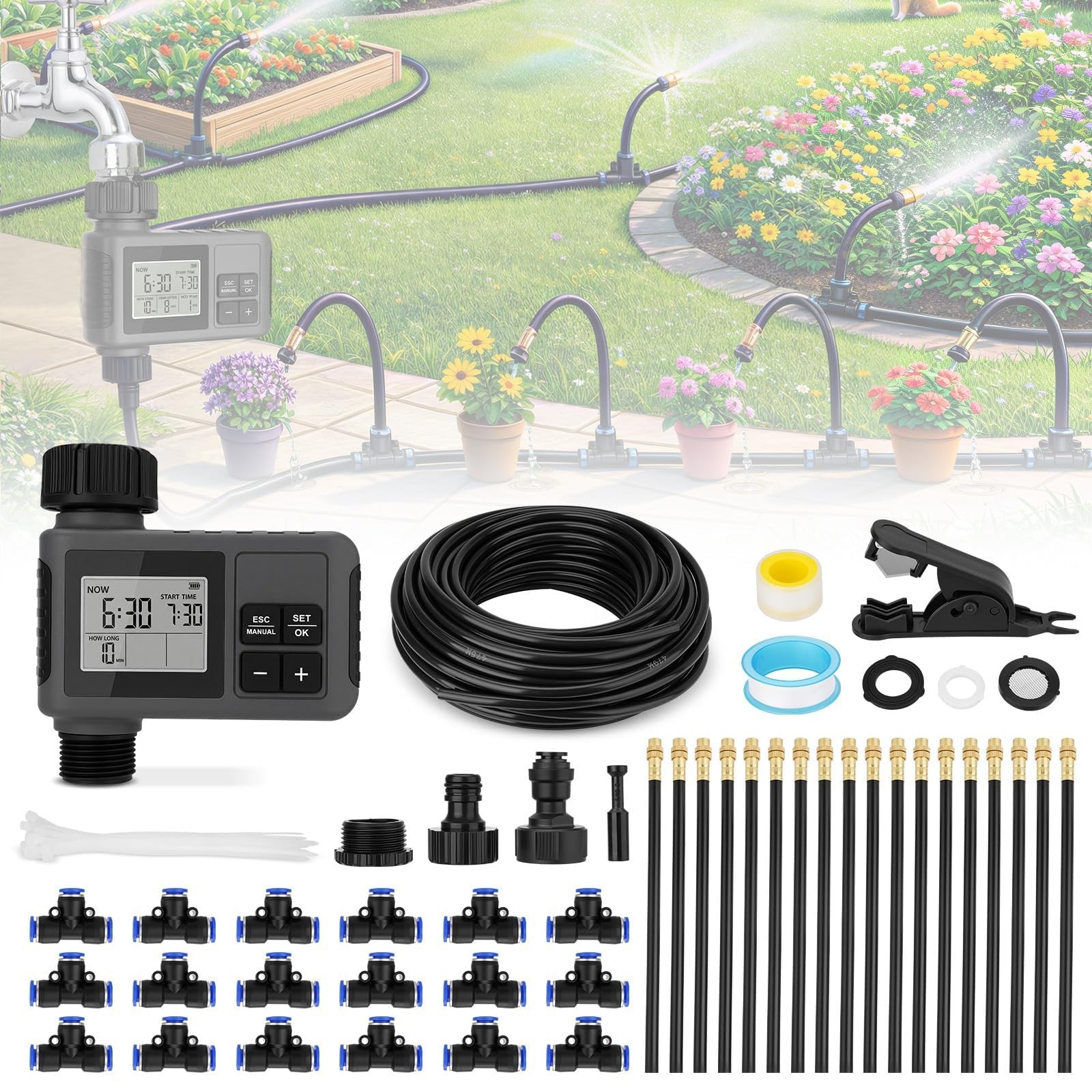 66FT Drip Irrigation System with Timer Automatic Garden Watering System for Yard$32.99Last checked Nov 18, 2026View on eBay
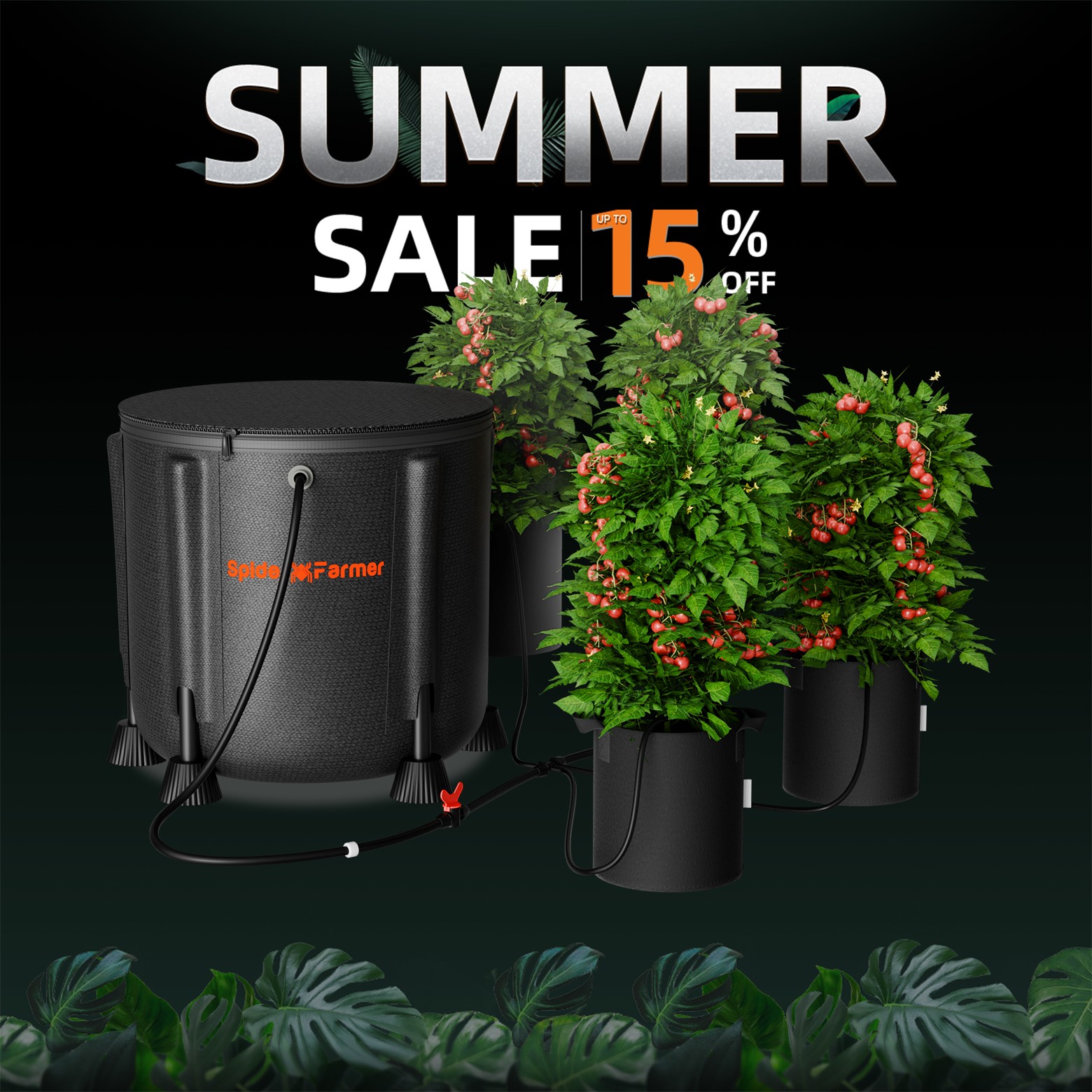 Spider Farmer Automatic Drip Irrigation System for Plants Water Pump Hose Spray$56.99Last checked Nov 19, 2026View on eBay
Highlights
- Schedule 40 PVC is the standard for buried drip mains because of its pressure rating and wall thickness; Schedule 80 adds chemical/abrasion resistance but is rarely needed for residential lines.
- PVC-to-drip adapters (1/2" FPT or 3/4" FPT to compression or barb) are the transition point—buy a matched set so the poly lateral doesn't blow off under pressure.
- Drip systems need a 120–200 mesh filter and a pressure regulator (typically 25–30 PSI) downstream of the PVC main to protect emitters from debris and overpressure.
- Solvent welding (PVC primer + cement) creates a permanent joint; threaded fittings let you service valves and filters, so combine both methods deliberately.
Best use cases
- Best fit: a backyard garden bed or row crop with a buried Schedule 40 main and raised-bed drip laterals—use PVC-to-drip adapters at each bed, plus a filter and regulator at the hose bib.
- Best fit: a large yard or orchard zone where poly tubing would be chewed by mowers or UV-degraded—bury the PVC main 12–18 inches and surface the drip line with emitters at each plant.
- Wrong fit: a temporary seasonal garden, rental property, or balcony container setup—skip PVC solvent-weld systems and use a hose-end drip kit or poly micro-tubing instead.
Buying tips
- Choose Schedule 40 for buried mains and Schedule 80 only if the line sits in rocky or high-traffic soil; don't use thin-wall Class 200 pipe where mower or shovel strikes are likely.
- Size the main by flow: 3/4" PVC handles most residential zones, 1/2" PVC is fine for short runs with few emitters, and 1" PVC suits long runs or many zones—calculate total GPM at the source before buying.
- Pair every PVC-to-drip adapter with a filter and pressure regulator; a 25–30 PSI regulator plus 120–200 mesh screen protects drip emitters and prevents blowouts.
- Inspect fittings for FPT/NPT thread compatibility and use Teflon tape on threaded joints; solvent-weld joints need primer and cement applied to both surfaces with a quarter-turn twist.
Specs
| Main Pipe Material | Schedule 40 PVC (buried) |
|---|---|
| Transition Fitting | PVC FPT to drip barb/compression |
| Pressure Regulation | 25–30 PSI inline regulator |
| Filtration | 120–200 mesh screen filter |
Related searches
What to check before buying
- Measure the run from the water source to the farthest bed and note elevation changes; add a drain valve at the low point for winterization.
- Confirm the hose bib or supply line can deliver the required flow (GPM) at static pressure—test with a flow meter or bucket test before sizing the PVC main.
- Check local frost depth and bury the PVC main below it, or plan to blow out the lines with compressed air before the first freeze.
- Verify the drip lateral outside diameter (1/4", 1/2", or 3/4") matches the barb or compression adapter on your PVC transition fitting.
FAQ
Data sources: eBay / Amazon listings and product attribute feeds. Updated Nov 28, 2026.
Some links on this page are affiliate links. If you buy after clicking one, we may earn a commission at no extra cost to you. This does not change which products appear here or their order. Affiliate disclosure.