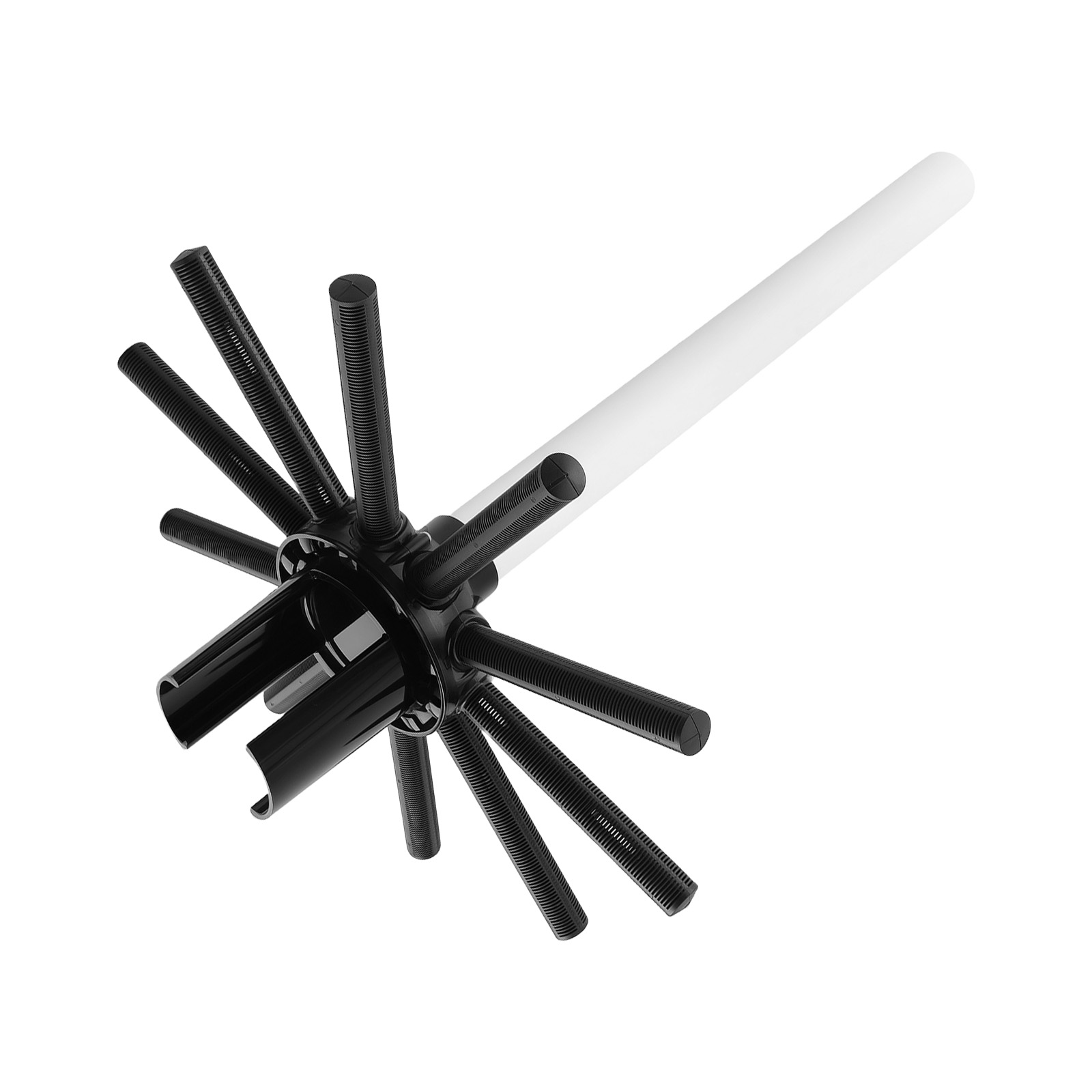

Photos from current listings. Actual item, color, and included accessories may vary.
Hayward Sand Filter Pump Buying Guide
Shopping for a Hayward sand filter pump means choosing among three distinct pump architectures—single-speed, two-speed, and variable-speed—that dictate energy use, noise, and wiring complexity. Most buyers also discover the filter tank, valve, and hose kit are separate sizing decisions, and mismatching them to the pool volume causes weak flow or frequent backwashing. Get the pump-to-filter and pump-to-pool volume relationship right first, then pick the feature tier that matches your daily runtime.
Key takeaways
- Hayward's three pump families are mechanically different: single-speed (fixed RPM, highest watt draw), two-speed (high/low switch or timer), and variable-speed (programmable RPM and the lowest watt-per-gallon at low speed).
- Sand filter tanks are rated by maximum flow in GPM and media capacity in pounds; a pump delivering more GPM than the tank rating forces media channeling and bypass.
- The filter's backwash valve is a separate multi-port unit (typically 1.5-inch or 2-inch plumbing) and must match the tank's port size and the pump's discharge fitting.
At a glance
- Category
- Pools & Spas
- Last updated
- Nov 28, 2026
Current offers
Highlights
- Hayward's three pump families are mechanically different: single-speed (fixed RPM, highest watt draw), two-speed (high/low switch or timer), and variable-speed (programmable RPM and the lowest watt-per-gallon at low speed).
- Sand filter tanks are rated by maximum flow in GPM and media capacity in pounds; a pump delivering more GPM than the tank rating forces media channeling and bypass.
- The filter's backwash valve is a separate multi-port unit (typically 1.5-inch or 2-inch plumbing) and must match the tank's port size and the pump's discharge fitting.
- Above-ground pumps use self-priming designs with a strainer basket; in-ground-rated pumps add higher head pressure capability and often unionized 2-inch plumbing.
Best use cases
- Best fit: above-ground pools up to about 15,000 gallons with 1.5-inch plumbing—choose a single-speed pump matched to a 16- or 18-inch sand tank if you run the filter on a fixed daily timer.
- Best fit: in-ground pools with long daily runtimes or high electric rates—choose a variable-speed pump and pair it with a 24-inch tank rated for the pump's low-speed GPM.
- Skip: buying a pump alone when your tank is undersized or the multi-port valve is cracked—the flow mismatch and leak will negate the pump upgrade, so size tank and valve together.
- Skip: a two-speed pump for a small seasonal pool with a 12-inch tank—the low-speed GPM falls below the minimum needed for adequate turnover, so a matched single-speed is the more practical pick.
Buying tips
- Size the filter tank to the pump's GPM at the speed you will actually run: a tank rated below pump output causes sand channeling, while an oversized tank just costs more without harm.
- Prioritize the pump's plumbing connection size (1.5-inch vs 2-inch) and union style before buying, because adapting a 2-inch in-ground pump to 1.5-inch above-ground lines restricts flow.
- Choose variable-speed only when you have a 230V circuit and intend to run 8+ hours daily; for short seasonal above-ground use, a single-speed or two-speed pump recovers its cost faster.
- Inspect the multi-port valve port spacing and tank collar diameter—Hayward valves are tank-specific, and a valve from a different tank series will not seal or align.
Specs
| Pump Motor Type | Single / Two-Speed / Variable-Speed |
|---|---|
| Plumbing Connection | 1.5-inch or 2-inch union |
| Electrical Supply | 115V plug-in or 230V hardwired |
| Filter Tank Rating | GPM max flow / lb media capacity |
Related searches
What to check before buying
- Measure your pool's gallons (length × width × average depth × 7.5 for rectangular) so you can match pump GPM to the turnover your filter needs.
- Confirm your electrical supply: above-ground pumps are commonly 115V plug-in, while in-ground variable-speed pumps typically require a dedicated 230V hardwired circuit.
- Check the existing filter tank's diameter, media capacity, and port size—the pump must match the tank's maximum flow rating and valve plumbing.
- Verify the return and suction line diameter at the pool wall (1.5-inch vs 2-inch) so hose adapters and unions match without reducers.
FAQ
Data sources: eBay / Amazon listings and product attribute feeds. Updated Nov 28, 2026.
Some links on this page are affiliate links. If you buy after clicking one, we may earn a commission at no extra cost to you. This does not change which products appear here or their order. Affiliate disclosure.