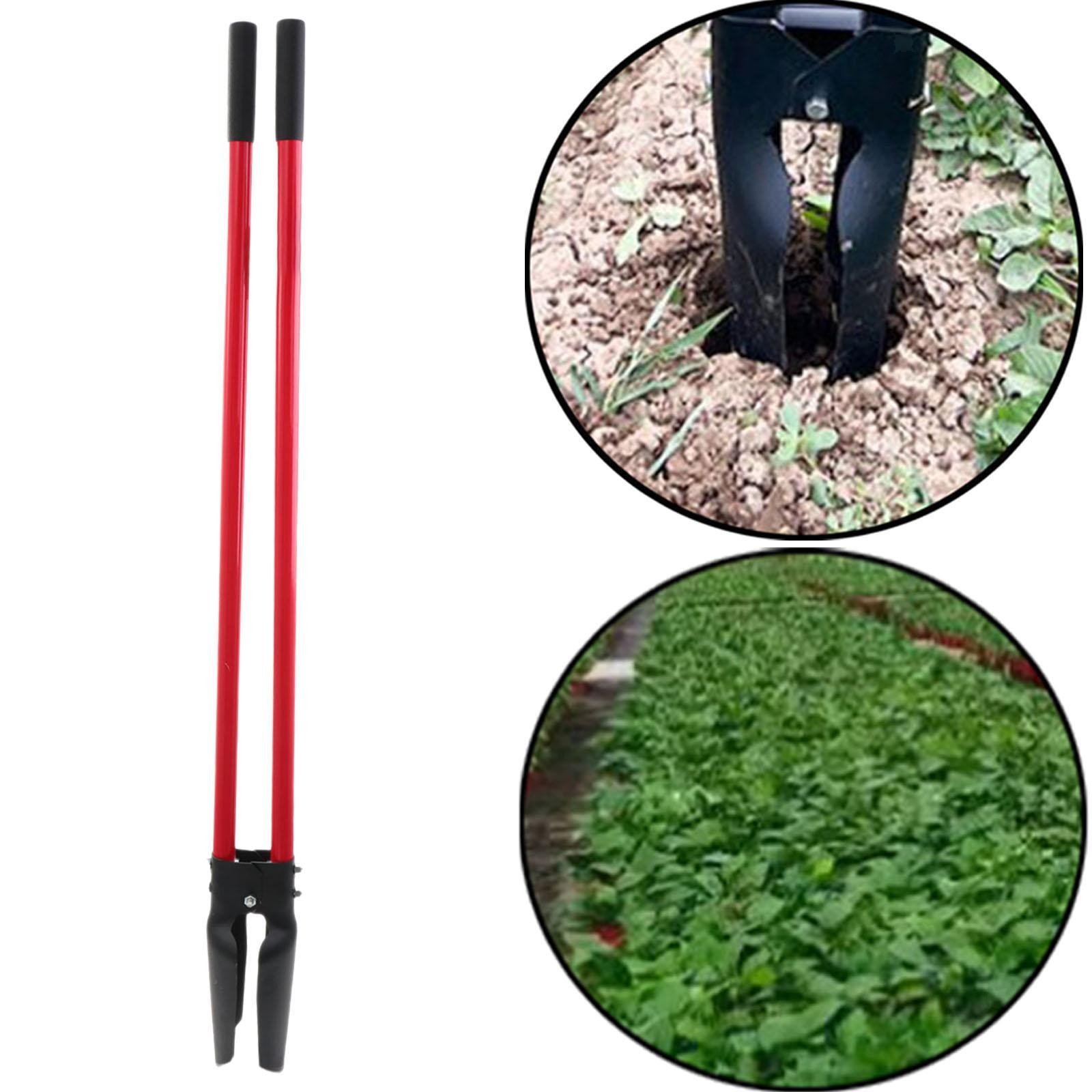

Photos from current listings. Actual item, color, and included accessories may vary.
Heavy Duty Post Hole Digger Buying Guide
A heavy-duty post hole digger is a manual or powered earth-boring tool built to cut clean, vertical holes through compacted soil, clay, and small roots for fence posts, deck footings, and planting. The core trade-off is between manual models with hardened-steel blades and fiberglass handles versus gas or corded auger powerheads that trade portability for torque and speed. Choose a manual digger only if you need a few holes in soft-to-moderate soil; choose an auger or powered head when you face rocky clay, root-bound ground, or more than a handful of holes per season.
Key takeaways
- Manual heavy-duty diggers use 14-16 gauge forged or heat-treated carbon-steel blades with sharpened edges; stamped 18-gauge blades bend at the pivot under clay load.
- Fiberglass or ash handles with steel or polymer pivot bushings survive repeated 8-10 lb head weight; wooden handles with plain bolts loosen and split at the ferrule.
- Powered auger heads are rated by torque and bit diameter: 1-2 HP gas units turn 6-8 inch bits, while corded electric units suit 4-6 inch bits in loamy soil.
At a glance
- Category
- Garden Tools
- Last updated
- Nov 28, 2026
Current offers
Highlights
- Manual heavy-duty diggers use 14-16 gauge forged or heat-treated carbon-steel blades with sharpened edges; stamped 18-gauge blades bend at the pivot under clay load.
- Fiberglass or ash handles with steel or polymer pivot bushings survive repeated 8-10 lb head weight; wooden handles with plain bolts loosen and split at the ferrule.
- Powered auger heads are rated by torque and bit diameter: 1-2 HP gas units turn 6-8 inch bits, while corded electric units suit 4-6 inch bits in loamy soil.
- Auger bits are classed by pilot tip and cutting edge: replaceable carbide or hardened-steel fishtail points cut roots and hardpan; welded fixed points dull and cannot be serviced.
Best use cases
- Best fit: manual heavy-duty digger with 48-inch fiberglass handles and 6-inch jaw spread for 4x4 fence posts in loam or sandy soil with fewer than 20 holes.
- Wrong fit: a manual clamshell digger for rocky clay or root-bound ground, where a gas auger with a 6-inch carbide-tipped bit is required.
- Best fit: corded electric auger with 6-inch bit for deck footings and planting beds within reach of an outdoor GFCI outlet; skip it for remote fence lines beyond cord length.
- Wrong fit: a 2-stroke gas auger for occasional raised-bed planting, where a manual digger avoids fuel mixing, storage, and maintenance.
Buying tips
- Match jaw spread to post size: a 6-inch digger cuts a 6-inch hole; for a 4x4 post (actual 3.5 inches) that leaves only 1.25 inches of clearance per side for gravel and concrete.
- Check blade steel gauge: 14-gauge or thicker heat-treated carbon steel resists bending; 16-gauge or stamped steel is for light garden use only.
- Confirm handle material and length: 48-inch fiberglass handles give leverage without rot; wooden handles need annual oiling and are prone to splitting at the ferrule.
- For powered units, verify auger bit diameter and torque: a 2-stroke gas head turning 8-inch bits needs at least 1.6 HP; electric units should be rated for the bit size you plan to run.
Specs
| Blade Material | Heat-treated carbon steel vs stamped |
|---|---|
| Handle Type | Fiberglass 48 in vs wood/steel |
| Auger Power | Manual / 1-2 HP gas / corded electric |
| Bit/Jaw Size | 4-8 in diameter, carbide or fishtail tip |
Related searches
What to check before buying
- Measure your post or footing diameter and add 2-3 inches for gravel backfill to select the correct jaw spread or auger bit size.
- Confirm soil type: loam and sand suit manual diggers; clay, hardpan, and roots demand a powered auger with a carbide or fishtail pilot tip.
- For electric augers, verify an outdoor GFCI outlet within cord reach and check the unit's amperage draw against your circuit.
- For gas augers, confirm you can mix and store 2-stroke fuel and that the unit's weight is manageable for the number of holes planned.
FAQ
Data sources: eBay / Amazon listings and product attribute feeds. Updated Nov 28, 2026.
Some links on this page are affiliate links. If you buy after clicking one, we may earn a commission at no extra cost to you. This does not change which products appear here or their order. Affiliate disclosure.