
Photos from current listings. Actual item, color, and included accessories may vary.
48 Chicken Wire Buying Guide
48-inch chicken wire is a light-gauge hexagonal poultry netting sold in 25-, 50-, and 100-foot rolls, used for temporary enclosures, garden barriers, and predator screening. The core trade-off is wire gauge and coating versus span: thinner wire (20-22 ga) is cheap but deforms under raccoon or dog pressure, while 18-gauge galvanized or PVC-coated mesh resists sagging and rust at a higher cost. The decision rule is simple: buy 18-gauge or heavier for any barrier that must hold against animals, and reserve 20-22 gauge solely for light plant protection or short-term brooder pens.
Median $115.99
Key takeaways
- 48-inch height maps to a standard 4-foot roll width, matching common 48-inch welded-wire and hardware-cloth rolls for stacked or overlapping fence builds.
- Wire gauge drives durability: 18-gauge hex netting holds its shape against poultry and light predator pressure, while 20-22 gauge dents and sags after a single season of tension.
- Galvanized-after-weave (GAW) coating outlasts pre-galvanized mesh in humid coops; PVC-coated hex wire adds roughly 2x corrosion life in coastal or high-rain climates.
At a glance
- Category
- Chicken Fencing & Egg Handling
- Last updated
- Nov 27, 2026
Current offers
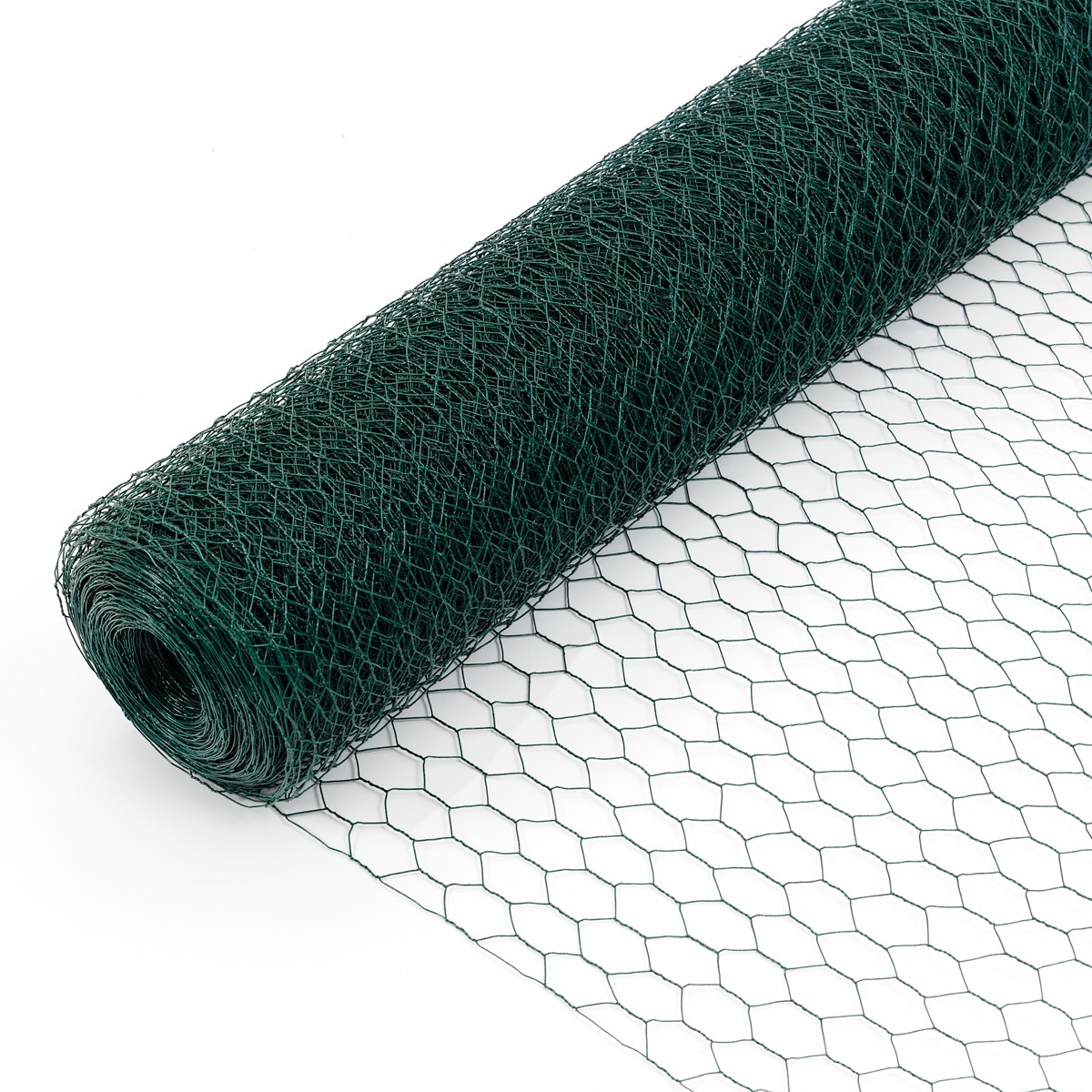 Large Size Galvanized Hexagonal Floral Green Chicken Wire, Outdoor Anti-Rust Poultry Netting for Garden, Coop Fencing$87.99View on Mallflare
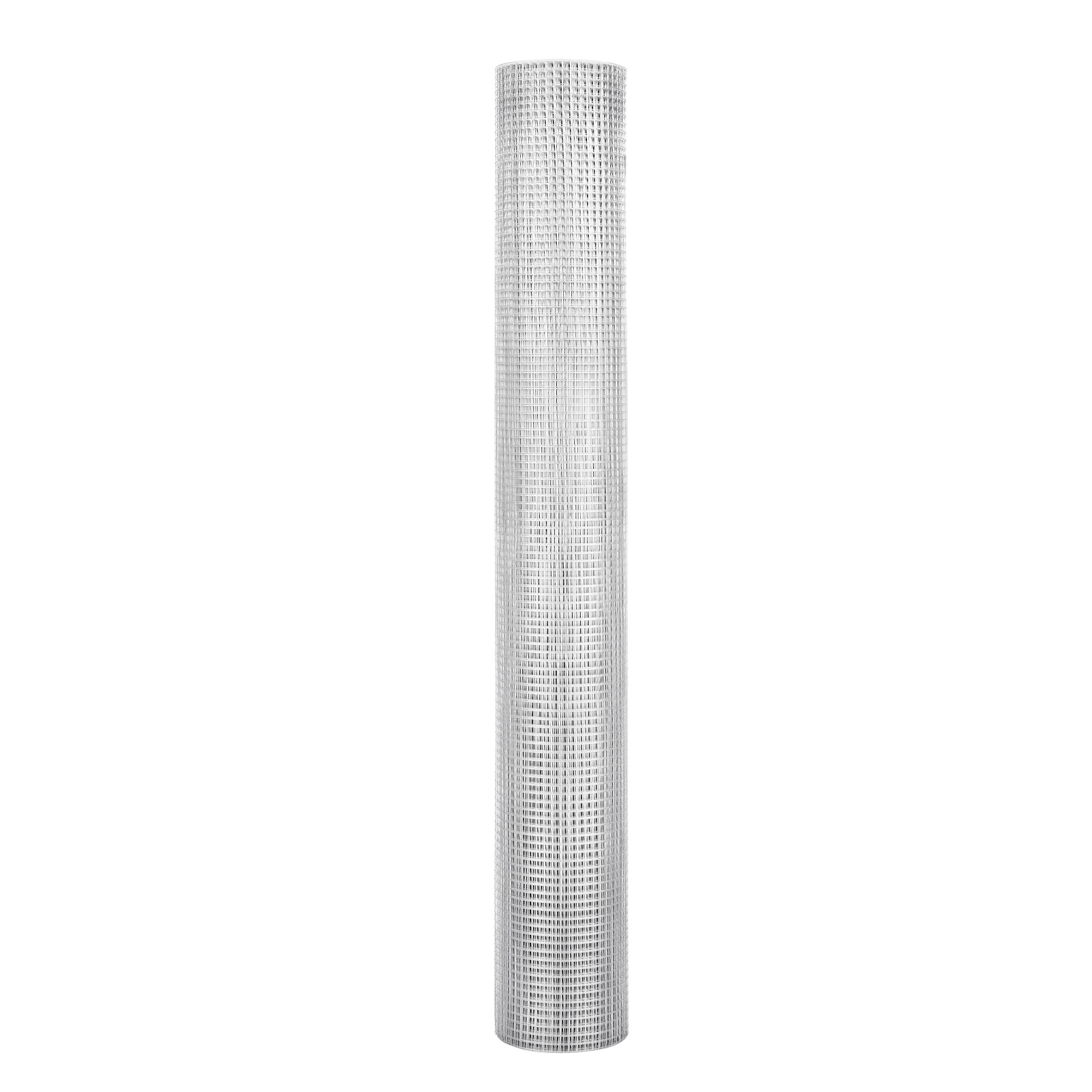 Hardware Cloth, 1/2 Inch 60 X 50 Ft 19 Gauge Chicken Wire Fence, Hot-Dip Galvanized After Welding Metal Mesh Roll, Garden Plant Welded Fencing Supports Poultry Netting Cage$104.99View on Mallflare
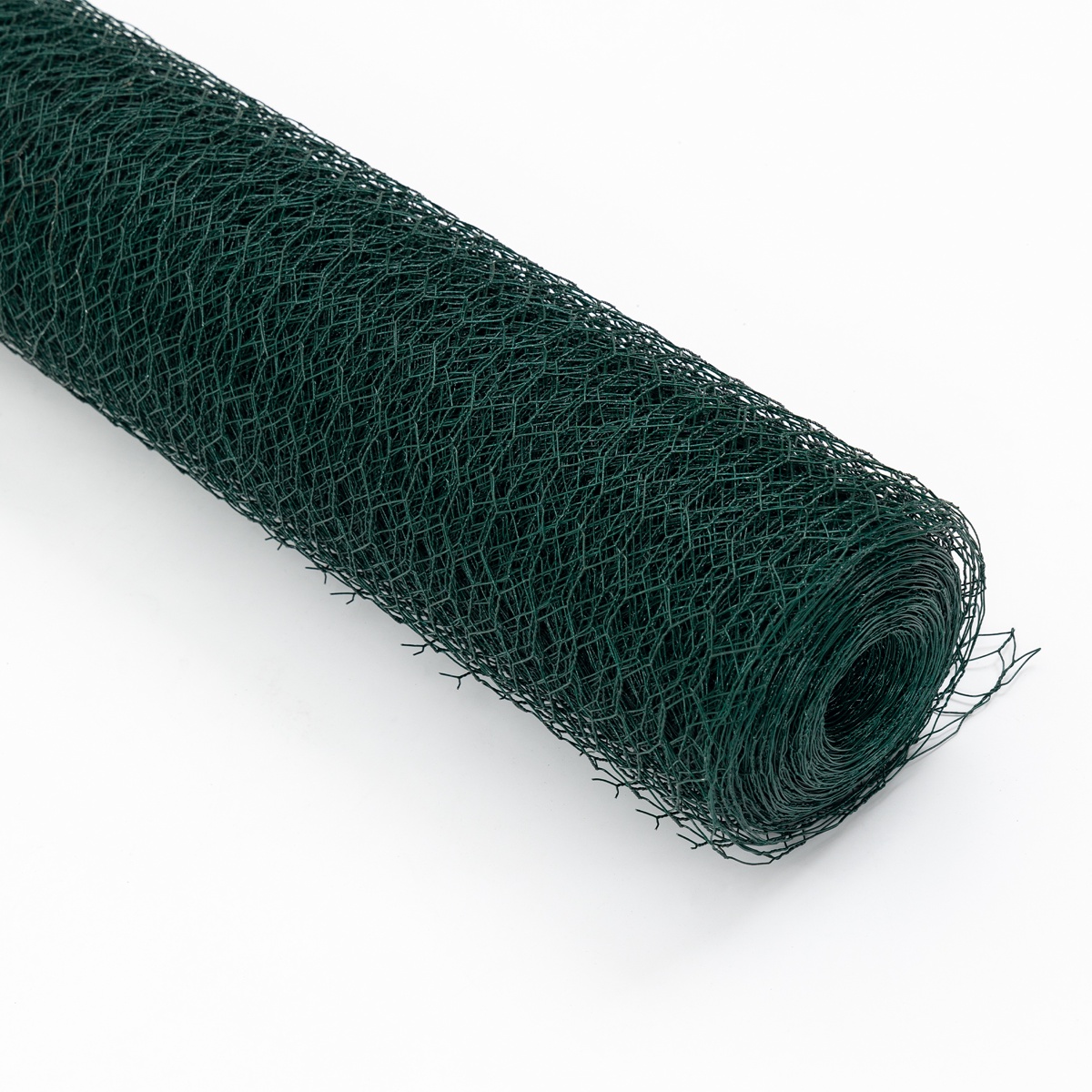 60M Large Size Galvanized Hexagonal Floral Green Chicken Wire, Outdoor Anti-Rust Poultry Netting For Garden, Coop Fencing$115.99View on Mallflare
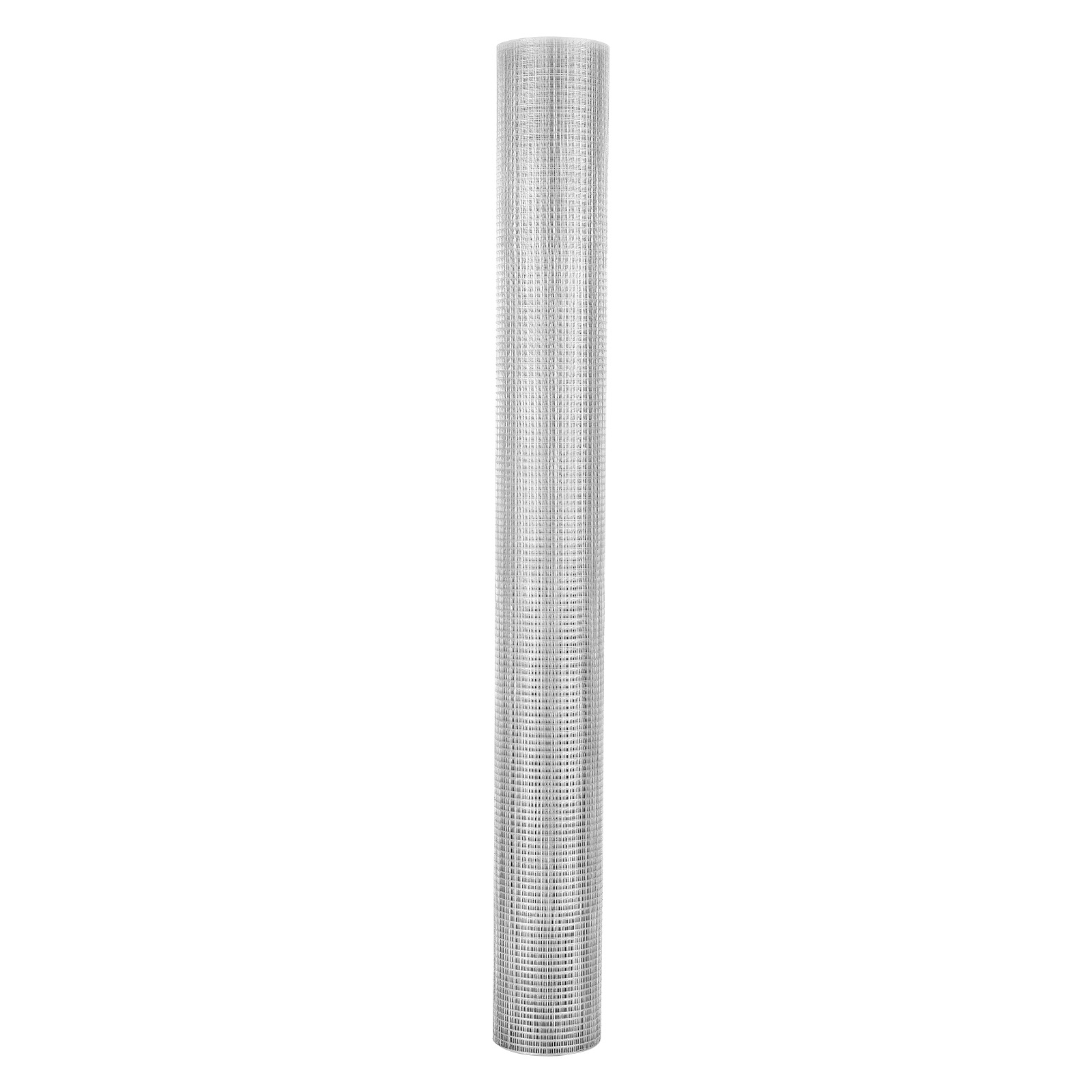 Hardware Cloth, 1/2 Inch 72 X 50 Ft 19 Gauge Chicken Wire Fence, Hot-Dip Galvanized After Welding Metal Mesh Roll, Garden Plant Welded Fencing Supports Poultry Netting Cage$127.99View on Mallflare
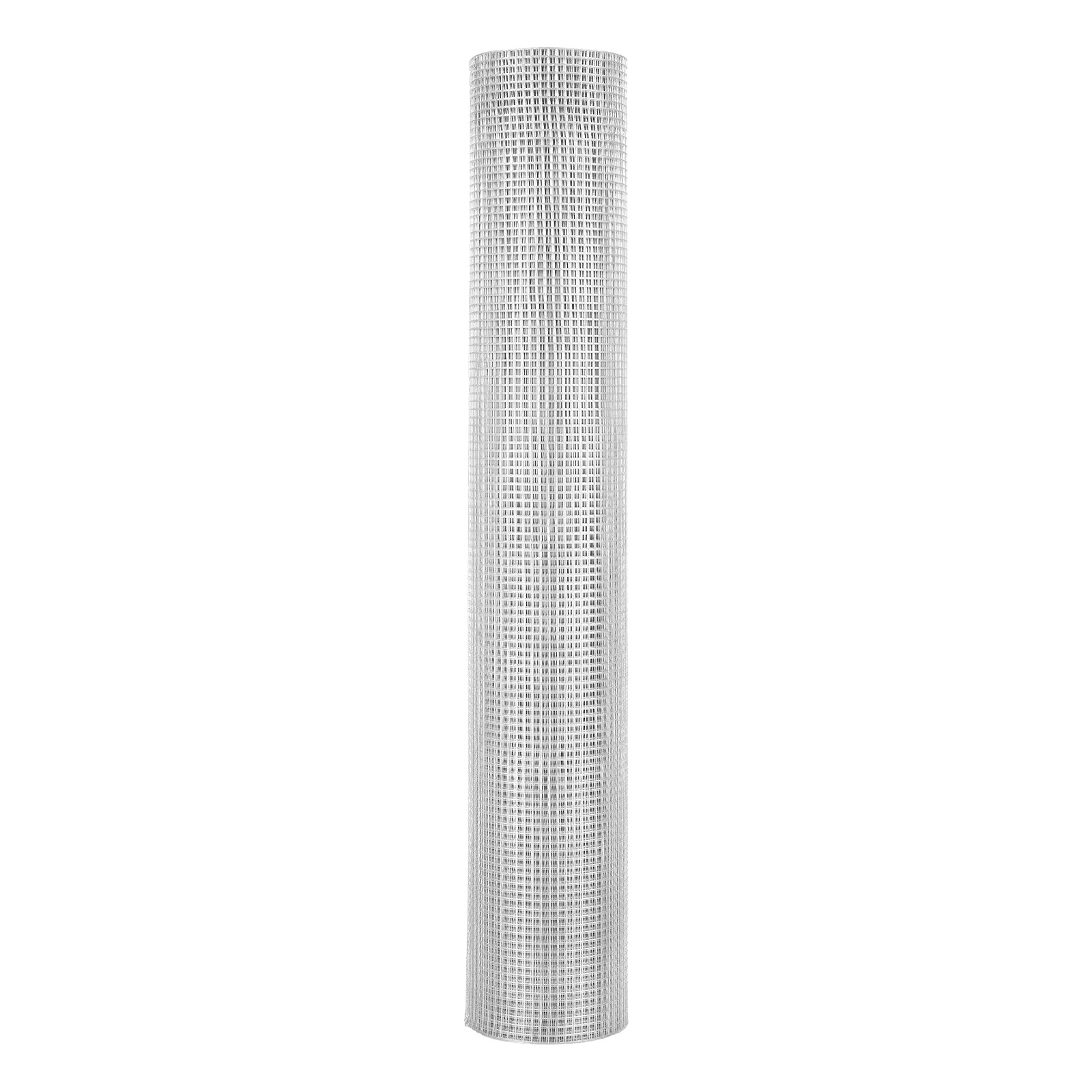 Hardware Cloth, 1/2 Inch 60 X 100 Ft 19 Gauge Chicken Wire Fence, Hot-Dip Galvanized After Welding Metal Mesh Roll, Garden Plant Welded Fencing Supports Poultry Netting Cage$177.99View on Mallflare
Highlights
- 48-inch height maps to a standard 4-foot roll width, matching common 48-inch welded-wire and hardware-cloth rolls for stacked or overlapping fence builds.
- Wire gauge drives durability: 18-gauge hex netting holds its shape against poultry and light predator pressure, while 20-22 gauge dents and sags after a single season of tension.
- Galvanized-after-weave (GAW) coating outlasts pre-galvanized mesh in humid coops; PVC-coated hex wire adds roughly 2x corrosion life in coastal or high-rain climates.
- Mesh aperture determines exclusion: 1-inch hex keeps adult chickens in but lets chicks and small birds through; 1/2-inch hex is required for chick brooder pens and snake screening.
Best use cases
- Best fit: 18-gauge, 1-inch hex, 48-inch roll for a 4-foot-tall temporary chicken run or garden bed cover — pair with T-posts every 8 feet to prevent sagging.
- Best fit: 1/2-inch hex, 20-gauge, 48-inch roll for chick brooders and bottom-edge apron skirting that blocks digging predators — bury 6 inches in an L-foot.
- Wrong fit: 20-22 gauge uncoated mesh as a permanent perimeter fence — it rusts at ground contact within 2 seasons and cannot stop a determined raccoon or dog.
- Wrong fit: 48-inch width for a full-size walk-in run — 48 inches is too short for a 6-foot enclosure; choose 72-inch or 60-inch rolls for walk-in height.
Buying tips
- Match gauge to threat level: 18-gauge minimum for any enclosure holding poultry overnight; step to 16-gauge welded wire where dogs or large predators are present.
- Calculate roll length by perimeter plus 10% overlap: a 40-foot perimeter needs a 50-foot roll, and corners consume roughly 1 extra foot each when folded cleanly.
- Choose coating by climate: hot-dip galvanized after weave for wet/humid regions, PVC-coated for coastal salt air, plain galvanized only for arid, sheltered sites.
- Aperture rule: 1-inch hex for adult poultry, 1/2-inch hex for chicks, snakes, and small birds — never mix apertures on one run without a transition strip.
Specs
| Roll Height | 48 in (4 ft) standard |
|---|---|
| Wire Gauge | 18 ga durable / 20-22 ga light-duty |
| Mesh Aperture | 1 in adult poultry / 0.5 in chicks |
| Coating | Galvanized / PVC-coated / GAW |
Related searches
What to check before buying
- Measure the exact run height and bury depth: 48-inch rolls give 42 inches above ground plus a 6-inch buried apron when set 4 inches into soil.
- Confirm post spacing and tension: plan T-posts or wooden stakes every 6-8 feet; wider spacing lets 20-gauge mesh bow and create climb-over gaps.
- Check fastener compatibility: hex mesh needs poultry staples, J-clips, or hog rings — have the matching pliers and clip size on hand before unrolling.
- Verify ground conditions: rocky soil requires a trenching bar for the buried apron; sandy soil needs a wider 12-inch L-foot to stop digging predators.
FAQ
Data sources: eBay / Amazon listings and product attribute feeds. Updated Nov 27, 2026.
Some links on this page are affiliate links. If you buy after clicking one, we may earn a commission at no extra cost to you. This does not change which products appear here or their order. Affiliate disclosure.