
Photos from current listings. Actual item, color, and included accessories may vary.
Automatic Coop Door Closer Buying Guide
An automatic coop door closer is a small electromechanical device that saves you from dawn-and-dusk manual trips, but reliability hinges on door weight capacity, power source, and light/timer sensing—not on brand names. Most failures trace to undersized motors fighting heavy plywood doors or to exposed wiring in wet climates, so match the actuator's torque and the unit's IP rating to your actual coop build before choosing a control style.
Median $134.99
Key takeaways
- Linear actuator (screw-drive) closers pull 5-15 lbs reliably; cheaper string-and-pulley motors stall above 3 lbs or in freezing conditions.
- Photocell light sensors open at ~10-20 lux and close at dusk; timer models drift seasonally and need monthly adjustment without a light override.
- IP65-rated housings resist rain and dust; unsealed units mounted outside corrode terminals within one wet season.
At a glance
- Category
- Chicken Coops & Runs
- Last updated
- Nov 28, 2026
Current offers
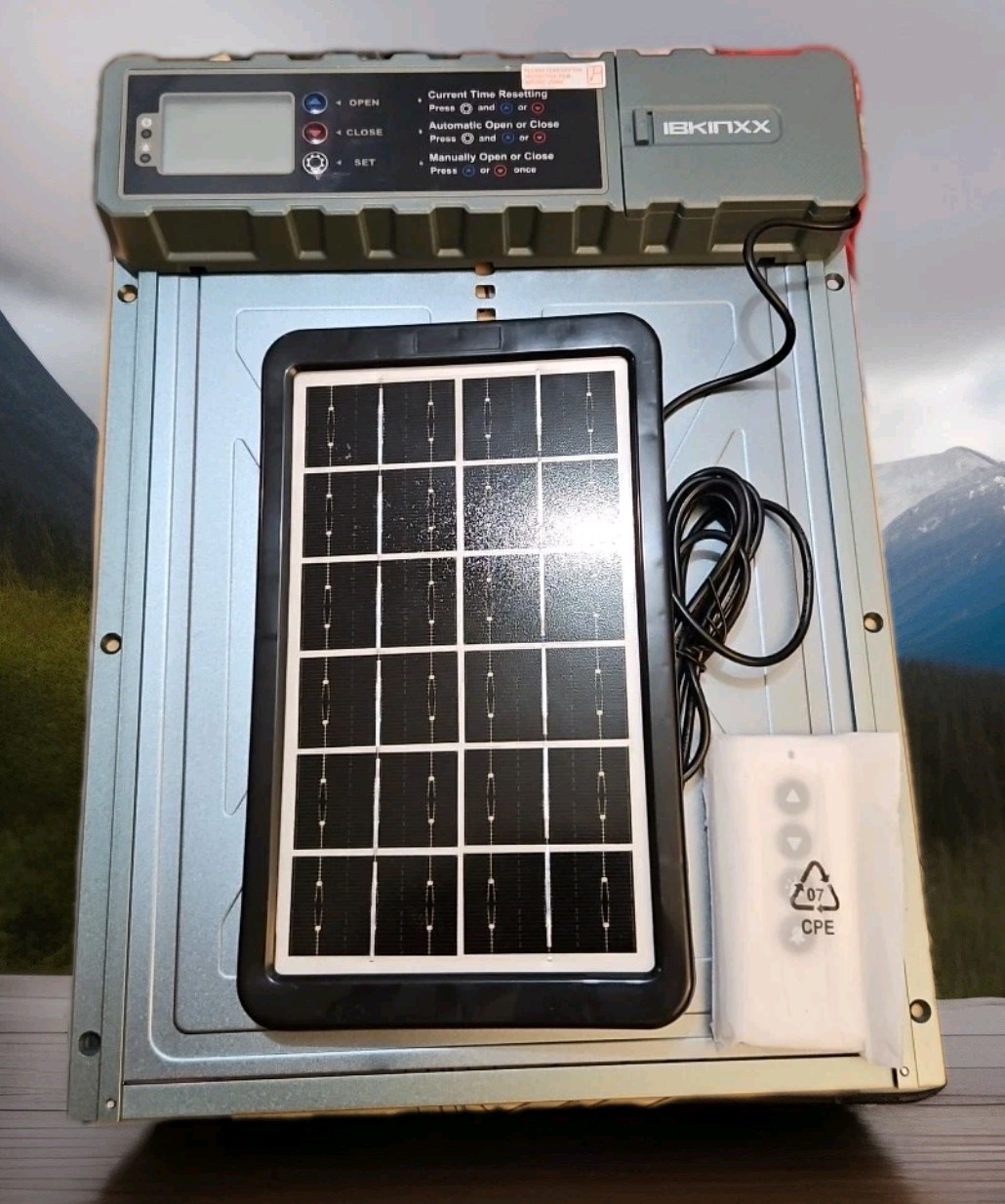 Solar Automatic Chicken Coop Door with Light Sensor Timer LCD Display$29.99View on eBay
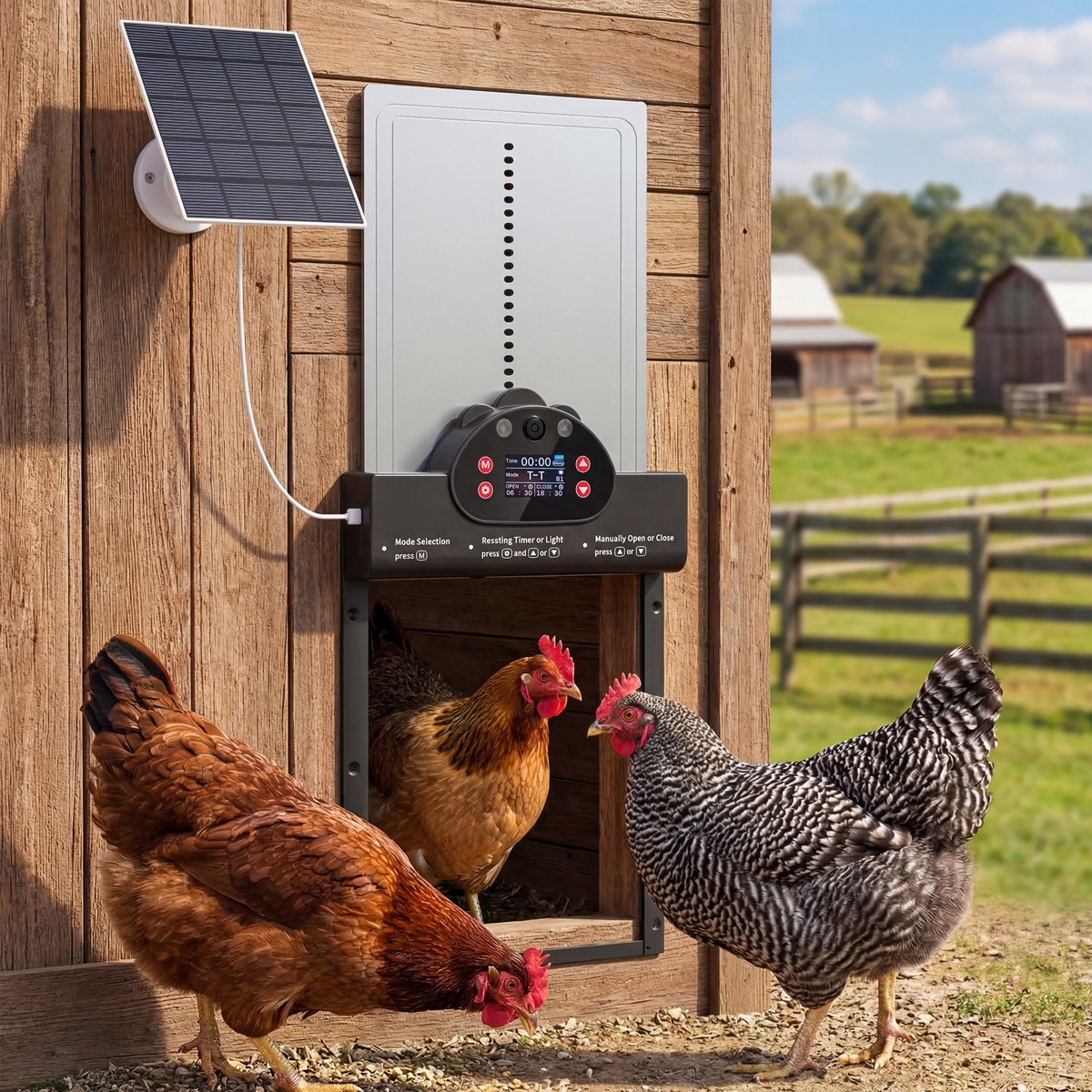 2K HD AI Camera Automatic Chicken Coop Door with APP Remote Control, WiFi Solar Powered 5200 mAh Large Battery$111.99View on Mallflare
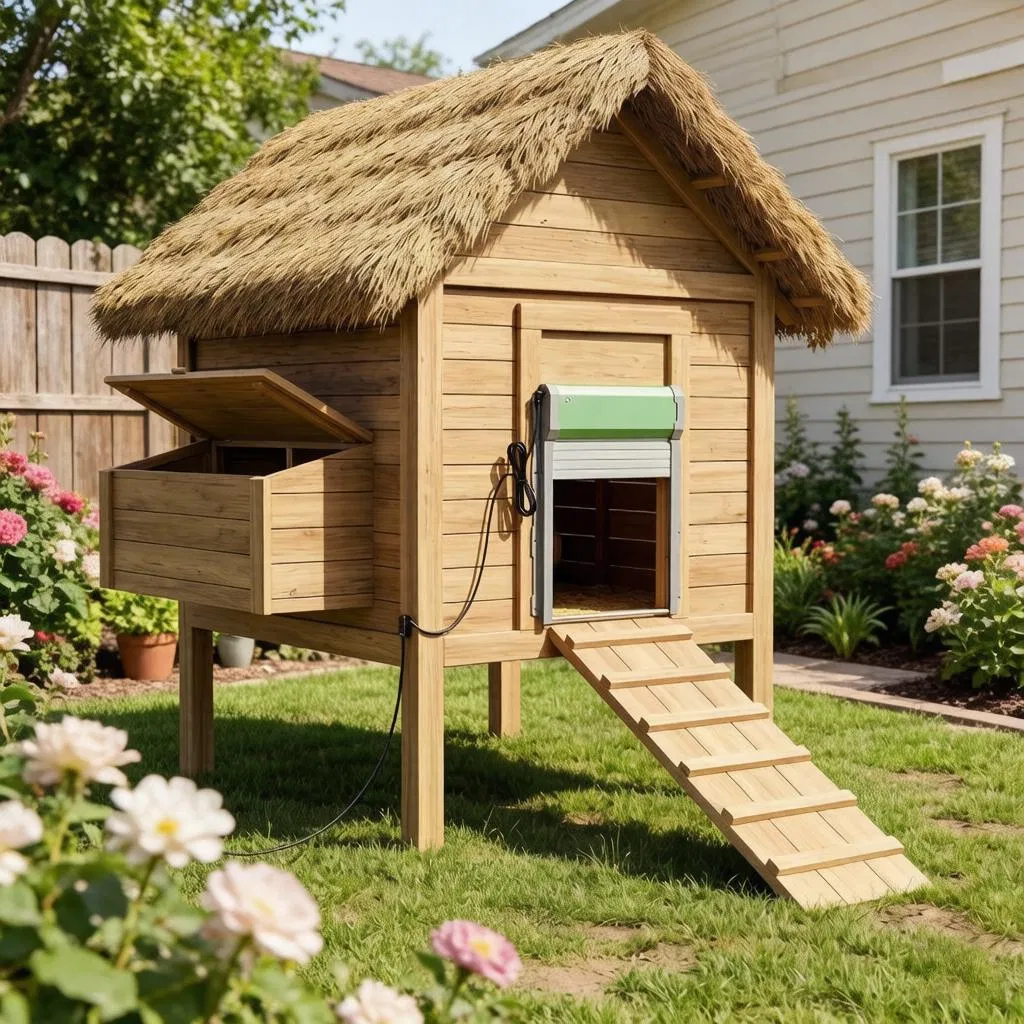 Automatic chicken coop door , equipped with remote control light sensor and outdoor timer$134.99View on Mallflare
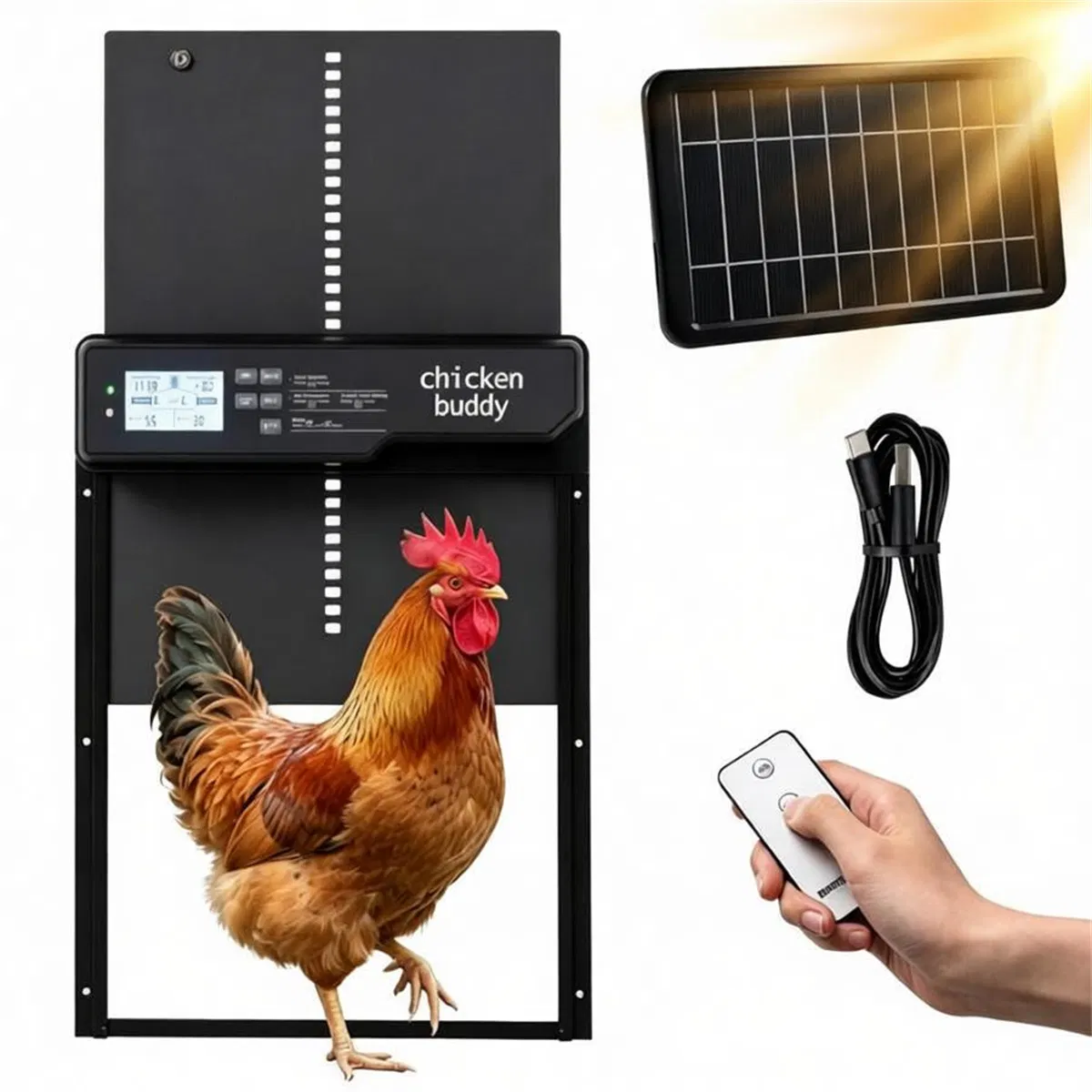 Solar Powered Automatic Chicken Coop Door with 4 Control Modes Light Sensor Timer Remote Manual, Anti-Pinch Weatherproof Aluminum Alloy Poultry Opener for Chickens Ducks Pigeons$141.99View on Mallflare
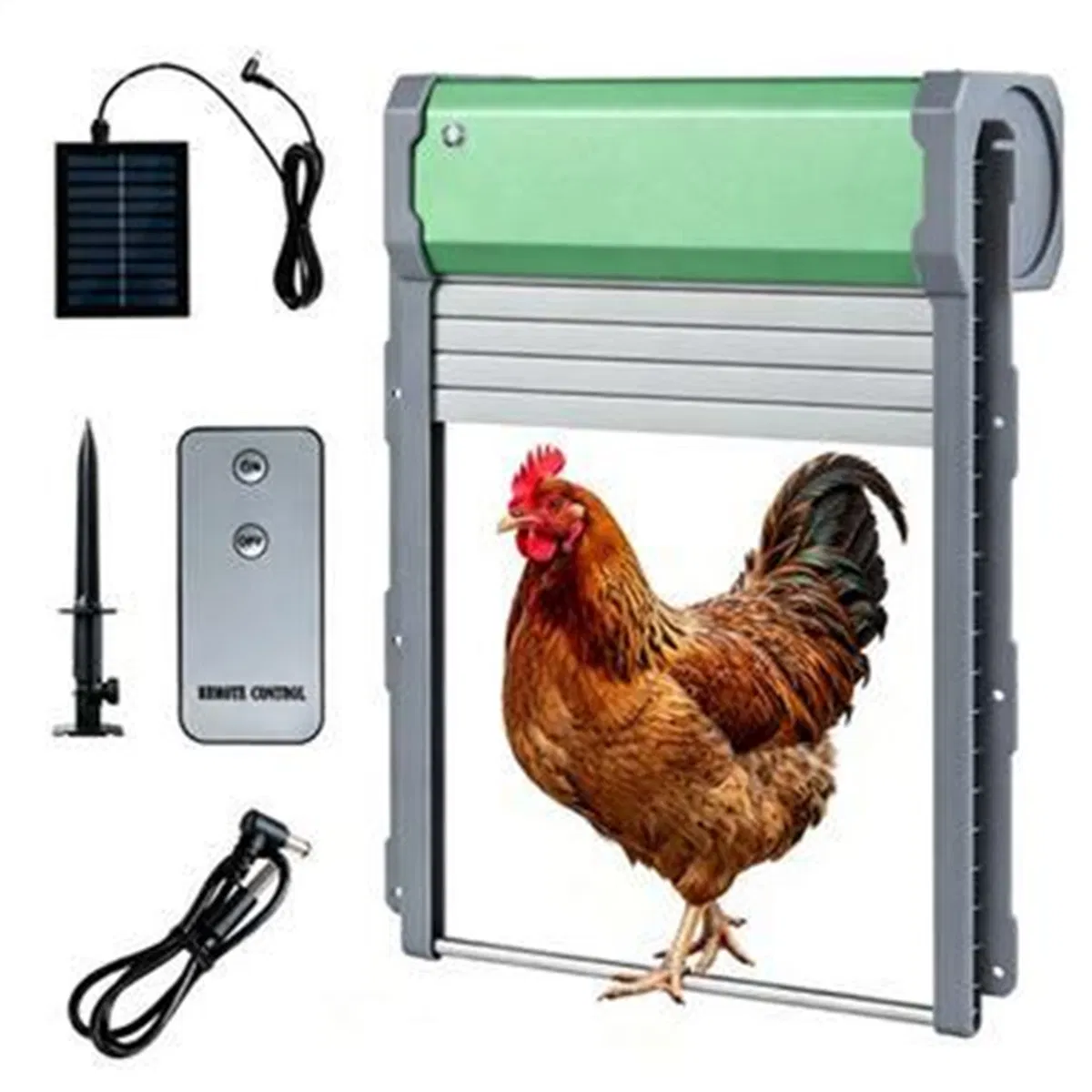 Solar Powered Automatic Chicken Coop Door with 4 Modes Light Sensor Timer Remote Control, Anti-Pinch Weatherproof Aluminum Opener for Chickens Ducks Rabbits Poultry$141.99View on Mallflare
Highlights
- Linear actuator (screw-drive) closers pull 5-15 lbs reliably; cheaper string-and-pulley motors stall above 3 lbs or in freezing conditions.
- Photocell light sensors open at ~10-20 lux and close at dusk; timer models drift seasonally and need monthly adjustment without a light override.
- IP65-rated housings resist rain and dust; unsealed units mounted outside corrode terminals within one wet season.
- 12V DC with battery backup closes the door during grid outages; 120V AC-only models leave the flock exposed when power fails.
Best use cases
- Pick a 12V battery-backed linear-actuator kit with IP65 rating if your coop sits in an open run exposed to rain and you want the door to close during storms or outages.
- Choose a photocell-sensing model for a fixed-schedule flock; skip programmable timers if you free-range birds that return to roost at variable times.
- Avoid string-pulley closers on pop doors heavier than 3 lbs or wider than 12 inches—upgrade to a screw-drive actuator rated for the door's actual weight.
- Install an AC-powered model only where a GFCI outlet sits within cord reach; otherwise a solar-and-battery DC unit eliminates trenching and voltage-drop issues.
Buying tips
- Check the actuator's rated pull force against your door's measured weight—plywood pop doors often weigh 4-8 lbs, exceeding string-pulley limits.
- Prioritize IP65 or higher ingress protection for any unit mounted outside the coop wall; indoor-only closers lack gaskets and UV-stable housings.
- Choose 12V DC with a sealed lead-acid or LiFePO4 backup so the door closes during outages; AC-only units fail open or stay open.
- Size the door opening to the closer's stroke length—most actuators move 4-12 inches, and a mismatched stroke leaves the pop door ajar.
Specs
| Drive Type | Linear actuator vs string-pulley |
|---|---|
| Door Weight Capacity | 3-15 lbs (model-dependent) |
| Power & Backup | 12V DC battery vs 120V AC |
| Ingress Protection | IP65 outdoor / unsealed indoor |
Related searches
What to check before buying
- Measure your pop door's width, height, and weight before buying—actuator torque ratings assume a specific door mass and swing style.
- Confirm your coop wall material and mounting surface: thin siding needs a backing plate, and metal walls require self-tapping screws or bolts.
- Check the power route: distance from a GFCI outlet for AC models, or solar panel placement and cable run for 12V DC units.
- Verify the door's travel path is clear of bedding, ice, and debris; closers stall against obstructions and need a reversal or slip clutch.
FAQ
Data sources: eBay / Amazon listings and product attribute feeds. Updated Nov 28, 2026.
Some links on this page are affiliate links. If you buy after clicking one, we may earn a commission at no extra cost to you. This does not change which products appear here or their order. Affiliate disclosure.