
Photos from current listings. Actual item, color, and included accessories may vary.
Chicken Coop Wire Fence Buying Guide
Chicken coop wire fence is welded or woven wire mesh sized by wire gauge, mesh opening, and roll dimensions, used to predator-proof runs and coops. The core trade-off is wire gauge and mesh aperture versus cost and weight: thinner wire and wide openings let predators through or fail under load. The decision rule is simple—anything protecting chickens overnight must be 16-19 gauge hardware cloth with 1/2-inch or 1/4-inch openings; 2x3-inch mesh is structural support only, never primary predator barrier.
Median $98.99
Key takeaways
- 16-gauge wire resists bending and chewing far better than 19- or 21-gauge; use 16-gauge for ground-level and lower 4 ft of any run.
- 1/2-inch hardware cloth blocks raccoon hands and snakes; 1/4-inch blocks rats and small snakes; 2x3-inch mesh only excludes large dogs and deer.
- Galvanized (G90 or hot-dip) mesh lasts 15+ years outdoors; vinyl-coated mesh adds cut resistance and lifespan but hides corrosion until failure.
At a glance
- Category
- Chicken Fencing & Egg Handling
- Last updated
- Nov 27, 2026
Current offers
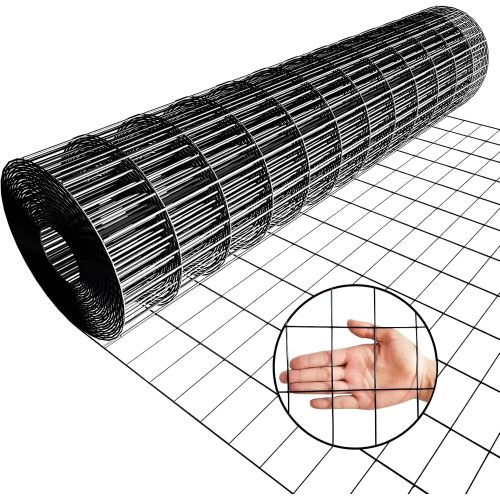 24inch X 50ft Black Vinyl Coated Hardware Cloth 2 X 3 16Ga Welded Wire Mesh Fence, PVC Chicken Fencing, Metal Garden Plant For Coop And Home Improvement$65.99View on Mallflare
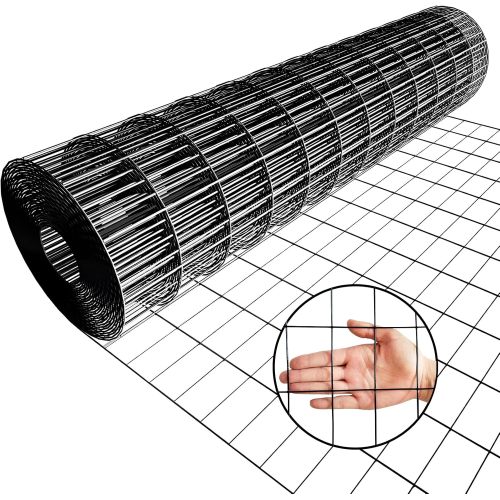 36inch X 50ft Black Vinyl Coated Hardware Cloth 2 X 3 16Ga Welded Wire Mesh Fence, PVC Chicken Fencing, Metal Garden Plant For Coop And Home Improvement$68.99View on Mallflare
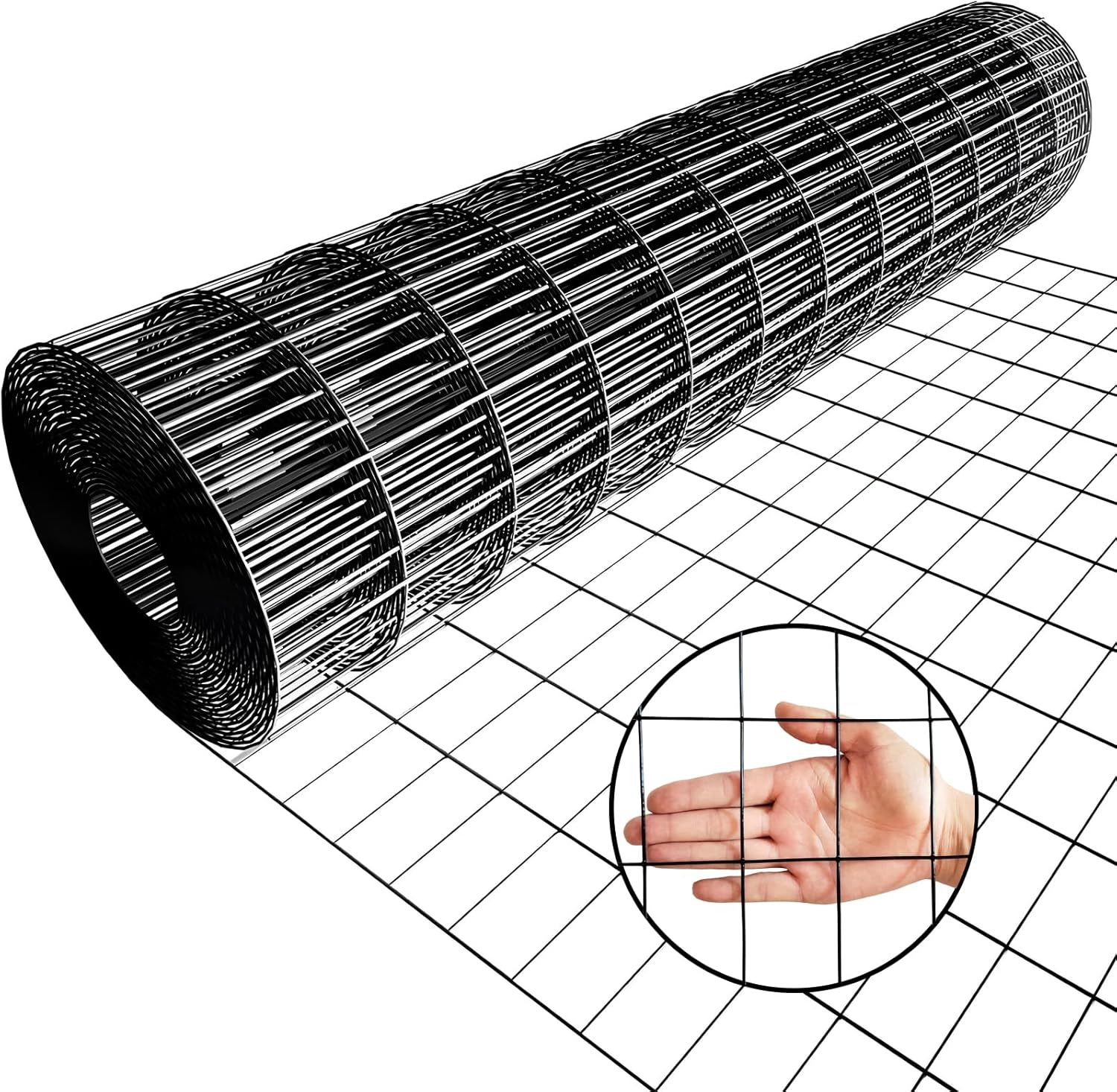 24inch x 50ft Black Vinyl Coated Hardware Cloth 2" X 3" 16Ga Welded Wire Mesh fence, PVC Chicken Fencing, Metal Garden Plant for Coop and Home Improvement$98.99View on Mallflare
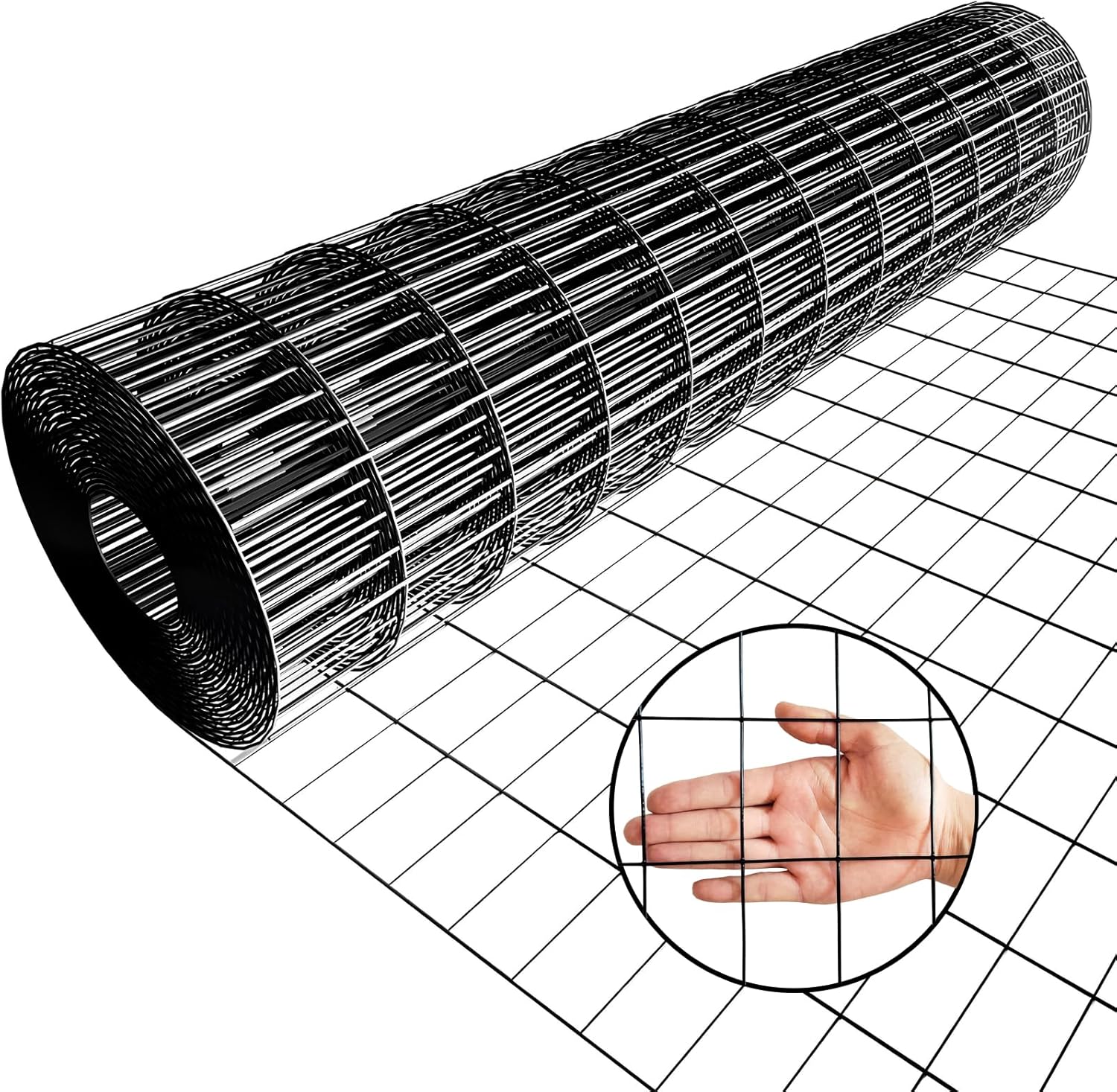 36inch x 50ft Black Vinyl Coated Hardware Cloth 2" X 3" 16Ga Welded Wire Mesh fence, PVC Chicken Fencing, Metal Garden Plant for Coop and Home Improvement$104.99View on Mallflare
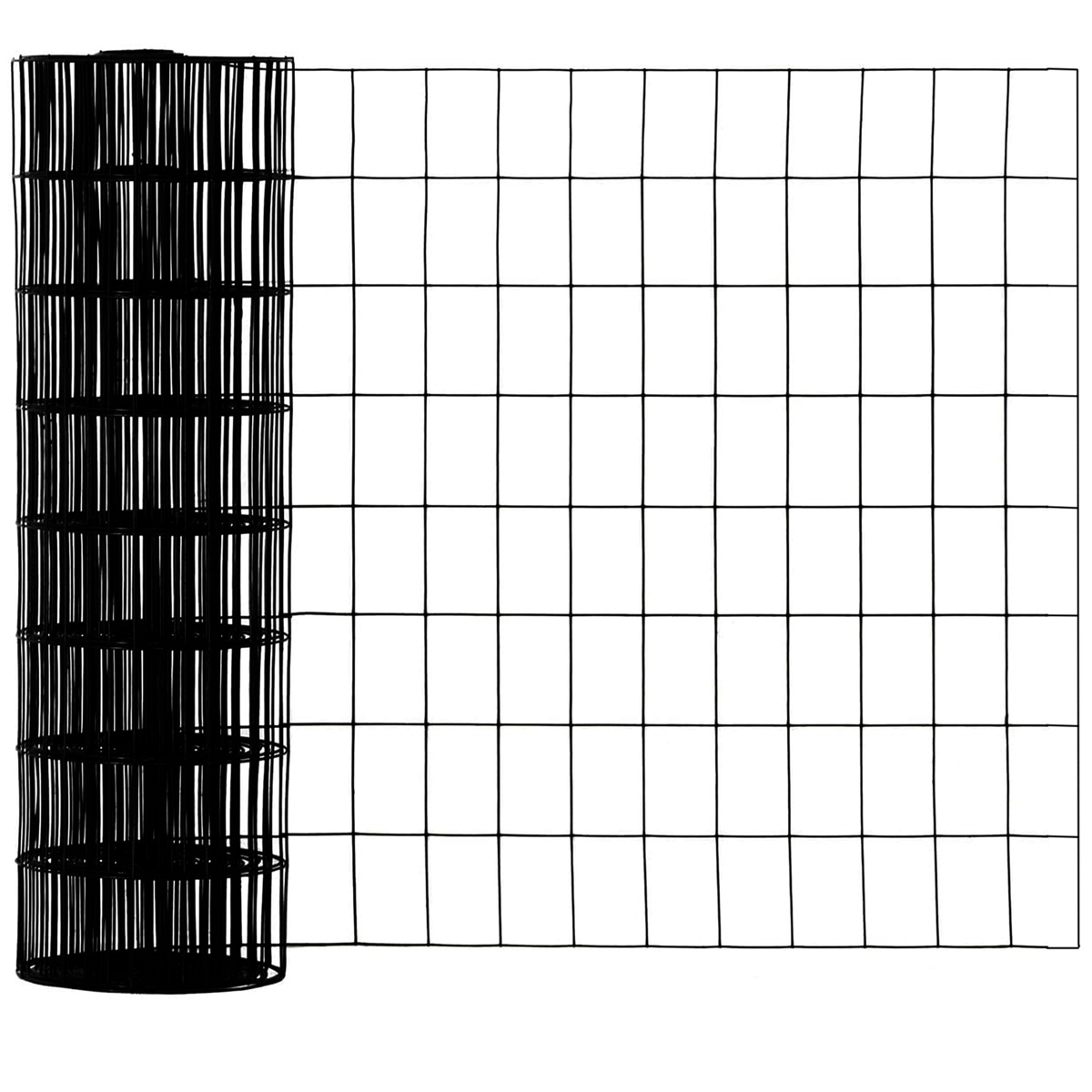 60inch X 50ft Black Vinyl Coated Hardware Cloth 2 X 4 16Ga Welded Wire Mesh Fence, PVC Chicken Fencing, Metal Garden Plant For Coop And Home Improvement$115.99View on Mallflare
Highlights
- 16-gauge wire resists bending and chewing far better than 19- or 21-gauge; use 16-gauge for ground-level and lower 4 ft of any run.
- 1/2-inch hardware cloth blocks raccoon hands and snakes; 1/4-inch blocks rats and small snakes; 2x3-inch mesh only excludes large dogs and deer.
- Galvanized (G90 or hot-dip) mesh lasts 15+ years outdoors; vinyl-coated mesh adds cut resistance and lifespan but hides corrosion until failure.
- Roll height sets coverage: 24-inch suits skirts and low brooders, 36-inch suits standard coops, 48-inch reduces horizontal seams on tall runs.
Best use cases
- Best fit: 16-gauge 1/2-inch galvanized hardware cloth at 36- or 48-inch height for coop walls and run sides where raccoons and snakes are the threat.
- Best fit: 1/4-inch 19-gauge mesh buried 12-18 inches as an L-foot skirt to stop digging predators; pair with 16-gauge above ground.
- Wrong fit: 2x3-inch 16-gauge welded wire as sole barrier—raccoons reach through, snakes pass, and chicks escape; use only as outer structural layer over hardware cloth.
- Wrong fit: 21- or 23-gauge mesh for ground contact or predator-prone areas; it deforms under a determined dog or raccoon and tears at fasteners.
Buying tips
- Match gauge to threat: 16-gauge for perimeter and ground contact, 19-gauge for upper walls and interior dividers, 21-gauge only for temporary or ornamental use.
- Select aperture by predator: 1/2-inch stops raccoons and adult snakes, 1/4-inch stops rats and juvenile snakes; never use 2x3-inch where hands or small predators reach.
- Compute roll coverage: a 36-inch x 50-ft roll covers 150 sq ft; add 10-15% overlap for corners and fastening; buy 48-inch rolls to cut vertical seams on 6-ft walls.
- Choose hot-dip galvanized after welding for longest life; vinyl coating adds abrasion resistance but inspect cut edges for exposed core and seal with paint or tape.
Specs
| Wire Gauge | 16 ga (heavy) / 19 ga (medium) / 21 ga (light) |
|---|---|
| Mesh Aperture | 1/4 in, 1/2 in, 2x3 in welded |
| Roll Height x Length | 24/36/48 in height; 50 or 100 ft rolls |
| Finish | Hot-dip galvanized / PVC vinyl-coated |
Related searches
What to check before buying
- Measure coop wall height and run perimeter, then add 10-15% for overlap; 36-inch mesh leaves gaps on 4-ft walls unless doubled.
- Check local predator pressure: raccoons and snakes require 1/2-inch or 1/4-inch; coyotes and dogs need 16-gauge minimum at ground level.
- Plan a buried skirt or apron 12-18 inches deep and 12 inches outward to defeat digging; hardware cloth, not welded wire, must be the buried layer.
- Verify fasteners and framing: staples or poultry staples at 6-inch intervals into wood, or wire clips and tension wire on T-posts; mesh must be taut to resist pushing.
FAQ
Data sources: eBay / Amazon listings and product attribute feeds. Updated Nov 27, 2026.
Some links on this page are affiliate links. If you buy after clicking one, we may earn a commission at no extra cost to you. This does not change which products appear here or their order. Affiliate disclosure.