
Photos from current listings. Actual item, color, and included accessories may vary.
Plastic Chicken Fence Buying Guide
Plastic chicken fence is a lightweight, UV-stabilized polypropylene or polyethylene mesh or netting used to contain poultry and protect gardens, distinguished from metal poultry netting by its flexibility, non-conductive safety, and rust-free lifespan. The primary trade-off is between cheap thin monofilament netting that UV-degrades in 1–2 seasons and thick extruded or woven mesh with UV inhibitors rated for 5–10 years. The decision rule: choose a plastic fence only if you need a portable, relocatable, or electric-fence-friendly barrier; if permanent predator-proof containment is required, step up to welded-wire or hardware cloth.
Median $98.99
Key takeaways
- Plastic poultry netting is typically UV-stabilized polypropylene or high-density polyethylene; mesh openings range from 1/2 inch to 2 inches, with 1-inch hex or square mesh being the common poultry standard.
- Electroplastic netting combines conductive strands with plastic mesh for electric poultry fencing; it requires a compatible energizer rated for the total net length and must be kept clear of tall vegetation to avoid grounding.
- Material grade is the durability driver: thin monofilament netting (often sold as bird netting) is not predator-resistant, while extruded knotless or woven mesh with thicker strands and UV inhibitors resists tearing and sun damage far longer.
At a glance
- Category
- Chicken Fencing & Egg Handling
- Last updated
- Nov 27, 2026
Current offers
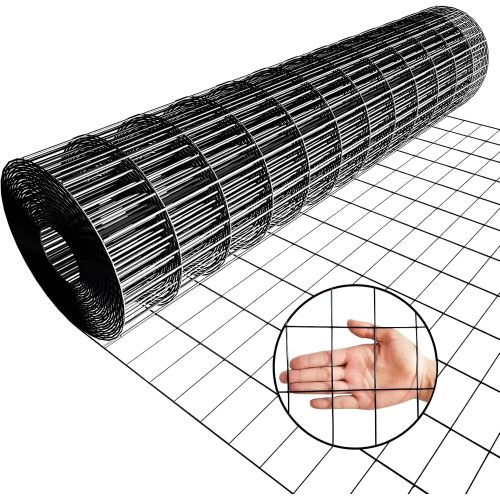 24inch X 50ft Black Vinyl Coated Hardware Cloth 2 X 3 16Ga Welded Wire Mesh Fence, PVC Chicken Fencing, Metal Garden Plant For Coop And Home Improvement$65.99View on Mallflare
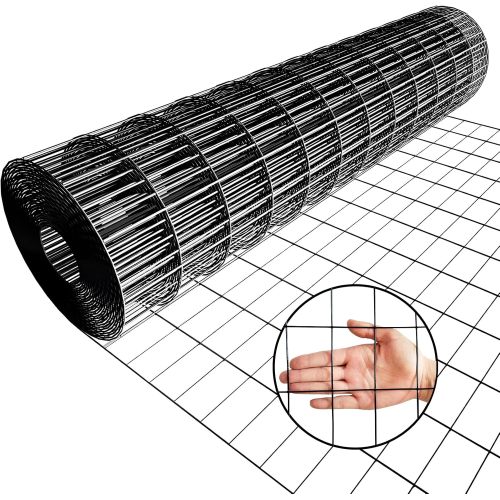 36inch X 50ft Black Vinyl Coated Hardware Cloth 2 X 3 16Ga Welded Wire Mesh Fence, PVC Chicken Fencing, Metal Garden Plant For Coop And Home Improvement$68.99View on Mallflare
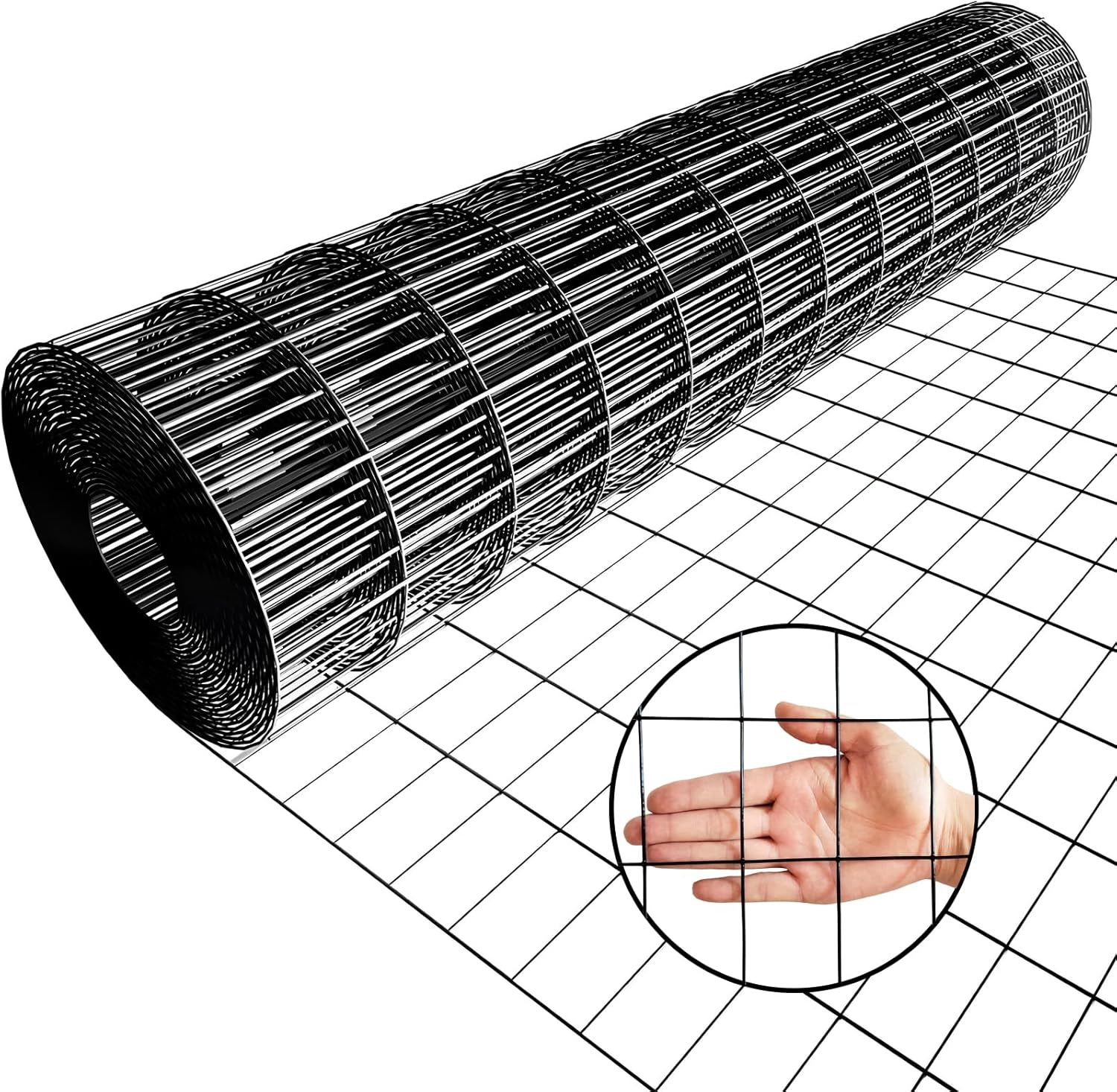 24inch x 50ft Black Vinyl Coated Hardware Cloth 2" X 3" 16Ga Welded Wire Mesh fence, PVC Chicken Fencing, Metal Garden Plant for Coop and Home Improvement$98.99View on Mallflare
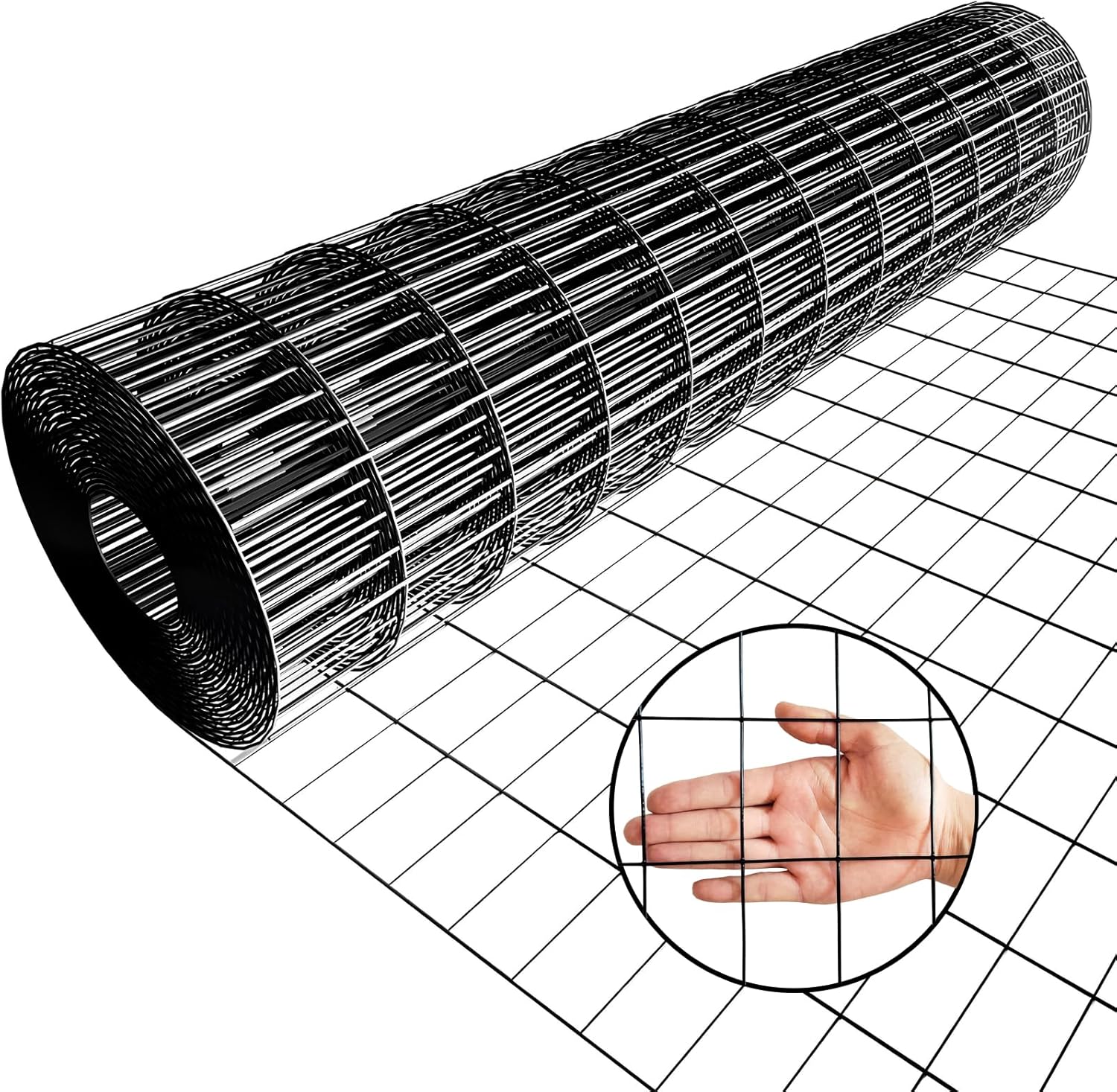 36inch x 50ft Black Vinyl Coated Hardware Cloth 2" X 3" 16Ga Welded Wire Mesh fence, PVC Chicken Fencing, Metal Garden Plant for Coop and Home Improvement$104.99View on Mallflare
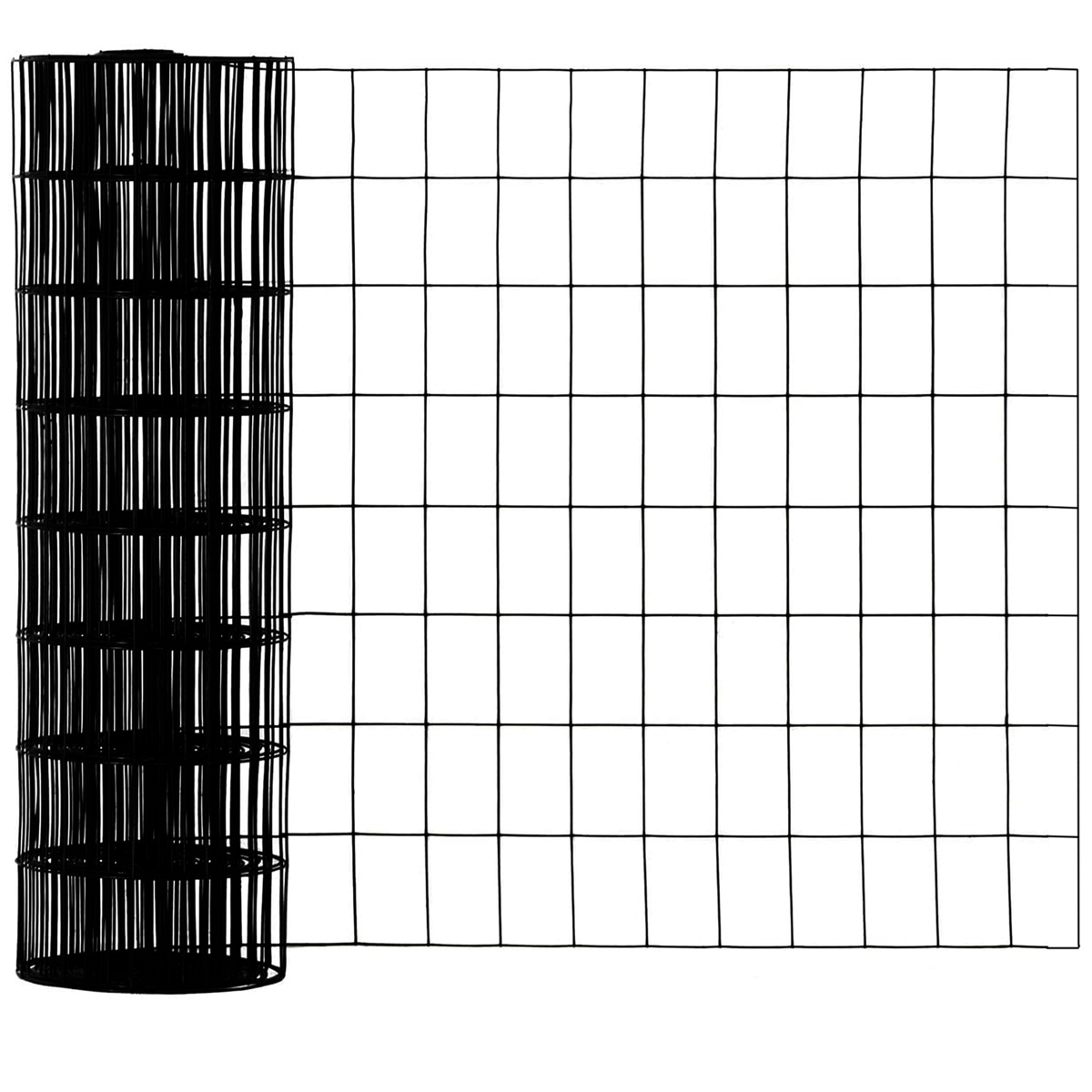 60inch X 50ft Black Vinyl Coated Hardware Cloth 2 X 4 16Ga Welded Wire Mesh Fence, PVC Chicken Fencing, Metal Garden Plant For Coop And Home Improvement$115.99View on Mallflare
Highlights
- Plastic poultry netting is typically UV-stabilized polypropylene or high-density polyethylene; mesh openings range from 1/2 inch to 2 inches, with 1-inch hex or square mesh being the common poultry standard.
- Electroplastic netting combines conductive strands with plastic mesh for electric poultry fencing; it requires a compatible energizer rated for the total net length and must be kept clear of tall vegetation to avoid grounding.
- Material grade is the durability driver: thin monofilament netting (often sold as bird netting) is not predator-resistant, while extruded knotless or woven mesh with thicker strands and UV inhibitors resists tearing and sun damage far longer.
- Plastic fences are non-conductive (except electroplastic types), rust-free, and lighter than metal, but they are not chew-proof and will not stop determined digging predators without an added apron or buried skirt.
Best use cases
- Best fit: portable rotational grazing for chickens in a yard or orchard — choose lightweight electroplastic netting with step-in posts and a matching energizer; skip heavy fixed mesh if you move the pen weekly.
- Best fit: garden or crop protection from birds and small animals — select 1-inch or finer UV-stabilized netting draped over hoops or frames; skip electroplastic netting here because it adds cost without benefit.
- Wrong fit: permanent, predator-dense containment (fox, coyote, raccoon) — plastic netting alone will fail; use welded-wire with a buried apron instead, and treat plastic fence as a visual deterrent only.
- Best fit: temporary confinement for chicks or broilers on pasture — pick 1-inch hex mesh with reinforced bottom edge and adequate height (minimum 4 ft for adult chickens); skip 2-inch mesh, which allows small birds to slip through.
Buying tips
- Match mesh size to bird size: 1/2-inch mesh for chicks and small bantams, 1-inch for standard adult chickens, and never larger than 2 inches if you want to keep pullets contained.
- Check UV stabilization: plastic netting labeled with UV inhibitors and a multi-year warranty will outlast untreated monofilament; thin bird netting is a seasonal item, not a fence.
- For electroplastic netting, size the energizer to the total net length and use a voltmeter to confirm at least 2,000–3,000 volts along the far end; keep vegetation cleared to prevent shorts.
- Height matters: 4 ft is the practical minimum for adult chickens, 5–6 ft for flighty breeds or heavier predator pressure; add a top net or covered run if birds roost on the fence line.
Specs
| Material | UV-stabilized PP or HDPE |
|---|---|
| Mesh Opening | 1/2 in to 2 in |
| Fence Height | 4 ft to 6 ft |
| Electric Option | Electroplastic netting + energizer |
Related searches
What to check before buying
- Measure the perimeter and add 10–15% for corners, gates, and uneven ground; plastic netting stretches and sags, so plan extra posts at corners and mid-spans.
- Confirm the fence height and mesh opening against your smallest bird and your most likely predator; supplement with a buried apron or skirt if digging predators are present.
- For electric netting, verify the energizer voltage and joule rating, the plug or battery standard in your region, and that the net's conductive strands match the energizer's terminal type.
- Check ground conditions: rocky or hard soil needs a post driver or alternative anchoring, and sandy soil may require longer posts or additional stakes to keep the net taut.
FAQ
Data sources: eBay / Amazon listings and product attribute feeds. Updated Nov 27, 2026.
Some links on this page are affiliate links. If you buy after clicking one, we may earn a commission at no extra cost to you. This does not change which products appear here or their order. Affiliate disclosure.