
Photos from current listings. Actual item, color, and included accessories may vary.
Garage Shed Buying Guide
Garage sheds split into two distinct architectures: lightweight polyethylene fabric shelters over steel tube frames and rigid galvanized or resin-panel structures. The fabric shelter fits temporary or seasonal vehicle and equipment storage where portability and low cost matter; the rigid shed wins where snow load, wind rating, and security are non-negotiable. Most buyer mistakes come from oversizing the footprint without checking anchor and snow-load limits, or buying a carport canopy rated for sun shade and expecting it to survive winter storms.
Median $142.99 · New listings
Key takeaways
- Fabric garage shelters use a powder-coated steel tube frame (typically 1.5-2 in diameter) with a UV-treated polyethylene tarp rated around 120-180 GSM; heavier GSM resists tearing and UV degradation longer.
- Rigid metal sheds use 29-32 gauge galvanized steel panels with a resin or zinc coating; resin-panel sheds resist denting and rust better in coastal or humid climates.
- Snow-load capacity is the deciding metric: fabric shelters need a peak-roof frame plus an anti-snow kit (center pole or rafter braces) to shed accumulation; most are rated for 1-2 ft of light snow, not heavy wet snow.
At a glance
- Category
- Outdoor Structures, Shade & Awnings
- Last updated
- Nov 27, 2026
Current offers
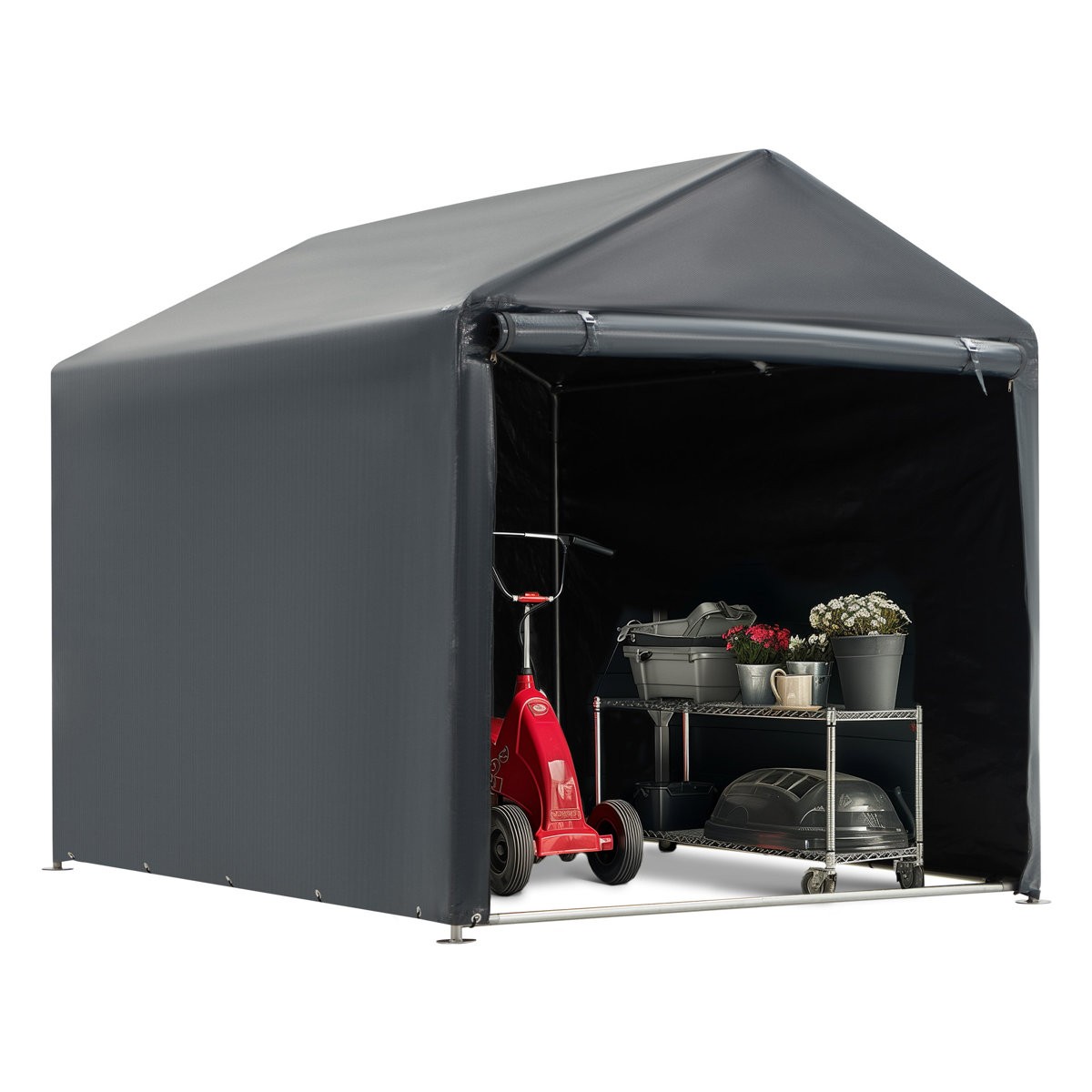 5x7.2ft Portable Garage Outdoor Storage Shed Waterproof$94.99Last checked Nov 19, 2026View on eBay
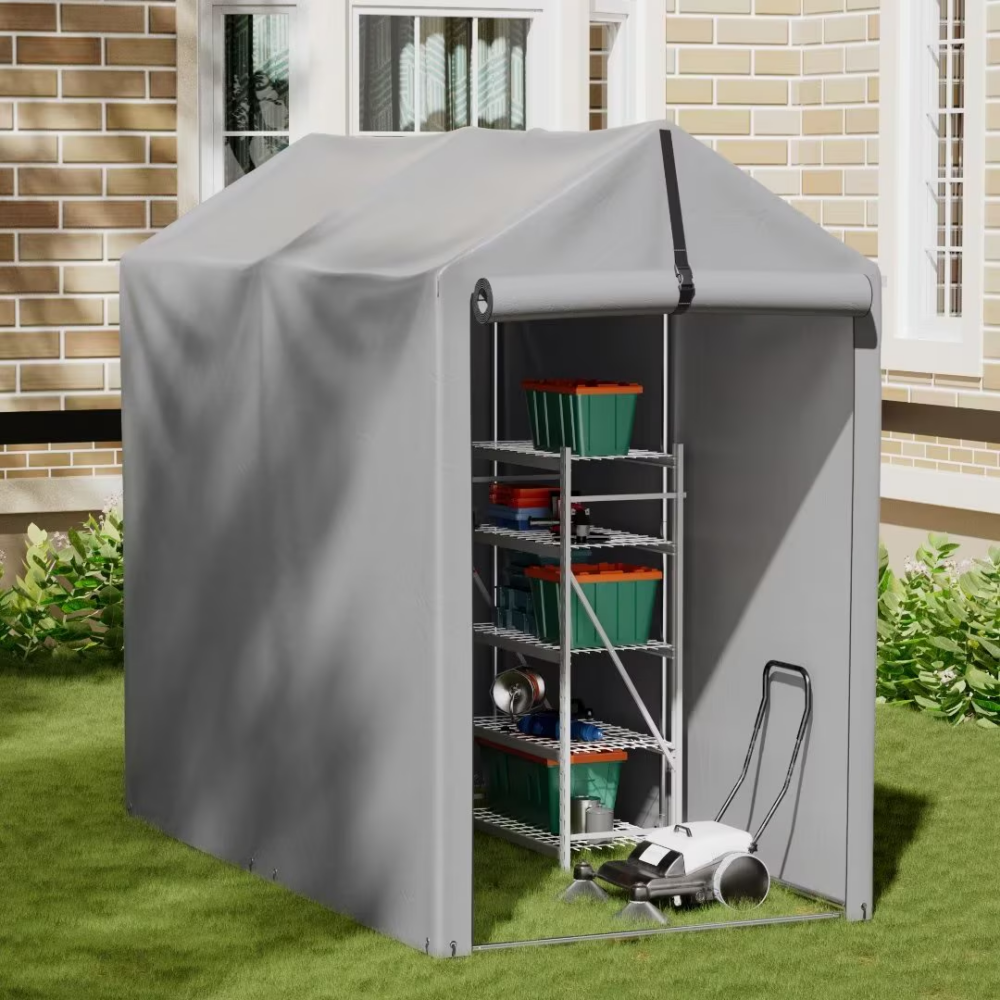 3x6x5 ft Outdoor Storage Shed Portable Garage Shelter, with Roll-up Zipper Door, for Motorcycle, Lawn Mower, Bike, Anti-Snow Kit Tent, Grey$136.99View on Mallflare
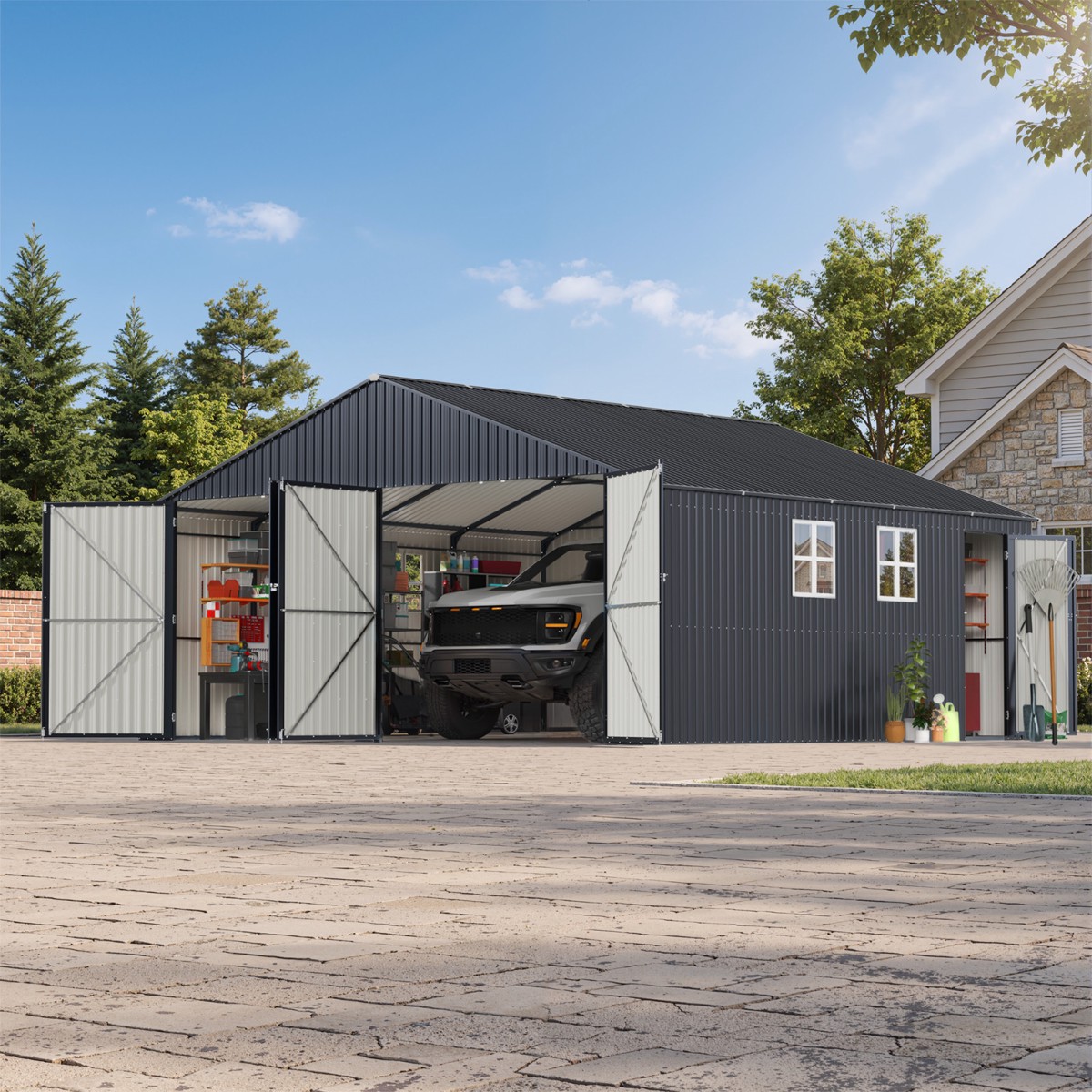 20x20FT Outdoor Storage Shed, Extra Large Metal Garage Carport with Double Doors$2,184.99New · Last checked Nov 23, 2026View on eBay
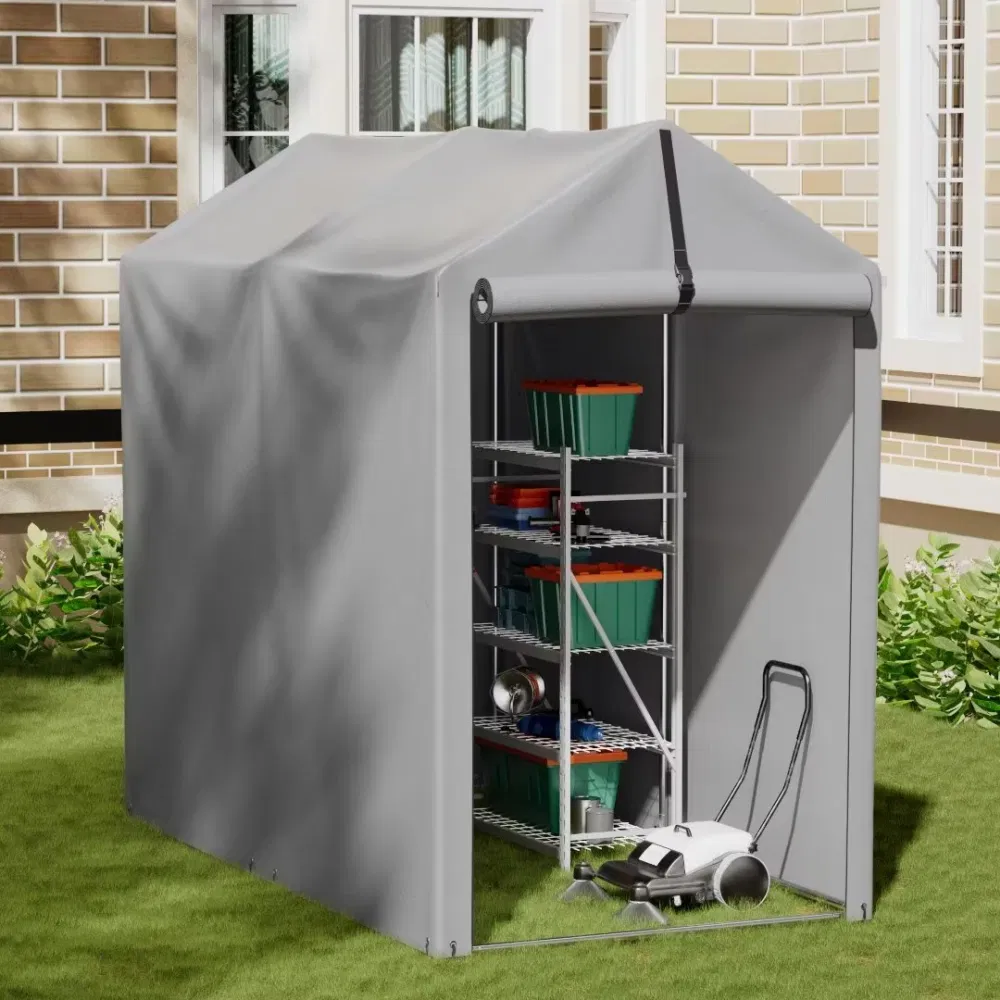 3x6x5 ft OutdoorStorageShed Portable Garage Shelter, Outdoor Shed with Roll-up Zipper Door,StorageShelterforMotorcycle, Lawn Mower, Bike, Anti-Snow Kit Tent, Grey$142.99View on Mallflare
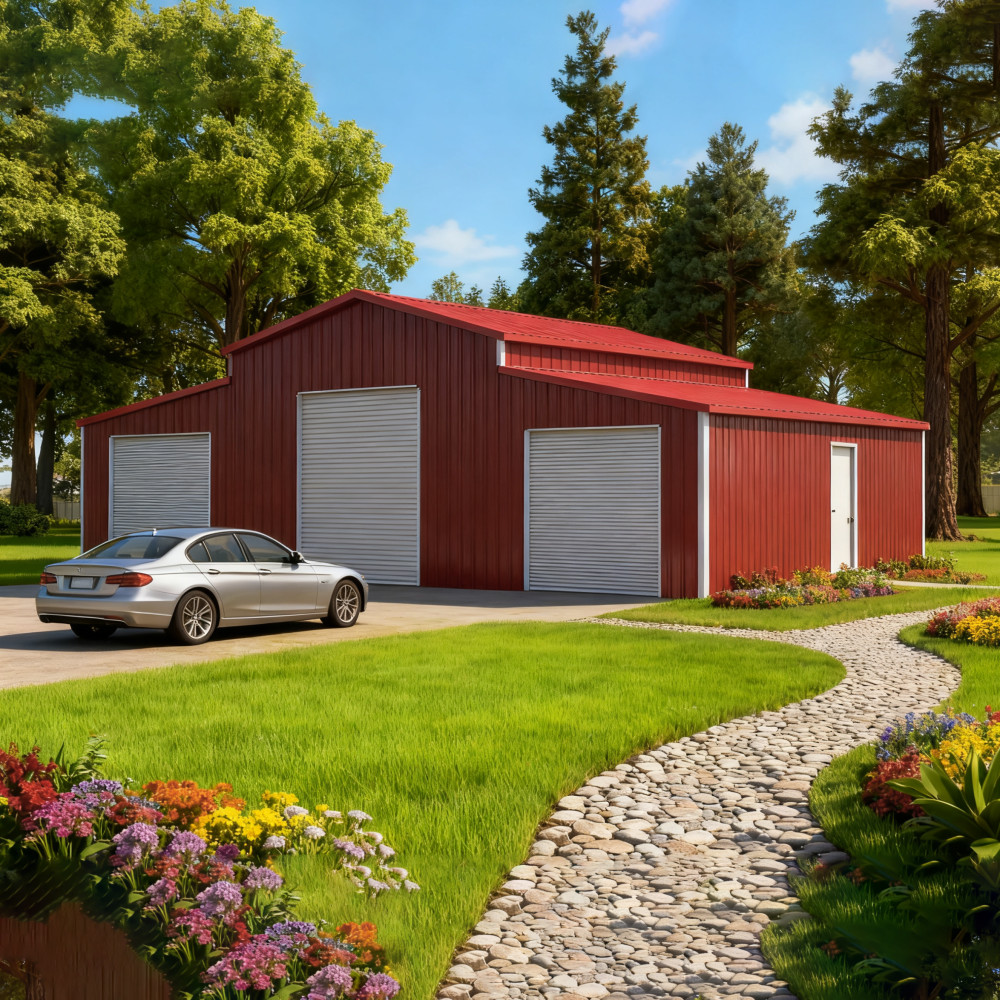 42x30FT Weather Resistant Steel Storage Shed, Heavy Duty Garage Farm Structure$5,039.10New · Last checked Nov 23, 2026View on eBay
Highlights
- Fabric garage shelters use a powder-coated steel tube frame (typically 1.5-2 in diameter) with a UV-treated polyethylene tarp rated around 120-180 GSM; heavier GSM resists tearing and UV degradation longer.
- Rigid metal sheds use 29-32 gauge galvanized steel panels with a resin or zinc coating; resin-panel sheds resist denting and rust better in coastal or humid climates.
- Snow-load capacity is the deciding metric: fabric shelters need a peak-roof frame plus an anti-snow kit (center pole or rafter braces) to shed accumulation; most are rated for 1-2 ft of light snow, not heavy wet snow.
- Anchor type separates a stable shelter from a wind-tossed one: auger anchors into soil, expansion bolts into concrete, and weighted ballast straps for asphalt or deck surfaces.
Best use cases
- Best fit for a fabric 10x20 carport shelter: daily driver or boat stored seasonally on a driveway where you need cheap covered parking and can anchor into soil or concrete. Skip it if you get heavy wet snow or sustained high winds.
- Best fit for a small 3x6x5 ft zippered shelter: motorcycle, lawn mower, or bike storage against a wall where a roll-up zipper door gives quick access. Wrong fit for a full-size car or anything needing walk-in headroom.
- Best fit for a rigid galvanized steel shed: long-term storage of tools, mower, and chemicals where security and snow load matter more than portability. Skip fabric if the structure must survive multi-foot snow without manual clearing.
Buying tips
- Size the footprint against the actual vehicle or equipment plus 2-3 ft of clearance on the entry side; a 10x20 fits most sedans and small SUVs, while 12x20 or larger suits trucks and boats.
- Prioritize frame gauge and tube diameter over tarp color: thicker powder-coated steel legs and cross-braces resist racking in wind far better than thinner tubing with a premium cover.
- Choose auger anchors for lawn or gravel, expansion bolts for concrete slabs, and ballast weights only for hard surfaces where drilling is impossible; never rely on the shelter's own weight.
- Avoid single-layer lightweight tarps under 120 GSM for permanent outdoor use; they chalk and tear within a season, while heavier woven polyethylene or PVC-coated covers last multiple winters.
Specs
| Structure Type | Fabric canopy vs rigid steel/resin |
|---|---|
| Frame Material | Powder-coated steel tube / galvanized |
| Cover Rating | 120-180 GSM PE / PVC-coated |
| Anchor Type | Auger / expansion bolt / ballast |
What to check before buying
- Measure the pad or ground footprint and overhead clearance, including door swing and roof peak height, before choosing between a 5x7, 7x8, 10x20, or larger size.
- Confirm the surface type (soil, gravel, concrete, asphalt) so you buy the correct anchor kit; augers and expansion bolts are not interchangeable.
- Check local snow-load and wind-speed expectations against the shelter's published rating, and add a center support or anti-snow kit if snow exceeds 1-2 ft.
- Verify you have the companion parts: anchor kit, anti-snow poles, and a floor or ground tarp if the shelter sits on dirt or grass.
FAQ
Data sources: eBay / Amazon listings and product attribute feeds. Updated Nov 27, 2026.
Some links on this page are affiliate links. If you buy after clicking one, we may earn a commission at no extra cost to you. This does not change which products appear here or their order. Affiliate disclosure.