
Photos from current listings. Actual item, color, and included accessories may vary.
Chicken Brooder Box Buying Guide
A chicken brooder box is the controlled microclimate that replaces a mother hen for the first 6–8 weeks—combining an enclosure, a heat source, and ventilation into one system. The core trade-off is radiant spot heat (heat plate or lamp) versus whole-box convection heat: radiant lets chicks self-regulate and prevents pasty butt, while convection is simpler but risks chilling and overheating pockets. Buy a radiant plate or lamp system sized to your chick count with adjustable height; skip fixed-wattage open heat rocks or unvented plastic totes that trap ammonia.
Median $44.99
Key takeaways
- Radiant heat plates (Thermo-Peep style) mimic a hen's underside at 95–100°F and chicks self-regulate by contact—no lamp-height guessing or fire risk.
- Heat lamps need a 250W max ceramic-socket clamp fixture with a wire guard; 125W is plenty for a 2x2 ft brooder in a 65°F room.
- Brooder floor area rule: 0.5 sq ft per chick at week 1, doubling to 1 sq ft by week 4 and 2 sq ft by week 6; a 31.5x15.75 in box fits ~10 chicks to week 3 only.
At a glance
- Category
- Chicken Brooders & Heat
- Last updated
- Nov 24, 2026
Current offers
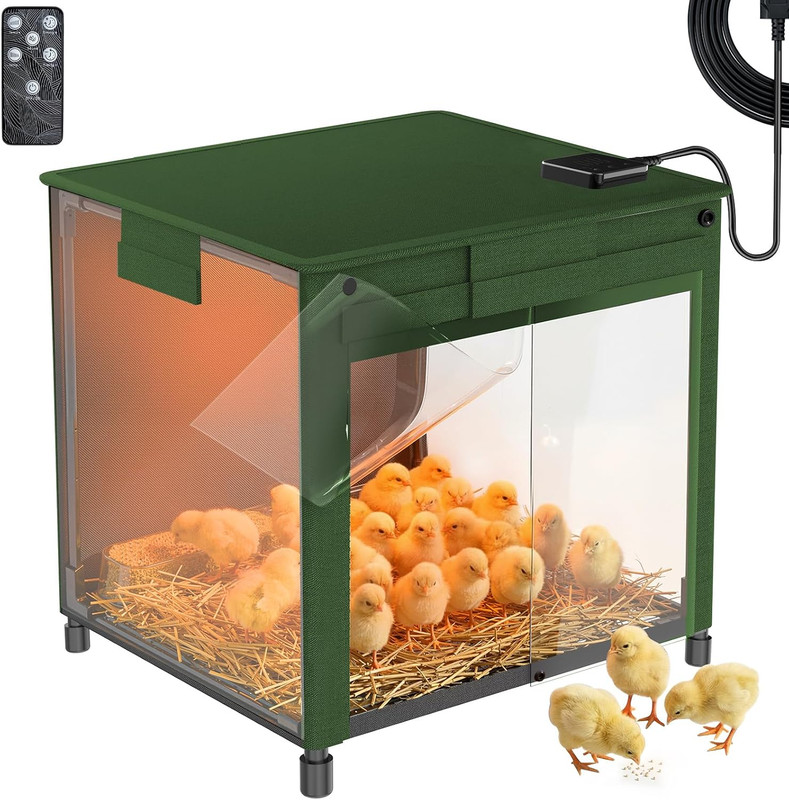 Brooder Box for Chicks, 200W Chick Brooder Constant Radiant Chicken Coop Heater$20.99View on eBay
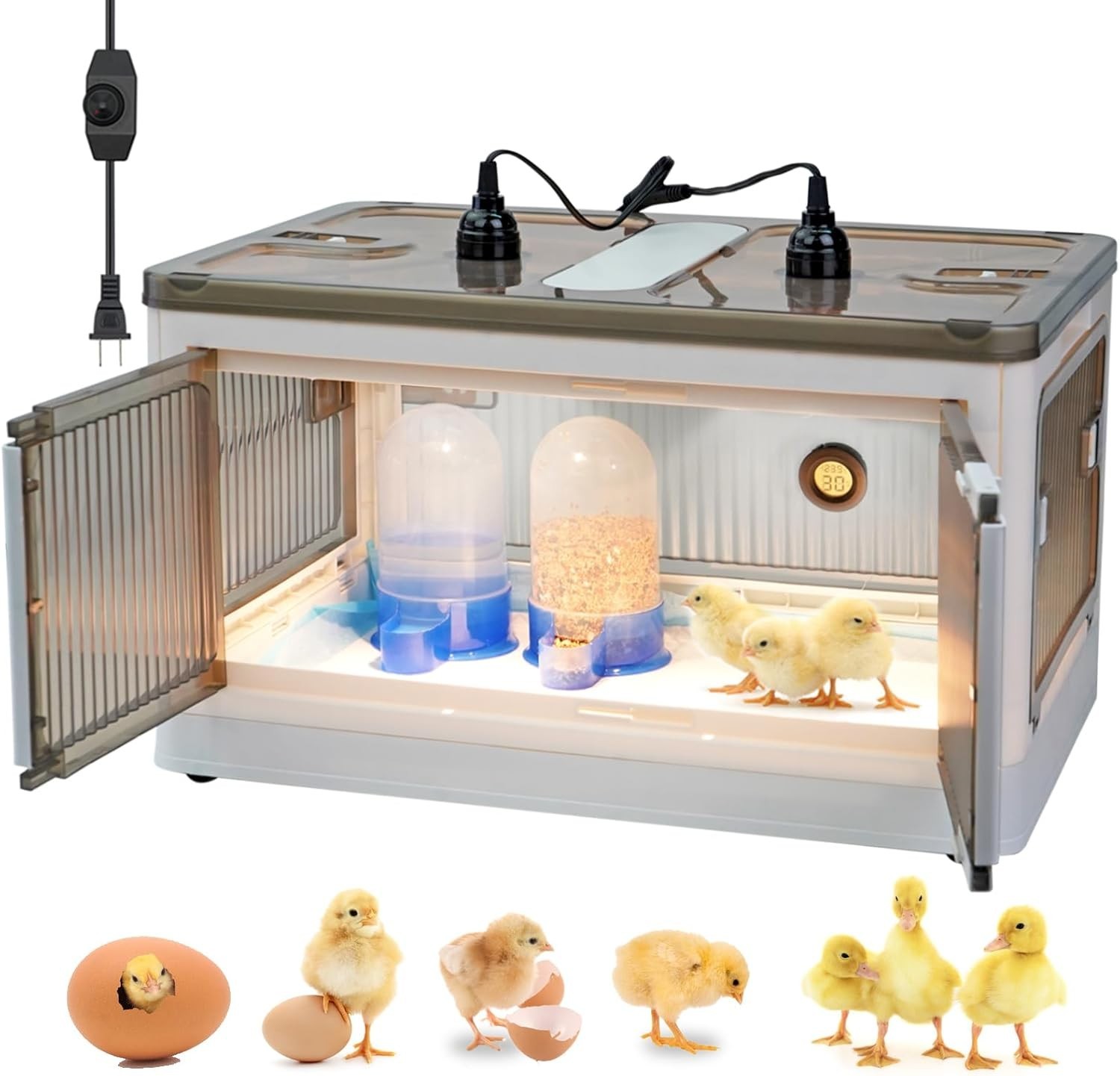 Chicken Brooder Box for Chicks Brooder Heater Chicks Warmer Brooder Plate Kit Ch$39.95View on eBay
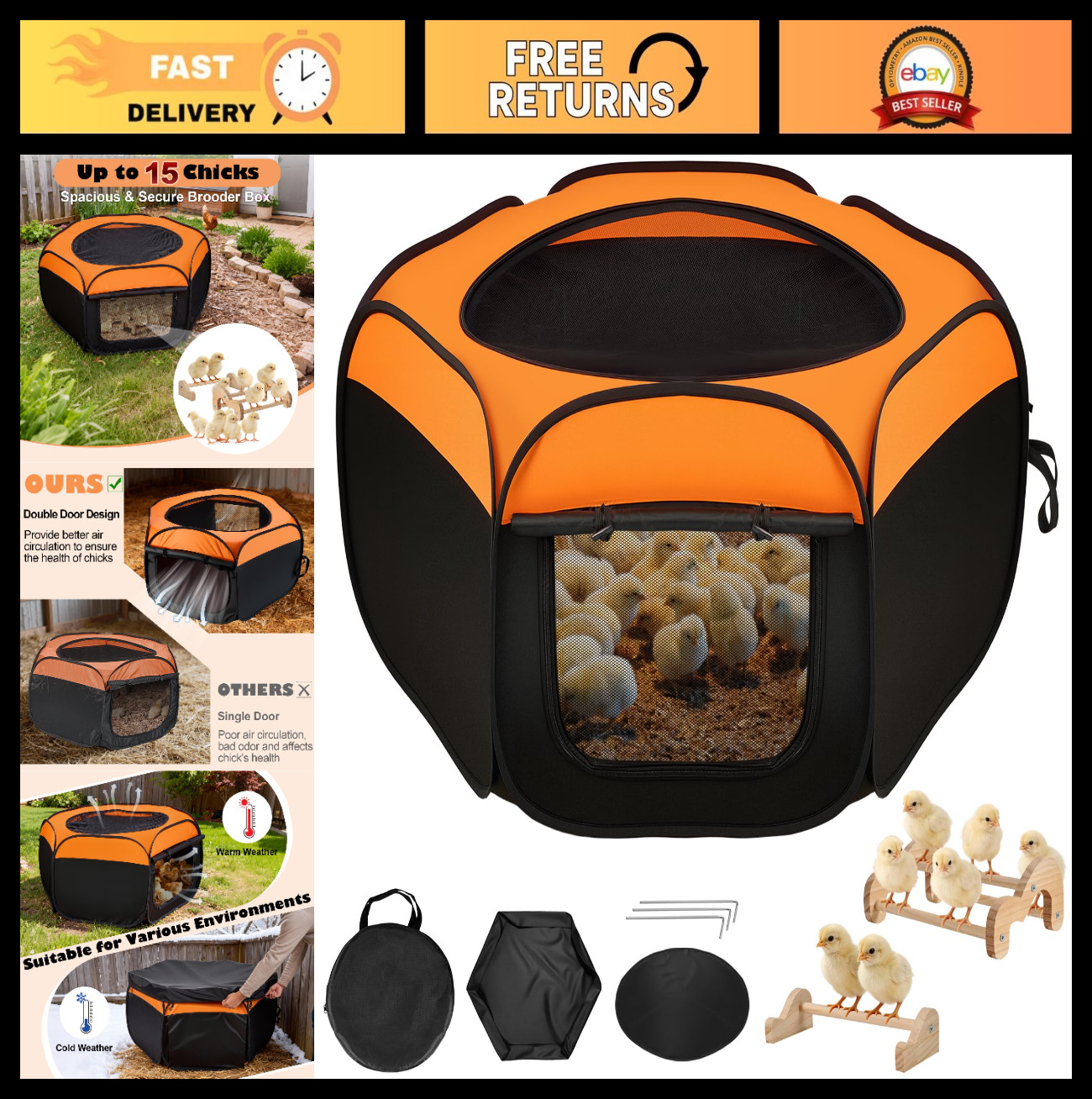 Chick Brooder Box, Pop-Up Chicken Playpen with Dual Doors for Easy Access$44.99View on eBay
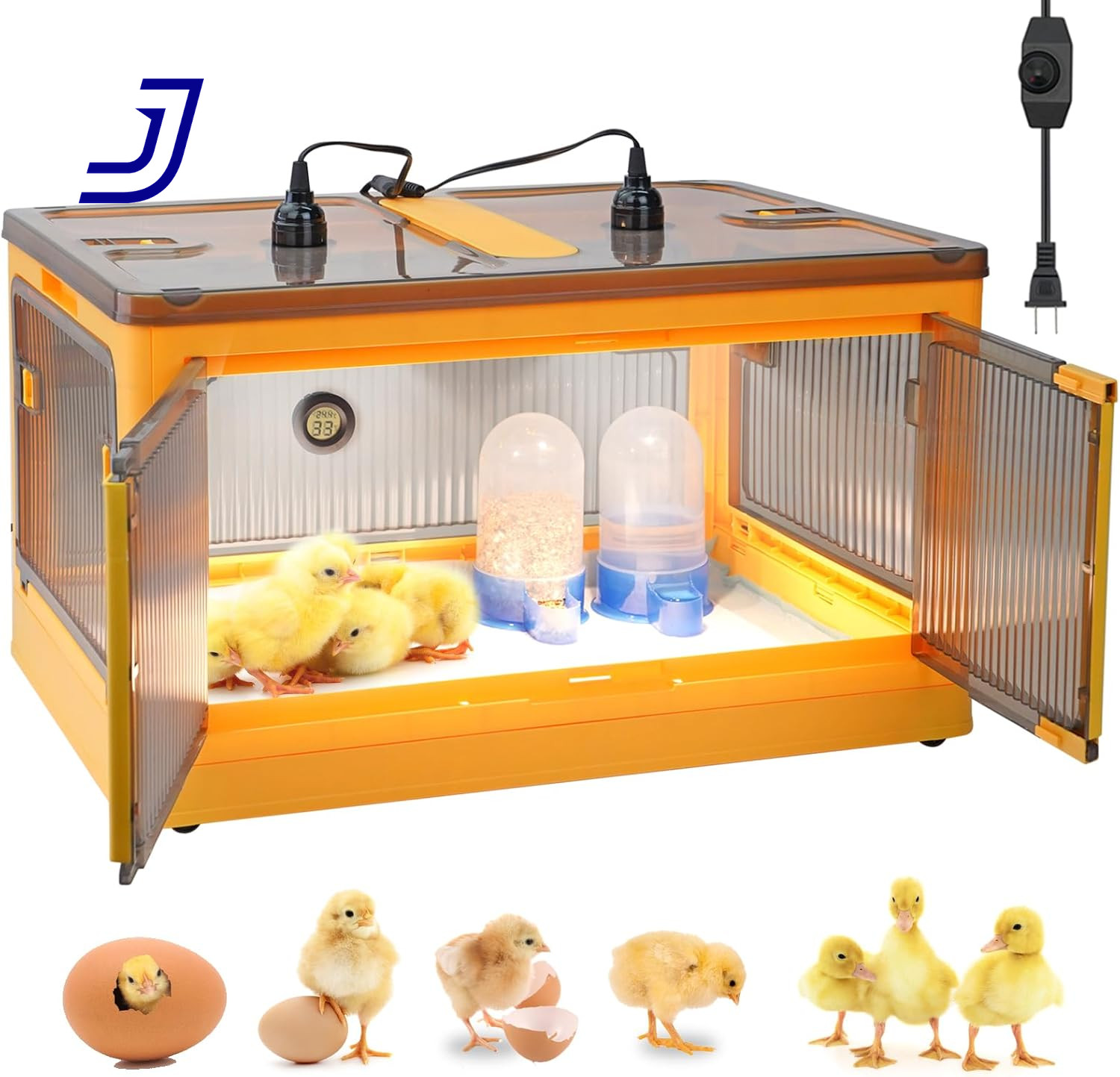 Chicken Brooder Box for Chicks Brooder Heater Chicks w/ Thermometer for 20 Ducks$45.15View on eBay
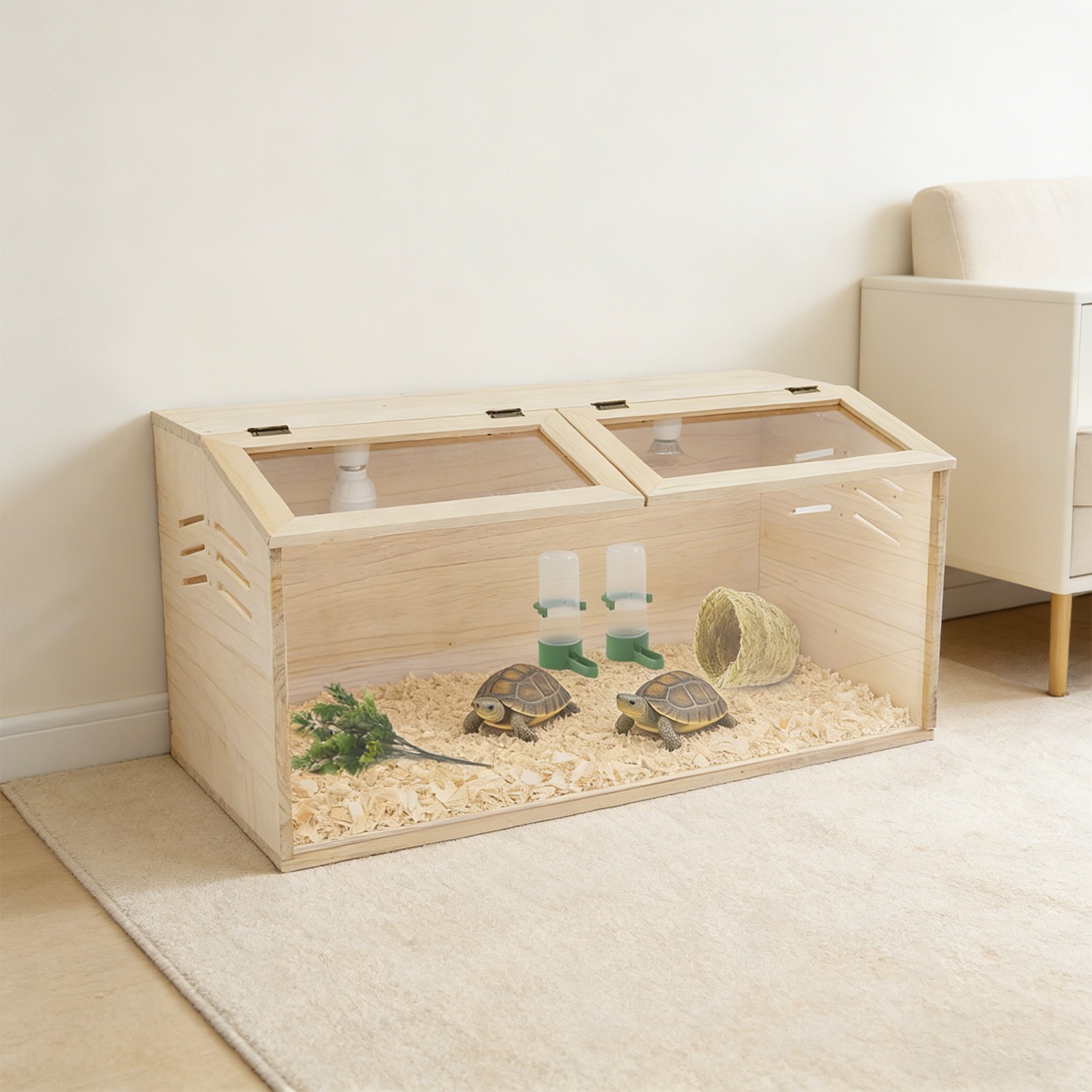 Chicken Brooder Box Indoor Small Animals Brooding Box 31.5*15.75*15.75in$67.77View on eBay
Highlights
- Radiant heat plates (Thermo-Peep style) mimic a hen's underside at 95–100°F and chicks self-regulate by contact—no lamp-height guessing or fire risk.
- Heat lamps need a 250W max ceramic-socket clamp fixture with a wire guard; 125W is plenty for a 2x2 ft brooder in a 65°F room.
- Brooder floor area rule: 0.5 sq ft per chick at week 1, doubling to 1 sq ft by week 4 and 2 sq ft by week 6; a 31.5x15.75 in box fits ~10 chicks to week 3 only.
- Digital thermostat models (32 in wide, 200W) cycle heat within ±2°F, cutting pasty-butt and dehydration versus on/off lamps that swing 10–15°F.
Best use cases
- Indoor garage or utility room brooding for 1–10 chicks: pick a heat plate with adjustable legs and a 24x18 in min floor—skip open lamps near stored flammables.
- Large batch (15–25 chicks) in a barn or shed: choose a 32 in wide thermostat-controlled radiant box with 200W+ output and 1 in wire-mesh lid—skip pop-up playpens without a heat source.
- Ducks or mixed waterfowl: use a plate rated for 20 ducks with raised sides and a thermometer; skip chick-only plates—ducklings splash and need spill-proof bedding.
- First-time buyers wanting simplicity: a pop-up playpen with dual doors plus a separate clamp lamp works for week 1–2 only; skip it beyond week 3 as chicks outgrow 15.75 in height.
Buying tips
- Size the box by final week: 10 chicks need 2x4 ft (8 sq ft) by week 6—buy a 31.5x15.75 in box for brooding only to week 3, then expand.
- Match heat output to room temperature: 200W radiant plate covers 20 chicks at 70°F ambient; below 60°F add a second plate or insulate the box.
- Choose a plate with adjustable height legs (3–6 in) so chicks can touch it at week 1 and step down as they feather—fixed-height plates force you to buy twice.
- Ventilation matters more than insulation: use a wire-mesh lid or 1 in drilled holes per 2 sq ft; solid lids cause ammonia buildup and respiratory disease.
Specs
| Heat Type | Radiant plate vs heat lamp vs pad |
|---|---|
| Wattage Tier | 125W / 200W / 250W max |
| Chick Capacity | 0.5–2 sq ft per chick by age |
| Box Footprint | 31.5x15.75 in to 32x48 in |
Related searches
What to check before buying
- Measure your brooding room: box footprint plus 12 in clearance on all sides for airflow and refill access—a 32 in wide box needs a 4 ft table or floor patch.
- Confirm floor surface is level and non-slip: place the box on concrete or a rubber mat; carpet or slick plastic lets chicks splay their legs.
- Check ambient temperature where the box sits: below 60°F requires a 200W+ plate or insulated walls; above 85°F needs only a 125W lamp or plate on low.
- Verify your electrical setup: a 200W plate draws ~1.7A at 120V—one standard 15A circuit handles multiple brooders, but no daisy-chained power strips.
FAQ
Data sources: eBay / Amazon listings and product attribute feeds. Updated Nov 24, 2026.
Some links on this page are affiliate links. If you buy after clicking one, we may earn a commission at no extra cost to you. This does not change which products appear here or their order. Affiliate disclosure.